
Quantify Temperature Stress Tolerance in Silicon Controlled Rectifiers
MAR 13, 20269 MIN READ
Generate Your Research Report Instantly with AI Agent
Patsnap Eureka helps you evaluate technical feasibility & market potential.
SCR Temperature Stress Background and Research Objectives
Silicon Controlled Rectifiers (SCRs) have emerged as critical components in power electronics systems, serving as fundamental building blocks in applications ranging from industrial motor drives to renewable energy conversion systems. These semiconductor devices, first developed in the 1950s, have evolved significantly to meet the demanding requirements of modern high-power applications. The ability of SCRs to handle substantial current loads while maintaining precise switching control has made them indispensable in power management systems across various industries.
The operational environment of SCRs in contemporary applications presents increasingly challenging thermal conditions. Power electronics systems are being pushed to higher power densities and more compact form factors, resulting in elevated operating temperatures that can significantly impact device performance and reliability. Temperature stress in SCRs manifests through multiple mechanisms, including thermal cycling effects, steady-state high-temperature operation, and transient thermal events during switching operations.
Current industry trends toward electrification in automotive, aerospace, and industrial sectors have intensified the demand for SCRs capable of operating reliably under extreme temperature conditions. Electric vehicle powertrains, for instance, require power semiconductor devices that can withstand temperature variations from sub-zero startup conditions to elevated operational temperatures exceeding 150°C. Similarly, renewable energy systems, particularly solar inverters and wind power converters, expose SCRs to significant thermal stress due to environmental temperature fluctuations and power cycling.
The quantification of temperature stress tolerance has become a critical research priority as traditional qualification methods prove insufficient for next-generation applications. Existing temperature characterization approaches often rely on simplified models that fail to capture the complex interactions between thermal stress and device degradation mechanisms. This gap between current testing methodologies and real-world operational demands necessitates the development of more sophisticated quantification techniques.
The primary research objective centers on establishing comprehensive methodologies for accurately quantifying temperature stress tolerance in SCRs across their operational lifetime. This involves developing advanced characterization techniques that can capture both immediate thermal effects and long-term degradation patterns under various temperature stress conditions. The research aims to create predictive models that correlate thermal exposure parameters with device performance metrics, enabling more accurate reliability assessments.
Secondary objectives include establishing standardized testing protocols that better reflect real-world thermal stress scenarios and developing enhanced simulation tools for predicting SCR behavior under complex thermal profiles. These efforts will ultimately contribute to improved device design guidelines and more reliable power electronics systems capable of meeting the stringent requirements of emerging high-temperature applications.
The operational environment of SCRs in contemporary applications presents increasingly challenging thermal conditions. Power electronics systems are being pushed to higher power densities and more compact form factors, resulting in elevated operating temperatures that can significantly impact device performance and reliability. Temperature stress in SCRs manifests through multiple mechanisms, including thermal cycling effects, steady-state high-temperature operation, and transient thermal events during switching operations.
Current industry trends toward electrification in automotive, aerospace, and industrial sectors have intensified the demand for SCRs capable of operating reliably under extreme temperature conditions. Electric vehicle powertrains, for instance, require power semiconductor devices that can withstand temperature variations from sub-zero startup conditions to elevated operational temperatures exceeding 150°C. Similarly, renewable energy systems, particularly solar inverters and wind power converters, expose SCRs to significant thermal stress due to environmental temperature fluctuations and power cycling.
The quantification of temperature stress tolerance has become a critical research priority as traditional qualification methods prove insufficient for next-generation applications. Existing temperature characterization approaches often rely on simplified models that fail to capture the complex interactions between thermal stress and device degradation mechanisms. This gap between current testing methodologies and real-world operational demands necessitates the development of more sophisticated quantification techniques.
The primary research objective centers on establishing comprehensive methodologies for accurately quantifying temperature stress tolerance in SCRs across their operational lifetime. This involves developing advanced characterization techniques that can capture both immediate thermal effects and long-term degradation patterns under various temperature stress conditions. The research aims to create predictive models that correlate thermal exposure parameters with device performance metrics, enabling more accurate reliability assessments.
Secondary objectives include establishing standardized testing protocols that better reflect real-world thermal stress scenarios and developing enhanced simulation tools for predicting SCR behavior under complex thermal profiles. These efforts will ultimately contribute to improved device design guidelines and more reliable power electronics systems capable of meeting the stringent requirements of emerging high-temperature applications.
Market Demand for High-Temperature SCR Applications
The global market for high-temperature silicon controlled rectifiers demonstrates robust growth driven by increasing demands across multiple industrial sectors. Power electronics applications in harsh environments represent the primary growth catalyst, with industries requiring reliable semiconductor performance at elevated temperatures ranging from 150°C to 200°C and beyond.
Industrial motor drives constitute a significant market segment, particularly in steel manufacturing, glass production, and petrochemical processing where ambient temperatures routinely exceed standard operating conditions. These applications demand SCRs capable of maintaining switching characteristics and thermal stability under sustained high-temperature exposure while preserving long-term reliability.
Automotive electrification trends substantially expand market opportunities for temperature-resilient SCRs. Electric vehicle powertrains, battery management systems, and charging infrastructure operate in thermally challenging environments where quantified temperature stress tolerance becomes critical for safety and performance. The automotive sector increasingly specifies SCRs with validated high-temperature operation capabilities to ensure system reliability across diverse climate conditions.
Renewable energy infrastructure presents another expanding market vertical. Solar inverters and wind power conversion systems frequently encounter elevated operating temperatures, particularly in desert installations and tropical regions. Grid-tied systems require SCRs with documented temperature stress tolerance to maintain power conversion efficiency and prevent thermal-induced failures that could compromise energy generation capacity.
Aerospace and defense applications represent high-value market segments where temperature stress quantification becomes mandatory rather than optional. Military electronics, satellite power systems, and aircraft electrical systems operate across extreme temperature ranges, necessitating SCRs with rigorously characterized thermal performance parameters and validated stress tolerance metrics.
The industrial heating and welding equipment market continues expanding, driven by manufacturing automation and precision control requirements. These applications subject SCRs to cyclic thermal stress patterns, making quantified temperature tolerance essential for predicting component lifecycle and maintenance scheduling.
Market demand increasingly emphasizes not merely high-temperature capability but comprehensive temperature stress characterization including thermal cycling endurance, junction temperature limits, and degradation mechanisms. This shift reflects growing system-level reliability requirements and the need for predictive maintenance strategies in critical applications.
Industrial motor drives constitute a significant market segment, particularly in steel manufacturing, glass production, and petrochemical processing where ambient temperatures routinely exceed standard operating conditions. These applications demand SCRs capable of maintaining switching characteristics and thermal stability under sustained high-temperature exposure while preserving long-term reliability.
Automotive electrification trends substantially expand market opportunities for temperature-resilient SCRs. Electric vehicle powertrains, battery management systems, and charging infrastructure operate in thermally challenging environments where quantified temperature stress tolerance becomes critical for safety and performance. The automotive sector increasingly specifies SCRs with validated high-temperature operation capabilities to ensure system reliability across diverse climate conditions.
Renewable energy infrastructure presents another expanding market vertical. Solar inverters and wind power conversion systems frequently encounter elevated operating temperatures, particularly in desert installations and tropical regions. Grid-tied systems require SCRs with documented temperature stress tolerance to maintain power conversion efficiency and prevent thermal-induced failures that could compromise energy generation capacity.
Aerospace and defense applications represent high-value market segments where temperature stress quantification becomes mandatory rather than optional. Military electronics, satellite power systems, and aircraft electrical systems operate across extreme temperature ranges, necessitating SCRs with rigorously characterized thermal performance parameters and validated stress tolerance metrics.
The industrial heating and welding equipment market continues expanding, driven by manufacturing automation and precision control requirements. These applications subject SCRs to cyclic thermal stress patterns, making quantified temperature tolerance essential for predicting component lifecycle and maintenance scheduling.
Market demand increasingly emphasizes not merely high-temperature capability but comprehensive temperature stress characterization including thermal cycling endurance, junction temperature limits, and degradation mechanisms. This shift reflects growing system-level reliability requirements and the need for predictive maintenance strategies in critical applications.
Current SCR Temperature Limitations and Technical Challenges
Silicon Controlled Rectifiers face significant temperature-related operational constraints that fundamentally limit their deployment in high-temperature environments. The primary limitation stems from the intrinsic properties of silicon semiconductor material, which exhibits degraded performance characteristics as operating temperatures exceed 150°C. At elevated temperatures, the leakage current increases exponentially, following the Arrhenius relationship, leading to reduced blocking capability and potential thermal runaway conditions.
The junction temperature rise during operation presents a critical challenge, as SCRs generate substantial heat during switching transitions and conduction phases. This self-heating effect compounds external thermal stress, creating a cascading thermal management problem. The maximum junction temperature typically ranges between 125°C to 175°C for commercial SCR devices, beyond which permanent damage or catastrophic failure occurs due to metallization migration and bond wire degradation.
Current SCR designs struggle with thermal cycling stress, where repeated temperature fluctuations cause mechanical stress at material interfaces. The coefficient of thermal expansion mismatch between silicon die, packaging materials, and interconnects leads to fatigue-related failures. Wire bond lift-off and die attach delamination represent the most common failure modes under thermal cycling conditions, significantly reducing device reliability and operational lifespan.
Gate sensitivity variations pose another substantial technical challenge at elevated temperatures. The gate trigger current and voltage requirements shift unpredictably with temperature changes, making precise control difficult in high-temperature applications. This temperature-dependent behavior affects the SCR's ability to maintain consistent switching characteristics, particularly in power electronics applications requiring precise timing and control.
Packaging limitations further constrain SCR temperature performance. Traditional plastic encapsulation materials begin to degrade at temperatures above 150°C, while ceramic packages, though more temperature-resistant, introduce thermal interface challenges and increased manufacturing costs. The thermal resistance from junction to ambient becomes a critical design parameter that limits power handling capability at elevated temperatures.
Forward voltage drop characteristics also deteriorate with increasing temperature, leading to higher conduction losses and reduced overall system efficiency. This temperature-dependent voltage drop creates a positive feedback loop where increased losses generate additional heat, further degrading performance and potentially leading to thermal instability in poorly designed thermal management systems.
The junction temperature rise during operation presents a critical challenge, as SCRs generate substantial heat during switching transitions and conduction phases. This self-heating effect compounds external thermal stress, creating a cascading thermal management problem. The maximum junction temperature typically ranges between 125°C to 175°C for commercial SCR devices, beyond which permanent damage or catastrophic failure occurs due to metallization migration and bond wire degradation.
Current SCR designs struggle with thermal cycling stress, where repeated temperature fluctuations cause mechanical stress at material interfaces. The coefficient of thermal expansion mismatch between silicon die, packaging materials, and interconnects leads to fatigue-related failures. Wire bond lift-off and die attach delamination represent the most common failure modes under thermal cycling conditions, significantly reducing device reliability and operational lifespan.
Gate sensitivity variations pose another substantial technical challenge at elevated temperatures. The gate trigger current and voltage requirements shift unpredictably with temperature changes, making precise control difficult in high-temperature applications. This temperature-dependent behavior affects the SCR's ability to maintain consistent switching characteristics, particularly in power electronics applications requiring precise timing and control.
Packaging limitations further constrain SCR temperature performance. Traditional plastic encapsulation materials begin to degrade at temperatures above 150°C, while ceramic packages, though more temperature-resistant, introduce thermal interface challenges and increased manufacturing costs. The thermal resistance from junction to ambient becomes a critical design parameter that limits power handling capability at elevated temperatures.
Forward voltage drop characteristics also deteriorate with increasing temperature, leading to higher conduction losses and reduced overall system efficiency. This temperature-dependent voltage drop creates a positive feedback loop where increased losses generate additional heat, further degrading performance and potentially leading to thermal instability in poorly designed thermal management systems.
Existing Temperature Stress Quantification Methods for SCRs
01 Thermal management and heat dissipation structures for SCR devices
Silicon controlled rectifiers require effective thermal management to handle temperature stress. Heat dissipation structures such as heat sinks, thermal conductive materials, and cooling fins are integrated into SCR device designs to improve heat transfer and maintain operating temperatures within safe limits. These structures help prevent thermal runaway and extend device lifetime under high-temperature conditions.- Thermal management and heat dissipation structures for SCR devices: Silicon controlled rectifiers require effective thermal management to handle temperature stress. Various heat dissipation structures including heat sinks, thermal conductive materials, and cooling systems are employed to maintain optimal operating temperatures. These structures help distribute heat away from the semiconductor junction, preventing thermal runaway and extending device lifespan under high-temperature conditions.
- SCR circuit protection and temperature compensation mechanisms: Temperature compensation circuits and protection mechanisms are integrated to ensure stable SCR operation across varying temperature ranges. These systems monitor temperature changes and adjust triggering parameters accordingly. Protection circuits prevent thermal damage by implementing current limiting, voltage clamping, and automatic shutdown features when temperature thresholds are exceeded.
- Advanced semiconductor materials and doping techniques for temperature tolerance: Enhanced temperature stress tolerance is achieved through specialized semiconductor materials and optimized doping profiles. Advanced fabrication techniques create SCR structures with improved thermal characteristics, including wider operating temperature ranges and better thermal stability. Material selection and processing methods focus on reducing thermal resistance and improving heat transfer properties within the device structure.
- Packaging and encapsulation technologies for thermal stress management: Specialized packaging solutions provide enhanced thermal stress tolerance for silicon controlled rectifiers. These include thermally conductive encapsulation materials, optimized package geometries, and integrated thermal interfaces. The packaging design focuses on minimizing thermal resistance between the die and external environment while providing mechanical protection and electrical isolation under extreme temperature conditions.
- Testing and reliability assessment methods for temperature stress: Comprehensive testing methodologies evaluate SCR performance under temperature stress conditions. These include accelerated thermal cycling tests, high-temperature operational testing, and thermal shock assessments. Testing protocols establish reliability metrics and failure prediction models, ensuring devices meet specified temperature tolerance requirements for various applications and operating environments.
02 SCR device structure optimization for temperature tolerance
The internal structure and semiconductor layer design of silicon controlled rectifiers can be optimized to enhance temperature stress tolerance. This includes modifications to the gate structure, cathode and anode configurations, and doping profiles to improve thermal stability. Structural improvements help the device maintain electrical characteristics and switching performance across wide temperature ranges.Expand Specific Solutions03 Protection circuits and overheat detection for SCR systems
Protection mechanisms are implemented to monitor and respond to temperature stress in SCR applications. These include temperature sensing circuits, thermal shutdown features, and overheat detection systems that can trigger protective actions when temperature thresholds are exceeded. Such circuits prevent damage to the SCR and associated components during thermal stress events.Expand Specific Solutions04 Material selection and packaging techniques for thermal stability
The choice of semiconductor materials, encapsulation compounds, and packaging methods significantly affects the temperature stress tolerance of silicon controlled rectifiers. Advanced packaging techniques using thermally conductive substrates, specialized bonding materials, and hermetic sealing improve heat dissipation and protect the device from thermal cycling stress. Material innovations enhance the overall thermal performance of SCR devices.Expand Specific Solutions05 Testing and characterization methods for SCR thermal performance
Specialized testing procedures and characterization methods are employed to evaluate the temperature stress tolerance of silicon controlled rectifiers. These include thermal cycling tests, junction temperature measurements, and accelerated aging under elevated temperatures. Testing protocols help establish thermal ratings, identify failure modes, and validate the reliability of SCR devices under various thermal stress conditions.Expand Specific Solutions
Key Players in SCR and Power Semiconductor Industry
The quantification of temperature stress tolerance in Silicon Controlled Rectifiers represents a mature yet evolving technological domain within the broader power semiconductor market, valued at approximately $45 billion globally. The industry is in a consolidation phase, with established players like Texas Instruments, Taiwan Semiconductor Manufacturing, and Fuji Electric leading advanced SCR development and manufacturing capabilities. Technology maturity varies significantly across market segments, with companies such as Hitachi, Siemens, and Shin-Etsu Chemical demonstrating sophisticated thermal characterization methodologies for high-power applications. Emerging players including Semiconductor Manufacturing International and specialized firms like KELK are advancing temperature stress testing protocols, while research institutions like University of California and Monash University contribute fundamental thermal modeling innovations. The competitive landscape shows increasing focus on automotive and renewable energy applications, driving demand for more precise temperature tolerance quantification methods and enhanced thermal management solutions across diverse operating environments.
Hitachi Ltd.
Technical Solution: Hitachi has developed integrated temperature stress evaluation systems for silicon controlled rectifiers, combining thermal imaging technology with electrical parameter monitoring to quantify stress tolerance. Their methodology employs rapid thermal cycling protocols with real-time measurement of key electrical characteristics including forward voltage drop, leakage current, and switching parameters. The company utilizes machine learning algorithms to analyze temperature-dependent parameter variations and predict failure modes, enabling accurate quantification of SCR temperature stress limits. Hitachi's approach includes both accelerated testing and long-term reliability assessment under various thermal environments.
Strengths: Advanced thermal imaging capabilities, machine learning integration, comprehensive reliability assessment. Weaknesses: Proprietary algorithms may limit flexibility, requires specialized equipment and expertise.
Texas Instruments Incorporated
Technical Solution: Texas Instruments has developed comprehensive temperature stress testing methodologies for silicon controlled rectifiers, utilizing advanced thermal cycling protocols that expose devices to temperature ranges from -55°C to +175°C. Their approach incorporates real-time junction temperature monitoring using thermal-sensitive electrical parameters (TSEPs) and infrared thermography to quantify thermal stress effects on SCR performance. The company employs accelerated aging tests with Arrhenius modeling to predict long-term reliability under various thermal conditions, enabling accurate quantification of temperature-induced degradation mechanisms in SCR structures.
Strengths: Industry-leading expertise in power semiconductor testing, comprehensive thermal characterization capabilities, established reliability models. Weaknesses: High cost of testing equipment, time-intensive testing protocols.
Core Innovations in SCR Thermal Characterization Techniques
Polysilicon resistor semiconductor device
PatentInactiveUS7119657B2
Innovation
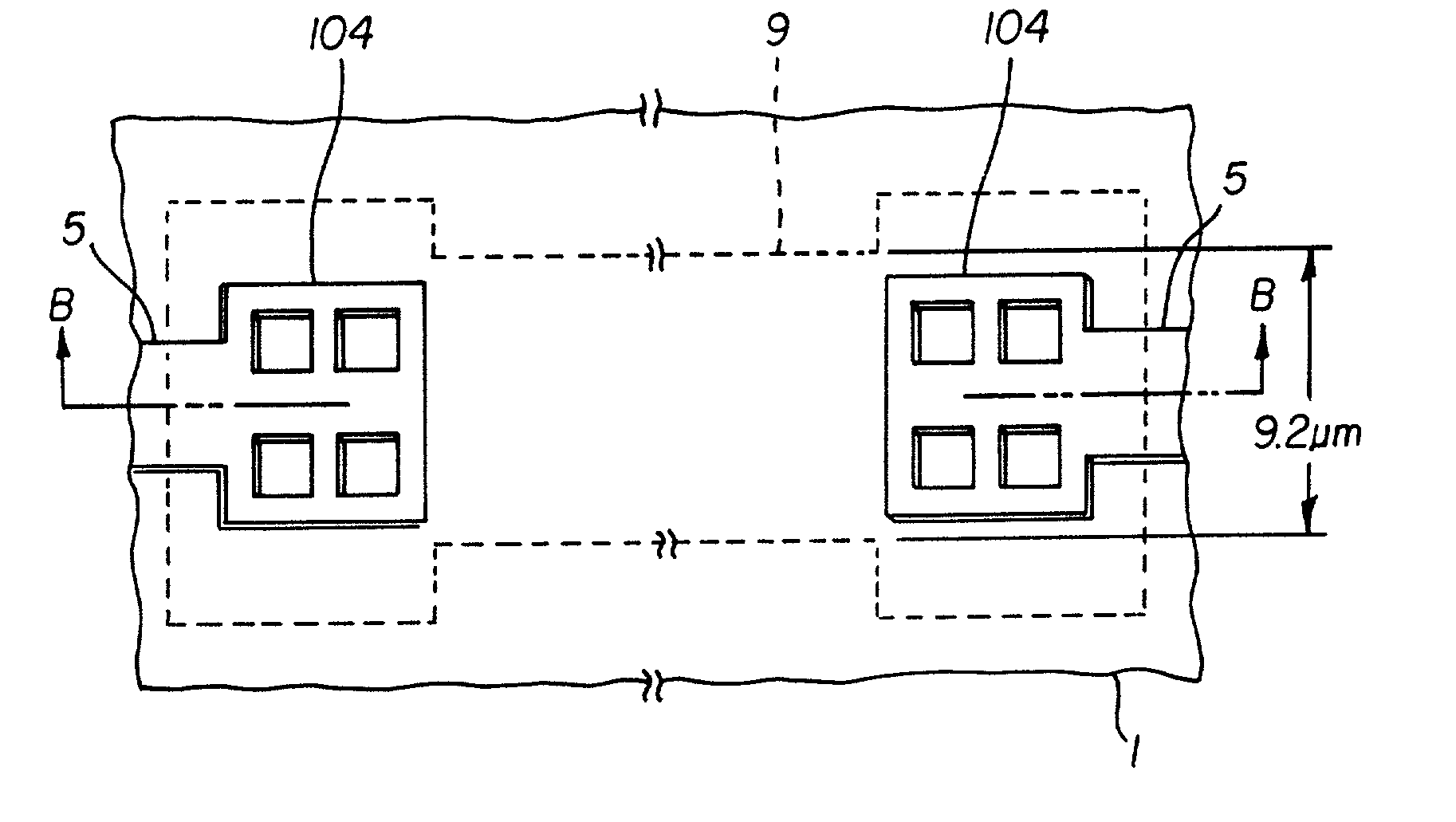
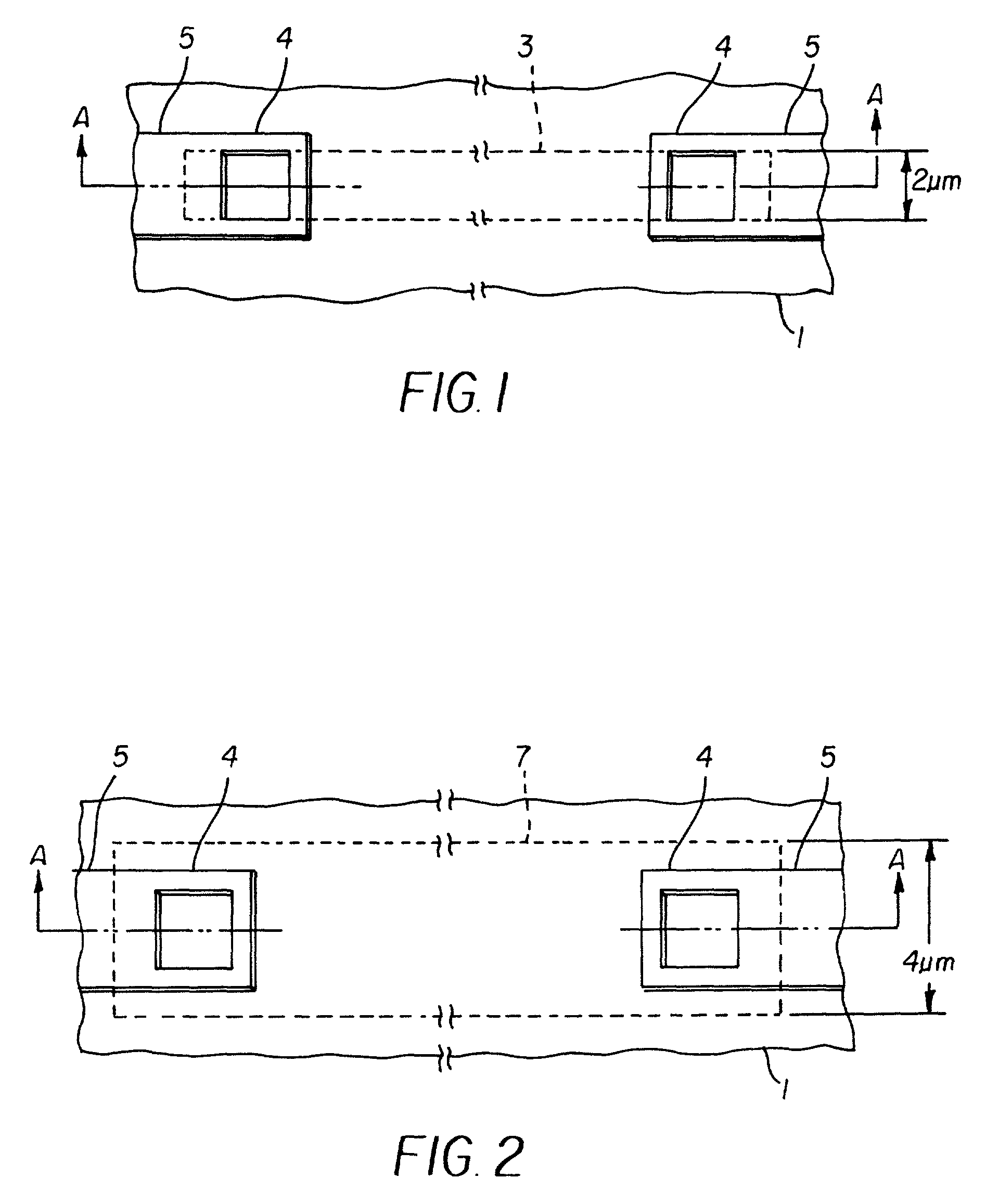
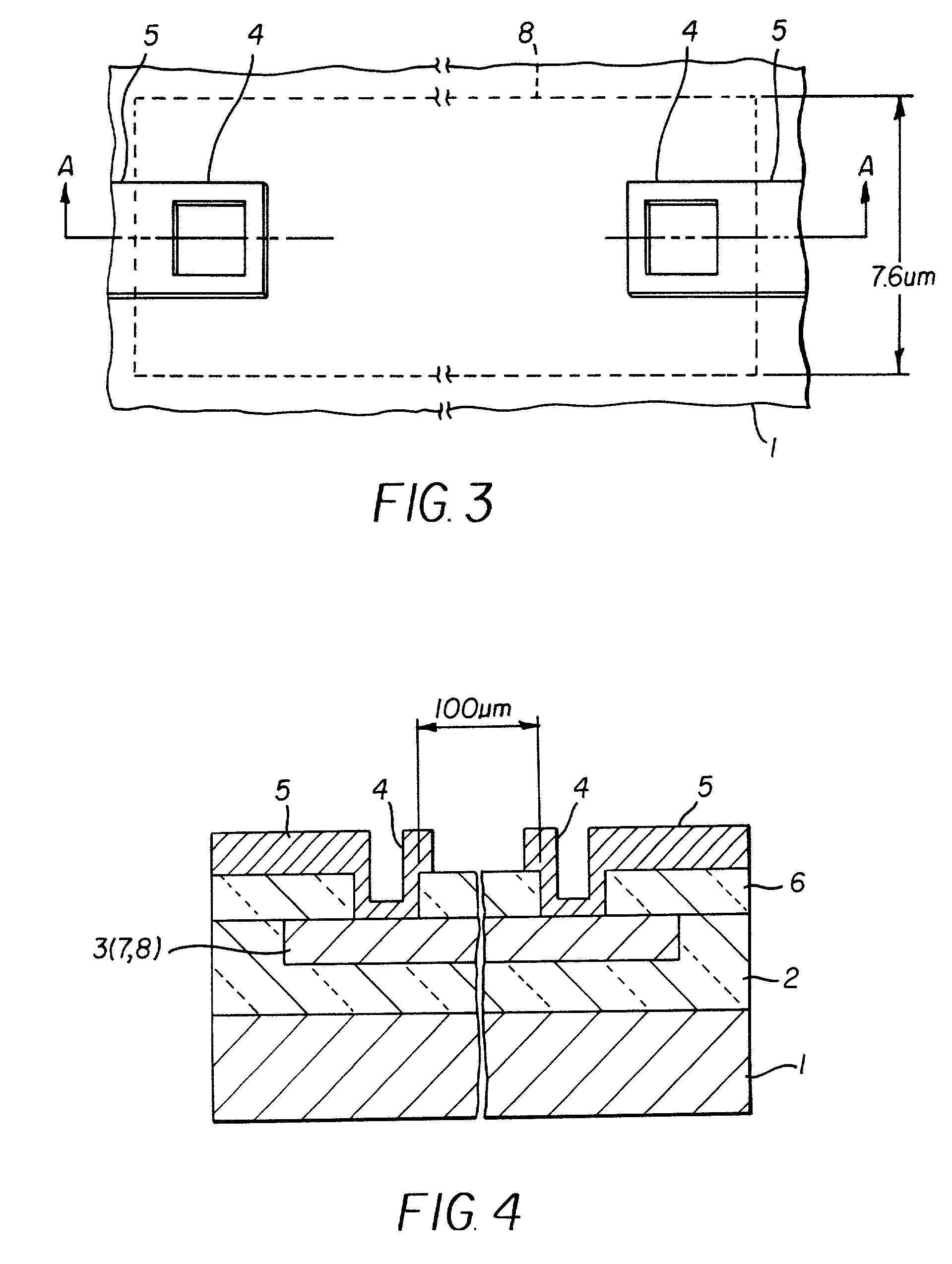
- The resistance value of the polysilicon contact is reduced to 2% or less of the sum of the polysilicon contact and resistor resistance, ensuring minimal variation and stability in high-temperature environments by optimizing the design of the polysilicon resistor and contact configuration.

Electrical dimmer system employing alternately applied silicon controlled rectifiers
PatentInactiveUS5327047A
Innovation
- A light dimmer circuit utilizing two silicon control rectifiers (SCRs) to alternately energize a load during adjustable points in the AC voltage sine wave, distributing heat dissipation across two 'hot spots' and reducing the overall power delivered to the heat sink, allowing for smaller heat sinks and lower-cost SCRs.

Reliability Standards for High-Temperature Power Devices
The establishment of comprehensive reliability standards for high-temperature power devices, particularly Silicon Controlled Rectifiers (SCRs), represents a critical foundation for ensuring consistent performance and safety across diverse industrial applications. Current international standards such as IEC 60747-6 and JEDEC JESD22 provide baseline requirements for semiconductor device reliability testing, yet these frameworks often lack specific provisions for the unique thermal stress conditions encountered in high-temperature SCR applications.
Military and aerospace applications have driven the development of more stringent standards, including MIL-STD-750 and MIL-STD-883, which incorporate extended temperature cycling protocols and accelerated aging tests. These standards typically mandate temperature stress testing across operational ranges extending from -55°C to +175°C, with some specialized applications requiring validation up to +200°C or higher.
The automotive industry has established AEC-Q101 qualification standards specifically addressing discrete semiconductors in harsh automotive environments. This standard emphasizes temperature cycling stress tests, high-temperature reverse bias testing, and power cycling evaluations that directly correlate with SCR temperature stress tolerance quantification methodologies.
Industrial power electronics applications rely heavily on IEC 60068 environmental testing standards, which define standardized procedures for temperature stress evaluation including rapid temperature change tests, dry heat tests, and combined temperature-humidity cycling. These protocols provide essential frameworks for establishing baseline temperature stress tolerance metrics in SCRs.
Emerging standards development focuses on addressing the growing demand for wide-bandgap semiconductor integration and hybrid power modules operating at elevated temperatures. Organizations such as JEDEC and IEC are actively developing enhanced testing protocols that incorporate real-time temperature monitoring, statistical failure analysis, and predictive reliability modeling to better quantify long-term temperature stress tolerance in next-generation SCR devices.
The convergence of these various standards creates a comprehensive reliability assessment framework that enables systematic quantification of temperature stress tolerance while ensuring consistent quality and performance expectations across different market segments and application domains.
Military and aerospace applications have driven the development of more stringent standards, including MIL-STD-750 and MIL-STD-883, which incorporate extended temperature cycling protocols and accelerated aging tests. These standards typically mandate temperature stress testing across operational ranges extending from -55°C to +175°C, with some specialized applications requiring validation up to +200°C or higher.
The automotive industry has established AEC-Q101 qualification standards specifically addressing discrete semiconductors in harsh automotive environments. This standard emphasizes temperature cycling stress tests, high-temperature reverse bias testing, and power cycling evaluations that directly correlate with SCR temperature stress tolerance quantification methodologies.
Industrial power electronics applications rely heavily on IEC 60068 environmental testing standards, which define standardized procedures for temperature stress evaluation including rapid temperature change tests, dry heat tests, and combined temperature-humidity cycling. These protocols provide essential frameworks for establishing baseline temperature stress tolerance metrics in SCRs.
Emerging standards development focuses on addressing the growing demand for wide-bandgap semiconductor integration and hybrid power modules operating at elevated temperatures. Organizations such as JEDEC and IEC are actively developing enhanced testing protocols that incorporate real-time temperature monitoring, statistical failure analysis, and predictive reliability modeling to better quantify long-term temperature stress tolerance in next-generation SCR devices.
The convergence of these various standards creates a comprehensive reliability assessment framework that enables systematic quantification of temperature stress tolerance while ensuring consistent quality and performance expectations across different market segments and application domains.
Thermal Management Solutions for SCR Applications
Effective thermal management represents a critical engineering challenge in Silicon Controlled Rectifier applications, where temperature stress tolerance directly impacts device reliability and operational lifespan. The fundamental approach to SCR thermal management involves comprehensive heat dissipation strategies that address both steady-state and transient thermal conditions.
Heat sink design constitutes the primary thermal management solution for SCR applications. Advanced heat sink configurations utilize optimized fin geometries, enhanced surface area ratios, and high thermal conductivity materials such as aluminum alloys and copper composites. Modern designs incorporate computational fluid dynamics modeling to maximize convective heat transfer coefficients while minimizing thermal resistance pathways.
Active cooling systems provide superior thermal control for high-power SCR applications. Forced air cooling systems employ variable-speed fans with temperature feedback control, enabling dynamic thermal response based on real-time operating conditions. Liquid cooling solutions offer enhanced heat removal capacity through direct contact cooling plates or embedded cooling channels within the SCR mounting structure.
Thermal interface materials play a crucial role in minimizing thermal resistance between SCR devices and cooling systems. Advanced thermal interface materials including phase-change materials, thermal pads, and high-performance thermal greases significantly improve heat transfer efficiency. These materials must maintain stable thermal properties across the operational temperature range while providing mechanical compliance for thermal expansion differences.
Package-level thermal management incorporates innovative mounting techniques and thermal pathway optimization. Direct bonding copper substrates and ceramic-based thermal spreaders distribute heat more effectively across larger surface areas. Advanced packaging solutions integrate micro-channel cooling and embedded thermal vias to create efficient heat extraction pathways directly within the device structure.
Predictive thermal management systems utilize real-time temperature monitoring and thermal modeling algorithms to optimize cooling performance dynamically. These systems incorporate temperature sensors, thermal impedance calculations, and predictive algorithms to anticipate thermal stress conditions and adjust cooling parameters proactively, ensuring SCR devices operate within safe temperature limits while maximizing performance efficiency.
Heat sink design constitutes the primary thermal management solution for SCR applications. Advanced heat sink configurations utilize optimized fin geometries, enhanced surface area ratios, and high thermal conductivity materials such as aluminum alloys and copper composites. Modern designs incorporate computational fluid dynamics modeling to maximize convective heat transfer coefficients while minimizing thermal resistance pathways.
Active cooling systems provide superior thermal control for high-power SCR applications. Forced air cooling systems employ variable-speed fans with temperature feedback control, enabling dynamic thermal response based on real-time operating conditions. Liquid cooling solutions offer enhanced heat removal capacity through direct contact cooling plates or embedded cooling channels within the SCR mounting structure.
Thermal interface materials play a crucial role in minimizing thermal resistance between SCR devices and cooling systems. Advanced thermal interface materials including phase-change materials, thermal pads, and high-performance thermal greases significantly improve heat transfer efficiency. These materials must maintain stable thermal properties across the operational temperature range while providing mechanical compliance for thermal expansion differences.
Package-level thermal management incorporates innovative mounting techniques and thermal pathway optimization. Direct bonding copper substrates and ceramic-based thermal spreaders distribute heat more effectively across larger surface areas. Advanced packaging solutions integrate micro-channel cooling and embedded thermal vias to create efficient heat extraction pathways directly within the device structure.
Predictive thermal management systems utilize real-time temperature monitoring and thermal modeling algorithms to optimize cooling performance dynamically. These systems incorporate temperature sensors, thermal impedance calculations, and predictive algorithms to anticipate thermal stress conditions and adjust cooling parameters proactively, ensuring SCR devices operate within safe temperature limits while maximizing performance efficiency.
Unlock deeper insights with Patsnap Eureka Quick Research — get a full tech report to explore trends and direct your research. Try now!
Generate Your Research Report Instantly with AI Agent
Supercharge your innovation with Patsnap Eureka AI Agent Platform!