

Quantifying Benzene Ring Impact on Biocompatibility
FEB 24, 20269 MIN READ
Generate Your Research Report Instantly with AI Agent
Patsnap Eureka helps you evaluate technical feasibility & market potential.
Benzene Ring Biocompatibility Background and Research Goals
Benzene rings represent one of the most fundamental aromatic structures in organic chemistry, serving as core building blocks in countless pharmaceutical compounds, biomaterials, and industrial chemicals. These six-carbon cyclic structures with alternating double bonds exhibit unique electronic properties that significantly influence molecular interactions with biological systems. The prevalence of benzene-containing compounds in drug development has made understanding their biocompatibility implications a critical research priority for pharmaceutical and biomedical industries.
The concept of biocompatibility encompasses the ability of materials or compounds to perform their intended function without eliciting adverse biological responses. For benzene-containing molecules, this involves complex interactions at the cellular and molecular level, including protein binding, membrane permeability, metabolic processing, and potential toxicological effects. The aromatic nature of benzene rings affects hydrophobic interactions, π-π stacking with biological macromolecules, and overall pharmacokinetic properties.
Historical research has established that benzene rings can significantly alter the biological behavior of compounds through various mechanisms. The electron-rich aromatic system can participate in non-covalent interactions with amino acid residues in proteins, potentially affecting drug-target binding affinity and selectivity. Additionally, the metabolic fate of benzene-containing compounds often involves cytochrome P450-mediated oxidation, which can generate reactive metabolites with varying toxicity profiles.
Current pharmaceutical development faces increasing regulatory scrutiny regarding the safety profiles of aromatic compounds, particularly following concerns about benzene-related carcinogenicity and other adverse effects. This has created an urgent need for quantitative methodologies to predict and assess the biocompatibility impact of benzene rings in molecular design. Traditional approaches rely heavily on empirical testing and qualitative structure-activity relationships, which are time-intensive and may not capture subtle structural influences.
The primary research goal involves developing robust quantitative frameworks to predict how benzene ring incorporation affects biocompatibility across different biological contexts. This includes establishing computational models that can accurately correlate structural features with biological outcomes, identifying key molecular descriptors that govern biocompatibility, and creating predictive tools for early-stage compound screening. Secondary objectives focus on understanding the mechanistic basis of benzene ring interactions with biological systems and developing guidelines for optimizing aromatic compound design while maintaining favorable safety profiles.
The concept of biocompatibility encompasses the ability of materials or compounds to perform their intended function without eliciting adverse biological responses. For benzene-containing molecules, this involves complex interactions at the cellular and molecular level, including protein binding, membrane permeability, metabolic processing, and potential toxicological effects. The aromatic nature of benzene rings affects hydrophobic interactions, π-π stacking with biological macromolecules, and overall pharmacokinetic properties.
Historical research has established that benzene rings can significantly alter the biological behavior of compounds through various mechanisms. The electron-rich aromatic system can participate in non-covalent interactions with amino acid residues in proteins, potentially affecting drug-target binding affinity and selectivity. Additionally, the metabolic fate of benzene-containing compounds often involves cytochrome P450-mediated oxidation, which can generate reactive metabolites with varying toxicity profiles.
Current pharmaceutical development faces increasing regulatory scrutiny regarding the safety profiles of aromatic compounds, particularly following concerns about benzene-related carcinogenicity and other adverse effects. This has created an urgent need for quantitative methodologies to predict and assess the biocompatibility impact of benzene rings in molecular design. Traditional approaches rely heavily on empirical testing and qualitative structure-activity relationships, which are time-intensive and may not capture subtle structural influences.
The primary research goal involves developing robust quantitative frameworks to predict how benzene ring incorporation affects biocompatibility across different biological contexts. This includes establishing computational models that can accurately correlate structural features with biological outcomes, identifying key molecular descriptors that govern biocompatibility, and creating predictive tools for early-stage compound screening. Secondary objectives focus on understanding the mechanistic basis of benzene ring interactions with biological systems and developing guidelines for optimizing aromatic compound design while maintaining favorable safety profiles.
Market Demand for Benzene-Containing Biomaterials Assessment
The global biomaterials market demonstrates substantial demand for benzene-containing compounds across multiple therapeutic and diagnostic applications. Medical device manufacturers increasingly require materials that incorporate aromatic structures for enhanced mechanical properties, particularly in cardiovascular implants, orthopedic devices, and drug delivery systems. The pharmaceutical industry represents a significant consumer segment, utilizing benzene-containing polymers and excipients in controlled-release formulations and biocompatible coatings.
Healthcare institutions exhibit growing interest in benzene-based biomaterials for specialized applications including tissue engineering scaffolds, where aromatic rings provide structural stability and controlled degradation profiles. The dental industry specifically demands benzene-containing composites for restorative materials, leveraging their superior wear resistance and aesthetic properties compared to aliphatic alternatives.
Regulatory frameworks across major markets increasingly emphasize comprehensive biocompatibility assessment, creating demand for standardized quantification methods for benzene ring impact evaluation. Medical device approval processes now require detailed molecular-level safety data, driving pharmaceutical and device companies to invest in advanced characterization technologies and testing protocols.
The regenerative medicine sector presents emerging opportunities for benzene-containing biomaterials, particularly in applications requiring precise cellular interaction control. Research institutions and biotechnology companies actively seek materials with quantifiable biocompatibility profiles to support clinical translation of novel therapeutic approaches.
Market drivers include aging populations requiring more sophisticated medical interventions, increasing prevalence of chronic diseases necessitating long-term implantable devices, and growing demand for personalized medicine solutions. The shift toward precision medicine creates specific requirements for materials with predictable biological responses, making quantified biocompatibility assessment essential for product development.
Supply chain considerations reveal concentrated production capabilities in specialized chemical manufacturing regions, with quality control requirements becoming increasingly stringent. Market participants face pressure to demonstrate not only safety but also predictable performance characteristics through quantitative biocompatibility metrics.
The competitive landscape shows established biomaterial suppliers expanding their benzene-containing product portfolios while emerging companies focus on novel characterization methodologies. This dynamic creates opportunities for technologies that can accurately quantify benzene ring contributions to overall biocompatibility profiles, supporting both material selection and regulatory compliance across diverse medical applications.
Healthcare institutions exhibit growing interest in benzene-based biomaterials for specialized applications including tissue engineering scaffolds, where aromatic rings provide structural stability and controlled degradation profiles. The dental industry specifically demands benzene-containing composites for restorative materials, leveraging their superior wear resistance and aesthetic properties compared to aliphatic alternatives.
Regulatory frameworks across major markets increasingly emphasize comprehensive biocompatibility assessment, creating demand for standardized quantification methods for benzene ring impact evaluation. Medical device approval processes now require detailed molecular-level safety data, driving pharmaceutical and device companies to invest in advanced characterization technologies and testing protocols.
The regenerative medicine sector presents emerging opportunities for benzene-containing biomaterials, particularly in applications requiring precise cellular interaction control. Research institutions and biotechnology companies actively seek materials with quantifiable biocompatibility profiles to support clinical translation of novel therapeutic approaches.
Market drivers include aging populations requiring more sophisticated medical interventions, increasing prevalence of chronic diseases necessitating long-term implantable devices, and growing demand for personalized medicine solutions. The shift toward precision medicine creates specific requirements for materials with predictable biological responses, making quantified biocompatibility assessment essential for product development.
Supply chain considerations reveal concentrated production capabilities in specialized chemical manufacturing regions, with quality control requirements becoming increasingly stringent. Market participants face pressure to demonstrate not only safety but also predictable performance characteristics through quantitative biocompatibility metrics.
The competitive landscape shows established biomaterial suppliers expanding their benzene-containing product portfolios while emerging companies focus on novel characterization methodologies. This dynamic creates opportunities for technologies that can accurately quantify benzene ring contributions to overall biocompatibility profiles, supporting both material selection and regulatory compliance across diverse medical applications.
Current Challenges in Benzene Ring Biocompatibility Evaluation
The evaluation of benzene ring biocompatibility faces significant methodological challenges that hinder accurate quantification and standardization across research platforms. Current assessment protocols lack unified frameworks for measuring the biological impact of aromatic compounds, resulting in inconsistent data interpretation and limited cross-study comparability. The absence of standardized testing procedures creates substantial barriers to establishing reliable safety thresholds for benzene-containing pharmaceutical compounds.
Existing analytical techniques struggle with the complex nature of benzene ring interactions within biological systems. Traditional cytotoxicity assays often fail to capture the nuanced effects of aromatic structures on cellular metabolism and protein binding. The temporal dynamics of benzene ring-induced biological responses present additional complexity, as short-term toxicity studies may not adequately reflect long-term biocompatibility outcomes. Current detection methods also face sensitivity limitations when quantifying subtle molecular interactions between benzene rings and biological targets.
The heterogeneity of biological models used in biocompatibility studies creates substantial data interpretation challenges. Different cell lines, animal models, and experimental conditions yield varying results for identical benzene-containing compounds, making it difficult to establish universal biocompatibility criteria. The lack of physiologically relevant in vitro models that accurately simulate human tissue responses further complicates the translation of laboratory findings to clinical applications.
Regulatory frameworks present another significant obstacle, as current guidelines do not provide specific protocols for evaluating benzene ring contributions to overall compound biocompatibility. The absence of clear regulatory pathways for benzene-containing materials creates uncertainty for pharmaceutical and medical device developers. Existing safety assessment paradigms often treat benzene rings as inherently problematic without considering structural context or concentration-dependent effects.
Technical limitations in computational modeling also constrain progress in this field. Current predictive algorithms struggle to accurately forecast the biocompatibility implications of specific benzene ring substitution patterns and molecular environments. The complexity of biological systems makes it challenging to develop reliable in silico models that can predict benzene ring behavior across diverse physiological conditions, necessitating extensive experimental validation that is both time-consuming and resource-intensive.
Existing analytical techniques struggle with the complex nature of benzene ring interactions within biological systems. Traditional cytotoxicity assays often fail to capture the nuanced effects of aromatic structures on cellular metabolism and protein binding. The temporal dynamics of benzene ring-induced biological responses present additional complexity, as short-term toxicity studies may not adequately reflect long-term biocompatibility outcomes. Current detection methods also face sensitivity limitations when quantifying subtle molecular interactions between benzene rings and biological targets.
The heterogeneity of biological models used in biocompatibility studies creates substantial data interpretation challenges. Different cell lines, animal models, and experimental conditions yield varying results for identical benzene-containing compounds, making it difficult to establish universal biocompatibility criteria. The lack of physiologically relevant in vitro models that accurately simulate human tissue responses further complicates the translation of laboratory findings to clinical applications.
Regulatory frameworks present another significant obstacle, as current guidelines do not provide specific protocols for evaluating benzene ring contributions to overall compound biocompatibility. The absence of clear regulatory pathways for benzene-containing materials creates uncertainty for pharmaceutical and medical device developers. Existing safety assessment paradigms often treat benzene rings as inherently problematic without considering structural context or concentration-dependent effects.
Technical limitations in computational modeling also constrain progress in this field. Current predictive algorithms struggle to accurately forecast the biocompatibility implications of specific benzene ring substitution patterns and molecular environments. The complexity of biological systems makes it challenging to develop reliable in silico models that can predict benzene ring behavior across diverse physiological conditions, necessitating extensive experimental validation that is both time-consuming and resource-intensive.
Existing Quantification Methods for Benzene Ring Toxicity
01 Benzene ring-containing polymers for biomedical applications
Polymeric materials incorporating benzene ring structures have been developed for enhanced biocompatibility in medical devices and implants. These polymers demonstrate improved mechanical properties and reduced inflammatory responses when in contact with biological tissues. The aromatic structures provide stability while maintaining necessary flexibility for biomedical applications. Surface modifications of benzene-containing polymers can further enhance cell adhesion and tissue integration.- Benzene ring-containing polymers for biomedical applications: Polymeric materials incorporating benzene ring structures have been developed for enhanced biocompatibility in medical devices and implants. These polymers demonstrate improved mechanical properties and reduced inflammatory responses when in contact with biological tissues. The aromatic structures provide stability while maintaining necessary flexibility for biomedical applications. Surface modifications of benzene-containing polymers can further enhance cell adhesion and tissue integration.
- Aromatic compounds with modified benzene rings for reduced toxicity: Chemical modifications of benzene ring structures through substitution with biocompatible functional groups can significantly reduce cytotoxicity while maintaining desired chemical properties. These modifications include hydroxylation, amination, and addition of hydrophilic groups to improve solubility and cellular compatibility. The strategic placement of substituents on the aromatic ring influences biodegradation pathways and metabolic processing in biological systems.
- Benzene-based drug delivery systems with enhanced biocompatibility: Drug delivery platforms utilizing benzene ring structures as core components have been designed to improve therapeutic efficacy and reduce adverse effects. The aromatic framework provides a stable scaffold for drug conjugation while allowing controlled release mechanisms. Encapsulation techniques using benzene-containing materials demonstrate improved cellular uptake and targeted delivery to specific tissues. These systems show reduced immunogenicity compared to conventional carriers.
- Biocompatible coatings incorporating aromatic ring structures: Surface coating technologies employing benzene ring-containing compounds provide protective barriers for medical devices while maintaining biocompatibility. These coatings demonstrate antimicrobial properties, reduced protein adsorption, and improved hemocompatibility. The aromatic structures contribute to coating stability and durability under physiological conditions. Cross-linking strategies using benzene derivatives enhance adhesion to substrate materials.
- Benzene ring modifications for tissue engineering scaffolds: Tissue engineering scaffolds incorporating modified benzene ring structures exhibit enhanced cell proliferation and differentiation capabilities. The aromatic components provide mechanical strength while allowing porosity for nutrient diffusion and waste removal. Functionalization of benzene rings with bioactive molecules promotes specific cellular responses and tissue regeneration. These scaffolds demonstrate controlled degradation rates matching tissue formation timelines.
02 Aromatic compounds with modified benzene rings for reduced toxicity
Chemical modifications of benzene ring structures through substitution with biocompatible functional groups can significantly reduce cytotoxicity while maintaining desired chemical properties. These modifications include hydroxylation, amination, and addition of hydrophilic groups to improve water solubility and cellular compatibility. The modified aromatic compounds show enhanced biodegradability and reduced accumulation in biological systems. Such approaches enable the use of benzene-based compounds in pharmaceutical and biomedical applications.Expand Specific Solutions03 Benzene ring-based drug delivery systems
Drug delivery platforms utilizing benzene ring structures as core components demonstrate controlled release properties and improved bioavailability. The aromatic framework provides structural stability for encapsulation of therapeutic agents while allowing for targeted modifications to enhance cellular uptake. These systems exhibit minimal immune responses and can be designed for specific tissue targeting. The benzene-containing carriers show compatibility with various administration routes and biological environments.Expand Specific Solutions04 Biocompatible coatings with aromatic ring structures
Surface coating materials incorporating benzene ring moieties provide enhanced biocompatibility for medical devices and implants. These coatings demonstrate excellent adhesion properties, chemical resistance, and long-term stability in physiological conditions. The aromatic structures contribute to antimicrobial properties and prevent protein adsorption that could lead to adverse biological responses. Such coatings can be applied to various substrates including metals, ceramics, and polymers.Expand Specific Solutions05 Benzene-containing biomaterials for tissue engineering
Tissue engineering scaffolds incorporating benzene ring structures provide mechanical support and biochemical cues for cell growth and differentiation. These materials demonstrate tunable degradation rates and can be designed to match the mechanical properties of native tissues. The aromatic components enhance scaffold stability while maintaining porosity for nutrient transport and waste removal. Cell studies show favorable attachment, proliferation, and differentiation on these benzene-containing biomaterials.Expand Specific Solutions
Key Players in Biocompatibility Testing and Pharmaceutical Industry
The biocompatibility assessment of benzene rings represents an emerging field within pharmaceutical and materials science, currently in its early development stage with significant growth potential. The market is expanding as regulatory demands for comprehensive biocompatibility testing increase, particularly in drug development and medical device manufacturing. Technology maturity varies considerably across key players, with established pharmaceutical companies like Janssen Pharmaceutica NV and Tanabe Pharma Corp. leveraging advanced analytical capabilities, while research institutions including The Scripps Research Institute, California Institute of Technology, and Nankai University drive fundamental research innovations. Chemical manufacturers such as Osaka Organic Chemical Industry Ltd., Mitsui Chemicals Inc., and Daicel Corp. contribute specialized analytical expertise and materials characterization. The competitive landscape shows a convergence of pharmaceutical research, academic institutions, and specialty chemical companies, indicating the interdisciplinary nature of this technology domain and its potential for substantial market expansion.
The General Hospital Corp.
Technical Solution: Massachusetts General Hospital has established clinical research protocols for evaluating benzene ring-containing medical devices and pharmaceuticals through biocompatibility testing frameworks. Their approach combines in vitro cytotoxicity assays with advanced imaging techniques to quantify cellular responses to aromatic compounds. The institution has developed standardized methodologies for assessing inflammatory responses, oxidative stress markers, and tissue compatibility when benzene rings are present in medical materials. Their research integrates genomic analysis to understand molecular mechanisms underlying biocompatibility variations.
Strengths: Clinical validation capabilities and comprehensive testing facilities. Weaknesses: Limited scalability for industrial applications and focus primarily on medical contexts.
Janssen Pharmaceutica NV
Technical Solution: Janssen has developed comprehensive computational modeling approaches to assess benzene ring impact on biocompatibility through structure-activity relationship (SAR) analysis. Their methodology integrates molecular dynamics simulations with toxicological databases to predict potential adverse effects of benzene-containing compounds. The company employs advanced QSAR models that correlate benzene ring substitution patterns with biocompatibility metrics, enabling early-stage screening of pharmaceutical candidates. Their approach includes assessment of metabolic pathways, protein binding affinity, and cellular toxicity mechanisms specifically related to aromatic ring systems.
Strengths: Extensive pharmaceutical development experience and robust computational infrastructure. Weaknesses: Limited focus on non-pharmaceutical applications and proprietary data restrictions.
Core Technologies in Molecular Biocompatibility Assessment
Biocompatible Material
PatentActiveUS20080262181A1
Innovation
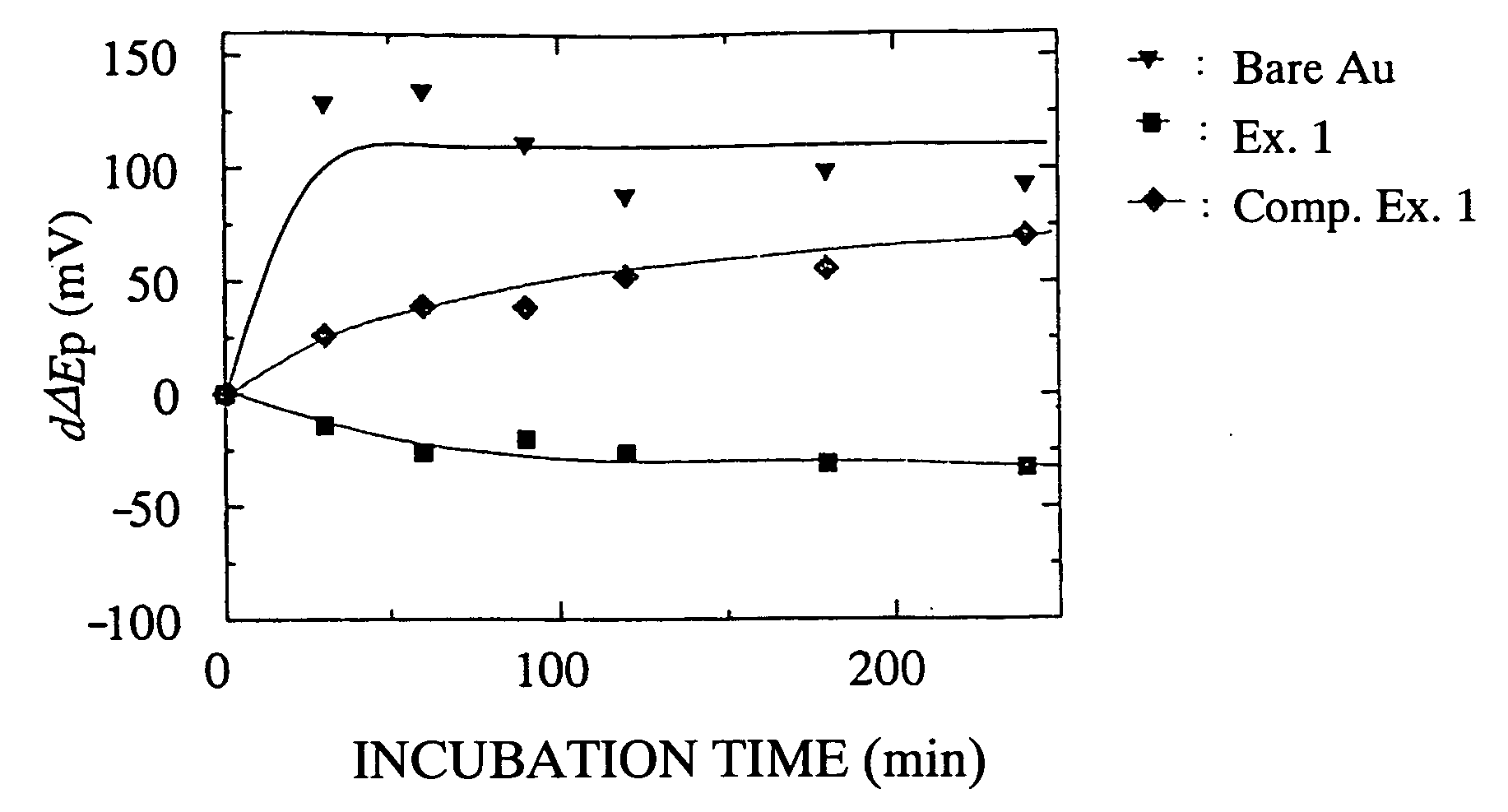
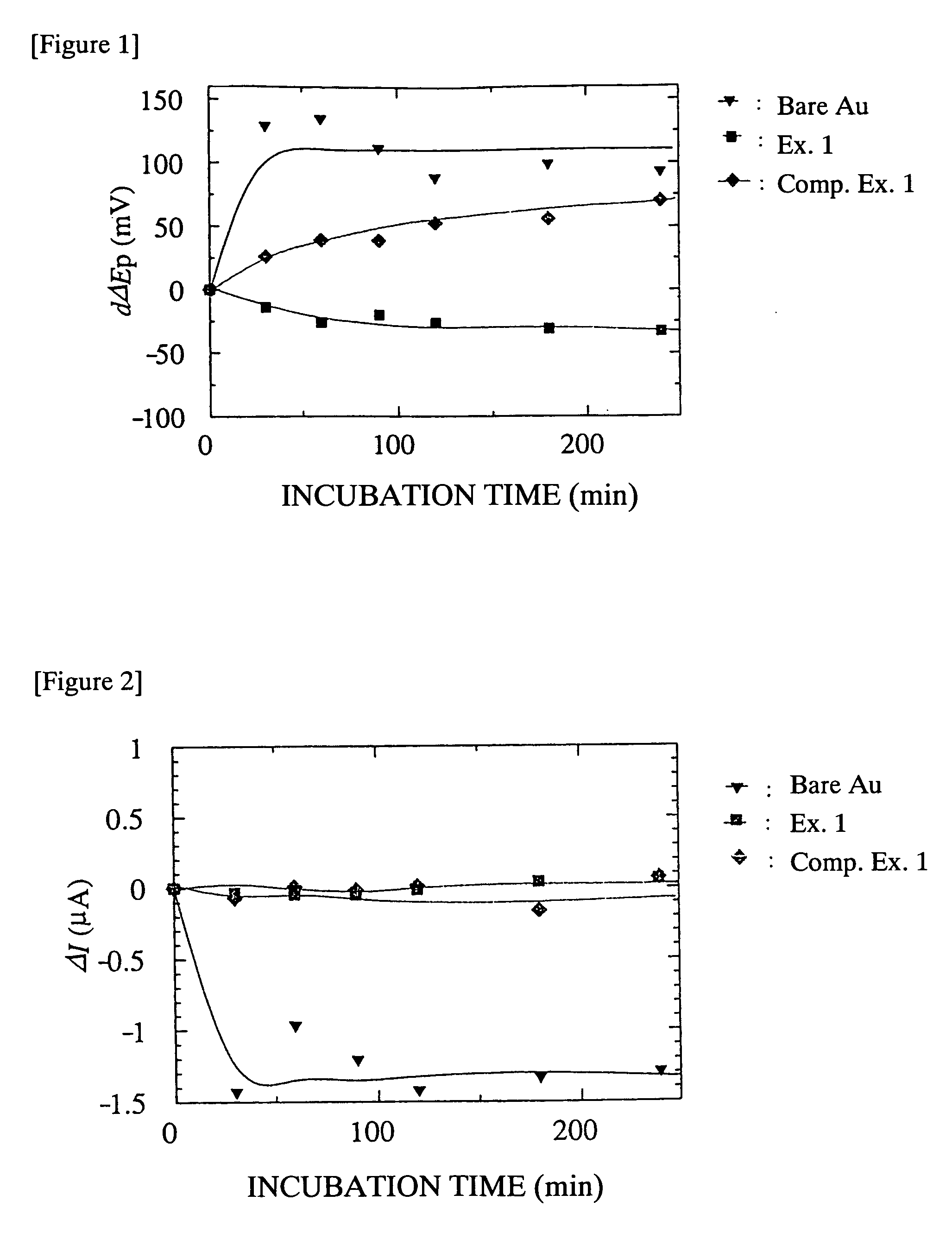
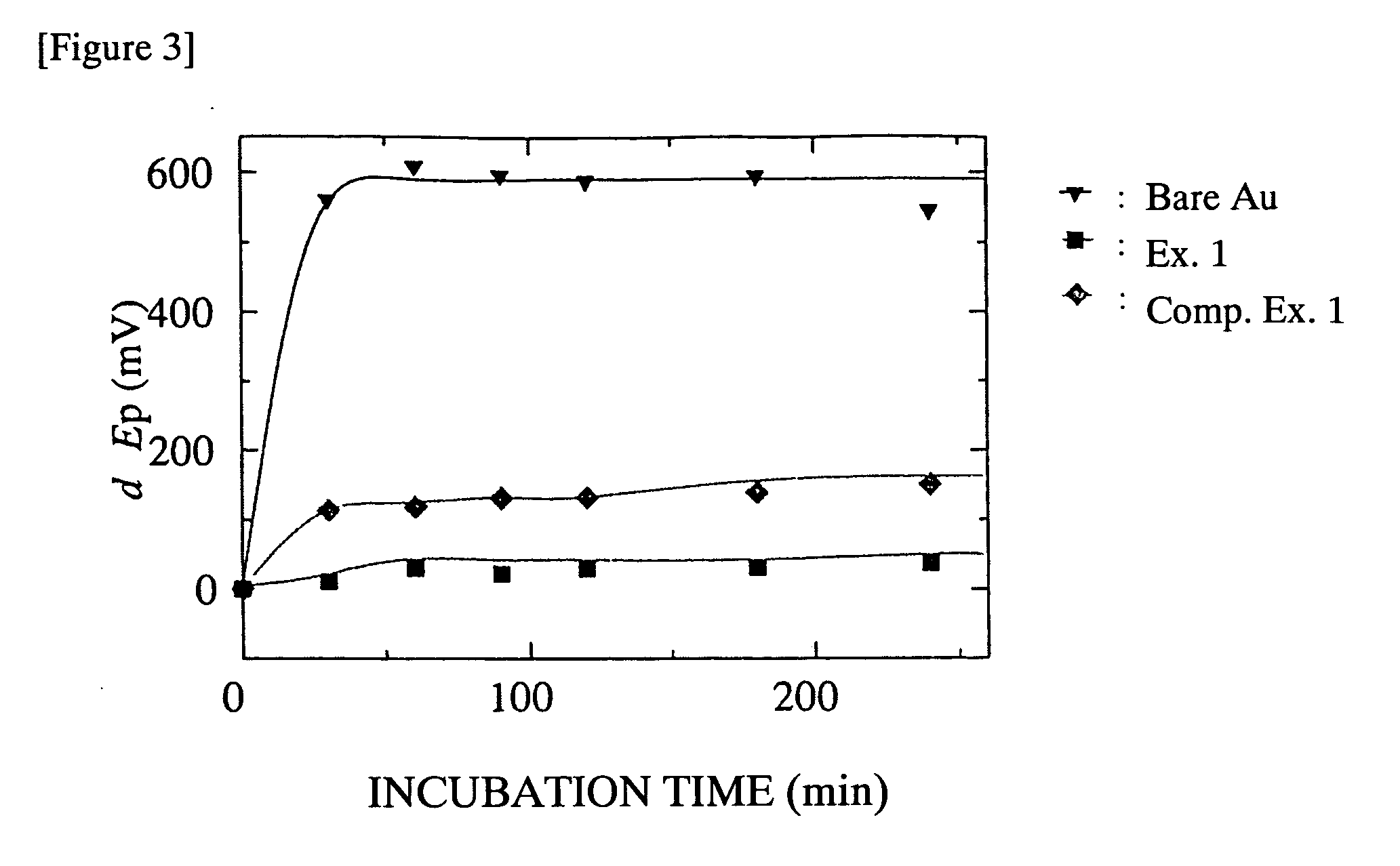
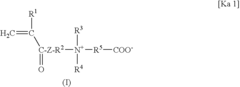
- A biocompatible material is developed using a polymer composed of an amino acid-type betaine monomer and a polymerizable monomer, with a weight ratio ranging from 1/99 to 100/1, which minimizes interaction with proteins and blood cells, allowing for advanced medical device and artificial organ development.
Compound containing benzene ring and application thereof
PatentActiveUS12503444B2
Innovation
- Development of a compound containing a benzene ring with specific functional groups that act as a P2X4 antagonist, offering high antagonistic activity, good selectivity, and low toxicity.


Regulatory Framework for Benzene-Containing Medical Materials
The regulatory landscape for benzene-containing medical materials represents a complex framework that has evolved significantly over the past decades. Regulatory agencies worldwide, including the FDA, EMA, and other national authorities, have established stringent guidelines specifically addressing the use of aromatic compounds in medical devices and pharmaceutical applications. These frameworks recognize the inherent toxicological concerns associated with benzene rings while acknowledging their essential role in many therapeutic compounds and medical materials.
Current regulatory approaches primarily focus on risk-benefit assessment methodologies that evaluate the biocompatibility of benzene-containing materials through comprehensive testing protocols. The ISO 10993 series serves as the foundational standard, requiring extensive biological evaluation including cytotoxicity, sensitization, and systemic toxicity assessments. For benzene-containing materials, additional requirements often include metabolite analysis and long-term exposure studies to understand the fate of aromatic compounds within biological systems.
The regulatory framework distinguishes between different categories of benzene-containing medical materials based on their intended use, duration of contact, and exposure pathways. Class III medical devices incorporating benzene rings face the most rigorous scrutiny, requiring premarket approval with extensive biocompatibility data packages. Pharmaceutical applications follow separate but equally stringent pathways under ICH guidelines, with specific attention to genotoxicity and carcinogenicity potential of aromatic metabolites.
Recent regulatory developments have emphasized the need for quantitative risk assessment models that can predict biocompatibility outcomes based on molecular structure and exposure parameters. The FDA's Medical Device Development Tools program has begun recognizing computational models that correlate benzene ring characteristics with biological responses, potentially streamlining the approval process for well-characterized aromatic compounds.
International harmonization efforts are ongoing to establish unified standards for evaluating benzene-containing medical materials. The Global Harmonization Task Force has initiated discussions on developing specific guidance documents that address the unique challenges posed by aromatic compounds, including standardized testing protocols and acceptance criteria that balance safety concerns with innovation needs in medical technology development.
Current regulatory approaches primarily focus on risk-benefit assessment methodologies that evaluate the biocompatibility of benzene-containing materials through comprehensive testing protocols. The ISO 10993 series serves as the foundational standard, requiring extensive biological evaluation including cytotoxicity, sensitization, and systemic toxicity assessments. For benzene-containing materials, additional requirements often include metabolite analysis and long-term exposure studies to understand the fate of aromatic compounds within biological systems.
The regulatory framework distinguishes between different categories of benzene-containing medical materials based on their intended use, duration of contact, and exposure pathways. Class III medical devices incorporating benzene rings face the most rigorous scrutiny, requiring premarket approval with extensive biocompatibility data packages. Pharmaceutical applications follow separate but equally stringent pathways under ICH guidelines, with specific attention to genotoxicity and carcinogenicity potential of aromatic metabolites.
Recent regulatory developments have emphasized the need for quantitative risk assessment models that can predict biocompatibility outcomes based on molecular structure and exposure parameters. The FDA's Medical Device Development Tools program has begun recognizing computational models that correlate benzene ring characteristics with biological responses, potentially streamlining the approval process for well-characterized aromatic compounds.
International harmonization efforts are ongoing to establish unified standards for evaluating benzene-containing medical materials. The Global Harmonization Task Force has initiated discussions on developing specific guidance documents that address the unique challenges posed by aromatic compounds, including standardized testing protocols and acceptance criteria that balance safety concerns with innovation needs in medical technology development.
Environmental Impact Assessment of Aromatic Biomaterials
The environmental implications of aromatic biomaterials containing benzene rings present a complex assessment challenge that extends beyond traditional biocompatibility metrics. As these materials increasingly find applications in medical devices, drug delivery systems, and tissue engineering scaffolds, understanding their ecological footprint becomes paramount for sustainable development in biotechnology.
Aromatic biomaterials exhibit varying degrees of environmental persistence due to the inherent stability of benzene ring structures. The π-electron system in aromatic compounds provides chemical stability that, while beneficial for material durability, can lead to prolonged environmental residence times. This stability affects biodegradation pathways, potentially resulting in accumulation in soil and aquatic ecosystems where these materials may eventually be disposed of or naturally shed from biomedical applications.
Manufacturing processes for aromatic biomaterials typically involve organic solvents and catalysts that contribute to the overall environmental burden. The synthesis of benzene-containing polymers often requires energy-intensive reactions and generates chemical waste streams that must be carefully managed. Life cycle assessments reveal that the production phase frequently accounts for the majority of environmental impact, particularly in terms of carbon footprint and resource consumption.
Disposal and end-of-life management represent critical environmental considerations for aromatic biomaterials. Unlike aliphatic counterparts, benzene-containing materials may resist conventional biodegradation processes, necessitating specialized treatment methods. Incineration can generate harmful aromatic compounds if not properly controlled, while landfill disposal raises concerns about long-term leaching and groundwater contamination.
Emerging research focuses on developing environmentally benign aromatic biomaterials through green chemistry approaches. Strategies include incorporating biodegradable linkages within aromatic polymer backbones, utilizing renewable aromatic precursors derived from lignin, and designing materials with controlled degradation profiles that balance performance requirements with environmental responsibility.
Regulatory frameworks increasingly emphasize environmental impact assessment for biomaterials, requiring comprehensive evaluation of ecological toxicity, bioaccumulation potential, and environmental fate. These assessments must consider both direct effects from material degradation products and indirect impacts from manufacturing and disposal processes, establishing a holistic approach to environmental stewardship in aromatic biomaterial development.
Aromatic biomaterials exhibit varying degrees of environmental persistence due to the inherent stability of benzene ring structures. The π-electron system in aromatic compounds provides chemical stability that, while beneficial for material durability, can lead to prolonged environmental residence times. This stability affects biodegradation pathways, potentially resulting in accumulation in soil and aquatic ecosystems where these materials may eventually be disposed of or naturally shed from biomedical applications.
Manufacturing processes for aromatic biomaterials typically involve organic solvents and catalysts that contribute to the overall environmental burden. The synthesis of benzene-containing polymers often requires energy-intensive reactions and generates chemical waste streams that must be carefully managed. Life cycle assessments reveal that the production phase frequently accounts for the majority of environmental impact, particularly in terms of carbon footprint and resource consumption.
Disposal and end-of-life management represent critical environmental considerations for aromatic biomaterials. Unlike aliphatic counterparts, benzene-containing materials may resist conventional biodegradation processes, necessitating specialized treatment methods. Incineration can generate harmful aromatic compounds if not properly controlled, while landfill disposal raises concerns about long-term leaching and groundwater contamination.
Emerging research focuses on developing environmentally benign aromatic biomaterials through green chemistry approaches. Strategies include incorporating biodegradable linkages within aromatic polymer backbones, utilizing renewable aromatic precursors derived from lignin, and designing materials with controlled degradation profiles that balance performance requirements with environmental responsibility.
Regulatory frameworks increasingly emphasize environmental impact assessment for biomaterials, requiring comprehensive evaluation of ecological toxicity, bioaccumulation potential, and environmental fate. These assessments must consider both direct effects from material degradation products and indirect impacts from manufacturing and disposal processes, establishing a holistic approach to environmental stewardship in aromatic biomaterial development.
Unlock deeper insights with Patsnap Eureka Quick Research — get a full tech report to explore trends and direct your research. Try now!
Generate Your Research Report Instantly with AI Agent
Supercharge your innovation with Patsnap Eureka AI Agent Platform!