

Quantifying Reaction Threshold of Electroactive Polymers for Automation
APR 30, 20269 MIN READ
Generate Your Research Report Instantly with AI Agent
PatSnap Eureka helps you evaluate technical feasibility & market potential.
Electroactive Polymer Reaction Threshold Background and Objectives
Electroactive polymers (EAPs) represent a revolutionary class of smart materials that exhibit mechanical deformation in response to electrical stimulation, earning them the designation as "artificial muscles." These materials have evolved from laboratory curiosities in the 1960s to sophisticated actuators capable of mimicking biological muscle behavior. The development trajectory spans from early piezoelectric polymers to modern ionic polymer-metal composites and dielectric elastomers, each generation offering enhanced performance characteristics and broader application potential.
The fundamental challenge in EAP implementation lies in precisely quantifying their reaction thresholds - the minimum electrical input required to initiate measurable mechanical response. This threshold represents a critical parameter that determines the material's sensitivity, energy efficiency, and operational reliability. Understanding and controlling these thresholds is essential for developing predictable, repeatable actuator systems that can function reliably in automated environments.
Current automation applications demand materials with well-characterized response parameters, particularly in robotics, biomedical devices, and precision manufacturing systems. The inability to accurately predict and control EAP activation thresholds has historically limited their integration into commercial automation platforms, where consistent performance and predictable behavior are paramount requirements.
The primary objective of quantifying EAP reaction thresholds centers on establishing standardized measurement protocols that can reliably determine activation parameters across different polymer types and environmental conditions. This involves developing comprehensive testing methodologies that account for variables such as temperature, humidity, mechanical loading, and electrical frequency characteristics that influence threshold behavior.
A secondary objective focuses on creating predictive models that correlate molecular structure and composition with threshold characteristics, enabling material designers to engineer EAPs with specific activation requirements. This approach aims to transition from empirical testing to theoretical prediction, significantly accelerating material development cycles and reducing optimization costs.
The ultimate goal encompasses developing real-time threshold monitoring systems for automated applications, where EAP actuators can self-calibrate and adapt their operating parameters based on environmental feedback. This capability would enable truly autonomous EAP-based systems that maintain optimal performance throughout their operational lifetime, representing a significant advancement in smart material integration for industrial automation.
The fundamental challenge in EAP implementation lies in precisely quantifying their reaction thresholds - the minimum electrical input required to initiate measurable mechanical response. This threshold represents a critical parameter that determines the material's sensitivity, energy efficiency, and operational reliability. Understanding and controlling these thresholds is essential for developing predictable, repeatable actuator systems that can function reliably in automated environments.
Current automation applications demand materials with well-characterized response parameters, particularly in robotics, biomedical devices, and precision manufacturing systems. The inability to accurately predict and control EAP activation thresholds has historically limited their integration into commercial automation platforms, where consistent performance and predictable behavior are paramount requirements.
The primary objective of quantifying EAP reaction thresholds centers on establishing standardized measurement protocols that can reliably determine activation parameters across different polymer types and environmental conditions. This involves developing comprehensive testing methodologies that account for variables such as temperature, humidity, mechanical loading, and electrical frequency characteristics that influence threshold behavior.
A secondary objective focuses on creating predictive models that correlate molecular structure and composition with threshold characteristics, enabling material designers to engineer EAPs with specific activation requirements. This approach aims to transition from empirical testing to theoretical prediction, significantly accelerating material development cycles and reducing optimization costs.
The ultimate goal encompasses developing real-time threshold monitoring systems for automated applications, where EAP actuators can self-calibrate and adapt their operating parameters based on environmental feedback. This capability would enable truly autonomous EAP-based systems that maintain optimal performance throughout their operational lifetime, representing a significant advancement in smart material integration for industrial automation.
Market Demand for Automated EAP Systems
The automation industry is experiencing unprecedented growth driven by the need for more sophisticated, responsive, and energy-efficient actuator systems. Traditional electromagnetic and pneumatic actuators face limitations in applications requiring silent operation, lightweight construction, and biomimetic movement patterns. This gap has created substantial market opportunities for electroactive polymer systems that can address these specific requirements across multiple industrial sectors.
Manufacturing automation represents the largest market segment for automated EAP systems, particularly in precision assembly operations where traditional actuators prove too bulky or generate excessive electromagnetic interference. The semiconductor industry has shown particular interest in EAP-based positioning systems for wafer handling and lithography equipment, where nanometer-level precision and contamination-free operation are critical requirements.
The robotics sector demonstrates strong demand for EAP automation solutions, especially in soft robotics applications where conventional rigid actuators cannot replicate natural movement patterns. Collaborative robots working alongside humans require actuators that can provide compliant, safe interactions while maintaining precise control. EAP systems offer inherent compliance and silent operation that traditional actuators cannot match.
Aerospace and defense applications are driving demand for lightweight, low-power automated systems where EAP technology provides significant advantages over conventional actuators. Morphing wing structures, adaptive antenna systems, and stealth vehicle applications require actuators that can operate without electromagnetic signatures while providing distributed actuation capabilities.
The medical device industry presents emerging opportunities for automated EAP systems in surgical robotics, prosthetics, and rehabilitation equipment. The biocompatibility and muscle-like operation characteristics of certain EAP materials align well with medical applications requiring natural movement patterns and patient safety considerations.
Automotive manufacturers are exploring EAP automation for active aerodynamics, adaptive seating systems, and noise cancellation applications. The automotive industry's push toward electric vehicles has increased focus on energy-efficient actuator technologies that can reduce overall power consumption while providing enhanced functionality.
Market adoption faces challenges related to standardization, reliability validation, and integration complexity. However, increasing investment in smart manufacturing, Industry 4.0 initiatives, and sustainable automation technologies continues to drive market expansion for automated EAP systems across diverse industrial applications.
Manufacturing automation represents the largest market segment for automated EAP systems, particularly in precision assembly operations where traditional actuators prove too bulky or generate excessive electromagnetic interference. The semiconductor industry has shown particular interest in EAP-based positioning systems for wafer handling and lithography equipment, where nanometer-level precision and contamination-free operation are critical requirements.
The robotics sector demonstrates strong demand for EAP automation solutions, especially in soft robotics applications where conventional rigid actuators cannot replicate natural movement patterns. Collaborative robots working alongside humans require actuators that can provide compliant, safe interactions while maintaining precise control. EAP systems offer inherent compliance and silent operation that traditional actuators cannot match.
Aerospace and defense applications are driving demand for lightweight, low-power automated systems where EAP technology provides significant advantages over conventional actuators. Morphing wing structures, adaptive antenna systems, and stealth vehicle applications require actuators that can operate without electromagnetic signatures while providing distributed actuation capabilities.
The medical device industry presents emerging opportunities for automated EAP systems in surgical robotics, prosthetics, and rehabilitation equipment. The biocompatibility and muscle-like operation characteristics of certain EAP materials align well with medical applications requiring natural movement patterns and patient safety considerations.
Automotive manufacturers are exploring EAP automation for active aerodynamics, adaptive seating systems, and noise cancellation applications. The automotive industry's push toward electric vehicles has increased focus on energy-efficient actuator technologies that can reduce overall power consumption while providing enhanced functionality.
Market adoption faces challenges related to standardization, reliability validation, and integration complexity. However, increasing investment in smart manufacturing, Industry 4.0 initiatives, and sustainable automation technologies continues to drive market expansion for automated EAP systems across diverse industrial applications.
Current EAP Quantification Challenges and Limitations
The quantification of electroactive polymer (EAP) reaction thresholds faces significant methodological challenges that impede the development of reliable automation systems. Current measurement techniques lack standardization across different EAP materials, leading to inconsistent threshold values that vary substantially between laboratories and testing conditions. This variability stems from the absence of universally accepted protocols for stimulus application, response measurement, and environmental control during testing procedures.
Temporal response characteristics present another critical limitation in EAP quantification efforts. Most existing measurement systems fail to capture the dynamic nature of EAP activation, focusing primarily on steady-state responses while neglecting the crucial transition phases where threshold behaviors are most pronounced. The time-dependent nature of polymer chain reorganization and ion migration processes requires sophisticated measurement approaches that current instrumentation often cannot provide with sufficient resolution.
Environmental sensitivity poses substantial challenges for accurate threshold determination. EAP materials exhibit significant variations in response characteristics under different temperature, humidity, and atmospheric conditions. Current quantification methods struggle to account for these environmental dependencies, resulting in threshold values that may not translate effectively to real-world automation applications where environmental conditions fluctuate continuously.
Signal-to-noise ratio limitations in existing measurement systems create additional obstacles for precise threshold identification. The subtle electrical and mechanical changes that occur at reaction thresholds often fall within the noise floor of conventional instrumentation, making it difficult to establish clear demarcation points between inactive and active states. This challenge is particularly pronounced for EAPs with gradual activation profiles rather than sharp threshold transitions.
Scalability issues further complicate the quantification landscape. Laboratory-scale measurements may not accurately reflect the threshold behaviors of EAPs when integrated into larger automation systems. The influence of mechanical loading, electrical interference, and thermal management in practical applications can significantly alter threshold characteristics compared to controlled laboratory conditions.
Material heterogeneity within EAP samples introduces statistical uncertainties that current quantification approaches inadequately address. Variations in polymer chain length, crosslinking density, and dopant distribution create localized differences in activation thresholds that require sophisticated statistical analysis methods not commonly employed in existing measurement protocols.
Temporal response characteristics present another critical limitation in EAP quantification efforts. Most existing measurement systems fail to capture the dynamic nature of EAP activation, focusing primarily on steady-state responses while neglecting the crucial transition phases where threshold behaviors are most pronounced. The time-dependent nature of polymer chain reorganization and ion migration processes requires sophisticated measurement approaches that current instrumentation often cannot provide with sufficient resolution.
Environmental sensitivity poses substantial challenges for accurate threshold determination. EAP materials exhibit significant variations in response characteristics under different temperature, humidity, and atmospheric conditions. Current quantification methods struggle to account for these environmental dependencies, resulting in threshold values that may not translate effectively to real-world automation applications where environmental conditions fluctuate continuously.
Signal-to-noise ratio limitations in existing measurement systems create additional obstacles for precise threshold identification. The subtle electrical and mechanical changes that occur at reaction thresholds often fall within the noise floor of conventional instrumentation, making it difficult to establish clear demarcation points between inactive and active states. This challenge is particularly pronounced for EAPs with gradual activation profiles rather than sharp threshold transitions.
Scalability issues further complicate the quantification landscape. Laboratory-scale measurements may not accurately reflect the threshold behaviors of EAPs when integrated into larger automation systems. The influence of mechanical loading, electrical interference, and thermal management in practical applications can significantly alter threshold characteristics compared to controlled laboratory conditions.
Material heterogeneity within EAP samples introduces statistical uncertainties that current quantification approaches inadequately address. Variations in polymer chain length, crosslinking density, and dopant distribution create localized differences in activation thresholds that require sophisticated statistical analysis methods not commonly employed in existing measurement protocols.
Existing EAP Threshold Quantification Methods
01 Threshold voltage control in electroactive polymer actuators
Methods and systems for controlling the threshold voltage required to activate electroactive polymer actuators. This involves optimizing the electrical properties and material composition to achieve consistent and predictable activation thresholds. The threshold can be adjusted through material selection, electrode configuration, and processing conditions to ensure reliable performance across different operating conditions.- Voltage threshold control mechanisms for electroactive polymer activation: Methods and systems for controlling the voltage threshold required to activate electroactive polymers, including techniques for adjusting activation parameters and optimizing response characteristics. These approaches focus on establishing precise control over the minimum voltage needed to initiate polymer response and maintaining consistent activation behavior across different operating conditions.
- Temperature-dependent reaction threshold optimization: Techniques for managing and optimizing the temperature-dependent reaction thresholds of electroactive polymers. These methods involve controlling thermal conditions to achieve desired activation characteristics and compensating for temperature variations that affect polymer response thresholds.
- Chemical composition modifications for threshold adjustment: Approaches involving chemical modifications and compositional changes to electroactive polymers to alter their reaction thresholds. These techniques include incorporating specific additives, dopants, or structural modifications that influence the activation energy and response characteristics of the polymer materials.
- Mechanical stress and strain threshold control: Methods for controlling reaction thresholds related to mechanical stress and strain in electroactive polymer systems. These approaches focus on managing the mechanical conditions required for polymer activation and optimizing the relationship between applied forces and polymer response.
- Multi-parameter threshold sensing and feedback systems: Integrated systems that monitor and control multiple parameters affecting electroactive polymer reaction thresholds, including feedback mechanisms and sensor integration. These systems provide comprehensive threshold management by simultaneously considering electrical, thermal, and mechanical factors that influence polymer activation.
02 Temperature-dependent reaction thresholds in electroactive materials
Investigation of how temperature affects the reaction threshold of electroactive polymers. The threshold for electrochemical reactions and phase transitions varies with temperature, requiring compensation mechanisms and thermal management strategies. Understanding these temperature dependencies is crucial for applications in varying environmental conditions and for maintaining consistent performance.Expand Specific Solutions03 Chemical composition effects on activation thresholds
The relationship between polymer chemical structure and the minimum energy required for electroactive response. Different polymer compositions, dopant concentrations, and crosslinking densities directly influence the threshold values. Optimization of molecular structure and chemical formulation enables fine-tuning of activation thresholds for specific applications.Expand Specific Solutions04 Electrode interface and threshold optimization
Design and optimization of electrode-polymer interfaces to minimize reaction thresholds and improve efficiency. The interface properties, including surface treatment, electrode materials, and contact geometry, significantly impact the threshold voltage and current required for activation. Advanced electrode designs can reduce energy consumption and improve response times.Expand Specific Solutions05 Measurement and characterization of reaction thresholds
Techniques and methodologies for accurately measuring and characterizing the reaction thresholds of electroactive polymers. This includes development of standardized testing protocols, instrumentation for threshold detection, and analytical methods for understanding the underlying mechanisms. Proper characterization is essential for quality control and performance prediction.Expand Specific Solutions
Key Players in EAP and Automation Industry
The electroactive polymer automation sector represents an emerging technology landscape characterized by early-stage development and fragmented market participation. The industry spans across established chemical giants and specialized technology developers, indicating a nascent but growing market with significant potential. Major petrochemical corporations like Dow Global Technologies LLC, BASF SE, ExxonMobil Chemical Patents Inc., and Saudi Basic Industries Corp. dominate the foundational polymer research, leveraging their extensive materials science expertise and manufacturing capabilities. Technology maturity varies considerably, with companies like Ras Labs Inc. focusing specifically on electroactive polymer applications for synthetic muscle technology, while traditional chemical manufacturers like Covestro Deutschland AG and Solvay Specialty Polymers USA LLC integrate electroactive materials into broader specialty polymer portfolios. Academic institutions including Columbia University, Zhejiang University, and Sichuan University contribute fundamental research, suggesting the technology remains in research-intensive phases. The competitive landscape reflects a convergence of established chemical industry players and emerging specialized firms, indicating the sector's transition from laboratory research toward commercial viability and automation applications.
Dow Global Technologies LLC
Technical Solution: Dow Global Technologies has developed advanced characterization techniques for electroactive polymers focusing on automation-ready threshold quantification. Their methodology incorporates multi-scale testing approaches that measure both macroscopic response characteristics and molecular-level electrochemical properties. The company has established protocols for determining critical activation parameters including minimum field strength, response time constants, and fatigue resistance under cyclic loading. Their research emphasizes creating reproducible measurement standards that enable consistent performance prediction across different operating environments, with particular focus on temperature and humidity effects on threshold behavior.
Strengths: Strong materials science expertise, established industrial partnerships, and robust testing infrastructure. Weaknesses: Primary focus on traditional polymers may limit deep specialization in electroactive applications.
Merck Patent GmbH
Technical Solution: Merck Patent GmbH has developed sophisticated analytical methods for quantifying electroactive polymer reaction thresholds through their electronic materials division. Their approach utilizes advanced spectroscopic techniques combined with electrochemical analysis to establish precise activation criteria for automated systems. The company has created standardized measurement protocols that determine critical parameters including onset potential, current efficiency, and mechanical response correlation. Their research focuses on developing high-precision instrumentation and software algorithms that can automatically detect and quantify threshold behaviors, enabling seamless integration into industrial automation platforms with real-time monitoring capabilities.
Strengths: Advanced analytical instrumentation expertise, strong electronic materials background, and precision measurement capabilities. Weaknesses: Limited large-scale manufacturing experience in polymer production compared to dedicated chemical companies.
Core Innovations in EAP Reaction Measurement
Bistable electroactive polymers
PatentInactiveUS8237324B2
Innovation
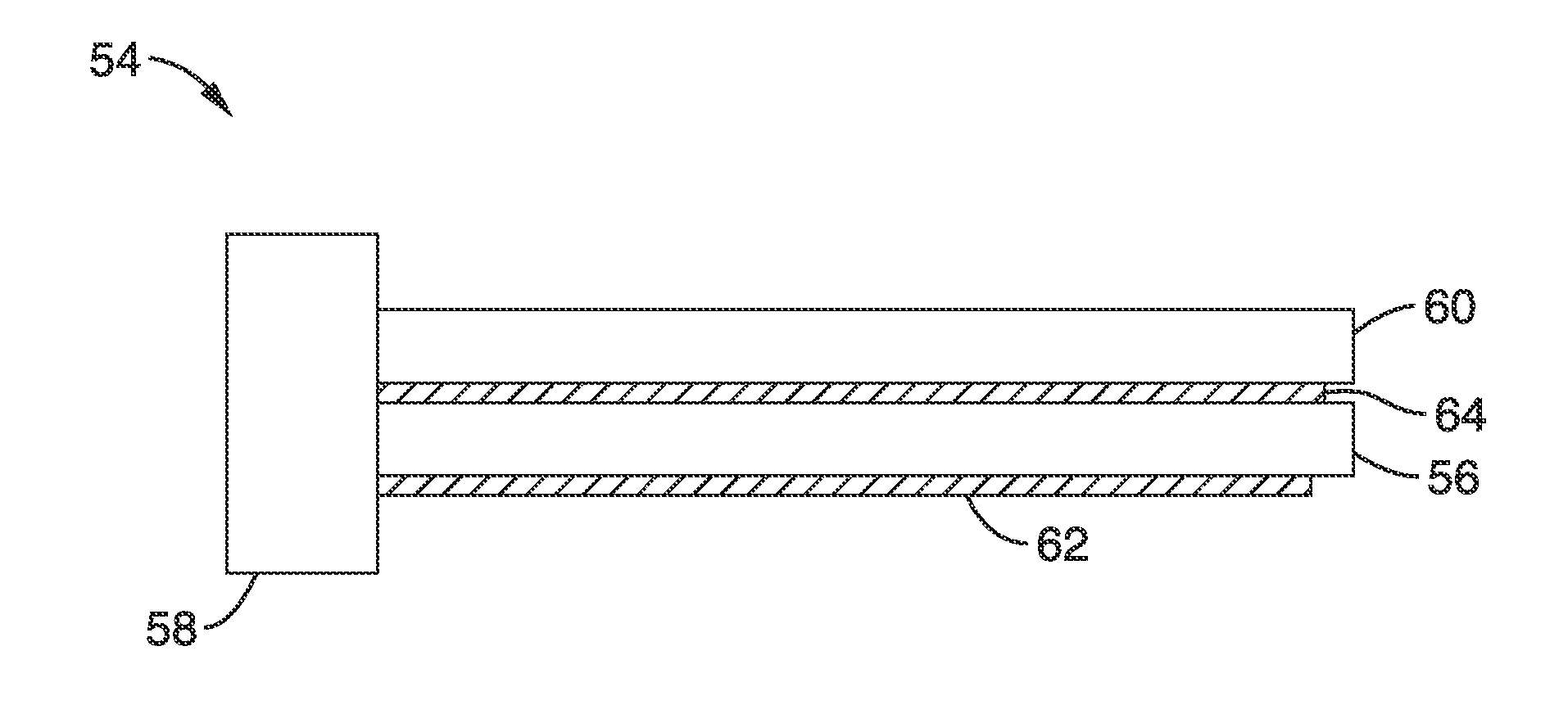
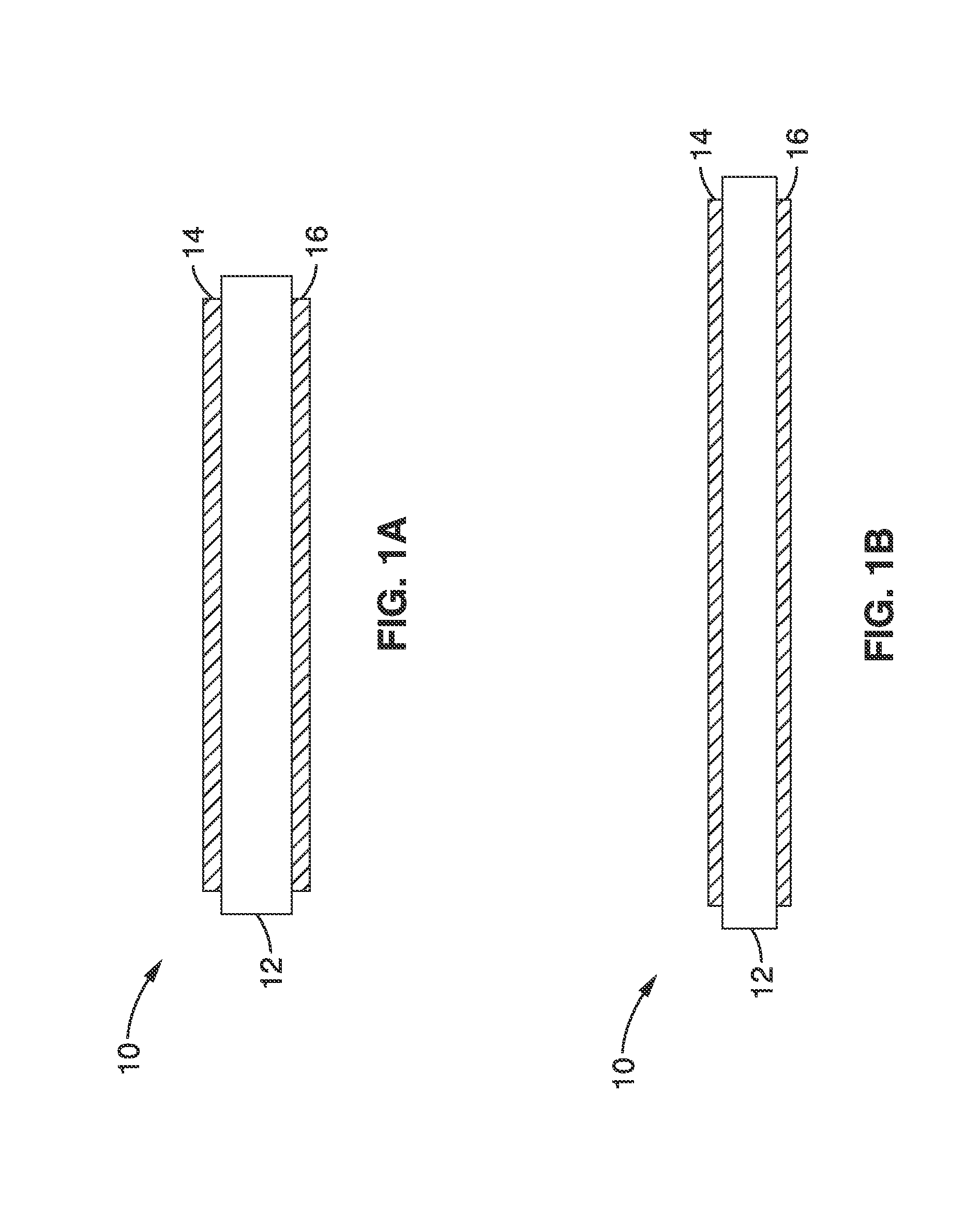
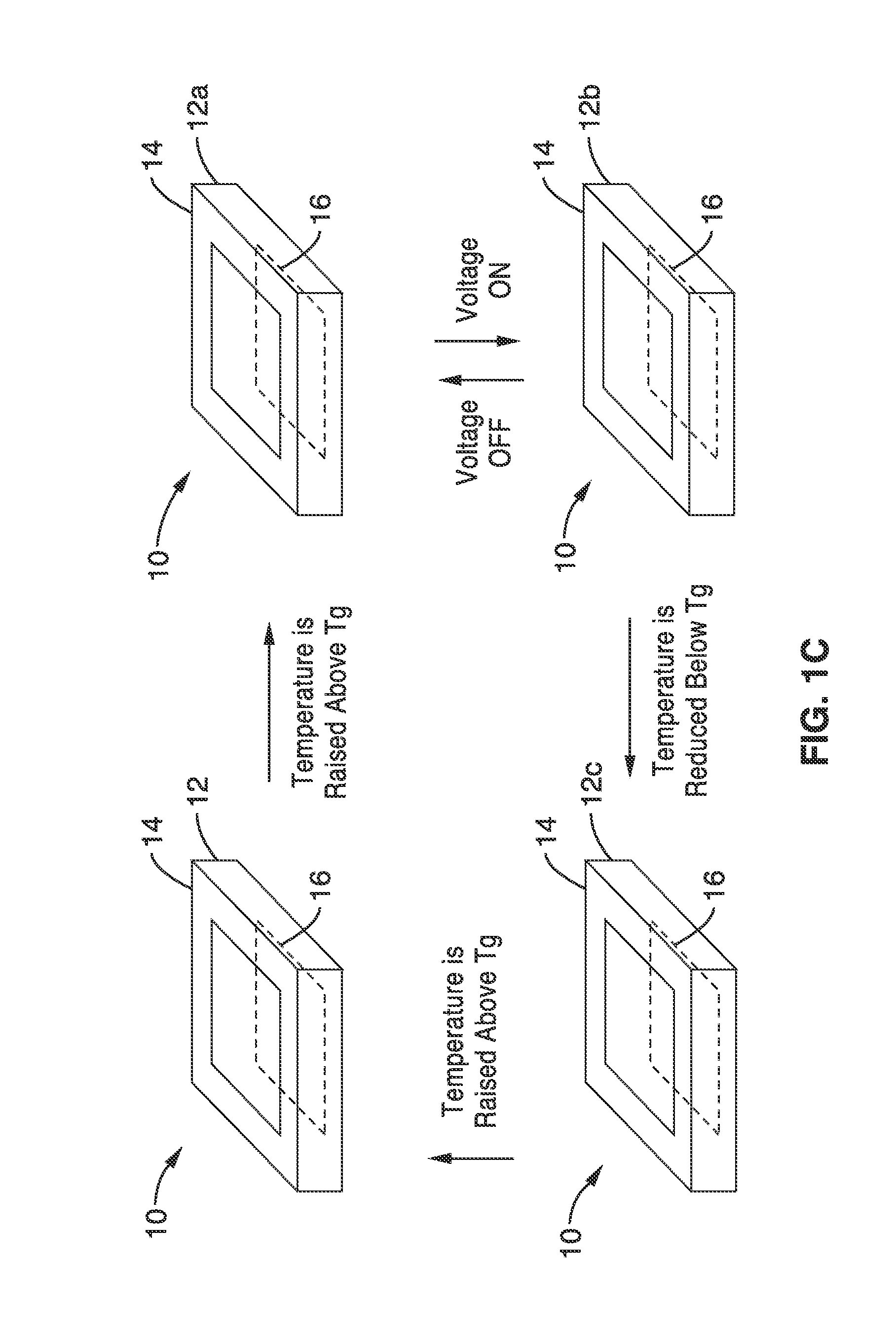
- Development of a bistable electroactive polymer with a shape memory polymer and dielectrically induced actuation mechanism, utilizing compliant electrodes and pre-straining techniques to achieve reversible and repeatable deformation at high strains, allowing the polymer to retain shape upon cooling and recover upon heating.

Electroactive Polymers and Articles Containing Them
PatentInactiveUS20110254408A1
Innovation
- An electroactive polymer device is developed using at least one layer of a dielectric polymer formed from an ethylenically unsaturated nitrogen-containing monomer, excluding acrylonitrile, which is used in piezoelectric, pyroelectric, actuator, or sensor applications, with electrodes connected to the actuating component to facilitate mechanical displacement upon an electric field application.


Safety Standards for EAP Automation Systems
The establishment of comprehensive safety standards for EAP automation systems represents a critical requirement for widespread industrial adoption. Current regulatory frameworks primarily address traditional electromechanical systems, leaving significant gaps in addressing the unique characteristics and failure modes of electroactive polymer-based automation technologies. The development of specialized safety protocols must account for the distinct electrical, mechanical, and thermal behaviors exhibited by EAP materials under various operational conditions.
Electrical safety considerations form the foundation of EAP automation system standards. Unlike conventional actuators, EAP devices operate under high voltage conditions while maintaining direct contact with conductive polymer materials. Safety protocols must define maximum allowable voltage levels, insulation requirements, and fail-safe mechanisms to prevent electrical hazards. Ground fault protection systems specifically designed for high-impedance EAP circuits require standardization to ensure consistent implementation across different manufacturers and applications.
Mechanical safety standards must address the unique failure characteristics of polymer-based actuators. EAP materials can experience sudden mechanical failure through polymer degradation, delamination, or excessive strain accumulation. Safety standards should establish mandatory mechanical redundancy requirements, load monitoring systems, and predictive maintenance protocols. Emergency stop mechanisms must be designed to account for the slower response times inherent in some EAP technologies compared to traditional pneumatic or hydraulic systems.
Environmental safety protocols require special attention due to the sensitivity of EAP materials to temperature, humidity, and chemical exposure. Standards must define acceptable operating environments, contamination prevention measures, and material compatibility requirements. The potential for polymer degradation products to create safety hazards necessitates comprehensive material safety data sheets and handling procedures specific to EAP technologies.
System integration safety standards must address the interaction between EAP components and conventional automation elements. Interlock systems, communication protocols, and diagnostic interfaces require standardization to ensure reliable safety monitoring across hybrid automation systems. The development of industry-specific safety standards for applications such as medical devices, aerospace systems, and industrial robotics will be essential for regulatory approval and market acceptance of EAP automation technologies.
Electrical safety considerations form the foundation of EAP automation system standards. Unlike conventional actuators, EAP devices operate under high voltage conditions while maintaining direct contact with conductive polymer materials. Safety protocols must define maximum allowable voltage levels, insulation requirements, and fail-safe mechanisms to prevent electrical hazards. Ground fault protection systems specifically designed for high-impedance EAP circuits require standardization to ensure consistent implementation across different manufacturers and applications.
Mechanical safety standards must address the unique failure characteristics of polymer-based actuators. EAP materials can experience sudden mechanical failure through polymer degradation, delamination, or excessive strain accumulation. Safety standards should establish mandatory mechanical redundancy requirements, load monitoring systems, and predictive maintenance protocols. Emergency stop mechanisms must be designed to account for the slower response times inherent in some EAP technologies compared to traditional pneumatic or hydraulic systems.
Environmental safety protocols require special attention due to the sensitivity of EAP materials to temperature, humidity, and chemical exposure. Standards must define acceptable operating environments, contamination prevention measures, and material compatibility requirements. The potential for polymer degradation products to create safety hazards necessitates comprehensive material safety data sheets and handling procedures specific to EAP technologies.
System integration safety standards must address the interaction between EAP components and conventional automation elements. Interlock systems, communication protocols, and diagnostic interfaces require standardization to ensure reliable safety monitoring across hybrid automation systems. The development of industry-specific safety standards for applications such as medical devices, aerospace systems, and industrial robotics will be essential for regulatory approval and market acceptance of EAP automation technologies.
Integration Challenges in EAP-Based Automation
The integration of electroactive polymers into automated systems presents multifaceted challenges that extend beyond basic material characterization. While quantifying reaction thresholds provides fundamental understanding, translating this knowledge into practical automation applications requires addressing complex system-level integration issues that significantly impact deployment feasibility and operational reliability.
Control system compatibility emerges as a primary integration challenge, particularly regarding signal processing and feedback mechanisms. EAP actuators exhibit nonlinear response characteristics that differ substantially from conventional electromagnetic actuators, necessitating specialized control algorithms and hardware interfaces. The voltage requirements for EAP activation often exceed standard automation system specifications, requiring power conditioning circuits and isolation mechanisms that add complexity and potential failure points to the overall system architecture.
Mechanical integration poses another significant hurdle, as EAP materials demonstrate unique mechanical properties that challenge traditional mounting and coupling methods. The inherent flexibility and compliance of these materials, while advantageous for certain applications, create difficulties in achieving precise positioning and maintaining consistent force transmission. Additionally, the relatively low force output of many EAP materials compared to conventional actuators often requires mechanical amplification systems, further complicating integration efforts.
Environmental sensitivity represents a critical integration challenge that affects long-term reliability and performance consistency. Many EAP materials exhibit sensitivity to humidity, temperature variations, and chemical exposure, requiring protective enclosures or environmental control systems that may conflict with automation system requirements for compact, cost-effective solutions. This sensitivity also impacts calibration stability and necessitates frequent recalibration procedures that can disrupt automated operations.
Scalability and manufacturing considerations present additional integration obstacles, particularly when transitioning from laboratory prototypes to production-scale automation systems. The fabrication processes for EAP-based actuators often involve specialized materials and techniques that are not readily compatible with standard automation component manufacturing, leading to supply chain complexities and cost implications that affect widespread adoption in industrial automation applications.
Control system compatibility emerges as a primary integration challenge, particularly regarding signal processing and feedback mechanisms. EAP actuators exhibit nonlinear response characteristics that differ substantially from conventional electromagnetic actuators, necessitating specialized control algorithms and hardware interfaces. The voltage requirements for EAP activation often exceed standard automation system specifications, requiring power conditioning circuits and isolation mechanisms that add complexity and potential failure points to the overall system architecture.
Mechanical integration poses another significant hurdle, as EAP materials demonstrate unique mechanical properties that challenge traditional mounting and coupling methods. The inherent flexibility and compliance of these materials, while advantageous for certain applications, create difficulties in achieving precise positioning and maintaining consistent force transmission. Additionally, the relatively low force output of many EAP materials compared to conventional actuators often requires mechanical amplification systems, further complicating integration efforts.
Environmental sensitivity represents a critical integration challenge that affects long-term reliability and performance consistency. Many EAP materials exhibit sensitivity to humidity, temperature variations, and chemical exposure, requiring protective enclosures or environmental control systems that may conflict with automation system requirements for compact, cost-effective solutions. This sensitivity also impacts calibration stability and necessitates frequent recalibration procedures that can disrupt automated operations.
Scalability and manufacturing considerations present additional integration obstacles, particularly when transitioning from laboratory prototypes to production-scale automation systems. The fabrication processes for EAP-based actuators often involve specialized materials and techniques that are not readily compatible with standard automation component manufacturing, leading to supply chain complexities and cost implications that affect widespread adoption in industrial automation applications.
Unlock deeper insights with PatSnap Eureka Quick Research — get a full tech report to explore trends and direct your research. Try now!
Generate Your Research Report Instantly with AI Agent
Supercharge your innovation with PatSnap Eureka AI Agent Platform!