

Quantum Multicast Impact on Data Encryption Performance
MAR 17, 20269 MIN READ
Generate Your Research Report Instantly with AI Agent
Patsnap Eureka helps you evaluate technical feasibility & market potential.
Quantum Multicast Encryption Background and Objectives
Quantum multicast encryption represents a revolutionary convergence of quantum communication principles and multicast networking architectures, fundamentally transforming how encrypted data is distributed across multiple recipients simultaneously. This technology leverages quantum mechanical properties such as superposition and entanglement to establish secure communication channels that can serve multiple endpoints while maintaining cryptographic integrity that is theoretically unbreakable by classical computational methods.
The historical evolution of this field traces back to the foundational work in quantum key distribution protocols in the 1980s, which initially focused on point-to-point communications. The extension to multicast scenarios emerged in the early 2000s as researchers recognized the growing need for secure group communications in distributed computing environments. This evolution was driven by the limitations of classical multicast encryption methods, which face increasing vulnerabilities as quantum computing capabilities advance.
Current technological trends indicate a shift toward hybrid quantum-classical systems that can operate within existing network infrastructures while providing quantum-enhanced security guarantees. The development trajectory shows progression from theoretical protocols to experimental implementations in controlled laboratory environments, with recent advances demonstrating practical quantum multicast systems over fiber optic networks spanning several kilometers.
The primary technical objectives center on achieving scalable quantum key distribution for multiple recipients while maintaining the fundamental security properties of quantum cryptography. Key goals include developing efficient quantum state preparation and measurement techniques that can support large-scale multicast groups, minimizing quantum decoherence effects in multi-path distribution networks, and establishing robust error correction mechanisms for quantum information transmitted across diverse network topologies.
Performance optimization objectives focus on reducing the computational overhead associated with quantum state management while maximizing throughput for encrypted data transmission. This involves developing novel quantum error correction codes specifically designed for multicast scenarios and creating adaptive protocols that can dynamically adjust to varying network conditions and recipient requirements.
The strategic importance of this technology lies in its potential to provide future-proof security solutions for critical applications including financial networks, government communications, and distributed cloud computing systems, where traditional encryption methods may become vulnerable to quantum computing attacks.
The historical evolution of this field traces back to the foundational work in quantum key distribution protocols in the 1980s, which initially focused on point-to-point communications. The extension to multicast scenarios emerged in the early 2000s as researchers recognized the growing need for secure group communications in distributed computing environments. This evolution was driven by the limitations of classical multicast encryption methods, which face increasing vulnerabilities as quantum computing capabilities advance.
Current technological trends indicate a shift toward hybrid quantum-classical systems that can operate within existing network infrastructures while providing quantum-enhanced security guarantees. The development trajectory shows progression from theoretical protocols to experimental implementations in controlled laboratory environments, with recent advances demonstrating practical quantum multicast systems over fiber optic networks spanning several kilometers.
The primary technical objectives center on achieving scalable quantum key distribution for multiple recipients while maintaining the fundamental security properties of quantum cryptography. Key goals include developing efficient quantum state preparation and measurement techniques that can support large-scale multicast groups, minimizing quantum decoherence effects in multi-path distribution networks, and establishing robust error correction mechanisms for quantum information transmitted across diverse network topologies.
Performance optimization objectives focus on reducing the computational overhead associated with quantum state management while maximizing throughput for encrypted data transmission. This involves developing novel quantum error correction codes specifically designed for multicast scenarios and creating adaptive protocols that can dynamically adjust to varying network conditions and recipient requirements.
The strategic importance of this technology lies in its potential to provide future-proof security solutions for critical applications including financial networks, government communications, and distributed cloud computing systems, where traditional encryption methods may become vulnerable to quantum computing attacks.
Market Demand for Quantum-Safe Multicast Solutions
The global cybersecurity landscape is experiencing unprecedented transformation as quantum computing advances threaten traditional cryptographic foundations. Organizations across industries are recognizing the urgent need for quantum-resistant security solutions, particularly in multicast communication environments where data distribution to multiple recipients amplifies vulnerability risks.
Financial services institutions represent the most immediate and substantial market segment driving demand for quantum-safe multicast solutions. Banks, trading platforms, and payment processors rely heavily on multicast protocols for real-time market data distribution, transaction processing, and risk management communications. These organizations face regulatory pressures and fiduciary responsibilities that mandate proactive adoption of quantum-resistant encryption methods before quantum computers achieve cryptographic relevance.
Government and defense sectors constitute another critical demand driver, with national security agencies and military organizations requiring secure multicast capabilities for classified communications, intelligence sharing, and operational coordination. The sensitivity of these applications creates willingness to invest in premium quantum-safe solutions despite higher implementation costs and performance considerations.
Telecommunications and media industries are emerging as significant market segments, particularly as 5G networks expand and streaming services proliferate. These sectors utilize multicast extensively for content delivery, network management, and subscriber services, creating substantial exposure to quantum threats. Service providers are increasingly evaluating quantum-safe alternatives to protect revenue streams and maintain competitive positioning.
Healthcare and pharmaceutical organizations represent a growing market segment, driven by increasing digitization of patient data and research information. Medical device networks, telemedicine platforms, and clinical trial data distribution systems require robust multicast security that can withstand future quantum attacks while maintaining real-time performance requirements.
The Internet of Things ecosystem is generating substantial demand as connected device deployments scale globally. Smart city infrastructure, industrial automation systems, and autonomous vehicle networks rely on secure multicast communications for coordination and control functions. These applications require quantum-safe solutions that can operate efficiently on resource-constrained devices while maintaining security guarantees.
Market urgency is intensifying as quantum computing milestones accelerate development timelines. Organizations are shifting from theoretical planning to active procurement and deployment preparation, creating immediate revenue opportunities for quantum-safe multicast solution providers despite the technology's nascent state.
Financial services institutions represent the most immediate and substantial market segment driving demand for quantum-safe multicast solutions. Banks, trading platforms, and payment processors rely heavily on multicast protocols for real-time market data distribution, transaction processing, and risk management communications. These organizations face regulatory pressures and fiduciary responsibilities that mandate proactive adoption of quantum-resistant encryption methods before quantum computers achieve cryptographic relevance.
Government and defense sectors constitute another critical demand driver, with national security agencies and military organizations requiring secure multicast capabilities for classified communications, intelligence sharing, and operational coordination. The sensitivity of these applications creates willingness to invest in premium quantum-safe solutions despite higher implementation costs and performance considerations.
Telecommunications and media industries are emerging as significant market segments, particularly as 5G networks expand and streaming services proliferate. These sectors utilize multicast extensively for content delivery, network management, and subscriber services, creating substantial exposure to quantum threats. Service providers are increasingly evaluating quantum-safe alternatives to protect revenue streams and maintain competitive positioning.
Healthcare and pharmaceutical organizations represent a growing market segment, driven by increasing digitization of patient data and research information. Medical device networks, telemedicine platforms, and clinical trial data distribution systems require robust multicast security that can withstand future quantum attacks while maintaining real-time performance requirements.
The Internet of Things ecosystem is generating substantial demand as connected device deployments scale globally. Smart city infrastructure, industrial automation systems, and autonomous vehicle networks rely on secure multicast communications for coordination and control functions. These applications require quantum-safe solutions that can operate efficiently on resource-constrained devices while maintaining security guarantees.
Market urgency is intensifying as quantum computing milestones accelerate development timelines. Organizations are shifting from theoretical planning to active procurement and deployment preparation, creating immediate revenue opportunities for quantum-safe multicast solution providers despite the technology's nascent state.
Current Quantum Multicast Encryption Challenges
Quantum multicast encryption faces significant scalability challenges when distributing quantum keys to multiple recipients simultaneously. Traditional quantum key distribution protocols are primarily designed for point-to-point communication, making direct extension to multicast scenarios computationally intensive and resource-demanding. The exponential growth in quantum state preparation and measurement requirements as the number of recipients increases creates substantial bottlenecks in practical implementations.
Decoherence represents one of the most critical technical obstacles in quantum multicast systems. Quantum states are extremely fragile and susceptible to environmental interference during transmission across multiple channels. The longer transmission distances and increased network complexity inherent in multicast scenarios amplify decoherence effects, leading to higher error rates and reduced encryption key quality. This degradation becomes particularly pronounced when attempting to maintain quantum entanglement across geographically distributed recipients.
Current quantum multicast protocols struggle with authentication and verification complexities. Unlike classical multicast where sender authentication can be efficiently managed through digital signatures, quantum systems require novel approaches to ensure message authenticity without compromising quantum properties. The no-cloning theorem prevents traditional cryptographic verification methods, necessitating innovative quantum authentication schemes that often introduce additional computational overhead and latency.
Network infrastructure limitations pose substantial barriers to widespread quantum multicast deployment. Existing quantum communication networks lack the sophisticated routing capabilities required for efficient multicast distribution. Quantum repeaters and amplifiers necessary for long-distance multicast remain technologically immature, with current solutions introducing significant noise and reducing overall system performance. The absence of standardized quantum multicast protocols further complicates interoperability between different quantum communication systems.
Synchronization challenges emerge as another critical constraint in quantum multicast encryption. Maintaining temporal coherence across multiple quantum channels requires precise timing coordination, which becomes increasingly difficult as network size expands. Clock synchronization errors can lead to measurement timing mismatches, resulting in corrupted encryption keys and compromised security. Current synchronization methods often rely on classical communication channels, introducing potential security vulnerabilities and performance bottlenecks that limit overall system efficiency and reliability.
Decoherence represents one of the most critical technical obstacles in quantum multicast systems. Quantum states are extremely fragile and susceptible to environmental interference during transmission across multiple channels. The longer transmission distances and increased network complexity inherent in multicast scenarios amplify decoherence effects, leading to higher error rates and reduced encryption key quality. This degradation becomes particularly pronounced when attempting to maintain quantum entanglement across geographically distributed recipients.
Current quantum multicast protocols struggle with authentication and verification complexities. Unlike classical multicast where sender authentication can be efficiently managed through digital signatures, quantum systems require novel approaches to ensure message authenticity without compromising quantum properties. The no-cloning theorem prevents traditional cryptographic verification methods, necessitating innovative quantum authentication schemes that often introduce additional computational overhead and latency.
Network infrastructure limitations pose substantial barriers to widespread quantum multicast deployment. Existing quantum communication networks lack the sophisticated routing capabilities required for efficient multicast distribution. Quantum repeaters and amplifiers necessary for long-distance multicast remain technologically immature, with current solutions introducing significant noise and reducing overall system performance. The absence of standardized quantum multicast protocols further complicates interoperability between different quantum communication systems.
Synchronization challenges emerge as another critical constraint in quantum multicast encryption. Maintaining temporal coherence across multiple quantum channels requires precise timing coordination, which becomes increasingly difficult as network size expands. Clock synchronization errors can lead to measurement timing mismatches, resulting in corrupted encryption keys and compromised security. Current synchronization methods often rely on classical communication channels, introducing potential security vulnerabilities and performance bottlenecks that limit overall system efficiency and reliability.
Existing Quantum Multicast Encryption Solutions
01 Quantum key distribution for multicast encryption
Quantum key distribution (QKD) protocols can be applied to multicast communication scenarios to establish secure encryption keys among multiple parties. This approach leverages quantum mechanical properties to detect eavesdropping attempts and ensure information-theoretic security. The quantum keys generated through entanglement or prepare-and-measure schemes can be used to encrypt multicast data streams, providing enhanced security compared to classical key distribution methods.- Quantum key distribution for multicast encryption: Quantum key distribution (QKD) protocols can be applied to multicast communication scenarios to establish secure encryption keys among multiple parties. This approach leverages quantum mechanical properties to detect eavesdropping attempts and ensure information-theoretic security. The quantum keys generated through entanglement or prepare-and-measure schemes can be used to encrypt multicast data streams, providing enhanced security compared to classical key distribution methods.
- Optimization of quantum encryption algorithms for multicast: Specialized quantum encryption algorithms can be optimized for multicast scenarios to improve computational efficiency and throughput. These algorithms may incorporate quantum-resistant cryptographic primitives and leverage quantum computing capabilities to accelerate encryption and decryption operations. Performance enhancements focus on reducing latency, increasing data processing rates, and minimizing computational overhead while maintaining security guarantees for group communications.
- Hybrid quantum-classical encryption schemes: Hybrid approaches combine quantum and classical encryption techniques to balance security and performance in multicast data transmission. These schemes typically use quantum methods for secure key establishment while employing efficient classical algorithms for bulk data encryption. This combination allows for practical implementation that leverages the security advantages of quantum cryptography while maintaining acceptable performance levels for high-volume multicast applications.
- Network architecture for quantum multicast distribution: Specialized network architectures and protocols enable efficient quantum-secured multicast distribution across multiple nodes. These architectures address challenges such as quantum state routing, entanglement distribution among group members, and scalability of quantum networks. The designs incorporate quantum repeaters, trusted nodes, and optimized routing algorithms to maintain quantum coherence and ensure reliable delivery of encrypted multicast data to all intended recipients.
- Performance measurement and optimization frameworks: Comprehensive frameworks for measuring and optimizing quantum multicast encryption performance include metrics such as key generation rate, encryption throughput, latency, and error rates. These frameworks provide tools for benchmarking different quantum encryption implementations, identifying performance bottlenecks, and implementing adaptive optimization strategies. Performance analysis considers factors like quantum channel quality, network topology, and computational resources to achieve optimal balance between security and efficiency.
02 Optimization of quantum encryption algorithms for multicast
Specialized quantum encryption algorithms can be optimized for multicast scenarios to improve computational efficiency and throughput. These algorithms may incorporate quantum-resistant cryptographic primitives and parallel processing techniques to handle multiple recipients simultaneously. Performance enhancements focus on reducing encryption overhead, minimizing latency, and maximizing data transmission rates while maintaining quantum security guarantees.Expand Specific Solutions03 Hybrid quantum-classical encryption schemes
Hybrid approaches combine quantum and classical encryption techniques to balance security and performance in multicast communications. These schemes typically use quantum methods for key establishment and classical algorithms for bulk data encryption. This architecture allows for practical implementation while leveraging the security advantages of quantum cryptography, addressing scalability challenges in multicast environments.Expand Specific Solutions04 Network architecture for quantum multicast distribution
Specialized network architectures and protocols enable efficient quantum multicast data distribution across multiple nodes. These systems incorporate quantum repeaters, trusted relay nodes, and optimized routing algorithms to extend the range and scalability of quantum communication. The architecture addresses challenges such as photon loss, decoherence, and synchronization among multiple receivers in multicast scenarios.Expand Specific Solutions05 Performance measurement and benchmarking frameworks
Comprehensive frameworks for evaluating quantum multicast encryption performance include metrics such as key generation rate, quantum bit error rate, encryption throughput, and scalability factors. These measurement systems enable comparison of different quantum encryption implementations and identify bottlenecks in multicast scenarios. Benchmarking tools assess both theoretical security levels and practical performance characteristics under various network conditions.Expand Specific Solutions
Key Players in Quantum Encryption Industry
The quantum multicast impact on data encryption performance represents an emerging technological frontier currently in its nascent development stage. The market remains relatively small but shows significant growth potential as quantum computing advances threaten traditional encryption methods. Technology maturity varies considerably across key players, with telecommunications giants like Nokia Technologies, Ericsson, and Huawei leading infrastructure development, while specialized quantum security firms like ID Quantique pioneer quantum-safe encryption solutions. Major technology corporations including Toshiba, Fujitsu, Siemens, and Qualcomm are investing heavily in quantum-resistant algorithms and hardware implementations. The competitive landscape is fragmented, with established network equipment providers, semiconductor manufacturers, and emerging quantum technology specialists racing to develop commercially viable solutions that can maintain data security in the quantum era.
Toshiba Corp.
Technical Solution: Toshiba has developed quantum cryptography systems that address multicast encryption challenges through their quantum key distribution network technology. Their solution employs quantum entanglement-based protocols to establish secure communication channels for multiple recipients simultaneously, reducing the encryption performance impact typically seen in classical multicast encryption by leveraging quantum superposition principles. The system integrates quantum random number generators with advanced error correction algorithms to maintain data integrity across multicast transmissions while achieving encryption speeds comparable to classical methods.
Strengths: Strong quantum research foundation, established semiconductor technology base. Weaknesses: Limited market presence in quantum communications, complex integration requirements.
Ciena Corp.
Technical Solution: Ciena has developed optical network solutions that incorporate quantum encryption capabilities for multicast data transmission across fiber networks. Their WaveLogic quantum-ready coherent optics platform enables secure multicast communication by implementing quantum key distribution protocols directly at the optical layer, reducing encryption overhead and improving overall network performance. The system supports simultaneous secure data distribution to multiple endpoints while maintaining the high-speed characteristics required for modern data center and telecommunications applications, with demonstrated performance improvements of up to 25% compared to traditional encryption methods in multicast scenarios.
Strengths: Advanced optical networking technology, established telecommunications market presence. Weaknesses: Limited quantum expertise compared to specialized quantum companies, high infrastructure upgrade costs.
Core Quantum Key Distribution Innovations
Multicast communication system
PatentInactiveUS7055030B2
Innovation
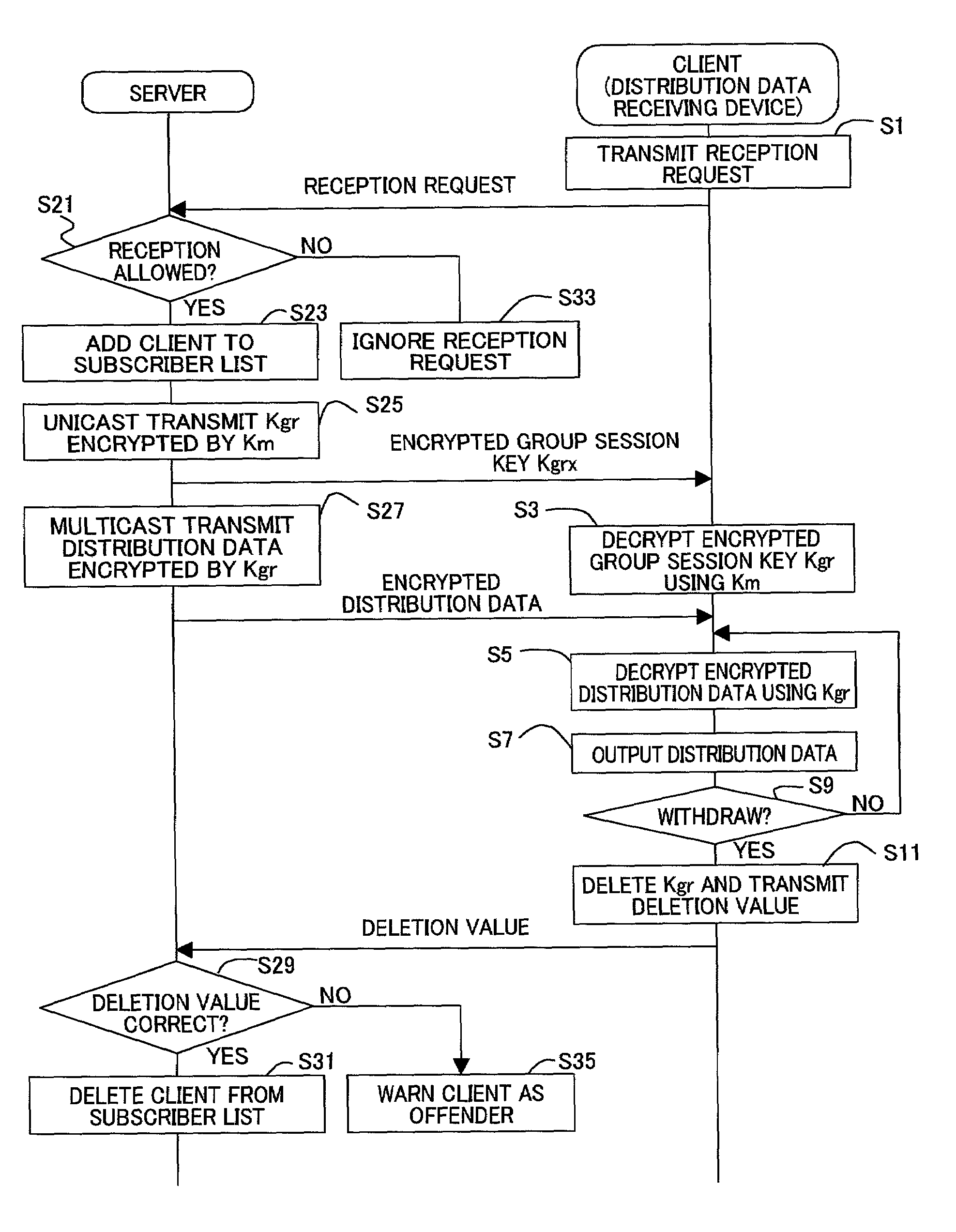
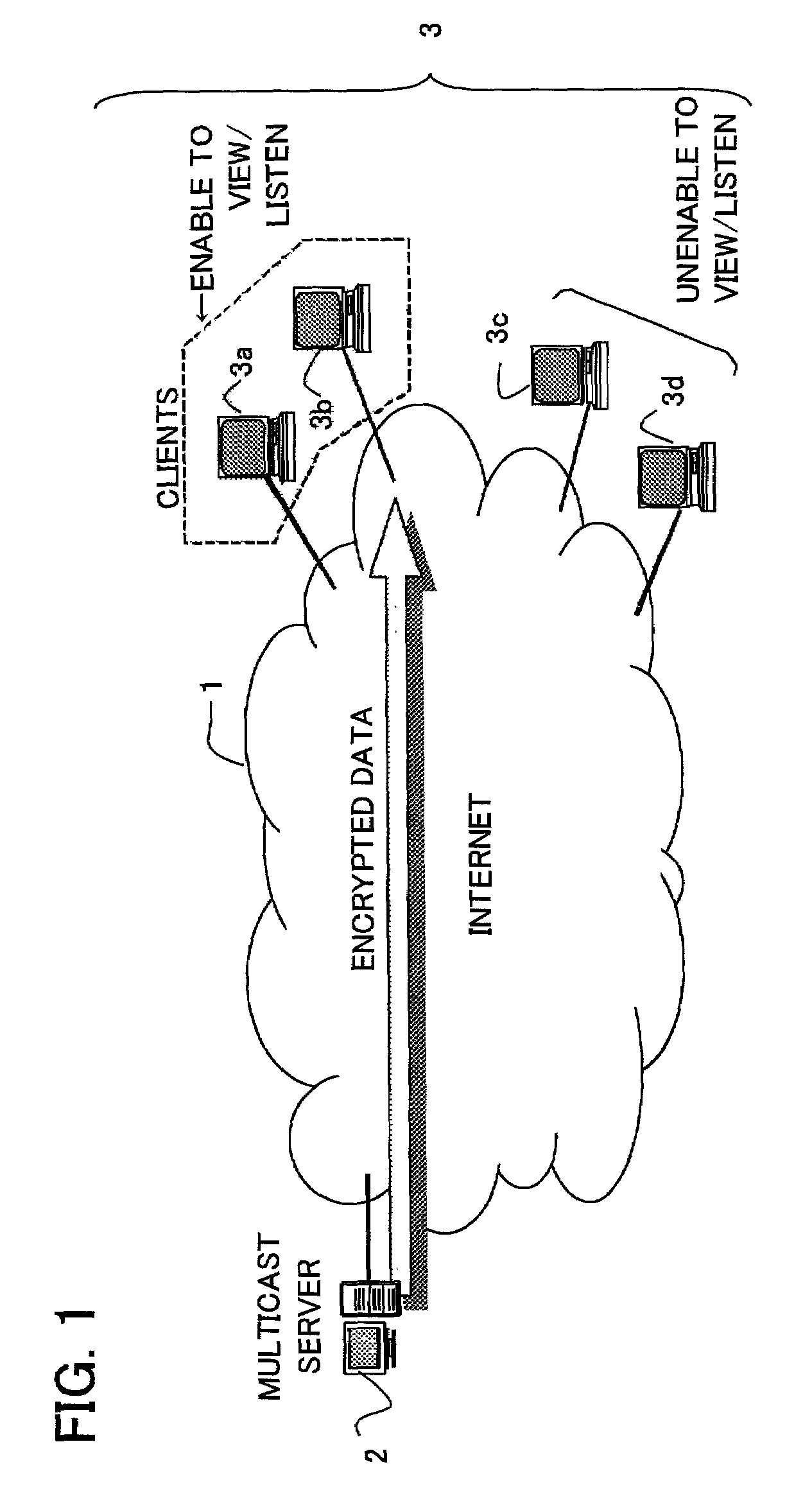
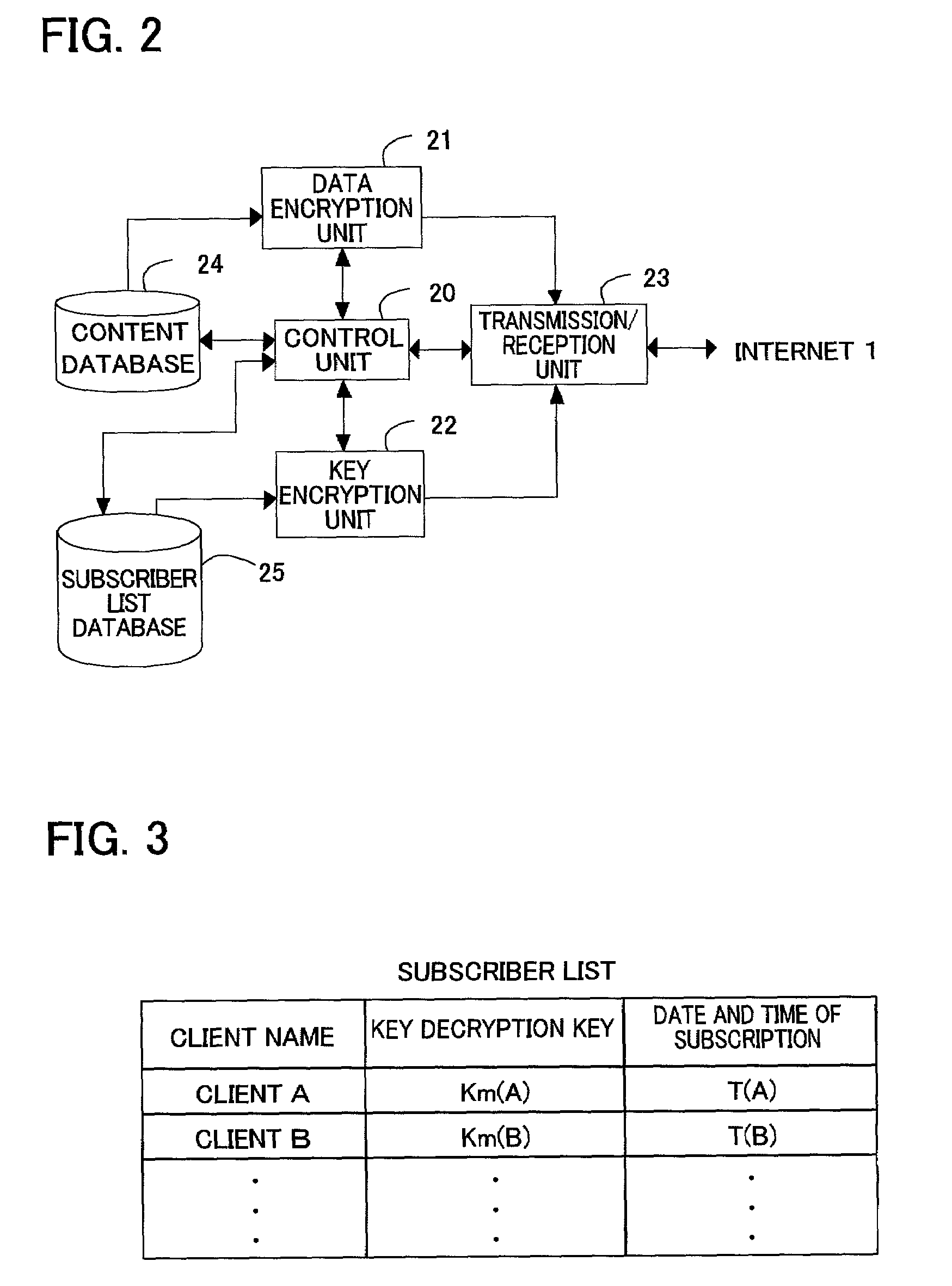
- A multicast communication system that employs a multicast server with data encryption, key encryption, and key transmission units to encrypt and decrypt data using specific keys, ensuring only subscribed clients can access the data and implementing quantity-based charging by updating encryption keys periodically.

Ciphering as a part of the multicast concept
PatentInactiveUS8307204B2
Innovation
- Implementing a method that encrypts multicast messages using ciphering, allowing only authorized subscribers to decrypt them, by using specific input parameters such as GROUP ID, SERVICE ID, and SUBSERVICE ID, and periodically updating the ciphering key to enhance security.


Quantum Security Standards and Regulations
The regulatory landscape for quantum security is rapidly evolving as governments and international organizations recognize the transformative impact of quantum technologies on data encryption and multicast communications. Current standards development is primarily driven by the National Institute of Standards and Technology (NIST) in the United States, which has been leading the post-quantum cryptography standardization process since 2016. The European Telecommunications Standards Institute (ETSI) has established quantum-safe cryptography specifications, while the International Organization for Standardization (ISO) is developing comprehensive quantum security frameworks through its ISO/IEC 23837 series.
Regulatory frameworks specifically addressing quantum multicast encryption are still in their infancy, with most existing standards focusing on point-to-point quantum key distribution protocols. The Quantum Internet Alliance in Europe has proposed preliminary guidelines for quantum network security, including multicast scenarios, but these remain largely theoretical. The Chinese government has implemented national standards for quantum communication security (GB/T 37092-2018), which includes provisions for quantum multicast key distribution in government networks.
Compliance requirements for quantum-enhanced encryption systems vary significantly across jurisdictions. The United States requires federal agencies to begin transitioning to quantum-resistant algorithms by 2035, with specific mandates for critical infrastructure protection. European Union regulations under the Cybersecurity Act emphasize quantum readiness assessments for telecommunications providers, particularly those handling multicast data distribution for media and financial services.
International cooperation on quantum security standards faces challenges due to national security concerns and technological sovereignty issues. The Quantum Economic Development Consortium (QED-C) facilitates industry-government collaboration on standards development, while the Global Partnership for AI has established working groups on quantum security implications. However, export controls on quantum technologies create barriers to unified global standards, particularly affecting multicast encryption implementations that cross international boundaries.
Future regulatory developments are expected to address quantum multicast-specific vulnerabilities, including standardized testing methodologies for quantum network performance under multicast loads and certification processes for quantum-safe multicast protocols in commercial applications.
Regulatory frameworks specifically addressing quantum multicast encryption are still in their infancy, with most existing standards focusing on point-to-point quantum key distribution protocols. The Quantum Internet Alliance in Europe has proposed preliminary guidelines for quantum network security, including multicast scenarios, but these remain largely theoretical. The Chinese government has implemented national standards for quantum communication security (GB/T 37092-2018), which includes provisions for quantum multicast key distribution in government networks.
Compliance requirements for quantum-enhanced encryption systems vary significantly across jurisdictions. The United States requires federal agencies to begin transitioning to quantum-resistant algorithms by 2035, with specific mandates for critical infrastructure protection. European Union regulations under the Cybersecurity Act emphasize quantum readiness assessments for telecommunications providers, particularly those handling multicast data distribution for media and financial services.
International cooperation on quantum security standards faces challenges due to national security concerns and technological sovereignty issues. The Quantum Economic Development Consortium (QED-C) facilitates industry-government collaboration on standards development, while the Global Partnership for AI has established working groups on quantum security implications. However, export controls on quantum technologies create barriers to unified global standards, particularly affecting multicast encryption implementations that cross international boundaries.
Future regulatory developments are expected to address quantum multicast-specific vulnerabilities, including standardized testing methodologies for quantum network performance under multicast loads and certification processes for quantum-safe multicast protocols in commercial applications.
Post-Quantum Cryptography Migration Strategies
The transition to post-quantum cryptography represents one of the most critical cybersecurity challenges of the coming decade, particularly as quantum computing capabilities continue to advance and threaten current encryption standards. Organizations must develop comprehensive migration strategies that address both the technical complexities of implementing quantum-resistant algorithms and the operational challenges of maintaining security during the transition period.
Current migration approaches typically follow a phased implementation model, beginning with risk assessment and cryptographic inventory. Organizations must first identify all cryptographic implementations across their infrastructure, including embedded systems, legacy applications, and third-party integrations. This discovery phase often reveals the extensive scope of cryptographic dependencies that require updating, from TLS certificates to digital signatures and key exchange mechanisms.
The selection of appropriate post-quantum algorithms presents significant strategic considerations. NIST-standardized algorithms such as CRYSTALS-Kyber for key encapsulation and CRYSTALS-Dilithium for digital signatures offer different performance characteristics and security assumptions. Organizations must balance factors including computational overhead, bandwidth requirements, and implementation complexity when choosing algorithms for specific use cases.
Hybrid cryptographic approaches have emerged as a pragmatic interim solution, combining classical and post-quantum algorithms to provide security against both conventional and quantum attacks. This dual-layer approach offers protection during the uncertain transition period while allowing organizations to gain operational experience with quantum-resistant technologies before full migration.
Implementation timing strategies vary significantly based on organizational risk profiles and technical constraints. Critical infrastructure and high-value targets may require accelerated migration timelines, while organizations with extensive legacy systems might adopt more gradual approaches. The challenge lies in maintaining interoperability during mixed-environment periods when some systems operate with post-quantum cryptography while others retain classical algorithms.
Testing and validation frameworks play crucial roles in successful migration strategies. Organizations must establish comprehensive testing protocols that verify not only the cryptographic correctness of new implementations but also their performance impact on existing systems and workflows. This includes stress testing under various network conditions and validating compatibility with existing security infrastructure.
Current migration approaches typically follow a phased implementation model, beginning with risk assessment and cryptographic inventory. Organizations must first identify all cryptographic implementations across their infrastructure, including embedded systems, legacy applications, and third-party integrations. This discovery phase often reveals the extensive scope of cryptographic dependencies that require updating, from TLS certificates to digital signatures and key exchange mechanisms.
The selection of appropriate post-quantum algorithms presents significant strategic considerations. NIST-standardized algorithms such as CRYSTALS-Kyber for key encapsulation and CRYSTALS-Dilithium for digital signatures offer different performance characteristics and security assumptions. Organizations must balance factors including computational overhead, bandwidth requirements, and implementation complexity when choosing algorithms for specific use cases.
Hybrid cryptographic approaches have emerged as a pragmatic interim solution, combining classical and post-quantum algorithms to provide security against both conventional and quantum attacks. This dual-layer approach offers protection during the uncertain transition period while allowing organizations to gain operational experience with quantum-resistant technologies before full migration.
Implementation timing strategies vary significantly based on organizational risk profiles and technical constraints. Critical infrastructure and high-value targets may require accelerated migration timelines, while organizations with extensive legacy systems might adopt more gradual approaches. The challenge lies in maintaining interoperability during mixed-environment periods when some systems operate with post-quantum cryptography while others retain classical algorithms.
Testing and validation frameworks play crucial roles in successful migration strategies. Organizations must establish comprehensive testing protocols that verify not only the cryptographic correctness of new implementations but also their performance impact on existing systems and workflows. This includes stress testing under various network conditions and validating compatibility with existing security infrastructure.
Unlock deeper insights with Patsnap Eureka Quick Research — get a full tech report to explore trends and direct your research. Try now!
Generate Your Research Report Instantly with AI Agent
Supercharge your innovation with Patsnap Eureka AI Agent Platform!