

Reactive Sputtering for Solar Panel Coatings: Thermal Control Parameters
MAY 19, 20269 MIN READ
Generate Your Research Report Instantly with AI Agent
PatSnap Eureka helps you evaluate technical feasibility & market potential.
Reactive Sputtering Solar Coating Background and Objectives
Reactive sputtering technology has emerged as a critical manufacturing process in the solar energy industry, representing a sophisticated thin-film deposition technique that enables the creation of high-performance optical and protective coatings for photovoltaic panels. This process involves the bombardment of target materials with energetic ions in the presence of reactive gases, resulting in the formation of compound films with precisely controlled properties essential for solar panel efficiency and durability.
The evolution of reactive sputtering for solar applications traces back to the early developments in magnetron sputtering technology during the 1970s, when researchers first recognized its potential for creating uniform, adherent thin films. The transition from simple physical sputtering to reactive processes marked a significant advancement, enabling the deposition of complex oxide, nitride, and oxynitride compounds that are fundamental to modern solar panel coatings.
Current technological objectives center on achieving optimal thermal management through advanced coating systems that can effectively control heat transfer, reflection, and absorption characteristics. The primary goal involves developing coatings that maintain high optical transmission while providing superior thermal regulation, thereby enhancing overall photovoltaic system performance and longevity.
The integration of thermal control parameters represents a paradigm shift in solar coating technology, addressing the critical challenge of temperature-induced efficiency losses in photovoltaic systems. Traditional solar panels experience significant performance degradation at elevated temperatures, with efficiency typically decreasing by 0.4-0.5% per degree Celsius above standard test conditions.
Modern reactive sputtering processes aim to deposit multifunctional coatings that simultaneously provide antireflective properties, self-cleaning capabilities, and thermal management functions. These advanced coatings incorporate carefully engineered microstructures and material compositions that enable selective spectral control, allowing beneficial solar radiation to pass through while managing infrared heat buildup.
The technological roadmap focuses on developing next-generation coating systems that can maintain photovoltaic panel temperatures within optimal operating ranges, potentially improving energy conversion efficiency by 5-15% compared to conventional uncoated systems. This advancement represents a crucial step toward achieving higher energy yields and extended operational lifespans for solar installations across diverse climatic conditions.
The evolution of reactive sputtering for solar applications traces back to the early developments in magnetron sputtering technology during the 1970s, when researchers first recognized its potential for creating uniform, adherent thin films. The transition from simple physical sputtering to reactive processes marked a significant advancement, enabling the deposition of complex oxide, nitride, and oxynitride compounds that are fundamental to modern solar panel coatings.
Current technological objectives center on achieving optimal thermal management through advanced coating systems that can effectively control heat transfer, reflection, and absorption characteristics. The primary goal involves developing coatings that maintain high optical transmission while providing superior thermal regulation, thereby enhancing overall photovoltaic system performance and longevity.
The integration of thermal control parameters represents a paradigm shift in solar coating technology, addressing the critical challenge of temperature-induced efficiency losses in photovoltaic systems. Traditional solar panels experience significant performance degradation at elevated temperatures, with efficiency typically decreasing by 0.4-0.5% per degree Celsius above standard test conditions.
Modern reactive sputtering processes aim to deposit multifunctional coatings that simultaneously provide antireflective properties, self-cleaning capabilities, and thermal management functions. These advanced coatings incorporate carefully engineered microstructures and material compositions that enable selective spectral control, allowing beneficial solar radiation to pass through while managing infrared heat buildup.
The technological roadmap focuses on developing next-generation coating systems that can maintain photovoltaic panel temperatures within optimal operating ranges, potentially improving energy conversion efficiency by 5-15% compared to conventional uncoated systems. This advancement represents a crucial step toward achieving higher energy yields and extended operational lifespans for solar installations across diverse climatic conditions.
Market Demand for Advanced Solar Panel Coating Technologies
The global solar energy market has experienced unprecedented growth, driving substantial demand for advanced coating technologies that enhance photovoltaic panel performance and durability. Solar panel manufacturers increasingly recognize that coating quality directly impacts energy conversion efficiency, operational lifespan, and overall return on investment. This recognition has created a robust market for sophisticated coating solutions, particularly those utilizing reactive sputtering techniques with precise thermal control parameters.
Market drivers stem from multiple converging factors. Government renewable energy mandates and carbon neutrality commitments across major economies have accelerated solar installation rates. Simultaneously, declining solar panel costs have made photovoltaic systems economically viable for broader applications, from residential rooftops to utility-scale installations. These trends collectively amplify demand for coating technologies that maximize panel efficiency and extend operational life beyond traditional expectations.
The anti-reflective coating segment represents the largest market opportunity within solar panel coatings. These coatings reduce surface reflection losses, typically improving light transmission by several percentage points. Additionally, protective coatings that resist environmental degradation, including UV radiation, moisture, and temperature cycling, command premium pricing due to their impact on long-term performance reliability.
Emerging market segments include self-cleaning coatings and selective spectral coatings. Self-cleaning technologies reduce maintenance costs and sustain optimal performance in dusty environments, particularly valuable for installations in arid regions. Selective spectral coatings optimize light absorption across specific wavelength ranges, enabling enhanced efficiency for next-generation photovoltaic cell technologies.
Regional demand patterns reflect varying solar deployment strategies and manufacturing capabilities. Asia-Pacific markets, led by manufacturing hubs, demonstrate strong demand for cost-effective coating solutions that maintain quality standards. European markets emphasize premium performance coatings aligned with stringent efficiency requirements and environmental regulations. North American markets show growing interest in coatings that enhance panel durability under extreme weather conditions.
The reactive sputtering coating market benefits from technological convergence trends. Integration with smart manufacturing systems enables real-time quality monitoring and process optimization. Advanced thermal control parameters allow precise manipulation of coating properties, meeting increasingly sophisticated performance specifications demanded by next-generation solar technologies.
Market growth trajectories indicate sustained expansion driven by continuous solar capacity additions worldwide. Coating technology suppliers must address evolving requirements including improved deposition uniformity, enhanced adhesion properties, and compatibility with emerging photovoltaic materials. These market dynamics create substantial opportunities for innovative reactive sputtering solutions that deliver superior thermal control and coating performance.
Market drivers stem from multiple converging factors. Government renewable energy mandates and carbon neutrality commitments across major economies have accelerated solar installation rates. Simultaneously, declining solar panel costs have made photovoltaic systems economically viable for broader applications, from residential rooftops to utility-scale installations. These trends collectively amplify demand for coating technologies that maximize panel efficiency and extend operational life beyond traditional expectations.
The anti-reflective coating segment represents the largest market opportunity within solar panel coatings. These coatings reduce surface reflection losses, typically improving light transmission by several percentage points. Additionally, protective coatings that resist environmental degradation, including UV radiation, moisture, and temperature cycling, command premium pricing due to their impact on long-term performance reliability.
Emerging market segments include self-cleaning coatings and selective spectral coatings. Self-cleaning technologies reduce maintenance costs and sustain optimal performance in dusty environments, particularly valuable for installations in arid regions. Selective spectral coatings optimize light absorption across specific wavelength ranges, enabling enhanced efficiency for next-generation photovoltaic cell technologies.
Regional demand patterns reflect varying solar deployment strategies and manufacturing capabilities. Asia-Pacific markets, led by manufacturing hubs, demonstrate strong demand for cost-effective coating solutions that maintain quality standards. European markets emphasize premium performance coatings aligned with stringent efficiency requirements and environmental regulations. North American markets show growing interest in coatings that enhance panel durability under extreme weather conditions.
The reactive sputtering coating market benefits from technological convergence trends. Integration with smart manufacturing systems enables real-time quality monitoring and process optimization. Advanced thermal control parameters allow precise manipulation of coating properties, meeting increasingly sophisticated performance specifications demanded by next-generation solar technologies.
Market growth trajectories indicate sustained expansion driven by continuous solar capacity additions worldwide. Coating technology suppliers must address evolving requirements including improved deposition uniformity, enhanced adhesion properties, and compatibility with emerging photovoltaic materials. These market dynamics create substantial opportunities for innovative reactive sputtering solutions that deliver superior thermal control and coating performance.
Current State and Thermal Control Challenges in Reactive Sputtering
Reactive sputtering technology for solar panel coatings has reached a mature stage in industrial applications, with widespread adoption across photovoltaic manufacturing facilities globally. The process involves the deposition of thin films through plasma-assisted bombardment of target materials in the presence of reactive gases, typically oxygen or nitrogen, to form compound layers such as anti-reflective coatings, transparent conductive oxides, and barrier films on solar substrates.
Current reactive sputtering systems predominantly utilize magnetron configurations operating at power densities ranging from 2-15 W/cm². The technology has evolved to support large-area processing capabilities, with some industrial systems accommodating substrates exceeding 2×3 meters. Process parameters are typically controlled within narrow windows: working pressures of 0.1-5 Pa, substrate temperatures of 100-500°C, and reactive gas flow ratios maintained between 5-30% of total gas flow.
Despite technological maturity, thermal control remains the most critical challenge limiting process optimization and coating quality. Substrate temperature uniformity across large areas presents significant difficulties, with temperature variations often exceeding ±10°C across processing zones. This non-uniformity directly impacts film stoichiometry, crystalline structure, and optical properties, leading to reduced solar panel efficiency and increased manufacturing defects.
Target thermal management constitutes another major challenge, as reactive sputtering processes generate substantial heat loads that can exceed 10 kW for industrial-scale systems. Inadequate target cooling results in temperature gradients that cause non-uniform erosion patterns, reduced target utilization efficiency, and potential target cracking. The reactive nature of the process compounds these issues, as compound formation on target surfaces alters thermal conductivity and heat dissipation characteristics.
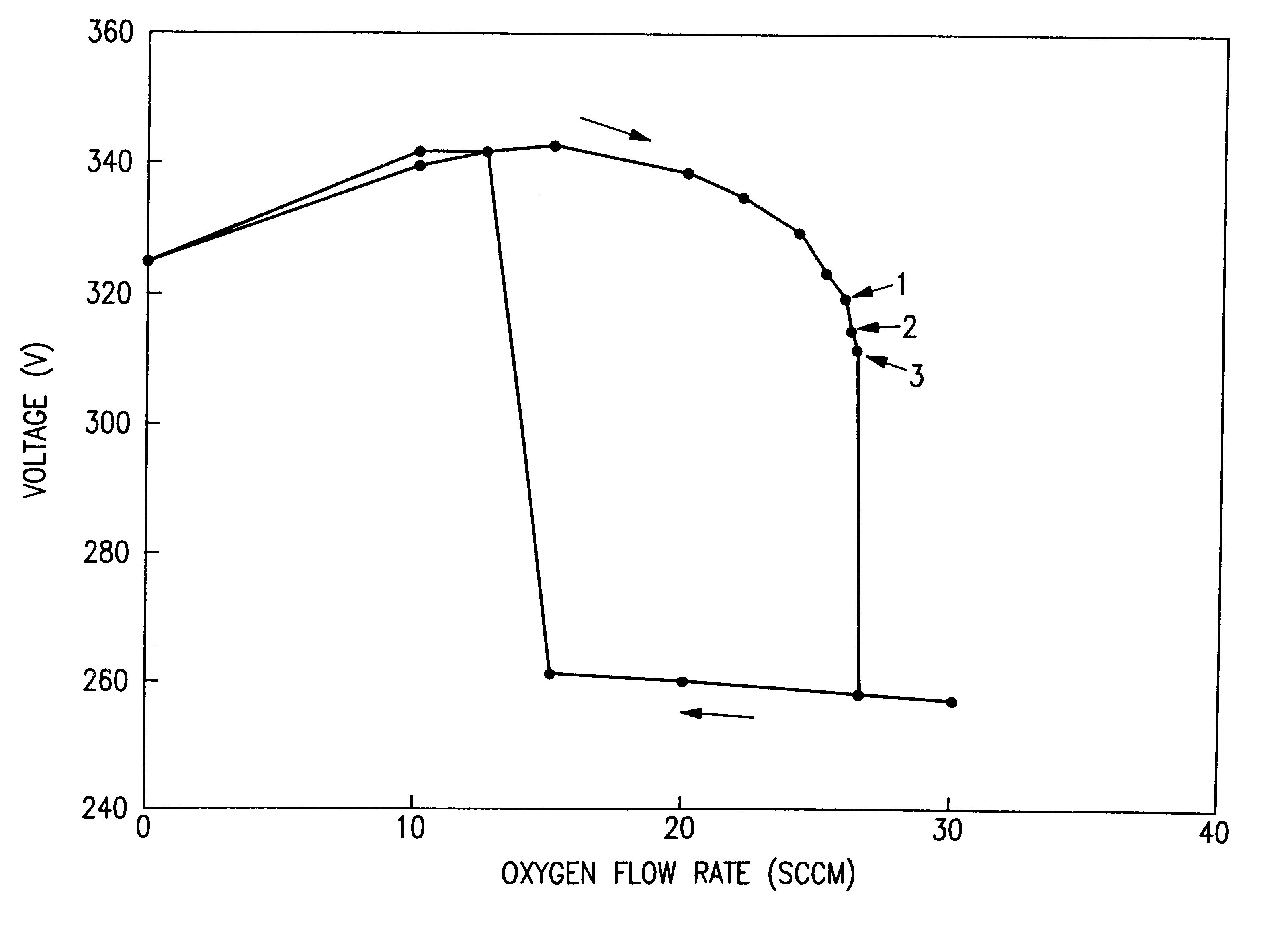
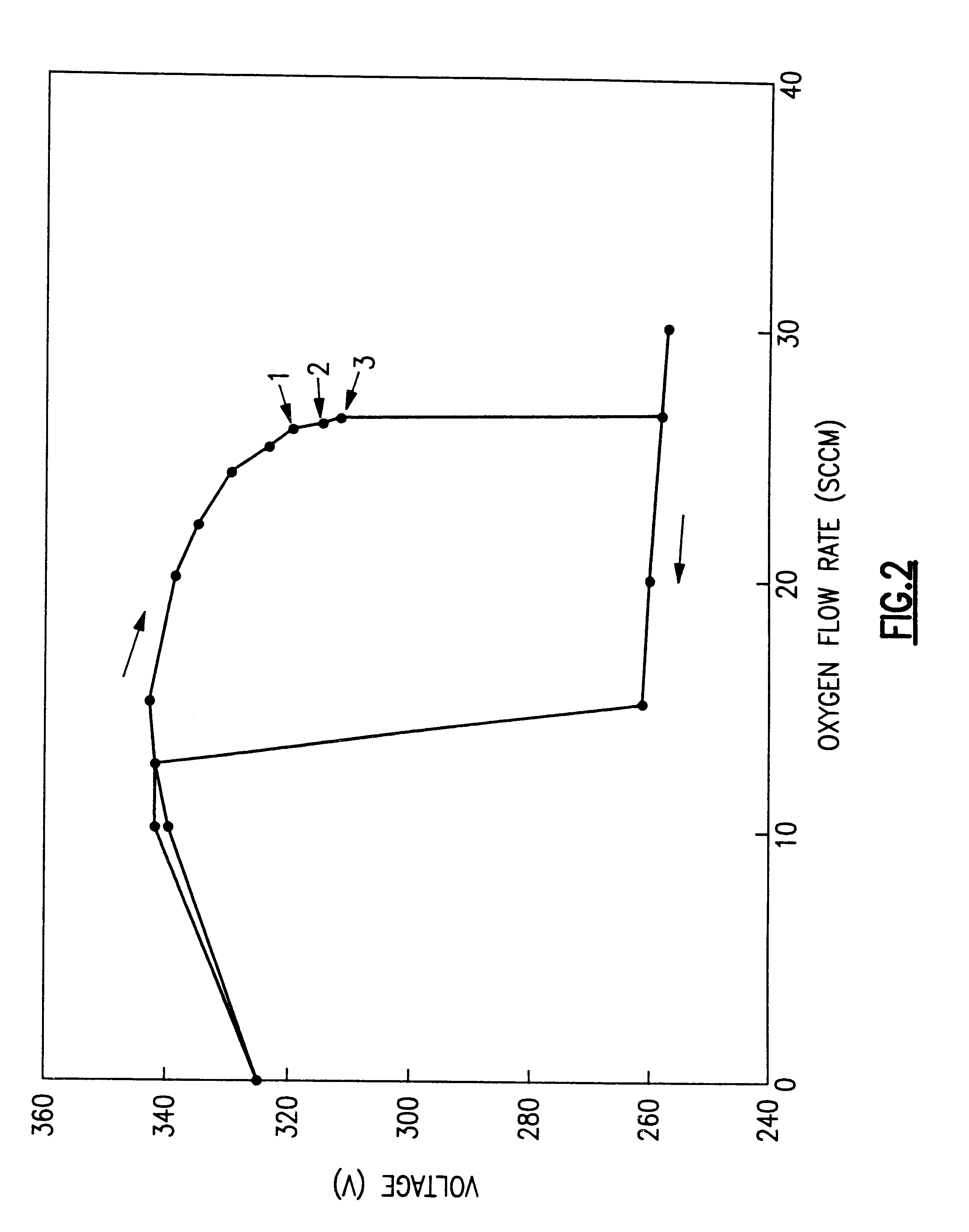
Process stability represents a persistent challenge directly linked to thermal control parameters. Temperature fluctuations trigger variations in reactive gas consumption rates and plasma characteristics, leading to hysteresis effects and process drift. These instabilities necessitate frequent process adjustments and contribute to coating thickness variations that can exceed ±5% across substrate areas.
Advanced thermal management solutions are increasingly being implemented, including sophisticated substrate heating systems with multi-zone temperature control, enhanced target cooling designs incorporating embedded cooling channels, and real-time thermal monitoring using infrared imaging systems. However, achieving optimal thermal control while maintaining economic viability remains an ongoing challenge for manufacturers seeking to improve coating uniformity and process throughput simultaneously.
Current reactive sputtering systems predominantly utilize magnetron configurations operating at power densities ranging from 2-15 W/cm². The technology has evolved to support large-area processing capabilities, with some industrial systems accommodating substrates exceeding 2×3 meters. Process parameters are typically controlled within narrow windows: working pressures of 0.1-5 Pa, substrate temperatures of 100-500°C, and reactive gas flow ratios maintained between 5-30% of total gas flow.
Despite technological maturity, thermal control remains the most critical challenge limiting process optimization and coating quality. Substrate temperature uniformity across large areas presents significant difficulties, with temperature variations often exceeding ±10°C across processing zones. This non-uniformity directly impacts film stoichiometry, crystalline structure, and optical properties, leading to reduced solar panel efficiency and increased manufacturing defects.
Target thermal management constitutes another major challenge, as reactive sputtering processes generate substantial heat loads that can exceed 10 kW for industrial-scale systems. Inadequate target cooling results in temperature gradients that cause non-uniform erosion patterns, reduced target utilization efficiency, and potential target cracking. The reactive nature of the process compounds these issues, as compound formation on target surfaces alters thermal conductivity and heat dissipation characteristics.
Process stability represents a persistent challenge directly linked to thermal control parameters. Temperature fluctuations trigger variations in reactive gas consumption rates and plasma characteristics, leading to hysteresis effects and process drift. These instabilities necessitate frequent process adjustments and contribute to coating thickness variations that can exceed ±5% across substrate areas.
Advanced thermal management solutions are increasingly being implemented, including sophisticated substrate heating systems with multi-zone temperature control, enhanced target cooling designs incorporating embedded cooling channels, and real-time thermal monitoring using infrared imaging systems. However, achieving optimal thermal control while maintaining economic viability remains an ongoing challenge for manufacturers seeking to improve coating uniformity and process throughput simultaneously.
Existing Thermal Control Solutions in Reactive Sputtering
01 Temperature monitoring and control systems for reactive sputtering
Advanced temperature monitoring and control systems are essential for maintaining optimal thermal conditions during reactive sputtering processes. These systems utilize various sensors and feedback mechanisms to continuously monitor substrate and target temperatures, enabling real-time adjustments to maintain process stability. The control systems help prevent thermal damage to substrates while ensuring consistent film quality and deposition rates.- Temperature monitoring and control systems for reactive sputtering: Advanced temperature monitoring and control systems are essential for maintaining optimal thermal conditions during reactive sputtering processes. These systems utilize various sensors and feedback mechanisms to continuously monitor substrate and target temperatures, enabling real-time adjustments to maintain process stability. The control systems help prevent thermal damage to substrates while ensuring consistent film quality and deposition rates.
- Substrate heating and cooling mechanisms: Effective substrate heating and cooling mechanisms are crucial for controlling thermal parameters in reactive sputtering. These mechanisms include resistive heaters, radiative heating elements, and active cooling systems that work together to maintain precise temperature profiles. The systems allow for rapid temperature changes and uniform heat distribution across the substrate surface, which is essential for achieving desired film properties and preventing thermal stress.
- Process gas flow and pressure control for thermal management: Process gas flow rates and chamber pressure significantly impact thermal control in reactive sputtering systems. Controlled gas introduction and evacuation systems help manage heat transfer and maintain stable thermal conditions. The optimization of gas flow patterns and pressure levels contributes to uniform temperature distribution and prevents localized heating effects that could compromise film quality.
- Power supply control and thermal feedback systems: Sophisticated power supply control systems with integrated thermal feedback mechanisms enable precise regulation of sputtering power based on temperature measurements. These systems automatically adjust power levels to maintain target temperatures and prevent overheating. The feedback loops incorporate multiple temperature sensors and control algorithms to optimize power delivery while maintaining process stability and film uniformity.
- Multi-zone thermal control and gradient management: Multi-zone thermal control systems allow for independent temperature regulation across different regions of the sputtering chamber. These systems enable the creation of controlled temperature gradients or uniform temperature zones as required by specific applications. Advanced gradient management techniques help optimize film stress, adhesion, and microstructure by precisely controlling the thermal environment during deposition.
02 Substrate heating and cooling mechanisms
Effective substrate heating and cooling mechanisms are crucial for controlling thermal parameters in reactive sputtering. These mechanisms include resistive heaters, radiative heating elements, and active cooling systems that allow precise temperature control throughout the deposition process. The ability to rapidly heat and cool substrates enables better control over film microstructure and properties.Expand Specific Solutions03 Power control and thermal management integration
Integration of power control systems with thermal management ensures optimal energy distribution during reactive sputtering. This approach involves coordinating sputtering power with thermal control parameters to maintain stable process conditions. The integration helps minimize thermal stress on components while maximizing deposition efficiency and film uniformity.Expand Specific Solutions04 Gas flow and thermal parameter correlation
The correlation between reactive gas flow rates and thermal parameters is critical for process optimization. Controlling the introduction of reactive gases while managing thermal conditions affects the chemical reactions occurring during deposition. This correlation influences film stoichiometry, crystalline structure, and overall film properties in reactive sputtering processes.Expand Specific Solutions05 Multi-zone thermal control for large area processing
Multi-zone thermal control systems enable uniform temperature distribution across large substrate areas during reactive sputtering. These systems divide the processing area into multiple thermal zones, each with independent temperature control capabilities. This approach ensures consistent film properties across the entire substrate surface, particularly important for industrial-scale manufacturing applications.Expand Specific Solutions
Key Players in Solar Coating and Sputtering Equipment Industry
The reactive sputtering technology for solar panel coatings represents a mature industrial sector experiencing steady growth driven by expanding renewable energy adoption. The market demonstrates significant scale with established players spanning equipment manufacturers, glass producers, and research institutions. Technology maturity varies across the competitive landscape, with companies like Applied Materials, Inc. and Canon Anelva Corp. leading in advanced semiconductor-grade sputtering equipment, while VON ARDENNE Asset GmbH specializes in large-area coating systems. Glass manufacturers including Pilkington Group Ltd. and Vitro Flat Glass LLC integrate these technologies into commercial production. Research institutions such as Forschungszentrum Jülich GmbH and Helmholtz-Zentrum Berlin advance thermal control parameter optimization. Solar-focused companies like Longi Solar Technology and Beijing Tianruixing Solar Thermal Technology drive application-specific innovations, indicating a well-established ecosystem with ongoing technological refinement.
Applied Materials, Inc.
Technical Solution: Applied Materials develops advanced reactive sputtering systems specifically designed for solar panel coating applications with precise thermal control parameters. Their technology incorporates real-time temperature monitoring and feedback control systems that maintain substrate temperatures within ±5°C during the sputtering process. The company's reactive sputtering chambers feature multi-zone heating systems with independent temperature control for different substrate areas, enabling uniform coating deposition across large solar panel surfaces. Their proprietary gas flow management system optimizes the reactive gas mixture ratios while maintaining thermal stability, resulting in enhanced coating adhesion and optical properties for solar applications.
Strengths: Industry-leading equipment reliability and process control precision. Weaknesses: High capital investment costs and complex system maintenance requirements.
Canon Anelva Corp.
Technical Solution: Canon Anelva develops precision reactive sputtering equipment with advanced thermal control capabilities for solar panel coating applications. Their systems feature multi-cathode configurations with independent thermal zones, allowing for precise temperature control during reactive sputtering processes. The technology incorporates real-time thermal monitoring sensors and automated feedback control systems that maintain optimal substrate temperatures for enhanced coating quality. Their reactive sputtering chambers are designed with uniform heating elements and gas distribution systems that ensure consistent thermal conditions across large substrate areas, critical for solar panel manufacturing efficiency and coating performance uniformity.
Strengths: High precision thermal control and excellent coating uniformity. Weaknesses: Higher equipment costs and specialized technical support requirements.
Core Innovations in Thermal Parameter Control for Solar Coatings
Stable high rate reactive sputtering
PatentInactiveUS6537428B1
Innovation
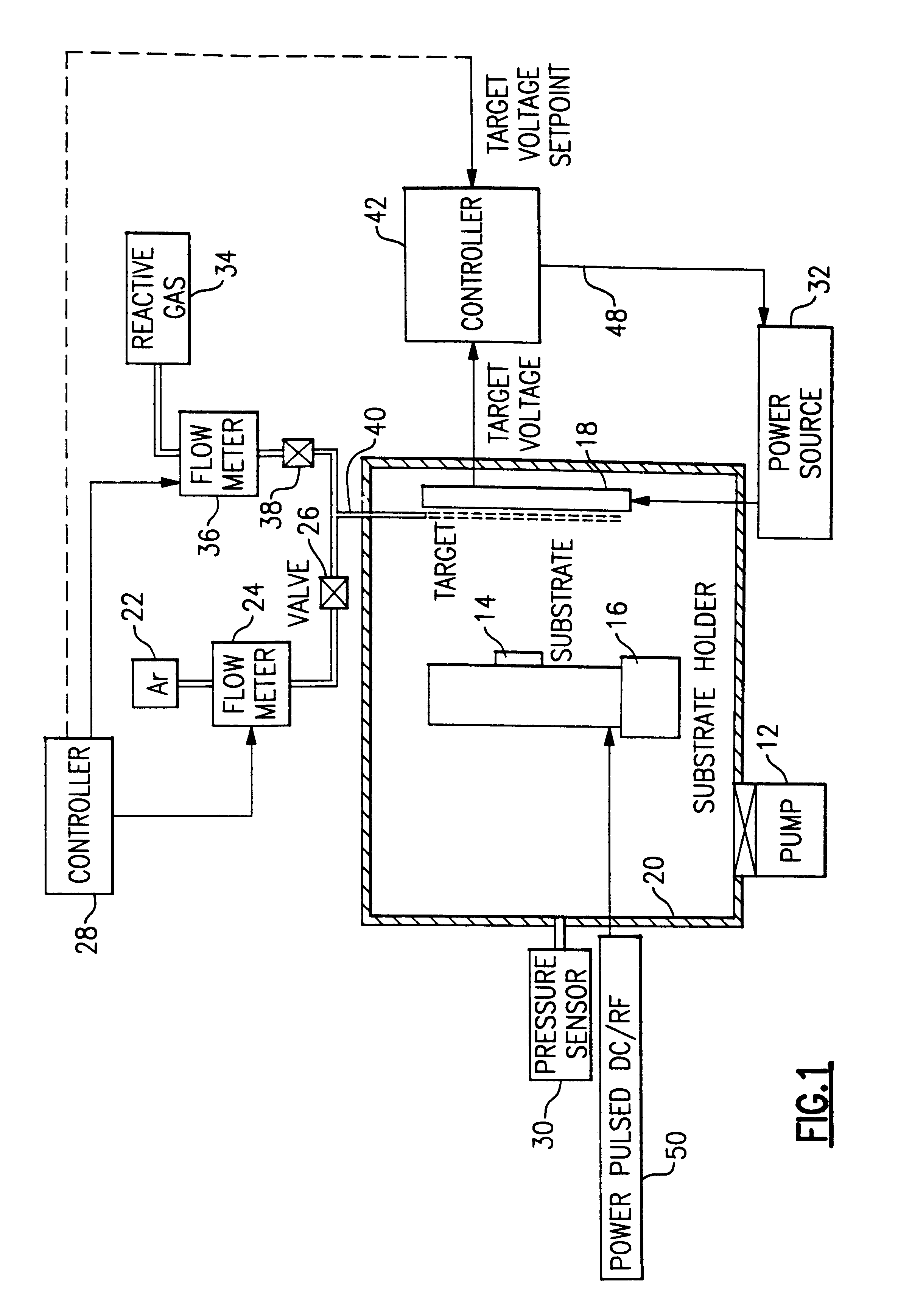
- A reactive sputtering system that controls the power supplied to the cathode to stabilize the cathode voltage, balancing the arrival and removal rates of reactive species by adjusting power based on measured cathode voltage and reactive gas flow rates, using a hysteresis curve to maintain operation near the high-rate deposition edge.

Reactive sputtering method and device
PatentActiveUS8163140B2
Innovation
- A method combining constant-voltage control for stabilizing the sputtering process with target voltage control based on plasma emission spectra to maintain the transition mode, using two control systems with different feedback speeds to prevent interference and ensure stable film formation.


Environmental Regulations for Solar Manufacturing Processes
The solar manufacturing industry operates under increasingly stringent environmental regulations that directly impact reactive sputtering processes for solar panel coatings. These regulations encompass air quality standards, waste management protocols, and chemical handling requirements that manufacturers must navigate while maintaining production efficiency and thermal control parameters.
Air emission standards represent the most critical regulatory framework affecting reactive sputtering operations. The Clean Air Act and its international equivalents establish strict limits on volatile organic compounds, particulate matter, and hazardous air pollutants released during coating processes. Sputtering facilities must implement advanced exhaust systems and real-time monitoring equipment to ensure compliance with these standards, particularly when processing target materials containing heavy metals or rare earth elements.
Waste management regulations significantly influence the selection and handling of sputtering targets and process gases. The Resource Conservation and Recovery Act classifies many sputtering byproducts as hazardous waste, requiring specialized disposal methods and documentation. Manufacturers must establish comprehensive waste tracking systems and partner with certified disposal facilities, adding operational complexity and cost considerations to thermal control system design.
Chemical safety regulations under OSHA and REACH directives mandate strict protocols for handling reactive gases and target materials used in sputtering processes. These requirements include employee training programs, emergency response procedures, and exposure monitoring systems that must be integrated with thermal management infrastructure without compromising process control capabilities.
Water discharge regulations impose additional constraints on cooling system design and operation. Facilities must comply with National Pollutant Discharge Elimination System permits, requiring treatment of process water and monitoring of thermal discharge temperatures. This regulatory framework directly influences the selection of cooling technologies and heat recovery systems in reactive sputtering equipment.
Emerging carbon footprint regulations and renewable energy mandates are reshaping the regulatory landscape for solar manufacturing. These policies incentivize energy-efficient thermal management systems and may provide regulatory advantages for facilities demonstrating reduced environmental impact through optimized sputtering processes and advanced thermal control technologies.
Air emission standards represent the most critical regulatory framework affecting reactive sputtering operations. The Clean Air Act and its international equivalents establish strict limits on volatile organic compounds, particulate matter, and hazardous air pollutants released during coating processes. Sputtering facilities must implement advanced exhaust systems and real-time monitoring equipment to ensure compliance with these standards, particularly when processing target materials containing heavy metals or rare earth elements.
Waste management regulations significantly influence the selection and handling of sputtering targets and process gases. The Resource Conservation and Recovery Act classifies many sputtering byproducts as hazardous waste, requiring specialized disposal methods and documentation. Manufacturers must establish comprehensive waste tracking systems and partner with certified disposal facilities, adding operational complexity and cost considerations to thermal control system design.
Chemical safety regulations under OSHA and REACH directives mandate strict protocols for handling reactive gases and target materials used in sputtering processes. These requirements include employee training programs, emergency response procedures, and exposure monitoring systems that must be integrated with thermal management infrastructure without compromising process control capabilities.
Water discharge regulations impose additional constraints on cooling system design and operation. Facilities must comply with National Pollutant Discharge Elimination System permits, requiring treatment of process water and monitoring of thermal discharge temperatures. This regulatory framework directly influences the selection of cooling technologies and heat recovery systems in reactive sputtering equipment.
Emerging carbon footprint regulations and renewable energy mandates are reshaping the regulatory landscape for solar manufacturing. These policies incentivize energy-efficient thermal management systems and may provide regulatory advantages for facilities demonstrating reduced environmental impact through optimized sputtering processes and advanced thermal control technologies.
Energy Efficiency Standards for Solar Panel Production
Energy efficiency standards for solar panel production have become increasingly stringent as the photovoltaic industry matures and environmental regulations tighten globally. These standards directly impact reactive sputtering processes used for coating applications, particularly regarding thermal control parameters that significantly influence energy consumption during manufacturing.
Current international standards, including IEC 61215 and IEC 61730 series, establish baseline energy efficiency requirements that manufacturers must meet. These frameworks mandate specific performance thresholds for photovoltaic modules while indirectly influencing production methodologies. The standards emphasize reducing embodied energy in solar panels, which includes energy consumed during coating processes such as reactive sputtering operations.
Thermal management requirements within these standards necessitate precise control of substrate temperatures during sputtering, typically maintaining ranges between 150-400°C depending on coating materials. Energy efficiency mandates require optimization of heating cycles, with standards promoting rapid thermal processing techniques that minimize dwell times and reduce overall energy consumption per unit area of coated substrate.
Regional variations in energy efficiency standards create additional complexity for manufacturers. European Union directives under the Renewable Energy Directive II establish more aggressive efficiency targets compared to current U.S. Department of Energy guidelines. Asian markets, particularly China and Japan, have implemented their own standards that often exceed international benchmarks, driving innovation in thermal control systems for sputtering equipment.
Compliance with these standards requires implementation of advanced process monitoring systems that track real-time energy consumption during reactive sputtering operations. Modern standards mandate energy usage reporting with granular data collection, including thermal cycling efficiency, target utilization rates, and chamber conditioning energy requirements. These metrics directly influence the selection and optimization of thermal control parameters.
Future standard developments indicate movement toward lifecycle energy assessment methodologies that will encompass entire production chains. Anticipated regulations will likely establish maximum energy intensity thresholds for coating processes, measured in kilowatt-hours per square meter of processed substrate. This evolution will necessitate fundamental improvements in thermal control strategies, including implementation of waste heat recovery systems and advanced predictive thermal management algorithms to maintain compliance while ensuring coating quality standards.
Current international standards, including IEC 61215 and IEC 61730 series, establish baseline energy efficiency requirements that manufacturers must meet. These frameworks mandate specific performance thresholds for photovoltaic modules while indirectly influencing production methodologies. The standards emphasize reducing embodied energy in solar panels, which includes energy consumed during coating processes such as reactive sputtering operations.
Thermal management requirements within these standards necessitate precise control of substrate temperatures during sputtering, typically maintaining ranges between 150-400°C depending on coating materials. Energy efficiency mandates require optimization of heating cycles, with standards promoting rapid thermal processing techniques that minimize dwell times and reduce overall energy consumption per unit area of coated substrate.
Regional variations in energy efficiency standards create additional complexity for manufacturers. European Union directives under the Renewable Energy Directive II establish more aggressive efficiency targets compared to current U.S. Department of Energy guidelines. Asian markets, particularly China and Japan, have implemented their own standards that often exceed international benchmarks, driving innovation in thermal control systems for sputtering equipment.
Compliance with these standards requires implementation of advanced process monitoring systems that track real-time energy consumption during reactive sputtering operations. Modern standards mandate energy usage reporting with granular data collection, including thermal cycling efficiency, target utilization rates, and chamber conditioning energy requirements. These metrics directly influence the selection and optimization of thermal control parameters.
Future standard developments indicate movement toward lifecycle energy assessment methodologies that will encompass entire production chains. Anticipated regulations will likely establish maximum energy intensity thresholds for coating processes, measured in kilowatt-hours per square meter of processed substrate. This evolution will necessitate fundamental improvements in thermal control strategies, including implementation of waste heat recovery systems and advanced predictive thermal management algorithms to maintain compliance while ensuring coating quality standards.
Unlock deeper insights with PatSnap Eureka Quick Research — get a full tech report to explore trends and direct your research. Try now!
Generate Your Research Report Instantly with AI Agent
Supercharge your innovation with PatSnap Eureka AI Agent Platform!