
Reducing Oxidation-Induced Degradation in Solid Oxide Fuel Cell Electrode Materials
JUN 2, 20268 MIN READ
Generate Your Research Report Instantly with AI Agent
Patsnap Eureka helps you evaluate technical feasibility & market potential.
SOFC Electrode Oxidation Background and Objectives
Solid Oxide Fuel Cells represent a critical technology in the transition toward sustainable energy systems, operating at high temperatures between 600-1000°C to achieve exceptional electrical efficiency and fuel flexibility. These electrochemical devices convert chemical energy directly into electrical energy through ionic conduction, making them particularly attractive for stationary power generation, distributed energy systems, and industrial applications requiring both electricity and high-quality waste heat.
The fundamental challenge facing SOFC technology lies in the harsh operating environment that electrode materials must endure. At elevated temperatures, electrode materials experience continuous exposure to oxidizing and reducing atmospheres, leading to progressive structural and compositional changes that compromise cell performance over time. This oxidation-induced degradation manifests through multiple mechanisms including phase transformation, microstructural coarsening, and interfacial delamination.
Historical development of SOFC technology has been marked by continuous efforts to address material stability issues. Early research in the 1960s focused primarily on achieving functional operation, while subsequent decades have increasingly emphasized durability and commercial viability. The evolution from first-generation materials like nickel-yttria stabilized zirconia cermets to advanced composite electrodes reflects the ongoing struggle against oxidation-related degradation mechanisms.
Contemporary SOFC electrode materials face oxidation challenges that directly impact the technology's commercial deployment timeline. Cathode materials experience oxygen partial pressure fluctuations that induce phase instability, while anode materials suffer from redox cycling effects that cause mechanical stress and microcrack formation. These degradation processes significantly reduce cell lifetime below the 40,000-hour target required for commercial viability.
The primary objective of addressing oxidation-induced degradation centers on developing electrode materials with enhanced chemical and structural stability under operating conditions. This encompasses creating materials that maintain their electrochemical activity while resisting phase decomposition, minimizing thermal expansion mismatch, and preserving interfacial integrity throughout extended operation cycles.
Strategic goals include achieving degradation rates below 0.25% per 1,000 hours while maintaining high electrochemical performance metrics. Success in this endeavor would enable SOFC technology to compete effectively with conventional power generation systems, supporting global decarbonization efforts and advancing the deployment of clean energy infrastructure across multiple industrial sectors.
The fundamental challenge facing SOFC technology lies in the harsh operating environment that electrode materials must endure. At elevated temperatures, electrode materials experience continuous exposure to oxidizing and reducing atmospheres, leading to progressive structural and compositional changes that compromise cell performance over time. This oxidation-induced degradation manifests through multiple mechanisms including phase transformation, microstructural coarsening, and interfacial delamination.
Historical development of SOFC technology has been marked by continuous efforts to address material stability issues. Early research in the 1960s focused primarily on achieving functional operation, while subsequent decades have increasingly emphasized durability and commercial viability. The evolution from first-generation materials like nickel-yttria stabilized zirconia cermets to advanced composite electrodes reflects the ongoing struggle against oxidation-related degradation mechanisms.
Contemporary SOFC electrode materials face oxidation challenges that directly impact the technology's commercial deployment timeline. Cathode materials experience oxygen partial pressure fluctuations that induce phase instability, while anode materials suffer from redox cycling effects that cause mechanical stress and microcrack formation. These degradation processes significantly reduce cell lifetime below the 40,000-hour target required for commercial viability.
The primary objective of addressing oxidation-induced degradation centers on developing electrode materials with enhanced chemical and structural stability under operating conditions. This encompasses creating materials that maintain their electrochemical activity while resisting phase decomposition, minimizing thermal expansion mismatch, and preserving interfacial integrity throughout extended operation cycles.
Strategic goals include achieving degradation rates below 0.25% per 1,000 hours while maintaining high electrochemical performance metrics. Success in this endeavor would enable SOFC technology to compete effectively with conventional power generation systems, supporting global decarbonization efforts and advancing the deployment of clean energy infrastructure across multiple industrial sectors.
Market Demand for Durable SOFC Systems
The global energy transition toward cleaner and more sustainable power generation systems has created substantial market demand for durable solid oxide fuel cell systems. As governments worldwide implement increasingly stringent carbon emission regulations and renewable energy mandates, industrial and commercial sectors are actively seeking reliable alternatives to conventional fossil fuel-based power generation. SOFC systems, with their high electrical efficiency and fuel flexibility, represent a critical technology for meeting these evolving energy requirements.
The stationary power generation market represents the largest demand segment for durable SOFC systems, particularly in distributed energy applications. Data centers, hospitals, manufacturing facilities, and residential complexes require continuous, high-quality power supply with minimal downtime. These applications demand SOFC systems capable of operating reliably for extended periods, typically requiring operational lifespans exceeding 40,000 hours with minimal performance degradation. The economic viability of these installations depends heavily on system durability and maintenance intervals.
Industrial cogeneration applications constitute another significant market driver, where SOFC systems provide both electrical power and useful heat for manufacturing processes. Industries such as chemical processing, food production, and pharmaceutical manufacturing value the high-grade waste heat generated by SOFC systems. However, these applications require robust electrode materials that can withstand thermal cycling and maintain stable performance under varying load conditions without oxidation-induced degradation.
The transportation sector, particularly in heavy-duty and marine applications, presents emerging demand for durable SOFC systems. Long-haul trucking, shipping, and rail transport operators seek power solutions that offer extended range capabilities while meeting emission reduction targets. These applications impose severe durability requirements, as electrode materials must maintain performance integrity under dynamic operating conditions and extended operational cycles.
Market adoption barriers primarily center on system longevity concerns, as current SOFC technologies often experience performance degradation that increases operational costs and reduces return on investment. End-users consistently prioritize system reliability and predictable maintenance schedules over initial capital costs, creating strong market pull for advanced electrode materials with enhanced oxidation resistance and extended operational lifespans.
The stationary power generation market represents the largest demand segment for durable SOFC systems, particularly in distributed energy applications. Data centers, hospitals, manufacturing facilities, and residential complexes require continuous, high-quality power supply with minimal downtime. These applications demand SOFC systems capable of operating reliably for extended periods, typically requiring operational lifespans exceeding 40,000 hours with minimal performance degradation. The economic viability of these installations depends heavily on system durability and maintenance intervals.
Industrial cogeneration applications constitute another significant market driver, where SOFC systems provide both electrical power and useful heat for manufacturing processes. Industries such as chemical processing, food production, and pharmaceutical manufacturing value the high-grade waste heat generated by SOFC systems. However, these applications require robust electrode materials that can withstand thermal cycling and maintain stable performance under varying load conditions without oxidation-induced degradation.
The transportation sector, particularly in heavy-duty and marine applications, presents emerging demand for durable SOFC systems. Long-haul trucking, shipping, and rail transport operators seek power solutions that offer extended range capabilities while meeting emission reduction targets. These applications impose severe durability requirements, as electrode materials must maintain performance integrity under dynamic operating conditions and extended operational cycles.
Market adoption barriers primarily center on system longevity concerns, as current SOFC technologies often experience performance degradation that increases operational costs and reduces return on investment. End-users consistently prioritize system reliability and predictable maintenance schedules over initial capital costs, creating strong market pull for advanced electrode materials with enhanced oxidation resistance and extended operational lifespans.
Current Oxidation Challenges in SOFC Electrode Materials
Solid oxide fuel cell electrode materials face significant oxidation-related degradation challenges that fundamentally limit their operational lifespan and performance efficiency. The primary oxidation mechanisms occur at both the anode and cathode interfaces, where exposure to high-temperature oxidizing environments triggers complex chemical and structural transformations that compromise electrode functionality.
At the anode level, nickel-based cermet electrodes experience severe oxidation when exposed to steam or oxygen-containing atmospheres during thermal cycling or fuel starvation events. This oxidation leads to volumetric expansion of nickel particles, creating mechanical stress that results in electrode delamination and microcrack formation. The oxidized nickel loses its electronic conductivity, creating dead zones within the electrode structure that reduce active surface area for electrochemical reactions.
Cathode materials, particularly perovskite-based compounds like lanthanum strontium manganite and lanthanum strontium cobalt ferrite, undergo surface segregation phenomena under oxidizing conditions. Strontium migration to the surface forms insulating secondary phases such as strontium oxide and strontium carbonate, which block oxygen reduction reaction sites and increase polarization resistance. These segregation processes are accelerated by high operating temperatures and create irreversible performance degradation.
The interconnect-electrode interface presents another critical oxidation challenge, where chromium-containing metallic interconnects form volatile chromium species that poison cathode materials. Chromium migration leads to the formation of poorly conductive chromium oxide phases at the electrode surface, significantly reducing oxygen exchange kinetics and overall cell performance.
Thermal cycling exacerbates oxidation-induced degradation by creating repeated expansion and contraction cycles that propagate microcracks and expose fresh surfaces to oxidizing environments. These newly exposed surfaces become additional sites for oxidation reactions, creating a cascading degradation effect that accelerates performance decline over operational cycles.
Current mitigation strategies include protective coating applications, alternative material compositions, and operational parameter optimization, but fundamental oxidation mechanisms remain inadequately addressed, necessitating innovative approaches to achieve long-term SOFC durability and commercial viability in demanding operational environments.
At the anode level, nickel-based cermet electrodes experience severe oxidation when exposed to steam or oxygen-containing atmospheres during thermal cycling or fuel starvation events. This oxidation leads to volumetric expansion of nickel particles, creating mechanical stress that results in electrode delamination and microcrack formation. The oxidized nickel loses its electronic conductivity, creating dead zones within the electrode structure that reduce active surface area for electrochemical reactions.
Cathode materials, particularly perovskite-based compounds like lanthanum strontium manganite and lanthanum strontium cobalt ferrite, undergo surface segregation phenomena under oxidizing conditions. Strontium migration to the surface forms insulating secondary phases such as strontium oxide and strontium carbonate, which block oxygen reduction reaction sites and increase polarization resistance. These segregation processes are accelerated by high operating temperatures and create irreversible performance degradation.
The interconnect-electrode interface presents another critical oxidation challenge, where chromium-containing metallic interconnects form volatile chromium species that poison cathode materials. Chromium migration leads to the formation of poorly conductive chromium oxide phases at the electrode surface, significantly reducing oxygen exchange kinetics and overall cell performance.
Thermal cycling exacerbates oxidation-induced degradation by creating repeated expansion and contraction cycles that propagate microcracks and expose fresh surfaces to oxidizing environments. These newly exposed surfaces become additional sites for oxidation reactions, creating a cascading degradation effect that accelerates performance decline over operational cycles.
Current mitigation strategies include protective coating applications, alternative material compositions, and operational parameter optimization, but fundamental oxidation mechanisms remain inadequately addressed, necessitating innovative approaches to achieve long-term SOFC durability and commercial viability in demanding operational environments.
Existing Anti-Oxidation Solutions for SOFC Electrodes
01 Electrode material composition optimization
Development of advanced electrode materials with improved oxidation resistance through compositional modifications and doping strategies. These materials are designed to maintain structural integrity and electrochemical performance under high-temperature oxidizing conditions in solid oxide fuel cells.- Electrode material composition optimization: Development of advanced electrode materials with improved oxidation resistance through compositional modifications and doping strategies. These materials are designed to maintain structural integrity and electrochemical performance under high-temperature oxidizing conditions in solid oxide fuel cells.
- Protective coating and barrier layers: Implementation of protective coatings and barrier layers on electrode surfaces to prevent direct contact with oxidizing environments. These protective systems help maintain electrode functionality while reducing degradation rates caused by oxidation processes.
- Microstructural design and porosity control: Engineering of electrode microstructure to optimize porosity, grain boundaries, and surface area while minimizing oxidation-induced degradation. The controlled microstructure enhances gas transport properties and reduces susceptibility to structural changes during operation.
- Operating condition optimization: Strategies for controlling operating parameters such as temperature, atmosphere composition, and current density to minimize oxidation-induced degradation. These approaches focus on maintaining optimal electrochemical performance while reducing the driving forces for electrode oxidation.
- Degradation monitoring and mitigation techniques: Development of methods for detecting, monitoring, and mitigating oxidation-induced degradation in real-time operation. These techniques include diagnostic tools and corrective measures to extend electrode lifetime and maintain fuel cell performance over extended periods.
02 Protective coating and barrier layer technologies
Implementation of protective coatings and barrier layers on electrode surfaces to prevent direct contact with oxidizing environments. These protective systems help maintain electrode functionality while reducing degradation rates caused by oxidation processes.Expand Specific Solutions03 Microstructural design for oxidation resistance
Engineering of electrode microstructures to enhance resistance to oxidation-induced degradation through controlled porosity, grain size, and interface optimization. These design approaches focus on minimizing oxidation pathways and maintaining electrical conductivity.Expand Specific Solutions04 Alternative electrode materials and composites
Development of novel electrode materials and composite structures that exhibit inherent resistance to oxidation degradation. These materials often incorporate multiple phases or novel chemical compositions to achieve improved stability under operating conditions.Expand Specific Solutions05 Degradation mitigation and performance enhancement strategies
Implementation of various strategies to mitigate oxidation-induced degradation effects, including operational parameter optimization, surface treatments, and regeneration techniques. These approaches aim to extend electrode lifetime and maintain fuel cell performance over extended operation periods.Expand Specific Solutions
Key Players in SOFC and Advanced Materials Industry
The solid oxide fuel cell (SOFC) electrode materials market is experiencing significant growth driven by increasing demand for clean energy solutions and grid-scale energy storage. The industry is in a mature development phase with established players like Bloom Energy Corp. leading commercial deployment, while traditional industrial giants including Toyota Motor Corp., Samsung Electronics, and GE Vernova leverage their manufacturing capabilities for market entry. Technology maturity varies significantly across participants - specialized companies like NGK Corp. and Morimura SOFC Technology demonstrate advanced ceramic expertise, while materials leaders such as Corning Inc., Mitsubishi Materials Corp., and Saint-Gobain Ceramics focus on substrate and component innovations. Research institutions including Technical University of Denmark and Georgia Tech Research Corp. contribute fundamental breakthroughs in oxidation-resistant materials, indicating robust R&D investment supporting continued technological advancement in this expanding clean energy sector.
Bloom Energy Corp.
Technical Solution: Bloom Energy has developed advanced solid oxide fuel cell technology with proprietary electrode materials designed to minimize oxidation-induced degradation. Their approach focuses on using rare earth-doped ceria-based cathodes and nickel-yttria stabilized zirconia anodes with protective barrier layers. The company employs specialized coating techniques and optimized operating conditions to reduce oxygen partial pressure fluctuations that contribute to electrode degradation. Their fuel cell systems incorporate advanced thermal management and gas composition control to maintain stable operating environments, significantly extending electrode lifespan and maintaining performance over extended operational periods.
Strengths: Proven commercial deployment experience, proprietary materials technology, integrated system approach. Weaknesses: High manufacturing costs, limited scalability for mass production applications.
Toyota Motor Corp.
Technical Solution: Toyota has developed innovative SOFC electrode materials incorporating perovskite-based cathodes with enhanced oxygen reduction reaction kinetics and improved resistance to chromium poisoning and thermal cycling degradation. Their technology utilizes lanthanum strontium cobalt ferrite cathodes with protective interlayers and modified nickel-based anodes with enhanced coking resistance. The company focuses on automotive applications where rapid thermal cycling resistance is critical, employing advanced materials engineering including nanostructured electrodes and optimized microstructures to minimize degradation mechanisms while maintaining high power density and efficiency.
Strengths: Automotive integration expertise, advanced materials research capabilities, thermal cycling resistance. Weaknesses: Limited stationary power applications, high-temperature operation requirements.
Core Patents in Oxidation-Resistant Electrode Materials
Fuel electrode material, a fuel electrode, and a solid oxide fuel cell
PatentInactiveUS20060110633A1
Innovation
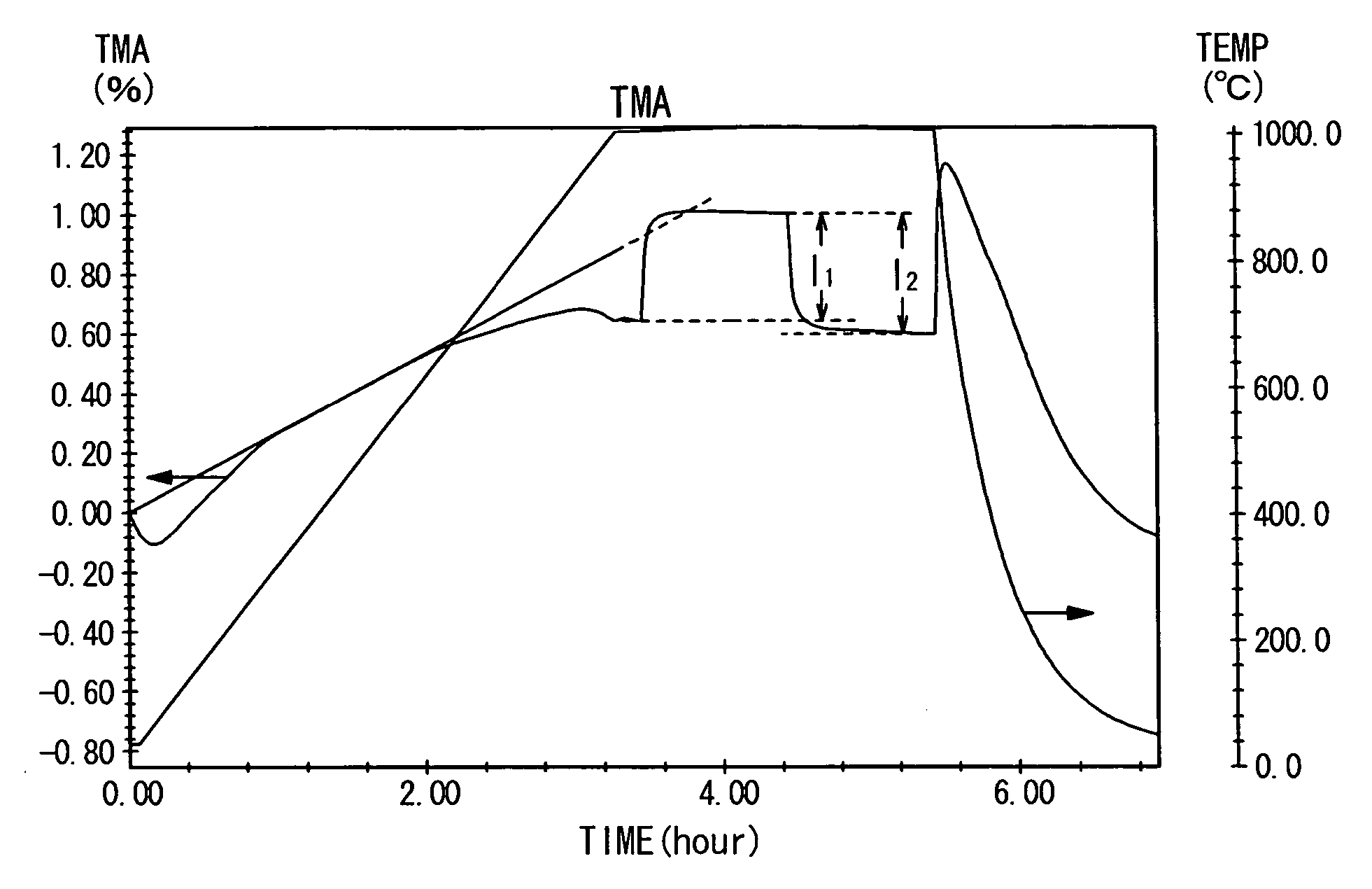
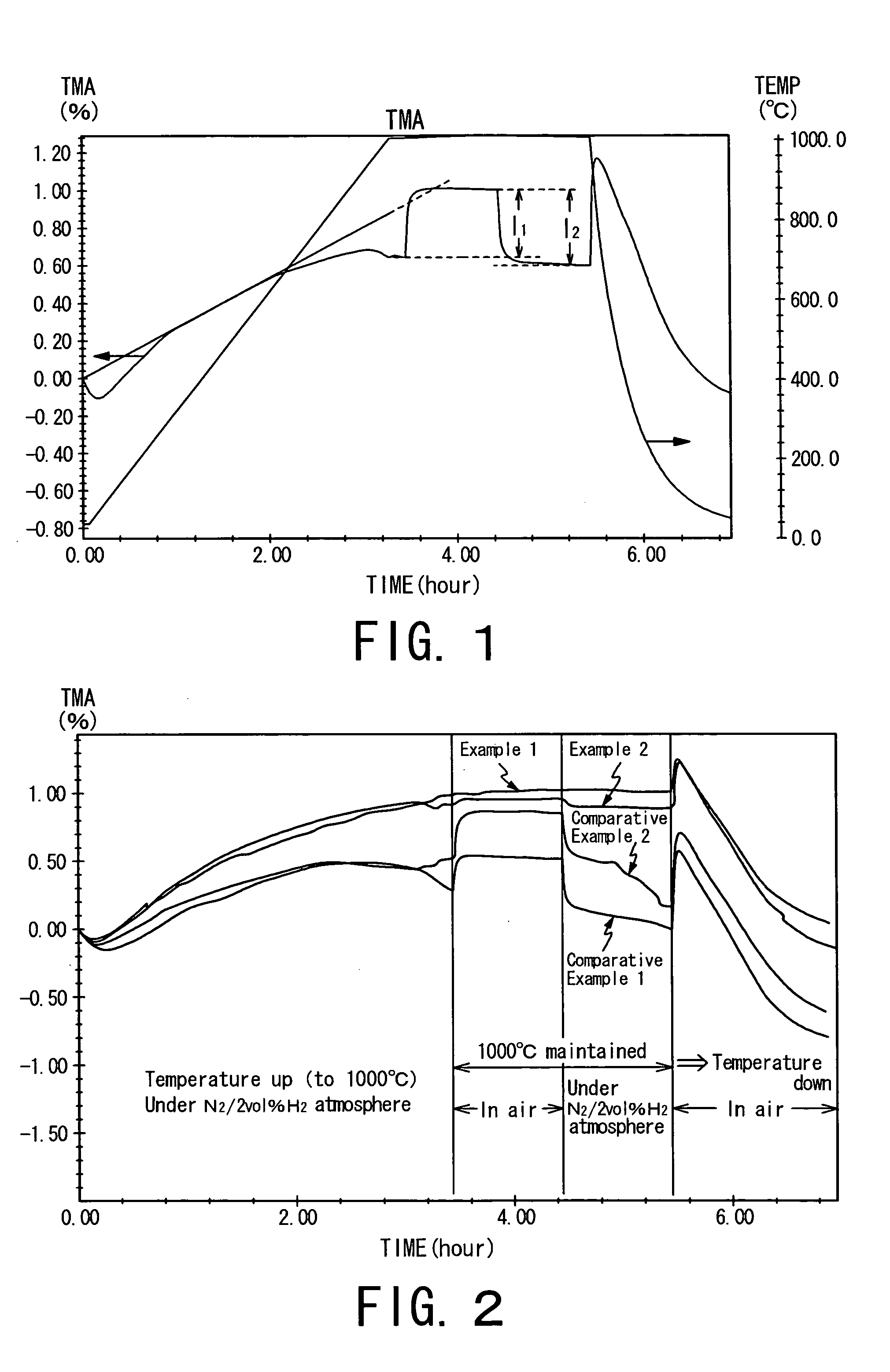
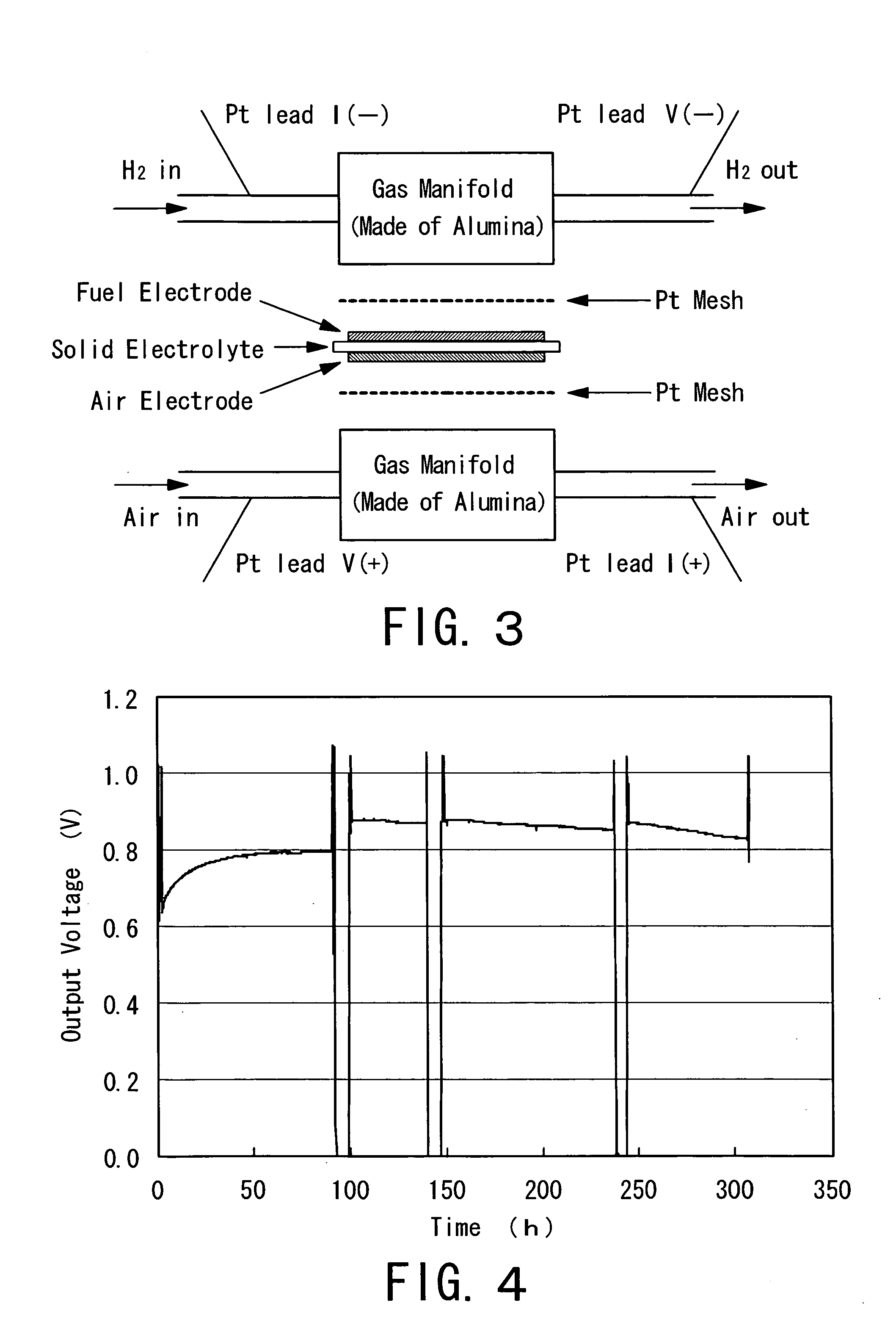
- A fuel electrode material comprising a mixture of nickel/nickel oxide and titanium oxide or titanium sources, with a solid electrolyte, that reduces volume change and maintains electric characteristics during oxidation-reduction cycles, minimizing performance degradation and eliminating the need for high-pressure nitrogen cylinders.

Lscfp-based electrode material for solid oxide fuel cell, and manufacturing method
PatentActiveKR1020230033475A
Innovation
- Doping perovskite-based oxide with palladium to form an LSCFP-based electrode material, represented by La1-xSrxC1-y-zFe yPd zO3-δ, which allows for a simple process that achieves uniform distribution and stable bonding through reversible elution and phase transition to a single Ruddlesden-Popper phase during reduction.


Environmental Regulations for Fuel Cell Technologies
Environmental regulations governing fuel cell technologies have evolved significantly as governments worldwide recognize both the potential benefits and risks associated with these energy systems. The regulatory landscape encompasses multiple jurisdictions, with the European Union, United States, Japan, and China establishing comprehensive frameworks that address safety, environmental impact, and performance standards for solid oxide fuel cells and their components.
The European Union's regulatory approach centers on the Fuel Cells and Hydrogen Joint Undertaking (FCH JU) framework, which establishes stringent requirements for material composition and degradation limits in fuel cell systems. Under the REACH regulation, electrode materials must undergo extensive chemical safety assessments, particularly focusing on oxidation byproducts and their environmental fate. The EU's Eco-design Directive mandates lifecycle assessments that specifically evaluate the environmental impact of electrode degradation over operational periods.
In the United States, the Environmental Protection Agency has developed specific guidelines under the Clean Air Act that address emissions from fuel cell degradation processes. The regulations require manufacturers to demonstrate that oxidation-induced degradation products do not exceed established threshold limits for hazardous air pollutants. Additionally, the Department of Energy's technical standards mandate minimum durability requirements that directly relate to oxidation resistance in electrode materials.
Asian markets, particularly Japan and South Korea, have implemented performance-based regulations that establish maximum allowable degradation rates for fuel cell electrodes. These standards require continuous monitoring of oxidation-related performance losses and mandate reporting when degradation exceeds specified thresholds. The regulations also establish requirements for material recycling and disposal when electrodes reach end-of-life due to oxidation damage.
Emerging regulatory trends indicate increasing focus on circular economy principles, requiring manufacturers to develop strategies for recovering and reprocessing oxidation-degraded electrode materials. Future regulations are expected to establish more stringent limits on rare earth element usage and mandate the development of more oxidation-resistant alternative materials to reduce environmental impact throughout the fuel cell lifecycle.
The European Union's regulatory approach centers on the Fuel Cells and Hydrogen Joint Undertaking (FCH JU) framework, which establishes stringent requirements for material composition and degradation limits in fuel cell systems. Under the REACH regulation, electrode materials must undergo extensive chemical safety assessments, particularly focusing on oxidation byproducts and their environmental fate. The EU's Eco-design Directive mandates lifecycle assessments that specifically evaluate the environmental impact of electrode degradation over operational periods.
In the United States, the Environmental Protection Agency has developed specific guidelines under the Clean Air Act that address emissions from fuel cell degradation processes. The regulations require manufacturers to demonstrate that oxidation-induced degradation products do not exceed established threshold limits for hazardous air pollutants. Additionally, the Department of Energy's technical standards mandate minimum durability requirements that directly relate to oxidation resistance in electrode materials.
Asian markets, particularly Japan and South Korea, have implemented performance-based regulations that establish maximum allowable degradation rates for fuel cell electrodes. These standards require continuous monitoring of oxidation-related performance losses and mandate reporting when degradation exceeds specified thresholds. The regulations also establish requirements for material recycling and disposal when electrodes reach end-of-life due to oxidation damage.
Emerging regulatory trends indicate increasing focus on circular economy principles, requiring manufacturers to develop strategies for recovering and reprocessing oxidation-degraded electrode materials. Future regulations are expected to establish more stringent limits on rare earth element usage and mandate the development of more oxidation-resistant alternative materials to reduce environmental impact throughout the fuel cell lifecycle.
Cost-Performance Analysis of Anti-Oxidation Strategies
The economic viability of anti-oxidation strategies for SOFC electrode materials requires comprehensive evaluation of both implementation costs and performance benefits. Current protective coating technologies, including rare earth oxide barriers and chromium-blocking layers, present varying cost structures ranging from $50-200 per kilowatt of installed capacity. These costs encompass material procurement, processing equipment, and manufacturing integration expenses.
Material-based solutions demonstrate distinct cost-performance profiles. Cerium oxide coatings offer moderate protection at approximately $75/kW but provide 15-20% improvement in long-term stability. Advanced perovskite-based protective layers, while more expensive at $150-180/kW, deliver superior oxidation resistance with degradation rate reductions exceeding 40%. The initial investment premium is typically recovered within 3-5 years through enhanced operational efficiency and reduced maintenance requirements.
Manufacturing scalability significantly impacts cost structures. Laboratory-scale protective coating processes often exhibit costs 3-4 times higher than projected industrial-scale implementation. Atomic layer deposition techniques, though providing exceptional uniformity, currently face economic barriers due to slow deposition rates and equipment costs. Alternative approaches such as solution-based coating methods offer more favorable economics with processing costs below $60/kW while maintaining adequate protection levels.
Performance metrics reveal substantial variations in cost-effectiveness ratios. Chromium-resistant interconnect coatings demonstrate excellent economic returns, with payback periods under two years due to dramatic reductions in chromium poisoning effects. Conversely, advanced nanostructured protective layers, despite superior technical performance, require longer amortization periods due to higher initial investments and complex manufacturing requirements.
Long-term economic analysis indicates that anti-oxidation strategies become increasingly cost-effective as SOFC system lifespans extend beyond 40,000 operating hours. The cumulative benefits of reduced degradation rates, lower replacement frequencies, and maintained electrical performance create compelling economic justification for implementing comprehensive oxidation protection measures, particularly in commercial and industrial applications where system reliability directly impacts revenue generation.
Material-based solutions demonstrate distinct cost-performance profiles. Cerium oxide coatings offer moderate protection at approximately $75/kW but provide 15-20% improvement in long-term stability. Advanced perovskite-based protective layers, while more expensive at $150-180/kW, deliver superior oxidation resistance with degradation rate reductions exceeding 40%. The initial investment premium is typically recovered within 3-5 years through enhanced operational efficiency and reduced maintenance requirements.
Manufacturing scalability significantly impacts cost structures. Laboratory-scale protective coating processes often exhibit costs 3-4 times higher than projected industrial-scale implementation. Atomic layer deposition techniques, though providing exceptional uniformity, currently face economic barriers due to slow deposition rates and equipment costs. Alternative approaches such as solution-based coating methods offer more favorable economics with processing costs below $60/kW while maintaining adequate protection levels.
Performance metrics reveal substantial variations in cost-effectiveness ratios. Chromium-resistant interconnect coatings demonstrate excellent economic returns, with payback periods under two years due to dramatic reductions in chromium poisoning effects. Conversely, advanced nanostructured protective layers, despite superior technical performance, require longer amortization periods due to higher initial investments and complex manufacturing requirements.
Long-term economic analysis indicates that anti-oxidation strategies become increasingly cost-effective as SOFC system lifespans extend beyond 40,000 operating hours. The cumulative benefits of reduced degradation rates, lower replacement frequencies, and maintained electrical performance create compelling economic justification for implementing comprehensive oxidation protection measures, particularly in commercial and industrial applications where system reliability directly impacts revenue generation.
Unlock deeper insights with Patsnap Eureka Quick Research — get a full tech report to explore trends and direct your research. Try now!
Generate Your Research Report Instantly with AI Agent
Supercharge your innovation with Patsnap Eureka AI Agent Platform!