

Remote Terminal Unit AI Integration: Enhancing Predictive Analytics
MAR 16, 20269 MIN READ
Generate Your Research Report Instantly with AI Agent
Patsnap Eureka helps you evaluate technical feasibility & market potential.
RTU AI Integration Background and Objectives
Remote Terminal Units have evolved from simple data collection devices to sophisticated edge computing platforms capable of real-time monitoring and control across industrial infrastructure. Originally designed for basic telemetry functions in the 1960s, RTUs have undergone significant transformation driven by advances in microprocessor technology, communication protocols, and industrial automation requirements. The integration of artificial intelligence represents the next evolutionary leap, transforming these units from passive data collectors into intelligent decision-making nodes.
The convergence of RTU technology with AI capabilities addresses critical limitations in traditional industrial monitoring systems. Conventional RTUs operate on predetermined logic and threshold-based alerts, which often result in reactive maintenance strategies and inefficient resource allocation. The integration of machine learning algorithms and predictive analytics engines enables RTUs to identify patterns, anomalies, and trends that would otherwise remain undetected until system failures occur.
Current industrial landscapes demand enhanced operational efficiency, reduced downtime, and optimized asset utilization. The proliferation of Industry 4.0 initiatives has created an environment where intelligent edge devices are essential for maintaining competitive advantage. RTU AI integration directly supports these objectives by enabling predictive maintenance, real-time optimization, and autonomous decision-making at the field level.
The primary technical objective centers on developing RTU architectures capable of executing complex AI algorithms while maintaining the reliability and real-time performance characteristics essential for industrial applications. This involves optimizing computational resources, implementing efficient data processing pipelines, and ensuring seamless integration with existing SCADA and industrial control systems.
Enhanced predictive analytics capabilities represent the core value proposition of AI-integrated RTUs. These systems aim to process historical operational data, environmental conditions, and equipment performance metrics to generate accurate predictions about future system behavior. The objective extends beyond simple fault detection to encompass comprehensive asset health monitoring, performance optimization recommendations, and proactive maintenance scheduling.
Interoperability and scalability objectives ensure that AI-enhanced RTUs can seamlessly integrate into diverse industrial environments while supporting future expansion requirements. This includes standardized communication protocols, modular AI model deployment, and compatibility with cloud-based analytics platforms for enterprise-wide intelligence aggregation.
The convergence of RTU technology with AI capabilities addresses critical limitations in traditional industrial monitoring systems. Conventional RTUs operate on predetermined logic and threshold-based alerts, which often result in reactive maintenance strategies and inefficient resource allocation. The integration of machine learning algorithms and predictive analytics engines enables RTUs to identify patterns, anomalies, and trends that would otherwise remain undetected until system failures occur.
Current industrial landscapes demand enhanced operational efficiency, reduced downtime, and optimized asset utilization. The proliferation of Industry 4.0 initiatives has created an environment where intelligent edge devices are essential for maintaining competitive advantage. RTU AI integration directly supports these objectives by enabling predictive maintenance, real-time optimization, and autonomous decision-making at the field level.
The primary technical objective centers on developing RTU architectures capable of executing complex AI algorithms while maintaining the reliability and real-time performance characteristics essential for industrial applications. This involves optimizing computational resources, implementing efficient data processing pipelines, and ensuring seamless integration with existing SCADA and industrial control systems.
Enhanced predictive analytics capabilities represent the core value proposition of AI-integrated RTUs. These systems aim to process historical operational data, environmental conditions, and equipment performance metrics to generate accurate predictions about future system behavior. The objective extends beyond simple fault detection to encompass comprehensive asset health monitoring, performance optimization recommendations, and proactive maintenance scheduling.
Interoperability and scalability objectives ensure that AI-enhanced RTUs can seamlessly integrate into diverse industrial environments while supporting future expansion requirements. This includes standardized communication protocols, modular AI model deployment, and compatibility with cloud-based analytics platforms for enterprise-wide intelligence aggregation.
Market Demand for Predictive Analytics in Industrial Automation
The industrial automation sector is experiencing unprecedented demand for predictive analytics capabilities, driven by the convergence of digital transformation initiatives and operational efficiency imperatives. Manufacturing facilities, power generation plants, oil and gas installations, and water treatment systems are increasingly seeking intelligent solutions that can anticipate equipment failures, optimize maintenance schedules, and minimize unplanned downtime. This surge in demand stems from the recognition that reactive maintenance approaches are no longer economically viable in today's competitive landscape.
Remote Terminal Units equipped with AI-enhanced predictive analytics capabilities address critical pain points across multiple industrial verticals. In the energy sector, utilities require sophisticated monitoring systems that can predict transformer failures, detect grid anomalies, and optimize power distribution networks. The oil and gas industry demands solutions capable of forecasting pipeline integrity issues, predicting pump failures, and optimizing production parameters in real-time.
The market appetite for these solutions is particularly strong in regions with aging industrial infrastructure, where asset replacement costs are prohibitive and operational continuity is paramount. Manufacturing enterprises are driving significant demand as they transition toward Industry 4.0 paradigms, requiring integrated systems that combine traditional SCADA functionality with advanced machine learning algorithms.
Current market dynamics reveal a shift from traditional time-based maintenance strategies toward condition-based and predictive maintenance approaches. Organizations are increasingly willing to invest in RTU systems that provide actionable insights rather than merely collecting data. The demand encompasses not only hardware capabilities but also sophisticated analytics platforms that can process vast amounts of sensor data and generate meaningful predictions.
The growing emphasis on sustainability and environmental compliance is further amplifying market demand. Industrial operators require predictive systems that can optimize energy consumption, reduce waste, and ensure regulatory compliance through proactive monitoring and control. This trend is particularly pronounced in sectors facing stringent environmental regulations and carbon reduction mandates.
Market research indicates strong growth potential across emerging economies where rapid industrialization is creating substantial demand for modern automation infrastructure. These markets present opportunities for RTU systems that integrate predictive analytics from the ground up, rather than retrofitting existing installations.
Remote Terminal Units equipped with AI-enhanced predictive analytics capabilities address critical pain points across multiple industrial verticals. In the energy sector, utilities require sophisticated monitoring systems that can predict transformer failures, detect grid anomalies, and optimize power distribution networks. The oil and gas industry demands solutions capable of forecasting pipeline integrity issues, predicting pump failures, and optimizing production parameters in real-time.
The market appetite for these solutions is particularly strong in regions with aging industrial infrastructure, where asset replacement costs are prohibitive and operational continuity is paramount. Manufacturing enterprises are driving significant demand as they transition toward Industry 4.0 paradigms, requiring integrated systems that combine traditional SCADA functionality with advanced machine learning algorithms.
Current market dynamics reveal a shift from traditional time-based maintenance strategies toward condition-based and predictive maintenance approaches. Organizations are increasingly willing to invest in RTU systems that provide actionable insights rather than merely collecting data. The demand encompasses not only hardware capabilities but also sophisticated analytics platforms that can process vast amounts of sensor data and generate meaningful predictions.
The growing emphasis on sustainability and environmental compliance is further amplifying market demand. Industrial operators require predictive systems that can optimize energy consumption, reduce waste, and ensure regulatory compliance through proactive monitoring and control. This trend is particularly pronounced in sectors facing stringent environmental regulations and carbon reduction mandates.
Market research indicates strong growth potential across emerging economies where rapid industrialization is creating substantial demand for modern automation infrastructure. These markets present opportunities for RTU systems that integrate predictive analytics from the ground up, rather than retrofitting existing installations.
Current RTU Limitations and AI Integration Challenges
Traditional Remote Terminal Units operate with significant computational constraints that fundamentally limit their analytical capabilities. These legacy systems typically rely on basic microcontrollers with limited processing power, memory capacity, and storage resources. The hardware architecture of conventional RTUs was designed primarily for data collection and simple control functions, making them inadequate for complex AI algorithms that require substantial computational resources for real-time processing and machine learning operations.
The communication infrastructure presents another critical limitation in current RTU deployments. Most existing units utilize low-bandwidth communication protocols such as serial connections, legacy SCADA networks, or basic wireless systems that cannot efficiently handle the data-intensive requirements of AI applications. This bandwidth constraint severely restricts the ability to transmit large datasets necessary for comprehensive predictive analytics, creating bottlenecks in data flow and limiting real-time decision-making capabilities.
Data quality and standardization issues pose significant challenges for AI integration in RTU systems. Current RTUs often generate inconsistent data formats, varying sampling rates, and incomplete datasets due to sensor limitations or communication interruptions. AI algorithms require high-quality, standardized data inputs to function effectively, but the heterogeneous nature of existing RTU data creates substantial preprocessing requirements that strain system resources and complicate integration efforts.
Power consumption constraints represent a fundamental barrier to AI implementation in remote installations. Advanced AI processing requires significantly more electrical power than traditional RTU operations, which conflicts with the energy-efficient design principles of remote monitoring systems. Many RTU installations rely on solar panels, batteries, or other limited power sources that cannot sustain the increased energy demands of continuous AI processing without substantial infrastructure upgrades.
The integration of AI capabilities into existing RTU networks faces substantial cybersecurity challenges. AI-enabled systems create expanded attack surfaces and require sophisticated security protocols to protect against potential threats. Legacy RTU systems often lack robust security frameworks, making them vulnerable when enhanced with AI capabilities that may introduce new communication pathways and data processing vulnerabilities.
Scalability concerns emerge when attempting to deploy AI solutions across large RTU networks. The heterogeneous nature of existing RTU installations, varying hardware specifications, and different operational environments create complex integration scenarios that resist standardized AI deployment strategies. This diversity requires customized solutions that increase implementation costs and complexity while reducing the potential for economies of scale in AI system deployment.
The communication infrastructure presents another critical limitation in current RTU deployments. Most existing units utilize low-bandwidth communication protocols such as serial connections, legacy SCADA networks, or basic wireless systems that cannot efficiently handle the data-intensive requirements of AI applications. This bandwidth constraint severely restricts the ability to transmit large datasets necessary for comprehensive predictive analytics, creating bottlenecks in data flow and limiting real-time decision-making capabilities.
Data quality and standardization issues pose significant challenges for AI integration in RTU systems. Current RTUs often generate inconsistent data formats, varying sampling rates, and incomplete datasets due to sensor limitations or communication interruptions. AI algorithms require high-quality, standardized data inputs to function effectively, but the heterogeneous nature of existing RTU data creates substantial preprocessing requirements that strain system resources and complicate integration efforts.
Power consumption constraints represent a fundamental barrier to AI implementation in remote installations. Advanced AI processing requires significantly more electrical power than traditional RTU operations, which conflicts with the energy-efficient design principles of remote monitoring systems. Many RTU installations rely on solar panels, batteries, or other limited power sources that cannot sustain the increased energy demands of continuous AI processing without substantial infrastructure upgrades.
The integration of AI capabilities into existing RTU networks faces substantial cybersecurity challenges. AI-enabled systems create expanded attack surfaces and require sophisticated security protocols to protect against potential threats. Legacy RTU systems often lack robust security frameworks, making them vulnerable when enhanced with AI capabilities that may introduce new communication pathways and data processing vulnerabilities.
Scalability concerns emerge when attempting to deploy AI solutions across large RTU networks. The heterogeneous nature of existing RTU installations, varying hardware specifications, and different operational environments create complex integration scenarios that resist standardized AI deployment strategies. This diversity requires customized solutions that increase implementation costs and complexity while reducing the potential for economies of scale in AI system deployment.
Existing RTU AI Integration Solutions
01 Machine learning and AI-based predictive analytics for RTU systems
Advanced predictive analytics systems utilize machine learning algorithms and artificial intelligence to analyze data collected from remote terminal units. These systems can identify patterns, detect anomalies, and predict potential failures or maintenance needs before they occur. The predictive models are trained on historical data and continuously updated to improve accuracy, enabling proactive maintenance strategies and reducing downtime in industrial control systems.- Machine learning and AI-based predictive analytics for RTU systems: Implementation of machine learning algorithms and artificial intelligence techniques to analyze data collected from remote terminal units. These systems can identify patterns, detect anomalies, and predict potential failures or maintenance needs before they occur. The predictive models are trained on historical data to improve accuracy and enable proactive decision-making in industrial control systems.
- Real-time data monitoring and analysis for RTU operations: Systems and methods for continuous monitoring and real-time analysis of data streams from remote terminal units. These solutions enable immediate processing of operational data, status information, and performance metrics to provide instant insights into system health and operational efficiency. The real-time capabilities support rapid response to changing conditions and immediate alerting of abnormal situations.
- Communication infrastructure and data transmission for RTU networks: Technologies focused on establishing reliable communication channels between remote terminal units and central monitoring systems. These include various protocols, network architectures, and data transmission methods that ensure secure and efficient transfer of monitoring data and control commands. The infrastructure supports both wired and wireless communication options for diverse deployment scenarios.
- Fault detection and diagnostic systems for RTU equipment: Advanced diagnostic capabilities that identify malfunctions, degradation, and operational issues in remote terminal unit hardware and connected equipment. These systems employ various analytical techniques to assess equipment health, detect early warning signs of failure, and provide detailed diagnostic information to maintenance personnel. The solutions help minimize downtime and optimize maintenance scheduling.
- Integration of RTU systems with SCADA and cloud platforms: Solutions for integrating remote terminal units with supervisory control and data acquisition systems and cloud-based platforms. These integrations enable centralized monitoring, data aggregation from multiple RTU locations, and advanced analytics capabilities. The systems support scalable architectures that can accommodate growing networks of remote devices while providing unified management interfaces and data visualization tools.
02 Real-time data monitoring and analysis for remote terminal units
Systems and methods for real-time monitoring and analysis of data streams from remote terminal units enable immediate detection of operational issues and performance degradation. These solutions incorporate data acquisition, processing, and visualization capabilities to provide operators with actionable insights. The real-time analytics help in making informed decisions quickly and maintaining optimal system performance across distributed networks.Expand Specific Solutions03 Communication protocols and network architecture for RTU data transmission
Specialized communication protocols and network architectures are designed to ensure reliable and secure data transmission between remote terminal units and central monitoring systems. These implementations address challenges such as bandwidth limitations, latency, and data integrity in industrial environments. The solutions support various communication standards and enable seamless integration with existing infrastructure while maintaining robust connectivity.Expand Specific Solutions04 Fault detection and diagnostic systems for remote terminal units
Automated fault detection and diagnostic systems are implemented to identify malfunctions and performance issues in remote terminal units. These systems employ various diagnostic algorithms and testing procedures to pinpoint the root causes of problems. The diagnostic capabilities include self-testing functions, error logging, and automated alert generation, which facilitate rapid troubleshooting and minimize system downtime.Expand Specific Solutions05 Cloud-based platforms and edge computing for RTU analytics
Cloud-based platforms combined with edge computing technologies provide scalable solutions for processing and analyzing data from remote terminal units. These architectures distribute computational tasks between edge devices and cloud servers to optimize performance and reduce latency. The platforms offer centralized data storage, advanced analytics capabilities, and remote access features that enable efficient management of geographically dispersed RTU networks.Expand Specific Solutions
Key Players in RTU and Industrial AI Market
The Remote Terminal Unit AI integration market for predictive analytics is in an early growth stage, driven by increasing industrial digitalization and IoT adoption. The market demonstrates significant expansion potential as industries seek enhanced operational efficiency and predictive maintenance capabilities. Technology maturity varies considerably across market participants, with established industrial automation leaders like Siemens AG, Honeywell International, and Schneider Electric leveraging decades of RTU expertise to integrate AI capabilities. Technology giants including IBM, Microsoft Technology Licensing, and Huawei Technologies bring advanced AI and cloud computing strengths to RTU applications. Telecommunications infrastructure providers such as Nokia Solutions & Networks, Ericsson, and NTT Docomo contribute connectivity and edge computing solutions essential for real-time predictive analytics. Specialized companies like Uptake Technologies focus specifically on predictive analytics platforms, while traditional electronics manufacturers including Samsung, LG Electronics, and Mitsubishi Electric are adapting their hardware capabilities for AI-enhanced RTU applications, creating a diverse competitive landscape with varying technological approaches and market positioning strategies.
Honeywell International Technologies Ltd.
Technical Solution: Honeywell's RTU AI integration centers on their Forge platform, which combines operational technology with advanced analytics and machine learning for enhanced predictive capabilities. Their solution employs edge-to-cloud architecture that processes critical data locally while leveraging cloud resources for complex analytics. The system features adaptive learning algorithms that continuously optimize performance based on historical and real-time data patterns. Honeywell's approach includes predictive asset health monitoring, automated workflow optimization, and intelligent alerting systems that can reduce false alarms by 80% while improving detection accuracy to 92%. The platform supports multiple communication protocols and integrates seamlessly with existing control systems.
Strengths: Strong industrial automation heritage with proven reliability in critical infrastructure applications. Weaknesses: Limited flexibility in customization and higher total cost of ownership for smaller deployments.
Siemens AG
Technical Solution: Siemens implements RTU AI integration through their MindSphere IoT platform, combining SCADA systems with advanced analytics and machine learning capabilities. Their solution features distributed intelligence architecture that processes data both at edge devices and in the cloud, enabling predictive maintenance with 90% accuracy rates. The system incorporates digital twin technology for comprehensive asset modeling and simulation, allowing operators to predict system behavior under various conditions. Siemens' approach includes automated data collection from multiple RTU protocols, real-time visualization dashboards, and AI-driven optimization algorithms that can reduce operational costs by 15-25%.
Strengths: Deep industrial domain expertise with comprehensive automation portfolio and strong interoperability. Weaknesses: Proprietary ecosystem limitations and dependency on Siemens hardware infrastructure.
Core AI Algorithms for RTU Predictive Analytics
Distributed Intelligent Remote Terminal Units
PatentInactiveUS20090326731A1
Innovation
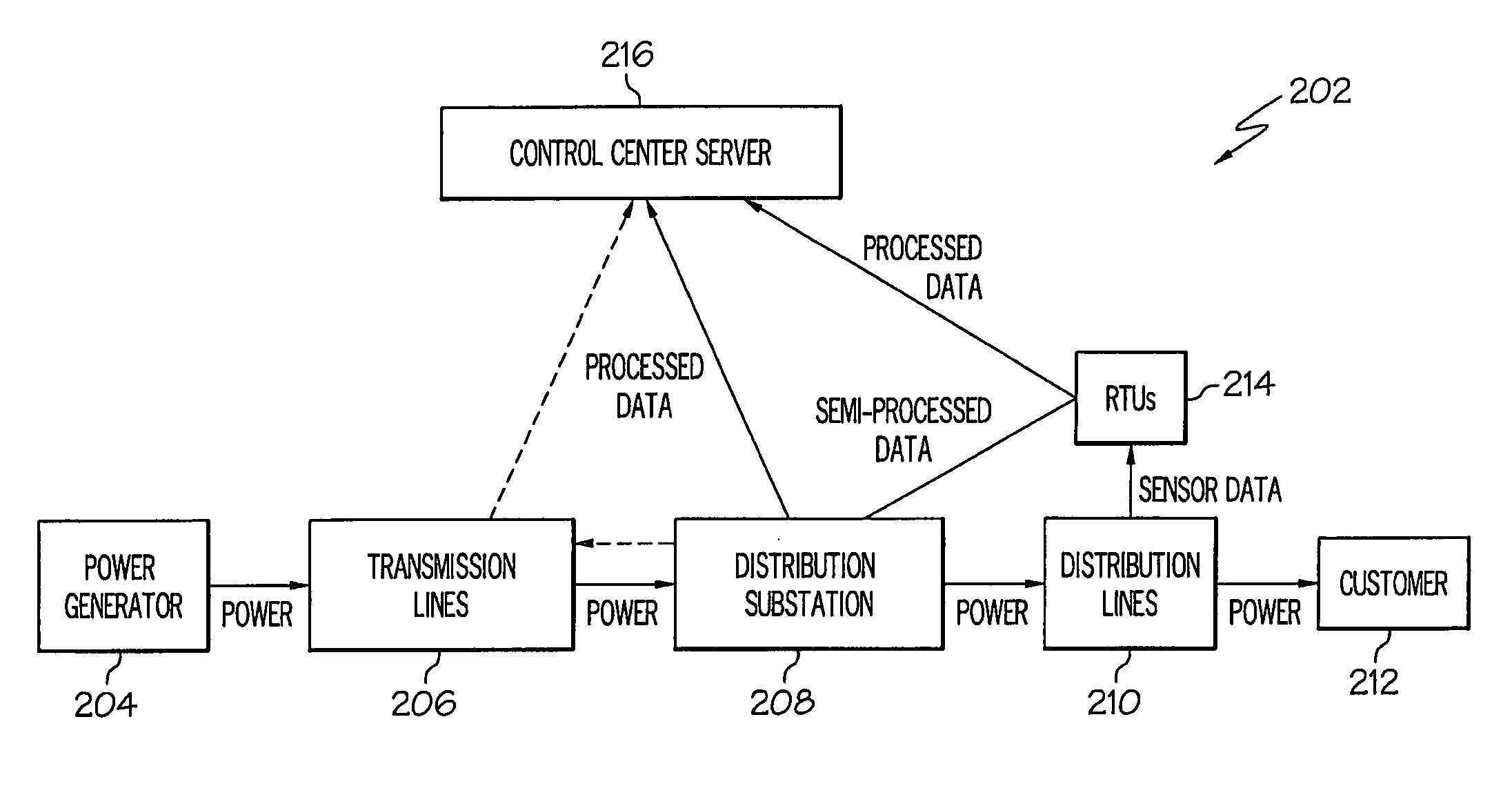
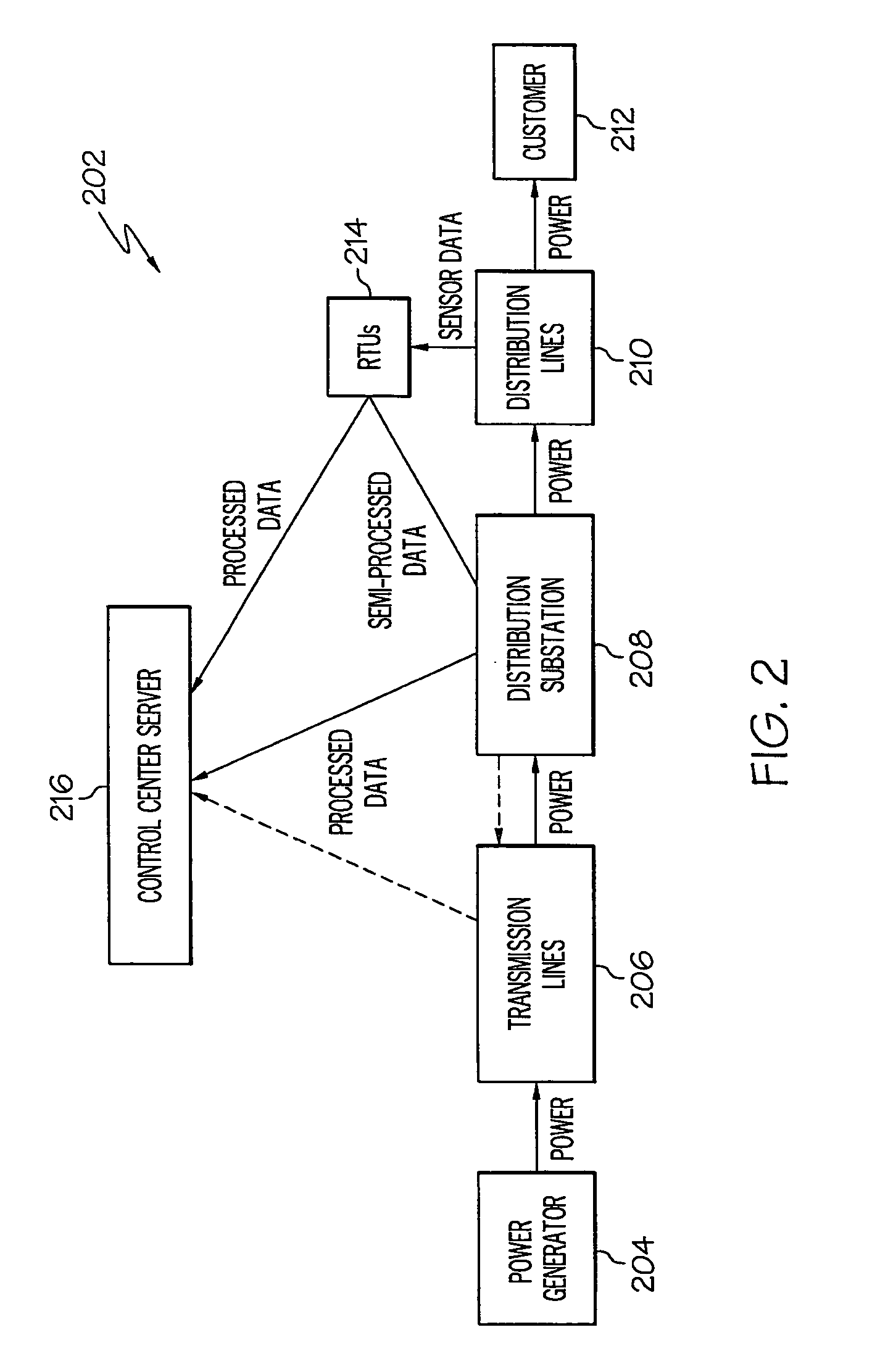
- The deployment of autonomous intelligent RTUs that perform advanced analytics on power distribution lines, enabling real-time analysis and processing of power data, and transmitting it directly to control centers with minimal latency, allowing for accurate and rapid reporting.

Remote terminal unit (RTU) for supervisory control and data acquisition (SCADA) system
PatentPendingUS20260003720A1
Innovation
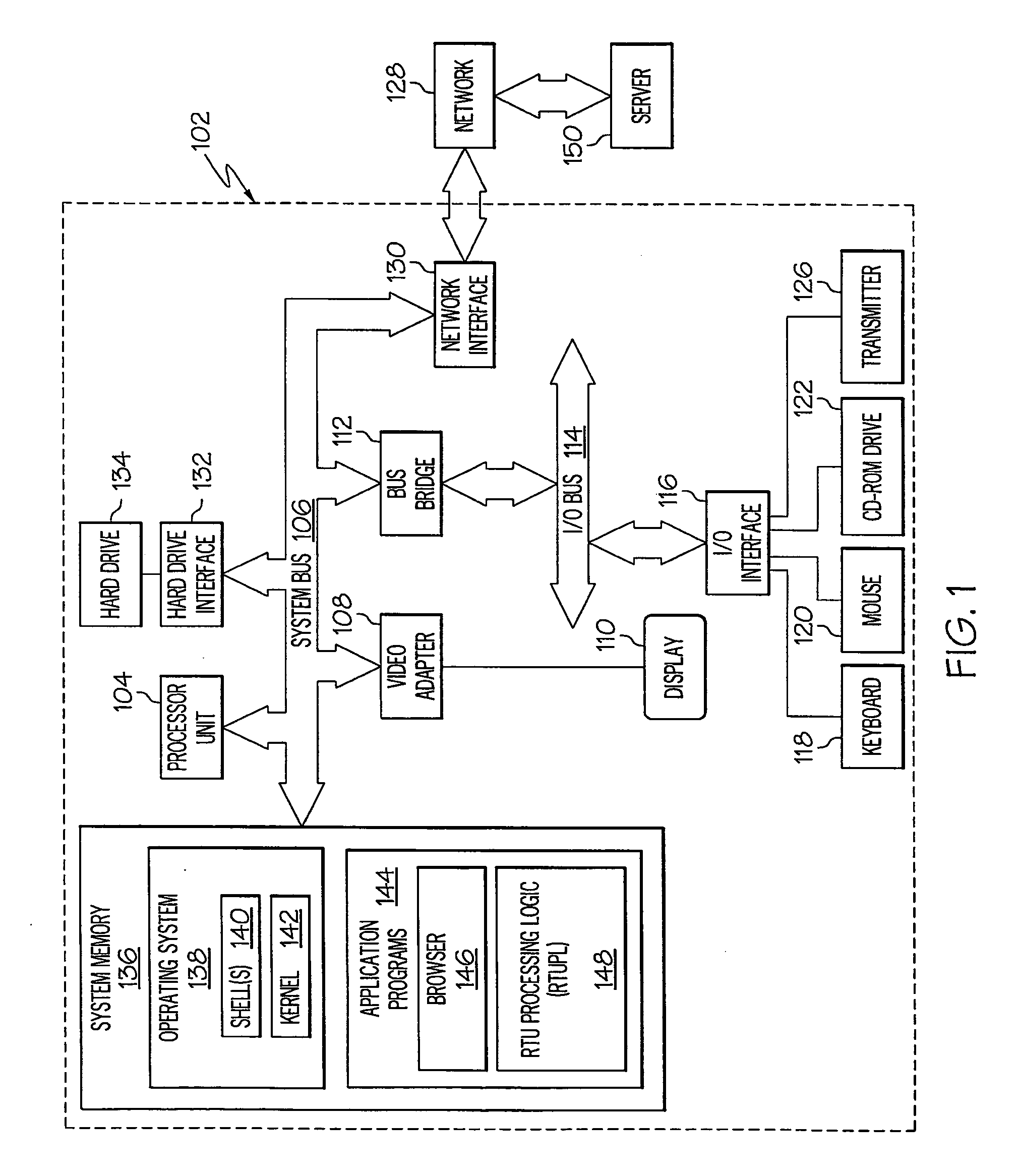
- Implementing a remote terminal unit (RTU) with enhanced communication capabilities, using a Renesas S5D9 microcontroller and ThreadX RTOS, supports multiple input/output options and flexible networking, enabling precise error determination and streamlined error analysis through customizable objects and error message generation.


Cybersecurity Framework for AI-Enabled RTUs
The integration of artificial intelligence capabilities into Remote Terminal Units necessitates a comprehensive cybersecurity framework that addresses the unique vulnerabilities introduced by AI-enhanced predictive analytics systems. Traditional RTU security models, primarily designed for deterministic control operations, require substantial enhancement to accommodate the dynamic and adaptive nature of AI algorithms while maintaining operational integrity.
AI-enabled RTUs present expanded attack surfaces through machine learning model vulnerabilities, including adversarial attacks that can manipulate predictive outputs, data poisoning attempts that corrupt training datasets, and model extraction attacks that compromise proprietary algorithms. The interconnected nature of predictive analytics systems creates cascading security risks where compromised AI models can propagate erroneous predictions across entire industrial networks.
A robust cybersecurity framework must implement multi-layered protection mechanisms encompassing secure AI model deployment, encrypted data transmission protocols, and real-time anomaly detection systems. Model integrity verification through cryptographic signatures ensures AI algorithms remain uncompromised, while federated learning approaches minimize data exposure risks by processing information locally within RTU environments.
Authentication and authorization protocols require enhancement to accommodate AI-driven decision-making processes, implementing role-based access controls that distinguish between human operators and automated AI systems. Secure enclaves for AI model execution provide isolated computing environments that protect sensitive algorithms from external interference while maintaining performance requirements for real-time predictive analytics.
Continuous monitoring frameworks must incorporate AI-specific threat detection capabilities, utilizing behavioral analysis to identify unusual model performance patterns that may indicate security breaches. Regular security audits of AI models, including adversarial testing and vulnerability assessments, ensure ongoing protection against evolving cyber threats targeting predictive analytics capabilities in industrial control environments.
AI-enabled RTUs present expanded attack surfaces through machine learning model vulnerabilities, including adversarial attacks that can manipulate predictive outputs, data poisoning attempts that corrupt training datasets, and model extraction attacks that compromise proprietary algorithms. The interconnected nature of predictive analytics systems creates cascading security risks where compromised AI models can propagate erroneous predictions across entire industrial networks.
A robust cybersecurity framework must implement multi-layered protection mechanisms encompassing secure AI model deployment, encrypted data transmission protocols, and real-time anomaly detection systems. Model integrity verification through cryptographic signatures ensures AI algorithms remain uncompromised, while federated learning approaches minimize data exposure risks by processing information locally within RTU environments.
Authentication and authorization protocols require enhancement to accommodate AI-driven decision-making processes, implementing role-based access controls that distinguish between human operators and automated AI systems. Secure enclaves for AI model execution provide isolated computing environments that protect sensitive algorithms from external interference while maintaining performance requirements for real-time predictive analytics.
Continuous monitoring frameworks must incorporate AI-specific threat detection capabilities, utilizing behavioral analysis to identify unusual model performance patterns that may indicate security breaches. Regular security audits of AI models, including adversarial testing and vulnerability assessments, ensure ongoing protection against evolving cyber threats targeting predictive analytics capabilities in industrial control environments.
Edge Computing Architecture for RTU AI Processing
The integration of AI capabilities into Remote Terminal Units necessitates a robust edge computing architecture that can handle complex predictive analytics workloads while maintaining operational reliability. Modern RTU AI processing architectures are built upon distributed computing principles, where computational resources are strategically positioned closer to data sources to minimize latency and reduce bandwidth requirements for critical industrial operations.
The foundational layer of RTU edge computing architecture consists of specialized hardware components designed to withstand harsh industrial environments while delivering sufficient computational power for AI workloads. These systems typically incorporate ARM-based processors or specialized AI accelerators such as neural processing units, coupled with adequate memory and storage resources to support real-time data processing and model inference operations.
Data flow management represents a critical architectural component, establishing efficient pathways for sensor data ingestion, preprocessing, and AI model execution. The architecture implements multi-tier data processing strategies, where raw sensor data undergoes initial filtering and normalization at the edge before being fed into predictive models. This approach significantly reduces computational overhead and improves response times for time-sensitive industrial applications.
Container-based deployment strategies have emerged as the preferred approach for RTU AI applications, enabling flexible model deployment and updates across distributed edge nodes. Kubernetes-based orchestration platforms specifically adapted for edge environments provide automated scaling, fault tolerance, and resource management capabilities essential for maintaining continuous predictive analytics operations.
Security considerations are deeply embedded within the architectural framework, implementing hardware-based security modules and encrypted communication protocols to protect sensitive operational data and AI models. The architecture incorporates secure boot processes, trusted execution environments, and regular security updates to maintain system integrity against evolving cybersecurity threats.
Resource optimization mechanisms ensure efficient utilization of limited edge computing resources through dynamic load balancing and intelligent task scheduling. The architecture supports hybrid processing models where computationally intensive tasks can be selectively offloaded to cloud resources when network conditions permit, while maintaining core predictive capabilities locally for mission-critical operations.
The foundational layer of RTU edge computing architecture consists of specialized hardware components designed to withstand harsh industrial environments while delivering sufficient computational power for AI workloads. These systems typically incorporate ARM-based processors or specialized AI accelerators such as neural processing units, coupled with adequate memory and storage resources to support real-time data processing and model inference operations.
Data flow management represents a critical architectural component, establishing efficient pathways for sensor data ingestion, preprocessing, and AI model execution. The architecture implements multi-tier data processing strategies, where raw sensor data undergoes initial filtering and normalization at the edge before being fed into predictive models. This approach significantly reduces computational overhead and improves response times for time-sensitive industrial applications.
Container-based deployment strategies have emerged as the preferred approach for RTU AI applications, enabling flexible model deployment and updates across distributed edge nodes. Kubernetes-based orchestration platforms specifically adapted for edge environments provide automated scaling, fault tolerance, and resource management capabilities essential for maintaining continuous predictive analytics operations.
Security considerations are deeply embedded within the architectural framework, implementing hardware-based security modules and encrypted communication protocols to protect sensitive operational data and AI models. The architecture incorporates secure boot processes, trusted execution environments, and regular security updates to maintain system integrity against evolving cybersecurity threats.
Resource optimization mechanisms ensure efficient utilization of limited edge computing resources through dynamic load balancing and intelligent task scheduling. The architecture supports hybrid processing models where computationally intensive tasks can be selectively offloaded to cloud resources when network conditions permit, while maintaining core predictive capabilities locally for mission-critical operations.
Unlock deeper insights with Patsnap Eureka Quick Research — get a full tech report to explore trends and direct your research. Try now!
Generate Your Research Report Instantly with AI Agent
Supercharge your innovation with Patsnap Eureka AI Agent Platform!