

Benchmark Temperature Controls in Supercritical Fluid Processing
JAN 19, 20269 MIN READ
Generate Your Research Report Instantly with AI Agent
Patsnap Eureka helps you evaluate technical feasibility & market potential.
Supercritical Fluid Temperature Control Background and Objectives
Supercritical fluids represent a unique state of matter that exists when a substance is maintained above its critical temperature and critical pressure, exhibiting properties intermediate between gases and liquids. This distinctive phase has gained significant attention in industrial applications due to its exceptional solvent capabilities, tunable density, and enhanced mass transfer characteristics. The technology has evolved substantially since its initial discovery in the 19th century, with modern applications spanning extraction processes, material synthesis, pharmaceutical manufacturing, and advanced chemical processing. Temperature control emerges as a critical parameter in supercritical fluid operations, as even minor temperature fluctuations can dramatically alter fluid density, solubility, and transport properties, directly impacting process efficiency and product quality.
The historical development of supercritical fluid technology reveals a progressive understanding of thermodynamic behavior and process control requirements. Early applications focused primarily on supercritical carbon dioxide extraction in the food and beverage industries, where temperature stability proved essential for consistent product characteristics. As the technology matured, applications expanded into more demanding sectors including semiconductor manufacturing, pharmaceutical purification, and advanced materials processing, each requiring increasingly precise temperature management strategies.
Current industrial implementations face significant challenges in maintaining benchmark temperature controls due to the inherent sensitivity of supercritical systems to thermal variations. The rapid heat transfer rates and high thermal conductivity of supercritical fluids create complex control dynamics that traditional temperature regulation methods struggle to address effectively. Additionally, the non-linear relationship between temperature and fluid properties near the critical point introduces substantial control complexity.
The primary objective of this research focuses on establishing reliable benchmark temperature control methodologies that ensure consistent process performance across diverse supercritical fluid applications. This encompasses developing advanced control algorithms, optimizing sensor placement strategies, and creating standardized protocols for temperature stability assessment. Secondary objectives include minimizing energy consumption through efficient thermal management, reducing process variability to enhance product quality, and establishing scalable control frameworks applicable from laboratory to industrial-scale operations. Achieving these objectives will enable broader adoption of supercritical fluid technology while improving operational reliability and economic viability.
The historical development of supercritical fluid technology reveals a progressive understanding of thermodynamic behavior and process control requirements. Early applications focused primarily on supercritical carbon dioxide extraction in the food and beverage industries, where temperature stability proved essential for consistent product characteristics. As the technology matured, applications expanded into more demanding sectors including semiconductor manufacturing, pharmaceutical purification, and advanced materials processing, each requiring increasingly precise temperature management strategies.
Current industrial implementations face significant challenges in maintaining benchmark temperature controls due to the inherent sensitivity of supercritical systems to thermal variations. The rapid heat transfer rates and high thermal conductivity of supercritical fluids create complex control dynamics that traditional temperature regulation methods struggle to address effectively. Additionally, the non-linear relationship between temperature and fluid properties near the critical point introduces substantial control complexity.
The primary objective of this research focuses on establishing reliable benchmark temperature control methodologies that ensure consistent process performance across diverse supercritical fluid applications. This encompasses developing advanced control algorithms, optimizing sensor placement strategies, and creating standardized protocols for temperature stability assessment. Secondary objectives include minimizing energy consumption through efficient thermal management, reducing process variability to enhance product quality, and establishing scalable control frameworks applicable from laboratory to industrial-scale operations. Achieving these objectives will enable broader adoption of supercritical fluid technology while improving operational reliability and economic viability.
Market Demand for Supercritical Processing Applications
Supercritical fluid processing has emerged as a transformative technology across multiple industrial sectors, driven by increasing demands for sustainable manufacturing practices and superior product quality. The pharmaceutical industry represents one of the most significant market segments, where supercritical carbon dioxide extraction and processing enable the production of high-purity active pharmaceutical ingredients without toxic solvent residues. This capability addresses stringent regulatory requirements and growing consumer preferences for clean-label products, creating substantial commercial opportunities for advanced temperature control systems that ensure process consistency and product safety.
The food and beverage sector demonstrates robust demand for supercritical fluid applications, particularly in natural extract production, decaffeination processes, and nutraceutical manufacturing. Market growth in this domain is propelled by consumer shifts toward natural ingredients and the elimination of chemical solvents from food processing. Precise temperature control during supercritical extraction directly impacts yield efficiency, selectivity of target compounds, and preservation of thermally sensitive bioactive components, making benchmark temperature management a critical competitive differentiator for processors seeking premium market positioning.
Environmental regulations and sustainability mandates are accelerating adoption of supercritical fluid technologies in specialty chemical manufacturing and materials processing. Industries facing pressure to eliminate hazardous organic solvents are transitioning to supercritical fluid-based alternatives for polymer processing, coating applications, and advanced material synthesis. These applications require exceptionally stable temperature control to maintain supercritical conditions and achieve reproducible material properties, creating demand for sophisticated thermal management solutions that can operate reliably under extreme pressure conditions.
The emerging markets in Asia-Pacific regions show particularly strong growth trajectories, driven by expanding pharmaceutical manufacturing capabilities, increasing health consciousness, and government initiatives promoting green chemistry. Simultaneously, established markets in North America and Europe continue to invest in process optimization and capacity expansion, seeking enhanced temperature control technologies to improve operational efficiency and reduce energy consumption. This global market expansion creates diverse requirements for temperature control solutions that must accommodate varying scales of operation, from laboratory research systems to industrial production facilities, while maintaining the precision necessary for supercritical fluid processing success.
The food and beverage sector demonstrates robust demand for supercritical fluid applications, particularly in natural extract production, decaffeination processes, and nutraceutical manufacturing. Market growth in this domain is propelled by consumer shifts toward natural ingredients and the elimination of chemical solvents from food processing. Precise temperature control during supercritical extraction directly impacts yield efficiency, selectivity of target compounds, and preservation of thermally sensitive bioactive components, making benchmark temperature management a critical competitive differentiator for processors seeking premium market positioning.
Environmental regulations and sustainability mandates are accelerating adoption of supercritical fluid technologies in specialty chemical manufacturing and materials processing. Industries facing pressure to eliminate hazardous organic solvents are transitioning to supercritical fluid-based alternatives for polymer processing, coating applications, and advanced material synthesis. These applications require exceptionally stable temperature control to maintain supercritical conditions and achieve reproducible material properties, creating demand for sophisticated thermal management solutions that can operate reliably under extreme pressure conditions.
The emerging markets in Asia-Pacific regions show particularly strong growth trajectories, driven by expanding pharmaceutical manufacturing capabilities, increasing health consciousness, and government initiatives promoting green chemistry. Simultaneously, established markets in North America and Europe continue to invest in process optimization and capacity expansion, seeking enhanced temperature control technologies to improve operational efficiency and reduce energy consumption. This global market expansion creates diverse requirements for temperature control solutions that must accommodate varying scales of operation, from laboratory research systems to industrial production facilities, while maintaining the precision necessary for supercritical fluid processing success.
Current Status and Challenges in Benchmark Temperature Control
Supercritical fluid processing has emerged as a critical technology across pharmaceutical, food, chemical, and materials industries, where precise temperature control serves as a fundamental prerequisite for process stability and product quality. The benchmark temperature control system must maintain thermal conditions within extremely narrow tolerances, typically within ±0.5°C, to ensure consistent supercritical state properties. However, achieving such precision remains technically demanding due to the unique thermodynamic characteristics of supercritical fluids near their critical points.
Current industrial implementations predominantly rely on conventional PID control algorithms coupled with electric heating elements or heat exchangers. While these systems demonstrate adequate performance under steady-state conditions, they exhibit significant limitations when confronting rapid thermal fluctuations or process disturbances. The inherent nonlinearity of supercritical fluid properties, particularly the dramatic changes in density, heat capacity, and thermal conductivity near critical points, poses substantial challenges to traditional control strategies. Existing control systems often struggle to maintain temperature stability during phase transitions or when processing parameters vary dynamically.
Geographically, advanced benchmark temperature control technologies are concentrated in developed regions, particularly North America, Western Europe, and East Asia. Leading research institutions and industrial facilities in Germany, the United States, and Japan have established sophisticated temperature control infrastructures. However, developing regions face technological gaps in sensor accuracy, control algorithm sophistication, and system integration capabilities, limiting their ability to implement high-precision supercritical fluid processes.
The primary technical obstacles include sensor response lag, thermal inertia of heating systems, and inadequate predictive capabilities in control algorithms. Temperature sensors positioned in high-pressure environments experience delayed response times, while heating elements cannot instantaneously adjust thermal output to match rapid process changes. Furthermore, most existing control systems lack advanced modeling capabilities to predict thermal behavior under varying operational conditions. These constraints result in temperature overshoots, oscillations, and extended stabilization periods, ultimately compromising process efficiency and product consistency.
Additional challenges emerge from the integration complexity of multi-zone temperature control in large-scale reactors, where spatial temperature gradients must be minimized while maintaining overall system stability. The coupling effects between pressure and temperature control loops further complicate system design, requiring sophisticated coordination strategies that current benchmark systems inadequately address.
Current industrial implementations predominantly rely on conventional PID control algorithms coupled with electric heating elements or heat exchangers. While these systems demonstrate adequate performance under steady-state conditions, they exhibit significant limitations when confronting rapid thermal fluctuations or process disturbances. The inherent nonlinearity of supercritical fluid properties, particularly the dramatic changes in density, heat capacity, and thermal conductivity near critical points, poses substantial challenges to traditional control strategies. Existing control systems often struggle to maintain temperature stability during phase transitions or when processing parameters vary dynamically.
Geographically, advanced benchmark temperature control technologies are concentrated in developed regions, particularly North America, Western Europe, and East Asia. Leading research institutions and industrial facilities in Germany, the United States, and Japan have established sophisticated temperature control infrastructures. However, developing regions face technological gaps in sensor accuracy, control algorithm sophistication, and system integration capabilities, limiting their ability to implement high-precision supercritical fluid processes.
The primary technical obstacles include sensor response lag, thermal inertia of heating systems, and inadequate predictive capabilities in control algorithms. Temperature sensors positioned in high-pressure environments experience delayed response times, while heating elements cannot instantaneously adjust thermal output to match rapid process changes. Furthermore, most existing control systems lack advanced modeling capabilities to predict thermal behavior under varying operational conditions. These constraints result in temperature overshoots, oscillations, and extended stabilization periods, ultimately compromising process efficiency and product consistency.
Additional challenges emerge from the integration complexity of multi-zone temperature control in large-scale reactors, where spatial temperature gradients must be minimized while maintaining overall system stability. The coupling effects between pressure and temperature control loops further complicate system design, requiring sophisticated coordination strategies that current benchmark systems inadequately address.
Existing Temperature Control Solutions for Supercritical Processes
01 Temperature control systems with feedback mechanisms
Temperature control systems utilize feedback mechanisms to maintain desired temperature levels. These systems monitor current temperature conditions and adjust heating or cooling elements accordingly. The feedback loop ensures precise temperature regulation by continuously comparing actual temperature against set points and making real-time adjustments to minimize deviation.- Temperature control systems with feedback mechanisms: Temperature control systems utilize feedback mechanisms to maintain desired temperature levels. These systems monitor current temperature conditions and adjust heating or cooling elements accordingly. The feedback loop ensures precise temperature regulation by continuously comparing actual temperature against set points and making real-time adjustments to minimize deviations.
- Multi-zone temperature control architecture: Advanced temperature control implementations feature multi-zone architectures that allow independent temperature management across different areas or compartments. This approach enables simultaneous control of multiple temperature zones, each with its own sensors and control parameters, providing flexibility for applications requiring varied thermal conditions in different regions.
- Adaptive temperature control algorithms: Intelligent temperature control systems employ adaptive algorithms that learn from operational patterns and environmental conditions. These algorithms dynamically adjust control parameters based on historical data, predictive models, and changing conditions to optimize temperature stability and energy efficiency while reducing response time to temperature fluctuations.
- Temperature sensor integration and calibration: Effective temperature control relies on accurate sensor integration and calibration techniques. Multiple temperature sensors are strategically positioned to provide comprehensive thermal monitoring, with calibration procedures ensuring measurement accuracy. The sensor data is processed to eliminate noise and provide reliable input for control decisions.
- Energy-efficient temperature regulation methods: Modern temperature control systems incorporate energy-efficient regulation methods that minimize power consumption while maintaining thermal stability. These methods include predictive heating and cooling cycles, thermal insulation optimization, and smart scheduling algorithms that reduce energy waste during periods of low demand or when temperature requirements are less critical.
02 Multi-zone temperature control architecture
Advanced temperature control implementations feature multi-zone architectures that allow independent temperature management across different areas or compartments. This approach enables simultaneous control of multiple temperature zones, each with its own sensors and control parameters, providing flexibility for applications requiring varied thermal conditions in different regions.Expand Specific Solutions03 Adaptive temperature control algorithms
Intelligent temperature control systems employ adaptive algorithms that learn from operational patterns and environmental conditions. These algorithms optimize control strategies based on historical data, predictive modeling, and real-time analysis to improve energy efficiency and response time while maintaining stable temperature conditions.Expand Specific Solutions04 Temperature control with safety and limit features
Temperature control systems incorporate safety mechanisms and limit controls to prevent overheating or excessive cooling. These features include threshold monitoring, automatic shutdown protocols, and alarm systems that activate when temperatures exceed predefined safe operating ranges, ensuring system protection and operational reliability.Expand Specific Solutions05 Integrated temperature sensing and control units
Modern temperature control solutions integrate sensing and control functions into unified systems. These integrated units combine temperature measurement devices with processing and actuation components, enabling compact designs with reduced wiring complexity and improved response characteristics for precise thermal management applications.Expand Specific Solutions
Major Players in Supercritical Fluid Equipment Industry
The supercritical fluid processing benchmark temperature control field represents a mature yet evolving technology sector, primarily driven by semiconductor manufacturing demands and expanding into medical diagnostics and industrial applications. The market demonstrates strong growth potential, particularly in Asia-Pacific regions where semiconductor production dominates. Leading equipment manufacturers like Tokyo Electron Ltd., Applied Materials, Inc., SCREEN Holdings Co., Ltd., and Lam Research Corp. have established technological leadership through advanced thermal processing systems and precision control capabilities. Asian players including Samsung Electronics, Beijing NAURA Microelectronics, and KINGSEMI Co., Ltd. are rapidly advancing their capabilities, intensifying competition. The technology maturity varies across applications, with semiconductor processing showing high sophistication while emerging applications in medical diagnostics (Abbott Point of Care, CEPHEID, Beckman Coulter) and specialized industrial processes remain in development stages. Research institutions like Xi'an Jiaotong University, Harbin Institute of Technology, and CNRS contribute fundamental innovations, bridging academic research with industrial implementation.
Tokyo Electron Ltd.
Technical Solution: Tokyo Electron has developed advanced temperature control systems for supercritical fluid processing in semiconductor manufacturing applications. Their technology integrates precision thermal management with real-time monitoring capabilities, utilizing multi-zone heating elements and sophisticated PID control algorithms to maintain temperature stability within ±0.5°C during critical supercritical CO2 cleaning and drying processes. The system employs distributed temperature sensors and adaptive control strategies to compensate for thermal gradients and process variations, ensuring uniform temperature distribution across the processing chamber even under dynamic flow conditions.
Strengths: High precision temperature control with excellent stability, proven reliability in semiconductor manufacturing environments, strong integration with process monitoring systems. Weaknesses: High capital investment costs, primarily optimized for semiconductor applications which may limit flexibility for other supercritical fluid processing applications.
Shimadzu Corp.
Technical Solution: Shimadzu has developed temperature control technologies specifically for supercritical fluid chromatography and extraction systems. Their benchmark control approach utilizes high-precision thermostatic ovens with forced air circulation and multiple independent heating zones to maintain isothermal conditions throughout the supercritical fluid pathway. The system incorporates advanced temperature compensation algorithms that account for the Joule-Thomson cooling effect during pressure reduction stages, ensuring consistent temperature maintenance even during dynamic pressure programming. Temperature stability of ±0.1°C is achieved through continuous feedback control and thermal modeling of the entire fluid circuit.
Strengths: Exceptional temperature precision suitable for analytical applications, excellent compensation for pressure-temperature coupling effects, proven performance in laboratory and industrial extraction systems. Weaknesses: Primarily designed for analytical and extraction applications with limited scalability to large-scale industrial processing, higher cost for ultra-precision control components.
Core Patents in Benchmark Temperature Regulation Technologies
Supercritical water reaction temperature control method, device and supercritical water reactor system
PatentActiveCN104865996A
Innovation
- By obtaining the deviation between the temperature in the reactor and the preset temperature, the tuning calculation model is used to obtain the target value of the oxygen amount parameter, and the amount of oxygen entering the reactor is adjusted in real time, including adjusting the oxygen flow or oxygen pressure to reduce the temperature fluctuation range.
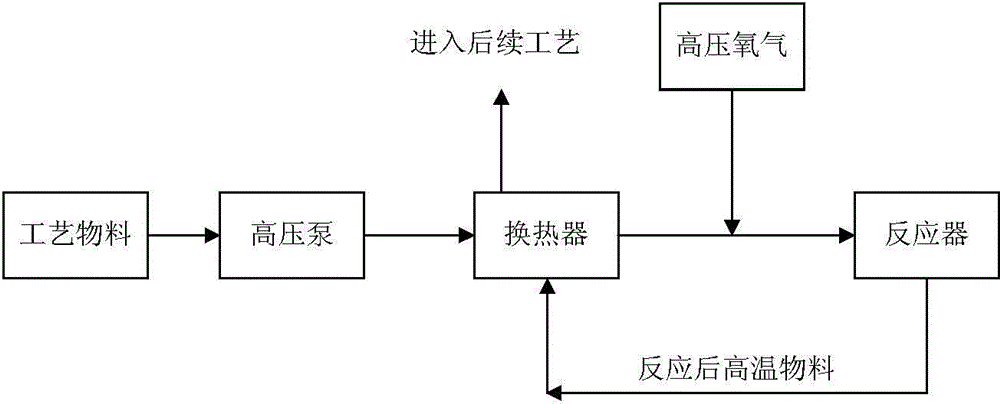
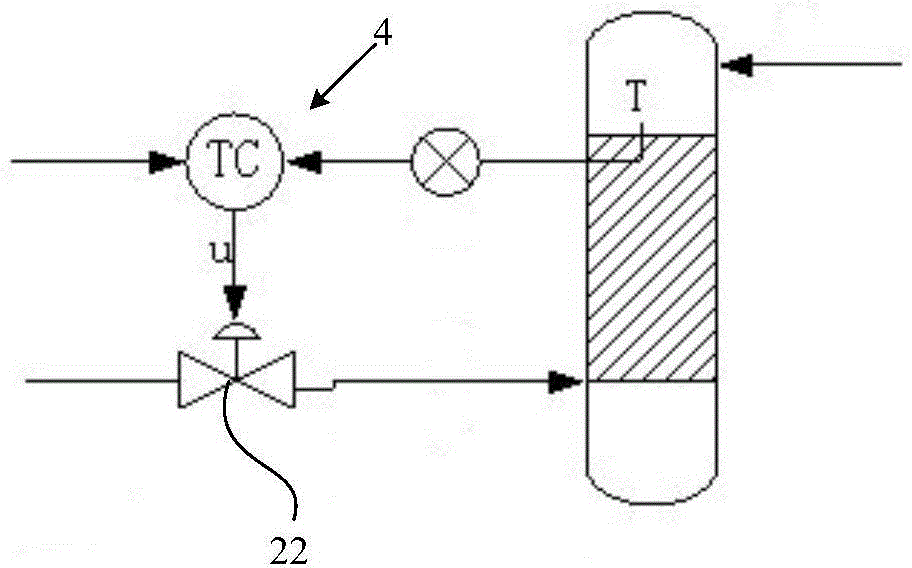
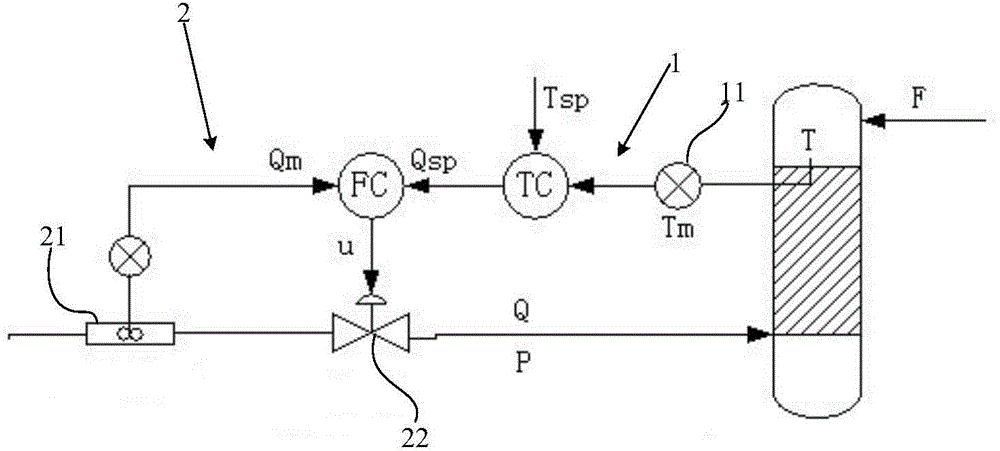

Supercritical fluid separation apparatus
PatentActiveUS20210025856A1
Innovation
- A supercritical fluid separation apparatus with dual temperature sensors and a temperature control system that adjusts heater output based on both the heating block and separation part temperatures, switching control strategies to ensure precise temperature regulation and prevent overheating.


Safety Standards for High-Pressure Temperature Systems
Safety standards for high-pressure temperature systems in supercritical fluid processing represent a critical framework that governs operational protocols and equipment specifications to mitigate risks associated with extreme processing conditions. These standards are primarily established by international regulatory bodies including ASME (American Society of Mechanical Engineers), ISO (International Organization for Standardization), and regional authorities such as the European Pressure Equipment Directive. The standards address multiple dimensions of system safety, encompassing pressure vessel design, temperature monitoring accuracy, emergency shutdown mechanisms, and personnel protection protocols.
The fundamental safety requirements mandate that all pressure vessels operating above critical points must comply with ASME Boiler and Pressure Vessel Code Section VIII, which specifies material selection criteria, wall thickness calculations, and stress analysis methodologies. Temperature control systems must maintain measurement uncertainties within ±0.5°C at supercritical conditions, with redundant sensor configurations to prevent single-point failures. Pressure relief devices are required to activate within 2 seconds of detecting overpressure conditions exceeding 110% of maximum allowable working pressure.
Material compatibility standards are particularly stringent, requiring comprehensive testing of all wetted components against corrosive supercritical fluids at elevated temperatures. Stainless steel grades 316L and Hastelloy alloys are commonly specified for their resistance to stress corrosion cracking under supercritical conditions. Sealing systems must demonstrate leak-tight performance across temperature cycling from ambient to supercritical ranges, typically validated through helium leak testing with maximum permissible leak rates of 10^-6 mbar·L/s.
Operational safety protocols mandate continuous monitoring of critical parameters including temperature, pressure, flow rates, and fluid composition. Automated interlock systems must be implemented to prevent unsafe operating sequences, with fail-safe designs ensuring system shutdown in case of control system failures. Personnel training requirements specify minimum competency levels for operators handling supercritical systems, including emergency response procedures and hazard recognition capabilities.
Documentation and traceability requirements under these standards necessitate comprehensive records of equipment qualification, maintenance histories, and incident reporting. Regular inspection intervals are prescribed based on operating severity, with non-destructive testing methods employed to detect material degradation or fatigue damage before catastrophic failures occur.
The fundamental safety requirements mandate that all pressure vessels operating above critical points must comply with ASME Boiler and Pressure Vessel Code Section VIII, which specifies material selection criteria, wall thickness calculations, and stress analysis methodologies. Temperature control systems must maintain measurement uncertainties within ±0.5°C at supercritical conditions, with redundant sensor configurations to prevent single-point failures. Pressure relief devices are required to activate within 2 seconds of detecting overpressure conditions exceeding 110% of maximum allowable working pressure.
Material compatibility standards are particularly stringent, requiring comprehensive testing of all wetted components against corrosive supercritical fluids at elevated temperatures. Stainless steel grades 316L and Hastelloy alloys are commonly specified for their resistance to stress corrosion cracking under supercritical conditions. Sealing systems must demonstrate leak-tight performance across temperature cycling from ambient to supercritical ranges, typically validated through helium leak testing with maximum permissible leak rates of 10^-6 mbar·L/s.
Operational safety protocols mandate continuous monitoring of critical parameters including temperature, pressure, flow rates, and fluid composition. Automated interlock systems must be implemented to prevent unsafe operating sequences, with fail-safe designs ensuring system shutdown in case of control system failures. Personnel training requirements specify minimum competency levels for operators handling supercritical systems, including emergency response procedures and hazard recognition capabilities.
Documentation and traceability requirements under these standards necessitate comprehensive records of equipment qualification, maintenance histories, and incident reporting. Regular inspection intervals are prescribed based on operating severity, with non-destructive testing methods employed to detect material degradation or fatigue damage before catastrophic failures occur.
Energy Efficiency in Supercritical Thermal Control
Energy efficiency represents a critical performance metric in supercritical fluid processing systems, where maintaining precise benchmark temperatures demands substantial energy input. The inherent thermodynamic properties of supercritical fluids, particularly their sensitivity to minor temperature fluctuations near critical points, necessitate continuous heating or cooling interventions that significantly impact operational costs and environmental sustainability. Current industrial implementations reveal that thermal control systems typically account for 40-60% of total energy consumption in supercritical processing facilities, establishing energy optimization as a paramount concern for commercial viability.
Advanced heat recovery mechanisms have emerged as fundamental strategies for improving energy efficiency in supercritical thermal control. Regenerative heat exchangers enable the transfer of thermal energy between incoming feed streams and processed output flows, reducing the external heating requirements by up to 35%. Cascade heating systems further enhance efficiency by utilizing waste heat from auxiliary processes, while thermal storage units buffer temperature fluctuations and minimize peak energy demands during transient operational phases.
The integration of intelligent control algorithms with real-time monitoring systems has demonstrated substantial energy savings through predictive thermal management. Model predictive control strategies optimize heating and cooling cycles based on process dynamics, reducing unnecessary energy expenditure while maintaining temperature stability within specified tolerances. Variable frequency drives coupled with adaptive control logic adjust pump speeds and flow rates dynamically, aligning energy consumption with actual process requirements rather than operating at constant maximum capacity.
Insulation technology and system design optimization constitute additional pathways for energy conservation. Advanced aerogel-based insulation materials minimize heat losses in high-pressure vessels and piping networks, while computational fluid dynamics simulations guide the design of thermally efficient reactor geometries that reduce hot spots and temperature gradients. These combined approaches enable modern supercritical processing systems to achieve energy efficiency improvements of 25-40% compared to conventional designs, directly enhancing economic competitiveness and reducing carbon footprints in industrial applications.
Advanced heat recovery mechanisms have emerged as fundamental strategies for improving energy efficiency in supercritical thermal control. Regenerative heat exchangers enable the transfer of thermal energy between incoming feed streams and processed output flows, reducing the external heating requirements by up to 35%. Cascade heating systems further enhance efficiency by utilizing waste heat from auxiliary processes, while thermal storage units buffer temperature fluctuations and minimize peak energy demands during transient operational phases.
The integration of intelligent control algorithms with real-time monitoring systems has demonstrated substantial energy savings through predictive thermal management. Model predictive control strategies optimize heating and cooling cycles based on process dynamics, reducing unnecessary energy expenditure while maintaining temperature stability within specified tolerances. Variable frequency drives coupled with adaptive control logic adjust pump speeds and flow rates dynamically, aligning energy consumption with actual process requirements rather than operating at constant maximum capacity.
Insulation technology and system design optimization constitute additional pathways for energy conservation. Advanced aerogel-based insulation materials minimize heat losses in high-pressure vessels and piping networks, while computational fluid dynamics simulations guide the design of thermally efficient reactor geometries that reduce hot spots and temperature gradients. These combined approaches enable modern supercritical processing systems to achieve energy efficiency improvements of 25-40% compared to conventional designs, directly enhancing economic competitiveness and reducing carbon footprints in industrial applications.
Unlock deeper insights with Patsnap Eureka Quick Research — get a full tech report to explore trends and direct your research. Try now!
Generate Your Research Report Instantly with AI Agent
Supercharge your innovation with Patsnap Eureka AI Agent Platform!