

Biofertilizers: Rethinking Approaches to Agroecological Development
JUL 15, 20259 MIN READ
Generate Your Research Report Instantly with AI Agent
PatSnap Eureka helps you evaluate technical feasibility & market potential.
Biofertilizer Evolution and Objectives
Biofertilizers have emerged as a crucial component in the evolution of sustainable agricultural practices, marking a significant shift from conventional chemical fertilizers. The development of biofertilizers can be traced back to the early 20th century, with the discovery of nitrogen-fixing bacteria in legume root nodules. This breakthrough laid the foundation for harnessing beneficial microorganisms to enhance soil fertility and crop productivity.
Over the decades, research on biofertilizers has expanded to include a diverse range of microorganisms, including bacteria, fungi, and algae. These organisms have been found to contribute to plant growth through various mechanisms, such as nitrogen fixation, phosphate solubilization, and the production of plant growth-promoting substances. The evolution of biofertilizer technology has been driven by the growing need for sustainable agricultural practices and the increasing awareness of the environmental impacts of chemical fertilizers.
The objectives of biofertilizer research and development have evolved in tandem with the changing landscape of agriculture and environmental concerns. Initially, the primary goal was to reduce dependency on chemical fertilizers and mitigate their negative environmental impacts. However, as our understanding of soil microbiology and plant-microbe interactions has deepened, the objectives have expanded to encompass a more holistic approach to agroecological development.
Current research aims to develop more efficient and effective biofertilizer formulations that can adapt to diverse soil conditions and crop types. This includes the identification and characterization of novel microbial strains with enhanced plant growth-promoting abilities, as well as the development of improved delivery systems to ensure the survival and efficacy of these beneficial microorganisms in the field.
Another key objective is to integrate biofertilizers into broader agroecological systems, promoting soil health, biodiversity, and ecosystem resilience. This involves studying the complex interactions between biofertilizers, soil microbiota, and plants, with the goal of creating balanced and sustainable agricultural ecosystems.
Furthermore, researchers are focusing on enhancing the compatibility of biofertilizers with other agricultural inputs and practices, such as organic farming, conservation tillage, and integrated pest management. This holistic approach aims to maximize the synergistic effects of various sustainable agricultural practices, ultimately leading to improved crop yields, soil fertility, and environmental sustainability.
As we move forward, the objectives of biofertilizer research are expanding to address global challenges such as climate change, food security, and soil degradation. This includes developing biofertilizers that can help crops withstand abiotic stresses, such as drought and salinity, and contribute to carbon sequestration in soils. The ultimate goal is to establish biofertilizers as a cornerstone of agroecological development, fostering resilient and sustainable food production systems for future generations.
Over the decades, research on biofertilizers has expanded to include a diverse range of microorganisms, including bacteria, fungi, and algae. These organisms have been found to contribute to plant growth through various mechanisms, such as nitrogen fixation, phosphate solubilization, and the production of plant growth-promoting substances. The evolution of biofertilizer technology has been driven by the growing need for sustainable agricultural practices and the increasing awareness of the environmental impacts of chemical fertilizers.
The objectives of biofertilizer research and development have evolved in tandem with the changing landscape of agriculture and environmental concerns. Initially, the primary goal was to reduce dependency on chemical fertilizers and mitigate their negative environmental impacts. However, as our understanding of soil microbiology and plant-microbe interactions has deepened, the objectives have expanded to encompass a more holistic approach to agroecological development.
Current research aims to develop more efficient and effective biofertilizer formulations that can adapt to diverse soil conditions and crop types. This includes the identification and characterization of novel microbial strains with enhanced plant growth-promoting abilities, as well as the development of improved delivery systems to ensure the survival and efficacy of these beneficial microorganisms in the field.
Another key objective is to integrate biofertilizers into broader agroecological systems, promoting soil health, biodiversity, and ecosystem resilience. This involves studying the complex interactions between biofertilizers, soil microbiota, and plants, with the goal of creating balanced and sustainable agricultural ecosystems.
Furthermore, researchers are focusing on enhancing the compatibility of biofertilizers with other agricultural inputs and practices, such as organic farming, conservation tillage, and integrated pest management. This holistic approach aims to maximize the synergistic effects of various sustainable agricultural practices, ultimately leading to improved crop yields, soil fertility, and environmental sustainability.
As we move forward, the objectives of biofertilizer research are expanding to address global challenges such as climate change, food security, and soil degradation. This includes developing biofertilizers that can help crops withstand abiotic stresses, such as drought and salinity, and contribute to carbon sequestration in soils. The ultimate goal is to establish biofertilizers as a cornerstone of agroecological development, fostering resilient and sustainable food production systems for future generations.
Agroecological Market Analysis
The global market for biofertilizers is experiencing significant growth, driven by increasing demand for sustainable agricultural practices and organic food production. The agroecological sector, which emphasizes environmentally friendly farming methods, has become a key driver in this market expansion. Current estimates suggest that the global biofertilizer market is valued at several billion dollars, with projections indicating robust growth in the coming years.
Regionally, North America and Europe have been at the forefront of biofertilizer adoption, primarily due to stringent environmental regulations and growing consumer preference for organic produce. However, emerging economies in Asia-Pacific and Latin America are rapidly catching up, as farmers in these regions increasingly recognize the benefits of biofertilizers in improving soil health and crop yields while reducing chemical inputs.
The market is segmented based on product types, including nitrogen-fixing, phosphate-solubilizing, and potash-mobilizing biofertilizers. Among these, nitrogen-fixing biofertilizers currently hold the largest market share due to their widespread application across various crops. However, phosphate-solubilizing biofertilizers are expected to witness the highest growth rate in the coming years, driven by increasing awareness of phosphorus deficiency in soils worldwide.
In terms of crop application, cereals and grains represent the largest segment for biofertilizer use, followed by fruits and vegetables. The increasing adoption of organic farming practices in these crop categories is a significant factor contributing to market growth. Additionally, the rising popularity of biofertilizers in cash crops and oilseeds is opening new avenues for market expansion.
The competitive landscape of the biofertilizer market is characterized by a mix of large agrochemical companies and specialized biotech firms. Key players are investing heavily in research and development to improve product efficacy and expand their product portfolios. Strategic partnerships between biofertilizer manufacturers and agricultural input distributors are becoming increasingly common, aiming to enhance market penetration and farmer outreach.
Challenges in the biofertilizer market include the need for improved product stability, longer shelf life, and consistent performance across diverse soil and climatic conditions. Overcoming these technical hurdles is crucial for wider market acceptance and sustained growth. Additionally, educating farmers about the benefits and proper application of biofertilizers remains a key focus area for market players and agricultural extension services.
Looking ahead, the biofertilizer market is poised for continued growth, supported by favorable government policies promoting sustainable agriculture, increasing organic farming acreage, and growing consumer awareness about food safety and environmental protection. The integration of advanced technologies, such as nanotechnology and microencapsulation, in biofertilizer production is expected to further drive market innovation and expansion in the agroecological sector.
Regionally, North America and Europe have been at the forefront of biofertilizer adoption, primarily due to stringent environmental regulations and growing consumer preference for organic produce. However, emerging economies in Asia-Pacific and Latin America are rapidly catching up, as farmers in these regions increasingly recognize the benefits of biofertilizers in improving soil health and crop yields while reducing chemical inputs.
The market is segmented based on product types, including nitrogen-fixing, phosphate-solubilizing, and potash-mobilizing biofertilizers. Among these, nitrogen-fixing biofertilizers currently hold the largest market share due to their widespread application across various crops. However, phosphate-solubilizing biofertilizers are expected to witness the highest growth rate in the coming years, driven by increasing awareness of phosphorus deficiency in soils worldwide.
In terms of crop application, cereals and grains represent the largest segment for biofertilizer use, followed by fruits and vegetables. The increasing adoption of organic farming practices in these crop categories is a significant factor contributing to market growth. Additionally, the rising popularity of biofertilizers in cash crops and oilseeds is opening new avenues for market expansion.
The competitive landscape of the biofertilizer market is characterized by a mix of large agrochemical companies and specialized biotech firms. Key players are investing heavily in research and development to improve product efficacy and expand their product portfolios. Strategic partnerships between biofertilizer manufacturers and agricultural input distributors are becoming increasingly common, aiming to enhance market penetration and farmer outreach.
Challenges in the biofertilizer market include the need for improved product stability, longer shelf life, and consistent performance across diverse soil and climatic conditions. Overcoming these technical hurdles is crucial for wider market acceptance and sustained growth. Additionally, educating farmers about the benefits and proper application of biofertilizers remains a key focus area for market players and agricultural extension services.
Looking ahead, the biofertilizer market is poised for continued growth, supported by favorable government policies promoting sustainable agriculture, increasing organic farming acreage, and growing consumer awareness about food safety and environmental protection. The integration of advanced technologies, such as nanotechnology and microencapsulation, in biofertilizer production is expected to further drive market innovation and expansion in the agroecological sector.
Biofertilizer Challenges
Despite the promising potential of biofertilizers in agroecological development, several significant challenges hinder their widespread adoption and effectiveness. One of the primary obstacles is the variability in performance across different environmental conditions. Biofertilizers often exhibit inconsistent results when applied to diverse soil types, climatic zones, and crop varieties, making it difficult for farmers to rely on them consistently.
Another major challenge is the limited shelf life of many biofertilizer products. The living microorganisms in these fertilizers are sensitive to environmental factors such as temperature, humidity, and light exposure. This sensitivity can lead to a rapid decline in microbial populations during storage and transportation, reducing the product's efficacy by the time it reaches the end-user.
The lack of standardization in biofertilizer production and quality control poses a significant hurdle. Without uniform guidelines and regulations, the market is flooded with products of varying quality, making it challenging for farmers to identify and select effective biofertilizers. This inconsistency also hampers the development of trust in biofertilizer technologies among agricultural communities.
Compatibility issues between biofertilizers and conventional agricultural practices present another challenge. Many farmers are accustomed to using chemical fertilizers and pesticides, which can be detrimental to the beneficial microorganisms in biofertilizers. Integrating biofertilizers into existing farming systems often requires significant changes in management practices, which can be met with resistance from farmers.
The slow-acting nature of biofertilizers compared to chemical fertilizers is a deterrent for many farmers, especially those facing immediate productivity pressures. The time required for biofertilizers to establish and show noticeable effects on crop growth can be longer than chemical alternatives, potentially leading to short-term yield reductions that many farmers cannot afford.
Limited awareness and education about biofertilizer technologies among farmers and agricultural extension workers hinder their adoption. Many farmers lack the knowledge and skills necessary to properly apply and manage biofertilizers, leading to suboptimal results and disappointment.
Lastly, the high cost of research and development in biofertilizer technology, coupled with the challenges in scaling up production, often results in higher prices compared to conventional fertilizers. This economic barrier is particularly significant in developing countries where small-scale farmers dominate the agricultural landscape.
Another major challenge is the limited shelf life of many biofertilizer products. The living microorganisms in these fertilizers are sensitive to environmental factors such as temperature, humidity, and light exposure. This sensitivity can lead to a rapid decline in microbial populations during storage and transportation, reducing the product's efficacy by the time it reaches the end-user.
The lack of standardization in biofertilizer production and quality control poses a significant hurdle. Without uniform guidelines and regulations, the market is flooded with products of varying quality, making it challenging for farmers to identify and select effective biofertilizers. This inconsistency also hampers the development of trust in biofertilizer technologies among agricultural communities.
Compatibility issues between biofertilizers and conventional agricultural practices present another challenge. Many farmers are accustomed to using chemical fertilizers and pesticides, which can be detrimental to the beneficial microorganisms in biofertilizers. Integrating biofertilizers into existing farming systems often requires significant changes in management practices, which can be met with resistance from farmers.
The slow-acting nature of biofertilizers compared to chemical fertilizers is a deterrent for many farmers, especially those facing immediate productivity pressures. The time required for biofertilizers to establish and show noticeable effects on crop growth can be longer than chemical alternatives, potentially leading to short-term yield reductions that many farmers cannot afford.
Limited awareness and education about biofertilizer technologies among farmers and agricultural extension workers hinder their adoption. Many farmers lack the knowledge and skills necessary to properly apply and manage biofertilizers, leading to suboptimal results and disappointment.
Lastly, the high cost of research and development in biofertilizer technology, coupled with the challenges in scaling up production, often results in higher prices compared to conventional fertilizers. This economic barrier is particularly significant in developing countries where small-scale farmers dominate the agricultural landscape.
Current Biofertilizer Solutions
01 Microbial biofertilizer compositions
Biofertilizers containing specific microbial strains or consortia of microorganisms that enhance plant growth and nutrient uptake. These compositions may include bacteria, fungi, or algae that fix nitrogen, solubilize phosphorus, or produce plant growth-promoting substances.- Microbial biofertilizer compositions: Biofertilizers containing beneficial microorganisms such as bacteria, fungi, or algae that enhance soil fertility and plant growth. These compositions may include specific strains or combinations of microorganisms selected for their ability to fix nitrogen, solubilize phosphorus, or produce plant growth-promoting substances.
- Carrier materials for biofertilizers: Development of suitable carrier materials to support the survival and efficacy of microorganisms in biofertilizer formulations. These carriers may include organic materials, inorganic substances, or synthetic polymers designed to protect and deliver the beneficial microbes to the soil or plant roots.
- Application methods for biofertilizers: Innovative techniques for applying biofertilizers to crops, including seed coating, soil application, foliar sprays, or irrigation systems. These methods aim to optimize the delivery and effectiveness of the biofertilizer while minimizing losses and environmental impact.
- Biofertilizer production processes: Methods and systems for large-scale production of biofertilizers, including fermentation techniques, quality control measures, and packaging processes. These innovations focus on improving the efficiency, consistency, and shelf-life of biofertilizer products.
- Synergistic combinations with other agricultural inputs: Integration of biofertilizers with other agricultural inputs such as organic fertilizers, chemical fertilizers, or pesticides to create synergistic effects. These combinations aim to enhance overall crop productivity while reducing the reliance on synthetic chemicals.
02 Carrier materials for biofertilizers
Development of suitable carrier materials to improve the shelf life, efficacy, and application of biofertilizers. These carriers may include organic materials, inorganic substances, or synthetic polymers that protect and sustain the microbial populations in the biofertilizer formulations.Expand Specific Solutions03 Biofertilizer application methods
Innovative techniques and devices for applying biofertilizers to crops, including seed coating, soil application, foliar sprays, or irrigation systems. These methods aim to optimize the delivery and effectiveness of biofertilizers in various agricultural settings.Expand Specific Solutions04 Biofertilizers with additional beneficial properties
Formulations that combine biofertilizers with other beneficial properties such as biocontrol agents, stress tolerance enhancers, or soil conditioners. These multi-functional products aim to provide comprehensive solutions for plant nutrition and protection.Expand Specific Solutions05 Production and quality control of biofertilizers
Methods and systems for large-scale production, quality assurance, and standardization of biofertilizers. This includes techniques for maintaining microbial viability, optimizing fermentation processes, and ensuring consistent product performance.Expand Specific Solutions
Key Biofertilizer Producers
The research on biofertilizers for agroecological development is in a growth phase, with increasing market size and technological advancements. The global biofertilizer market is expanding due to rising demand for sustainable agriculture practices. Technologically, the field is progressing rapidly, with companies like Ynsect SAS, Valagro SpA, and Ficosterra SL leading innovation in microbial and algae-based biofertilizers. Academic institutions such as MIT, Shanghai Jiao Tong University, and Universidad de Concepción are contributing significantly to research and development. While not fully mature, the technology is gaining traction, with various companies and research centers worldwide actively working on improving biofertilizer efficacy and application methods.
Nanjing Agricultural University
Technical Solution: Nanjing Agricultural University has developed a novel biofertilizer using plant growth-promoting rhizobacteria (PGPR) strains. Their research focuses on isolating and characterizing beneficial microorganisms from the rhizosphere of various crops. The university has successfully formulated a consortium of PGPR strains that enhance nutrient uptake, nitrogen fixation, and phosphate solubilization in crops. This biofertilizer has shown significant improvements in crop yield and soil health in field trials, with an average increase of 15-20% in crop productivity [1][3]. The university is also exploring the use of nanotechnology to improve the efficacy and shelf-life of their biofertilizer products.
Strengths: Strong research foundation in agricultural microbiology, access to diverse crop systems for field trials, and collaboration with local farmers. Weaknesses: Limited commercial production capabilities and potential challenges in scaling up production for widespread use.
International Panaacea Ltd.
Technical Solution: International Panaacea Ltd. has developed a range of biofertilizers using a proprietary fermentation process. Their flagship product, "BioPhos," is a phosphate-solubilizing biofertilizer that contains multiple strains of beneficial bacteria. The company's research has shown that BioPhos can increase phosphorus availability in soil by up to 30% compared to conventional fertilizers [2]. They have also developed nitrogen-fixing biofertilizers for leguminous and non-leguminous crops, which have demonstrated a 10-15% increase in crop yield in field trials. International Panaacea Ltd. is currently working on developing biofertilizers with enhanced stress tolerance to address climate change challenges.
Strengths: Established commercial production and distribution network, diverse product portfolio catering to different crop needs. Weaknesses: Reliance on specific bacterial strains may limit adaptability to varied soil conditions across different regions.
Innovative Biofertilizer Patents
Biofertilizer formulation comprising organic matter and pseudomonas fluorescens (PGPR)
PatentPendingIN202211015762A
Innovation
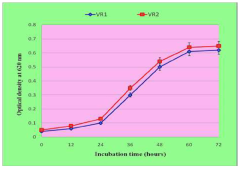
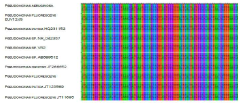
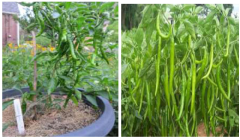
- A biofertilizer formulation comprising Pseudomonas fluorescens (PGPR) and an organic matter solution characterized by Cow urine or dried cow dung, Neem leaves extract, Green Chili extract, Garlic extract, Tobacco, Datura stramonium leaves extract, and Calotropis gigantea (Aak) leaves extract, which is applied in both liquid and solid forms to enhance crop yield, soil quality, and microbial activity.
Biofertilizer capsules for integrated nutrient management in crop plants
PatentWO2018234996A1
Innovation
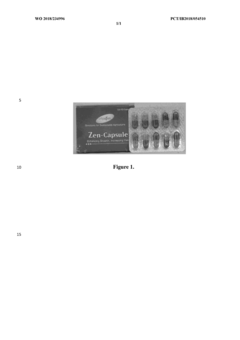
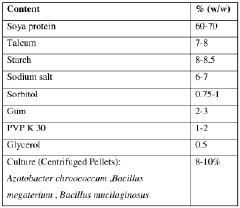
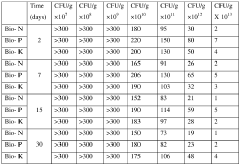
- Development of biofertilizer capsules with a microbial consortium encapsulated in a blister pack using carrier materials like soya protein, talcum, and glycerol, providing a stable and user-friendly delivery system with a shelf life of at least 24 months and high CFU count, ensuring effective nutrient availability and reduced contamination.
Environmental Impact Assessment
The environmental impact assessment of biofertilizers for agroecological development reveals both positive and negative effects on ecosystems and agricultural sustainability. Biofertilizers, composed of living microorganisms, offer a promising alternative to chemical fertilizers, potentially reducing environmental pollution and soil degradation.
One of the primary benefits of biofertilizers is their ability to enhance soil fertility without the harmful side effects associated with synthetic fertilizers. By introducing beneficial microorganisms, biofertilizers improve nutrient cycling and availability, leading to increased soil organic matter and better soil structure. This, in turn, enhances water retention capacity and reduces soil erosion, contributing to overall ecosystem health.
Furthermore, biofertilizers play a crucial role in reducing greenhouse gas emissions from agriculture. Unlike chemical fertilizers, which often result in nitrous oxide emissions, biofertilizers can help mitigate climate change by promoting carbon sequestration in the soil. This dual benefit of improved soil health and reduced carbon footprint aligns well with agroecological principles and sustainable farming practices.
However, the environmental impact of biofertilizers is not entirely positive. The introduction of non-native microorganisms into local ecosystems may potentially disrupt existing microbial communities and ecological balances. This risk necessitates careful screening and testing of biofertilizer strains before widespread application to ensure they do not become invasive or harmful to native species.
Water quality is another important consideration in the environmental assessment of biofertilizers. While they generally pose less risk of nutrient runoff compared to chemical fertilizers, improper application or overuse of biofertilizers can still lead to water pollution. This highlights the need for proper management practices and education for farmers to optimize the use of biofertilizers.
Biodiversity impacts are also a key aspect of the environmental assessment. Biofertilizers have the potential to enhance soil biodiversity by introducing beneficial microorganisms. However, their long-term effects on soil fauna and flora diversity require further study to ensure that the use of biofertilizers does not lead to unintended consequences in the broader ecosystem.
In conclusion, while biofertilizers offer significant environmental benefits in agroecological development, their implementation must be accompanied by comprehensive monitoring and adaptive management strategies. This approach will help maximize the positive impacts while minimizing potential risks to ecosystems and biodiversity.
One of the primary benefits of biofertilizers is their ability to enhance soil fertility without the harmful side effects associated with synthetic fertilizers. By introducing beneficial microorganisms, biofertilizers improve nutrient cycling and availability, leading to increased soil organic matter and better soil structure. This, in turn, enhances water retention capacity and reduces soil erosion, contributing to overall ecosystem health.
Furthermore, biofertilizers play a crucial role in reducing greenhouse gas emissions from agriculture. Unlike chemical fertilizers, which often result in nitrous oxide emissions, biofertilizers can help mitigate climate change by promoting carbon sequestration in the soil. This dual benefit of improved soil health and reduced carbon footprint aligns well with agroecological principles and sustainable farming practices.
However, the environmental impact of biofertilizers is not entirely positive. The introduction of non-native microorganisms into local ecosystems may potentially disrupt existing microbial communities and ecological balances. This risk necessitates careful screening and testing of biofertilizer strains before widespread application to ensure they do not become invasive or harmful to native species.
Water quality is another important consideration in the environmental assessment of biofertilizers. While they generally pose less risk of nutrient runoff compared to chemical fertilizers, improper application or overuse of biofertilizers can still lead to water pollution. This highlights the need for proper management practices and education for farmers to optimize the use of biofertilizers.
Biodiversity impacts are also a key aspect of the environmental assessment. Biofertilizers have the potential to enhance soil biodiversity by introducing beneficial microorganisms. However, their long-term effects on soil fauna and flora diversity require further study to ensure that the use of biofertilizers does not lead to unintended consequences in the broader ecosystem.
In conclusion, while biofertilizers offer significant environmental benefits in agroecological development, their implementation must be accompanied by comprehensive monitoring and adaptive management strategies. This approach will help maximize the positive impacts while minimizing potential risks to ecosystems and biodiversity.
Regulatory Framework for Biofertilizers
The regulatory framework for biofertilizers plays a crucial role in ensuring the safety, efficacy, and sustainable use of these products in agroecological development. As the demand for environmentally friendly agricultural practices grows, governments and international organizations have been developing and refining regulations to govern the production, distribution, and application of biofertilizers.
At the national level, many countries have established specific guidelines and standards for biofertilizer registration and quality control. These regulations typically cover aspects such as product composition, microbial strain identification, minimum viable cell count, shelf life, and labeling requirements. For instance, India has implemented the Fertilizer Control Order (FCO), which provides a comprehensive framework for biofertilizer regulation, including quality standards and testing protocols.
In the European Union, biofertilizers fall under the broader category of plant biostimulants, which are regulated by the EU Fertilizing Products Regulation (EU) 2019/1009. This regulation sets out harmonized rules for the marketing of EU fertilizing products, including biofertilizers, and establishes criteria for product safety and efficacy.
Internationally, organizations such as the Food and Agriculture Organization (FAO) and the International Federation of Organic Agriculture Movements (IFOAM) have developed guidelines and standards for organic farming practices, which include provisions for the use of biofertilizers. These guidelines often serve as a reference for countries developing their own regulatory frameworks.
One of the key challenges in regulating biofertilizers is the need to balance innovation and market access with product safety and environmental protection. Regulatory bodies must stay abreast of rapidly evolving technologies in microbial research and biotechnology to ensure that regulations remain relevant and effective.
Another important aspect of the regulatory framework is the establishment of standardized testing methods for biofertilizer efficacy and quality. This includes protocols for assessing microbial viability, contamination levels, and the presence of potential pathogens. Harmonization of these testing methods across different regions can facilitate international trade and ensure consistent product quality.
The regulatory landscape for biofertilizers also addresses environmental and biosafety concerns. This includes assessing the potential impacts of introduced microbial strains on native soil ecosystems and establishing guidelines for the safe handling and application of biofertilizer products.
As the field of biofertilizers continues to evolve, regulatory frameworks must adapt to accommodate new product types and application methods. This may include provisions for novel delivery systems, such as nanotechnology-based formulations, or regulations governing the use of genetically modified microorganisms in biofertilizer production.
At the national level, many countries have established specific guidelines and standards for biofertilizer registration and quality control. These regulations typically cover aspects such as product composition, microbial strain identification, minimum viable cell count, shelf life, and labeling requirements. For instance, India has implemented the Fertilizer Control Order (FCO), which provides a comprehensive framework for biofertilizer regulation, including quality standards and testing protocols.
In the European Union, biofertilizers fall under the broader category of plant biostimulants, which are regulated by the EU Fertilizing Products Regulation (EU) 2019/1009. This regulation sets out harmonized rules for the marketing of EU fertilizing products, including biofertilizers, and establishes criteria for product safety and efficacy.
Internationally, organizations such as the Food and Agriculture Organization (FAO) and the International Federation of Organic Agriculture Movements (IFOAM) have developed guidelines and standards for organic farming practices, which include provisions for the use of biofertilizers. These guidelines often serve as a reference for countries developing their own regulatory frameworks.
One of the key challenges in regulating biofertilizers is the need to balance innovation and market access with product safety and environmental protection. Regulatory bodies must stay abreast of rapidly evolving technologies in microbial research and biotechnology to ensure that regulations remain relevant and effective.
Another important aspect of the regulatory framework is the establishment of standardized testing methods for biofertilizer efficacy and quality. This includes protocols for assessing microbial viability, contamination levels, and the presence of potential pathogens. Harmonization of these testing methods across different regions can facilitate international trade and ensure consistent product quality.
The regulatory landscape for biofertilizers also addresses environmental and biosafety concerns. This includes assessing the potential impacts of introduced microbial strains on native soil ecosystems and establishing guidelines for the safe handling and application of biofertilizer products.
As the field of biofertilizers continues to evolve, regulatory frameworks must adapt to accommodate new product types and application methods. This may include provisions for novel delivery systems, such as nanotechnology-based formulations, or regulations governing the use of genetically modified microorganisms in biofertilizer production.
Unlock deeper insights with PatSnap Eureka Quick Research — get a full tech report to explore trends and direct your research. Try now!
Generate Your Research Report Instantly with AI Agent
Supercharge your innovation with PatSnap Eureka AI Agent Platform!