

Dielectric Breakdown vs Breakdown Energy
MAR 26, 20269 MIN READ
Generate Your Research Report Instantly with AI Agent
PatSnap Eureka helps you evaluate technical feasibility & market potential.
Dielectric Breakdown Technology Background and Objectives
Dielectric breakdown represents a fundamental physical phenomenon where an insulating material loses its electrical insulation properties when subjected to sufficiently high electric fields. This critical transition from insulator to conductor occurs when the applied electric field exceeds the material's dielectric strength, resulting in the formation of conductive channels and potential permanent damage to the material structure.
The historical development of dielectric breakdown research traces back to the early 20th century when scientists first began systematically studying electrical insulation failures in various materials. Initial investigations focused primarily on understanding the basic mechanisms governing breakdown in gases, liquids, and solids. As electrical systems became more sophisticated and operated at higher voltages, the need for comprehensive breakdown characterization intensified significantly.
The relationship between dielectric breakdown and breakdown energy has emerged as a particularly crucial area of investigation over the past several decades. Traditional approaches primarily emphasized determining breakdown voltage thresholds, but modern research increasingly recognizes that energy considerations provide deeper insights into material behavior and failure mechanisms. This shift reflects growing understanding that breakdown processes involve complex energy transfer mechanisms that cannot be fully captured through voltage measurements alone.
Contemporary technological demands have further elevated the importance of breakdown energy research. Advanced applications in power electronics, energy storage systems, and high-voltage equipment require materials capable of withstanding not only high electric fields but also specific energy dissipation conditions. The miniaturization of electronic components has created scenarios where local energy density becomes the limiting factor rather than absolute voltage levels.
The primary objective of current dielectric breakdown versus breakdown energy research centers on establishing comprehensive relationships between material properties, applied stress conditions, and energy dissipation mechanisms. This includes developing predictive models that can accurately forecast material performance under various operational scenarios, particularly those involving pulsed or transient conditions where energy considerations become paramount.
Research efforts aim to advance fundamental understanding of energy-dependent breakdown mechanisms across different material classes, including polymers, ceramics, and composite systems. Additionally, there is significant focus on developing standardized testing methodologies that can reliably characterize both breakdown voltage and energy parameters, enabling more accurate material selection and system design optimization for next-generation electrical applications.
The historical development of dielectric breakdown research traces back to the early 20th century when scientists first began systematically studying electrical insulation failures in various materials. Initial investigations focused primarily on understanding the basic mechanisms governing breakdown in gases, liquids, and solids. As electrical systems became more sophisticated and operated at higher voltages, the need for comprehensive breakdown characterization intensified significantly.
The relationship between dielectric breakdown and breakdown energy has emerged as a particularly crucial area of investigation over the past several decades. Traditional approaches primarily emphasized determining breakdown voltage thresholds, but modern research increasingly recognizes that energy considerations provide deeper insights into material behavior and failure mechanisms. This shift reflects growing understanding that breakdown processes involve complex energy transfer mechanisms that cannot be fully captured through voltage measurements alone.
Contemporary technological demands have further elevated the importance of breakdown energy research. Advanced applications in power electronics, energy storage systems, and high-voltage equipment require materials capable of withstanding not only high electric fields but also specific energy dissipation conditions. The miniaturization of electronic components has created scenarios where local energy density becomes the limiting factor rather than absolute voltage levels.
The primary objective of current dielectric breakdown versus breakdown energy research centers on establishing comprehensive relationships between material properties, applied stress conditions, and energy dissipation mechanisms. This includes developing predictive models that can accurately forecast material performance under various operational scenarios, particularly those involving pulsed or transient conditions where energy considerations become paramount.
Research efforts aim to advance fundamental understanding of energy-dependent breakdown mechanisms across different material classes, including polymers, ceramics, and composite systems. Additionally, there is significant focus on developing standardized testing methodologies that can reliably characterize both breakdown voltage and energy parameters, enabling more accurate material selection and system design optimization for next-generation electrical applications.
Market Demand for High-Voltage Insulation Applications
The global high-voltage insulation market demonstrates robust growth driven by expanding electrical infrastructure and increasing power transmission demands. Power grid modernization initiatives worldwide necessitate advanced insulation materials capable of withstanding extreme electrical stress conditions. The transition toward renewable energy sources, particularly offshore wind farms and solar installations, creates substantial demand for high-performance insulation systems that can operate reliably under varying environmental conditions.
Electric vehicle adoption accelerates market expansion, particularly in high-voltage battery systems and charging infrastructure. Automotive manufacturers require insulation materials with superior dielectric properties to ensure safety and performance in electric powertrains operating at voltages exceeding 400V. The aerospace sector contributes significantly to market demand, where weight-sensitive applications require insulation materials with exceptional breakdown strength-to-weight ratios for aircraft electrical systems and satellite components.
Industrial applications spanning mining, oil and gas, and manufacturing sectors drive consistent demand for high-voltage insulation solutions. These industries require robust insulation systems capable of withstanding harsh operating environments while maintaining electrical integrity. The growing emphasis on energy efficiency and power quality management further amplifies the need for advanced insulation technologies that minimize energy losses and enhance system reliability.
Emerging technologies including electric aircraft, high-speed rail systems, and industrial automation create new market segments with stringent insulation requirements. These applications demand materials with precisely controlled dielectric properties and predictable breakdown characteristics. The miniaturization trend in electronic devices simultaneously increases the importance of understanding dielectric breakdown mechanisms to optimize insulation design within constrained spaces.
Regional market dynamics vary significantly, with Asia-Pacific leading consumption due to rapid industrialization and infrastructure development. North American and European markets focus on replacement and upgrade applications, emphasizing performance enhancement and environmental compliance. The market increasingly values insulation solutions that offer predictable breakdown behavior and optimized energy absorption characteristics, directly correlating with research into dielectric breakdown versus breakdown energy relationships.
Electric vehicle adoption accelerates market expansion, particularly in high-voltage battery systems and charging infrastructure. Automotive manufacturers require insulation materials with superior dielectric properties to ensure safety and performance in electric powertrains operating at voltages exceeding 400V. The aerospace sector contributes significantly to market demand, where weight-sensitive applications require insulation materials with exceptional breakdown strength-to-weight ratios for aircraft electrical systems and satellite components.
Industrial applications spanning mining, oil and gas, and manufacturing sectors drive consistent demand for high-voltage insulation solutions. These industries require robust insulation systems capable of withstanding harsh operating environments while maintaining electrical integrity. The growing emphasis on energy efficiency and power quality management further amplifies the need for advanced insulation technologies that minimize energy losses and enhance system reliability.
Emerging technologies including electric aircraft, high-speed rail systems, and industrial automation create new market segments with stringent insulation requirements. These applications demand materials with precisely controlled dielectric properties and predictable breakdown characteristics. The miniaturization trend in electronic devices simultaneously increases the importance of understanding dielectric breakdown mechanisms to optimize insulation design within constrained spaces.
Regional market dynamics vary significantly, with Asia-Pacific leading consumption due to rapid industrialization and infrastructure development. North American and European markets focus on replacement and upgrade applications, emphasizing performance enhancement and environmental compliance. The market increasingly values insulation solutions that offer predictable breakdown behavior and optimized energy absorption characteristics, directly correlating with research into dielectric breakdown versus breakdown energy relationships.
Current State of Dielectric Breakdown Energy Research
The current state of dielectric breakdown energy research represents a rapidly evolving field driven by the increasing demand for high-performance electrical insulation systems across multiple industries. Contemporary research efforts are primarily concentrated in advanced materials laboratories, semiconductor manufacturing facilities, and power systems research institutes worldwide, with significant contributions from both academic institutions and industrial R&D centers.
Modern dielectric breakdown energy studies encompass a broad spectrum of materials, ranging from traditional polymer-based insulators to cutting-edge nanocomposite systems. Silicon dioxide remains a cornerstone material in semiconductor applications, while high-k dielectrics such as hafnium oxide and aluminum oxide are gaining prominence in next-generation electronic devices. Simultaneously, research into organic dielectrics, including polyimides and fluoropolymers, continues to advance for flexible electronics and energy storage applications.
The field currently faces several critical technical challenges that limit the practical implementation of theoretical breakthroughs. Temperature-dependent breakdown mechanisms remain poorly understood, particularly in the intermediate temperature range where multiple failure modes compete. The statistical nature of breakdown events creates significant difficulties in establishing reliable predictive models, as breakdown energy distributions often exhibit complex dependencies on material microstructure and processing conditions.
Scale effects present another fundamental challenge, as breakdown energy characteristics observed in laboratory-scale samples frequently fail to translate to larger commercial devices. This scaling issue is particularly pronounced in thin-film applications where defect density and interface quality become dominant factors. Additionally, the interaction between mechanical stress and electrical breakdown energy remains an active area of investigation, especially for applications involving thermal cycling or mechanical deformation.
Current research methodologies heavily rely on accelerated testing protocols and statistical analysis frameworks to characterize breakdown energy distributions. Time-dependent dielectric breakdown testing has become standardized across the industry, though interpretation of results remains challenging due to the complex interplay between intrinsic and extrinsic failure mechanisms. Advanced characterization techniques, including scanning probe microscopy and spectroscopic methods, are increasingly employed to correlate local material properties with macroscopic breakdown behavior.
The integration of computational modeling with experimental validation represents a growing trend in contemporary research. Molecular dynamics simulations and finite element analysis are being utilized to predict breakdown energy thresholds and understand failure initiation mechanisms at the atomic scale. However, significant gaps remain between theoretical predictions and experimental observations, particularly for complex multi-layered dielectric systems.
Emerging applications in electric vehicles, renewable energy systems, and high-frequency electronics are driving new research priorities focused on breakdown energy optimization under extreme operating conditions. These applications demand dielectric materials capable of withstanding high electric fields while maintaining stable performance across wide temperature ranges and extended operational lifetimes.
Modern dielectric breakdown energy studies encompass a broad spectrum of materials, ranging from traditional polymer-based insulators to cutting-edge nanocomposite systems. Silicon dioxide remains a cornerstone material in semiconductor applications, while high-k dielectrics such as hafnium oxide and aluminum oxide are gaining prominence in next-generation electronic devices. Simultaneously, research into organic dielectrics, including polyimides and fluoropolymers, continues to advance for flexible electronics and energy storage applications.
The field currently faces several critical technical challenges that limit the practical implementation of theoretical breakthroughs. Temperature-dependent breakdown mechanisms remain poorly understood, particularly in the intermediate temperature range where multiple failure modes compete. The statistical nature of breakdown events creates significant difficulties in establishing reliable predictive models, as breakdown energy distributions often exhibit complex dependencies on material microstructure and processing conditions.
Scale effects present another fundamental challenge, as breakdown energy characteristics observed in laboratory-scale samples frequently fail to translate to larger commercial devices. This scaling issue is particularly pronounced in thin-film applications where defect density and interface quality become dominant factors. Additionally, the interaction between mechanical stress and electrical breakdown energy remains an active area of investigation, especially for applications involving thermal cycling or mechanical deformation.
Current research methodologies heavily rely on accelerated testing protocols and statistical analysis frameworks to characterize breakdown energy distributions. Time-dependent dielectric breakdown testing has become standardized across the industry, though interpretation of results remains challenging due to the complex interplay between intrinsic and extrinsic failure mechanisms. Advanced characterization techniques, including scanning probe microscopy and spectroscopic methods, are increasingly employed to correlate local material properties with macroscopic breakdown behavior.
The integration of computational modeling with experimental validation represents a growing trend in contemporary research. Molecular dynamics simulations and finite element analysis are being utilized to predict breakdown energy thresholds and understand failure initiation mechanisms at the atomic scale. However, significant gaps remain between theoretical predictions and experimental observations, particularly for complex multi-layered dielectric systems.
Emerging applications in electric vehicles, renewable energy systems, and high-frequency electronics are driving new research priorities focused on breakdown energy optimization under extreme operating conditions. These applications demand dielectric materials capable of withstanding high electric fields while maintaining stable performance across wide temperature ranges and extended operational lifetimes.
Existing Breakdown Energy Measurement Solutions
01 High dielectric constant materials for energy storage
Development of dielectric materials with high dielectric constants to improve energy storage density and breakdown strength. These materials are designed to withstand high electric fields while maintaining stable dielectric properties. Advanced ceramic composites and polymer-based dielectrics are formulated to achieve superior energy storage capabilities with enhanced breakdown resistance.- High dielectric constant materials for energy storage: Development of dielectric materials with high dielectric constants to improve energy storage density and breakdown strength. These materials are designed to withstand high electric fields while maintaining stable dielectric properties. Advanced ceramic composites and polymer-based materials are engineered to achieve superior energy storage capabilities through optimized microstructures and composition control.
- Dielectric breakdown mechanisms and prevention: Investigation of breakdown mechanisms in dielectric materials including thermal, electrical, and mechanical breakdown pathways. Methods to prevent or delay breakdown include material purification, defect control, and interface engineering. Understanding breakdown initiation and propagation helps in designing more reliable dielectric systems with extended operational lifetimes.
- Multilayer and composite dielectric structures: Design and fabrication of multilayer dielectric structures and composite materials to enhance breakdown voltage and energy density. These structures utilize different materials with complementary properties to create synergistic effects. Layer thickness optimization and interface control are critical factors in achieving improved dielectric performance and reliability.
- Dielectric materials for high temperature applications: Development of thermally stable dielectric materials capable of operating at elevated temperatures while maintaining high breakdown strength. These materials incorporate heat-resistant polymers, ceramics, or hybrid systems designed to withstand thermal stress. Special attention is given to thermal expansion matching and degradation resistance to ensure long-term reliability.
- Measurement and characterization of breakdown energy: Methods and systems for measuring dielectric breakdown voltage, breakdown energy, and related electrical properties. Advanced testing techniques include pulsed power testing, partial discharge analysis, and accelerated aging studies. Characterization approaches help establish relationships between material composition, processing conditions, and breakdown performance.
02 Multilayer dielectric structures for breakdown prevention
Implementation of multilayer dielectric configurations to distribute electric field stress and prevent localized breakdown. These structures utilize alternating layers of different dielectric materials with varying permittivity to create graded electric field distributions. The multilayer approach effectively increases the overall breakdown voltage and energy density of the dielectric system.Expand Specific Solutions03 Nanocomposite dielectrics with improved breakdown strength
Incorporation of nanofillers into polymer matrices to enhance dielectric breakdown strength and energy storage performance. Nanoparticles such as ceramic oxides or carbon-based materials are dispersed within the dielectric to modify the electric field distribution and trap charge carriers. This nanocomposite approach results in materials with significantly higher breakdown fields and reduced energy losses.Expand Specific Solutions04 Self-healing dielectric materials
Development of dielectric materials with self-healing capabilities to recover from partial breakdown events and extend operational lifetime. These materials contain embedded healing agents or utilize reversible chemical bonds that can repair breakdown-induced damage. The self-healing mechanism prevents catastrophic failure and maintains dielectric performance over extended use cycles.Expand Specific Solutions05 Testing and characterization methods for dielectric breakdown
Advanced measurement techniques and testing protocols for evaluating dielectric breakdown voltage and energy storage characteristics. These methods include high-voltage testing under various environmental conditions, accelerated aging tests, and real-time monitoring of breakdown phenomena. Standardized procedures ensure accurate assessment of dielectric material performance and reliability for specific applications.Expand Specific Solutions
Key Players in Dielectric and Insulation Industry
The dielectric breakdown versus breakdown energy research field represents a mature yet evolving technological landscape driven by increasing demands for high-performance electronic devices and energy storage systems. The market demonstrates substantial growth potential, particularly in semiconductor manufacturing, power electronics, and energy storage applications. Technology maturity varies significantly across different application domains, with established players like Samsung Electronics, Texas Instruments, and GLOBALFOUNDRIES leading semiconductor-focused research, while companies such as Capacitor Sciences pioneer advanced energy storage solutions. Research institutions including Penn State Research Foundation, Beihang University, and various Chinese academies contribute fundamental knowledge, indicating strong academic-industry collaboration. The competitive landscape spans from traditional semiconductor manufacturers (Mitsubishi Electric, NXP Semiconductors) to specialized energy companies (Guangdong Power Grid, China Southern Power Grid Research Institute), reflecting the technology's broad applicability across multiple industries and its critical importance in next-generation electronic systems development.
GLOBALFOUNDRIES, Inc.
Technical Solution: GLOBALFOUNDRIES has developed specialized dielectric breakdown characterization techniques for advanced semiconductor manufacturing processes. Their research focuses on ultra-thin gate dielectrics and inter-layer dielectric materials, investigating breakdown mechanisms at the atomic scale. The company employs sophisticated statistical analysis methods to correlate breakdown field strength with energy dissipation, typically measuring breakdown energies in the range of 10⁻¹² to 10⁻⁹ Joules for nanoscale devices. Their methodology includes real-time monitoring of leakage current evolution and post-breakdown analysis using advanced microscopy techniques.
Strengths: Advanced semiconductor fabrication capabilities, cutting-edge analytical equipment, expertise in nanoscale phenomena. Weaknesses: Limited scope beyond semiconductor applications, proprietary nature of research limits academic collaboration.
Samsung Electronics Co., Ltd.
Technical Solution: Samsung has developed advanced dielectric breakdown analysis techniques for semiconductor devices, focusing on gate oxide reliability and time-dependent dielectric breakdown (TDDB) mechanisms. Their research encompasses high-k dielectric materials with breakdown field strengths exceeding 10 MV/cm, implementing statistical modeling approaches to predict breakdown energy distributions in nanoscale devices. The company utilizes accelerated stress testing methodologies combined with Weibull statistical analysis to characterize breakdown phenomena, enabling optimization of device reliability and performance in advanced CMOS technologies.
Strengths: Leading semiconductor manufacturing expertise, extensive R&D resources, advanced characterization capabilities. Weaknesses: Focus primarily on silicon-based technologies, limited public disclosure of proprietary methodologies.
Core Innovations in Breakdown Energy Analysis
Self healing high energy class capacitors
PatentWO2011044551A2
Innovation
- A self-healing high energy glass capacitor design featuring a glass layer with sacrificial layers made from organic or inorganic compounds, which participate in selective ablation or redox reactions to promote self-healing, and an interfacial bond layer to enhance the bonding between the glass and sacrificial layers, allowing for graceful failure and efficient energy dissipation.

Manufacturing and Use of Microperforated Substrates
PatentActiveUS20080047935A1
Innovation
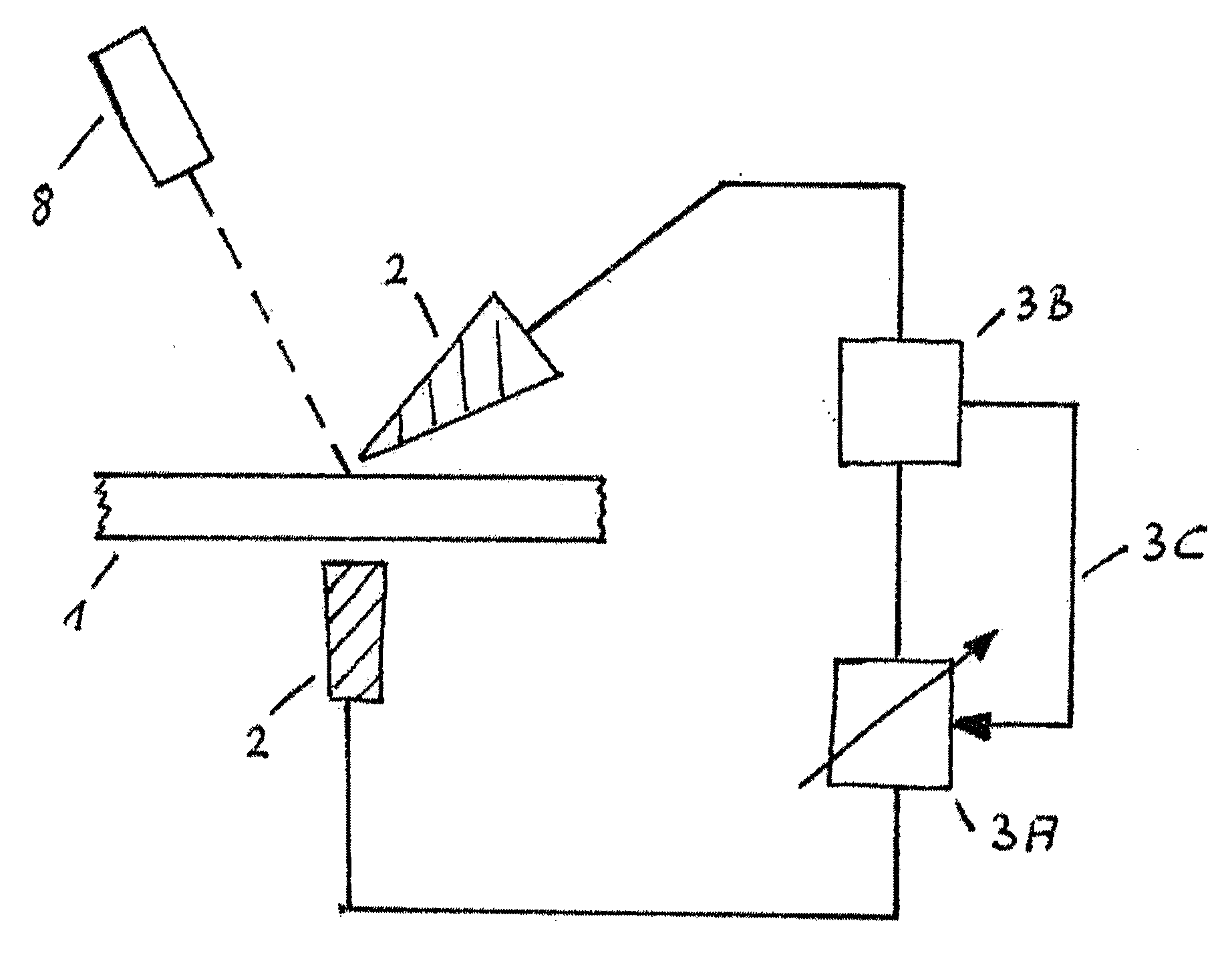
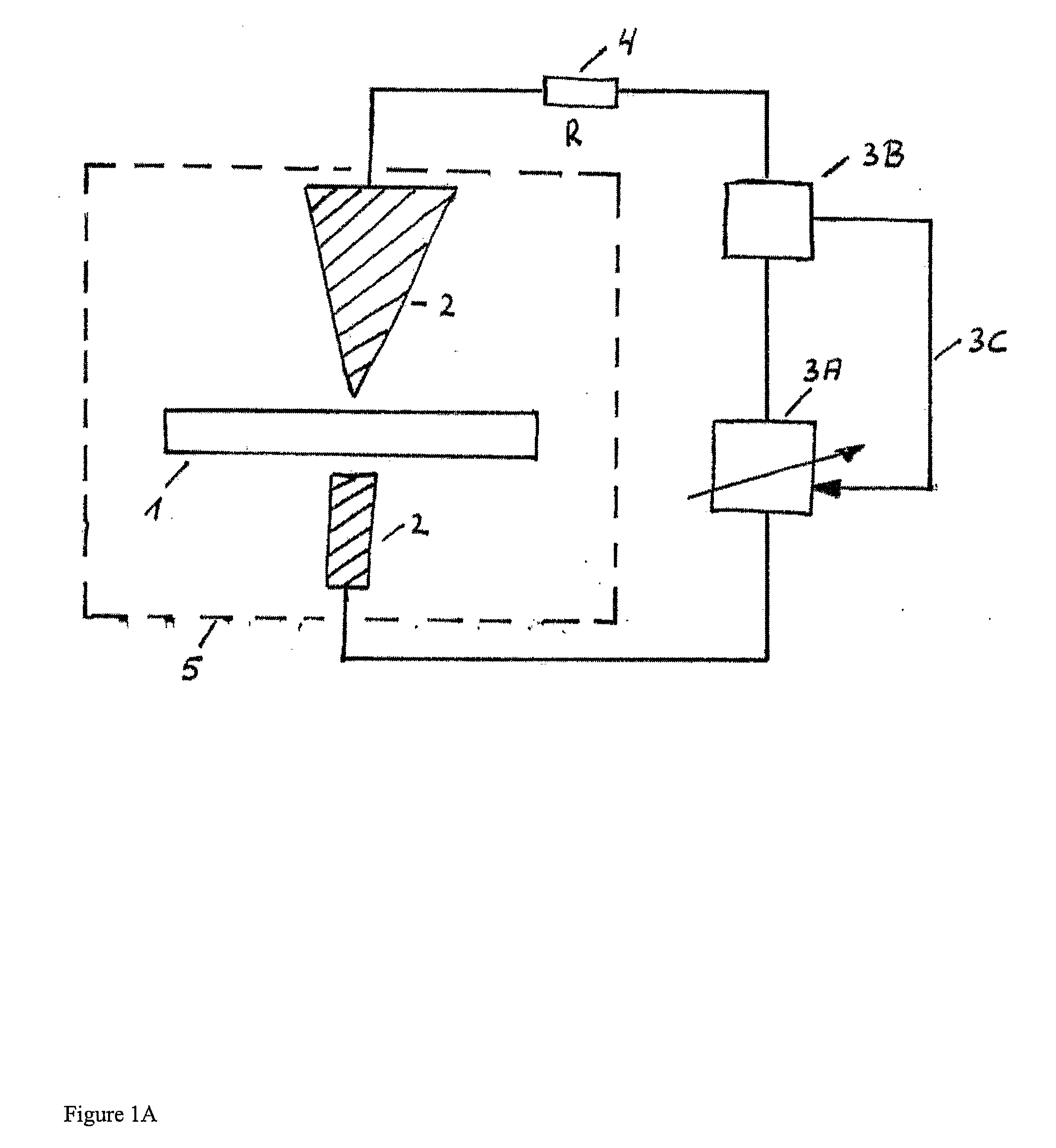
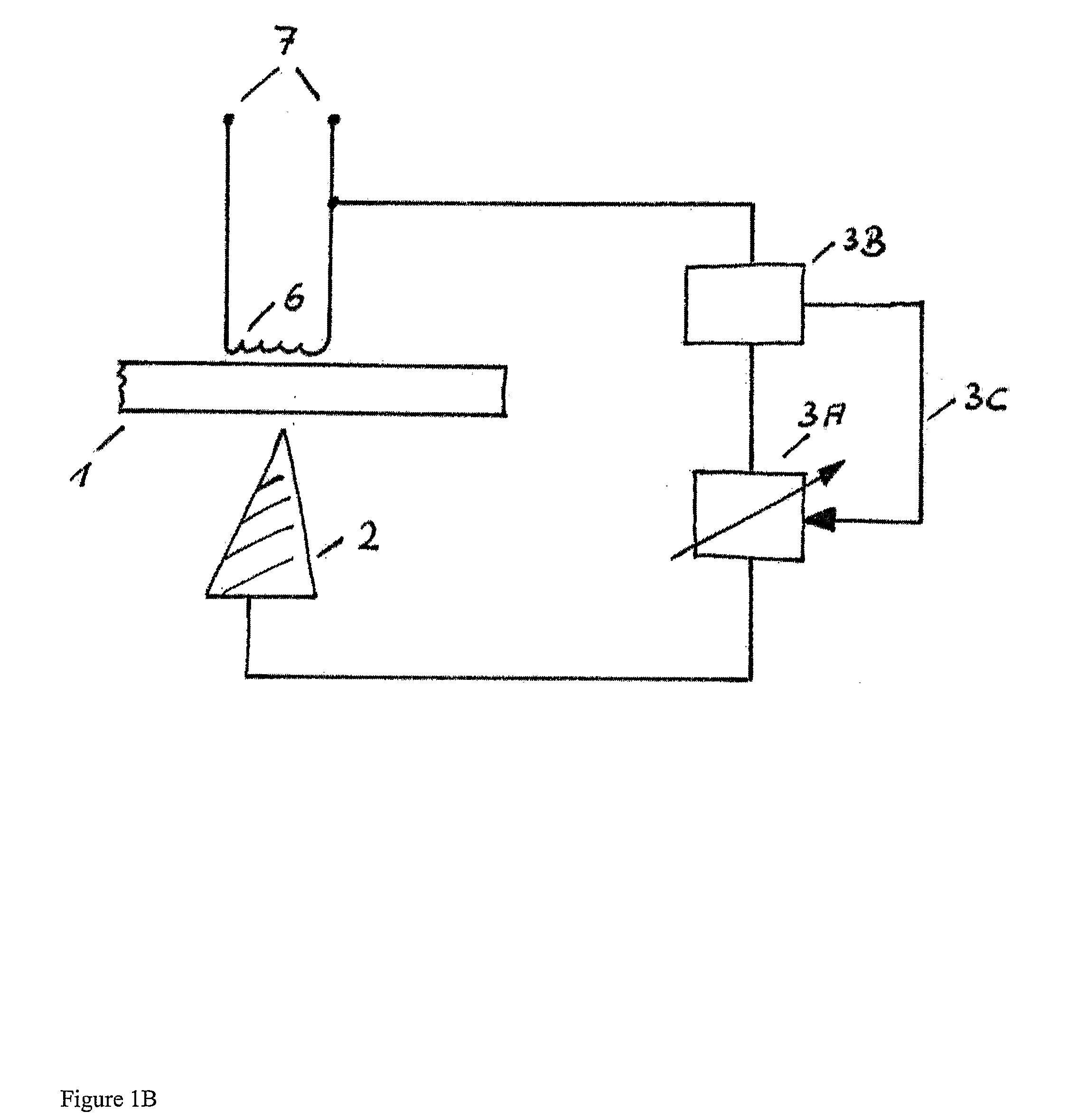
- A method involving controlled dielectric breakdown (CDEB) using a voltage supply and electronic feedback mechanisms to create precise holes in electrically insulating substrates, allowing for reproducible and cost-effective production of substrates with controlled hole diameters and aspect ratios.

Safety Standards for High-Voltage Equipment
The safety standards for high-voltage equipment operating under dielectric breakdown conditions represent a critical framework governing the design, testing, and operational parameters of electrical systems. These standards establish mandatory requirements for equipment manufacturers and operators to ensure personnel safety and system reliability when dealing with high electric field strengths that approach or exceed dielectric breakdown thresholds.
International standards such as IEC 60060 series define standardized test procedures for high-voltage testing, including lightning impulse and switching impulse tests that simulate breakdown scenarios. These protocols specify precise voltage waveforms, test sequences, and acceptance criteria for evaluating equipment performance under extreme electrical stress conditions. The standards mandate specific safety distances, insulation coordination principles, and protective measures to prevent catastrophic failures during breakdown events.
IEEE standards, particularly IEEE C37 series for switchgear and IEEE C57 series for transformers, establish comprehensive safety requirements for high-voltage apparatus. These standards define minimum dielectric withstand levels, partial discharge limits, and routine testing procedures that equipment must satisfy throughout its operational lifetime. The standards also specify emergency response protocols and fail-safe mechanisms that activate when breakdown energy exceeds predetermined thresholds.
National regulatory frameworks, including NEMA standards in North America and EN standards in Europe, complement international guidelines by addressing region-specific safety concerns and environmental conditions. These standards incorporate local electrical codes, environmental factors, and operational practices that influence breakdown behavior and energy dissipation patterns in high-voltage systems.
The standards emphasize risk assessment methodologies that correlate breakdown probability with potential energy release, establishing safety margins based on statistical analysis of failure modes. They mandate regular condition monitoring, predictive maintenance schedules, and documentation requirements to track equipment degradation and prevent unexpected breakdown events that could compromise system safety and operational continuity.
International standards such as IEC 60060 series define standardized test procedures for high-voltage testing, including lightning impulse and switching impulse tests that simulate breakdown scenarios. These protocols specify precise voltage waveforms, test sequences, and acceptance criteria for evaluating equipment performance under extreme electrical stress conditions. The standards mandate specific safety distances, insulation coordination principles, and protective measures to prevent catastrophic failures during breakdown events.
IEEE standards, particularly IEEE C37 series for switchgear and IEEE C57 series for transformers, establish comprehensive safety requirements for high-voltage apparatus. These standards define minimum dielectric withstand levels, partial discharge limits, and routine testing procedures that equipment must satisfy throughout its operational lifetime. The standards also specify emergency response protocols and fail-safe mechanisms that activate when breakdown energy exceeds predetermined thresholds.
National regulatory frameworks, including NEMA standards in North America and EN standards in Europe, complement international guidelines by addressing region-specific safety concerns and environmental conditions. These standards incorporate local electrical codes, environmental factors, and operational practices that influence breakdown behavior and energy dissipation patterns in high-voltage systems.
The standards emphasize risk assessment methodologies that correlate breakdown probability with potential energy release, establishing safety margins based on statistical analysis of failure modes. They mandate regular condition monitoring, predictive maintenance schedules, and documentation requirements to track equipment degradation and prevent unexpected breakdown events that could compromise system safety and operational continuity.
Environmental Impact of Dielectric Materials
The environmental implications of dielectric materials have become increasingly critical as electronic devices proliferate globally and sustainability concerns intensify. Traditional dielectric materials, particularly those containing halogenated compounds and heavy metals, pose significant environmental challenges throughout their lifecycle from manufacturing to disposal.
Manufacturing processes for conventional dielectric materials often involve energy-intensive procedures and generate hazardous byproducts. Fluorinated polymers, widely used for their excellent dielectric properties, contribute to persistent organic pollutant accumulation in ecosystems. Similarly, ceramic dielectrics containing lead-based compounds present substantial environmental risks during production and end-of-life management.
The disposal and recycling of electronic components containing dielectric materials represent major environmental concerns. Many dielectric materials are non-biodegradable and can leach toxic substances into soil and groundwater systems. Current recycling technologies struggle to efficiently separate and process these materials, leading to significant electronic waste accumulation in landfills.
Emerging research focuses on developing environmentally sustainable dielectric alternatives without compromising electrical performance. Bio-based polymers derived from renewable sources show promising dielectric properties while offering improved biodegradability. Cellulose-based dielectrics and natural fiber composites demonstrate competitive breakdown characteristics with reduced environmental footprint.
Green manufacturing approaches are being implemented to minimize environmental impact during dielectric material production. Solvent-free processing techniques, reduced temperature synthesis methods, and closed-loop manufacturing systems significantly decrease energy consumption and waste generation. These approaches maintain material quality while addressing environmental sustainability requirements.
Regulatory frameworks increasingly emphasize environmental compliance in dielectric material selection. The Restriction of Hazardous Substances directive and similar international standards drive industry adoption of environmentally friendly alternatives. Life cycle assessment methodologies now play crucial roles in evaluating the total environmental impact of dielectric materials from raw material extraction through disposal.
Future developments in environmentally conscious dielectric materials focus on circular economy principles, emphasizing recyclability, renewable sourcing, and minimal ecological impact while maintaining superior electrical performance characteristics essential for advanced electronic applications.
Manufacturing processes for conventional dielectric materials often involve energy-intensive procedures and generate hazardous byproducts. Fluorinated polymers, widely used for their excellent dielectric properties, contribute to persistent organic pollutant accumulation in ecosystems. Similarly, ceramic dielectrics containing lead-based compounds present substantial environmental risks during production and end-of-life management.
The disposal and recycling of electronic components containing dielectric materials represent major environmental concerns. Many dielectric materials are non-biodegradable and can leach toxic substances into soil and groundwater systems. Current recycling technologies struggle to efficiently separate and process these materials, leading to significant electronic waste accumulation in landfills.
Emerging research focuses on developing environmentally sustainable dielectric alternatives without compromising electrical performance. Bio-based polymers derived from renewable sources show promising dielectric properties while offering improved biodegradability. Cellulose-based dielectrics and natural fiber composites demonstrate competitive breakdown characteristics with reduced environmental footprint.
Green manufacturing approaches are being implemented to minimize environmental impact during dielectric material production. Solvent-free processing techniques, reduced temperature synthesis methods, and closed-loop manufacturing systems significantly decrease energy consumption and waste generation. These approaches maintain material quality while addressing environmental sustainability requirements.
Regulatory frameworks increasingly emphasize environmental compliance in dielectric material selection. The Restriction of Hazardous Substances directive and similar international standards drive industry adoption of environmentally friendly alternatives. Life cycle assessment methodologies now play crucial roles in evaluating the total environmental impact of dielectric materials from raw material extraction through disposal.
Future developments in environmentally conscious dielectric materials focus on circular economy principles, emphasizing recyclability, renewable sourcing, and minimal ecological impact while maintaining superior electrical performance characteristics essential for advanced electronic applications.
Unlock deeper insights with PatSnap Eureka Quick Research — get a full tech report to explore trends and direct your research. Try now!
Generate Your Research Report Instantly with AI Agent
Supercharge your innovation with PatSnap Eureka AI Agent Platform!