Ethyl Propanoate in Aromatic Compound Development for Cosmetics
JUL 22, 20259 MIN READ
Generate Your Research Report Instantly with AI Agent
Patsnap Eureka helps you evaluate technical feasibility & market potential.
Ethyl Propanoate Background and Objectives
Ethyl propanoate, also known as ethyl propionate, is a naturally occurring ester with a fruity odor reminiscent of pineapple. This compound has gained significant attention in the cosmetics industry due to its pleasant aroma and potential applications in fragrance development. The evolution of ethyl propanoate as an aromatic compound can be traced back to the early 20th century when synthetic organic chemistry began to flourish.
Initially, ethyl propanoate was primarily used in the food industry as a flavoring agent. However, its potential in the cosmetics sector was recognized in the mid-20th century as the demand for diverse and sophisticated fragrances grew. The compound's molecular structure, consisting of an ethyl group and a propanoate group, contributes to its unique olfactory properties and stability, making it an attractive option for cosmetic formulations.
The development of ethyl propanoate in aromatic compounds for cosmetics has been driven by several factors. Firstly, the increasing consumer preference for natural and nature-identical fragrances has led to a surge in research on compounds like ethyl propanoate, which can be derived from both natural and synthetic sources. Secondly, the growing awareness of potential allergens and irritants in traditional fragrances has prompted the exploration of alternative aromatic compounds with improved safety profiles.
The technical objectives of researching ethyl propanoate in aromatic compound development for cosmetics are multifaceted. One primary goal is to optimize the synthesis and production methods of ethyl propanoate to ensure cost-effectiveness and scalability for industrial applications. This involves exploring various catalytic processes and reaction conditions to improve yield and purity while minimizing environmental impact.
Another crucial objective is to investigate the stability and compatibility of ethyl propanoate in different cosmetic formulations. This includes studying its behavior in various pH ranges, temperature conditions, and in the presence of other common cosmetic ingredients. Understanding these interactions is essential for developing long-lasting and effective fragrance compositions.
Furthermore, research aims to explore the potential of ethyl propanoate as a building block for novel fragrance molecules. By modifying its structure or combining it with other compounds, researchers seek to create unique olfactory profiles that can expand the palette of aromatic options available to perfumers and cosmetic formulators.
Lastly, the research on ethyl propanoate also focuses on its sensory properties and consumer perception. This involves conducting extensive olfactory evaluations and consumer studies to understand how different concentrations and combinations of ethyl propanoate affect fragrance perception and acceptance in various cosmetic products.
Initially, ethyl propanoate was primarily used in the food industry as a flavoring agent. However, its potential in the cosmetics sector was recognized in the mid-20th century as the demand for diverse and sophisticated fragrances grew. The compound's molecular structure, consisting of an ethyl group and a propanoate group, contributes to its unique olfactory properties and stability, making it an attractive option for cosmetic formulations.
The development of ethyl propanoate in aromatic compounds for cosmetics has been driven by several factors. Firstly, the increasing consumer preference for natural and nature-identical fragrances has led to a surge in research on compounds like ethyl propanoate, which can be derived from both natural and synthetic sources. Secondly, the growing awareness of potential allergens and irritants in traditional fragrances has prompted the exploration of alternative aromatic compounds with improved safety profiles.
The technical objectives of researching ethyl propanoate in aromatic compound development for cosmetics are multifaceted. One primary goal is to optimize the synthesis and production methods of ethyl propanoate to ensure cost-effectiveness and scalability for industrial applications. This involves exploring various catalytic processes and reaction conditions to improve yield and purity while minimizing environmental impact.
Another crucial objective is to investigate the stability and compatibility of ethyl propanoate in different cosmetic formulations. This includes studying its behavior in various pH ranges, temperature conditions, and in the presence of other common cosmetic ingredients. Understanding these interactions is essential for developing long-lasting and effective fragrance compositions.
Furthermore, research aims to explore the potential of ethyl propanoate as a building block for novel fragrance molecules. By modifying its structure or combining it with other compounds, researchers seek to create unique olfactory profiles that can expand the palette of aromatic options available to perfumers and cosmetic formulators.
Lastly, the research on ethyl propanoate also focuses on its sensory properties and consumer perception. This involves conducting extensive olfactory evaluations and consumer studies to understand how different concentrations and combinations of ethyl propanoate affect fragrance perception and acceptance in various cosmetic products.
Market Analysis for Cosmetic Fragrances
The global cosmetic fragrances market has experienced significant growth in recent years, driven by increasing consumer demand for personal care products and the rising popularity of luxury fragrances. The market for aromatic compounds in cosmetics, including ethyl propanoate, is closely tied to this broader trend. As consumers become more discerning about the scents they wear, there is a growing emphasis on unique and sophisticated fragrance profiles.
Ethyl propanoate, with its fruity and sweet aroma reminiscent of pineapples, has gained traction in the cosmetic industry as a versatile aromatic compound. Its potential applications extend beyond traditional perfumes to a wide range of personal care products, including body lotions, shampoos, and even household cleaners. This versatility has contributed to the compound's increasing market demand.
The cosmetic fragrances market is characterized by a high degree of fragmentation, with numerous players competing for market share. Major cosmetic companies and fragrance houses are continuously seeking innovative aromatic compounds to differentiate their products and appeal to evolving consumer preferences. This has led to increased investment in research and development of novel fragrance ingredients, including ethyl propanoate and its derivatives.
Consumer trends play a crucial role in shaping the market for cosmetic fragrances. There is a growing preference for natural and sustainable ingredients, which has prompted manufacturers to explore bio-based production methods for aromatic compounds. Ethyl propanoate, which can be derived from renewable resources, aligns well with this trend and may see increased adoption in eco-friendly cosmetic formulations.
The Asia-Pacific region has emerged as a key growth driver for the cosmetic fragrances market, with rapidly expanding middle-class populations in countries like China and India fueling demand for premium personal care products. This regional shift presents significant opportunities for aromatic compound developers, including those working with ethyl propanoate, to tap into new and expanding markets.
Regulatory factors also influence the market dynamics for cosmetic fragrances. Stringent safety regulations and increasing scrutiny of chemical ingredients in personal care products have led to a focus on compounds with favorable safety profiles. Ethyl propanoate, generally recognized as safe (GRAS) by regulatory bodies, stands to benefit from this regulatory environment, potentially increasing its attractiveness to cosmetic formulators.
The COVID-19 pandemic has had a mixed impact on the cosmetic fragrances market. While sales of certain personal care products declined due to lockdowns and reduced social interactions, there has been a notable increase in demand for home fragrances and self-care products. This shift in consumer behavior may create new opportunities for aromatic compounds like ethyl propanoate in home and personal care applications.
Ethyl propanoate, with its fruity and sweet aroma reminiscent of pineapples, has gained traction in the cosmetic industry as a versatile aromatic compound. Its potential applications extend beyond traditional perfumes to a wide range of personal care products, including body lotions, shampoos, and even household cleaners. This versatility has contributed to the compound's increasing market demand.
The cosmetic fragrances market is characterized by a high degree of fragmentation, with numerous players competing for market share. Major cosmetic companies and fragrance houses are continuously seeking innovative aromatic compounds to differentiate their products and appeal to evolving consumer preferences. This has led to increased investment in research and development of novel fragrance ingredients, including ethyl propanoate and its derivatives.
Consumer trends play a crucial role in shaping the market for cosmetic fragrances. There is a growing preference for natural and sustainable ingredients, which has prompted manufacturers to explore bio-based production methods for aromatic compounds. Ethyl propanoate, which can be derived from renewable resources, aligns well with this trend and may see increased adoption in eco-friendly cosmetic formulations.
The Asia-Pacific region has emerged as a key growth driver for the cosmetic fragrances market, with rapidly expanding middle-class populations in countries like China and India fueling demand for premium personal care products. This regional shift presents significant opportunities for aromatic compound developers, including those working with ethyl propanoate, to tap into new and expanding markets.
Regulatory factors also influence the market dynamics for cosmetic fragrances. Stringent safety regulations and increasing scrutiny of chemical ingredients in personal care products have led to a focus on compounds with favorable safety profiles. Ethyl propanoate, generally recognized as safe (GRAS) by regulatory bodies, stands to benefit from this regulatory environment, potentially increasing its attractiveness to cosmetic formulators.
The COVID-19 pandemic has had a mixed impact on the cosmetic fragrances market. While sales of certain personal care products declined due to lockdowns and reduced social interactions, there has been a notable increase in demand for home fragrances and self-care products. This shift in consumer behavior may create new opportunities for aromatic compounds like ethyl propanoate in home and personal care applications.
Current Challenges in Aromatic Compound Development
The development of aromatic compounds for cosmetics faces several significant challenges, particularly in the context of ethyl propanoate research. One of the primary obstacles is achieving the desired olfactory profile while maintaining stability and safety. Ethyl propanoate, known for its fruity and sweet aroma, must be carefully integrated into complex fragrance formulations without compromising its characteristic scent or causing unwanted chemical reactions with other ingredients.
Another major challenge lies in the regulatory landscape. As consumer safety concerns grow, cosmetic regulations worldwide are becoming increasingly stringent. Developers must navigate a complex web of restrictions on ingredient concentrations, potential allergens, and environmental impact. This is particularly relevant for synthetic compounds like ethyl propanoate, which must undergo rigorous testing to ensure compliance with global standards.
Sustainability presents a significant hurdle in aromatic compound development. The cosmetics industry is under pressure to reduce its environmental footprint, leading to a demand for more sustainable production methods and bio-based alternatives. Researchers are tasked with finding ways to synthesize ethyl propanoate and similar compounds using green chemistry principles, which often requires innovative approaches and substantial investment in new technologies.
Scalability and cost-effectiveness pose additional challenges. While ethyl propanoate may show promise in laboratory settings, translating this success to large-scale production can be problematic. Manufacturers must optimize synthesis processes to ensure consistent quality and yield while keeping production costs competitive in the highly price-sensitive cosmetics market.
The quest for novelty and differentiation also presents ongoing challenges. As consumers become more sophisticated, there is a constant demand for unique and complex fragrances. Developers must find innovative ways to use ethyl propanoate and other aromatic compounds to create distinctive scent profiles that stand out in a crowded market. This often requires extensive experimentation and sensory evaluation to achieve the perfect balance and appeal.
Lastly, the challenge of natural versus synthetic perception cannot be overlooked. Despite the safety and consistency of synthetic aromatic compounds like ethyl propanoate, there is a growing consumer preference for "natural" ingredients. Cosmetic companies must navigate this perception gap, either by developing nature-identical compounds or by educating consumers about the benefits and safety of synthetic aromatics. This challenge extends to marketing and communication strategies, requiring a delicate balance between scientific accuracy and consumer appeal.
Another major challenge lies in the regulatory landscape. As consumer safety concerns grow, cosmetic regulations worldwide are becoming increasingly stringent. Developers must navigate a complex web of restrictions on ingredient concentrations, potential allergens, and environmental impact. This is particularly relevant for synthetic compounds like ethyl propanoate, which must undergo rigorous testing to ensure compliance with global standards.
Sustainability presents a significant hurdle in aromatic compound development. The cosmetics industry is under pressure to reduce its environmental footprint, leading to a demand for more sustainable production methods and bio-based alternatives. Researchers are tasked with finding ways to synthesize ethyl propanoate and similar compounds using green chemistry principles, which often requires innovative approaches and substantial investment in new technologies.
Scalability and cost-effectiveness pose additional challenges. While ethyl propanoate may show promise in laboratory settings, translating this success to large-scale production can be problematic. Manufacturers must optimize synthesis processes to ensure consistent quality and yield while keeping production costs competitive in the highly price-sensitive cosmetics market.
The quest for novelty and differentiation also presents ongoing challenges. As consumers become more sophisticated, there is a constant demand for unique and complex fragrances. Developers must find innovative ways to use ethyl propanoate and other aromatic compounds to create distinctive scent profiles that stand out in a crowded market. This often requires extensive experimentation and sensory evaluation to achieve the perfect balance and appeal.
Lastly, the challenge of natural versus synthetic perception cannot be overlooked. Despite the safety and consistency of synthetic aromatic compounds like ethyl propanoate, there is a growing consumer preference for "natural" ingredients. Cosmetic companies must navigate this perception gap, either by developing nature-identical compounds or by educating consumers about the benefits and safety of synthetic aromatics. This challenge extends to marketing and communication strategies, requiring a delicate balance between scientific accuracy and consumer appeal.
Existing Ethyl Propanoate Applications
01 Synthesis of ethyl propanoate
Ethyl propanoate can be synthesized through various methods, including the esterification of propionic acid with ethanol. This process typically involves the use of catalysts and specific reaction conditions to optimize yield and purity.- Synthesis methods for ethyl propanoate: Various methods are employed to synthesize ethyl propanoate, including esterification of propionic acid with ethanol, reaction of propionyl chloride with ethanol, and catalytic processes. These methods aim to improve yield, reduce byproducts, and optimize reaction conditions for industrial-scale production.
- Applications in flavor and fragrance industry: Ethyl propanoate is widely used in the flavor and fragrance industry due to its fruity, rum-like odor. It is utilized in creating artificial fruit flavors, particularly for pineapple and strawberry, and as a component in perfumes and cosmetic products.
- Use as a solvent and intermediate: Ethyl propanoate serves as an effective solvent for various organic compounds and is used as an intermediate in the production of pharmaceuticals, pesticides, and other chemicals. Its low toxicity and high solvency make it suitable for diverse industrial applications.
- Purification and quality control: Various techniques are employed to purify ethyl propanoate and ensure its quality, including distillation, chromatography, and spectroscopic methods. These processes aim to remove impurities and achieve high-purity ethyl propanoate for specific industrial and research applications.
- Environmental and safety considerations: Research focuses on developing environmentally friendly production methods for ethyl propanoate, including the use of green catalysts and renewable resources. Safety measures for handling, storage, and transportation of ethyl propanoate are also addressed to minimize risks associated with its flammability and potential health hazards.
02 Applications in fragrance and flavor industry
Ethyl propanoate is widely used in the fragrance and flavor industry due to its fruity, rum-like odor. It is employed in the creation of artificial fruit flavors, particularly for pineapple and strawberry scents, and in various perfume formulations.Expand Specific Solutions03 Use as a solvent and intermediate
Ethyl propanoate serves as an important solvent in various industrial processes and as an intermediate in the production of other chemicals. It is utilized in the manufacturing of paints, inks, and coatings, as well as in pharmaceutical synthesis.Expand Specific Solutions04 Production methods and equipment
Various production methods and equipment have been developed for the efficient manufacture of ethyl propanoate on an industrial scale. These include continuous flow reactors, distillation columns, and specialized catalytic systems designed to improve yield and reduce waste.Expand Specific Solutions05 Environmental and safety considerations
The production and use of ethyl propanoate involve environmental and safety considerations. Research has been conducted on developing greener synthesis methods, improving handling procedures, and assessing the compound's environmental impact and toxicological profile.Expand Specific Solutions
Key Players in Cosmetic Fragrance Industry
The research on Ethyl Propanoate in aromatic compound development for cosmetics is in a growth phase, with increasing market demand and technological advancements. The global cosmetics market, valued at over $380 billion in 2019, is expected to grow significantly, driving the need for innovative aromatic compounds. Major players like Givaudan SA, International Flavors & Fragrances, Inc., and Firmenich SA are investing heavily in R&D to develop novel fragrances and enhance their market position. The technology is moderately mature, with established companies like Symrise GmbH & Co. KG and Takasago International Corp. continuously improving their processes. However, there's still room for innovation, particularly in sustainable and natural aromatic compounds, presenting opportunities for emerging players and research institutions.
Givaudan SA
Technical Solution: Givaudan has developed a proprietary process for the synthesis of ethyl propanoate using green chemistry principles. Their method employs biocatalysis, utilizing enzymes to catalyze the esterification reaction between propionic acid and ethanol. This approach results in a high-purity ethyl propanoate with a natural-like olfactory profile, ideal for cosmetic applications[1]. The company has also created a patented encapsulation technology that allows for controlled release of ethyl propanoate in various cosmetic formulations, enhancing its longevity and stability[2].
Strengths: Sustainable production method, high-purity product, controlled release technology. Weaknesses: Potentially higher production costs compared to traditional synthetic methods, limited scalability of biocatalytic processes.
International Flavors & Fragrances, Inc.
Technical Solution: IFF has developed a novel approach to incorporating ethyl propanoate in their aromatic compounds for cosmetics. They utilize a proprietary microencapsulation technology that allows for the slow release of ethyl propanoate, extending its fragrance life in cosmetic products[3]. Additionally, IFF has created a series of ethyl propanoate-based molecules with enhanced stability and improved olfactory properties. These molecules are designed to interact synergistically with other fragrance components, creating unique and long-lasting scent profiles[4].
Strengths: Advanced microencapsulation technology, innovative molecular design for enhanced stability and performance. Weaknesses: Potentially higher costs due to complex formulation process, may require specialized equipment for production.
Innovations in Ester Synthesis for Cosmetics
New (�)-2-(6,6-dimethylcyclohex-2-en-1-yl) ethyl propanoate and the process for preparation thereof
PatentInactivePL392101A1
Innovation
- Novel aromatic compound (±)-2-(6,6-dimethylcyclohex-2-en-1-yl)ethyl propionate with unique fruity aroma.
- Multi-step synthesis process involving Claisen rearrangement, reduction, and esterification.
- Potential application in food and cosmetics industries as a fragrance component.
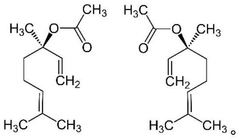
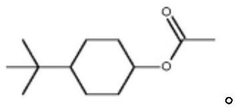
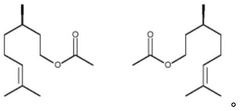
Acetic acid for enhancing or modifying the aroma of aroma chemicals
PatentPendingCN120302892A
Innovation
- By adding 50 to 600 ppm of acetic acid relative to the total weight to the aromatic chemical, the preparation process of the aromatic chemical is adjusted to enhance or change its aromatic, the aromatic chemical of the acetate or propionate group is mixed with the acetic acid, and components such as antioxidants and deodorizing actives are added to form a composition to enhance or change the aromatic.

Regulatory Framework for Cosmetic Ingredients
The regulatory framework for cosmetic ingredients plays a crucial role in ensuring the safety and efficacy of products containing ethyl propanoate in aromatic compound development for cosmetics. In the United States, the Food and Drug Administration (FDA) oversees the regulation of cosmetics under the Federal Food, Drug, and Cosmetic Act and the Fair Packaging and Labeling Act. These regulations require that cosmetic products and their ingredients be safe for consumers under labeled or customary conditions of use.
For ethyl propanoate, the FDA recognizes it as a Generally Recognized as Safe (GRAS) substance when used as a flavoring agent. However, its use in cosmetics is subject to specific guidelines. The Cosmetic Ingredient Review (CIR) Expert Panel, an independent group of experts that assesses the safety of cosmetic ingredients, has evaluated ethyl propanoate and found it to be safe for use in cosmetic formulations when formulated to be non-irritating.
In the European Union, the regulatory landscape is governed by the European Commission's Cosmetic Regulation (EC) No. 1223/2009. This regulation establishes a comprehensive framework for the safety assessment of cosmetic ingredients. Ethyl propanoate is listed in the European Commission's database of cosmetic substances and ingredients (CosIng) and is permitted for use in cosmetic products, subject to concentration limits and specific conditions of use.
The International Fragrance Association (IFRA) also provides guidelines for the safe use of fragrance ingredients, including ethyl propanoate. IFRA standards are widely recognized and followed by the cosmetics industry globally. These standards set maximum concentration limits for fragrance ingredients based on their potential to cause adverse effects.
In Japan, the Ministry of Health, Labour and Welfare regulates cosmetics under the Pharmaceutical Affairs Law. The Japanese Standards for Cosmetic Ingredients (JSCI) list ethyl propanoate as an approved ingredient for use in cosmetics, subject to specific quality standards and usage restrictions.
Globally, the harmonization of cosmetic regulations is an ongoing process. The International Cooperation on Cosmetics Regulation (ICCR) is a voluntary partnership among cosmetic regulatory authorities from various countries, working towards aligning regulatory approaches for cosmetics. This collaboration aims to streamline compliance requirements for manufacturers while maintaining high safety standards.
As research on ethyl propanoate in aromatic compound development for cosmetics progresses, it is essential for manufacturers to stay informed about regulatory updates and ensure compliance with the latest requirements in different markets. This includes monitoring changes in permitted concentration levels, labeling requirements, and any new safety data that may impact the regulatory status of ethyl propanoate in cosmetic formulations.
For ethyl propanoate, the FDA recognizes it as a Generally Recognized as Safe (GRAS) substance when used as a flavoring agent. However, its use in cosmetics is subject to specific guidelines. The Cosmetic Ingredient Review (CIR) Expert Panel, an independent group of experts that assesses the safety of cosmetic ingredients, has evaluated ethyl propanoate and found it to be safe for use in cosmetic formulations when formulated to be non-irritating.
In the European Union, the regulatory landscape is governed by the European Commission's Cosmetic Regulation (EC) No. 1223/2009. This regulation establishes a comprehensive framework for the safety assessment of cosmetic ingredients. Ethyl propanoate is listed in the European Commission's database of cosmetic substances and ingredients (CosIng) and is permitted for use in cosmetic products, subject to concentration limits and specific conditions of use.
The International Fragrance Association (IFRA) also provides guidelines for the safe use of fragrance ingredients, including ethyl propanoate. IFRA standards are widely recognized and followed by the cosmetics industry globally. These standards set maximum concentration limits for fragrance ingredients based on their potential to cause adverse effects.
In Japan, the Ministry of Health, Labour and Welfare regulates cosmetics under the Pharmaceutical Affairs Law. The Japanese Standards for Cosmetic Ingredients (JSCI) list ethyl propanoate as an approved ingredient for use in cosmetics, subject to specific quality standards and usage restrictions.
Globally, the harmonization of cosmetic regulations is an ongoing process. The International Cooperation on Cosmetics Regulation (ICCR) is a voluntary partnership among cosmetic regulatory authorities from various countries, working towards aligning regulatory approaches for cosmetics. This collaboration aims to streamline compliance requirements for manufacturers while maintaining high safety standards.
As research on ethyl propanoate in aromatic compound development for cosmetics progresses, it is essential for manufacturers to stay informed about regulatory updates and ensure compliance with the latest requirements in different markets. This includes monitoring changes in permitted concentration levels, labeling requirements, and any new safety data that may impact the regulatory status of ethyl propanoate in cosmetic formulations.
Sustainability in Fragrance Development
Sustainability in fragrance development has become a critical focus in the cosmetics industry, particularly in the context of ethyl propanoate research for aromatic compound development. This shift towards sustainable practices is driven by increasing consumer awareness, regulatory pressures, and the industry's commitment to environmental stewardship.
Ethyl propanoate, a fruity ester commonly used in fragrances, presents both opportunities and challenges in sustainable fragrance development. Its production traditionally relies on petrochemical sources, but recent advancements have explored bio-based alternatives. Fermentation processes using renewable feedstocks have shown promise in producing ethyl propanoate sustainably, reducing the carbon footprint associated with its manufacture.
The sustainability of ethyl propanoate extends beyond its production to its application in fragrances. Its low molecular weight and high volatility contribute to reduced environmental persistence compared to some other fragrance compounds. However, this also presents challenges in formulation stability and longevity of the fragrance, necessitating innovative encapsulation techniques or complementary fixatives.
Water consumption and waste generation in fragrance production are significant sustainability concerns. Research into water-efficient processes for ethyl propanoate synthesis and purification is ongoing. Additionally, green chemistry principles are being applied to minimize solvent use and maximize atom economy in its production.
Biodegradability is another crucial aspect of sustainable fragrance development. Ethyl propanoate's relatively simple structure lends itself to easier biodegradation compared to more complex aromatic compounds. However, ensuring the biodegradability of the entire fragrance formulation, including ethyl propanoate and its accompanying ingredients, remains a challenge for cosmetic chemists.
The sourcing of raw materials for ethyl propanoate production also plays a role in sustainability. Efforts are being made to establish transparent and ethical supply chains, particularly when sourcing bio-based feedstocks. This includes considerations of land use, competition with food crops, and fair labor practices in agricultural communities.
Packaging innovations are integral to sustainable fragrance development. For products containing ethyl propanoate, research is focused on developing recyclable, biodegradable, or refillable packaging solutions that maintain the integrity of the fragrance while reducing environmental impact.
As the cosmetics industry continues to prioritize sustainability, the development of aromatic compounds like ethyl propanoate is evolving. Future research directions include exploring novel bio-based production methods, enhancing the efficiency of existing processes, and developing more sustainable fragrance formulations that maintain desirable olfactory properties while minimizing environmental impact.
Ethyl propanoate, a fruity ester commonly used in fragrances, presents both opportunities and challenges in sustainable fragrance development. Its production traditionally relies on petrochemical sources, but recent advancements have explored bio-based alternatives. Fermentation processes using renewable feedstocks have shown promise in producing ethyl propanoate sustainably, reducing the carbon footprint associated with its manufacture.
The sustainability of ethyl propanoate extends beyond its production to its application in fragrances. Its low molecular weight and high volatility contribute to reduced environmental persistence compared to some other fragrance compounds. However, this also presents challenges in formulation stability and longevity of the fragrance, necessitating innovative encapsulation techniques or complementary fixatives.
Water consumption and waste generation in fragrance production are significant sustainability concerns. Research into water-efficient processes for ethyl propanoate synthesis and purification is ongoing. Additionally, green chemistry principles are being applied to minimize solvent use and maximize atom economy in its production.
Biodegradability is another crucial aspect of sustainable fragrance development. Ethyl propanoate's relatively simple structure lends itself to easier biodegradation compared to more complex aromatic compounds. However, ensuring the biodegradability of the entire fragrance formulation, including ethyl propanoate and its accompanying ingredients, remains a challenge for cosmetic chemists.
The sourcing of raw materials for ethyl propanoate production also plays a role in sustainability. Efforts are being made to establish transparent and ethical supply chains, particularly when sourcing bio-based feedstocks. This includes considerations of land use, competition with food crops, and fair labor practices in agricultural communities.
Packaging innovations are integral to sustainable fragrance development. For products containing ethyl propanoate, research is focused on developing recyclable, biodegradable, or refillable packaging solutions that maintain the integrity of the fragrance while reducing environmental impact.
As the cosmetics industry continues to prioritize sustainability, the development of aromatic compounds like ethyl propanoate is evolving. Future research directions include exploring novel bio-based production methods, enhancing the efficiency of existing processes, and developing more sustainable fragrance formulations that maintain desirable olfactory properties while minimizing environmental impact.
Unlock deeper insights with Patsnap Eureka Quick Research — get a full tech report to explore trends and direct your research. Try now!
Generate Your Research Report Instantly with AI Agent
Supercharge your innovation with Patsnap Eureka AI Agent Platform!