

Optimize Quick Connect Manufacturing for Dimensional Control
NOV 18, 20269 MIN READ
Generate Your Research Report Instantly with AI Agent
Patsnap Eureka helps you evaluate technical feasibility & market potential.
Quick Connect Manufacturing Optimization Background and Objectives
Quick connect fittings have become indispensable components in fluid transfer systems across automotive, HVAC, industrial machinery, and consumer appliances. These connectors enable rapid assembly and disassembly without specialized tools, significantly reducing installation time and labor costs. However, the manufacturing of quick connect systems presents substantial challenges in maintaining precise dimensional tolerances, which directly impact sealing performance, connection reliability, and overall system integrity.
The evolution of quick connect technology has progressed from simple push-to-connect designs to sophisticated multi-component assemblies incorporating O-rings, locking mechanisms, and release features. As applications have expanded into high-pressure hydraulic systems, fuel delivery networks, and critical medical equipment, the dimensional accuracy requirements have intensified. Variations of even micrometers in key dimensions such as bore diameter, groove depth, and sealing surface flatness can result in leakage, premature wear, or connection failure.
Current manufacturing processes for quick connect components typically involve injection molding for polymer bodies, precision machining for metal inserts, and automated assembly operations. Each process stage introduces potential dimensional variations stemming from material shrinkage, thermal expansion, tool wear, and process parameter fluctuations. The cumulative effect of these variations often pushes final products toward or beyond acceptable tolerance limits, resulting in increased scrap rates and quality control costs.
The primary objective of this research initiative is to develop comprehensive optimization strategies that enhance dimensional control throughout the quick connect manufacturing value chain. This encompasses identifying critical control points in molding and machining processes, establishing robust process parameter windows, implementing advanced measurement and feedback systems, and integrating predictive quality control methodologies. The goal extends beyond merely meeting current specifications to establishing manufacturing capabilities that support tighter tolerances required for next-generation applications.
Secondary objectives include reducing manufacturing cycle times while maintaining quality standards, minimizing material waste through first-pass yield improvement, and creating scalable solutions applicable across different quick connect designs and production volumes. The research aims to bridge the gap between theoretical design tolerances and practical manufacturing capabilities, ultimately delivering cost-effective production methods that ensure consistent dimensional accuracy and long-term product reliability in demanding operational environments.
Market Demand for Precision Quick Connect Components
The global market for precision quick connect components has experienced sustained growth driven by increasing demands across multiple industrial sectors. These components serve as critical elements in fluid and gas transfer systems where dimensional accuracy directly impacts system performance, safety, and operational efficiency. Industries such as automotive manufacturing, aerospace, medical devices, pharmaceutical processing, and industrial automation have become primary consumers of high-precision quick connect solutions.
In automotive applications, the shift toward electric vehicles and advanced fuel systems has intensified requirements for leak-proof connections with tight dimensional tolerances. Modern fuel injection systems and battery cooling circuits demand quick connect fittings that maintain precise alignment and sealing integrity under varying temperature and pressure conditions. Similarly, the aerospace sector requires lightweight yet dimensionally stable connectors for hydraulic and pneumatic systems where even minor dimensional deviations can compromise flight safety.
The medical device industry represents a rapidly expanding market segment for precision quick connects. Applications in dialysis equipment, respiratory devices, and surgical instruments require components that meet stringent regulatory standards while ensuring reliable fluid delivery and contamination prevention. Dimensional consistency becomes paramount in these applications where patient safety depends on predictable connection performance and zero-defect manufacturing.
Industrial automation and process control systems increasingly rely on modular designs incorporating quick connect interfaces. Manufacturing facilities pursuing Industry 4.0 initiatives demand components that enable rapid equipment reconfiguration without sacrificing connection reliability. The semiconductor manufacturing sector, in particular, requires ultra-high-purity quick connects with exceptional dimensional control to prevent particle contamination in chemical delivery systems.
Market dynamics indicate growing customer expectations for components that combine ease of installation with long-term dimensional stability. End users increasingly prioritize total cost of ownership over initial purchase price, recognizing that dimensional inconsistencies lead to increased maintenance costs, system downtime, and potential safety incidents. This shift has created opportunities for manufacturers capable of delivering superior dimensional control through optimized manufacturing processes.
Emerging applications in renewable energy systems, hydrogen fuel infrastructure, and advanced cooling technologies are generating new market opportunities. These sectors demand quick connect solutions that maintain dimensional integrity under extreme operating conditions while supporting sustainable manufacturing practices and material efficiency.
Current Dimensional Control Challenges in Quick Connect Production
Quick Connect fittings face significant dimensional control challenges during manufacturing that directly impact product quality, assembly performance, and leak-proof reliability. The primary challenge stems from the inherent complexity of maintaining tight tolerances across multiple critical dimensions simultaneously, including tube insertion depth, O-ring groove geometry, collet finger dimensions, and body bore concentricity. These components must work in precise coordination to ensure proper sealing and mechanical retention.
Manufacturing variability represents a persistent obstacle in Quick Connect production. Traditional machining processes such as turning, milling, and drilling introduce cumulative dimensional errors that compound across sequential operations. Tool wear, thermal expansion during high-speed machining, and material spring-back after forming operations contribute to dimensional drift that pushes parts outside specification limits. The situation becomes particularly acute when processing materials with varying hardness characteristics or when transitioning between different material grades.
The O-ring sealing interface presents especially stringent dimensional requirements. Groove width, depth, and surface finish must be controlled within micron-level tolerances to prevent seal compression issues. Insufficient groove depth leads to O-ring over-compression and premature failure, while excessive depth causes under-compression and potential leakage paths. Surface roughness variations in the sealing area can create micro-channels that compromise seal integrity even when dimensional specifications are nominally met.
Collet retention mechanisms demand precise control of finger geometry and spring characteristics. Dimensional variations in collet finger thickness, length, and angular positioning directly affect grip force and tube retention capability. Inconsistent heat treatment processes further complicate dimensional stability, as material hardness variations influence elastic deformation behavior during tube insertion and extraction cycles.
Body concentricity and perpendicularity tolerances create additional manufacturing complexity. Misalignment between the tube bore and threaded connection axis generates assembly difficulties and stress concentrations that reduce service life. Multi-axis machining operations required to achieve these geometric relationships are sensitive to fixture positioning errors and machine tool calibration drift.
Current inspection methodologies struggle to provide real-time dimensional feedback at production speeds. Traditional coordinate measuring machines offer high accuracy but lack throughput capacity for 100% inspection. This creates sampling-based quality control gaps where defective parts may escape detection until downstream assembly failures occur.
Existing Dimensional Control Solutions
01 Quick connect fluid and hydraulic couplings with sealing mechanisms
Implementations focus on quick connect couplings designed for fluid, hydraulic, and refrigerant applications. These assemblies incorporate specific locking features, internal integral valves, and sealing mechanisms to ensure leak-free connections and reliable dimensional tolerances under pressure.- Quick connect fluid and hydraulic coupling mechanisms: Implementations focus on fluid, hydraulic, and refrigerant quick-connect couplings designed with integrated valves, seals, and swivels to ensure precise fluid control, leak prevention, and stable flow management.
- Electrical and signal line quick-connect assemblies: Technical solutions provide dimensional and structural alignment for electrical junction boxes, terminal blocks, terminating resistors, and guide-rod assisted devices to ensure secure electrical contact and signal integrity.
- Locking and retention structures for secure quick connection: Mechanisms utilize specialized locking features, retaining elements, self-locking spring-loaded systems, and female coupling elements to maintain consistent engagement and prevent accidental disconnection under operating loads.
- Vehicle and heavy machinery quick-attach structural systems: Structures provide robust dimensional alignment and rapid mounting for equipment, logistics trailers, construction machinery, and vehicle floor structures, enabling reliable load transfer and fast assembly.
- Quick-connect release and disconnect mechanisms: Designs feature streamlined disengagement and release structures for fluid couplings, general connectors, and setting tools, facilitating rapid disassembly while maintaining exact structural fit during operation.
02 Electrical and signal transmission quick connect devices
These technologies provide modular electrical and communication interfaces, featuring terminal blocks, wiring junction boxes, and guided connect mechanisms. The designs control axial and pin alignment dimensions to enable safe, rapid electrical contact across vehicle, telecom, and industrial setups.Expand Specific Solutions03 Structural locking and mechanical release features
Solutions utilize spring-loaded latches, retaining elements, and specific female element geometries to provide positive mechanical locking. These mechanisms ensure secure retention and controlled dimensional engagement while allowing fast manual or tool-less release.Expand Specific Solutions04 Quick connect mounting systems for machinery and vehicles
Heavy-duty and structural connection interfaces allow quick attachment and release of equipment, sub-assemblies, and trailer components onto vehicle floors, construction machinery, and industrial platforms, controlling load-bearing dimensions and alignment.Expand Specific Solutions05 Specialized quick connect interfaces for consumer and medical applications
Targeted mechanical quick connect interfaces designed for specific consumer, hardware, and medical devices. These applications control mounting dimensions and spatial alignment for items like light pendants, faucet handles, spray systems, and medical instrumentation.Expand Specific Solutions
Major Manufacturers in Quick Connect Industry
The Quick Connect manufacturing optimization landscape represents a mature yet evolving sector within the broader connector and precision manufacturing industry. The market demonstrates significant scale, driven by demand across telecommunications, automotive, consumer electronics, and industrial applications. Key players span diverse capabilities: specialized connector manufacturers like Cheng Uei Precision Industry, SENKO Advanced Components, and Dongguan Fuqiang Electronics focus on precision fabrication and dimensional control; semiconductor and technology giants including Taiwan Semiconductor Manufacturing, Samsung Electronics, and AMD leverage advanced process control for high-precision interconnects; while industrial manufacturers such as DENSO, Kobe Steel, and MKS Inc. contribute materials science and automation expertise. Technology maturity varies across segments, with established players demonstrating sophisticated manufacturing processes, while emerging firms like Shanghai Zenfocus Semi-Tech and Shenzhen Newourconn Technology drive innovation in automation and quality control methodologies, indicating ongoing competitive dynamics and technological advancement opportunities.
Cheng Uei Precision Industry Co. Ltd.
Technical Solution: Cheng Uei Precision Industry (Foxlink) has developed advanced manufacturing processes for Quick Connect connectors focusing on precision dimensional control through automated optical inspection (AOI) systems and statistical process control (SPC) methodologies. Their approach integrates high-precision CNC machining with real-time dimensional monitoring during the stamping and molding processes. The company employs closed-loop feedback systems that automatically adjust tooling parameters based on measured deviations, achieving dimensional tolerances within ±0.02mm for critical connector interfaces. Their manufacturing lines incorporate vision-guided assembly systems and coordinate measuring machines (CMM) for 100% inline inspection, ensuring consistent dimensional accuracy across high-volume production runs.
Strengths: Mature high-volume manufacturing capabilities with proven dimensional control systems; extensive experience in connector manufacturing. Weaknesses: Solutions primarily focused on traditional inspection methods rather than predictive quality control; limited public disclosure of advanced AI-driven optimization techniques.
Taiwan Semiconductor Manufacturing Co., Ltd.
Technical Solution: While TSMC's core business is semiconductor manufacturing, their advanced process control methodologies are applicable to precision connector manufacturing. TSMC has developed sophisticated statistical process control (SPC) and advanced process control (APC) systems that maintain nanometer-level dimensional accuracy across manufacturing processes. Their approach combines real-time sensor data, machine learning algorithms, and automated feedback control to predict and prevent dimensional deviations before they occur. The company utilizes digital twin technology to simulate manufacturing processes and optimize parameters for dimensional stability. Their quality management systems incorporate multivariate analysis techniques that identify complex interactions between process variables affecting dimensional outcomes, enabling proactive adjustments to maintain specifications.
Strengths: World-class process control expertise with proven nanometer-level precision; advanced data analytics and AI-driven optimization capabilities. Weaknesses: Not a direct Quick Connect manufacturer; technology transfer and adaptation required for connector manufacturing applications; solutions may be over-engineered for typical connector tolerance requirements.
Key Technologies for Precision Manufacturing Control
System and method for dimensional control of connector tubes
PatentWO2014071487A1
Innovation
- A dimensional control system comprising a bipartite cavity with a movable part, actuator, sensor, and measuring device that automatically measures the flange diameter of connector tubes, issuing signals for non-compliant parts and segregating them from the production line.


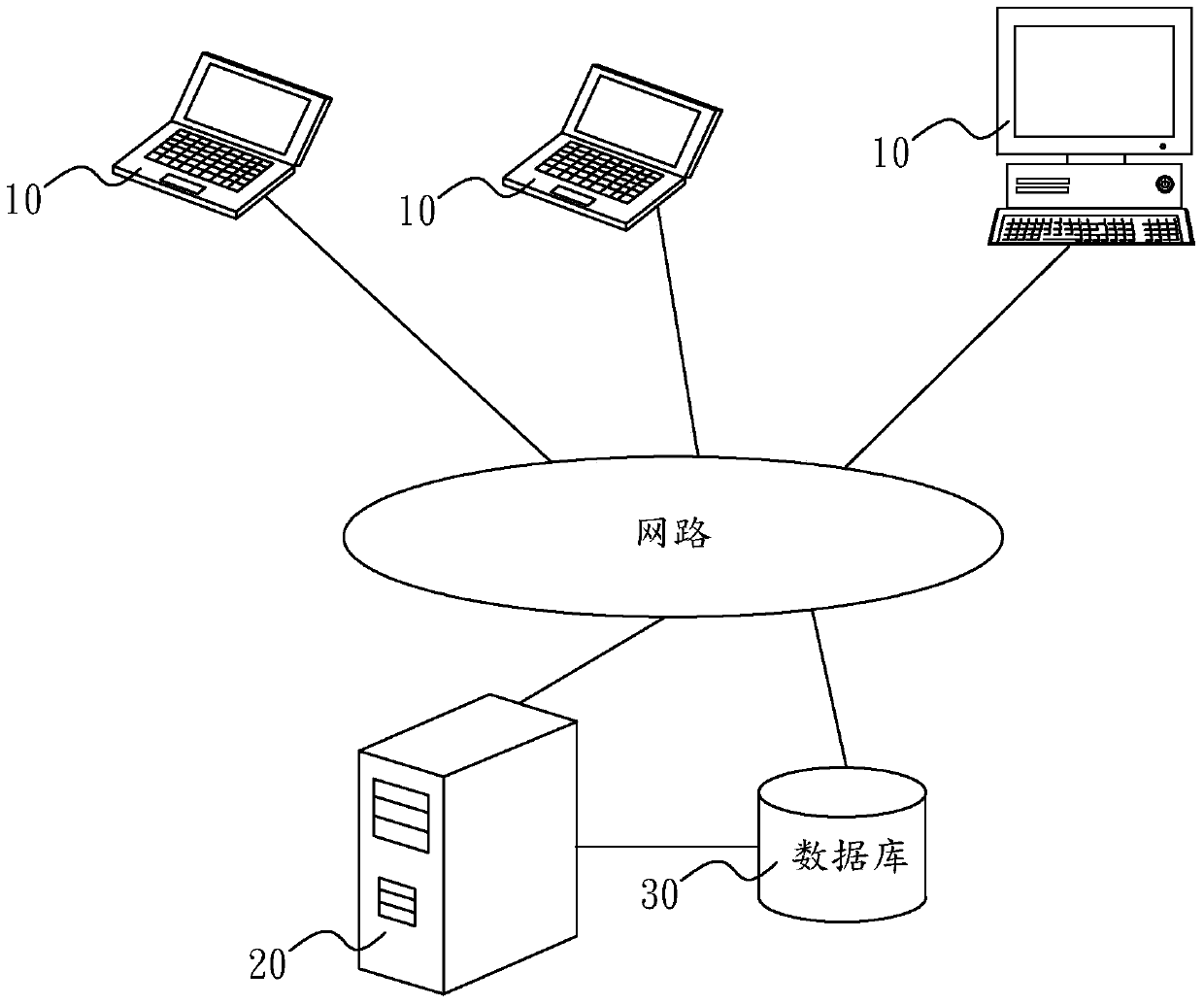
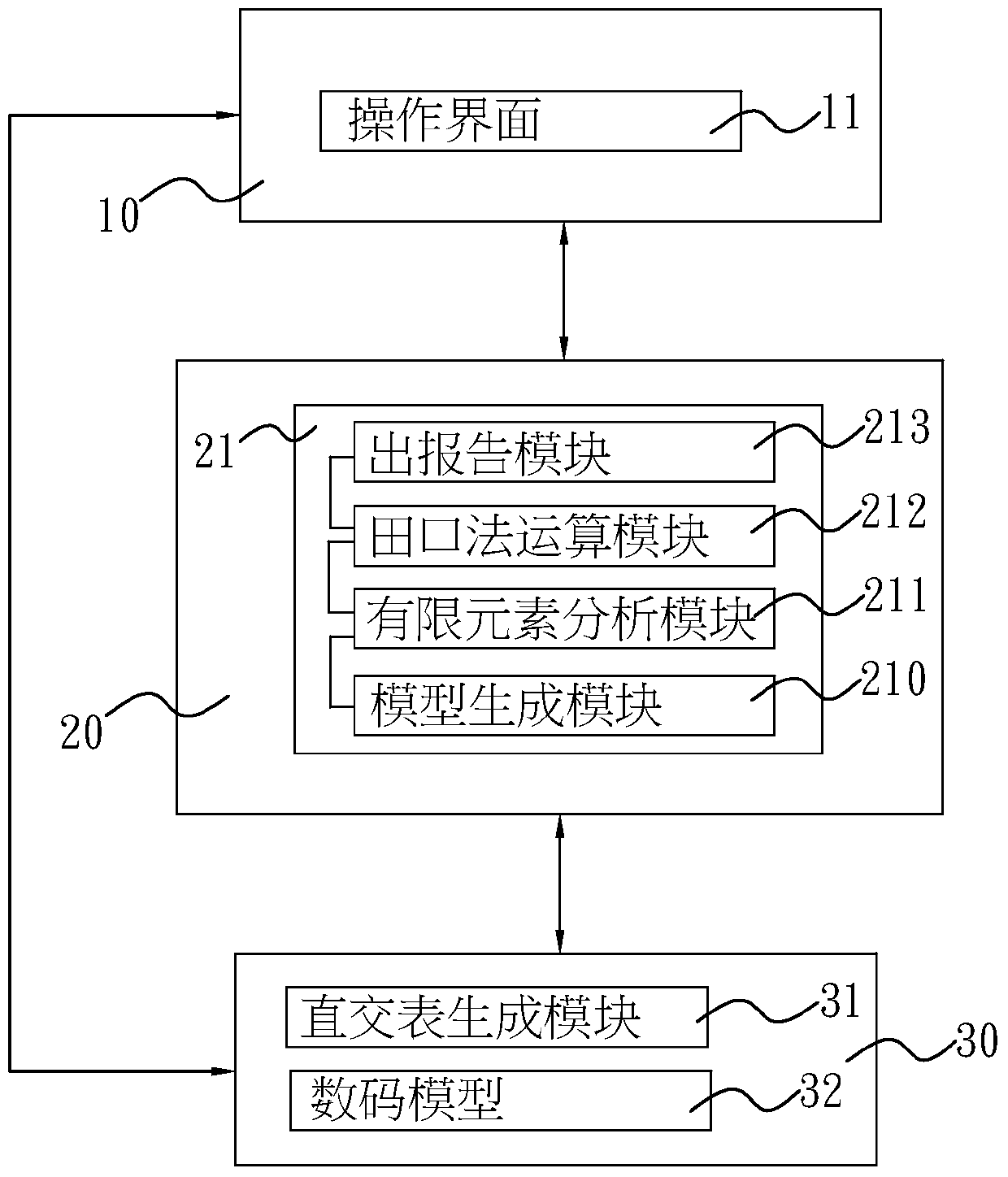
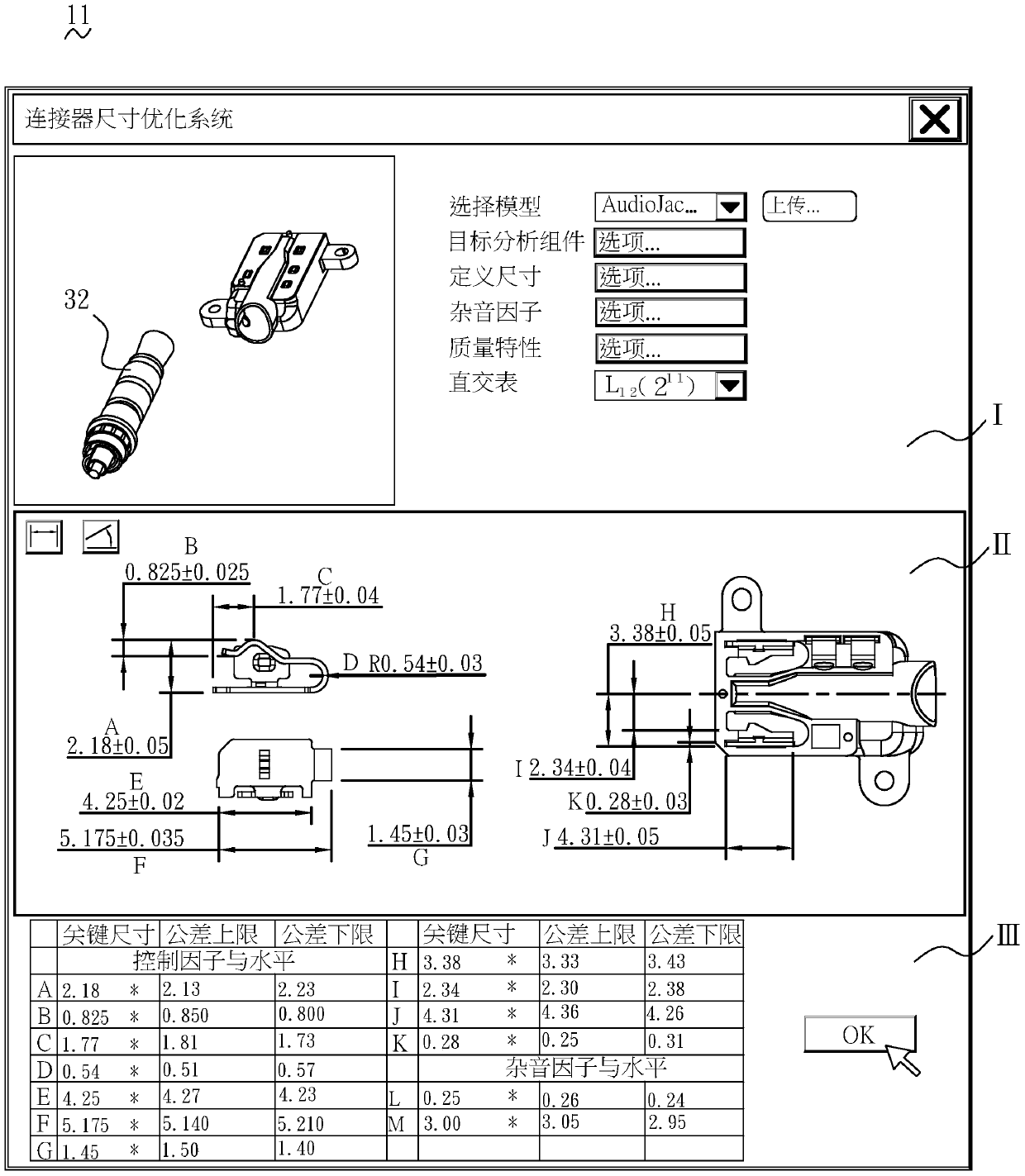
Connector Size Optimization System and Method
PatentInactiveCN105095538B
Innovation
- Through a connector size optimization system, digital models, finite element analysis and Taguchi methods are used to automatically generate analysis reports, reduce the number of experiments and operational complexity, and provide accurate size and tolerance optimization solutions.

Quality Standards and Certification Requirements
Quick Connect fittings used in fluid transfer systems must comply with rigorous quality standards to ensure safety, reliability, and dimensional accuracy across diverse industrial applications. International standards such as ISO 8434 for metallic tube connections, SAE J2044 for automotive quick connect fittings, and ISO 19879 for push-to-connect fittings establish fundamental requirements for dimensional tolerances, pressure ratings, and performance characteristics. These standards define critical parameters including insertion force, retention strength, leak tightness, and dimensional specifications that directly impact manufacturing process control. Compliance with these frameworks ensures interoperability between components from different manufacturers and provides baseline quality benchmarks for dimensional control optimization efforts.
Industry-specific certification requirements further refine quality expectations based on application environments. Automotive sector standards such as IATF 16949 mandate stringent process capability indices and statistical process control for dimensional characteristics, typically requiring Cpk values exceeding 1.67 for critical dimensions. Aerospace applications governed by AS9100 impose even more demanding traceability and dimensional verification protocols, often requiring 100% inspection of critical features using coordinate measuring machines or automated optical inspection systems. Medical and pharmaceutical industries operating under ISO 13485 necessitate validation of manufacturing processes to demonstrate consistent dimensional control, with particular emphasis on biocompatibility and cleanroom manufacturing conditions that affect dimensional stability.
Material certification and testing protocols constitute essential components of quality assurance frameworks for Quick Connect manufacturing. Raw material specifications must meet standards such as ASTM B16 for brass alloys or ISO 1127 for stainless steel tubing, with certified mill test reports documenting chemical composition and mechanical properties that influence dimensional behavior during forming operations. Destructive and non-destructive testing requirements including pressure testing per ISO 10763, salt spray resistance per ASTM B117, and dimensional verification protocols ensure manufactured components maintain specified tolerances throughout their service life. Third-party certification bodies such as UL, NSF, and various national approval agencies provide independent verification of compliance, adding credibility to quality claims and facilitating market access across different regulatory jurisdictions.
Cost-Benefit Analysis of Manufacturing Process Optimization
Optimizing Quick Connect manufacturing for dimensional control requires substantial upfront investment but delivers measurable returns through improved quality metrics and operational efficiency. Initial capital expenditures typically include precision tooling upgrades, advanced measurement systems, and process automation equipment. These investments range from moderate tooling modifications to comprehensive production line reconfigurations, depending on the current manufacturing baseline and target dimensional tolerances.
The direct cost components encompass equipment acquisition, installation expenses, operator training programs, and process validation activities. Indirect costs include production downtime during implementation, potential yield losses during transition periods, and ongoing maintenance requirements for new systems. However, these expenditures must be weighed against the substantial benefits realized through enhanced dimensional consistency and reduced defect rates.
Manufacturing process optimization generates quantifiable benefits across multiple dimensions. Primary savings emerge from reduced scrap rates, lower rework requirements, and decreased warranty claims. When dimensional control improves, the percentage of parts meeting specifications increases significantly, directly impacting material utilization efficiency. Additionally, enhanced process capability reduces inspection frequency and associated labor costs while accelerating production throughput.
Long-term financial advantages extend beyond immediate cost reductions. Improved dimensional control strengthens customer satisfaction and brand reputation, potentially commanding premium pricing or expanding market share. Reduced field failures translate to lower service costs and enhanced customer retention rates. Furthermore, optimized processes demonstrate greater stability, minimizing variability-related production disruptions and enabling more accurate capacity planning.
The payback period for manufacturing optimization investments typically ranges from eighteen months to three years, depending on production volumes and initial quality baselines. High-volume manufacturing environments generally achieve faster returns due to economies of scale. Risk mitigation represents another critical benefit, as consistent dimensional control reduces exposure to product recalls and liability issues. Comprehensive cost-benefit analysis should incorporate both tangible financial metrics and strategic advantages, including competitive positioning and technological capability development that supports future innovation initiatives.
Unlock deeper insights with Patsnap Eureka Quick Research — get a full tech report to explore trends and direct your research. Try now!
Generate Your Research Report Instantly with AI Agent
Supercharge your innovation with Patsnap Eureka AI Agent Platform!