Phospholipid Structures in Biomimetic Membrane Design
JUL 16, 20259 MIN READ
Generate Your Research Report Instantly with AI Agent
Patsnap Eureka helps you evaluate technical feasibility & market potential.
Biomimetic Membrane Design Background and Objectives
Biomimetic membrane design has emerged as a cutting-edge field at the intersection of biology, chemistry, and materials science. This innovative approach draws inspiration from nature's sophisticated membrane structures, particularly focusing on the intricate phospholipid arrangements found in biological cell membranes. The primary objective of this research is to develop artificial membrane systems that closely mimic the structure, function, and properties of natural cell membranes.
The evolution of biomimetic membrane technology can be traced back to the mid-20th century, with significant advancements occurring in recent decades. Early studies focused on understanding the basic principles of lipid self-assembly and membrane formation. As our knowledge of biological membranes expanded, researchers began to explore ways to replicate these complex structures in synthetic systems.
The field has witnessed several key milestones, including the development of liposomes, supported lipid bilayers, and more recently, nanoscale membrane mimics. These advancements have been driven by the growing need for improved drug delivery systems, biosensors, and separation technologies. The ability to engineer membranes with specific properties and functionalities has opened up new possibilities in various applications, from healthcare to environmental remediation.
Current research in biomimetic membrane design is primarily focused on enhancing the stability, selectivity, and functionality of these artificial systems. Scientists are exploring novel phospholipid compositions, incorporating membrane proteins, and developing hybrid organic-inorganic structures to achieve desired properties. The ultimate goal is to create robust, scalable membrane systems that can outperform conventional synthetic membranes while maintaining the efficiency and selectivity of their biological counterparts.
One of the most promising aspects of this field is the potential for creating "smart" membranes that can respond to environmental stimuli, self-heal, or even self-replicate. These advanced features could revolutionize various industries, including water purification, energy production, and biomedical applications. As we delve deeper into understanding the intricacies of phospholipid structures and their role in membrane function, we are uncovering new design principles that can be applied to create increasingly sophisticated biomimetic systems.
The research on phospholipid structures in biomimetic membrane design is not only advancing our understanding of biological systems but also paving the way for groundbreaking technologies. By bridging the gap between natural and synthetic membrane systems, this field holds the promise of addressing some of the most pressing challenges in sustainability, healthcare, and technology.
The evolution of biomimetic membrane technology can be traced back to the mid-20th century, with significant advancements occurring in recent decades. Early studies focused on understanding the basic principles of lipid self-assembly and membrane formation. As our knowledge of biological membranes expanded, researchers began to explore ways to replicate these complex structures in synthetic systems.
The field has witnessed several key milestones, including the development of liposomes, supported lipid bilayers, and more recently, nanoscale membrane mimics. These advancements have been driven by the growing need for improved drug delivery systems, biosensors, and separation technologies. The ability to engineer membranes with specific properties and functionalities has opened up new possibilities in various applications, from healthcare to environmental remediation.
Current research in biomimetic membrane design is primarily focused on enhancing the stability, selectivity, and functionality of these artificial systems. Scientists are exploring novel phospholipid compositions, incorporating membrane proteins, and developing hybrid organic-inorganic structures to achieve desired properties. The ultimate goal is to create robust, scalable membrane systems that can outperform conventional synthetic membranes while maintaining the efficiency and selectivity of their biological counterparts.
One of the most promising aspects of this field is the potential for creating "smart" membranes that can respond to environmental stimuli, self-heal, or even self-replicate. These advanced features could revolutionize various industries, including water purification, energy production, and biomedical applications. As we delve deeper into understanding the intricacies of phospholipid structures and their role in membrane function, we are uncovering new design principles that can be applied to create increasingly sophisticated biomimetic systems.
The research on phospholipid structures in biomimetic membrane design is not only advancing our understanding of biological systems but also paving the way for groundbreaking technologies. By bridging the gap between natural and synthetic membrane systems, this field holds the promise of addressing some of the most pressing challenges in sustainability, healthcare, and technology.
Market Analysis for Biomimetic Membrane Applications
The biomimetic membrane market is experiencing significant growth, driven by increasing applications in various industries such as water treatment, healthcare, and energy. The global market for biomimetic membranes is projected to reach several billion dollars by 2025, with a compound annual growth rate exceeding 10% over the forecast period. This growth is primarily attributed to the rising demand for efficient and sustainable separation technologies across multiple sectors.
In the water treatment industry, biomimetic membranes are gaining traction due to their superior performance in desalination and wastewater treatment processes. The increasing global water scarcity and stringent environmental regulations are driving the adoption of these advanced membrane technologies. The healthcare sector is another key market for biomimetic membranes, with applications in drug delivery systems, biosensors, and tissue engineering. The ability of these membranes to mimic biological structures makes them particularly valuable in developing more effective and biocompatible medical devices.
The energy sector is also showing growing interest in biomimetic membranes, particularly for applications in fuel cells and energy storage systems. The unique properties of these membranes, such as high selectivity and permeability, make them ideal for improving the efficiency of energy conversion and storage processes.
Geographically, North America and Europe are currently the leading markets for biomimetic membranes, owing to their advanced research infrastructure and early adoption of innovative technologies. However, the Asia-Pacific region is expected to witness the fastest growth in the coming years, driven by rapid industrialization, increasing water treatment needs, and growing investments in healthcare and energy sectors.
Despite the promising market outlook, there are several challenges that need to be addressed. The high cost of production and limited scalability of current manufacturing processes are major barriers to widespread adoption. Additionally, the complexity of biomimetic membrane design and the need for interdisciplinary expertise pose challenges in terms of research and development.
Looking ahead, the market for biomimetic membranes is expected to continue its growth trajectory, fueled by ongoing research in phospholipid structures and advancements in nanotechnology. The development of more cost-effective production methods and the expansion of applications in emerging fields such as artificial photosynthesis and bioelectronics are likely to open up new opportunities in the market.
In the water treatment industry, biomimetic membranes are gaining traction due to their superior performance in desalination and wastewater treatment processes. The increasing global water scarcity and stringent environmental regulations are driving the adoption of these advanced membrane technologies. The healthcare sector is another key market for biomimetic membranes, with applications in drug delivery systems, biosensors, and tissue engineering. The ability of these membranes to mimic biological structures makes them particularly valuable in developing more effective and biocompatible medical devices.
The energy sector is also showing growing interest in biomimetic membranes, particularly for applications in fuel cells and energy storage systems. The unique properties of these membranes, such as high selectivity and permeability, make them ideal for improving the efficiency of energy conversion and storage processes.
Geographically, North America and Europe are currently the leading markets for biomimetic membranes, owing to their advanced research infrastructure and early adoption of innovative technologies. However, the Asia-Pacific region is expected to witness the fastest growth in the coming years, driven by rapid industrialization, increasing water treatment needs, and growing investments in healthcare and energy sectors.
Despite the promising market outlook, there are several challenges that need to be addressed. The high cost of production and limited scalability of current manufacturing processes are major barriers to widespread adoption. Additionally, the complexity of biomimetic membrane design and the need for interdisciplinary expertise pose challenges in terms of research and development.
Looking ahead, the market for biomimetic membranes is expected to continue its growth trajectory, fueled by ongoing research in phospholipid structures and advancements in nanotechnology. The development of more cost-effective production methods and the expansion of applications in emerging fields such as artificial photosynthesis and bioelectronics are likely to open up new opportunities in the market.
Current Challenges in Phospholipid Structure Research
Despite significant advancements in phospholipid structure research for biomimetic membrane design, several challenges persist in this field. One of the primary obstacles is the complexity of natural cell membranes, which are composed of a diverse array of lipids, proteins, and other biomolecules. Replicating this intricate structure in artificial systems remains a formidable task, as researchers struggle to achieve the same level of organization and functionality.
The dynamic nature of phospholipid structures poses another significant challenge. Natural membranes are not static entities but constantly undergo changes in response to various stimuli. Mimicking this fluidity and adaptability in synthetic systems is crucial for developing truly biomimetic membranes. However, controlling and maintaining the desired level of fluidity while ensuring structural integrity has proven to be a complex balancing act.
Stability and longevity of artificial phospholipid structures present ongoing difficulties. Unlike living cells that can continuously repair and regenerate their membranes, synthetic systems lack these self-healing capabilities. Researchers face the challenge of creating robust structures that can withstand various environmental conditions and maintain their functionality over extended periods.
The integration of functional proteins into artificial phospholipid membranes remains a significant hurdle. While the incorporation of simple transmembrane peptides has been achieved, replicating the complex protein-lipid interactions observed in natural systems is still a major challenge. This limitation hinders the development of biomimetic membranes with advanced functionalities, such as selective ion transport or signal transduction.
Scale-up and manufacturing of biomimetic membranes with consistent phospholipid structures pose considerable challenges for industrial applications. Current methods for producing these structures often yield small quantities with limited reproducibility. Developing scalable and cost-effective production techniques that maintain the desired structural properties is crucial for the widespread adoption of this technology.
Another challenge lies in the characterization and analysis of phospholipid structures at the nanoscale. While advanced imaging techniques have improved our understanding of these structures, real-time monitoring of dynamic processes within artificial membranes remains difficult. This limitation hampers our ability to fully comprehend and optimize the behavior of biomimetic systems.
Lastly, the biocompatibility and biodegradability of synthetic phospholipid structures present ongoing concerns, particularly for biomedical applications. Ensuring that these artificial membranes do not elicit adverse immune responses or accumulate in the body over time is critical for their safe and effective use in drug delivery, tissue engineering, and other medical fields.
The dynamic nature of phospholipid structures poses another significant challenge. Natural membranes are not static entities but constantly undergo changes in response to various stimuli. Mimicking this fluidity and adaptability in synthetic systems is crucial for developing truly biomimetic membranes. However, controlling and maintaining the desired level of fluidity while ensuring structural integrity has proven to be a complex balancing act.
Stability and longevity of artificial phospholipid structures present ongoing difficulties. Unlike living cells that can continuously repair and regenerate their membranes, synthetic systems lack these self-healing capabilities. Researchers face the challenge of creating robust structures that can withstand various environmental conditions and maintain their functionality over extended periods.
The integration of functional proteins into artificial phospholipid membranes remains a significant hurdle. While the incorporation of simple transmembrane peptides has been achieved, replicating the complex protein-lipid interactions observed in natural systems is still a major challenge. This limitation hinders the development of biomimetic membranes with advanced functionalities, such as selective ion transport or signal transduction.
Scale-up and manufacturing of biomimetic membranes with consistent phospholipid structures pose considerable challenges for industrial applications. Current methods for producing these structures often yield small quantities with limited reproducibility. Developing scalable and cost-effective production techniques that maintain the desired structural properties is crucial for the widespread adoption of this technology.
Another challenge lies in the characterization and analysis of phospholipid structures at the nanoscale. While advanced imaging techniques have improved our understanding of these structures, real-time monitoring of dynamic processes within artificial membranes remains difficult. This limitation hampers our ability to fully comprehend and optimize the behavior of biomimetic systems.
Lastly, the biocompatibility and biodegradability of synthetic phospholipid structures present ongoing concerns, particularly for biomedical applications. Ensuring that these artificial membranes do not elicit adverse immune responses or accumulate in the body over time is critical for their safe and effective use in drug delivery, tissue engineering, and other medical fields.
Existing Phospholipid Structure Analysis Methods
01 Phospholipid bilayer structure design
Designing phospholipid bilayer structures for membrane applications involves optimizing the composition and arrangement of lipid molecules. This includes selecting appropriate lipid types, controlling membrane fluidity, and incorporating functional groups to enhance stability and performance in various environments.- Phospholipid-based membrane structures: Phospholipids are used to create biomimetic membrane structures for various applications. These structures can be designed to mimic natural cell membranes, providing a platform for studying membrane properties, drug delivery, and biosensing. The composition and arrangement of phospholipids can be tailored to achieve specific membrane characteristics.
- Liposome formulation and design: Liposomes are spherical vesicles composed of phospholipid bilayers. They are widely used in drug delivery and cosmetic applications. The design of liposomes involves selecting appropriate phospholipids, optimizing lipid composition, and incorporating functional molecules to enhance stability, targeting, and controlled release properties.
- Membrane protein incorporation: Phospholipid membranes can be designed to incorporate functional proteins, creating biomimetic systems for studying protein-lipid interactions and membrane protein functions. This approach is valuable for developing biosensors, drug screening platforms, and understanding cellular processes.
- Artificial cell membrane design: Synthetic phospholipid membranes are used to create artificial cell-like structures for various applications in synthetic biology and bioengineering. These designs aim to replicate the functions of natural cell membranes, including selective permeability, signal transduction, and energy generation.
- Membrane fluidity and stability optimization: The design of phospholipid membranes involves optimizing fluidity and stability for specific applications. This can be achieved by adjusting the lipid composition, incorporating cholesterol or other stabilizing molecules, and modifying the fatty acid chain length and saturation of phospholipids.
02 Membrane functionalization with biomolecules
Incorporating biomolecules such as proteins, peptides, or nucleic acids into phospholipid membranes enhances their functionality for specific applications. This approach allows for the creation of biomimetic membranes with tailored properties for drug delivery, biosensing, or tissue engineering.Expand Specific Solutions03 Nanostructured phospholipid assemblies
Developing nanostructured phospholipid assemblies, such as liposomes, micelles, or bicelles, for advanced membrane applications. These structures can be engineered to have specific sizes, shapes, and surface properties, making them suitable for targeted drug delivery or as model membrane systems.Expand Specific Solutions04 Membrane stability and permeability control
Designing phospholipid membranes with controlled stability and permeability by manipulating lipid composition, incorporating cholesterol, or using synthetic lipid analogs. This approach enables the creation of membranes with tunable barrier properties for applications in drug encapsulation or selective ion transport.Expand Specific Solutions05 Stimuli-responsive phospholipid membranes
Developing phospholipid membrane structures that respond to external stimuli such as pH, temperature, or light. These smart membranes can undergo conformational changes or phase transitions, allowing for controlled release of encapsulated materials or dynamic modulation of membrane properties in response to environmental cues.Expand Specific Solutions
Key Players in Biomimetic Membrane Industry
The research on phospholipid structures in biomimetic membrane design is in a developing stage, with growing market potential due to its applications in drug delivery, biosensors, and artificial cell membranes. The global market for biomimetic membranes is expanding, driven by advancements in nanotechnology and increasing demand for bio-inspired materials. Companies like Kurita Water Industries, Canon, and Life Technologies are actively involved in this field, leveraging their expertise in water treatment, imaging technologies, and biotechnology, respectively. Academic institutions such as Kobe University, Emory University, and Nanyang Technological University are contributing significantly to research and development, fostering collaborations between industry and academia to accelerate innovation in this promising area.
The Regents of the University of California
Technical Solution: The University of California has developed advanced biomimetic membrane designs incorporating phospholipid structures. Their research focuses on creating artificial cell membranes that mimic natural biological membranes. They have successfully synthesized phospholipid bilayers with controlled composition and fluidity[1]. Their approach involves using microfluidic devices to produce uniform liposomes with precise control over size and lamellarity[2]. The university has also pioneered the integration of membrane proteins into these artificial structures, enhancing their functionality and similarity to natural membranes[3]. Recent developments include the use of DNA nanotechnology to create programmable membrane structures with specific pore sizes and distributions[4].
Strengths: Cutting-edge research in biomimetic membranes, strong interdisciplinary approach combining biology, chemistry, and nanotechnology. Weaknesses: Potential challenges in scaling up production for industrial applications, high cost of specialized equipment and materials.
University of Leeds
Technical Solution: The University of Leeds has made significant contributions to phospholipid structure research in biomimetic membrane design. Their approach focuses on understanding the physical properties of lipid membranes and their interactions with proteins and other biomolecules. Leeds researchers have developed advanced imaging techniques, including atomic force microscopy and super-resolution fluorescence microscopy, to study membrane organization at the nanoscale[12]. They have also pioneered the use of microfluidic devices for high-throughput screening of lipid compositions and membrane protein interactions[13]. Recent work includes the development of biomimetic membrane systems for studying the mechanisms of antimicrobial resistance and designing novel antibiotics[14].
Strengths: Strong expertise in membrane biophysics, well-established collaborations with industry partners. Weaknesses: May face challenges in securing funding for long-term, fundamental research projects.
Innovative Approaches in Phospholipid Research
Biomimetic cell membrane of phospholipid polymer, preparation method and use thereof
PatentWO2008011812A1
Innovation
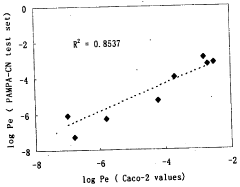
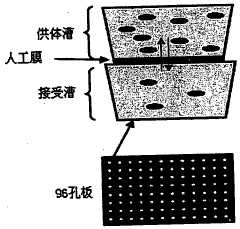
- Self-assembled biomimetic phospholipid polymers are used to form a microscopic heterogeneous structure similar to biological membranes through the combination of hydrophilic phospholipid groups and hydrophobic aliphatic hydrocarbon end groups, and establish simulated cell membrane models of different targets for drug permeability analysis and screening.
Regulatory Considerations for Biomimetic Materials
The regulatory landscape for biomimetic materials, particularly those involving phospholipid structures in membrane design, is complex and evolving. As these materials bridge the gap between synthetic and biological systems, they fall under the purview of multiple regulatory bodies. In the United States, the Food and Drug Administration (FDA) plays a crucial role in overseeing biomimetic materials used in medical applications. The FDA's approach to regulating these materials often depends on their intended use, with different pathways for drugs, medical devices, or combination products.
For biomimetic membranes designed to mimic cellular structures, the FDA may classify them as medical devices or combination products, depending on their specific function and mechanism of action. The 510(k) premarket notification process or the more rigorous Premarket Approval (PMA) pathway may be required, contingent on the novelty and risk profile of the biomimetic material.
In the European Union, the regulatory framework for biomimetic materials is governed by the Medical Device Regulation (MDR) or the In Vitro Diagnostic Regulation (IVDR), depending on the intended use. These regulations emphasize the importance of clinical evidence and post-market surveillance, which are particularly relevant for novel biomimetic materials.
Safety considerations are paramount in the regulatory process for biomimetic membranes. Toxicity testing, biocompatibility assessments, and long-term stability studies are typically required to demonstrate the safety profile of these materials. The unique nature of biomimetic phospholipid structures may necessitate the development of new testing protocols or the adaptation of existing ones to adequately assess their safety.
Efficacy evaluation presents another regulatory challenge for biomimetic materials. Regulatory bodies often require robust clinical data to support claims of effectiveness, which can be particularly challenging for novel biomimetic membranes that may not have direct precedents in traditional medical products.
Intellectual property considerations also intersect with regulatory requirements. Patents on biomimetic membrane designs or manufacturing processes may influence the regulatory strategy, particularly in terms of demonstrating substantial equivalence or novelty in regulatory submissions.
As the field of biomimetic materials advances, regulatory frameworks are likely to evolve. Collaborative efforts between researchers, industry, and regulatory agencies are essential to develop appropriate guidelines that balance innovation with safety and efficacy requirements. This may include the development of specific guidance documents or the establishment of expert panels to address the unique challenges posed by biomimetic materials in membrane design.
For biomimetic membranes designed to mimic cellular structures, the FDA may classify them as medical devices or combination products, depending on their specific function and mechanism of action. The 510(k) premarket notification process or the more rigorous Premarket Approval (PMA) pathway may be required, contingent on the novelty and risk profile of the biomimetic material.
In the European Union, the regulatory framework for biomimetic materials is governed by the Medical Device Regulation (MDR) or the In Vitro Diagnostic Regulation (IVDR), depending on the intended use. These regulations emphasize the importance of clinical evidence and post-market surveillance, which are particularly relevant for novel biomimetic materials.
Safety considerations are paramount in the regulatory process for biomimetic membranes. Toxicity testing, biocompatibility assessments, and long-term stability studies are typically required to demonstrate the safety profile of these materials. The unique nature of biomimetic phospholipid structures may necessitate the development of new testing protocols or the adaptation of existing ones to adequately assess their safety.
Efficacy evaluation presents another regulatory challenge for biomimetic materials. Regulatory bodies often require robust clinical data to support claims of effectiveness, which can be particularly challenging for novel biomimetic membranes that may not have direct precedents in traditional medical products.
Intellectual property considerations also intersect with regulatory requirements. Patents on biomimetic membrane designs or manufacturing processes may influence the regulatory strategy, particularly in terms of demonstrating substantial equivalence or novelty in regulatory submissions.
As the field of biomimetic materials advances, regulatory frameworks are likely to evolve. Collaborative efforts between researchers, industry, and regulatory agencies are essential to develop appropriate guidelines that balance innovation with safety and efficacy requirements. This may include the development of specific guidance documents or the establishment of expert panels to address the unique challenges posed by biomimetic materials in membrane design.
Environmental Impact of Biomimetic Membranes
The development and implementation of biomimetic membranes based on phospholipid structures have significant environmental implications. These advanced materials, designed to mimic natural biological membranes, offer potential benefits in various applications, including water purification, energy production, and drug delivery systems. However, their environmental impact must be carefully considered.
One of the primary environmental advantages of biomimetic membranes is their potential to improve water treatment processes. These membranes can enhance the efficiency of desalination and wastewater treatment, reducing energy consumption and chemical usage compared to conventional methods. This could lead to a decrease in greenhouse gas emissions associated with water treatment facilities and contribute to more sustainable water management practices.
In the energy sector, biomimetic membranes show promise for improving the performance of fuel cells and batteries. By enhancing ion transport and selectivity, these membranes could increase the efficiency of energy storage and conversion devices, potentially reducing reliance on fossil fuels and supporting the transition to renewable energy sources.
However, the production of biomimetic membranes may have environmental drawbacks. The synthesis of phospholipids and other components used in these membranes often involves complex chemical processes that may require significant energy inputs and potentially harmful solvents. Researchers must focus on developing more environmentally friendly production methods to minimize the ecological footprint of these materials.
The disposal and end-of-life management of biomimetic membranes also present environmental challenges. As these materials are not naturally occurring, their biodegradability and potential for accumulation in ecosystems must be carefully evaluated. Efforts should be made to design membranes that can be easily recycled or that degrade into non-toxic components at the end of their useful life.
Furthermore, the potential for biomimetic membranes to interact with natural ecosystems must be considered. While these materials are designed to mimic biological structures, their release into the environment could have unintended consequences on aquatic organisms and ecosystems. Rigorous testing and risk assessment protocols should be established to ensure the safe deployment of these technologies in real-world applications.
In conclusion, while biomimetic membranes based on phospholipid structures offer promising environmental benefits, particularly in water treatment and energy applications, their overall environmental impact depends on careful consideration of their entire lifecycle. Continued research and development should focus not only on enhancing the performance of these materials but also on minimizing their ecological footprint from production to disposal.
One of the primary environmental advantages of biomimetic membranes is their potential to improve water treatment processes. These membranes can enhance the efficiency of desalination and wastewater treatment, reducing energy consumption and chemical usage compared to conventional methods. This could lead to a decrease in greenhouse gas emissions associated with water treatment facilities and contribute to more sustainable water management practices.
In the energy sector, biomimetic membranes show promise for improving the performance of fuel cells and batteries. By enhancing ion transport and selectivity, these membranes could increase the efficiency of energy storage and conversion devices, potentially reducing reliance on fossil fuels and supporting the transition to renewable energy sources.
However, the production of biomimetic membranes may have environmental drawbacks. The synthesis of phospholipids and other components used in these membranes often involves complex chemical processes that may require significant energy inputs and potentially harmful solvents. Researchers must focus on developing more environmentally friendly production methods to minimize the ecological footprint of these materials.
The disposal and end-of-life management of biomimetic membranes also present environmental challenges. As these materials are not naturally occurring, their biodegradability and potential for accumulation in ecosystems must be carefully evaluated. Efforts should be made to design membranes that can be easily recycled or that degrade into non-toxic components at the end of their useful life.
Furthermore, the potential for biomimetic membranes to interact with natural ecosystems must be considered. While these materials are designed to mimic biological structures, their release into the environment could have unintended consequences on aquatic organisms and ecosystems. Rigorous testing and risk assessment protocols should be established to ensure the safe deployment of these technologies in real-world applications.
In conclusion, while biomimetic membranes based on phospholipid structures offer promising environmental benefits, particularly in water treatment and energy applications, their overall environmental impact depends on careful consideration of their entire lifecycle. Continued research and development should focus not only on enhancing the performance of these materials but also on minimizing their ecological footprint from production to disposal.
Unlock deeper insights with Patsnap Eureka Quick Research — get a full tech report to explore trends and direct your research. Try now!
Generate Your Research Report Instantly with AI Agent
Supercharge your innovation with Patsnap Eureka AI Agent Platform!