

Synchronous Generator Maintenance: Predictive vs Reactive
JAN 7, 20269 MIN READ
Generate Your Research Report Instantly with AI Agent
PatSnap Eureka helps you evaluate technical feasibility & market potential.
Synchronous Generator Maintenance Background and Objectives
Synchronous generators serve as the backbone of modern power generation systems, converting mechanical energy into electrical energy across diverse applications ranging from large-scale power plants to industrial facilities and renewable energy installations. These critical assets operate under demanding conditions involving high temperatures, mechanical stresses, electromagnetic forces, and environmental factors that progressively degrade their components over time. The reliability and availability of synchronous generators directly impact operational continuity, energy supply stability, and economic performance of power generation facilities.
Historically, maintenance strategies for synchronous generators have evolved from purely reactive approaches to more sophisticated methodologies. Early maintenance practices relied on run-to-failure models, where equipment was repaired only after breakdowns occurred. This approach resulted in unplanned downtime, cascading system failures, and substantial economic losses. The introduction of time-based preventive maintenance represented a significant advancement, scheduling interventions at predetermined intervals regardless of actual equipment condition. However, this method often led to unnecessary maintenance activities and failed to prevent unexpected failures between scheduled interventions.
The emergence of condition monitoring technologies and data analytics has revolutionized maintenance paradigms, enabling the transition toward predictive maintenance strategies. Modern synchronous generators incorporate sophisticated sensor networks that continuously monitor critical parameters including vibration signatures, temperature distributions, partial discharge activities, insulation resistance, and oil quality indicators. These real-time data streams, combined with advanced analytical techniques such as machine learning algorithms and digital twin simulations, enable early detection of incipient faults and accurate prediction of remaining useful life.
The primary objective of this research is to conduct a comprehensive comparative analysis between predictive and reactive maintenance approaches for synchronous generators, evaluating their technical effectiveness, economic implications, and operational impacts. This investigation aims to establish evidence-based guidelines for maintenance strategy selection, identify optimal implementation frameworks, and quantify the value proposition of transitioning from traditional reactive methods to advanced predictive methodologies. Furthermore, this research seeks to address the technical challenges associated with predictive maintenance deployment, including sensor integration, data management infrastructure, algorithm development, and organizational capability requirements necessary for successful implementation in diverse operational contexts.
Historically, maintenance strategies for synchronous generators have evolved from purely reactive approaches to more sophisticated methodologies. Early maintenance practices relied on run-to-failure models, where equipment was repaired only after breakdowns occurred. This approach resulted in unplanned downtime, cascading system failures, and substantial economic losses. The introduction of time-based preventive maintenance represented a significant advancement, scheduling interventions at predetermined intervals regardless of actual equipment condition. However, this method often led to unnecessary maintenance activities and failed to prevent unexpected failures between scheduled interventions.
The emergence of condition monitoring technologies and data analytics has revolutionized maintenance paradigms, enabling the transition toward predictive maintenance strategies. Modern synchronous generators incorporate sophisticated sensor networks that continuously monitor critical parameters including vibration signatures, temperature distributions, partial discharge activities, insulation resistance, and oil quality indicators. These real-time data streams, combined with advanced analytical techniques such as machine learning algorithms and digital twin simulations, enable early detection of incipient faults and accurate prediction of remaining useful life.
The primary objective of this research is to conduct a comprehensive comparative analysis between predictive and reactive maintenance approaches for synchronous generators, evaluating their technical effectiveness, economic implications, and operational impacts. This investigation aims to establish evidence-based guidelines for maintenance strategy selection, identify optimal implementation frameworks, and quantify the value proposition of transitioning from traditional reactive methods to advanced predictive methodologies. Furthermore, this research seeks to address the technical challenges associated with predictive maintenance deployment, including sensor integration, data management infrastructure, algorithm development, and organizational capability requirements necessary for successful implementation in diverse operational contexts.
Market Demand for Generator Maintenance Solutions
The global market for synchronous generator maintenance solutions is experiencing significant transformation driven by the increasing complexity of power generation infrastructure and the growing emphasis on operational efficiency. Traditional power plants, renewable energy facilities, and industrial complexes rely heavily on synchronous generators as critical assets, making their reliable operation essential for continuous power supply and economic viability. The shift from reactive to predictive maintenance strategies reflects broader industry recognition that unplanned downtime and catastrophic failures impose substantial financial burdens and operational risks.
Industrial sectors including utilities, manufacturing, oil and gas, and data centers represent primary demand sources for advanced generator maintenance solutions. These industries face mounting pressure to optimize asset performance while reducing operational expenditures. The economic impact of generator failures extends beyond immediate repair costs to encompass production losses, regulatory penalties, and reputational damage. Consequently, organizations are increasingly seeking maintenance approaches that enable early fault detection and intervention before critical failures occur.
The market demand is further amplified by the aging infrastructure in developed economies, where many synchronous generators have exceeded their original design life. Simultaneously, emerging markets are expanding their power generation capacity, creating dual demand for both legacy system maintenance and modern predictive technologies. Regulatory frameworks emphasizing grid reliability and environmental compliance are compelling operators to adopt more sophisticated maintenance practices that ensure consistent performance and minimize environmental incidents.
Technological advancements in sensor technology, data analytics, and machine learning have made predictive maintenance solutions more accessible and cost-effective. Organizations recognize that investing in condition monitoring systems and predictive algorithms can deliver substantial returns through extended equipment lifespan, optimized maintenance scheduling, and reduced spare parts inventory. The integration of Internet of Things platforms and cloud-based analytics has democratized access to predictive maintenance capabilities previously available only to large enterprises.
Market growth is also driven by the increasing availability of specialized service providers offering maintenance-as-a-service models. These solutions lower entry barriers for organizations lacking in-house expertise while providing access to advanced diagnostic capabilities and industry best practices. The competitive landscape continues to evolve as equipment manufacturers, independent service providers, and technology companies develop comprehensive maintenance solutions tailored to diverse operational requirements and budget constraints.
Industrial sectors including utilities, manufacturing, oil and gas, and data centers represent primary demand sources for advanced generator maintenance solutions. These industries face mounting pressure to optimize asset performance while reducing operational expenditures. The economic impact of generator failures extends beyond immediate repair costs to encompass production losses, regulatory penalties, and reputational damage. Consequently, organizations are increasingly seeking maintenance approaches that enable early fault detection and intervention before critical failures occur.
The market demand is further amplified by the aging infrastructure in developed economies, where many synchronous generators have exceeded their original design life. Simultaneously, emerging markets are expanding their power generation capacity, creating dual demand for both legacy system maintenance and modern predictive technologies. Regulatory frameworks emphasizing grid reliability and environmental compliance are compelling operators to adopt more sophisticated maintenance practices that ensure consistent performance and minimize environmental incidents.
Technological advancements in sensor technology, data analytics, and machine learning have made predictive maintenance solutions more accessible and cost-effective. Organizations recognize that investing in condition monitoring systems and predictive algorithms can deliver substantial returns through extended equipment lifespan, optimized maintenance scheduling, and reduced spare parts inventory. The integration of Internet of Things platforms and cloud-based analytics has democratized access to predictive maintenance capabilities previously available only to large enterprises.
Market growth is also driven by the increasing availability of specialized service providers offering maintenance-as-a-service models. These solutions lower entry barriers for organizations lacking in-house expertise while providing access to advanced diagnostic capabilities and industry best practices. The competitive landscape continues to evolve as equipment manufacturers, independent service providers, and technology companies develop comprehensive maintenance solutions tailored to diverse operational requirements and budget constraints.
Current Maintenance Challenges and Technical Barriers
Synchronous generator maintenance faces significant operational and technical challenges that impact both reliability and cost-effectiveness. Traditional reactive maintenance approaches have proven inadequate in addressing the complexity of modern power generation systems, while the transition to predictive strategies encounters substantial implementation barriers that require careful examination.
The primary challenge lies in the inherent complexity of synchronous generators, which comprise multiple interdependent subsystems including rotor windings, stator cores, cooling systems, and excitation circuits. Each component exhibits distinct failure modes and degradation patterns, making comprehensive condition monitoring technically demanding. Conventional inspection methods often require extended outages, resulting in substantial revenue losses and grid stability concerns, particularly for critical baseload generation units.
Data acquisition and sensor integration present considerable technical barriers. Existing generators, especially those in aging infrastructure, lack adequate instrumentation for continuous condition monitoring. Retrofitting legacy equipment with modern sensors involves significant engineering challenges, including electromagnetic interference, harsh operating environments with extreme temperatures and vibrations, and limited physical access to critical components. The cost of comprehensive sensor networks often exceeds budget constraints, particularly for smaller operators.
Signal processing and diagnostic accuracy remain persistent obstacles. Generator fault signatures frequently overlap or manifest as subtle changes in multiple parameters simultaneously. Distinguishing between normal operational variations and incipient failures requires sophisticated algorithms and extensive historical data. False alarm rates in current predictive systems remain problematically high, leading to unnecessary interventions and eroding confidence in predictive approaches among maintenance personnel.
The shortage of skilled personnel capable of interpreting advanced diagnostic data compounds these technical challenges. Transitioning from time-based or reactive maintenance cultures to condition-based strategies requires substantial workforce retraining and organizational change management. Many utilities struggle to justify the upfront investment in both technology and human capital development, particularly when immediate returns remain uncertain.
Integration of predictive maintenance systems with existing asset management frameworks poses additional barriers. Legacy SCADA systems often lack compatibility with modern analytics platforms, creating data silos that prevent holistic asset health assessment. Establishing reliable baseline performance metrics and developing accurate remaining useful life models require years of operational data that many organizations have not systematically collected or preserved in analyzable formats.
The primary challenge lies in the inherent complexity of synchronous generators, which comprise multiple interdependent subsystems including rotor windings, stator cores, cooling systems, and excitation circuits. Each component exhibits distinct failure modes and degradation patterns, making comprehensive condition monitoring technically demanding. Conventional inspection methods often require extended outages, resulting in substantial revenue losses and grid stability concerns, particularly for critical baseload generation units.
Data acquisition and sensor integration present considerable technical barriers. Existing generators, especially those in aging infrastructure, lack adequate instrumentation for continuous condition monitoring. Retrofitting legacy equipment with modern sensors involves significant engineering challenges, including electromagnetic interference, harsh operating environments with extreme temperatures and vibrations, and limited physical access to critical components. The cost of comprehensive sensor networks often exceeds budget constraints, particularly for smaller operators.
Signal processing and diagnostic accuracy remain persistent obstacles. Generator fault signatures frequently overlap or manifest as subtle changes in multiple parameters simultaneously. Distinguishing between normal operational variations and incipient failures requires sophisticated algorithms and extensive historical data. False alarm rates in current predictive systems remain problematically high, leading to unnecessary interventions and eroding confidence in predictive approaches among maintenance personnel.
The shortage of skilled personnel capable of interpreting advanced diagnostic data compounds these technical challenges. Transitioning from time-based or reactive maintenance cultures to condition-based strategies requires substantial workforce retraining and organizational change management. Many utilities struggle to justify the upfront investment in both technology and human capital development, particularly when immediate returns remain uncertain.
Integration of predictive maintenance systems with existing asset management frameworks poses additional barriers. Legacy SCADA systems often lack compatibility with modern analytics platforms, creating data silos that prevent holistic asset health assessment. Establishing reliable baseline performance metrics and developing accurate remaining useful life models require years of operational data that many organizations have not systematically collected or preserved in analyzable formats.
Predictive vs Reactive Maintenance Approaches
01 Monitoring and diagnostic systems for synchronous generators
Advanced monitoring and diagnostic systems can be implemented to continuously assess the operational status of synchronous generators. These systems utilize sensors and data acquisition methods to detect abnormalities, predict potential failures, and provide early warning signals. By implementing real-time monitoring technologies, maintenance personnel can identify issues before they lead to major breakdowns, thereby improving reliability and reducing downtime.- Monitoring and diagnostic systems for synchronous generators: Advanced monitoring and diagnostic systems can be implemented to continuously assess the operational status of synchronous generators. These systems utilize sensors and data acquisition methods to detect abnormalities, predict potential failures, and provide early warning signals. By implementing real-time monitoring technologies, maintenance personnel can identify issues before they lead to major breakdowns, thereby improving reliability and reducing downtime.
- Rotor and stator maintenance techniques: Specific maintenance procedures focus on the rotor and stator components of synchronous generators, which are critical for proper operation. These techniques include inspection methods for detecting wear, corrosion, and insulation degradation, as well as repair and replacement strategies. Regular maintenance of these core components helps ensure optimal performance and extends the service life of the generator.
- Specialized maintenance tools and equipment: Dedicated tools and equipment have been developed to facilitate the maintenance of synchronous generators. These include lifting devices, positioning fixtures, testing apparatus, and specialized tooling for disassembly and reassembly operations. Such equipment enables maintenance personnel to perform tasks more efficiently and safely, reducing maintenance time and improving work quality.
- Cooling system maintenance and optimization: The cooling system is essential for maintaining proper operating temperatures in synchronous generators. Maintenance approaches include inspection and cleaning of cooling channels, verification of coolant flow rates, and assessment of heat exchanger performance. Proper maintenance of the cooling system prevents overheating, reduces thermal stress on components, and ensures consistent generator performance under various load conditions.
- Bearing and mechanical component maintenance: Regular maintenance of bearings and other mechanical components is crucial for smooth operation of synchronous generators. This includes lubrication procedures, vibration analysis, alignment checks, and replacement schedules for worn parts. Proper maintenance of mechanical components reduces friction, minimizes wear, prevents unexpected failures, and contributes to overall system reliability and longevity.
02 Rotor and stator maintenance techniques
Specific maintenance procedures focus on the rotor and stator components of synchronous generators, which are critical for proper operation. These techniques include inspection methods for detecting wear, corrosion, and insulation degradation, as well as repair and replacement strategies. Regular maintenance of these core components ensures optimal electromagnetic performance and extends the service life of the generator.Expand Specific Solutions03 Cooling system maintenance and optimization
The cooling system is essential for maintaining proper operating temperatures in synchronous generators. Maintenance approaches include cleaning cooling channels, inspecting cooling fans and heat exchangers, and monitoring coolant quality. Proper cooling system maintenance prevents overheating, reduces thermal stress on components, and maintains generator efficiency throughout its operational life.Expand Specific Solutions04 Bearing inspection and lubrication systems
Bearing maintenance is crucial for reducing friction and preventing mechanical failures in synchronous generators. This includes regular inspection of bearing conditions, implementation of proper lubrication schedules, and monitoring of vibration levels. Advanced lubrication systems and bearing monitoring technologies help ensure smooth operation and prevent costly bearing failures that could lead to extended outages.Expand Specific Solutions05 Excitation system maintenance and control
The excitation system requires specialized maintenance to ensure proper voltage regulation and stable operation of synchronous generators. Maintenance activities include testing and calibration of excitation control circuits, inspection of brushes and slip rings, and verification of automatic voltage regulator functionality. Proper excitation system maintenance ensures consistent power quality and generator stability under varying load conditions.Expand Specific Solutions
Major Players in Generator Maintenance Market
The synchronous generator maintenance sector is experiencing a transformative shift from reactive to predictive approaches, driven by Industry 4.0 adoption and increasing operational efficiency demands. The market demonstrates strong growth potential as industrial operators seek to minimize downtime and optimize asset performance. Technology maturity varies significantly across players, with established industrial giants like Siemens AG, Hitachi Ltd., ABB AB, and General Electric (through Hamilton Sundstrand Corp.) leveraging decades of domain expertise alongside advanced AI and IoT capabilities. Wind energy specialists including Vestas Wind Systems A/S, Siemens Gamesa, and Nordex Energy GmbH are pioneering predictive maintenance solutions for renewable applications. Emerging technology providers such as Averroes.ai and Beijing Tianze Zhiyun Technology represent the next generation, offering specialized AI-driven predictive platforms. Traditional manufacturers like Caterpillar SARL, Mitsubishi Heavy Industries, and Robert Bosch GmbH are integrating predictive analytics into their service portfolios, while research institutions including Polytechnic University of Catalonia and Zhejiang University of Technology advance underlying algorithms and methodologies, collectively pushing the industry toward proactive, data-driven maintenance paradigms.
Hitachi Ltd.
Technical Solution: Hitachi has implemented an AI-driven predictive maintenance platform specifically designed for large synchronous generators in power generation facilities. Their solution employs deep learning neural networks to analyze multi-dimensional sensor data including stator winding temperature, rotor eccentricity, bearing wear indicators, and cooling system performance[2][5]. The system utilizes edge computing devices installed directly on generator units to perform real-time analysis, reducing latency and enabling immediate anomaly detection. Hitachi's approach combines physics-based modeling with data-driven algorithms to improve prediction accuracy across different operating conditions. The platform has demonstrated capability to extend generator lifespan by 15-20% through optimized maintenance scheduling and early fault detection[5][8]. Integration with existing SCADA systems allows seamless data flow and centralized monitoring across multiple generation sites.
Strengths: Advanced AI algorithms with high fault detection rates, edge computing reduces response time, strong integration capabilities with power plant infrastructure. Weaknesses: Requires specialized technical expertise for system configuration, limited applicability to smaller generator units, ongoing subscription costs for cloud services.
Vestas Wind Systems A/S
Technical Solution: Vestas has developed specialized predictive maintenance solutions for synchronous generators used in wind turbine applications, addressing the unique challenges of variable speed operation and harsh environmental conditions. Their approach utilizes SCADA data analytics combined with turbine-specific operational models to predict generator component degradation[2][7]. The system monitors bearing temperature trends, generator slip ring condition, cooling system efficiency, and electrical parameter variations under different wind conditions. Vestas employs fleet-wide learning algorithms that aggregate data from thousands of turbines globally to improve prediction accuracy for individual units. The predictive models account for site-specific factors such as wind patterns, temperature extremes, and humidity levels that affect generator reliability. Implementation of this system has reduced generator-related downtime by approximately 35% and extended major overhaul intervals by 20%[7][10].
Strengths: Specialized expertise in wind turbine generators, fleet-wide learning improves prediction accuracy, accounts for environmental factors affecting reliability. Weaknesses: Primarily focused on wind energy applications with limited transferability to other sectors, requires large fleet data for optimal performance, dependent on consistent SCADA data quality.
Core Technologies in Predictive Maintenance Systems
Method and apparatus for predicting output current of synchronous generator, device, and storage medium
PatentWO2024119654A1
Innovation
- A hybrid drive model is used, combining the synchronous generator physical model and the neural network model. The d-axis and q-axis currents are initially predicted through the synchronous generator physical model, and then the neural network model is used for correction to improve the prediction accuracy.


Fault prediction method and device thereof for rotation equipment
PatentInactiveCN101799320B
Innovation
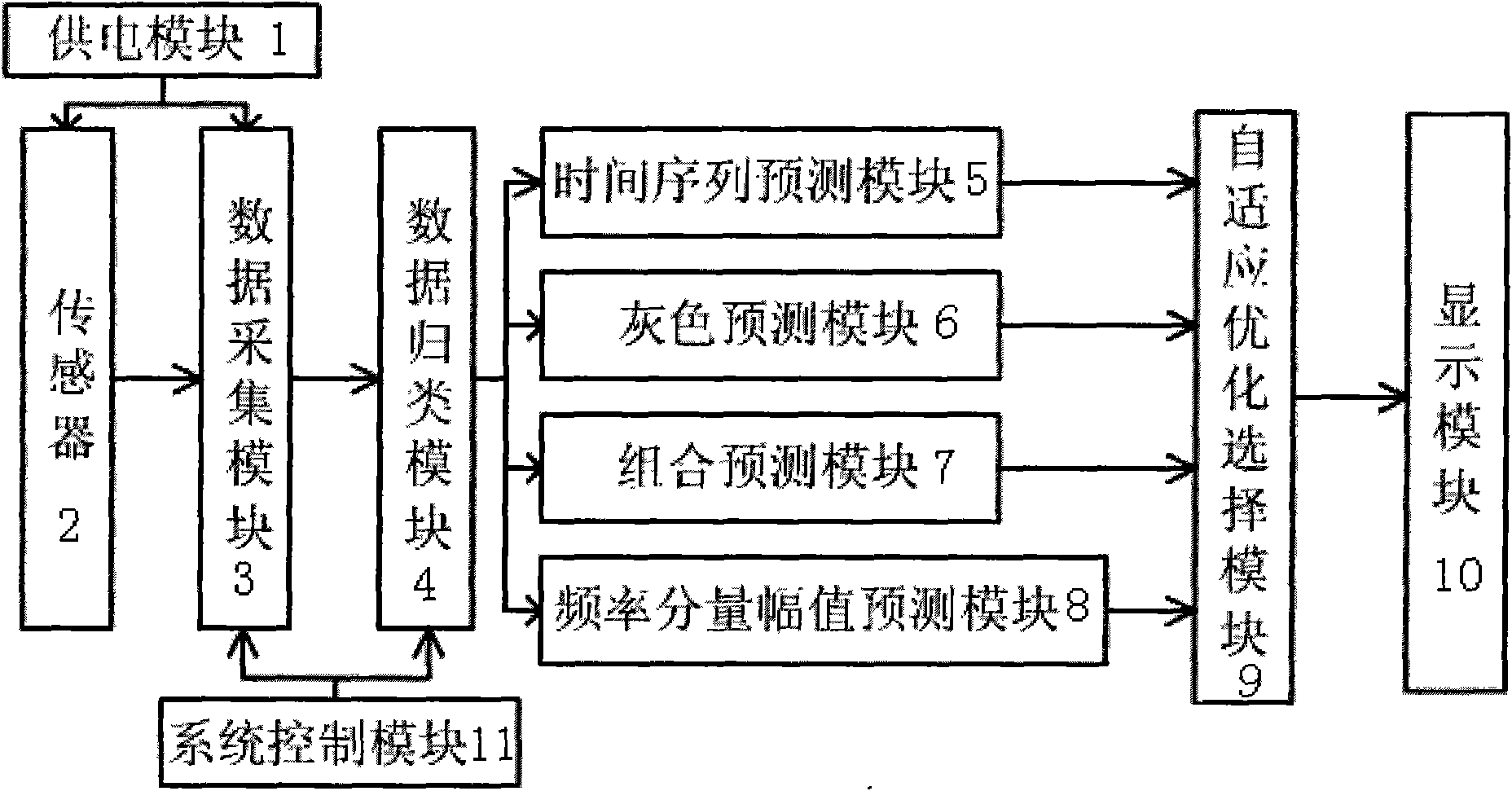
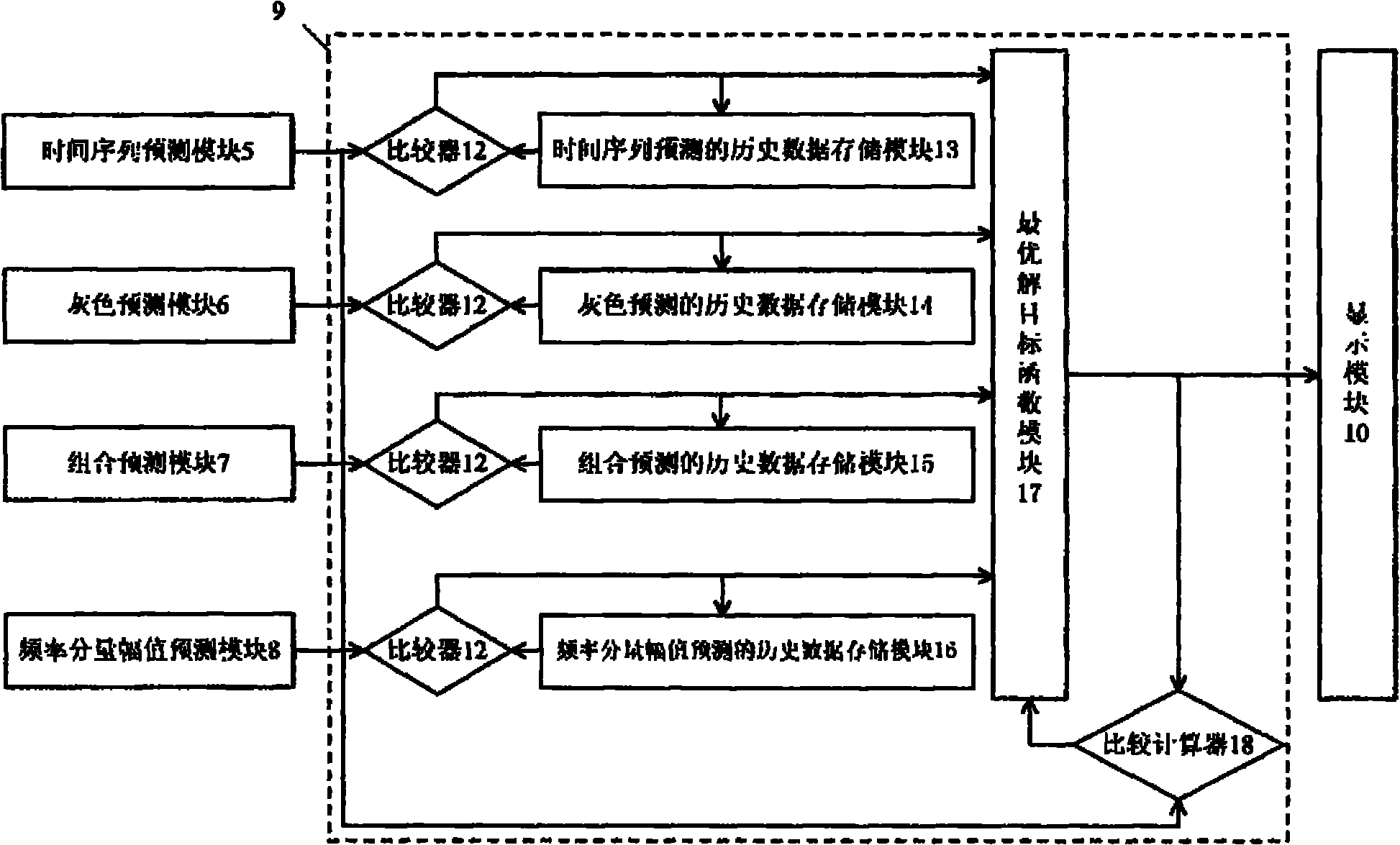
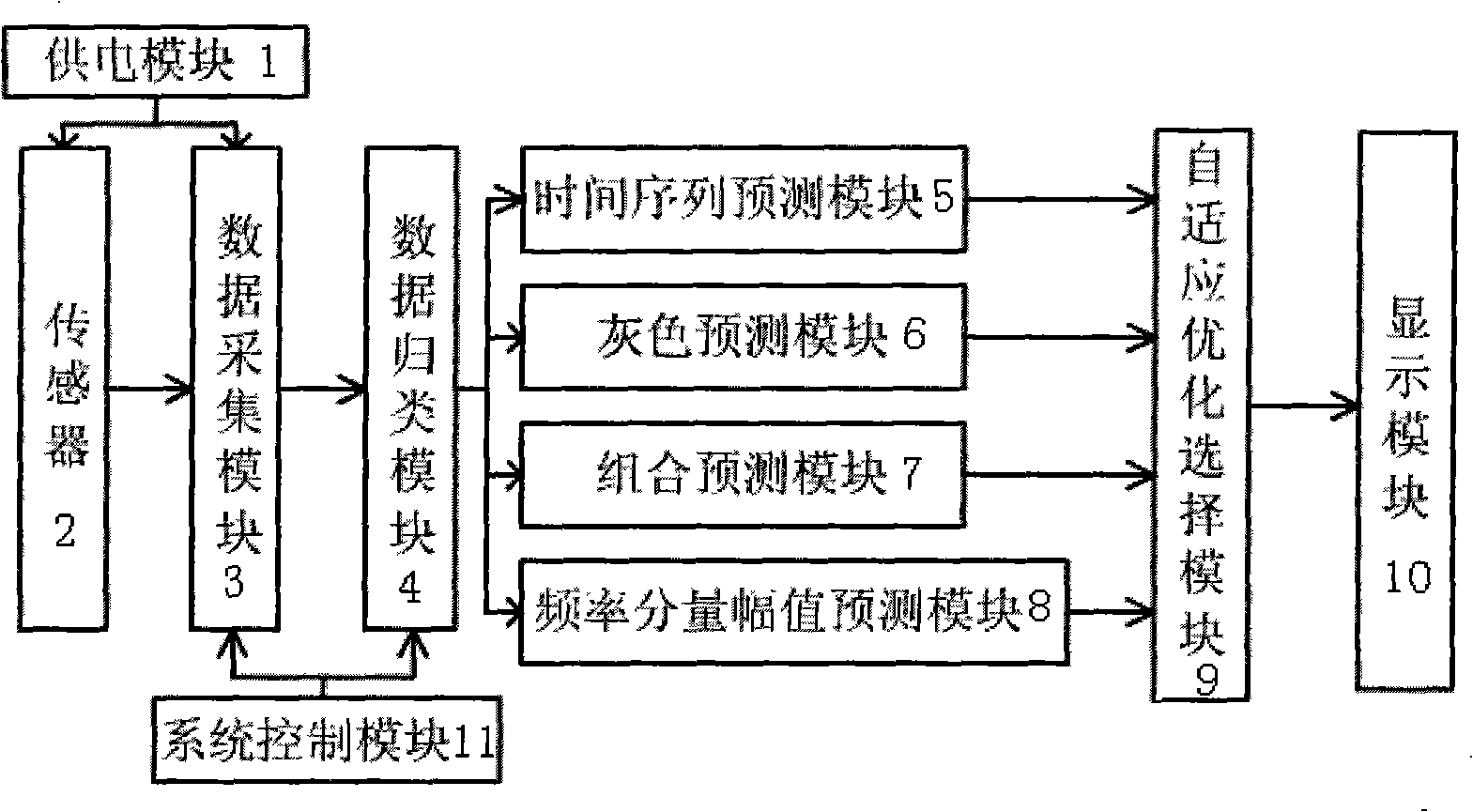
- A fault prediction device including a data acquisition module, a time series prediction module, a gray prediction module, a combined prediction module, a frequency component amplitude prediction module and an adaptive optimization selection module is used to combine multiple predictions through real-time acquisition and preprocessing of vibration signals. The model performs trend analysis and selects the optimal prediction model for fault prediction.

Cost-Benefit Analysis of Maintenance Strategies
The economic evaluation of maintenance strategies for synchronous generators requires comprehensive analysis of both direct and indirect costs against anticipated benefits. Predictive maintenance typically demands substantial upfront investment in monitoring equipment, data analytics platforms, and specialized personnel training. These initial capital expenditures can range from hundreds of thousands to millions of dollars depending on fleet size and system complexity. However, these costs must be weighed against the long-term operational savings and risk mitigation benefits that predictive approaches deliver.
Reactive maintenance appears cost-effective initially due to minimal upfront investment, requiring only basic tools and standard repair capabilities. However, this approach incurs significantly higher lifecycle costs through unplanned downtime, emergency repair premiums, and cascading system failures. Industry data indicates that emergency repairs cost three to five times more than planned interventions, while unplanned outages can result in revenue losses exceeding tens of thousands of dollars per hour in critical applications such as power generation facilities or industrial manufacturing plants.
The financial advantages of predictive maintenance become evident through extended asset lifespan and optimized maintenance scheduling. By identifying degradation patterns early, operators can schedule interventions during planned outages, reducing labor costs and eliminating premium charges for emergency services. Studies demonstrate that predictive strategies can reduce maintenance costs by twenty to thirty percent while increasing equipment availability by five to fifteen percent. Additionally, predictive maintenance minimizes secondary damage that often accompanies catastrophic failures, preserving expensive components that would otherwise require replacement.
Return on investment calculations must incorporate intangible benefits including improved safety profiles, enhanced regulatory compliance, and reduced environmental risks. Predictive maintenance significantly lowers the probability of catastrophic failures that could result in personnel injuries, environmental contamination, or regulatory penalties. Furthermore, the operational intelligence gained through continuous monitoring enables better capital planning and more accurate budgeting for future maintenance activities. Most organizations implementing predictive maintenance report achieving positive ROI within two to four years, with benefits accelerating as systems mature and operational experience accumulates.
Reactive maintenance appears cost-effective initially due to minimal upfront investment, requiring only basic tools and standard repair capabilities. However, this approach incurs significantly higher lifecycle costs through unplanned downtime, emergency repair premiums, and cascading system failures. Industry data indicates that emergency repairs cost three to five times more than planned interventions, while unplanned outages can result in revenue losses exceeding tens of thousands of dollars per hour in critical applications such as power generation facilities or industrial manufacturing plants.
The financial advantages of predictive maintenance become evident through extended asset lifespan and optimized maintenance scheduling. By identifying degradation patterns early, operators can schedule interventions during planned outages, reducing labor costs and eliminating premium charges for emergency services. Studies demonstrate that predictive strategies can reduce maintenance costs by twenty to thirty percent while increasing equipment availability by five to fifteen percent. Additionally, predictive maintenance minimizes secondary damage that often accompanies catastrophic failures, preserving expensive components that would otherwise require replacement.
Return on investment calculations must incorporate intangible benefits including improved safety profiles, enhanced regulatory compliance, and reduced environmental risks. Predictive maintenance significantly lowers the probability of catastrophic failures that could result in personnel injuries, environmental contamination, or regulatory penalties. Furthermore, the operational intelligence gained through continuous monitoring enables better capital planning and more accurate budgeting for future maintenance activities. Most organizations implementing predictive maintenance report achieving positive ROI within two to four years, with benefits accelerating as systems mature and operational experience accumulates.
Digital Twin and IoT Integration in Generator Monitoring
Digital Twin technology represents a transformative approach in synchronous generator monitoring by creating virtual replicas of physical assets that enable real-time simulation and analysis. This technology establishes a bidirectional data flow between physical generators and their digital counterparts, allowing operators to visualize operational states, predict performance degradation, and simulate maintenance scenarios before implementing them in actual systems. The integration of Digital Twin models with advanced analytics platforms facilitates the transition from reactive maintenance strategies to predictive approaches by providing comprehensive insights into equipment health and operational efficiency.
The convergence of Internet of Things sensors and Digital Twin frameworks creates an ecosystem where continuous data streams from temperature sensors, vibration monitors, current transformers, and voltage detectors feed into sophisticated analytical models. These IoT-enabled monitoring systems capture granular operational data at unprecedented frequencies, enabling the detection of subtle anomalies that traditional periodic inspections might overlook. The real-time data acquisition capabilities support dynamic updating of Digital Twin models, ensuring that virtual representations accurately reflect current physical conditions and operational parameters.
Cloud computing infrastructure plays a crucial role in managing the massive data volumes generated by IoT sensor networks while providing the computational resources necessary for running complex Digital Twin simulations. Edge computing architectures complement cloud solutions by processing critical data locally, reducing latency in alarm generation and enabling immediate responses to emergency conditions. This hybrid computing approach optimizes the balance between comprehensive data analysis and time-sensitive decision-making requirements in generator maintenance operations.
Machine learning algorithms integrated within Digital Twin platforms analyze historical and real-time data to identify patterns indicative of impending failures, calculate remaining useful life estimates, and recommend optimal maintenance schedules. These predictive capabilities fundamentally shift maintenance paradigms from time-based or failure-driven approaches toward condition-based strategies that maximize equipment availability while minimizing unnecessary interventions. The combination of Digital Twin visualization and IoT data streams empowers maintenance teams with actionable intelligence that supports proactive decision-making and resource allocation optimization.
The convergence of Internet of Things sensors and Digital Twin frameworks creates an ecosystem where continuous data streams from temperature sensors, vibration monitors, current transformers, and voltage detectors feed into sophisticated analytical models. These IoT-enabled monitoring systems capture granular operational data at unprecedented frequencies, enabling the detection of subtle anomalies that traditional periodic inspections might overlook. The real-time data acquisition capabilities support dynamic updating of Digital Twin models, ensuring that virtual representations accurately reflect current physical conditions and operational parameters.
Cloud computing infrastructure plays a crucial role in managing the massive data volumes generated by IoT sensor networks while providing the computational resources necessary for running complex Digital Twin simulations. Edge computing architectures complement cloud solutions by processing critical data locally, reducing latency in alarm generation and enabling immediate responses to emergency conditions. This hybrid computing approach optimizes the balance between comprehensive data analysis and time-sensitive decision-making requirements in generator maintenance operations.
Machine learning algorithms integrated within Digital Twin platforms analyze historical and real-time data to identify patterns indicative of impending failures, calculate remaining useful life estimates, and recommend optimal maintenance schedules. These predictive capabilities fundamentally shift maintenance paradigms from time-based or failure-driven approaches toward condition-based strategies that maximize equipment availability while minimizing unnecessary interventions. The combination of Digital Twin visualization and IoT data streams empowers maintenance teams with actionable intelligence that supports proactive decision-making and resource allocation optimization.
Unlock deeper insights with PatSnap Eureka Quick Research — get a full tech report to explore trends and direct your research. Try now!
Generate Your Research Report Instantly with AI Agent
Supercharge your innovation with PatSnap Eureka AI Agent Platform!