

Wear vs Interface Strength
MAR 26, 20269 MIN READ
Generate Your Research Report Instantly with AI Agent
PatSnap Eureka helps you evaluate technical feasibility & market potential.
Wear Interface Strength Background and Objectives
The relationship between wear resistance and interface strength represents a fundamental challenge in materials science and engineering, with profound implications across multiple industrial sectors. This research domain has evolved from early tribological studies in the mid-20th century to become a critical area of investigation for modern advanced materials applications. The complexity arises from the inherent trade-off between these two properties, where optimizing one often compromises the other.
Historical development in this field began with basic friction and wear studies in the 1950s, progressing through interface mechanics research in the 1970s, and advancing to sophisticated multi-scale modeling approaches in recent decades. The evolution has been driven by increasing demands for high-performance materials in aerospace, automotive, biomedical, and electronic industries, where components must simultaneously exhibit exceptional durability and strong interfacial bonding.
The primary technical objective centers on understanding the fundamental mechanisms governing the wear-interface strength relationship at multiple scales, from atomic interactions to macroscopic behavior. This includes developing predictive models that can accurately forecast material performance under various loading conditions, environmental factors, and interface configurations. Advanced characterization techniques and computational modeling approaches are essential for achieving these goals.
Current research aims to establish design principles for materials that can achieve optimal balance between wear resistance and interface strength. This involves investigating novel material compositions, surface treatments, and interface engineering strategies. The development of multi-functional coatings, gradient materials, and bio-inspired surface structures represents key technological targets.
The strategic importance of this research extends beyond academic interest, directly impacting industrial competitiveness and technological advancement. Success in this domain enables the development of next-generation materials for critical applications including turbine blades, medical implants, electronic packaging, and protective coatings. The research outcomes will inform material selection criteria, design methodologies, and manufacturing processes across diverse engineering applications.
Historical development in this field began with basic friction and wear studies in the 1950s, progressing through interface mechanics research in the 1970s, and advancing to sophisticated multi-scale modeling approaches in recent decades. The evolution has been driven by increasing demands for high-performance materials in aerospace, automotive, biomedical, and electronic industries, where components must simultaneously exhibit exceptional durability and strong interfacial bonding.
The primary technical objective centers on understanding the fundamental mechanisms governing the wear-interface strength relationship at multiple scales, from atomic interactions to macroscopic behavior. This includes developing predictive models that can accurately forecast material performance under various loading conditions, environmental factors, and interface configurations. Advanced characterization techniques and computational modeling approaches are essential for achieving these goals.
Current research aims to establish design principles for materials that can achieve optimal balance between wear resistance and interface strength. This involves investigating novel material compositions, surface treatments, and interface engineering strategies. The development of multi-functional coatings, gradient materials, and bio-inspired surface structures represents key technological targets.
The strategic importance of this research extends beyond academic interest, directly impacting industrial competitiveness and technological advancement. Success in this domain enables the development of next-generation materials for critical applications including turbine blades, medical implants, electronic packaging, and protective coatings. The research outcomes will inform material selection criteria, design methodologies, and manufacturing processes across diverse engineering applications.
Market Demand for Durable Interface Solutions
The global market for durable interface solutions is experiencing unprecedented growth driven by increasing demands across multiple industrial sectors. Manufacturing industries, particularly automotive, aerospace, and heavy machinery, are facing mounting pressure to develop components that can withstand extreme operational conditions while maintaining structural integrity. The escalating costs associated with frequent maintenance, component replacement, and unexpected failures have created a compelling economic case for investing in advanced interface technologies that optimize the balance between wear resistance and bonding strength.
Automotive manufacturers represent one of the largest market segments demanding enhanced interface durability. Modern vehicles require lightweight materials with superior interface performance to meet stringent fuel efficiency standards while ensuring long-term reliability. Engine components, transmission systems, and brake assemblies all depend on interfaces that must resist wear while maintaining strong mechanical bonds under cyclic loading conditions.
The aerospace industry presents another critical market driver, where interface failure can have catastrophic consequences. Aircraft manufacturers and maintenance providers are actively seeking solutions that extend component lifecycles while reducing weight penalties. The industry's shift toward composite materials has intensified the need for understanding wear-strength relationships at dissimilar material interfaces.
Industrial equipment manufacturers face similar challenges in sectors such as mining, construction, and energy production. Heavy machinery operating in harsh environments requires interface solutions that can endure abrasive conditions, temperature fluctuations, and high-stress loading scenarios. The economic impact of equipment downtime in these industries creates substantial market opportunities for breakthrough interface technologies.
Emerging applications in renewable energy systems, particularly wind turbines and solar tracking mechanisms, are generating new market demands. These systems require interfaces that maintain performance over decades of continuous operation while exposed to environmental stresses. The growing emphasis on sustainability has further amplified interest in durable solutions that reduce material consumption and waste generation.
The medical device industry also contributes to market demand, particularly for implantable devices and surgical instruments where interface durability directly impacts patient safety and treatment outcomes. Biocompatible materials with optimized wear-strength characteristics are increasingly sought after as medical technology advances toward more sophisticated and long-lasting solutions.
Automotive manufacturers represent one of the largest market segments demanding enhanced interface durability. Modern vehicles require lightweight materials with superior interface performance to meet stringent fuel efficiency standards while ensuring long-term reliability. Engine components, transmission systems, and brake assemblies all depend on interfaces that must resist wear while maintaining strong mechanical bonds under cyclic loading conditions.
The aerospace industry presents another critical market driver, where interface failure can have catastrophic consequences. Aircraft manufacturers and maintenance providers are actively seeking solutions that extend component lifecycles while reducing weight penalties. The industry's shift toward composite materials has intensified the need for understanding wear-strength relationships at dissimilar material interfaces.
Industrial equipment manufacturers face similar challenges in sectors such as mining, construction, and energy production. Heavy machinery operating in harsh environments requires interface solutions that can endure abrasive conditions, temperature fluctuations, and high-stress loading scenarios. The economic impact of equipment downtime in these industries creates substantial market opportunities for breakthrough interface technologies.
Emerging applications in renewable energy systems, particularly wind turbines and solar tracking mechanisms, are generating new market demands. These systems require interfaces that maintain performance over decades of continuous operation while exposed to environmental stresses. The growing emphasis on sustainability has further amplified interest in durable solutions that reduce material consumption and waste generation.
The medical device industry also contributes to market demand, particularly for implantable devices and surgical instruments where interface durability directly impacts patient safety and treatment outcomes. Biocompatible materials with optimized wear-strength characteristics are increasingly sought after as medical technology advances toward more sophisticated and long-lasting solutions.
Current Wear Interface Challenges and Limitations
The relationship between wear resistance and interface strength presents fundamental challenges that continue to limit material performance across numerous industrial applications. Traditional approaches often treat these properties as independent variables, leading to suboptimal solutions where improvements in one area compromise the other. This dichotomy creates significant engineering constraints in applications ranging from cutting tools to biomedical implants.
Current coating technologies face substantial limitations in achieving optimal balance between wear resistance and interface adhesion. Physical vapor deposition and chemical vapor deposition processes frequently produce coatings with excellent hardness but poor adhesion to substrates. The mismatch in thermal expansion coefficients between coating and substrate materials often results in interfacial stress concentrations that promote delamination under cyclic loading conditions.
Tribological testing methodologies present another significant challenge in accurately characterizing the wear-interface strength relationship. Standard wear tests typically focus on surface degradation while neglecting interfacial failure mechanisms. This limitation leads to incomplete understanding of failure modes and inadequate prediction of real-world performance. The lack of standardized testing protocols that simultaneously evaluate both wear resistance and interface integrity further complicates comparative analysis across different material systems.
Material design constraints impose additional limitations on achieving optimal wear-interface performance. High-hardness materials that exhibit superior wear resistance often demonstrate brittle behavior and poor interfacial bonding characteristics. Conversely, materials with excellent adhesion properties frequently lack the hardness necessary for demanding tribological applications. This fundamental trade-off necessitates compromise solutions that may not meet stringent performance requirements.
Manufacturing process limitations significantly impact the ability to control interface characteristics while maintaining wear resistance. Traditional surface treatment methods such as nitriding and carburizing create gradual property transitions but offer limited control over interface architecture. Advanced techniques like laser surface modification provide better control but introduce thermal effects that can compromise substrate properties and create residual stress patterns.
Scale-up challenges from laboratory to industrial applications reveal additional limitations in current approaches. Laboratory-scale optimization often fails to translate to production environments due to process variability, contamination issues, and economic constraints. The complexity of real-world operating conditions, including variable loading, temperature fluctuations, and environmental exposure, creates performance gaps that current predictive models cannot adequately address.
Current coating technologies face substantial limitations in achieving optimal balance between wear resistance and interface adhesion. Physical vapor deposition and chemical vapor deposition processes frequently produce coatings with excellent hardness but poor adhesion to substrates. The mismatch in thermal expansion coefficients between coating and substrate materials often results in interfacial stress concentrations that promote delamination under cyclic loading conditions.
Tribological testing methodologies present another significant challenge in accurately characterizing the wear-interface strength relationship. Standard wear tests typically focus on surface degradation while neglecting interfacial failure mechanisms. This limitation leads to incomplete understanding of failure modes and inadequate prediction of real-world performance. The lack of standardized testing protocols that simultaneously evaluate both wear resistance and interface integrity further complicates comparative analysis across different material systems.
Material design constraints impose additional limitations on achieving optimal wear-interface performance. High-hardness materials that exhibit superior wear resistance often demonstrate brittle behavior and poor interfacial bonding characteristics. Conversely, materials with excellent adhesion properties frequently lack the hardness necessary for demanding tribological applications. This fundamental trade-off necessitates compromise solutions that may not meet stringent performance requirements.
Manufacturing process limitations significantly impact the ability to control interface characteristics while maintaining wear resistance. Traditional surface treatment methods such as nitriding and carburizing create gradual property transitions but offer limited control over interface architecture. Advanced techniques like laser surface modification provide better control but introduce thermal effects that can compromise substrate properties and create residual stress patterns.
Scale-up challenges from laboratory to industrial applications reveal additional limitations in current approaches. Laboratory-scale optimization often fails to translate to production environments due to process variability, contamination issues, and economic constraints. The complexity of real-world operating conditions, including variable loading, temperature fluctuations, and environmental exposure, creates performance gaps that current predictive models cannot adequately address.
Existing Interface Strength Enhancement Solutions
01 Surface coating and treatment methods to reduce interface wear
Various surface coating technologies and treatment methods can be applied to interfaces to reduce wear and friction. These methods include applying protective layers, surface hardening treatments, and specialized coatings that create a barrier between contacting surfaces. The coatings can be metallic, ceramic, or polymer-based materials that provide enhanced wear resistance and reduce material degradation at the interface during operation.- Surface coating and treatment methods to reduce interface wear: Various surface coating technologies and treatment methods can be applied to interfaces to reduce wear and friction. These methods include applying protective layers, surface hardening treatments, and specialized coatings that create a barrier between contacting surfaces. The coatings can be metallic, ceramic, or polymer-based materials that provide enhanced wear resistance and reduce material degradation at the interface during operation.
- Material composition optimization for enhanced interface strength: The selection and optimization of material compositions at interfaces can significantly improve bonding strength and wear resistance. This includes the use of composite materials, alloy formulations, and material combinations that provide superior mechanical properties. The optimization considers factors such as hardness, ductility, and compatibility between different materials to achieve maximum interface strength and minimize wear during service life.
- Mechanical design features to distribute interface stress: Structural and mechanical design modifications can be implemented to better distribute stress across interfaces and reduce localized wear. These design features include geometric configurations, surface texturing, interlocking mechanisms, and stress-relief structures that help manage load distribution. By optimizing the mechanical design, concentrated stress points can be minimized, leading to improved interface durability and reduced wear rates.
- Lubrication and friction reduction systems: Implementation of lubrication systems and friction-reducing technologies at interfaces can significantly decrease wear and improve interface performance. These systems may include solid lubricants, liquid lubricant delivery mechanisms, self-lubricating materials, and friction-modifying additives. The lubrication approach helps maintain a protective film between contacting surfaces, reducing direct contact and minimizing material loss due to friction and wear.
- Testing and monitoring methods for interface performance: Advanced testing methodologies and monitoring systems have been developed to evaluate interface wear characteristics and strength properties. These methods include non-destructive testing techniques, real-time monitoring sensors, wear measurement protocols, and strength assessment procedures. By implementing comprehensive testing and monitoring approaches, interface performance can be evaluated throughout the service life, enabling predictive maintenance and optimization of interface designs.
02 Material composition optimization for enhanced interface strength
The selection and optimization of material compositions at interfaces can significantly improve interface strength and durability. This includes the use of composite materials, alloy formulations, and material combinations that provide better bonding characteristics and mechanical properties. The optimization considers factors such as material compatibility, thermal expansion coefficients, and chemical bonding to achieve superior interface performance.Expand Specific Solutions03 Structural design features to improve interface performance
Specific structural design features and geometric configurations can be implemented to enhance interface wear resistance and strength. These designs include interlocking mechanisms, textured surfaces, optimized contact geometries, and stress distribution patterns that minimize concentrated wear. The structural approaches help distribute loads more evenly across the interface and reduce localized stress concentrations that lead to premature failure.Expand Specific Solutions04 Bonding and joining techniques for interface reinforcement
Advanced bonding and joining techniques can be employed to strengthen interfaces and reduce wear at connection points. These techniques include adhesive bonding, mechanical fastening methods, welding processes, and hybrid joining approaches that combine multiple methods. The proper selection and application of joining techniques ensures strong interfacial bonds that can withstand operational stresses and resist degradation over time.Expand Specific Solutions05 Testing and evaluation methods for interface wear and strength
Comprehensive testing and evaluation methodologies are essential for assessing interface wear characteristics and strength properties. These methods include tribological testing, mechanical strength measurements, fatigue testing, and non-destructive evaluation techniques. The testing protocols help predict interface performance under various operating conditions and enable the optimization of interface designs and materials for specific applications.Expand Specific Solutions
Key Players in Wear-Resistant Interface Industry
The research on wear versus interface strength represents a mature technical field experiencing steady growth across multiple industrial sectors. The market demonstrates significant scale, driven by critical applications in automotive manufacturing, semiconductor packaging, materials engineering, and medical device development. Technology maturity varies considerably among market participants, with established industrial leaders like Toyota Motor Corp., Samsung Electronics, and Toray Industries leveraging decades of materials science expertise to optimize component durability and interface performance. Advanced research institutions including MIT, ETH Zurich, and Shanghai Jiao Tong University contribute fundamental breakthroughs in tribological understanding and surface engineering. Meanwhile, specialized companies such as Hilti AG and Kobe Steel focus on application-specific solutions for construction and metallurgical industries. The competitive landscape shows convergence between traditional materials manufacturers, technology giants like Google and IBM applying computational approaches, and emerging players in battery technology such as Prime Planet Energy & Solutions addressing next-generation energy storage challenges.
Toyota Motor Corp.
Technical Solution: Toyota's tribological research program focuses on automotive powertrain components, investigating wear mechanisms in engine interfaces, transmission systems, and brake components. Their approach combines experimental tribometry with finite element analysis to optimize interface designs for maximum durability and performance. Toyota has developed advanced surface texturing techniques that create micro-reservoirs for lubricants while enhancing interface bonding strength through mechanical interlocking. Their research includes developing hybrid metal-ceramic interfaces for high-temperature applications like exhaust systems, where thermal stress and chemical corrosion combine with mechanical wear. The company's materials engineering division investigates novel coating systems that provide both wear resistance and improved interface adhesion, particularly for aluminum engine blocks and steel cylinder liners. Toyota also studies the tribological behavior of lightweight materials like carbon fiber composites in structural automotive applications.
Strengths: Extensive automotive application experience and comprehensive testing facilities for real-world conditions. Weaknesses: Research primarily focused on automotive applications with limited transferability to other industries.
International Business Machines Corp.
Technical Solution: IBM has developed advanced tribological modeling systems that analyze wear mechanisms at the interface level using machine learning algorithms. Their approach combines molecular dynamics simulations with experimental data to predict wear rates based on interface bonding strength, surface roughness, and material properties. The technology incorporates real-time monitoring sensors that measure friction coefficients and wear particle generation, enabling predictive maintenance strategies. IBM's Watson AI platform processes tribological data to identify optimal material combinations and surface treatments that maximize interface strength while minimizing wear rates. Their research focuses on developing smart coatings with embedded sensors that can monitor interface degradation in real-time, particularly for industrial machinery and automotive applications.
Strengths: Advanced AI-driven analysis capabilities and comprehensive data processing systems. Weaknesses: Limited focus on specialized materials and high implementation costs for smaller applications.
Core Innovations in Wear-Interface Strength Research
Method for measuring interface bonding strength of thermal barrier coating layer
PatentInactiveCN107345898A
Innovation
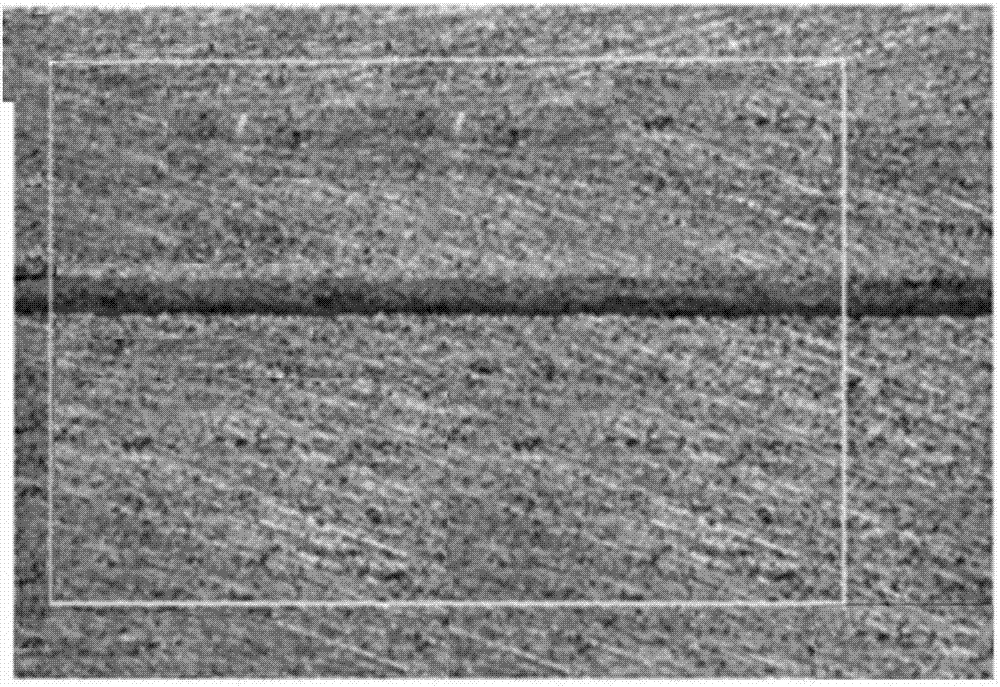
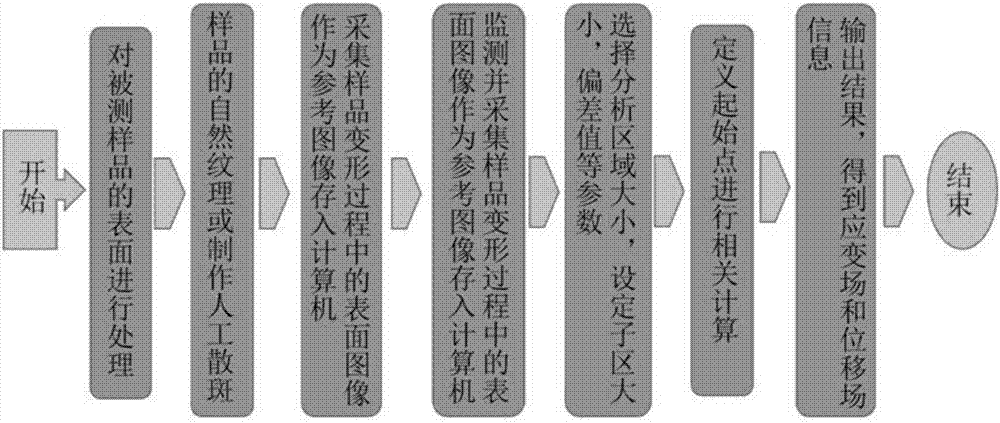
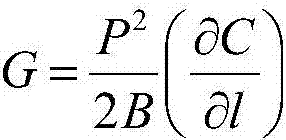
- An improved three-point bending method is used to apply external force on the alloy substrate until the layered structure interface is damaged, and the interface deformation is characterized by digital image correlation method, the energy release rate is calculated using the flexibility method, and the interface bonding strength of the thermal barrier coating is accurately measured. .

Method for measuring interface bonding strength of ultrafine abrasive and polymer matrix material
PatentInactiveAU2021101749A4
Innovation
- A method involving bonding a grinding tool sample to a stage, aligning an abrasive particle with a probe, applying a binder, and measuring the tensile force required to pull the abrasive out of the matrix while calculating the contact area to determine the interface bonding strength, using high-precision force and image microscopic systems.


Material Standards and Testing Protocols
The establishment of comprehensive material standards and testing protocols for wear versus interface strength research requires a systematic approach that addresses both standardization needs and measurement accuracy. Current international standards such as ASTM G99, ISO 20808, and DIN 50324 provide foundational frameworks for wear testing, while interface strength evaluation relies on standards like ASTM D4541 for pull-off adhesion and ISO 4624 for coating adhesion measurements.
Standardized wear testing protocols typically encompass pin-on-disk, ball-on-flat, and reciprocating sliding configurations under controlled environmental conditions. These protocols specify critical parameters including applied load ranges, sliding velocities, test duration, and surface preparation requirements. Temperature and humidity control during testing ensures reproducible results, while specimen geometry and surface roughness specifications minimize variability between different laboratories and research institutions.
Interface strength measurement protocols require precise control of loading rates, specimen alignment, and failure mode identification. Tensile adhesion tests, shear strength evaluations, and peel tests each provide distinct insights into interfacial bonding characteristics. Cross-cut adhesion tests following ISO 2409 standards offer qualitative assessment methods, while quantitative approaches utilize specialized fixtures and load cells calibrated to international metrological standards.
Material characterization standards mandate comprehensive documentation of substrate properties, coating compositions, and environmental exposure conditions. Surface analysis protocols incorporating profilometry, microscopy, and chemical composition verification ensure consistent baseline conditions. Pre-test conditioning procedures, including cleaning protocols and surface activation treatments, significantly influence both wear behavior and interface strength measurements.
Quality assurance frameworks integrate statistical analysis requirements, uncertainty quantification, and inter-laboratory comparison protocols. Round-robin testing programs validate measurement consistency across different facilities, while reference materials provide calibration benchmarks. Data reporting standards specify required metadata, measurement uncertainties, and failure mode classifications to enable meaningful comparison of results across different research programs and industrial applications.
Standardized wear testing protocols typically encompass pin-on-disk, ball-on-flat, and reciprocating sliding configurations under controlled environmental conditions. These protocols specify critical parameters including applied load ranges, sliding velocities, test duration, and surface preparation requirements. Temperature and humidity control during testing ensures reproducible results, while specimen geometry and surface roughness specifications minimize variability between different laboratories and research institutions.
Interface strength measurement protocols require precise control of loading rates, specimen alignment, and failure mode identification. Tensile adhesion tests, shear strength evaluations, and peel tests each provide distinct insights into interfacial bonding characteristics. Cross-cut adhesion tests following ISO 2409 standards offer qualitative assessment methods, while quantitative approaches utilize specialized fixtures and load cells calibrated to international metrological standards.
Material characterization standards mandate comprehensive documentation of substrate properties, coating compositions, and environmental exposure conditions. Surface analysis protocols incorporating profilometry, microscopy, and chemical composition verification ensure consistent baseline conditions. Pre-test conditioning procedures, including cleaning protocols and surface activation treatments, significantly influence both wear behavior and interface strength measurements.
Quality assurance frameworks integrate statistical analysis requirements, uncertainty quantification, and inter-laboratory comparison protocols. Round-robin testing programs validate measurement consistency across different facilities, while reference materials provide calibration benchmarks. Data reporting standards specify required metadata, measurement uncertainties, and failure mode classifications to enable meaningful comparison of results across different research programs and industrial applications.
Sustainability in Interface Material Development
The growing emphasis on environmental responsibility has fundamentally transformed interface material development, driving researchers and manufacturers toward sustainable approaches that balance performance with ecological impact. Traditional interface materials often relied on non-renewable resources and energy-intensive manufacturing processes, creating significant environmental footprints throughout their lifecycle. The shift toward sustainability has introduced new paradigms that prioritize renewable feedstocks, reduced energy consumption, and end-of-life recyclability without compromising the critical balance between wear resistance and interface strength.
Bio-based polymers and natural fiber reinforcements have emerged as promising alternatives to conventional synthetic materials in interface applications. These materials, derived from agricultural waste, algae, and other renewable sources, offer comparable mechanical properties while significantly reducing carbon emissions during production. Advanced processing techniques such as green chemistry synthesis and low-temperature curing have enabled the development of sustainable interface materials that maintain the necessary adhesion strength and wear characteristics required for demanding applications.
Circular economy principles are increasingly integrated into interface material design, emphasizing material recovery and reuse strategies. Thermoplastic-based interface systems allow for multiple recycling cycles, while biodegradable options provide controlled degradation pathways that minimize long-term environmental impact. These approaches require careful consideration of material compatibility and performance degradation over multiple use cycles, particularly in applications where interface strength is critical for safety and reliability.
Life cycle assessment methodologies have become essential tools for evaluating the true sustainability of interface material solutions. These comprehensive analyses consider raw material extraction, manufacturing energy requirements, transportation impacts, service life performance, and end-of-life disposal or recycling options. The results often reveal trade-offs between immediate performance benefits and long-term environmental costs, guiding development toward optimized solutions that achieve acceptable wear and strength characteristics while minimizing ecological impact.
Emerging sustainable technologies include self-healing interface materials that extend service life, reducing replacement frequency and associated environmental costs. Nanotechnology applications using sustainably sourced nanoparticles enhance both wear resistance and interface bonding strength while maintaining environmental compatibility. These innovations demonstrate that sustainability and performance optimization can be achieved simultaneously through thoughtful material design and processing approaches.
Bio-based polymers and natural fiber reinforcements have emerged as promising alternatives to conventional synthetic materials in interface applications. These materials, derived from agricultural waste, algae, and other renewable sources, offer comparable mechanical properties while significantly reducing carbon emissions during production. Advanced processing techniques such as green chemistry synthesis and low-temperature curing have enabled the development of sustainable interface materials that maintain the necessary adhesion strength and wear characteristics required for demanding applications.
Circular economy principles are increasingly integrated into interface material design, emphasizing material recovery and reuse strategies. Thermoplastic-based interface systems allow for multiple recycling cycles, while biodegradable options provide controlled degradation pathways that minimize long-term environmental impact. These approaches require careful consideration of material compatibility and performance degradation over multiple use cycles, particularly in applications where interface strength is critical for safety and reliability.
Life cycle assessment methodologies have become essential tools for evaluating the true sustainability of interface material solutions. These comprehensive analyses consider raw material extraction, manufacturing energy requirements, transportation impacts, service life performance, and end-of-life disposal or recycling options. The results often reveal trade-offs between immediate performance benefits and long-term environmental costs, guiding development toward optimized solutions that achieve acceptable wear and strength characteristics while minimizing ecological impact.
Emerging sustainable technologies include self-healing interface materials that extend service life, reducing replacement frequency and associated environmental costs. Nanotechnology applications using sustainably sourced nanoparticles enhance both wear resistance and interface bonding strength while maintaining environmental compatibility. These innovations demonstrate that sustainability and performance optimization can be achieved simultaneously through thoughtful material design and processing approaches.
Unlock deeper insights with PatSnap Eureka Quick Research — get a full tech report to explore trends and direct your research. Try now!
Generate Your Research Report Instantly with AI Agent
Supercharge your innovation with PatSnap Eureka AI Agent Platform!