Reversing Valve Control Accuracy: Enhancing System Precision
MAR 25, 20269 MIN READ
Generate Your Research Report Instantly with AI Agent
PatSnap Eureka helps you evaluate technical feasibility & market potential.
Reversing Valve Technology Background and Control Objectives
Reversing valves represent a critical component in fluid control systems, particularly in HVAC applications where they enable the switching of refrigerant flow direction to achieve both heating and cooling operations. These electromechanical devices have evolved significantly since their introduction in the mid-20th century, transitioning from simple manual switching mechanisms to sophisticated electronically controlled systems capable of precise flow modulation.
The fundamental principle underlying reversing valve operation involves the redirection of fluid flow through strategic positioning of internal components, typically achieved through solenoid actuation or pilot valve control. Traditional reversing valves operated as binary devices, providing only on-off functionality with limited precision in flow control. However, modern applications demand enhanced accuracy and responsiveness to meet increasingly stringent performance requirements.
Contemporary reversing valve technology has progressed toward incorporating advanced control methodologies, including proportional control, feedback mechanisms, and intelligent positioning systems. These developments address the growing need for precise flow regulation in applications ranging from residential heat pumps to industrial process control systems. The integration of electronic control units has enabled real-time monitoring and adjustment capabilities, significantly improving system responsiveness and operational efficiency.
The primary technical objectives driving current reversing valve development focus on achieving superior control accuracy through multiple approaches. Position feedback systems utilizing sensors such as linear variable differential transformers or hall effect sensors provide real-time valve position data, enabling closed-loop control strategies that minimize positioning errors and enhance repeatability.
Response time optimization represents another crucial objective, as rapid and accurate valve switching directly impacts system performance and energy efficiency. Advanced actuator designs incorporating high-torque servo motors and optimized mechanical linkages have demonstrated significant improvements in switching speed while maintaining positional accuracy.
Temperature and pressure compensation mechanisms constitute essential objectives for maintaining control precision across varying operating conditions. Sophisticated control algorithms now incorporate environmental parameter feedback to adjust valve positioning commands, ensuring consistent performance regardless of system operating conditions.
The pursuit of enhanced system precision has led to the development of multi-stage valve designs that provide intermediate positioning capabilities, enabling gradual flow transitions and improved system stability. These innovations address the limitations of traditional binary operation while maintaining the reliability characteristics essential for critical applications.
The fundamental principle underlying reversing valve operation involves the redirection of fluid flow through strategic positioning of internal components, typically achieved through solenoid actuation or pilot valve control. Traditional reversing valves operated as binary devices, providing only on-off functionality with limited precision in flow control. However, modern applications demand enhanced accuracy and responsiveness to meet increasingly stringent performance requirements.
Contemporary reversing valve technology has progressed toward incorporating advanced control methodologies, including proportional control, feedback mechanisms, and intelligent positioning systems. These developments address the growing need for precise flow regulation in applications ranging from residential heat pumps to industrial process control systems. The integration of electronic control units has enabled real-time monitoring and adjustment capabilities, significantly improving system responsiveness and operational efficiency.
The primary technical objectives driving current reversing valve development focus on achieving superior control accuracy through multiple approaches. Position feedback systems utilizing sensors such as linear variable differential transformers or hall effect sensors provide real-time valve position data, enabling closed-loop control strategies that minimize positioning errors and enhance repeatability.
Response time optimization represents another crucial objective, as rapid and accurate valve switching directly impacts system performance and energy efficiency. Advanced actuator designs incorporating high-torque servo motors and optimized mechanical linkages have demonstrated significant improvements in switching speed while maintaining positional accuracy.
Temperature and pressure compensation mechanisms constitute essential objectives for maintaining control precision across varying operating conditions. Sophisticated control algorithms now incorporate environmental parameter feedback to adjust valve positioning commands, ensuring consistent performance regardless of system operating conditions.
The pursuit of enhanced system precision has led to the development of multi-stage valve designs that provide intermediate positioning capabilities, enabling gradual flow transitions and improved system stability. These innovations address the limitations of traditional binary operation while maintaining the reliability characteristics essential for critical applications.
Market Demand for High-Precision Reversing Valve Systems
The global market for high-precision reversing valve systems is experiencing unprecedented growth driven by increasing demands for enhanced system reliability and operational efficiency across multiple industrial sectors. Manufacturing industries, particularly those involved in chemical processing, pharmaceutical production, and semiconductor fabrication, require reversing valves with exceptional control accuracy to maintain product quality and process consistency. These applications demand positioning accuracy within micrometers and response times measured in milliseconds to ensure optimal performance.
HVAC systems represent another significant market segment where precision reversing valve control directly impacts energy efficiency and comfort levels. Modern building automation systems require valves capable of precise flow modulation to optimize heating and cooling cycles, reduce energy consumption, and maintain consistent indoor environmental conditions. The growing emphasis on green building standards and energy efficiency regulations has intensified the demand for high-precision valve control solutions.
The aerospace and defense industries present specialized market opportunities for ultra-high precision reversing valve systems. Aircraft hydraulic systems, satellite propulsion mechanisms, and missile guidance systems require valves with exceptional reliability and control accuracy under extreme operating conditions. These applications often demand custom-engineered solutions with stringent certification requirements and extended operational lifespans.
Automotive sector transformation toward electric and hybrid vehicles has created new market demands for precision valve control in battery thermal management systems, brake systems, and transmission applications. The shift toward autonomous vehicles further amplifies requirements for reliable and precise fluid control systems that can operate consistently across varying environmental conditions.
Industrial automation and robotics applications increasingly rely on high-precision reversing valves for hydraulic and pneumatic actuators. The growing adoption of Industry 4.0 technologies and smart manufacturing processes requires valve systems capable of real-time position feedback, predictive maintenance capabilities, and seamless integration with digital control networks.
Market growth is further accelerated by stringent regulatory requirements in industries such as food processing, pharmaceuticals, and water treatment, where precise flow control directly impacts product safety and compliance with quality standards. The increasing complexity of industrial processes and the need for enhanced operational efficiency continue to drive demand for advanced reversing valve control technologies across diverse market segments.
HVAC systems represent another significant market segment where precision reversing valve control directly impacts energy efficiency and comfort levels. Modern building automation systems require valves capable of precise flow modulation to optimize heating and cooling cycles, reduce energy consumption, and maintain consistent indoor environmental conditions. The growing emphasis on green building standards and energy efficiency regulations has intensified the demand for high-precision valve control solutions.
The aerospace and defense industries present specialized market opportunities for ultra-high precision reversing valve systems. Aircraft hydraulic systems, satellite propulsion mechanisms, and missile guidance systems require valves with exceptional reliability and control accuracy under extreme operating conditions. These applications often demand custom-engineered solutions with stringent certification requirements and extended operational lifespans.
Automotive sector transformation toward electric and hybrid vehicles has created new market demands for precision valve control in battery thermal management systems, brake systems, and transmission applications. The shift toward autonomous vehicles further amplifies requirements for reliable and precise fluid control systems that can operate consistently across varying environmental conditions.
Industrial automation and robotics applications increasingly rely on high-precision reversing valves for hydraulic and pneumatic actuators. The growing adoption of Industry 4.0 technologies and smart manufacturing processes requires valve systems capable of real-time position feedback, predictive maintenance capabilities, and seamless integration with digital control networks.
Market growth is further accelerated by stringent regulatory requirements in industries such as food processing, pharmaceuticals, and water treatment, where precise flow control directly impacts product safety and compliance with quality standards. The increasing complexity of industrial processes and the need for enhanced operational efficiency continue to drive demand for advanced reversing valve control technologies across diverse market segments.
Current State and Control Accuracy Challenges
Reversing valve control systems in HVAC applications currently face significant precision challenges that limit overall system efficiency and performance. Traditional control mechanisms rely on solenoid-operated valves with basic on-off functionality, which creates inherent accuracy limitations in temperature regulation and refrigerant flow management. These conventional systems typically exhibit control tolerances of ±2-3°F, falling short of modern precision requirements for energy-efficient operations.
The primary technical challenge stems from the mechanical nature of current reversing valve designs, which depend on pressure differentials and spring-loaded mechanisms for operation. These components introduce response delays ranging from 30 seconds to several minutes, creating substantial lag times between control signals and actual valve positioning. This delayed response significantly impacts system precision, particularly during rapid load changes or ambient condition fluctuations.
Current control accuracy is further compromised by temperature-dependent performance variations in valve components. Refrigerant viscosity changes, seal material expansion, and spring constant variations across operating temperatures create inconsistent valve response characteristics. Field studies indicate that control accuracy can degrade by up to 40% when systems operate outside their optimal temperature ranges, typically between 32°F and 100°F ambient conditions.
Electronic control integration presents another significant challenge in existing systems. Most reversing valves operate through simple electrical switching without feedback mechanisms, preventing real-time position verification or adaptive control adjustments. This open-loop control architecture limits the ability to compensate for wear, contamination, or changing system conditions that affect valve performance over time.
Manufacturing tolerances and component aging compound these accuracy challenges. Valve seat wear, spring fatigue, and seal degradation progressively reduce control precision throughout the system lifecycle. Industry data suggests that control accuracy typically decreases by 15-25% within the first five years of operation, necessitating frequent maintenance interventions or complete valve replacement to maintain acceptable performance levels.
The integration of variable refrigerant flow systems has exposed additional limitations in traditional reversing valve control. These advanced systems require precise flow modulation capabilities that exceed the binary switching functionality of conventional valves, creating a technological gap that current solutions cannot adequately address without significant system modifications.
The primary technical challenge stems from the mechanical nature of current reversing valve designs, which depend on pressure differentials and spring-loaded mechanisms for operation. These components introduce response delays ranging from 30 seconds to several minutes, creating substantial lag times between control signals and actual valve positioning. This delayed response significantly impacts system precision, particularly during rapid load changes or ambient condition fluctuations.
Current control accuracy is further compromised by temperature-dependent performance variations in valve components. Refrigerant viscosity changes, seal material expansion, and spring constant variations across operating temperatures create inconsistent valve response characteristics. Field studies indicate that control accuracy can degrade by up to 40% when systems operate outside their optimal temperature ranges, typically between 32°F and 100°F ambient conditions.
Electronic control integration presents another significant challenge in existing systems. Most reversing valves operate through simple electrical switching without feedback mechanisms, preventing real-time position verification or adaptive control adjustments. This open-loop control architecture limits the ability to compensate for wear, contamination, or changing system conditions that affect valve performance over time.
Manufacturing tolerances and component aging compound these accuracy challenges. Valve seat wear, spring fatigue, and seal degradation progressively reduce control precision throughout the system lifecycle. Industry data suggests that control accuracy typically decreases by 15-25% within the first five years of operation, necessitating frequent maintenance interventions or complete valve replacement to maintain acceptable performance levels.
The integration of variable refrigerant flow systems has exposed additional limitations in traditional reversing valve control. These advanced systems require precise flow modulation capabilities that exceed the binary switching functionality of conventional valves, creating a technological gap that current solutions cannot adequately address without significant system modifications.
Existing Control Solutions for Valve Precision Enhancement
01 Electronic control systems for reversing valve operation
Advanced electronic control systems can be implemented to improve the accuracy of reversing valve switching. These systems utilize microprocessors, sensors, and feedback mechanisms to precisely control the timing and position of the reversing valve. The electronic controls can monitor system parameters such as temperature, pressure, and flow rate to determine the optimal switching point, reducing delays and improving response time. Digital control algorithms can compensate for mechanical variations and wear, ensuring consistent valve operation over time.- Electronic control systems for reversing valve operation: Advanced electronic control systems can be implemented to improve the accuracy of reversing valve switching. These systems utilize microprocessors, sensors, and feedback mechanisms to precisely control the timing and position of the reversing valve. The electronic controls can monitor system parameters such as temperature, pressure, and flow rate to determine the optimal switching point, reducing delays and improving response time. Digital control algorithms can also compensate for mechanical wear and environmental factors that affect valve performance.
- Position sensing and feedback mechanisms: Incorporating position sensors and feedback systems into reversing valve assemblies enables real-time monitoring of valve position and movement. These mechanisms can detect whether the valve has fully completed its switching cycle and provide confirmation signals to the control system. Sensors such as Hall effect sensors, reed switches, or optical sensors can be used to accurately determine valve position. The feedback information allows the control system to verify proper valve operation and make corrections if the valve fails to reach the intended position, thereby improving overall control accuracy.
- Pilot valve control for main reversing valve: Using a pilot valve system to control the main reversing valve can enhance switching accuracy and reliability. The pilot valve, which is typically smaller and more responsive, directs pressure to actuate the main reversing valve. This two-stage control approach allows for more precise timing and smoother transitions. The pilot valve can be controlled electronically with high precision, while the main valve benefits from the mechanical advantage of pressure-driven actuation. This configuration reduces the electrical load requirements and improves the consistency of valve switching operations.
- Mechanical improvements to valve structure: Enhancing the mechanical design of reversing valves can significantly improve control accuracy. This includes optimizing the valve slide mechanism, reducing internal clearances, and improving sealing surfaces to minimize leakage during switching. Precision manufacturing techniques and the use of wear-resistant materials can reduce friction and ensure consistent valve movement. Spring-loaded mechanisms and balanced pressure designs can help the valve reach its intended position more reliably. Structural modifications that reduce the effects of vibration and external forces also contribute to improved accuracy.
- Adaptive control algorithms and timing optimization: Implementing adaptive control algorithms that learn and adjust to system conditions can improve reversing valve control accuracy over time. These algorithms can analyze historical switching performance, ambient conditions, and system load to optimize valve actuation timing. Predictive control strategies can anticipate the need for valve switching based on operating patterns and initiate the process at the most appropriate moment. Temperature compensation algorithms can adjust control signals to account for changes in refrigerant properties and system pressures that affect valve response. Machine learning approaches can continuously refine control parameters to maintain optimal accuracy throughout the system's operational life.
02 Mechanical positioning and feedback mechanisms
Mechanical improvements to reversing valve design can enhance control accuracy through precise positioning mechanisms and feedback systems. These include the use of detent mechanisms, spring-loaded positioning systems, and mechanical stops that ensure the valve reaches its intended position. Position sensors and limit switches can provide feedback to confirm proper valve positioning. Improved sealing designs and tighter manufacturing tolerances reduce internal leakage and improve the accuracy of flow direction control.Expand Specific Solutions03 Pilot valve control systems
Pilot valve systems can be employed to control the main reversing valve with greater precision. These systems use a smaller pilot valve to control the pressure differential that actuates the main valve, allowing for more accurate and responsive switching. The pilot valve can be controlled electronically or pneumatically, providing fine control over the switching process. This approach reduces the force required for valve actuation and minimizes switching delays, improving overall system response and accuracy.Expand Specific Solutions04 Hydraulic and pneumatic actuation systems
Hydraulic or pneumatic actuation systems can provide precise control over reversing valve movement. These systems use fluid pressure to move the valve element, allowing for smooth and controlled transitions between positions. Pressure regulators and flow control valves can be used to adjust the actuation speed and force, optimizing valve performance. Accumulator systems can provide rapid response while maintaining control accuracy. These actuation methods reduce mechanical shock and wear while improving positioning repeatability.Expand Specific Solutions05 Sensor-based monitoring and adaptive control
Integration of multiple sensors and adaptive control algorithms can significantly improve reversing valve control accuracy. Temperature sensors, pressure transducers, and position sensors provide real-time data on valve status and system conditions. This information is processed by control systems that can adapt valve operation based on operating conditions, compensating for factors such as refrigerant charge variations, ambient temperature changes, and system wear. Predictive algorithms can anticipate required valve switching and initiate control actions proactively, reducing response time and improving accuracy.Expand Specific Solutions
Key Players in Reversing Valve and Control System Industry
The reversing valve control accuracy technology market is experiencing significant growth driven by increasing demand for precision in HVAC and refrigeration systems. The industry is in a mature development stage with established players like DENSO Corp., Robert Bosch GmbH, and Continental Automotive GmbH leading automotive applications, while Danfoss A/S and Zhejiang Sanhua Commercial Refrigeration dominate commercial refrigeration segments. Technology maturity varies across applications, with automotive reversing valve systems showing high sophistication through companies like Toyota Motor Corp. and ZF Friedrichshafen AG implementing advanced electronic controls. Industrial automation leaders including FANUC Corp. and Hitachi Automotive Systems are advancing precision control algorithms. The market demonstrates strong consolidation with major players like Mitsubishi Electric Mobility Corp. and Astemo Ltd. investing heavily in smart valve technologies. Chinese manufacturers such as Zoomlion Heavy Industry and Guangxi Liugong Machinery are rapidly advancing in construction and agricultural machinery applications, indicating growing global competition and technological convergence across sectors.
DENSO Corp.
Technical Solution: DENSO has developed precision valve control systems utilizing advanced electromagnetic actuators with integrated position feedback sensors. Their technology employs sophisticated control algorithms that can maintain valve positioning accuracy within ±2% of target position under varying temperature and pressure conditions. The system features rapid response capabilities with switching times under 5 seconds and incorporates self-diagnostic functions for fault detection and system health monitoring. DENSO's solutions are optimized for automotive climate control applications and integrate with vehicle thermal management systems for enhanced efficiency and reliability.
Strengths: Automotive industry expertise, high reliability standards, compact design solutions. Weaknesses: Primarily focused on automotive applications, limited scalability for large industrial systems.
Continental Teves AG & Co. oHG
Technical Solution: Continental has developed intelligent valve control systems that combine electronic actuators with advanced sensor fusion technology for enhanced positioning accuracy. Their solutions utilize multi-sensor arrays including position, temperature, and flow sensors to achieve precise valve control with accuracy levels better than ±1% of full scale. The system incorporates machine learning algorithms that adapt to changing operating conditions and component aging effects. Continental's technology features integrated safety functions and fail-safe mechanisms, making it suitable for critical automotive thermal management applications where reliability and precision are paramount for system performance and passenger comfort.
Strengths: Advanced sensor fusion technology, automotive safety standards compliance, adaptive learning capabilities. Weaknesses: Higher complexity and cost, primarily automotive-focused applications.
Core Control Algorithms and Precision Technologies
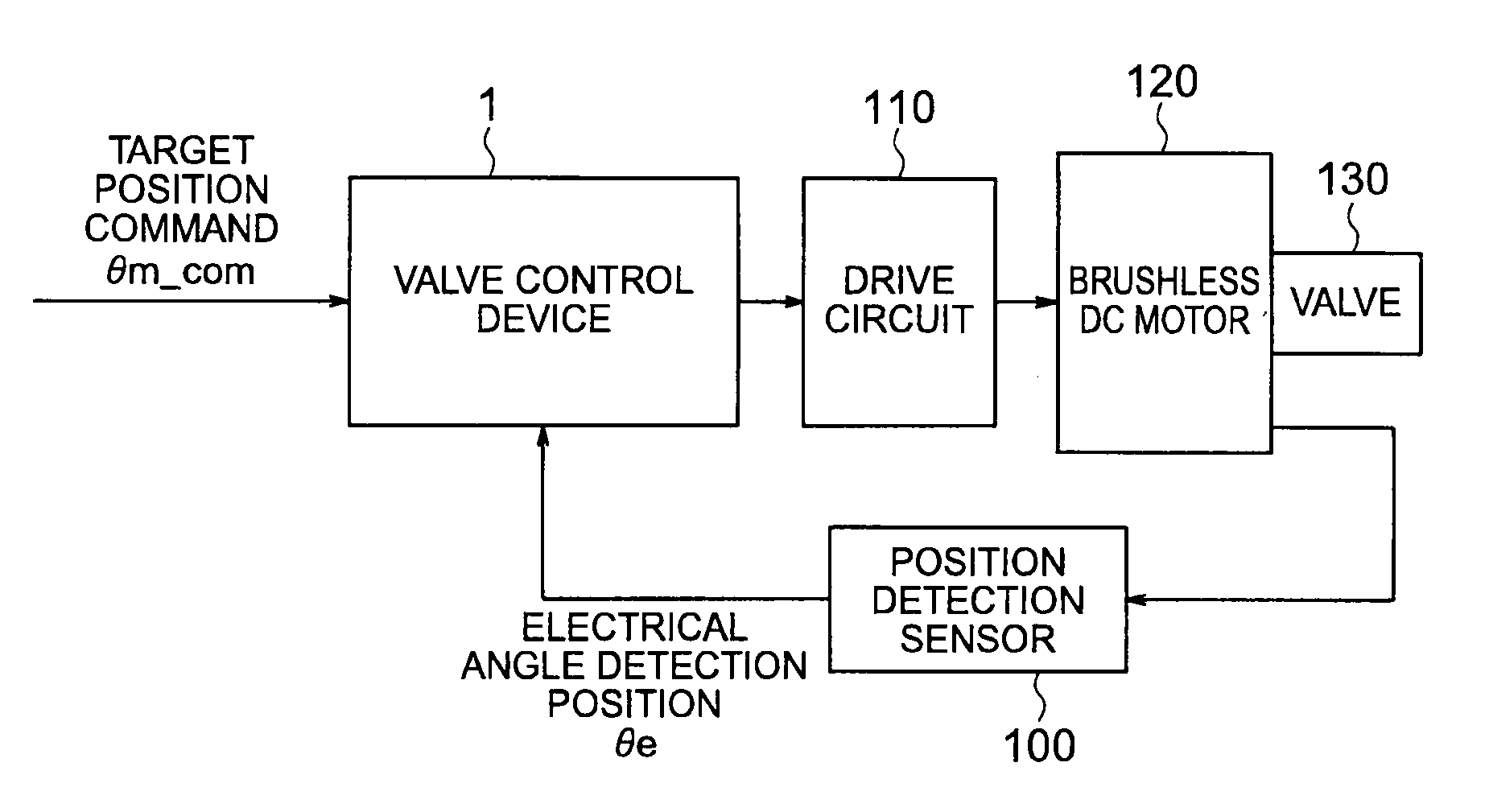
Valve control device
PatentActiveUS20110273127A1
Innovation
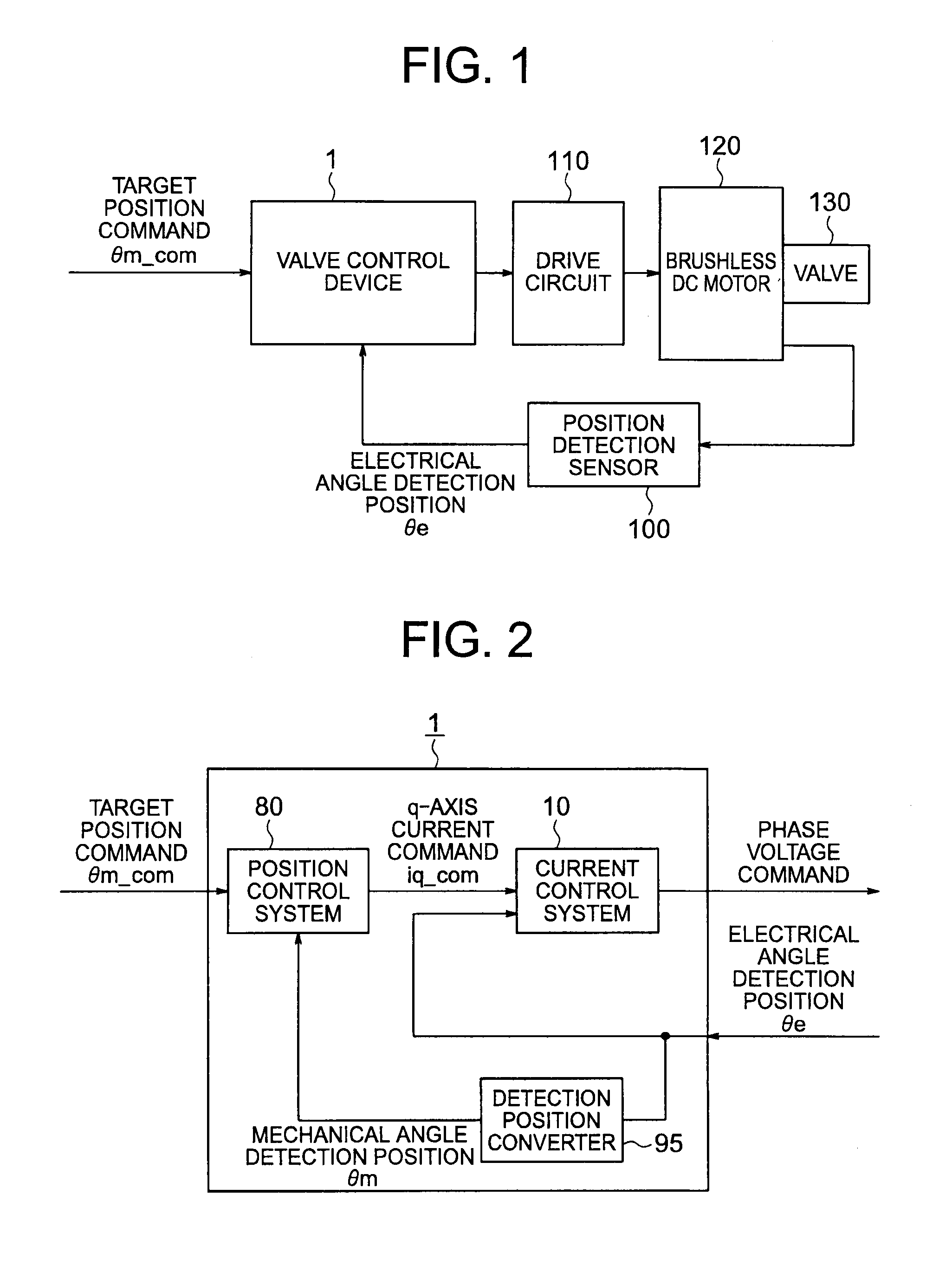
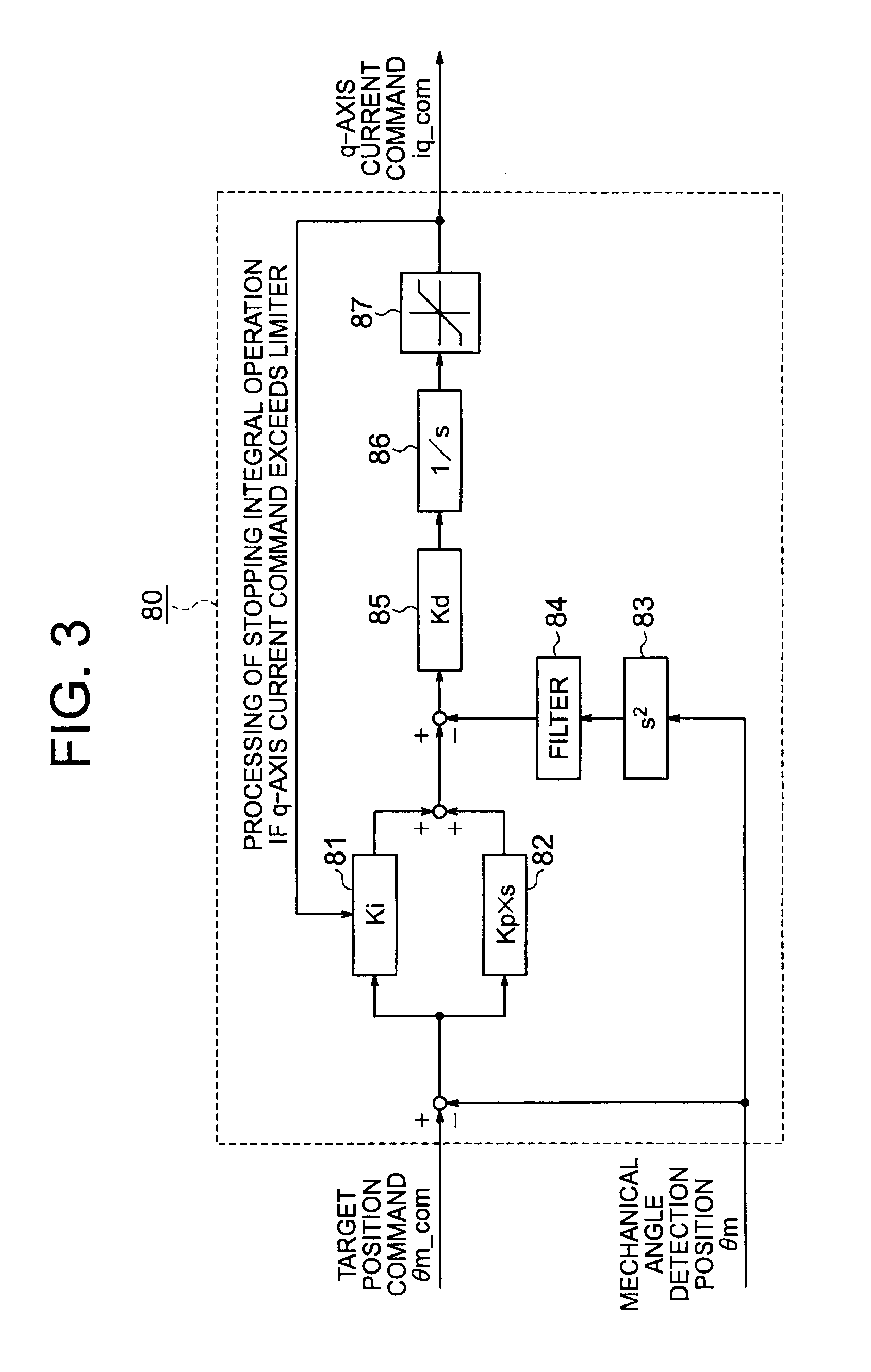
- A valve control device utilizing a brushless DC motor with a pulse output sensor, incorporating a current control system that calculates phase current commands and induced voltages with coarse electrical angle resolution, and applies phase correction to suppress sampling period influence, enabling virtual current feedback for accurate torque control and preventing valve collisions.

Pneumatic valve positioner with feedback controlled flow booster
PatentInactiveUS20210262582A1
Innovation
- The introduction of a novel flow booster, referred to as the JetFlow booster, which is controlled by a pneumatic valve positioner and includes a booster valve plug sensor for feedback, allowing for rapid and accurate adjustments without complex electronics and eliminating the need for pressure threshold calibration, thereby enhancing control precision and reliability.


Energy Efficiency Standards for Valve Control Systems
Energy efficiency standards for valve control systems have become increasingly stringent as global environmental regulations tighten and operational cost pressures mount. The International Energy Agency (IEA) has established baseline efficiency requirements that mandate minimum performance thresholds for industrial valve control systems, with specific emphasis on reversing valve applications in HVAC and refrigeration systems.
Current regulatory frameworks, including the European Union's Ecodesign Directive and the United States Department of Energy efficiency standards, require valve control systems to achieve minimum Coefficient of Performance (COP) ratings. For reversing valve control systems, these standards typically mandate energy consumption reductions of 15-20% compared to conventional control mechanisms, with precision control accuracy maintained within ±2% of setpoint values.
The Energy Star certification program has introduced specific criteria for valve control systems, establishing performance benchmarks that correlate control accuracy with energy consumption metrics. Systems achieving superior control precision demonstrate measurably lower energy waste through reduced cycling losses and improved thermal management. These standards recognize that enhanced control accuracy directly translates to energy savings by minimizing unnecessary valve actuations and optimizing system response times.
Emerging standards focus on dynamic efficiency metrics rather than static performance measurements. The International Organization for Standardization (ISO) is developing new protocols that evaluate energy efficiency under varying load conditions, recognizing that reversing valve systems operate across diverse operational scenarios. These evolving standards emphasize the importance of maintaining control accuracy across the entire operational envelope while minimizing energy consumption.
Compliance verification procedures now incorporate real-time monitoring requirements, mandating continuous assessment of both control precision and energy performance. Advanced metering infrastructure enables automated compliance reporting, ensuring that valve control systems maintain efficiency standards throughout their operational lifecycle while delivering the enhanced precision necessary for optimal system performance.
Current regulatory frameworks, including the European Union's Ecodesign Directive and the United States Department of Energy efficiency standards, require valve control systems to achieve minimum Coefficient of Performance (COP) ratings. For reversing valve control systems, these standards typically mandate energy consumption reductions of 15-20% compared to conventional control mechanisms, with precision control accuracy maintained within ±2% of setpoint values.
The Energy Star certification program has introduced specific criteria for valve control systems, establishing performance benchmarks that correlate control accuracy with energy consumption metrics. Systems achieving superior control precision demonstrate measurably lower energy waste through reduced cycling losses and improved thermal management. These standards recognize that enhanced control accuracy directly translates to energy savings by minimizing unnecessary valve actuations and optimizing system response times.
Emerging standards focus on dynamic efficiency metrics rather than static performance measurements. The International Organization for Standardization (ISO) is developing new protocols that evaluate energy efficiency under varying load conditions, recognizing that reversing valve systems operate across diverse operational scenarios. These evolving standards emphasize the importance of maintaining control accuracy across the entire operational envelope while minimizing energy consumption.
Compliance verification procedures now incorporate real-time monitoring requirements, mandating continuous assessment of both control precision and energy performance. Advanced metering infrastructure enables automated compliance reporting, ensuring that valve control systems maintain efficiency standards throughout their operational lifecycle while delivering the enhanced precision necessary for optimal system performance.
Safety and Reliability Requirements for Critical Applications
Reversing valve control systems in critical applications must adhere to stringent safety and reliability standards to prevent catastrophic failures and ensure operational continuity. These requirements become particularly demanding in sectors such as aerospace, nuclear power, petrochemical processing, and medical equipment, where system malfunctions can result in significant safety hazards, environmental damage, or loss of life.
The primary safety requirement centers on fail-safe operation mechanisms. Critical reversing valve systems must incorporate redundant control pathways and emergency shutdown protocols that activate when control accuracy deviates beyond predetermined thresholds. These systems typically employ dual or triple redundancy configurations, where multiple independent control circuits monitor valve positioning and can override primary control signals when anomalies are detected.
Reliability standards for critical applications mandate Mean Time Between Failures (MTBF) ratings exceeding 100,000 hours under normal operating conditions. This necessitates the use of high-grade materials, precision manufacturing processes, and extensive quality assurance testing. Components must demonstrate consistent performance across extreme temperature ranges, pressure variations, and environmental conditions specific to their deployment scenarios.
Functional safety compliance requires adherence to international standards such as IEC 61508 for general functional safety and application-specific standards like IEC 61511 for process industries. These frameworks establish Safety Integrity Levels (SIL) ranging from SIL 1 to SIL 4, with critical reversing valve applications typically requiring SIL 2 or SIL 3 certification, demanding probability of failure on demand rates below 10^-3 to 10^-4.
Diagnostic capabilities represent another crucial requirement, encompassing continuous self-monitoring systems that detect valve position discrepancies, actuator performance degradation, and control signal integrity issues. Advanced diagnostic systems employ predictive maintenance algorithms that analyze performance trends and provide early warning indicators before critical failures occur.
Environmental resilience standards ensure reliable operation under harsh conditions, including resistance to vibration, electromagnetic interference, corrosive atmospheres, and radiation exposure where applicable. These requirements often necessitate specialized housing designs, shielded control electronics, and materials selected for their stability under specific environmental stressors.
The primary safety requirement centers on fail-safe operation mechanisms. Critical reversing valve systems must incorporate redundant control pathways and emergency shutdown protocols that activate when control accuracy deviates beyond predetermined thresholds. These systems typically employ dual or triple redundancy configurations, where multiple independent control circuits monitor valve positioning and can override primary control signals when anomalies are detected.
Reliability standards for critical applications mandate Mean Time Between Failures (MTBF) ratings exceeding 100,000 hours under normal operating conditions. This necessitates the use of high-grade materials, precision manufacturing processes, and extensive quality assurance testing. Components must demonstrate consistent performance across extreme temperature ranges, pressure variations, and environmental conditions specific to their deployment scenarios.
Functional safety compliance requires adherence to international standards such as IEC 61508 for general functional safety and application-specific standards like IEC 61511 for process industries. These frameworks establish Safety Integrity Levels (SIL) ranging from SIL 1 to SIL 4, with critical reversing valve applications typically requiring SIL 2 or SIL 3 certification, demanding probability of failure on demand rates below 10^-3 to 10^-4.
Diagnostic capabilities represent another crucial requirement, encompassing continuous self-monitoring systems that detect valve position discrepancies, actuator performance degradation, and control signal integrity issues. Advanced diagnostic systems employ predictive maintenance algorithms that analyze performance trends and provide early warning indicators before critical failures occur.
Environmental resilience standards ensure reliable operation under harsh conditions, including resistance to vibration, electromagnetic interference, corrosive atmospheres, and radiation exposure where applicable. These requirements often necessitate specialized housing designs, shielded control electronics, and materials selected for their stability under specific environmental stressors.
Unlock deeper insights with PatSnap Eureka Quick Research — get a full tech report to explore trends and direct your research. Try now!
Generate Your Research Report Instantly with AI Agent
Supercharge your innovation with PatSnap Eureka AI Agent Platform!