

Revise Process Safety Standards with Vapor Pressure Data
MAR 16, 20269 MIN READ
Generate Your Research Report Instantly with AI Agent
PatSnap Eureka helps you evaluate technical feasibility & market potential.
Process Safety Standards and Vapor Pressure Integration Goals
The integration of vapor pressure data into process safety standards represents a critical evolution in industrial safety management, driven by the increasing complexity of chemical processes and the need for more precise hazard assessment methodologies. This technological advancement aims to enhance the accuracy of safety evaluations by incorporating real-time vapor pressure measurements and predictive modeling into existing safety frameworks.
The primary objective of this integration is to establish dynamic safety thresholds that adapt to varying operational conditions, replacing static safety parameters with responsive systems that account for temperature fluctuations, pressure variations, and chemical composition changes. This approach enables more accurate prediction of vapor formation rates, flash point variations, and explosion risk assessments across different operational scenarios.
Current safety standards often rely on standardized vapor pressure values derived from laboratory conditions, which may not accurately reflect real-world industrial environments. The integration goals focus on bridging this gap by incorporating continuous monitoring systems that provide real-time vapor pressure data, enabling immediate safety protocol adjustments when conditions deviate from established parameters.
The technological framework aims to develop automated safety response systems that utilize vapor pressure data to trigger preventive measures before hazardous conditions develop. This includes the implementation of intelligent alarm systems, automated ventilation adjustments, and emergency shutdown procedures based on vapor pressure thresholds specific to each chemical process and environmental condition.
Another key objective involves establishing standardized protocols for vapor pressure data collection, processing, and interpretation across different industrial sectors. This standardization ensures consistency in safety assessments while allowing for industry-specific adaptations that account for unique operational requirements and risk profiles.
The integration also targets the development of predictive safety models that combine historical vapor pressure data with machine learning algorithms to forecast potential safety incidents. These models aim to identify patterns and correlations that may not be apparent through traditional safety assessment methods, enabling proactive risk mitigation strategies.
Furthermore, the goals encompass the creation of comprehensive training programs and certification standards for safety professionals who will implement and maintain these integrated systems. This ensures proper understanding and application of vapor pressure-based safety protocols across various industrial applications, ultimately enhancing overall process safety performance and regulatory compliance.
The primary objective of this integration is to establish dynamic safety thresholds that adapt to varying operational conditions, replacing static safety parameters with responsive systems that account for temperature fluctuations, pressure variations, and chemical composition changes. This approach enables more accurate prediction of vapor formation rates, flash point variations, and explosion risk assessments across different operational scenarios.
Current safety standards often rely on standardized vapor pressure values derived from laboratory conditions, which may not accurately reflect real-world industrial environments. The integration goals focus on bridging this gap by incorporating continuous monitoring systems that provide real-time vapor pressure data, enabling immediate safety protocol adjustments when conditions deviate from established parameters.
The technological framework aims to develop automated safety response systems that utilize vapor pressure data to trigger preventive measures before hazardous conditions develop. This includes the implementation of intelligent alarm systems, automated ventilation adjustments, and emergency shutdown procedures based on vapor pressure thresholds specific to each chemical process and environmental condition.
Another key objective involves establishing standardized protocols for vapor pressure data collection, processing, and interpretation across different industrial sectors. This standardization ensures consistency in safety assessments while allowing for industry-specific adaptations that account for unique operational requirements and risk profiles.
The integration also targets the development of predictive safety models that combine historical vapor pressure data with machine learning algorithms to forecast potential safety incidents. These models aim to identify patterns and correlations that may not be apparent through traditional safety assessment methods, enabling proactive risk mitigation strategies.
Furthermore, the goals encompass the creation of comprehensive training programs and certification standards for safety professionals who will implement and maintain these integrated systems. This ensures proper understanding and application of vapor pressure-based safety protocols across various industrial applications, ultimately enhancing overall process safety performance and regulatory compliance.
Market Demand for Enhanced Process Safety Standards
The global process safety market is experiencing unprecedented growth driven by increasing regulatory scrutiny and heightened awareness of industrial accidents. Chemical processing, oil and gas, pharmaceuticals, and petrochemical industries are demanding more sophisticated safety standards that incorporate real-time vapor pressure data to prevent catastrophic incidents. This demand stems from recent high-profile industrial accidents that highlighted gaps in traditional safety protocols.
Regulatory bodies worldwide are mandating stricter compliance requirements for process safety management systems. The integration of vapor pressure data into safety standards addresses critical knowledge gaps in understanding chemical behavior under varying operational conditions. Industries handling volatile substances require enhanced predictive capabilities to assess risks associated with temperature fluctuations, pressure variations, and material interactions.
The pharmaceutical sector represents a particularly strong market segment, where precise vapor pressure measurements are essential for safe handling of active pharmaceutical ingredients and solvents. Manufacturing facilities are investing heavily in upgraded safety systems that can dynamically adjust protocols based on real-time vapor pressure readings, creating substantial demand for revised standards.
Chemical processing facilities face increasing pressure from insurance companies and regulatory agencies to demonstrate comprehensive risk management capabilities. Enhanced process safety standards incorporating vapor pressure data provide quantifiable metrics for risk assessment, enabling more accurate hazard identification and mitigation strategies. This trend is driving widespread adoption across multiple industrial sectors.
The market demand extends beyond compliance requirements to encompass operational efficiency improvements. Companies recognize that enhanced safety standards reduce downtime, minimize product losses, and optimize process conditions. Integration of vapor pressure data enables predictive maintenance strategies and prevents equipment failures that could lead to safety incidents.
Emerging markets in Asia-Pacific and Latin America are experiencing rapid industrialization, creating substantial demand for modern process safety standards. These regions are implementing international best practices from the outset, driving global standardization efforts. The convergence of regulatory requirements across different jurisdictions is accelerating the need for universally applicable safety standards that incorporate comprehensive vapor pressure considerations.
Regulatory bodies worldwide are mandating stricter compliance requirements for process safety management systems. The integration of vapor pressure data into safety standards addresses critical knowledge gaps in understanding chemical behavior under varying operational conditions. Industries handling volatile substances require enhanced predictive capabilities to assess risks associated with temperature fluctuations, pressure variations, and material interactions.
The pharmaceutical sector represents a particularly strong market segment, where precise vapor pressure measurements are essential for safe handling of active pharmaceutical ingredients and solvents. Manufacturing facilities are investing heavily in upgraded safety systems that can dynamically adjust protocols based on real-time vapor pressure readings, creating substantial demand for revised standards.
Chemical processing facilities face increasing pressure from insurance companies and regulatory agencies to demonstrate comprehensive risk management capabilities. Enhanced process safety standards incorporating vapor pressure data provide quantifiable metrics for risk assessment, enabling more accurate hazard identification and mitigation strategies. This trend is driving widespread adoption across multiple industrial sectors.
The market demand extends beyond compliance requirements to encompass operational efficiency improvements. Companies recognize that enhanced safety standards reduce downtime, minimize product losses, and optimize process conditions. Integration of vapor pressure data enables predictive maintenance strategies and prevents equipment failures that could lead to safety incidents.
Emerging markets in Asia-Pacific and Latin America are experiencing rapid industrialization, creating substantial demand for modern process safety standards. These regions are implementing international best practices from the outset, driving global standardization efforts. The convergence of regulatory requirements across different jurisdictions is accelerating the need for universally applicable safety standards that incorporate comprehensive vapor pressure considerations.
Current State and Challenges in Vapor Pressure Safety Standards
Current vapor pressure safety standards in industrial process safety management exhibit significant fragmentation across different regulatory frameworks and industry sectors. The existing standards, primarily developed by organizations such as OSHA, EPA, and international bodies like ISO and IEC, often rely on outdated vapor pressure data that may not accurately reflect the behavior of modern chemical compounds and process conditions. This disconnect between theoretical safety parameters and actual operational realities creates substantial gaps in risk assessment and mitigation strategies.
The integration of vapor pressure data into safety standards faces considerable technical challenges, particularly in the accuracy and reliability of measurement methodologies. Traditional vapor pressure measurement techniques, while established, often fail to capture the dynamic nature of industrial processes where temperature, pressure, and chemical composition variations can significantly alter vapor behavior. Many existing standards still reference vapor pressure values derived from laboratory conditions that do not adequately represent real-world industrial environments, leading to potential underestimation or overestimation of safety risks.
Regulatory compliance presents another layer of complexity, as different jurisdictions maintain varying approaches to incorporating vapor pressure considerations into safety protocols. The lack of harmonized international standards creates challenges for multinational corporations operating across different regulatory environments. Current standards often treat vapor pressure as a static parameter rather than a dynamic variable that changes with process conditions, resulting in safety protocols that may be inadequate for complex industrial operations.
Data quality and accessibility remain persistent obstacles in the current landscape. Many industries rely on vapor pressure databases that contain incomplete or inconsistent information, particularly for newer chemical compounds or proprietary formulations. The absence of standardized data collection and reporting protocols across different sectors hampers the development of comprehensive safety standards that can effectively address the full spectrum of vapor pressure-related risks.
The technological gap between current measurement capabilities and standard requirements presents ongoing challenges. While advanced sensor technologies and real-time monitoring systems have evolved significantly, many existing safety standards have not been updated to leverage these capabilities. This misalignment limits the potential for implementing more sophisticated, data-driven safety management approaches that could provide enhanced protection against vapor pressure-related incidents.
The integration of vapor pressure data into safety standards faces considerable technical challenges, particularly in the accuracy and reliability of measurement methodologies. Traditional vapor pressure measurement techniques, while established, often fail to capture the dynamic nature of industrial processes where temperature, pressure, and chemical composition variations can significantly alter vapor behavior. Many existing standards still reference vapor pressure values derived from laboratory conditions that do not adequately represent real-world industrial environments, leading to potential underestimation or overestimation of safety risks.
Regulatory compliance presents another layer of complexity, as different jurisdictions maintain varying approaches to incorporating vapor pressure considerations into safety protocols. The lack of harmonized international standards creates challenges for multinational corporations operating across different regulatory environments. Current standards often treat vapor pressure as a static parameter rather than a dynamic variable that changes with process conditions, resulting in safety protocols that may be inadequate for complex industrial operations.
Data quality and accessibility remain persistent obstacles in the current landscape. Many industries rely on vapor pressure databases that contain incomplete or inconsistent information, particularly for newer chemical compounds or proprietary formulations. The absence of standardized data collection and reporting protocols across different sectors hampers the development of comprehensive safety standards that can effectively address the full spectrum of vapor pressure-related risks.
The technological gap between current measurement capabilities and standard requirements presents ongoing challenges. While advanced sensor technologies and real-time monitoring systems have evolved significantly, many existing safety standards have not been updated to leverage these capabilities. This misalignment limits the potential for implementing more sophisticated, data-driven safety management approaches that could provide enhanced protection against vapor pressure-related incidents.
Existing Solutions for Vapor Pressure Safety Integration
01 Safety monitoring and control systems for industrial processes
Implementation of automated monitoring and control systems to ensure process safety in industrial environments. These systems include sensors, alarms, and automated shutdown mechanisms that detect hazardous conditions and respond accordingly. The systems can monitor parameters such as temperature, pressure, and chemical concentrations to prevent accidents and ensure compliance with safety standards.- Safety monitoring and alarm systems for industrial processes: Implementation of comprehensive monitoring systems that detect hazardous conditions in industrial processes and trigger alarms when safety parameters are exceeded. These systems integrate sensors, data acquisition units, and alert mechanisms to ensure real-time safety oversight and enable rapid response to potential dangers in manufacturing and processing environments.
- Safety interlocking and emergency shutdown mechanisms: Development of automated safety interlocking systems that prevent unsafe operations and provide emergency shutdown capabilities. These mechanisms ensure that equipment cannot operate under dangerous conditions and can rapidly halt processes when safety thresholds are breached, protecting both personnel and equipment from harm.
- Personal protective equipment and safety barriers: Design and implementation of physical safety barriers and personal protective equipment standards for process operations. These solutions include protective enclosures, safety guards, and standardized protective gear that create physical separation between workers and hazardous processes, reducing exposure to dangerous materials and conditions.
- Process safety management and risk assessment protocols: Establishment of systematic approaches for identifying, evaluating, and mitigating process safety risks through standardized management protocols. These frameworks include hazard analysis methodologies, safety auditing procedures, and documentation systems that ensure consistent application of safety standards across operations.
- Safety instrumentation and control systems: Integration of specialized instrumentation and control systems designed specifically for safety-critical functions in industrial processes. These systems provide independent safety layers that monitor process variables and execute protective actions automatically, ensuring fail-safe operation even when primary control systems malfunction.
02 Safety equipment and protective devices for process operations
Development of specialized safety equipment and protective devices designed to safeguard personnel and equipment during process operations. This includes safety valves, pressure relief systems, emergency shutdown devices, and personal protective equipment. These devices are engineered to meet specific safety standards and provide multiple layers of protection against process hazards.Expand Specific Solutions03 Process safety management systems and protocols
Establishment of comprehensive safety management systems that define procedures, protocols, and organizational structures for maintaining process safety. These systems encompass risk assessment methodologies, safety auditing procedures, incident investigation protocols, and continuous improvement processes. They provide frameworks for identifying hazards, implementing controls, and ensuring regulatory compliance.Expand Specific Solutions04 Safety interlocks and fail-safe mechanisms
Integration of safety interlocks and fail-safe mechanisms into process equipment and control systems. These features ensure that equipment operates only under safe conditions and automatically transitions to a safe state when abnormal conditions are detected. The mechanisms include redundant safety systems, logic controllers, and mechanical interlocks that prevent unsafe operations.Expand Specific Solutions05 Safety standards compliance and certification systems
Development of compliance frameworks and certification systems that verify adherence to established process safety standards. These systems include documentation requirements, testing procedures, inspection protocols, and certification processes that ensure equipment and processes meet national and international safety standards. They provide mechanisms for validating safety performance and maintaining regulatory compliance.Expand Specific Solutions
Key Players in Process Safety Standards and Vapor Data Industry
The process safety standards revision with vapor pressure data represents a mature industrial sector experiencing steady growth driven by increasing regulatory compliance requirements and digitalization trends. The market demonstrates significant scale with established players spanning multiple industries including chemical processing, oil and gas, and industrial manufacturing. Technology maturity varies across segments, with companies like BASF Corp., Eni SpA, and Baker Hughes Co. leading advanced vapor pressure measurement and safety system integration, while Air Products & Chemicals and Honeywell International Technologies contribute sophisticated monitoring solutions. Academic institutions such as Northwestern Polytechnical University and Harbin Engineering University drive research innovation, while specialized firms like Micro Motion Inc. and Icon Scientific Ltd. provide niche measurement technologies. The competitive landscape shows consolidation around comprehensive safety management platforms, with emerging opportunities in AI-driven predictive analytics and real-time monitoring systems for enhanced process safety optimization.
BASF Corp.
Technical Solution: BASF has developed proprietary methodologies for incorporating vapor pressure data into process safety standards, particularly for chemical manufacturing operations. Their approach involves creating dynamic safety models that account for temperature-dependent vapor pressure variations across different chemical compounds. The company utilizes advanced thermodynamic modeling software to predict vapor pressure behavior under various operating conditions, integrating this data into their process hazard analysis (PHA) and layer of protection analysis (LOPA) frameworks. BASF's safety management system includes automated vapor pressure monitoring for storage tanks and reactor vessels, with real-time data feeding into their emergency response protocols and process optimization algorithms.
Strengths: Deep chemical process expertise, extensive database of vapor pressure properties, proven industrial applications. Weaknesses: Limited to chemical industry focus, proprietary systems may lack interoperability.
Yokogawa Corporation of America
Technical Solution: Yokogawa provides advanced process control and safety systems that integrate vapor pressure monitoring capabilities for enhanced process safety management. Their Centum VP distributed control system incorporates vapor pressure calculations into safety instrumented functions, enabling real-time process adjustments based on vapor pressure variations. The company's safety lifecycle management approach includes vapor pressure data integration into safety requirement specifications, safety instrumented system design, and functional safety assessments. Yokogawa's ProSafe-RS safety system utilizes vapor pressure measurements for emergency shutdown logic, pressure relief system activation, and process deviation alarms, ensuring compliance with international safety standards while optimizing process efficiency through precise vapor pressure control algorithms.
Strengths: Advanced control system integration, comprehensive safety lifecycle management, international standards compliance. Weaknesses: Complex system configuration requirements, high technical expertise needed for implementation.
Core Innovations in Vapor Pressure Safety Standards
System And Method For Analysing Vapour Pressure
PatentActiveUS20180372570A1
Innovation
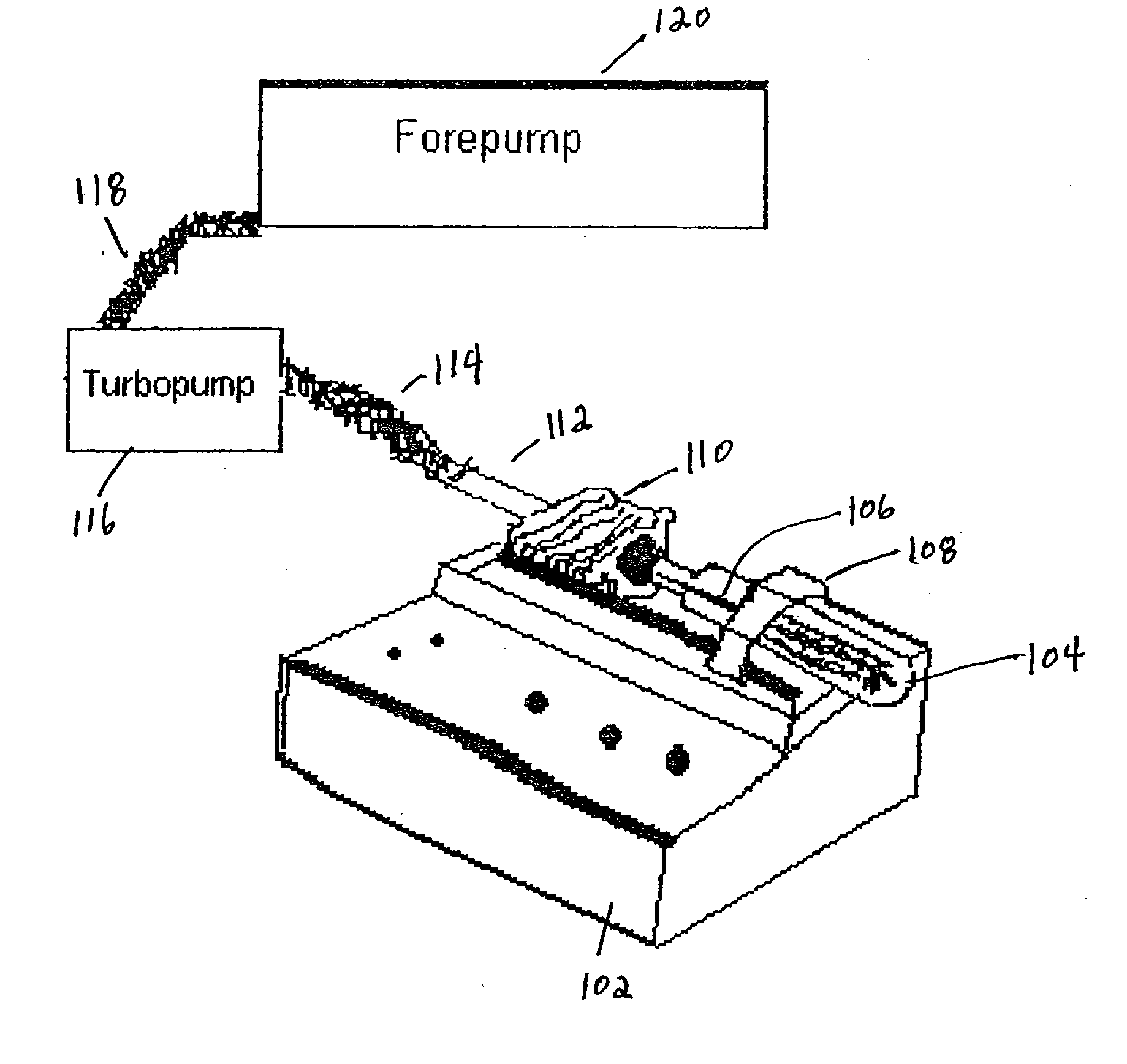
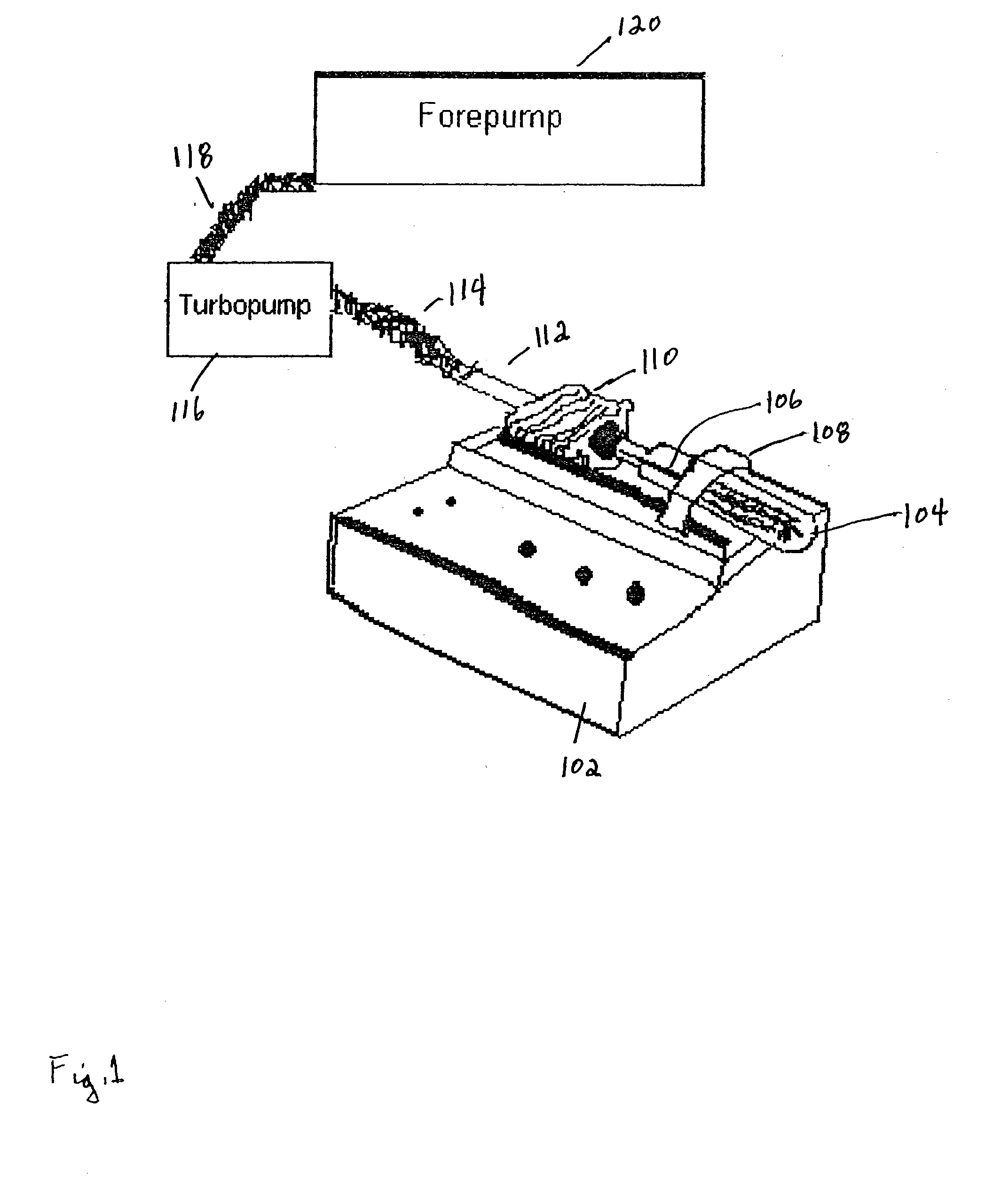
- An apparatus with a sealed chamber and a displacement sensor to accurately measure the expansion of the chamber, combined with a motor and controller for precise control of the moveable element, and an explosion-proof housing for safe operation, allowing for accurate and online vapour pressure measurements.


Standards for the calibration of a vacuum thermogravimetric analyzer for determination of vapor pressures of compounds
PatentInactiveUS20050025212A1
Innovation
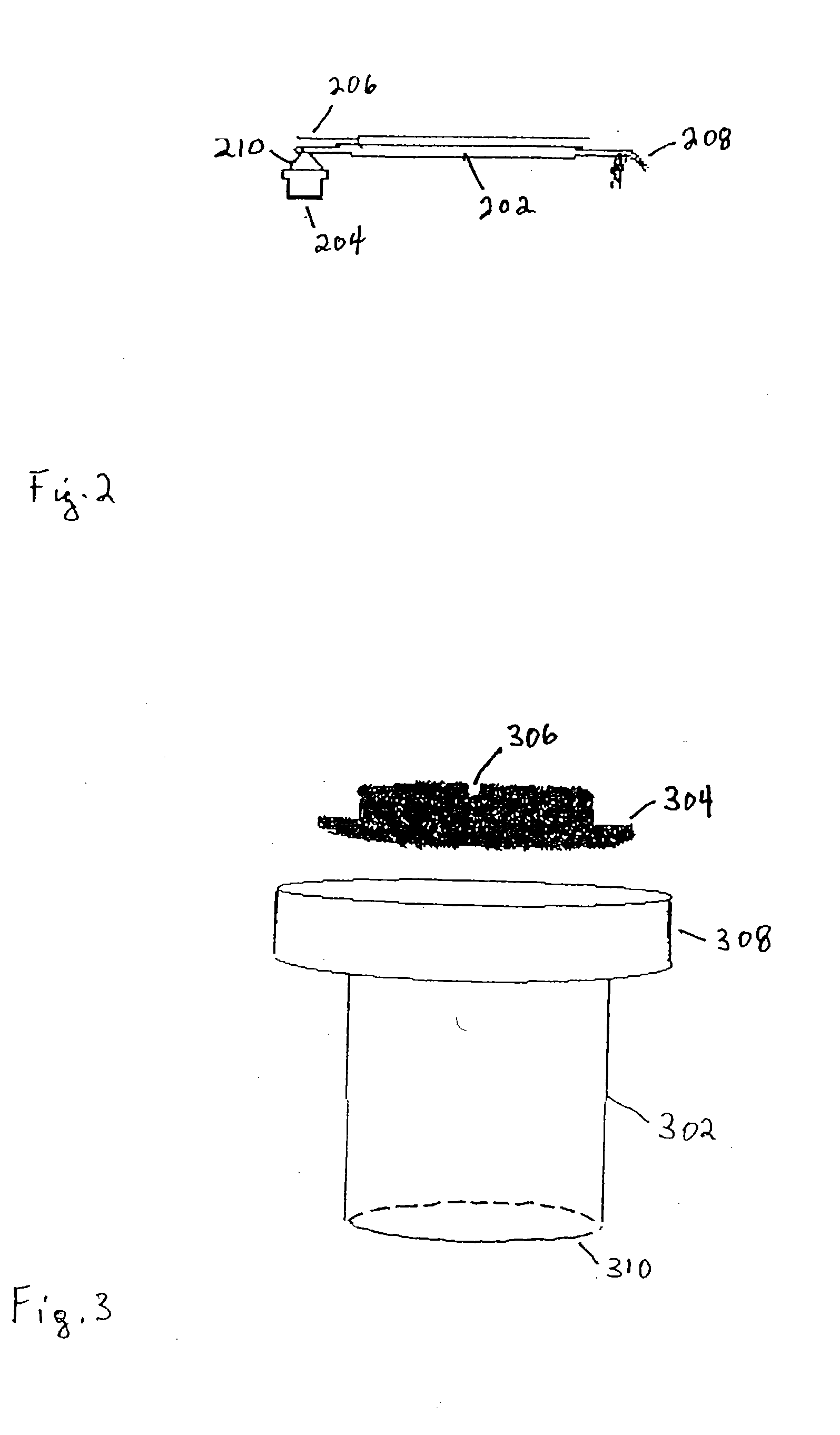
- A set of novel ferromagnetic standards with varying Curie temperatures, achieved through incremental alloying of ferromagnetic materials like Ni, Cu, Fe, and Co with non-ferromagnetic materials, providing closely spaced Curie temperatures spanning a low-temperature range, and annealing to improve magnetic properties, allowing accurate calibration over a limited temperature range.

Regulatory Framework for Process Safety Standards
The regulatory framework governing process safety standards represents a complex multi-layered system that encompasses international guidelines, national regulations, and industry-specific requirements. At the international level, organizations such as the International Organization for Standardization (ISO) and the International Electrotechnical Commission (IEC) establish foundational safety principles that serve as benchmarks for global implementation. These standards provide the overarching structure within which vapor pressure data integration must operate.
National regulatory bodies play a crucial role in translating international standards into enforceable legislation. In the United States, the Occupational Safety and Health Administration (OSHA) Process Safety Management (PSM) standard and the Environmental Protection Agency (EPA) Risk Management Program (RMP) establish mandatory requirements for chemical process facilities. Similarly, the European Union's Seveso III Directive and REACH regulation create comprehensive frameworks that govern industrial safety practices across member states.
Industry-specific regulations add another layer of complexity to the regulatory landscape. The American Petroleum Institute (API) standards, American Institute of Chemical Engineers (AIChE) guidelines, and sector-specific codes such as ASME Boiler and Pressure Vessel Code establish detailed technical requirements that directly impact how vapor pressure data should be incorporated into safety assessments. These standards often contain specific methodologies for handling thermodynamic properties in safety calculations.
The integration of vapor pressure data into existing regulatory frameworks requires careful consideration of compliance pathways and approval processes. Regulatory agencies typically require extensive documentation demonstrating that proposed revisions maintain or enhance safety levels while meeting scientific rigor standards. This includes validation of data sources, uncertainty analysis, and demonstration of improved risk assessment capabilities.
Current regulatory trends indicate increasing emphasis on performance-based standards rather than prescriptive approaches, creating opportunities for innovative use of vapor pressure data in safety management systems. However, this flexibility comes with heightened requirements for technical justification and comprehensive risk analysis to support regulatory acceptance of revised standards.
National regulatory bodies play a crucial role in translating international standards into enforceable legislation. In the United States, the Occupational Safety and Health Administration (OSHA) Process Safety Management (PSM) standard and the Environmental Protection Agency (EPA) Risk Management Program (RMP) establish mandatory requirements for chemical process facilities. Similarly, the European Union's Seveso III Directive and REACH regulation create comprehensive frameworks that govern industrial safety practices across member states.
Industry-specific regulations add another layer of complexity to the regulatory landscape. The American Petroleum Institute (API) standards, American Institute of Chemical Engineers (AIChE) guidelines, and sector-specific codes such as ASME Boiler and Pressure Vessel Code establish detailed technical requirements that directly impact how vapor pressure data should be incorporated into safety assessments. These standards often contain specific methodologies for handling thermodynamic properties in safety calculations.
The integration of vapor pressure data into existing regulatory frameworks requires careful consideration of compliance pathways and approval processes. Regulatory agencies typically require extensive documentation demonstrating that proposed revisions maintain or enhance safety levels while meeting scientific rigor standards. This includes validation of data sources, uncertainty analysis, and demonstration of improved risk assessment capabilities.
Current regulatory trends indicate increasing emphasis on performance-based standards rather than prescriptive approaches, creating opportunities for innovative use of vapor pressure data in safety management systems. However, this flexibility comes with heightened requirements for technical justification and comprehensive risk analysis to support regulatory acceptance of revised standards.
Risk Assessment Methodologies for Vapor Pressure Safety
Risk assessment methodologies for vapor pressure safety have evolved significantly to address the complex challenges associated with volatile chemical handling and storage. These methodologies integrate quantitative vapor pressure data with established safety frameworks to provide comprehensive hazard evaluation protocols. The foundation of these approaches lies in understanding the relationship between vapor pressure characteristics and potential safety incidents, enabling more accurate prediction and prevention of vapor-related hazards.
Quantitative Risk Assessment (QRA) represents the most widely adopted methodology, incorporating vapor pressure data into probabilistic models that calculate the likelihood and consequences of vapor release scenarios. This approach utilizes historical incident data, thermodynamic properties, and environmental factors to generate risk matrices specific to vapor pressure conditions. The methodology considers variables such as temperature fluctuations, containment integrity, and atmospheric dispersion patterns to establish comprehensive risk profiles.
Consequence modeling techniques have been specifically adapted for vapor pressure applications, employing computational fluid dynamics and dispersion modeling to predict vapor cloud behavior under various release conditions. These models integrate real-time vapor pressure measurements with meteorological data to simulate potential exposure scenarios and establish safety zones around processing facilities.
Layer of Protection Analysis (LOPA) has been enhanced to incorporate vapor pressure-specific safeguards, creating systematic frameworks for evaluating the effectiveness of vapor containment systems, pressure relief devices, and detection equipment. This methodology assigns probability reduction factors to each protective layer based on vapor pressure characteristics and system reliability data.
Bow-tie analysis methodology has proven particularly effective for vapor pressure safety applications, providing visual representation of potential failure pathways and their associated preventive and protective measures. The methodology maps vapor pressure-related initiating events through fault trees while simultaneously modeling consequence scenarios and mitigation strategies.
Dynamic risk assessment approaches are increasingly being implemented to address the time-dependent nature of vapor pressure hazards, incorporating real-time monitoring data and predictive analytics to continuously update risk evaluations based on changing operational conditions and environmental factors.
Quantitative Risk Assessment (QRA) represents the most widely adopted methodology, incorporating vapor pressure data into probabilistic models that calculate the likelihood and consequences of vapor release scenarios. This approach utilizes historical incident data, thermodynamic properties, and environmental factors to generate risk matrices specific to vapor pressure conditions. The methodology considers variables such as temperature fluctuations, containment integrity, and atmospheric dispersion patterns to establish comprehensive risk profiles.
Consequence modeling techniques have been specifically adapted for vapor pressure applications, employing computational fluid dynamics and dispersion modeling to predict vapor cloud behavior under various release conditions. These models integrate real-time vapor pressure measurements with meteorological data to simulate potential exposure scenarios and establish safety zones around processing facilities.
Layer of Protection Analysis (LOPA) has been enhanced to incorporate vapor pressure-specific safeguards, creating systematic frameworks for evaluating the effectiveness of vapor containment systems, pressure relief devices, and detection equipment. This methodology assigns probability reduction factors to each protective layer based on vapor pressure characteristics and system reliability data.
Bow-tie analysis methodology has proven particularly effective for vapor pressure safety applications, providing visual representation of potential failure pathways and their associated preventive and protective measures. The methodology maps vapor pressure-related initiating events through fault trees while simultaneously modeling consequence scenarios and mitigation strategies.
Dynamic risk assessment approaches are increasingly being implemented to address the time-dependent nature of vapor pressure hazards, incorporating real-time monitoring data and predictive analytics to continuously update risk evaluations based on changing operational conditions and environmental factors.
Unlock deeper insights with PatSnap Eureka Quick Research — get a full tech report to explore trends and direct your research. Try now!
Generate Your Research Report Instantly with AI Agent
Supercharge your innovation with PatSnap Eureka AI Agent Platform!