Rotating Detonation Engine vs Thermal Efficiency Comparison
MAR 13, 20269 MIN READ
Generate Your Research Report Instantly with AI Agent
PatSnap Eureka helps you evaluate technical feasibility & market potential.
RDE Technology Background and Thermal Efficiency Goals
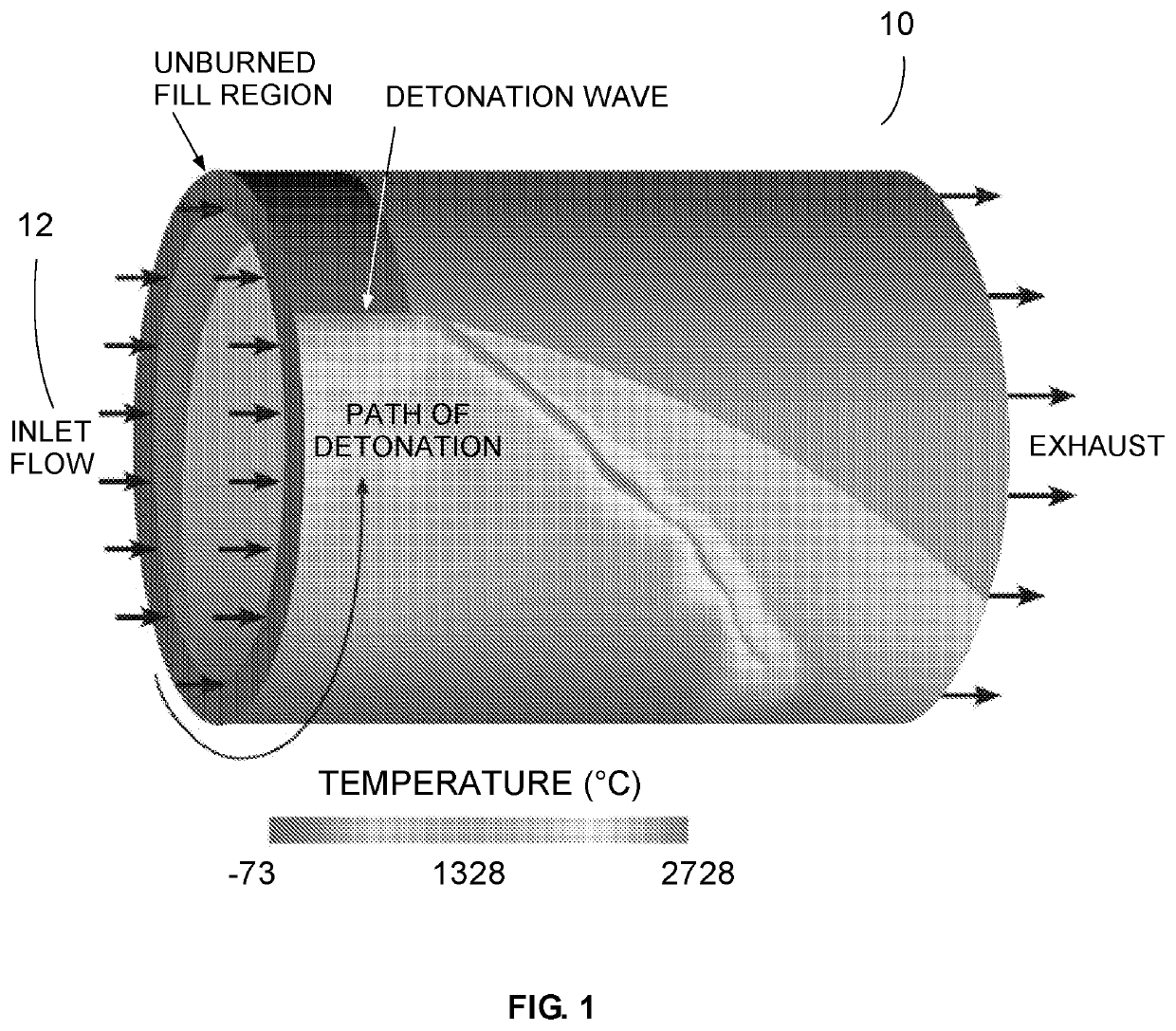
Rotating Detonation Engines represent a revolutionary advancement in propulsion technology that fundamentally alters the combustion process compared to conventional rocket engines. Unlike traditional deflagration-based systems where fuel burns at subsonic speeds, RDEs utilize detonation waves that propagate at supersonic velocities, creating a continuous rotating wave of combustion within an annular chamber. This detonation process occurs at constant volume rather than constant pressure, theoretically enabling significantly higher thermal efficiency and specific impulse performance.
The historical development of detonation-based propulsion traces back to theoretical work in the 1940s and 1950s, when researchers first recognized the thermodynamic advantages of detonation cycles. Early investigations focused on pulse detonation engines, but the concept of continuous rotating detonation emerged in the 1960s through Soviet research programs. The technology remained largely theoretical until computational fluid dynamics and advanced materials science matured sufficiently to enable practical implementation in the late 20th century.
Current RDE development has accelerated dramatically since 2010, driven by growing demands for more efficient propulsion systems in both military and commercial aerospace applications. The technology promises substantial improvements in fuel efficiency, reduced system complexity through elimination of complex injection systems, and enhanced power-to-weight ratios. These advantages stem from the fundamental thermodynamic superiority of the Humphrey cycle over the traditional Brayton cycle used in conventional engines.
The primary thermal efficiency goals for RDE technology center on achieving 15-25% improvements in specific impulse compared to conventional rocket engines, with theoretical models suggesting potential efficiency gains of up to 40% under optimal conditions. Current research targets focus on maintaining stable detonation waves across varying operating conditions, optimizing fuel injection strategies, and developing materials capable of withstanding the extreme thermal and mechanical stresses inherent in continuous detonation processes.
Key technical objectives include achieving reliable ignition and sustained operation across throttling ranges, minimizing heat transfer losses that reduce overall efficiency, and developing predictive models for detonation wave behavior. The ultimate goal involves transitioning from laboratory demonstrations to flight-qualified systems capable of competing with or replacing conventional propulsion technologies in next-generation aerospace vehicles.
The historical development of detonation-based propulsion traces back to theoretical work in the 1940s and 1950s, when researchers first recognized the thermodynamic advantages of detonation cycles. Early investigations focused on pulse detonation engines, but the concept of continuous rotating detonation emerged in the 1960s through Soviet research programs. The technology remained largely theoretical until computational fluid dynamics and advanced materials science matured sufficiently to enable practical implementation in the late 20th century.
Current RDE development has accelerated dramatically since 2010, driven by growing demands for more efficient propulsion systems in both military and commercial aerospace applications. The technology promises substantial improvements in fuel efficiency, reduced system complexity through elimination of complex injection systems, and enhanced power-to-weight ratios. These advantages stem from the fundamental thermodynamic superiority of the Humphrey cycle over the traditional Brayton cycle used in conventional engines.
The primary thermal efficiency goals for RDE technology center on achieving 15-25% improvements in specific impulse compared to conventional rocket engines, with theoretical models suggesting potential efficiency gains of up to 40% under optimal conditions. Current research targets focus on maintaining stable detonation waves across varying operating conditions, optimizing fuel injection strategies, and developing materials capable of withstanding the extreme thermal and mechanical stresses inherent in continuous detonation processes.
Key technical objectives include achieving reliable ignition and sustained operation across throttling ranges, minimizing heat transfer losses that reduce overall efficiency, and developing predictive models for detonation wave behavior. The ultimate goal involves transitioning from laboratory demonstrations to flight-qualified systems capable of competing with or replacing conventional propulsion technologies in next-generation aerospace vehicles.
Market Demand for High-Efficiency Propulsion Systems
The aerospace and defense industries are experiencing unprecedented demand for propulsion systems that deliver superior thermal efficiency while maintaining operational reliability. Traditional rocket engines and gas turbines face increasing pressure to reduce fuel consumption and emissions, driving the search for revolutionary propulsion technologies. Rotating Detonation Engines represent a paradigm shift in this landscape, offering theoretical thermal efficiency improvements that could transform multiple sectors.
Commercial space launch providers constitute the most immediate market segment seeking high-efficiency propulsion solutions. The rapid expansion of satellite constellations and space tourism has intensified competition among launch service providers, where marginal improvements in fuel efficiency translate directly to cost advantages and payload capacity increases. These companies require propulsion systems that can deliver consistent performance while reducing operational expenses through improved fuel economy.
Military and defense applications represent another critical market driver, where mission range, payload capacity, and fuel logistics significantly impact operational effectiveness. Defense contractors and military organizations prioritize propulsion systems that extend operational range while reducing logistical footprints. The strategic advantage of more efficient engines extends beyond cost savings to encompass mission capability enhancement and reduced dependency on fuel supply chains.
The commercial aviation sector, particularly for supersonic and hypersonic flight applications, presents emerging opportunities for high-efficiency propulsion technologies. As regulatory frameworks evolve to accommodate next-generation aircraft, manufacturers seek propulsion solutions that balance performance requirements with environmental considerations. The potential for reduced fuel consumption directly addresses both economic and regulatory pressures facing the aviation industry.
Industrial power generation markets also demonstrate growing interest in efficient combustion technologies derived from advanced propulsion research. Gas turbine manufacturers recognize that innovations in detonation-based combustion could enhance power generation efficiency while reducing emissions. This cross-sector application potential expands the addressable market beyond traditional aerospace applications.
The market demand intensity varies significantly across applications, with space launch and defense sectors showing the highest willingness to invest in unproven but promising technologies. These sectors typically accept higher development risks in exchange for potential performance advantages, creating favorable conditions for innovative propulsion technologies like Rotating Detonation Engines to gain market traction through demonstration programs and prototype development initiatives.
Commercial space launch providers constitute the most immediate market segment seeking high-efficiency propulsion solutions. The rapid expansion of satellite constellations and space tourism has intensified competition among launch service providers, where marginal improvements in fuel efficiency translate directly to cost advantages and payload capacity increases. These companies require propulsion systems that can deliver consistent performance while reducing operational expenses through improved fuel economy.
Military and defense applications represent another critical market driver, where mission range, payload capacity, and fuel logistics significantly impact operational effectiveness. Defense contractors and military organizations prioritize propulsion systems that extend operational range while reducing logistical footprints. The strategic advantage of more efficient engines extends beyond cost savings to encompass mission capability enhancement and reduced dependency on fuel supply chains.
The commercial aviation sector, particularly for supersonic and hypersonic flight applications, presents emerging opportunities for high-efficiency propulsion technologies. As regulatory frameworks evolve to accommodate next-generation aircraft, manufacturers seek propulsion solutions that balance performance requirements with environmental considerations. The potential for reduced fuel consumption directly addresses both economic and regulatory pressures facing the aviation industry.
Industrial power generation markets also demonstrate growing interest in efficient combustion technologies derived from advanced propulsion research. Gas turbine manufacturers recognize that innovations in detonation-based combustion could enhance power generation efficiency while reducing emissions. This cross-sector application potential expands the addressable market beyond traditional aerospace applications.
The market demand intensity varies significantly across applications, with space launch and defense sectors showing the highest willingness to invest in unproven but promising technologies. These sectors typically accept higher development risks in exchange for potential performance advantages, creating favorable conditions for innovative propulsion technologies like Rotating Detonation Engines to gain market traction through demonstration programs and prototype development initiatives.
Current RDE Development Status and Thermal Challenges
Rotating Detonation Engines represent a paradigm shift in propulsion technology, currently positioned at the intersection of laboratory validation and practical implementation. Leading aerospace organizations including NASA, the Air Force Research Laboratory, and international entities such as JAXA and the European Space Agency have achieved significant milestones in demonstrating sustained detonation wave propagation. Recent developments have successfully maintained continuous rotating detonation waves for extended durations, with some systems achieving operational periods exceeding several minutes under controlled conditions.
The current technological landscape reveals substantial progress in fundamental RDE operations, yet significant challenges persist in achieving the theoretical thermal efficiency advantages. Experimental data indicates that while RDEs demonstrate superior specific impulse potential compared to conventional rocket engines, actual thermal efficiency gains remain modest due to incomplete combustion processes and heat transfer limitations. Current prototypes typically achieve thermal efficiencies ranging from 35-45%, representing incremental improvements over traditional deflagration-based systems rather than the revolutionary gains initially projected.
Manufacturing and materials science present formidable obstacles to RDE advancement. The extreme operating environment, characterized by rotating pressure waves exceeding 50 atmospheres and temperatures surpassing 3000K, demands materials capable of withstanding cyclical thermal and mechanical stresses. Current metallic combustor designs suffer from rapid degradation, limiting operational lifespans to hours rather than the thousands of hours required for practical applications. Advanced ceramic matrix composites and refractory metal alloys are under investigation, though manufacturing costs remain prohibitively high for widespread adoption.
Combustion dynamics control represents another critical challenge area. Maintaining stable detonation wave propagation across varying operating conditions requires sophisticated fuel injection strategies and precise timing mechanisms. Current systems struggle with combustion instabilities during throttling operations, limiting their applicability to fixed-thrust scenarios. Research efforts focus on developing adaptive control systems capable of real-time detonation wave management, though computational complexity and response time requirements present ongoing technical hurdles.
Thermal management emerges as perhaps the most significant barrier to achieving projected efficiency improvements. The intense heat generation within RDE combustors necessitates advanced cooling strategies that often compromise overall system efficiency. Current cooling approaches, including regenerative cooling and film cooling techniques, consume substantial energy and add system complexity. The challenge lies in developing thermal management solutions that preserve the fundamental efficiency advantages while ensuring component longevity and operational reliability.
The current technological landscape reveals substantial progress in fundamental RDE operations, yet significant challenges persist in achieving the theoretical thermal efficiency advantages. Experimental data indicates that while RDEs demonstrate superior specific impulse potential compared to conventional rocket engines, actual thermal efficiency gains remain modest due to incomplete combustion processes and heat transfer limitations. Current prototypes typically achieve thermal efficiencies ranging from 35-45%, representing incremental improvements over traditional deflagration-based systems rather than the revolutionary gains initially projected.
Manufacturing and materials science present formidable obstacles to RDE advancement. The extreme operating environment, characterized by rotating pressure waves exceeding 50 atmospheres and temperatures surpassing 3000K, demands materials capable of withstanding cyclical thermal and mechanical stresses. Current metallic combustor designs suffer from rapid degradation, limiting operational lifespans to hours rather than the thousands of hours required for practical applications. Advanced ceramic matrix composites and refractory metal alloys are under investigation, though manufacturing costs remain prohibitively high for widespread adoption.
Combustion dynamics control represents another critical challenge area. Maintaining stable detonation wave propagation across varying operating conditions requires sophisticated fuel injection strategies and precise timing mechanisms. Current systems struggle with combustion instabilities during throttling operations, limiting their applicability to fixed-thrust scenarios. Research efforts focus on developing adaptive control systems capable of real-time detonation wave management, though computational complexity and response time requirements present ongoing technical hurdles.
Thermal management emerges as perhaps the most significant barrier to achieving projected efficiency improvements. The intense heat generation within RDE combustors necessitates advanced cooling strategies that often compromise overall system efficiency. Current cooling approaches, including regenerative cooling and film cooling techniques, consume substantial energy and add system complexity. The challenge lies in developing thermal management solutions that preserve the fundamental efficiency advantages while ensuring component longevity and operational reliability.
Existing RDE Thermal Efficiency Enhancement Solutions
01 Detonation chamber design and configuration for improved thermal efficiency
The design and configuration of the detonation chamber plays a crucial role in improving thermal efficiency of rotating detonation engines. This includes optimizing chamber geometry, inlet and outlet configurations, and the arrangement of detonation waves to maximize energy conversion. Proper chamber design ensures complete combustion and efficient energy transfer while minimizing heat losses. Advanced chamber configurations can enhance the propagation of detonation waves and improve overall engine performance.- Detonation combustion chamber design and configuration: The design and configuration of the detonation combustion chamber plays a crucial role in improving thermal efficiency of rotating detonation engines. This includes optimizing the chamber geometry, annular configuration, and detonation wave propagation paths to maximize energy conversion. The combustion chamber structure can be designed with specific dimensions and shapes to enhance the detonation process and reduce energy losses, thereby improving overall thermal efficiency.
- Fuel injection and mixing optimization: Optimizing fuel injection strategies and fuel-air mixing processes is essential for enhancing thermal efficiency in rotating detonation engines. This involves controlling injection timing, injection patterns, and achieving proper fuel-oxidizer mixing to ensure complete and efficient combustion. Advanced injection systems can improve the uniformity of the fuel-air mixture and promote stable detonation wave formation, leading to better energy utilization and higher thermal efficiency.
- Cooling and thermal management systems: Effective cooling and thermal management systems are critical for maintaining optimal operating temperatures and improving thermal efficiency in rotating detonation engines. These systems help manage the extreme heat generated during detonation combustion, prevent thermal damage to engine components, and maintain consistent performance. Thermal management approaches include active cooling channels, heat exchangers, and thermal barrier coatings that enable the engine to operate at higher temperatures while maintaining structural integrity.
- Exhaust gas energy recovery and utilization: Recovering and utilizing energy from exhaust gases can significantly improve the overall thermal efficiency of rotating detonation engines. This includes implementing exhaust gas recirculation systems, heat recovery mechanisms, and integration with turbine or power generation systems. By capturing waste heat and converting it into useful work, the engine can achieve higher overall efficiency and better fuel economy.
- Detonation wave control and stabilization: Controlling and stabilizing the detonation wave is fundamental to achieving high thermal efficiency in rotating detonation engines. This involves managing wave propagation speed, frequency, and stability through various control mechanisms and feedback systems. Proper wave control ensures consistent combustion, minimizes energy losses, and maximizes the conversion of chemical energy to mechanical work, thereby enhancing thermal efficiency.
02 Fuel injection and mixing strategies for enhanced combustion efficiency
Effective fuel injection and mixing strategies are essential for achieving high thermal efficiency in rotating detonation engines. This involves optimizing fuel injection timing, location, and spray patterns to ensure proper fuel-air mixing before detonation. Advanced injection systems can provide better control over the equivalence ratio and mixture distribution, leading to more complete combustion and reduced losses. The use of multiple injection points and variable injection rates can further improve combustion stability and efficiency.Expand Specific Solutions03 Cooling systems and thermal management techniques
Thermal management is critical for maintaining high efficiency in rotating detonation engines operating at extreme temperatures. This includes the implementation of advanced cooling systems for engine components, heat exchangers, and regenerative cooling techniques. Effective thermal management prevents material degradation, maintains optimal operating temperatures, and can recover waste heat for improved overall efficiency. Various cooling configurations and materials can be employed to balance thermal protection with minimal performance penalties.Expand Specific Solutions04 Detonation wave control and propagation optimization
Controlling and optimizing the propagation of detonation waves is fundamental to achieving high thermal efficiency. This involves managing wave speed, stability, and direction to ensure consistent and efficient energy release. Techniques include the use of wave guides, obstacles, and geometric features that promote stable detonation propagation. Proper wave control minimizes losses due to incomplete detonation and ensures that the maximum amount of chemical energy is converted to useful work.Expand Specific Solutions05 Integration with turbine systems and energy recovery mechanisms
Integrating rotating detonation engines with turbine systems and implementing energy recovery mechanisms can significantly enhance overall thermal efficiency. This includes coupling the detonation engine with turbines to extract work from the high-pressure exhaust gases, as well as incorporating heat recovery systems to utilize waste heat. Hybrid configurations that combine detonation and conventional combustion cycles can optimize performance across different operating conditions. Such integration strategies maximize the conversion of chemical energy into useful mechanical work.Expand Specific Solutions
Key Players in RDE and Advanced Propulsion Industry
The rotating detonation engine (RDE) technology for thermal efficiency enhancement is in an early-to-mid development stage, representing a nascent but rapidly evolving market with significant growth potential. The competitive landscape is characterized by a hybrid ecosystem where academic institutions drive fundamental research while industrial players focus on practical applications. Leading universities including Northwestern Polytechnical University, Nanjing University of Aeronautics & Astronautics, and Tsinghua University are advancing theoretical foundations and experimental validation. Industrial giants like General Electric Company, RTX Corp., and BorgWarner are exploring commercial viability for aerospace and automotive applications. The technology maturity varies significantly across applications, with aerospace implementations showing more advanced development through companies like Venus Aerospace Corp., while automotive applications remain largely experimental. The market demonstrates strong research momentum but faces substantial engineering challenges in transitioning from laboratory demonstrations to commercial deployment, indicating a technology still several years from widespread market adoption.
Northwestern Polytechnical University
Technical Solution: Northwestern Polytechnical University has conducted extensive research on rotating detonation engines with particular emphasis on thermal efficiency optimization and combustion dynamics. Their research focuses on understanding the fundamental physics of continuous detonation processes and developing improved combustor designs that maximize energy conversion efficiency. The university's studies have demonstrated that properly designed RDEs can achieve thermal efficiencies 15-20% higher than conventional combustion systems through better pressure recovery and reduced entropy generation. Their work includes detailed numerical simulations and experimental validation of detonation wave propagation, fuel mixing characteristics, and heat transfer mechanisms in annular combustors under various operating conditions.
Strengths: Strong theoretical foundation, extensive research publications, advanced simulation capabilities. Weaknesses: Limited commercial application experience, primarily academic focus, requires industry partnerships for practical implementation.
General Electric Company
Technical Solution: GE has developed advanced rotating detonation engine (RDE) technology focusing on continuous detonation combustion cycles that achieve significantly higher thermal efficiency compared to conventional gas turbines. Their RDE systems utilize supersonic combustion waves that propagate circumferentially around an annular combustor, enabling more complete fuel burning and reduced heat losses. The company's research demonstrates thermal efficiency improvements of 15-25% over traditional Brayton cycle engines through better pressure gain combustion and reduced entropy generation. GE's RDE designs incorporate advanced cooling systems and materials capable of withstanding extreme pressure and temperature conditions while maintaining structural integrity during continuous detonation operations.
Strengths: Extensive aerospace experience, advanced materials expertise, strong R&D capabilities. Weaknesses: High development costs, complex manufacturing requirements, limited operational data.
Core Innovations in RDE Combustion and Heat Management
Rotating detonation engine
PatentInactiveUS20220235727A1
Innovation
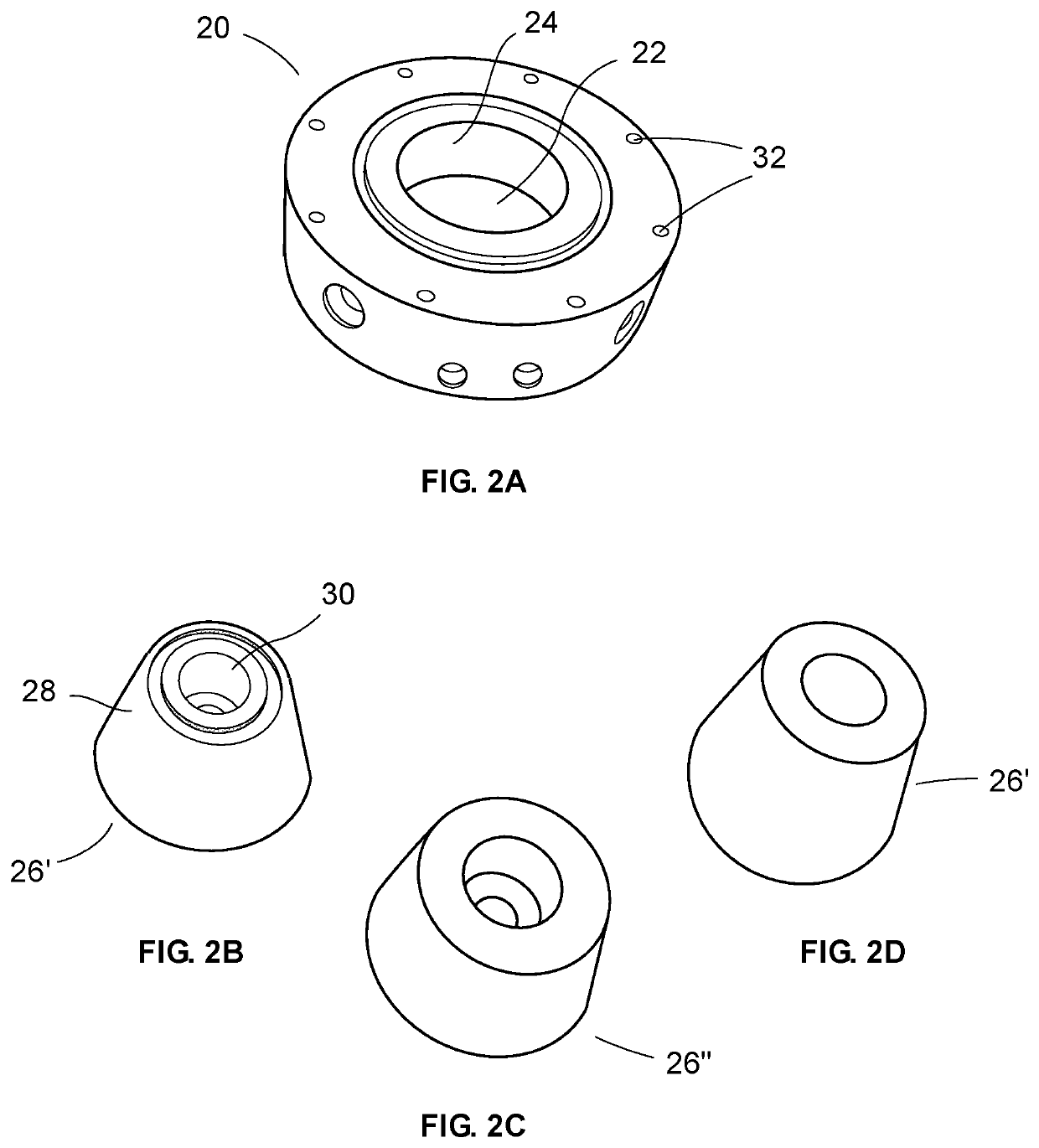
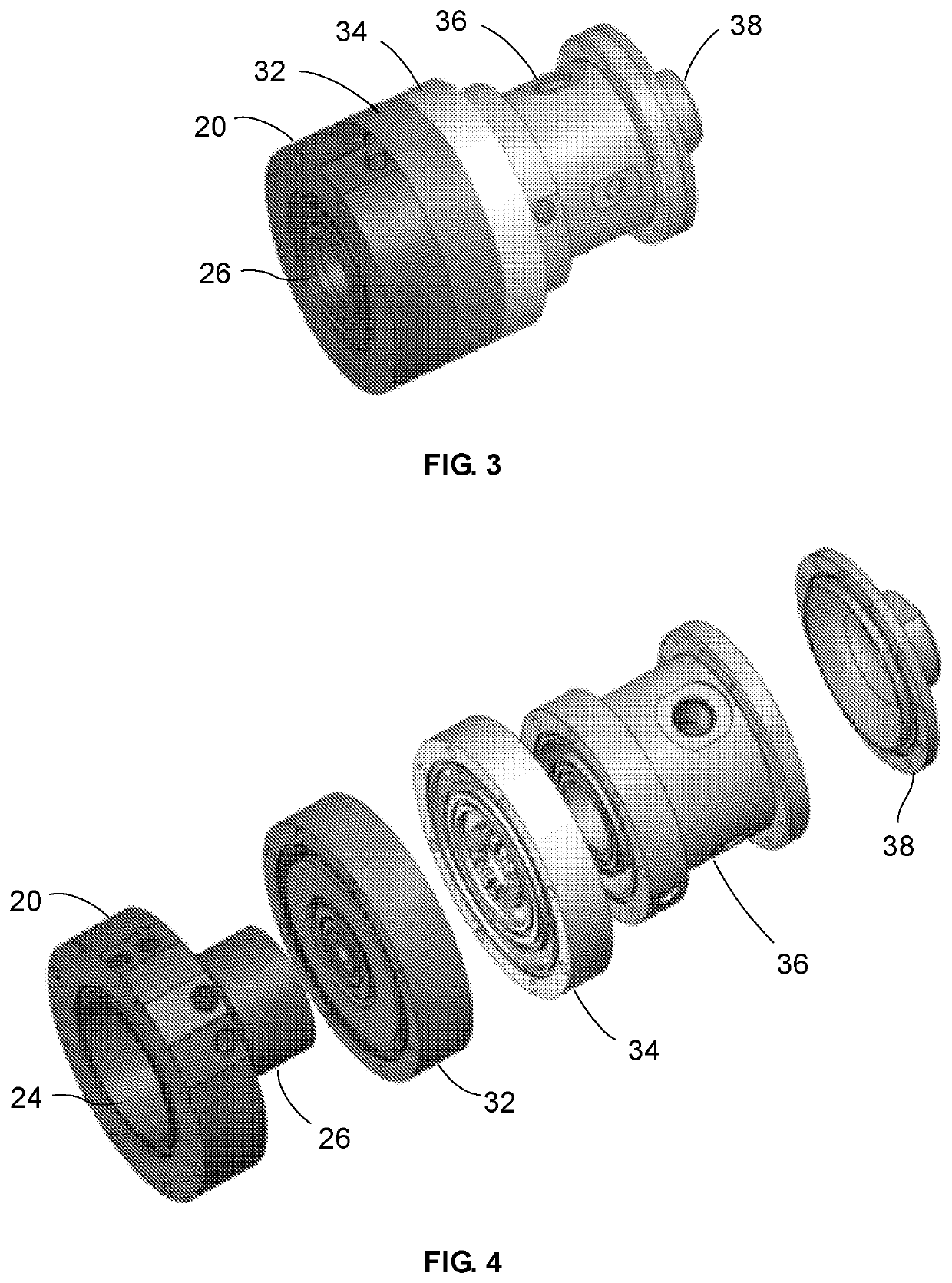
- A conical rotating detonation engine design is introduced, featuring a detonation channel with angled walls that converge towards the axial centerline, eliminating the need for a throat and allowing smooth transition from the channel to the expansion nozzle, reducing abrupt turns and internal surface area, thereby preserving momentum and reducing heat loss.

Maximized thermal efficiency engines
PatentInactiveUS8671676B2
Innovation
- A hot gas engine design featuring a linear heat regenerator with a cooler at one end and a heat addition and pressure variation means at the other, where working gas alternately expands and compresses, enhancing heat transfer and energy recovery through continuous movement into hotter or cooler regions, and utilizing internal combustion for heat addition.


Environmental Regulations for Advanced Propulsion
The regulatory landscape for advanced propulsion systems, particularly rotating detonation engines (RDEs), is rapidly evolving as environmental concerns intensify globally. Current emissions standards primarily focus on conventional propulsion technologies, creating regulatory gaps that must be addressed as RDE technology approaches commercial viability. The International Civil Aviation Organization (ICAO) and national aviation authorities are beginning to establish frameworks that will govern the environmental impact assessment of next-generation propulsion systems.
Existing environmental regulations emphasize nitrogen oxide (NOx) emissions, carbon dioxide output, and noise pollution limits. RDEs present unique regulatory challenges due to their fundamentally different combustion characteristics compared to traditional gas turbines. The detonation-based combustion process generates distinct emission profiles that may not align with current measurement standards and certification procedures established for deflagration-based engines.
The European Union's Green Deal and similar initiatives worldwide are driving stricter environmental standards that will significantly impact advanced propulsion development. These regulations mandate substantial reductions in aviation emissions by 2030 and carbon neutrality by 2050. RDE technology must demonstrate compliance with these evolving standards while proving superior thermal efficiency compared to conventional systems.
Regulatory bodies are developing new testing protocols specifically for advanced propulsion concepts. These include modified emissions measurement techniques, alternative fuel compatibility assessments, and lifecycle environmental impact evaluations. The certification process for RDEs will likely require comprehensive environmental impact studies that account for their unique operational characteristics and potential benefits in thermal efficiency.
Future regulatory frameworks are expected to incorporate performance-based standards that reward technologies demonstrating superior environmental performance. This approach could favor RDE adoption if thermal efficiency advantages translate to reduced overall environmental impact. However, manufacturers must navigate complex approval processes while ensuring compliance with both existing and anticipated environmental regulations throughout the development and deployment phases.
Existing environmental regulations emphasize nitrogen oxide (NOx) emissions, carbon dioxide output, and noise pollution limits. RDEs present unique regulatory challenges due to their fundamentally different combustion characteristics compared to traditional gas turbines. The detonation-based combustion process generates distinct emission profiles that may not align with current measurement standards and certification procedures established for deflagration-based engines.
The European Union's Green Deal and similar initiatives worldwide are driving stricter environmental standards that will significantly impact advanced propulsion development. These regulations mandate substantial reductions in aviation emissions by 2030 and carbon neutrality by 2050. RDE technology must demonstrate compliance with these evolving standards while proving superior thermal efficiency compared to conventional systems.
Regulatory bodies are developing new testing protocols specifically for advanced propulsion concepts. These include modified emissions measurement techniques, alternative fuel compatibility assessments, and lifecycle environmental impact evaluations. The certification process for RDEs will likely require comprehensive environmental impact studies that account for their unique operational characteristics and potential benefits in thermal efficiency.
Future regulatory frameworks are expected to incorporate performance-based standards that reward technologies demonstrating superior environmental performance. This approach could favor RDE adoption if thermal efficiency advantages translate to reduced overall environmental impact. However, manufacturers must navigate complex approval processes while ensuring compliance with both existing and anticipated environmental regulations throughout the development and deployment phases.
Safety Standards for Detonation Engine Applications
The development of safety standards for rotating detonation engine (RDE) applications represents a critical frontier in aerospace propulsion technology, requiring comprehensive regulatory frameworks that address the unique operational characteristics and potential hazards associated with detonation-based combustion systems. Unlike conventional deflagration engines, RDEs operate through controlled detonation waves that propagate circumferentially within the combustion chamber, creating distinct safety considerations that existing aviation standards inadequately address.
Current safety standard development efforts focus on establishing pressure containment requirements specific to detonation wave dynamics. The instantaneous pressure spikes generated by detonation waves can reach magnitudes significantly higher than those encountered in traditional gas turbine engines, necessitating specialized material specifications and structural integrity protocols. International aviation authorities are collaborating to define minimum wall thickness requirements, material fatigue resistance standards, and pressure relief system specifications tailored to RDE operational parameters.
Ignition system safety protocols constitute another fundamental aspect of emerging RDE standards. The initiation and maintenance of stable detonation waves require precise fuel-air mixture control and timing mechanisms that differ substantially from conventional ignition systems. Safety standards must address fail-safe ignition sequences, emergency shutdown procedures, and backup detonation wave extinction methods to prevent uncontrolled combustion events during engine startup, operation, and shutdown phases.
Personnel safety considerations encompass specialized training requirements for maintenance crews and operational staff working with detonation engines. The unique acoustic signatures, vibration patterns, and thermal characteristics of RDEs demand updated safety protocols for ground handling, maintenance procedures, and proximity exposure limits. Standards are being developed to define minimum safe distances during engine testing, appropriate personal protective equipment specifications, and specialized certification requirements for RDE maintenance personnel.
Environmental safety standards address the distinct exhaust characteristics and noise profiles associated with detonation combustion. The impulsive nature of detonation waves generates unique acoustic emissions that require specialized noise abatement measures and community exposure guidelines. Additionally, the combustion products and thermal signatures of RDEs necessitate updated environmental impact assessments and emission control standards that account for the differences in combustion chemistry compared to conventional engines.
Integration safety standards focus on the compatibility of RDE systems with existing aircraft architectures and support infrastructure. These standards address fuel system modifications, electrical integration requirements, and structural mounting specifications necessary to safely incorporate detonation engines into both new and retrofit aircraft applications while maintaining overall system reliability and operational safety margins.
Current safety standard development efforts focus on establishing pressure containment requirements specific to detonation wave dynamics. The instantaneous pressure spikes generated by detonation waves can reach magnitudes significantly higher than those encountered in traditional gas turbine engines, necessitating specialized material specifications and structural integrity protocols. International aviation authorities are collaborating to define minimum wall thickness requirements, material fatigue resistance standards, and pressure relief system specifications tailored to RDE operational parameters.
Ignition system safety protocols constitute another fundamental aspect of emerging RDE standards. The initiation and maintenance of stable detonation waves require precise fuel-air mixture control and timing mechanisms that differ substantially from conventional ignition systems. Safety standards must address fail-safe ignition sequences, emergency shutdown procedures, and backup detonation wave extinction methods to prevent uncontrolled combustion events during engine startup, operation, and shutdown phases.
Personnel safety considerations encompass specialized training requirements for maintenance crews and operational staff working with detonation engines. The unique acoustic signatures, vibration patterns, and thermal characteristics of RDEs demand updated safety protocols for ground handling, maintenance procedures, and proximity exposure limits. Standards are being developed to define minimum safe distances during engine testing, appropriate personal protective equipment specifications, and specialized certification requirements for RDE maintenance personnel.
Environmental safety standards address the distinct exhaust characteristics and noise profiles associated with detonation combustion. The impulsive nature of detonation waves generates unique acoustic emissions that require specialized noise abatement measures and community exposure guidelines. Additionally, the combustion products and thermal signatures of RDEs necessitate updated environmental impact assessments and emission control standards that account for the differences in combustion chemistry compared to conventional engines.
Integration safety standards focus on the compatibility of RDE systems with existing aircraft architectures and support infrastructure. These standards address fuel system modifications, electrical integration requirements, and structural mounting specifications necessary to safely incorporate detonation engines into both new and retrofit aircraft applications while maintaining overall system reliability and operational safety margins.
Unlock deeper insights with PatSnap Eureka Quick Research — get a full tech report to explore trends and direct your research. Try now!
Generate Your Research Report Instantly with AI Agent
Supercharge your innovation with PatSnap Eureka AI Agent Platform!