

Selective Laser Melting: Energy Input vs Output Efficiency
MAR 18, 20269 MIN READ
Generate Your Research Report Instantly with AI Agent
Patsnap Eureka helps you evaluate technical feasibility & market potential.
SLM Energy Efficiency Background and Objectives
Selective Laser Melting (SLM) has emerged as a transformative additive manufacturing technology since its inception in the 1990s, fundamentally altering how complex metallic components are produced across industries. The technology utilizes high-powered laser beams to selectively fuse metallic powder particles layer by layer, enabling the creation of intricate geometries that were previously impossible through conventional manufacturing methods. This revolutionary approach has found applications in aerospace, automotive, medical, and tooling industries, where precision and material efficiency are paramount.
The evolution of SLM technology has been marked by continuous improvements in laser systems, powder handling mechanisms, and process control algorithms. Early implementations faced significant challenges related to surface quality, dimensional accuracy, and material properties. However, technological advancements have progressively addressed these limitations, leading to wider industrial adoption and increased production volumes.
Energy efficiency has become a critical concern in SLM processes due to several converging factors. The technology's inherent energy-intensive nature, involving high-power laser systems, inert gas circulation, and precise temperature control, results in substantial operational costs. Additionally, growing environmental consciousness and sustainability mandates across manufacturing sectors have intensified focus on reducing energy consumption and carbon footprint.
The relationship between energy input and output efficiency in SLM presents a complex optimization challenge. Energy input encompasses laser power, scanning parameters, layer thickness, and auxiliary system consumption, while output efficiency relates to part quality, material utilization, build speed, and overall productivity. Understanding this relationship is crucial for achieving economically viable and environmentally sustainable manufacturing processes.
Current industry trends indicate increasing demand for energy-efficient SLM solutions driven by rising energy costs and regulatory pressures. Manufacturers are seeking technologies that can deliver high-quality parts while minimizing energy consumption per unit volume of produced material. This demand has catalyzed research into advanced process optimization, intelligent control systems, and novel laser technologies.
The primary objective of investigating SLM energy efficiency centers on developing comprehensive understanding of energy utilization patterns throughout the manufacturing process. This includes quantifying energy losses, identifying optimization opportunities, and establishing predictive models that correlate process parameters with energy consumption. Furthermore, the research aims to develop strategies for maximizing material conversion efficiency while maintaining part quality standards, ultimately enabling more sustainable and cost-effective additive manufacturing operations.
The evolution of SLM technology has been marked by continuous improvements in laser systems, powder handling mechanisms, and process control algorithms. Early implementations faced significant challenges related to surface quality, dimensional accuracy, and material properties. However, technological advancements have progressively addressed these limitations, leading to wider industrial adoption and increased production volumes.
Energy efficiency has become a critical concern in SLM processes due to several converging factors. The technology's inherent energy-intensive nature, involving high-power laser systems, inert gas circulation, and precise temperature control, results in substantial operational costs. Additionally, growing environmental consciousness and sustainability mandates across manufacturing sectors have intensified focus on reducing energy consumption and carbon footprint.
The relationship between energy input and output efficiency in SLM presents a complex optimization challenge. Energy input encompasses laser power, scanning parameters, layer thickness, and auxiliary system consumption, while output efficiency relates to part quality, material utilization, build speed, and overall productivity. Understanding this relationship is crucial for achieving economically viable and environmentally sustainable manufacturing processes.
Current industry trends indicate increasing demand for energy-efficient SLM solutions driven by rising energy costs and regulatory pressures. Manufacturers are seeking technologies that can deliver high-quality parts while minimizing energy consumption per unit volume of produced material. This demand has catalyzed research into advanced process optimization, intelligent control systems, and novel laser technologies.
The primary objective of investigating SLM energy efficiency centers on developing comprehensive understanding of energy utilization patterns throughout the manufacturing process. This includes quantifying energy losses, identifying optimization opportunities, and establishing predictive models that correlate process parameters with energy consumption. Furthermore, the research aims to develop strategies for maximizing material conversion efficiency while maintaining part quality standards, ultimately enabling more sustainable and cost-effective additive manufacturing operations.
Market Demand for Energy-Efficient SLM Systems
The global additive manufacturing market has witnessed unprecedented growth, with selective laser melting emerging as a critical technology for high-precision metal component production. However, the substantial energy consumption associated with SLM processes has become a primary concern for manufacturers seeking to optimize operational costs and meet sustainability targets. Industrial users increasingly demand systems that can deliver superior part quality while minimizing energy expenditure per unit of production.
Aerospace and automotive sectors represent the largest consumer segments for energy-efficient SLM systems, driven by stringent cost reduction mandates and environmental regulations. These industries require high-volume production capabilities with consistent quality standards, making energy efficiency a decisive factor in equipment procurement decisions. The demand is particularly pronounced in regions with high electricity costs, where energy consumption directly impacts manufacturing competitiveness.
Medical device manufacturers constitute another significant market segment, where the combination of complex geometries and biocompatible materials necessitates precise energy control. The growing trend toward personalized medical implants and surgical instruments has created sustained demand for SLM systems capable of efficient small-batch production with minimal energy waste.
The industrial tooling sector has emerged as a rapidly expanding market for energy-efficient SLM technology. Tool and die manufacturers seek systems that can produce complex cooling channels and conformal designs while maintaining cost-effectiveness through reduced energy consumption. This segment particularly values systems offering optimized laser power utilization and thermal management capabilities.
Emerging markets in Asia-Pacific and Latin America demonstrate increasing appetite for energy-efficient SLM solutions, driven by government initiatives promoting advanced manufacturing adoption. These regions prioritize technologies that offer favorable total cost of ownership, with energy efficiency serving as a key differentiator in capital equipment decisions.
The market demand is further amplified by regulatory pressures and corporate sustainability commitments. Manufacturing companies face increasing scrutiny regarding their carbon footprint, creating additional incentives for adopting energy-efficient production technologies. This trend has established energy efficiency as a fundamental requirement rather than merely a competitive advantage in SLM system procurement.
Aerospace and automotive sectors represent the largest consumer segments for energy-efficient SLM systems, driven by stringent cost reduction mandates and environmental regulations. These industries require high-volume production capabilities with consistent quality standards, making energy efficiency a decisive factor in equipment procurement decisions. The demand is particularly pronounced in regions with high electricity costs, where energy consumption directly impacts manufacturing competitiveness.
Medical device manufacturers constitute another significant market segment, where the combination of complex geometries and biocompatible materials necessitates precise energy control. The growing trend toward personalized medical implants and surgical instruments has created sustained demand for SLM systems capable of efficient small-batch production with minimal energy waste.
The industrial tooling sector has emerged as a rapidly expanding market for energy-efficient SLM technology. Tool and die manufacturers seek systems that can produce complex cooling channels and conformal designs while maintaining cost-effectiveness through reduced energy consumption. This segment particularly values systems offering optimized laser power utilization and thermal management capabilities.
Emerging markets in Asia-Pacific and Latin America demonstrate increasing appetite for energy-efficient SLM solutions, driven by government initiatives promoting advanced manufacturing adoption. These regions prioritize technologies that offer favorable total cost of ownership, with energy efficiency serving as a key differentiator in capital equipment decisions.
The market demand is further amplified by regulatory pressures and corporate sustainability commitments. Manufacturing companies face increasing scrutiny regarding their carbon footprint, creating additional incentives for adopting energy-efficient production technologies. This trend has established energy efficiency as a fundamental requirement rather than merely a competitive advantage in SLM system procurement.
Current SLM Energy Input-Output Challenges
Selective Laser Melting technology faces significant energy efficiency challenges that directly impact both production economics and environmental sustainability. The fundamental issue lies in the substantial energy losses occurring throughout the powder bed fusion process, where only a fraction of the input laser energy contributes to actual material melting and consolidation.
The primary energy loss mechanism stems from thermal conduction and radiation dissipation within the powder bed. Studies indicate that approximately 60-80% of laser energy is lost to the surrounding powder material and build platform through heat conduction, rather than being utilized for productive melting. This inefficiency is exacerbated by the inherently low thermal conductivity of metal powders, which creates significant temperature gradients and promotes energy waste.
Laser absorption characteristics present another critical challenge, as the reflectivity of metal powders varies significantly with wavelength, surface morphology, and material composition. Aluminum alloys, for instance, exhibit particularly high reflectivity rates of 85-95% for near-infrared wavelengths commonly used in SLM systems, resulting in substantial energy losses through reflection rather than absorption.
Process parameter optimization remains a complex challenge due to the interdependent nature of laser power, scanning speed, hatch spacing, and layer thickness. Current approaches often rely on empirical parameter development, leading to suboptimal energy utilization. The lack of real-time energy monitoring and feedback control systems further compounds this issue, preventing dynamic optimization during the build process.
Powder bed preparation and maintenance contribute additional energy inefficiencies. The recoating process, inert gas circulation, and powder heating systems consume substantial auxiliary energy that is often overlooked in efficiency calculations. These support systems can account for 30-40% of total energy consumption in industrial SLM operations.
Multi-laser systems, while offering increased productivity, introduce synchronization challenges that can lead to energy waste through overlapping heat-affected zones and redundant heating cycles. The complexity of coordinating multiple energy sources while maintaining consistent melt pool characteristics presents ongoing technical difficulties.
Residual stress management requires additional energy input through preheating and post-processing treatments, further reducing overall system efficiency. The need for elevated build platform temperatures and controlled cooling cycles adds significant energy overhead to the manufacturing process.
The primary energy loss mechanism stems from thermal conduction and radiation dissipation within the powder bed. Studies indicate that approximately 60-80% of laser energy is lost to the surrounding powder material and build platform through heat conduction, rather than being utilized for productive melting. This inefficiency is exacerbated by the inherently low thermal conductivity of metal powders, which creates significant temperature gradients and promotes energy waste.
Laser absorption characteristics present another critical challenge, as the reflectivity of metal powders varies significantly with wavelength, surface morphology, and material composition. Aluminum alloys, for instance, exhibit particularly high reflectivity rates of 85-95% for near-infrared wavelengths commonly used in SLM systems, resulting in substantial energy losses through reflection rather than absorption.
Process parameter optimization remains a complex challenge due to the interdependent nature of laser power, scanning speed, hatch spacing, and layer thickness. Current approaches often rely on empirical parameter development, leading to suboptimal energy utilization. The lack of real-time energy monitoring and feedback control systems further compounds this issue, preventing dynamic optimization during the build process.
Powder bed preparation and maintenance contribute additional energy inefficiencies. The recoating process, inert gas circulation, and powder heating systems consume substantial auxiliary energy that is often overlooked in efficiency calculations. These support systems can account for 30-40% of total energy consumption in industrial SLM operations.
Multi-laser systems, while offering increased productivity, introduce synchronization challenges that can lead to energy waste through overlapping heat-affected zones and redundant heating cycles. The complexity of coordinating multiple energy sources while maintaining consistent melt pool characteristics presents ongoing technical difficulties.
Residual stress management requires additional energy input through preheating and post-processing treatments, further reducing overall system efficiency. The need for elevated build platform temperatures and controlled cooling cycles adds significant energy overhead to the manufacturing process.
Existing SLM Energy Optimization Approaches
01 Laser power and energy density optimization for melting efficiency
The efficiency of selective laser melting can be improved by optimizing laser power and energy density parameters. Higher laser power increases the energy input but must be balanced with scan speed and layer thickness to achieve optimal melting without excessive energy waste. Energy density calculations help determine the most efficient combination of parameters to maximize output quality while minimizing energy consumption. Proper calibration of these parameters ensures complete melting of powder materials with minimal thermal losses.- Laser power and energy density optimization for melting efficiency: The efficiency of selective laser melting can be improved by optimizing laser power and energy density parameters. Higher laser power increases the energy input but must be balanced with scanning speed and layer thickness to achieve optimal melting without excessive energy waste. Energy density calculations help determine the most efficient combination of parameters to maximize the ratio of useful melting energy to total input energy. Proper calibration of these parameters reduces porosity and improves part density while minimizing energy consumption.
- Scanning strategy and pattern effects on energy utilization: The scanning strategy employed during the melting process significantly impacts energy efficiency. Different scanning patterns, including island scanning, stripe scanning, and contour-based approaches, affect how energy is distributed across the powder bed. Optimized scanning paths reduce overlapping heat zones and minimize remelting, thereby improving the ratio of productive melting to total energy input. Advanced scanning strategies can reduce thermal gradients and improve energy transfer efficiency to the powder material.
- Powder material properties and energy absorption characteristics: The physical and thermal properties of powder materials directly influence energy absorption and melting efficiency. Particle size distribution, powder bed density, and material absorptivity determine how effectively laser energy is converted into melting energy. Materials with higher thermal conductivity may require different energy input strategies compared to those with lower conductivity. Surface treatment and powder conditioning can enhance energy absorption rates and improve overall process efficiency.
- Thermal management and heat dissipation control: Effective thermal management is crucial for maintaining high energy efficiency in selective laser melting. Heat accumulation in the build chamber and substrate affects the energy required for subsequent layers. Preheating strategies and controlled cooling rates can optimize the thermal balance, reducing the total energy input needed while maintaining quality. Temperature monitoring and feedback control systems enable real-time adjustments to maintain optimal thermal conditions throughout the build process.
- Process monitoring and real-time energy efficiency optimization: Real-time monitoring systems enable dynamic optimization of energy input based on actual melting conditions. Sensors measuring melt pool characteristics, temperature distribution, and layer quality provide feedback for adjusting laser parameters. Closed-loop control systems can automatically modify energy input to maintain consistent melting efficiency across different geometries and build conditions. Machine learning algorithms can predict optimal energy settings based on historical data and current process conditions to maximize output efficiency.
02 Scan strategy and pattern effects on energy utilization
The scanning strategy employed during the melting process significantly impacts energy efficiency. Different scan patterns, including linear, spiral, and island scanning methods, affect heat distribution and energy transfer to the powder bed. Optimized scan paths reduce redundant heating and improve energy utilization by minimizing overlap and ensuring uniform energy distribution. Advanced scanning strategies can reduce total energy input while maintaining or improving part quality and mechanical properties.Expand Specific Solutions03 Thermal management and heat dissipation control
Effective thermal management is crucial for improving the ratio between energy input and useful output in selective laser melting. Heat dissipation mechanisms, including conduction to the substrate and powder bed, affect the efficiency of energy transfer. Preheating strategies and temperature control systems help maintain optimal thermal conditions, reducing the energy required for melting while preventing defects. Thermal modeling and monitoring enable real-time adjustments to maintain energy efficiency throughout the build process.Expand Specific Solutions04 Material properties and powder characteristics influence on energy efficiency
The physical and thermal properties of powder materials directly affect energy input requirements and melting efficiency. Particle size distribution, powder flowability, and thermal conductivity determine how effectively laser energy is absorbed and converted to melting. Material-specific absorption coefficients and reflectivity characteristics influence the amount of laser energy actually utilized for melting versus lost through reflection. Optimizing powder properties and selecting appropriate materials can significantly improve the energy efficiency of the melting process.Expand Specific Solutions05 Process monitoring and feedback control for energy optimization
Real-time monitoring and feedback control systems enable dynamic optimization of energy input during selective laser melting. Sensors measuring temperature, melt pool characteristics, and emission signatures provide data for adjusting process parameters to maintain optimal energy efficiency. Closed-loop control systems automatically modify laser power, scan speed, and other parameters based on monitored conditions to minimize energy waste. Advanced monitoring techniques help identify and correct inefficiencies, improving the overall energy input to output ratio throughout the manufacturing process.Expand Specific Solutions
Key Players in SLM Equipment and Energy Solutions
The selective laser melting (SLM) technology landscape represents a rapidly maturing additive manufacturing sector experiencing significant growth and technological advancement. The industry has evolved from experimental research to commercial viability, with market expansion driven by aerospace, automotive, and medical applications. Key players demonstrate varying levels of technological maturity: established industrial giants like Siemens AG, General Electric, and ABB Ltd. leverage their manufacturing expertise to integrate SLM into broader production ecosystems, while specialized companies such as SLM Solutions GmbH, EOS GmbH, and VulcanForms focus exclusively on additive manufacturing innovation. Research institutions including Fraunhofer-Gesellschaft and South China University of Technology contribute fundamental research, while companies like Renishaw and MTU Aero Engines drive application-specific developments. The competitive landscape shows consolidation around energy efficiency optimization, with technological maturity varying from prototype development to full-scale industrial implementation across different market segments.
Siemens AG
Technical Solution: Siemens leverages digital twin technology and AI-driven process optimization for SLM energy efficiency enhancement. Their NX software suite integrates with additive manufacturing systems to simulate and optimize laser path planning, reducing energy input requirements by up to 30% through intelligent build orientation and support structure minimization. The company's MindSphere IoT platform enables real-time energy monitoring and predictive maintenance, ensuring consistent energy-to-output ratios throughout production cycles.
Strengths: Advanced digital integration and comprehensive industrial automation expertise. Weaknesses: Complex implementation requiring significant software training and integration costs.
Renishaw Plc
Technical Solution: Renishaw focuses on precision measurement and process monitoring solutions for SLM systems. Their InfiniAM spectral monitoring technology provides real-time analysis of melt pool characteristics, enabling dynamic adjustment of laser parameters to maintain optimal energy efficiency. The system combines high-resolution thermal imaging with machine learning algorithms to predict and prevent energy waste, achieving consistent part quality while reducing energy consumption by approximately 15% through adaptive process control mechanisms.
Strengths: Superior measurement precision and innovative monitoring technologies. Weaknesses: Primarily focused on monitoring rather than complete system solutions, requiring integration with third-party equipment.
Core Innovations in SLM Energy Transfer Mechanisms
Additive manufacture
PatentInactiveUS20220134433A1
Innovation
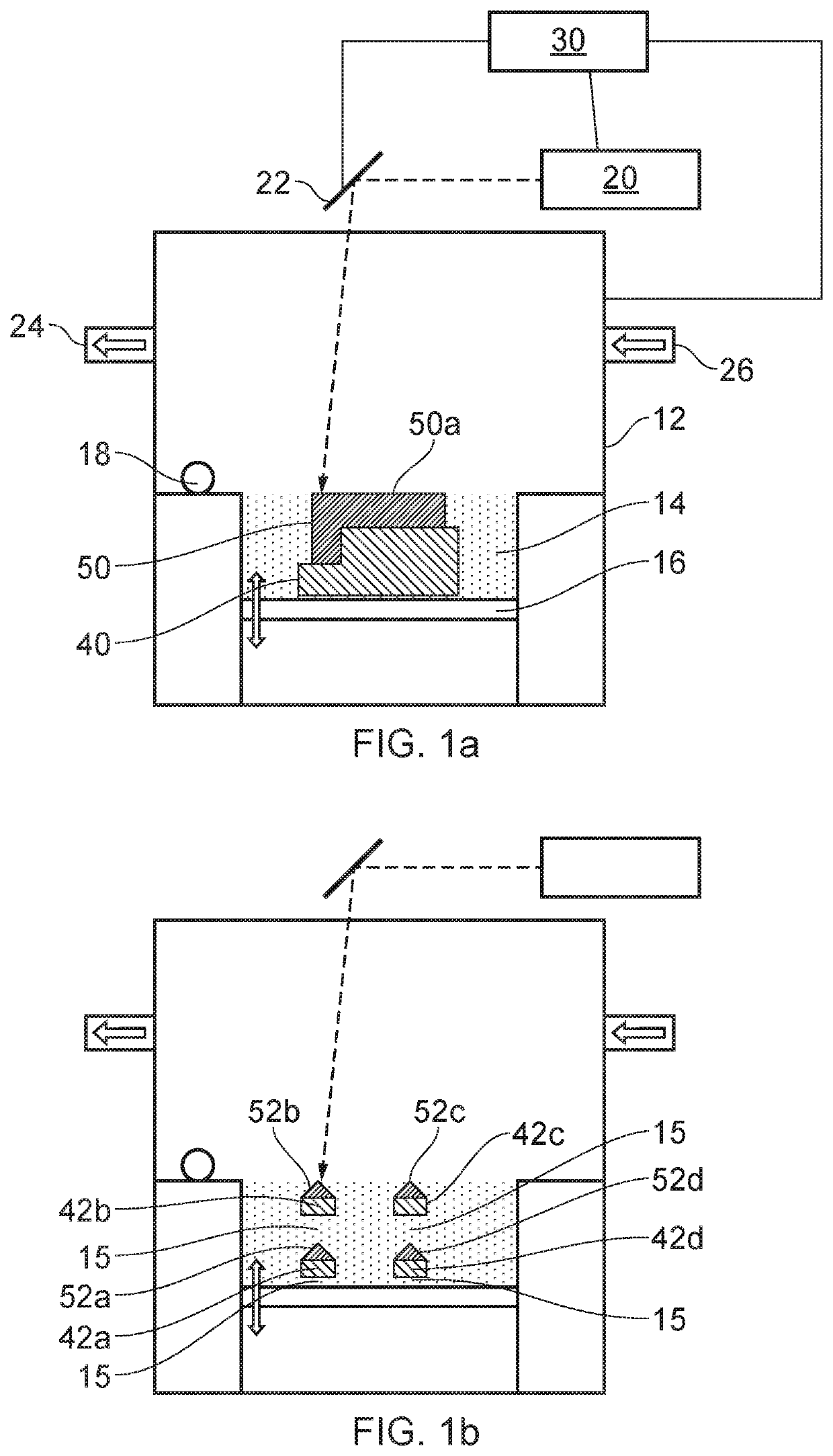
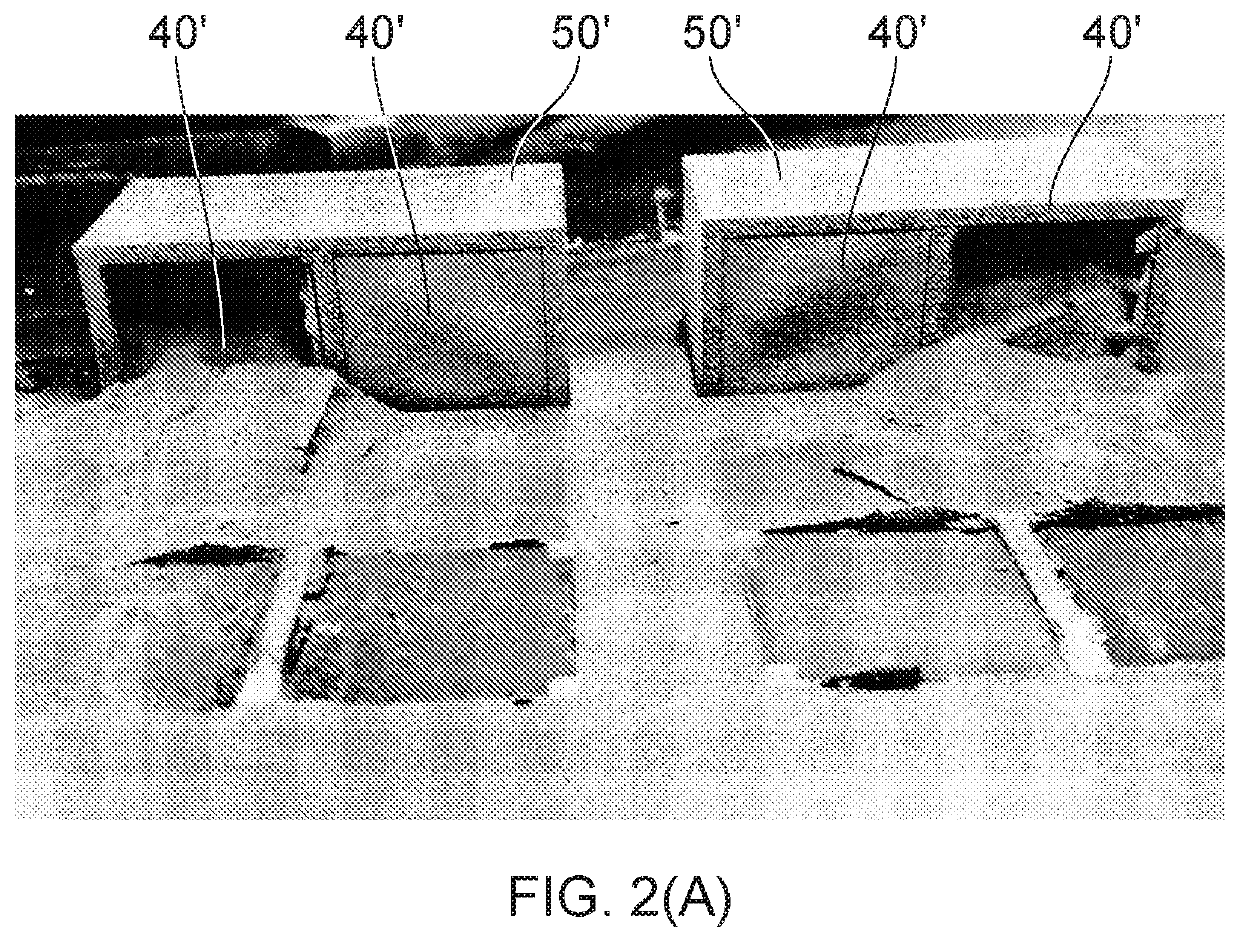
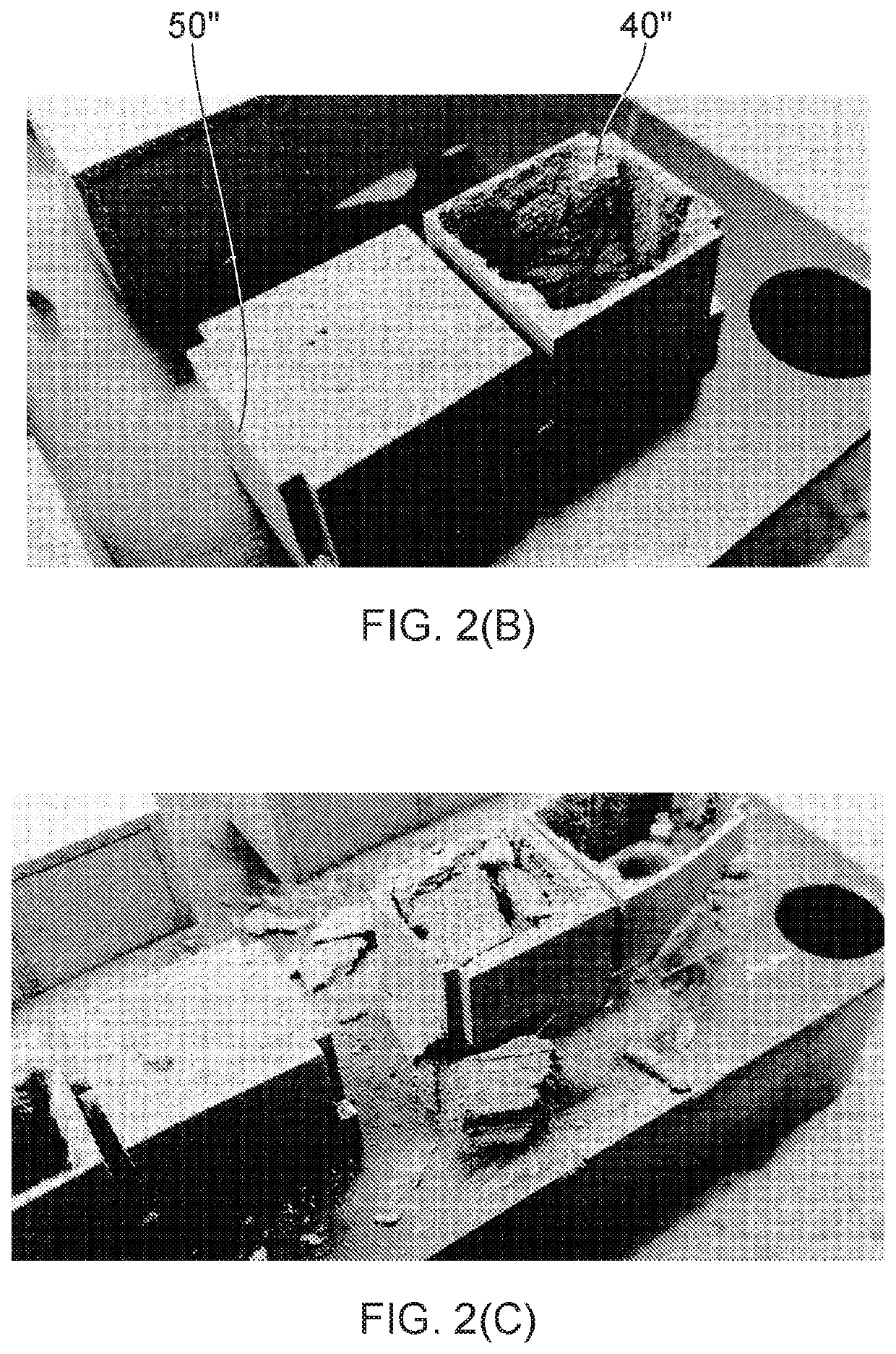
- A method involving selective sintering and melting in a single layer-by-layer process using a friable, partially sintered support structure, which provides compressive support without anchoring the component to the substrate, allowing for reduced processing and improved design freedom.

Apparatus and method for selective laser melting with in situ energy control
PatentActiveJP2023532575A
Innovation
- Incorporating a flat-top large-spot laser beam with in-situ energy control, nested with a small-spot laser beam, for preheating and annealing during the SLM process, controlling energy below the material's melting point to reduce thermal stress and spatter.


Environmental Impact of SLM Energy Consumption
The environmental implications of SLM energy consumption extend far beyond the immediate manufacturing process, creating a complex web of ecological impacts that demand comprehensive assessment. Energy-intensive laser operations, typically requiring 10-50 kW power systems for industrial applications, contribute significantly to carbon footprint calculations when considering the broader energy grid composition and regional electricity generation methods.
Direct energy consumption during SLM processing represents only the tip of the environmental impact iceberg. The technology's substantial electricity demands, often ranging from 50-200 kWh per kilogram of processed material, translate into varying carbon emissions depending on the local energy infrastructure. Manufacturing facilities operating in regions with coal-dependent power grids face dramatically higher environmental burdens compared to those utilizing renewable energy sources.
Lifecycle assessment studies reveal that SLM's environmental impact encompasses multiple phases beyond operational energy consumption. Pre-processing activities including powder production, handling, and preparation contribute approximately 15-25% of total energy requirements. Post-processing operations such as support removal, heat treatment, and surface finishing add another 20-30% to the overall energy footprint, creating cumulative environmental effects that extend well beyond the printing phase.
The technology's material efficiency characteristics present both environmental challenges and opportunities. While SLM achieves near-net-shape manufacturing with minimal material waste compared to subtractive processes, the energy-intensive powder production methods and recycling requirements create additional environmental considerations. Unused powder recycling, though beneficial for material conservation, introduces energy costs for sieving, blending, and quality verification processes.
Comparative environmental assessments position SLM's sustainability profile as highly dependent on production volume and part complexity. Low-volume, high-complexity components demonstrate favorable environmental performance when compared to conventional manufacturing chains requiring multiple processing steps, tooling, and material waste. However, high-volume production scenarios often reveal less favorable environmental metrics due to the technology's inherently energy-intensive nature.
Emerging research indicates potential pathways for environmental impact mitigation through process optimization and renewable energy integration. Advanced process monitoring systems, predictive maintenance protocols, and intelligent power management strategies show promise for reducing overall energy consumption by 15-30% while maintaining production quality standards.
Direct energy consumption during SLM processing represents only the tip of the environmental impact iceberg. The technology's substantial electricity demands, often ranging from 50-200 kWh per kilogram of processed material, translate into varying carbon emissions depending on the local energy infrastructure. Manufacturing facilities operating in regions with coal-dependent power grids face dramatically higher environmental burdens compared to those utilizing renewable energy sources.
Lifecycle assessment studies reveal that SLM's environmental impact encompasses multiple phases beyond operational energy consumption. Pre-processing activities including powder production, handling, and preparation contribute approximately 15-25% of total energy requirements. Post-processing operations such as support removal, heat treatment, and surface finishing add another 20-30% to the overall energy footprint, creating cumulative environmental effects that extend well beyond the printing phase.
The technology's material efficiency characteristics present both environmental challenges and opportunities. While SLM achieves near-net-shape manufacturing with minimal material waste compared to subtractive processes, the energy-intensive powder production methods and recycling requirements create additional environmental considerations. Unused powder recycling, though beneficial for material conservation, introduces energy costs for sieving, blending, and quality verification processes.
Comparative environmental assessments position SLM's sustainability profile as highly dependent on production volume and part complexity. Low-volume, high-complexity components demonstrate favorable environmental performance when compared to conventional manufacturing chains requiring multiple processing steps, tooling, and material waste. However, high-volume production scenarios often reveal less favorable environmental metrics due to the technology's inherently energy-intensive nature.
Emerging research indicates potential pathways for environmental impact mitigation through process optimization and renewable energy integration. Advanced process monitoring systems, predictive maintenance protocols, and intelligent power management strategies show promise for reducing overall energy consumption by 15-30% while maintaining production quality standards.
Cost-Benefit Analysis of SLM Energy Optimization
The economic viability of SLM energy optimization initiatives requires comprehensive evaluation of implementation costs against projected efficiency gains. Initial capital investments typically include advanced laser systems with improved beam quality, real-time monitoring equipment, and sophisticated control software. These upgrades can range from $50,000 to $200,000 per machine, depending on the complexity of optimization features implemented.
Energy cost savings represent the most direct financial benefit, with optimized SLM processes achieving 15-30% reduction in power consumption per part. For facilities operating multiple machines continuously, annual energy savings can reach $25,000-$75,000 per machine. Additionally, improved energy efficiency often correlates with enhanced part quality and reduced material waste, contributing to overall cost reduction through decreased rejection rates and material consumption.
Productivity improvements through energy optimization create substantial indirect benefits. Optimized laser parameters and thermal management systems can increase build speeds by 10-20% while maintaining quality standards. This translates to higher throughput and improved machine utilization rates, generating additional revenue opportunities that often exceed direct energy savings.
The payback period for SLM energy optimization investments typically ranges from 18 to 36 months, depending on facility size and operational intensity. High-volume production environments with continuous operation schedules achieve faster returns, while smaller facilities may require longer amortization periods. Maintenance cost reductions due to improved thermal management and reduced component stress further enhance the economic proposition.
Risk assessment reveals that technology obsolescence and integration challenges pose primary concerns. However, modular optimization approaches allow for phased implementation, reducing upfront investment risks while enabling gradual capability enhancement. The growing emphasis on sustainable manufacturing practices also creates potential for carbon credit revenues and regulatory compliance benefits, adding long-term value beyond direct operational savings.
Energy cost savings represent the most direct financial benefit, with optimized SLM processes achieving 15-30% reduction in power consumption per part. For facilities operating multiple machines continuously, annual energy savings can reach $25,000-$75,000 per machine. Additionally, improved energy efficiency often correlates with enhanced part quality and reduced material waste, contributing to overall cost reduction through decreased rejection rates and material consumption.
Productivity improvements through energy optimization create substantial indirect benefits. Optimized laser parameters and thermal management systems can increase build speeds by 10-20% while maintaining quality standards. This translates to higher throughput and improved machine utilization rates, generating additional revenue opportunities that often exceed direct energy savings.
The payback period for SLM energy optimization investments typically ranges from 18 to 36 months, depending on facility size and operational intensity. High-volume production environments with continuous operation schedules achieve faster returns, while smaller facilities may require longer amortization periods. Maintenance cost reductions due to improved thermal management and reduced component stress further enhance the economic proposition.
Risk assessment reveals that technology obsolescence and integration challenges pose primary concerns. However, modular optimization approaches allow for phased implementation, reducing upfront investment risks while enabling gradual capability enhancement. The growing emphasis on sustainable manufacturing practices also creates potential for carbon credit revenues and regulatory compliance benefits, adding long-term value beyond direct operational savings.
Unlock deeper insights with Patsnap Eureka Quick Research — get a full tech report to explore trends and direct your research. Try now!
Generate Your Research Report Instantly with AI Agent
Supercharge your innovation with Patsnap Eureka AI Agent Platform!