Single-Phase Immersion Cooling: Environmental Impact Assessment
APR 3, 20269 MIN READ
Generate Your Research Report Instantly with AI Agent
Patsnap Eureka helps you evaluate technical feasibility & market potential.
Single-Phase Immersion Cooling Environmental Background and Goals
Single-phase immersion cooling technology has emerged as a critical solution to address the escalating thermal management challenges in modern data centers and high-performance computing environments. As computational demands continue to surge with the proliferation of artificial intelligence, machine learning, and edge computing applications, traditional air-cooling systems are reaching their operational limits. The exponential growth in server density and processing power has created an urgent need for more efficient cooling methodologies that can handle heat loads exceeding 50kW per rack while maintaining optimal performance and reliability.
The environmental implications of cooling technologies have become increasingly significant as the global data center industry consumes approximately 1% of worldwide electricity production. Traditional cooling systems, particularly those relying on mechanical refrigeration and extensive air circulation, contribute substantially to carbon emissions and energy consumption. Single-phase immersion cooling presents a paradigm shift by directly submerging electronic components in dielectric fluids, eliminating the need for fans, air conditioning units, and complex air distribution systems.
The primary environmental goal of implementing single-phase immersion cooling is to achieve substantial reductions in overall energy consumption, with potential savings ranging from 30% to 50% compared to conventional air-cooling systems. This technology aims to minimize the Power Usage Effectiveness (PUE) ratio, bringing it closer to the theoretical ideal of 1.0 by eliminating energy-intensive cooling infrastructure components. Additionally, the technology seeks to reduce water consumption significantly, as traditional cooling systems often require substantial water resources for heat rejection through cooling towers and evaporative systems.
From a sustainability perspective, single-phase immersion cooling targets the reduction of electronic waste by extending hardware lifespan through superior thermal management and reduced thermal cycling stress. The technology also aims to enable higher computational density within smaller physical footprints, thereby reducing the overall environmental impact per unit of computing power delivered.
The strategic environmental objectives include developing closed-loop cooling systems that minimize fluid loss, implementing biodegradable or recyclable dielectric fluids, and creating cooling solutions that can effectively utilize renewable energy sources. These goals align with global initiatives to achieve carbon neutrality in the technology sector while maintaining the performance requirements of next-generation computing infrastructure.
The environmental implications of cooling technologies have become increasingly significant as the global data center industry consumes approximately 1% of worldwide electricity production. Traditional cooling systems, particularly those relying on mechanical refrigeration and extensive air circulation, contribute substantially to carbon emissions and energy consumption. Single-phase immersion cooling presents a paradigm shift by directly submerging electronic components in dielectric fluids, eliminating the need for fans, air conditioning units, and complex air distribution systems.
The primary environmental goal of implementing single-phase immersion cooling is to achieve substantial reductions in overall energy consumption, with potential savings ranging from 30% to 50% compared to conventional air-cooling systems. This technology aims to minimize the Power Usage Effectiveness (PUE) ratio, bringing it closer to the theoretical ideal of 1.0 by eliminating energy-intensive cooling infrastructure components. Additionally, the technology seeks to reduce water consumption significantly, as traditional cooling systems often require substantial water resources for heat rejection through cooling towers and evaporative systems.
From a sustainability perspective, single-phase immersion cooling targets the reduction of electronic waste by extending hardware lifespan through superior thermal management and reduced thermal cycling stress. The technology also aims to enable higher computational density within smaller physical footprints, thereby reducing the overall environmental impact per unit of computing power delivered.
The strategic environmental objectives include developing closed-loop cooling systems that minimize fluid loss, implementing biodegradable or recyclable dielectric fluids, and creating cooling solutions that can effectively utilize renewable energy sources. These goals align with global initiatives to achieve carbon neutrality in the technology sector while maintaining the performance requirements of next-generation computing infrastructure.
Market Demand for Sustainable Data Center Cooling Solutions
The global data center industry is experiencing unprecedented growth driven by digital transformation, cloud computing adoption, and artificial intelligence workloads. This expansion has intensified focus on sustainable cooling solutions as traditional air-cooling systems struggle to meet efficiency demands while minimizing environmental impact. Data centers currently consume substantial amounts of energy for cooling operations, creating urgent market demand for innovative thermal management technologies.
Single-phase immersion cooling has emerged as a compelling solution addressing multiple market pressures simultaneously. Organizations are increasingly prioritizing sustainability metrics in their infrastructure decisions, driven by corporate environmental commitments, regulatory requirements, and stakeholder expectations. The technology offers significant energy efficiency improvements compared to conventional cooling methods, directly addressing the growing concern over data center carbon footprints.
Market demand is particularly strong among hyperscale cloud providers, high-performance computing facilities, and edge computing deployments where space constraints and thermal density challenges are most acute. These sectors require cooling solutions that can handle increasing heat loads while reducing overall energy consumption and operational costs. The ability of single-phase immersion cooling to eliminate the need for traditional HVAC systems represents a fundamental shift toward more sustainable data center operations.
Enterprise customers are actively seeking cooling technologies that align with their environmental, social, and governance objectives. The market demand extends beyond pure performance metrics to include lifecycle environmental impact assessments, carbon footprint reduction potential, and circular economy considerations. Organizations are evaluating cooling solutions based on their contribution to achieving net-zero emissions targets and sustainable business practices.
The growing emphasis on total cost of ownership calculations increasingly incorporates environmental externalities and long-term sustainability benefits. Market research indicates strong interest in cooling technologies that demonstrate measurable environmental improvements while maintaining or enhancing operational performance. This trend is creating substantial opportunities for immersion cooling solutions that can provide comprehensive environmental impact data and sustainability credentials.
Regulatory frameworks and industry standards are evolving to emphasize environmental responsibility in data center operations, further driving market demand for sustainable cooling alternatives. The convergence of performance requirements, environmental concerns, and economic considerations is creating a robust market opportunity for advanced cooling technologies like single-phase immersion systems.
Single-phase immersion cooling has emerged as a compelling solution addressing multiple market pressures simultaneously. Organizations are increasingly prioritizing sustainability metrics in their infrastructure decisions, driven by corporate environmental commitments, regulatory requirements, and stakeholder expectations. The technology offers significant energy efficiency improvements compared to conventional cooling methods, directly addressing the growing concern over data center carbon footprints.
Market demand is particularly strong among hyperscale cloud providers, high-performance computing facilities, and edge computing deployments where space constraints and thermal density challenges are most acute. These sectors require cooling solutions that can handle increasing heat loads while reducing overall energy consumption and operational costs. The ability of single-phase immersion cooling to eliminate the need for traditional HVAC systems represents a fundamental shift toward more sustainable data center operations.
Enterprise customers are actively seeking cooling technologies that align with their environmental, social, and governance objectives. The market demand extends beyond pure performance metrics to include lifecycle environmental impact assessments, carbon footprint reduction potential, and circular economy considerations. Organizations are evaluating cooling solutions based on their contribution to achieving net-zero emissions targets and sustainable business practices.
The growing emphasis on total cost of ownership calculations increasingly incorporates environmental externalities and long-term sustainability benefits. Market research indicates strong interest in cooling technologies that demonstrate measurable environmental improvements while maintaining or enhancing operational performance. This trend is creating substantial opportunities for immersion cooling solutions that can provide comprehensive environmental impact data and sustainability credentials.
Regulatory frameworks and industry standards are evolving to emphasize environmental responsibility in data center operations, further driving market demand for sustainable cooling alternatives. The convergence of performance requirements, environmental concerns, and economic considerations is creating a robust market opportunity for advanced cooling technologies like single-phase immersion systems.
Current Environmental Impact Status of Immersion Cooling
Single-phase immersion cooling technology currently presents a complex environmental impact profile that requires comprehensive evaluation across multiple dimensions. The technology involves submerging electronic components directly in dielectric fluids, which eliminates the need for traditional air conditioning systems and significantly reduces energy consumption for cooling data centers and high-performance computing facilities.
Energy efficiency represents the most significant positive environmental impact of immersion cooling systems. Current implementations demonstrate 30-45% reduction in overall power consumption compared to conventional air-cooling methods. This efficiency gain stems from the superior thermal conductivity of dielectric fluids and the elimination of energy-intensive air handling units, fans, and compressors traditionally required for data center cooling.
The carbon footprint assessment reveals substantial benefits in operational phases. Facilities utilizing single-phase immersion cooling report 25-40% lower carbon emissions during operation, primarily due to reduced electricity consumption. However, the manufacturing phase presents environmental challenges, as dielectric fluids require energy-intensive production processes and specialized chemical synthesis that contributes to initial carbon footprint.
Fluid lifecycle management emerges as a critical environmental consideration. Current dielectric fluids, including synthetic esters and fluorinated compounds, exhibit varying degrees of biodegradability and environmental persistence. While some bio-based dielectric fluids demonstrate improved environmental profiles, their thermal performance and long-term stability remain under evaluation for widespread deployment.
Waste heat recovery potential significantly enhances the environmental benefits of immersion cooling systems. The technology enables efficient capture of waste heat at higher temperatures compared to air-cooling systems, facilitating integration with building heating systems or industrial processes. Current implementations achieve heat recovery efficiencies of 60-80%, contributing to overall energy system optimization.
Water consumption reduction represents another positive environmental impact. Traditional data center cooling systems require substantial water usage for evaporative cooling and heat rejection. Immersion cooling systems eliminate this requirement, reducing water consumption by up to 95% in typical data center applications, addressing growing concerns about water scarcity in technology infrastructure.
The end-of-life environmental impact assessment reveals mixed outcomes. While electronic components experience reduced thermal stress and potentially longer operational lifespans, the disposal and recycling of dielectric fluids present challenges. Current recycling infrastructure for specialized dielectric fluids remains limited, though emerging purification and regeneration technologies show promise for circular economy implementation.
Energy efficiency represents the most significant positive environmental impact of immersion cooling systems. Current implementations demonstrate 30-45% reduction in overall power consumption compared to conventional air-cooling methods. This efficiency gain stems from the superior thermal conductivity of dielectric fluids and the elimination of energy-intensive air handling units, fans, and compressors traditionally required for data center cooling.
The carbon footprint assessment reveals substantial benefits in operational phases. Facilities utilizing single-phase immersion cooling report 25-40% lower carbon emissions during operation, primarily due to reduced electricity consumption. However, the manufacturing phase presents environmental challenges, as dielectric fluids require energy-intensive production processes and specialized chemical synthesis that contributes to initial carbon footprint.
Fluid lifecycle management emerges as a critical environmental consideration. Current dielectric fluids, including synthetic esters and fluorinated compounds, exhibit varying degrees of biodegradability and environmental persistence. While some bio-based dielectric fluids demonstrate improved environmental profiles, their thermal performance and long-term stability remain under evaluation for widespread deployment.
Waste heat recovery potential significantly enhances the environmental benefits of immersion cooling systems. The technology enables efficient capture of waste heat at higher temperatures compared to air-cooling systems, facilitating integration with building heating systems or industrial processes. Current implementations achieve heat recovery efficiencies of 60-80%, contributing to overall energy system optimization.
Water consumption reduction represents another positive environmental impact. Traditional data center cooling systems require substantial water usage for evaporative cooling and heat rejection. Immersion cooling systems eliminate this requirement, reducing water consumption by up to 95% in typical data center applications, addressing growing concerns about water scarcity in technology infrastructure.
The end-of-life environmental impact assessment reveals mixed outcomes. While electronic components experience reduced thermal stress and potentially longer operational lifespans, the disposal and recycling of dielectric fluids present challenges. Current recycling infrastructure for specialized dielectric fluids remains limited, though emerging purification and regeneration technologies show promise for circular economy implementation.
Existing Environmental Impact Mitigation Approaches
01 Biodegradable and environmentally friendly cooling fluids
Single-phase immersion cooling systems can utilize biodegradable and environmentally friendly dielectric fluids to minimize environmental impact. These fluids are designed to have low toxicity, reduced global warming potential, and improved biodegradability compared to traditional cooling fluids. The use of such fluids helps reduce the carbon footprint of data centers and electronic cooling systems while maintaining effective thermal management performance.- Biodegradable and environmentally friendly cooling fluids: Single-phase immersion cooling systems can utilize biodegradable and environmentally friendly dielectric fluids to minimize environmental impact. These fluids are designed to have low toxicity, reduced global warming potential, and improved biodegradability compared to traditional cooling fluids. The use of such fluids helps reduce the carbon footprint of data centers and electronic cooling systems while maintaining effective thermal management performance.
- Energy efficiency optimization in immersion cooling systems: Improving energy efficiency in single-phase immersion cooling systems reduces overall environmental impact by lowering power consumption. Advanced system designs incorporate optimized heat exchange mechanisms, improved fluid circulation patterns, and intelligent temperature control systems. These improvements result in reduced energy requirements for cooling operations, leading to decreased greenhouse gas emissions and lower operational costs.
- Fluid recycling and closed-loop systems: Closed-loop immersion cooling systems with fluid recycling capabilities minimize waste and environmental contamination. These systems are designed to capture, filter, and reuse cooling fluids, reducing the need for frequent fluid replacement and disposal. The implementation of effective filtration and purification methods extends fluid life and prevents environmental release of potentially harmful substances.
- Heat recovery and waste heat utilization: Single-phase immersion cooling systems can be integrated with heat recovery mechanisms to capture and reuse waste heat, improving overall environmental sustainability. The recovered thermal energy can be redirected for building heating, water heating, or other industrial processes. This approach reduces total energy consumption and maximizes the efficiency of cooling operations while minimizing environmental impact.
- Leak prevention and containment systems: Advanced leak detection and containment systems in single-phase immersion cooling installations prevent environmental contamination from fluid spills or leaks. These systems incorporate multiple layers of protection including leak sensors, containment barriers, and automatic shutdown mechanisms. Proper containment design ensures that any potential fluid release is captured and managed before environmental exposure occurs.
02 Energy efficiency optimization in immersion cooling systems
Improving energy efficiency in single-phase immersion cooling systems reduces overall environmental impact by lowering power consumption. Advanced system designs incorporate optimized fluid circulation, heat exchanger configurations, and thermal management strategies to minimize energy usage. These improvements result in reduced greenhouse gas emissions and lower operational costs while maintaining or improving cooling performance for high-density electronic equipment.Expand Specific Solutions03 Fluid recycling and closed-loop systems
Closed-loop immersion cooling systems with fluid recycling capabilities significantly reduce environmental impact by minimizing fluid waste and consumption. These systems incorporate filtration, purification, and regeneration technologies to extend fluid life and reduce the need for frequent replacement. The implementation of such systems decreases the volume of cooling fluid that must be disposed of and reduces the environmental burden associated with fluid production and disposal.Expand Specific Solutions04 Heat recovery and waste heat utilization
Single-phase immersion cooling systems can be designed to capture and reuse waste heat, thereby improving overall energy efficiency and reducing environmental impact. The recovered heat can be utilized for building heating, water heating, or other industrial processes. This approach transforms what would otherwise be wasted thermal energy into a useful resource, reducing the total energy consumption and carbon footprint of the facility.Expand Specific Solutions05 Low global warming potential refrigerants and fluids
The selection of cooling fluids with low global warming potential and minimal ozone depletion potential is crucial for reducing the environmental impact of single-phase immersion cooling systems. Modern formulations focus on fluids that have negligible atmospheric impact if released, while still providing excellent dielectric and thermal properties. These environmentally conscious fluid choices help organizations meet sustainability goals and comply with environmental regulations.Expand Specific Solutions
Key Players in Immersion Cooling Environmental Solutions
The single-phase immersion cooling market represents an emerging segment within the broader data center cooling industry, currently in its early commercialization stage with significant growth potential driven by increasing demand for energy-efficient thermal management solutions. Major technology players include established hardware manufacturers like Intel Corp., Quanta Computer, and Wiwynn Corp., who are integrating immersion cooling capabilities into their server and infrastructure offerings. Specialized cooling solution providers such as LiquidStack Holding BV and META Green Cooling Technology are developing dedicated immersion cooling systems, while traditional cooling companies like Cooler Master are expanding into liquid cooling technologies. The technology maturity varies across participants, with companies like IBM and Microsoft Technology Licensing advancing through patent development, while Asian manufacturers including Inspur and ZTE are implementing solutions for hyperscale deployments. Chemical companies like The Chemours Co. contribute essential dielectric fluids, indicating a maturing supply chain ecosystem supporting broader market adoption.
META Green Cooling Technology Co., Ltd.
Technical Solution: META Green Cooling Technology specializes in environmentally sustainable single-phase immersion cooling systems with focus on green technology implementation and environmental impact minimization. Their solutions utilize eco-friendly dielectric fluids with biodegradable properties and low environmental toxicity profiles. The company conducts comprehensive environmental impact assessments including carbon footprint analysis, fluid lifecycle evaluation, and energy efficiency optimization. Their cooling systems demonstrate superior thermal performance while maintaining strict environmental compliance standards. META's approach includes advanced fluid recycling technologies and contamination prevention systems to ensure minimal environmental impact throughout the operational lifecycle, with documented reductions in overall facility energy consumption and environmental footprint.
Strengths: Specialized focus on green cooling technologies and environmental sustainability, comprehensive environmental impact assessment capabilities. Weaknesses: Smaller market presence compared to major technology corporations, limited global distribution network and technical support infrastructure.
International Business Machines Corp.
Technical Solution: IBM has developed comprehensive single-phase immersion cooling systems integrated with their enterprise server solutions, focusing on environmental sustainability through advanced fluid management and recycling protocols. Their approach utilizes synthetic dielectric fluids with enhanced thermal properties and reduced environmental impact. IBM's environmental assessment framework includes lifecycle analysis of cooling fluids, energy efficiency metrics, and carbon footprint reduction strategies. The system incorporates intelligent monitoring for fluid degradation and contamination detection, ensuring optimal performance while minimizing environmental risks. Their research indicates up to 40% reduction in total facility energy consumption and significant decrease in water usage compared to traditional cooling methods.
Strengths: Strong research capabilities and comprehensive environmental assessment methodologies, established enterprise market presence. Weaknesses: Focus primarily on enterprise solutions may limit broader market adoption, complex integration requirements.
Core Innovations in Eco-Friendly Immersion Cooling Fluids
System and method for single-phase immersion cooling
PatentWO2022027145A1
Innovation
- The system employs a tank with a box header and chassis cluster configuration, where a cooled heat-dissipating medium is dispensed through evenly sized orifices into the chassis, creating a low-pressure region that draws the medium to the center, ensuring uniform cooling of electronic circuit boards.


Immersion cooling system and related immersion cooling method
PatentPendingUS20240365509A1
Innovation
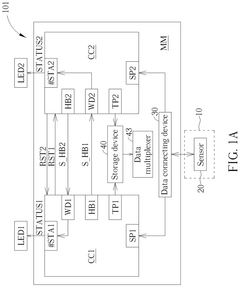
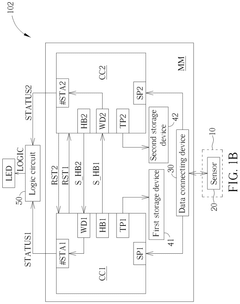
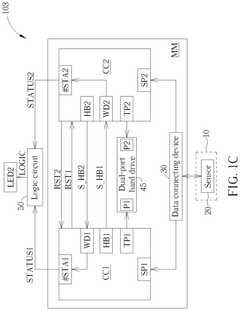
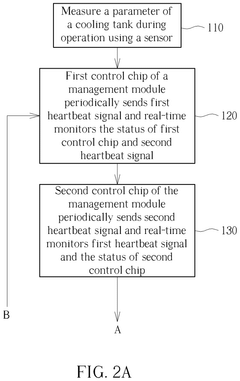
- The implementation of a dual-control chip management module system within the immersion cooling system, where two control chips (a main and a backup) monitor each other's heartbeat signals and operational status, allowing for seamless switching between them in case of failure, and providing a flexible backup scheme that can be configured based on application needs.
Environmental Regulations for Data Center Cooling Technologies
The regulatory landscape for data center cooling technologies has evolved significantly in response to growing environmental concerns and energy consumption challenges. Single-phase immersion cooling systems must comply with an increasingly complex web of environmental regulations that vary across jurisdictions but share common objectives of reducing carbon footprints and improving energy efficiency.
Energy efficiency standards represent the primary regulatory framework affecting immersion cooling adoption. The European Union's Energy Efficiency Directive mandates that data centers implement best available techniques for cooling, with Power Usage Effectiveness (PUE) targets becoming increasingly stringent. Similarly, California's Title 24 Building Energy Efficiency Standards and Singapore's Green Data Centre Standard establish specific cooling efficiency requirements that favor advanced technologies like immersion cooling over traditional air-based systems.
Chemical safety regulations significantly impact single-phase immersion cooling implementations. The Registration, Evaluation, Authorization and Restriction of Chemicals (REACH) regulation in Europe requires comprehensive assessment of dielectric fluids used in immersion systems. The U.S. Environmental Protection Agency's Toxic Substances Control Act (TSCA) imposes similar requirements, mandating safety data sheets and environmental impact assessments for cooling fluids. These regulations particularly scrutinize synthetic dielectric fluids for their biodegradability, toxicity, and potential environmental persistence.
Waste management and disposal regulations create additional compliance requirements for immersion cooling operators. The Waste Electrical and Electronic Equipment (WEEE) Directive establishes protocols for handling end-of-life cooling fluids and contaminated components. National hazardous waste regulations classify certain dielectric fluids as controlled substances, requiring specialized disposal procedures and documentation. These requirements significantly influence total cost of ownership calculations for immersion cooling systems.
Emerging carbon reporting mandates are reshaping regulatory priorities for data center cooling technologies. The Corporate Sustainability Reporting Directive (CSRD) in Europe and similar frameworks in other regions require detailed disclosure of Scope 2 emissions from cooling operations. These regulations increasingly favor technologies demonstrating measurable environmental benefits, positioning compliant immersion cooling systems advantageously in regulatory assessments and sustainability reporting requirements.
Energy efficiency standards represent the primary regulatory framework affecting immersion cooling adoption. The European Union's Energy Efficiency Directive mandates that data centers implement best available techniques for cooling, with Power Usage Effectiveness (PUE) targets becoming increasingly stringent. Similarly, California's Title 24 Building Energy Efficiency Standards and Singapore's Green Data Centre Standard establish specific cooling efficiency requirements that favor advanced technologies like immersion cooling over traditional air-based systems.
Chemical safety regulations significantly impact single-phase immersion cooling implementations. The Registration, Evaluation, Authorization and Restriction of Chemicals (REACH) regulation in Europe requires comprehensive assessment of dielectric fluids used in immersion systems. The U.S. Environmental Protection Agency's Toxic Substances Control Act (TSCA) imposes similar requirements, mandating safety data sheets and environmental impact assessments for cooling fluids. These regulations particularly scrutinize synthetic dielectric fluids for their biodegradability, toxicity, and potential environmental persistence.
Waste management and disposal regulations create additional compliance requirements for immersion cooling operators. The Waste Electrical and Electronic Equipment (WEEE) Directive establishes protocols for handling end-of-life cooling fluids and contaminated components. National hazardous waste regulations classify certain dielectric fluids as controlled substances, requiring specialized disposal procedures and documentation. These requirements significantly influence total cost of ownership calculations for immersion cooling systems.
Emerging carbon reporting mandates are reshaping regulatory priorities for data center cooling technologies. The Corporate Sustainability Reporting Directive (CSRD) in Europe and similar frameworks in other regions require detailed disclosure of Scope 2 emissions from cooling operations. These regulations increasingly favor technologies demonstrating measurable environmental benefits, positioning compliant immersion cooling systems advantageously in regulatory assessments and sustainability reporting requirements.
Life Cycle Assessment Methodologies for Immersion Cooling
Life Cycle Assessment (LCA) methodologies provide a systematic framework for evaluating the environmental impacts of single-phase immersion cooling systems throughout their entire lifecycle. The ISO 14040 and ISO 14044 standards establish the foundational principles for conducting comprehensive environmental assessments, encompassing goal definition, scope determination, inventory analysis, impact assessment, and interpretation phases.
The goal and scope definition phase requires establishing clear boundaries for the immersion cooling system assessment. This includes defining the functional unit, typically expressed as cooling capacity per unit time or heat removal per server rack, and determining whether the analysis follows a cradle-to-grave, cradle-to-gate, or gate-to-gate approach. System boundaries must clearly delineate which components are included, such as dielectric fluids, cooling infrastructure, pumps, heat exchangers, and associated electronic equipment.
Inventory analysis involves quantifying all material and energy inputs and outputs throughout the system lifecycle. For immersion cooling systems, this encompasses raw material extraction for dielectric fluids, manufacturing processes for cooling equipment, transportation impacts, operational energy consumption, maintenance requirements, and end-of-life disposal or recycling processes. Data collection must account for the specific properties of dielectric fluids, including their production pathways, chemical composition, and degradation characteristics.
Impact assessment methodologies translate inventory data into potential environmental effects using characterization factors. Key impact categories relevant to immersion cooling include global warming potential, ozone depletion potential, acidification, eutrophication, human toxicity, and resource depletion. The choice of impact assessment methods, such as ReCiPe, CML, or TRACI, significantly influences results and must align with geographical relevance and scientific robustness requirements.
Comparative LCA approaches enable benchmarking immersion cooling systems against conventional air-cooling technologies. This requires establishing equivalent functional units and ensuring fair comparisons across different cooling architectures. Sensitivity analysis and uncertainty assessment are critical components, particularly given the emerging nature of immersion cooling technologies and limited long-term operational data availability.
The goal and scope definition phase requires establishing clear boundaries for the immersion cooling system assessment. This includes defining the functional unit, typically expressed as cooling capacity per unit time or heat removal per server rack, and determining whether the analysis follows a cradle-to-grave, cradle-to-gate, or gate-to-gate approach. System boundaries must clearly delineate which components are included, such as dielectric fluids, cooling infrastructure, pumps, heat exchangers, and associated electronic equipment.
Inventory analysis involves quantifying all material and energy inputs and outputs throughout the system lifecycle. For immersion cooling systems, this encompasses raw material extraction for dielectric fluids, manufacturing processes for cooling equipment, transportation impacts, operational energy consumption, maintenance requirements, and end-of-life disposal or recycling processes. Data collection must account for the specific properties of dielectric fluids, including their production pathways, chemical composition, and degradation characteristics.
Impact assessment methodologies translate inventory data into potential environmental effects using characterization factors. Key impact categories relevant to immersion cooling include global warming potential, ozone depletion potential, acidification, eutrophication, human toxicity, and resource depletion. The choice of impact assessment methods, such as ReCiPe, CML, or TRACI, significantly influences results and must align with geographical relevance and scientific robustness requirements.
Comparative LCA approaches enable benchmarking immersion cooling systems against conventional air-cooling technologies. This requires establishing equivalent functional units and ensuring fair comparisons across different cooling architectures. Sensitivity analysis and uncertainty assessment are critical components, particularly given the emerging nature of immersion cooling technologies and limited long-term operational data availability.
Unlock deeper insights with Patsnap Eureka Quick Research — get a full tech report to explore trends and direct your research. Try now!
Generate Your Research Report Instantly with AI Agent
Supercharge your innovation with Patsnap Eureka AI Agent Platform!