

Sintered Silver for EV Applications: Optimizing Thermal Conductivity
MAY 25, 20269 MIN READ
Generate Your Research Report Instantly with AI Agent
PatSnap Eureka helps you evaluate technical feasibility & market potential.
Sintered Silver EV Thermal Management Background and Objectives
The electric vehicle industry has experienced unprecedented growth over the past decade, driven by environmental regulations, consumer demand for sustainable transportation, and technological advancements in battery systems. This rapid expansion has created significant challenges in thermal management, particularly as EV powertrains generate substantial heat during operation that must be efficiently dissipated to maintain optimal performance and safety.
Traditional thermal interface materials, including thermal greases, pads, and conventional metal-based solutions, have reached their performance limitations in meeting the demanding requirements of modern EV applications. The increasing power density of electric motors, inverters, and battery systems necessitates materials with superior thermal conductivity, reliability, and long-term stability under harsh operating conditions.
Sintered silver technology has emerged as a promising solution to address these thermal management challenges. This advanced material processing technique involves the consolidation of silver particles at temperatures below the melting point, creating a highly conductive interface with exceptional thermal properties. The resulting material exhibits thermal conductivity values significantly higher than conventional solutions, often exceeding 200 W/mK compared to 1-10 W/mK for typical thermal interface materials.
The evolution of sintered silver technology traces back to power electronics applications in the early 2000s, where it was initially developed for high-temperature semiconductor packaging. The automotive industry's transition toward electrification has created new opportunities for this technology, particularly in applications requiring superior heat dissipation and mechanical reliability.
The primary objective of optimizing sintered silver for EV applications centers on maximizing thermal conductivity while addressing practical implementation challenges. Key goals include developing formulations that maintain high thermal performance across wide temperature ranges, ensuring mechanical stability under thermal cycling conditions, and achieving cost-effective manufacturing processes suitable for automotive production volumes.
Additional objectives encompass improving the material's processability to enable automated assembly techniques, reducing sintering temperatures to minimize thermal stress on sensitive components, and enhancing adhesion properties to various substrate materials commonly used in EV systems. These developments aim to establish sintered silver as a mainstream thermal management solution capable of supporting the next generation of high-performance electric vehicles.
Traditional thermal interface materials, including thermal greases, pads, and conventional metal-based solutions, have reached their performance limitations in meeting the demanding requirements of modern EV applications. The increasing power density of electric motors, inverters, and battery systems necessitates materials with superior thermal conductivity, reliability, and long-term stability under harsh operating conditions.
Sintered silver technology has emerged as a promising solution to address these thermal management challenges. This advanced material processing technique involves the consolidation of silver particles at temperatures below the melting point, creating a highly conductive interface with exceptional thermal properties. The resulting material exhibits thermal conductivity values significantly higher than conventional solutions, often exceeding 200 W/mK compared to 1-10 W/mK for typical thermal interface materials.
The evolution of sintered silver technology traces back to power electronics applications in the early 2000s, where it was initially developed for high-temperature semiconductor packaging. The automotive industry's transition toward electrification has created new opportunities for this technology, particularly in applications requiring superior heat dissipation and mechanical reliability.
The primary objective of optimizing sintered silver for EV applications centers on maximizing thermal conductivity while addressing practical implementation challenges. Key goals include developing formulations that maintain high thermal performance across wide temperature ranges, ensuring mechanical stability under thermal cycling conditions, and achieving cost-effective manufacturing processes suitable for automotive production volumes.
Additional objectives encompass improving the material's processability to enable automated assembly techniques, reducing sintering temperatures to minimize thermal stress on sensitive components, and enhancing adhesion properties to various substrate materials commonly used in EV systems. These developments aim to establish sintered silver as a mainstream thermal management solution capable of supporting the next generation of high-performance electric vehicles.
EV Market Demand for Advanced Thermal Interface Materials
The electric vehicle industry is experiencing unprecedented growth, driving substantial demand for advanced thermal interface materials that can effectively manage heat dissipation in high-performance electronic systems. As EV powertrains become increasingly sophisticated, incorporating high-density power electronics, battery management systems, and fast-charging capabilities, the thermal management requirements have evolved beyond traditional solutions.
Power semiconductor devices in EVs, particularly silicon carbide and gallium nitride components, generate significant heat loads during operation. These devices require thermal interface materials with exceptional thermal conductivity to maintain optimal operating temperatures and prevent performance degradation. The transition from internal combustion engines to electric powertrains has fundamentally altered thermal management paradigms, necessitating materials that can handle higher heat flux densities while maintaining long-term reliability.
Battery thermal management represents another critical application area driving demand for advanced thermal interface materials. Modern EV battery packs require precise temperature control to optimize performance, extend lifespan, and ensure safety. The increasing adoption of fast-charging technologies further intensifies thermal management challenges, as rapid energy transfer generates substantial heat that must be efficiently dissipated to prevent thermal runaway and maintain battery integrity.
The automotive industry's stringent reliability requirements create unique demands for thermal interface materials. Unlike consumer electronics with shorter operational lifespans, EV components must maintain performance over decades while withstanding extreme temperature cycling, vibration, and environmental exposure. This durability requirement has shifted market preference toward materials offering superior long-term stability and minimal thermal resistance degradation.
Market dynamics are further influenced by the automotive industry's cost sensitivity and manufacturing scalability requirements. While performance remains paramount, thermal interface materials must demonstrate economic viability for mass production applications. The industry seeks solutions that balance exceptional thermal performance with manufacturing feasibility and cost-effectiveness.
Emerging trends in EV design, including higher voltage systems and increased power density, continue to elevate thermal management requirements. The integration of autonomous driving technologies and advanced infotainment systems adds additional heat sources, compounding thermal management challenges and expanding the addressable market for high-performance thermal interface materials.
Power semiconductor devices in EVs, particularly silicon carbide and gallium nitride components, generate significant heat loads during operation. These devices require thermal interface materials with exceptional thermal conductivity to maintain optimal operating temperatures and prevent performance degradation. The transition from internal combustion engines to electric powertrains has fundamentally altered thermal management paradigms, necessitating materials that can handle higher heat flux densities while maintaining long-term reliability.
Battery thermal management represents another critical application area driving demand for advanced thermal interface materials. Modern EV battery packs require precise temperature control to optimize performance, extend lifespan, and ensure safety. The increasing adoption of fast-charging technologies further intensifies thermal management challenges, as rapid energy transfer generates substantial heat that must be efficiently dissipated to prevent thermal runaway and maintain battery integrity.
The automotive industry's stringent reliability requirements create unique demands for thermal interface materials. Unlike consumer electronics with shorter operational lifespans, EV components must maintain performance over decades while withstanding extreme temperature cycling, vibration, and environmental exposure. This durability requirement has shifted market preference toward materials offering superior long-term stability and minimal thermal resistance degradation.
Market dynamics are further influenced by the automotive industry's cost sensitivity and manufacturing scalability requirements. While performance remains paramount, thermal interface materials must demonstrate economic viability for mass production applications. The industry seeks solutions that balance exceptional thermal performance with manufacturing feasibility and cost-effectiveness.
Emerging trends in EV design, including higher voltage systems and increased power density, continue to elevate thermal management requirements. The integration of autonomous driving technologies and advanced infotainment systems adds additional heat sources, compounding thermal management challenges and expanding the addressable market for high-performance thermal interface materials.
Current Sintered Silver Thermal Conductivity Limitations in EVs
Despite the superior thermal properties of bulk silver, sintered silver materials in electric vehicle applications face significant thermal conductivity limitations that constrain their effectiveness in power electronics thermal management. Current sintered silver formulations typically achieve thermal conductivity values ranging from 150-250 W/mK, substantially lower than bulk silver's theoretical 429 W/mK. This performance gap represents a critical bottleneck in maximizing heat dissipation efficiency for high-power density EV components.
The primary limitation stems from porosity inherent in the sintering process. Commercial sintered silver pastes contain organic binders, solvents, and additives that create voids during thermal processing, resulting in porosity levels of 15-30%. These microscopic air gaps act as thermal barriers, significantly reducing the effective thermal pathway through the material. The interconnected pore structure creates tortuous heat conduction paths that impede efficient thermal transport.
Particle size distribution and morphology present additional constraints. Most commercially available silver powders exhibit broad size distributions with irregular particle shapes, leading to suboptimal packing density and increased interfacial thermal resistance. The sintering temperature limitations imposed by EV manufacturing processes, typically below 300°C to protect temperature-sensitive components, prevent complete densification and optimal grain boundary formation.
Interface quality between sintered silver and substrate materials poses another significant challenge. Poor wetting characteristics and thermal expansion mismatches create interfacial thermal resistance that can account for 20-40% of total thermal resistance in the assembly. This is particularly problematic in wide bandgap semiconductor applications where efficient heat extraction is critical for maintaining junction temperatures within acceptable limits.
Manufacturing process variations contribute to inconsistent thermal performance across production batches. Parameters such as pressure application, heating profiles, and atmospheric conditions during sintering significantly influence final thermal conductivity. Current quality control methods lack sufficient precision to ensure consistent thermal properties, leading to reliability concerns in demanding EV applications.
The degradation of thermal conductivity over operational lifetime represents an emerging concern. Thermal cycling, mechanical stress, and electrochemical effects in EV environments can cause microstructural changes in sintered silver, including void growth and grain boundary deterioration, progressively reducing thermal performance throughout the component's service life.
The primary limitation stems from porosity inherent in the sintering process. Commercial sintered silver pastes contain organic binders, solvents, and additives that create voids during thermal processing, resulting in porosity levels of 15-30%. These microscopic air gaps act as thermal barriers, significantly reducing the effective thermal pathway through the material. The interconnected pore structure creates tortuous heat conduction paths that impede efficient thermal transport.
Particle size distribution and morphology present additional constraints. Most commercially available silver powders exhibit broad size distributions with irregular particle shapes, leading to suboptimal packing density and increased interfacial thermal resistance. The sintering temperature limitations imposed by EV manufacturing processes, typically below 300°C to protect temperature-sensitive components, prevent complete densification and optimal grain boundary formation.
Interface quality between sintered silver and substrate materials poses another significant challenge. Poor wetting characteristics and thermal expansion mismatches create interfacial thermal resistance that can account for 20-40% of total thermal resistance in the assembly. This is particularly problematic in wide bandgap semiconductor applications where efficient heat extraction is critical for maintaining junction temperatures within acceptable limits.
Manufacturing process variations contribute to inconsistent thermal performance across production batches. Parameters such as pressure application, heating profiles, and atmospheric conditions during sintering significantly influence final thermal conductivity. Current quality control methods lack sufficient precision to ensure consistent thermal properties, leading to reliability concerns in demanding EV applications.
The degradation of thermal conductivity over operational lifetime represents an emerging concern. Thermal cycling, mechanical stress, and electrochemical effects in EV environments can cause microstructural changes in sintered silver, including void growth and grain boundary deterioration, progressively reducing thermal performance throughout the component's service life.
Existing Sintered Silver Optimization Solutions
01 Silver nanoparticle sintering for enhanced thermal conductivity
Silver nanoparticles can be sintered at relatively low temperatures to form highly conductive pathways. The sintering process involves the coalescence of nanoparticles, which reduces porosity and creates continuous metallic networks that significantly improve thermal conductivity. The particle size, sintering temperature, and time are critical parameters that affect the final thermal performance of the sintered material.- Silver nanoparticle sintering for enhanced thermal conductivity: Silver nanoparticles can be sintered at relatively low temperatures to form highly conductive pathways. The sintering process involves the coalescence of nanoparticles, which reduces porosity and creates continuous metallic networks that significantly improve thermal conductivity. The particle size, sintering temperature, and time are critical parameters that affect the final thermal performance of the sintered material.
- Composite materials with silver for thermal management: Silver-based composite materials combine silver particles with other materials such as polymers, ceramics, or other metals to create thermal interface materials with optimized properties. These composites balance thermal conductivity with mechanical properties, cost considerations, and processability. The distribution and connectivity of silver particles within the matrix material are crucial for achieving high thermal conductivity.
- Sintering process optimization and temperature control: The sintering process parameters, including temperature profiles, heating rates, and atmospheric conditions, significantly influence the thermal conductivity of the final product. Lower sintering temperatures are often preferred to prevent substrate damage while still achieving adequate particle bonding. Pressure-assisted sintering and controlled atmosphere processing can further enhance the densification and thermal properties.
- Silver paste and ink formulations for thermal applications: Silver pastes and conductive inks are formulated with specific rheological properties and particle size distributions to enable printing or coating processes while maintaining high thermal conductivity after sintering. These formulations often include organic binders, solvents, and additives that burn out during the sintering process, leaving behind a highly conductive silver network suitable for thermal management applications.
- Microstructure control and porosity reduction in sintered silver: The microstructure of sintered silver, including grain size, porosity, and defect density, directly impacts thermal conductivity. Advanced processing techniques focus on minimizing porosity and creating uniform grain structures to maximize heat transfer efficiency. Surface treatments and particle functionalization can improve sintering behavior and reduce the formation of voids that impede thermal conduction.
02 Composite materials with sintered silver for thermal management
Sintered silver can be incorporated into composite materials to enhance overall thermal conductivity. These composites often combine silver with other materials such as ceramics, polymers, or other metals to achieve desired mechanical properties while maintaining excellent thermal performance. The distribution and connectivity of sintered silver within the composite matrix are crucial for optimal heat transfer.Expand Specific Solutions03 Processing methods for sintered silver thermal interface materials
Various processing techniques are employed to create sintered silver thermal interface materials with optimized thermal conductivity. These methods include paste formulations, screen printing, and controlled atmosphere sintering. The processing conditions such as pressure, atmosphere composition, and cooling rates significantly influence the microstructure and thermal properties of the final sintered product.Expand Specific Solutions04 Additive manufacturing and 3D printing of thermally conductive sintered silver
Advanced manufacturing techniques enable the creation of complex geometries using sintered silver materials with high thermal conductivity. These processes allow for precise control over material placement and can create intricate heat dissipation structures. The layer-by-layer construction requires careful optimization of sintering parameters to ensure good interlayer bonding and thermal continuity.Expand Specific Solutions05 Applications in electronic packaging and heat sinks
Sintered silver materials with high thermal conductivity find extensive use in electronic packaging applications, particularly for power electronics and high-performance computing systems. These materials serve as thermal interface materials, heat spreaders, and components in heat sink assemblies. The excellent thermal properties combined with electrical conductivity make them ideal for applications requiring efficient heat removal from electronic components.Expand Specific Solutions
Key Players in EV Thermal Management and Silver Materials
The sintered silver for EV applications market is in a rapid growth phase, driven by the automotive industry's transition to electrification and increasing thermal management demands. The competitive landscape spans multiple sectors, with materials companies like Henkel AG, Dowa Electronics Materials, and Heraeus Materials Singapore leading advanced thermal interface solutions. Technology giants Intel and Siemens contribute semiconductor and power electronics expertise, while automotive manufacturers including Honda, Geely, FAW, and Dongfeng drive application demand. The technology demonstrates high maturity in electronics applications but remains emerging for EV-specific implementations. Research institutions like Jilin University and South China University of Technology advance fundamental materials science, while specialized firms like Innovative Sensor Technology focus on thermal sensing integration, creating a diverse ecosystem addressing thermal conductivity optimization challenges.
Henkel AG & Co. KGaA
Technical Solution: Henkel has developed advanced sintered silver paste formulations specifically for EV power electronics applications. Their technology focuses on low-temperature sintering processes that achieve thermal conductivity values exceeding 200 W/mK while maintaining excellent mechanical reliability under thermal cycling conditions. The company's sintered silver solutions are designed for die-attach applications in IGBT modules and SiC power devices, offering superior heat dissipation compared to traditional solder materials. Their formulations include optimized particle size distribution and organic binder systems that enable processing temperatures below 300°C, making them compatible with temperature-sensitive substrates commonly used in EV inverters and charging systems.
Strengths: Industry-leading thermal conductivity performance, established automotive supply chain relationships, comprehensive material characterization. Weaknesses: Higher material costs compared to conventional solutions, requires specialized processing equipment.
Semikron Danfoss GmbH
Technical Solution: Semikron Danfoss has developed specialized sintered silver bonding technology for high-power EV traction applications, achieving thermal conductivity values of 180-220 W/mK in their power module assemblies. Their technology focuses on optimizing the sintering process parameters including pressure, temperature, and atmosphere control to maximize thermal performance while ensuring long-term reliability. The company's sintered silver solutions are integrated into their SKiM and SEMiX power module families designed for EV inverters, where the enhanced thermal conductivity enables higher current ratings and improved power density. Their approach includes advanced metallization systems and substrate materials that are specifically compatible with sintered silver attachment, creating optimized thermal paths from semiconductor devices to heat sinks.
Strengths: Proven power module integration expertise, comprehensive thermal simulation capabilities, established EV OEM relationships. Weaknesses: Limited to specific module form factors, higher complexity in manufacturing processes.
Core Patents in High-Conductivity Sintered Silver
Conductive material and process
PatentActiveUS20140178601A1
Innovation
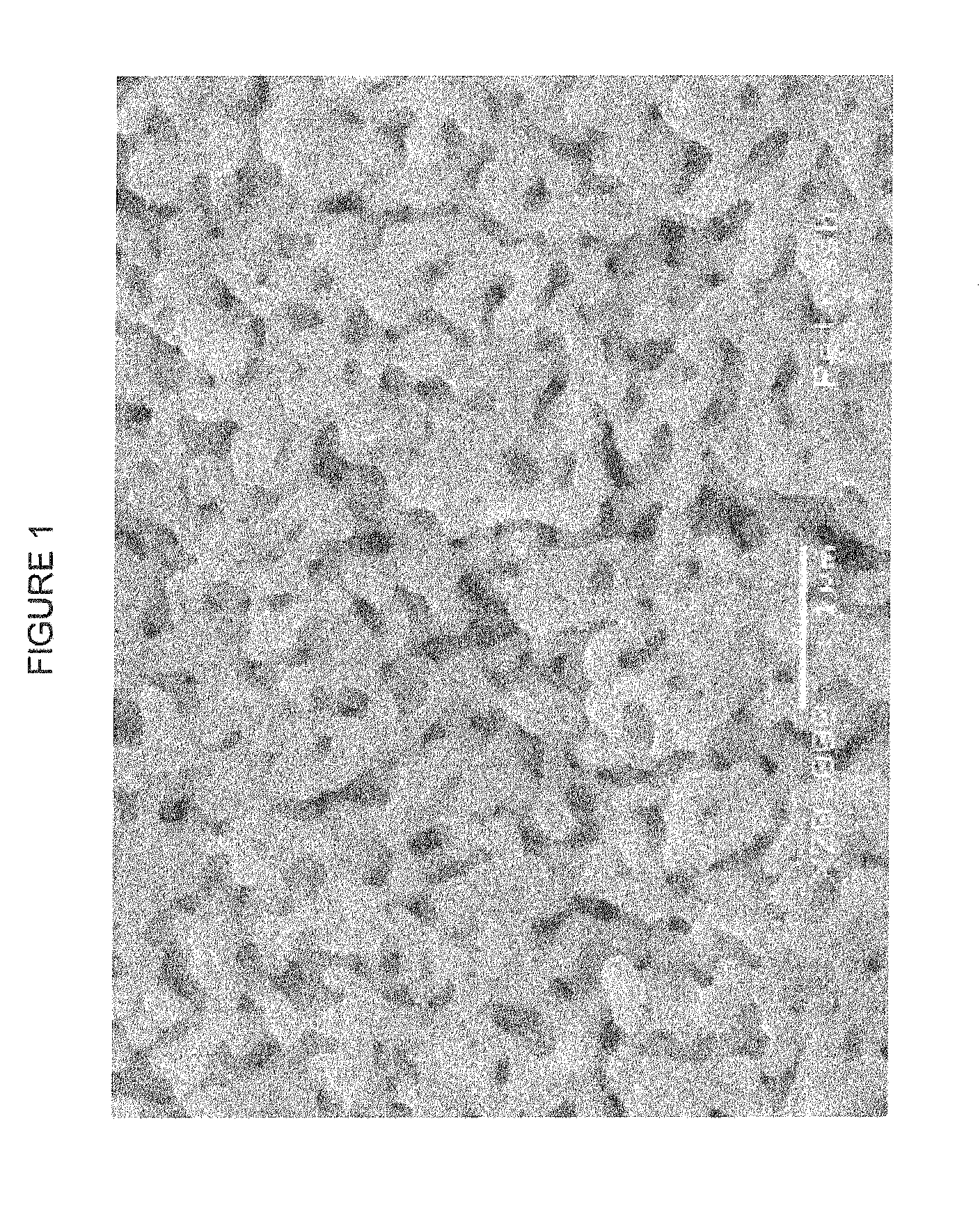
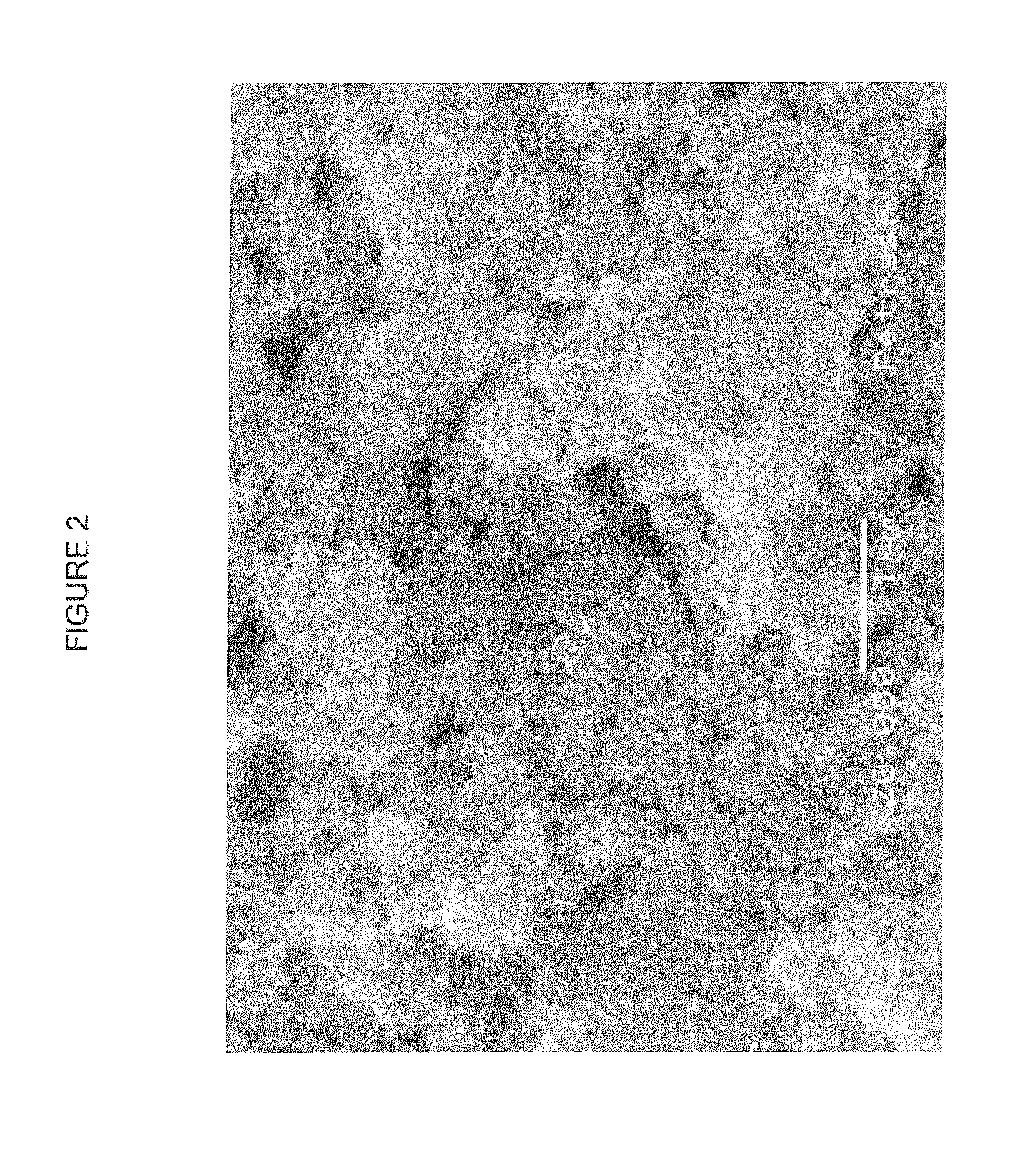
- A method involving a conductive ink composition of a silver compound and a binder, where external energy sources like pulsed UV radiation are used to decompose and sinter elemental silver in situ, enhancing adhesion without the need for high temperatures, suitable for sensitive substrates like plastic and paper.

Electrically conductive compositions capable of sintering
PatentWO2022232548A1
Innovation
- A composition comprising 2-15% binder resin with thermosetting epoxy, silane adhesion promoter, and curing agent, 65-93% silver particles, and 1-10% fillers, which allows sintering without full binder resin curing at the onset of silver sintering, achieving a shear strength of at least 25 kg/mm² at 260°C and thermal conductivity of 70 W/m.K.


Environmental Impact of Silver Mining and Processing
The environmental implications of silver mining and processing present significant challenges that must be carefully considered when evaluating sintered silver applications in electric vehicles. Silver extraction primarily occurs through two methods: primary mining from silver-specific deposits and secondary extraction as a byproduct of copper, lead, zinc, and gold mining operations. Both processes involve substantial environmental disruption, including habitat destruction, soil contamination, and extensive water consumption.
Traditional silver mining operations generate considerable waste materials, with ore-to-metal ratios often exceeding 100:1, meaning substantial quantities of tailings and waste rock are produced for each unit of silver extracted. These waste materials frequently contain heavy metals and sulfide compounds that can lead to acid mine drainage, contaminating groundwater and surface water systems for decades. The processing phase involves chemical treatments using cyanide, mercury, and other toxic substances, creating additional environmental hazards requiring careful management and disposal protocols.
Water consumption represents another critical environmental concern, as silver processing typically requires 1,000 to 3,000 liters of water per kilogram of refined silver. This substantial water demand places stress on local water resources, particularly in arid regions where many silver deposits are located. Additionally, the energy intensity of silver mining and refining operations contributes significantly to carbon emissions, with estimates suggesting 200-500 kg of CO2 equivalent per kilogram of silver produced.
The geographic concentration of silver mining in specific regions, particularly Mexico, Peru, and China, creates localized environmental pressures and raises concerns about supply chain sustainability. These regions often face competing demands for water resources and may lack robust environmental regulatory frameworks, potentially exacerbating ecological impacts.
However, the growing emphasis on circular economy principles and recycling technologies offers promising pathways for reducing environmental impact. Silver recovery from electronic waste and industrial applications can significantly decrease reliance on primary mining, with recycling processes typically requiring 90% less energy than primary extraction. For EV applications utilizing sintered silver, implementing comprehensive recycling programs becomes crucial for minimizing long-term environmental footprint while maintaining the performance benefits essential for thermal management systems.
Traditional silver mining operations generate considerable waste materials, with ore-to-metal ratios often exceeding 100:1, meaning substantial quantities of tailings and waste rock are produced for each unit of silver extracted. These waste materials frequently contain heavy metals and sulfide compounds that can lead to acid mine drainage, contaminating groundwater and surface water systems for decades. The processing phase involves chemical treatments using cyanide, mercury, and other toxic substances, creating additional environmental hazards requiring careful management and disposal protocols.
Water consumption represents another critical environmental concern, as silver processing typically requires 1,000 to 3,000 liters of water per kilogram of refined silver. This substantial water demand places stress on local water resources, particularly in arid regions where many silver deposits are located. Additionally, the energy intensity of silver mining and refining operations contributes significantly to carbon emissions, with estimates suggesting 200-500 kg of CO2 equivalent per kilogram of silver produced.
The geographic concentration of silver mining in specific regions, particularly Mexico, Peru, and China, creates localized environmental pressures and raises concerns about supply chain sustainability. These regions often face competing demands for water resources and may lack robust environmental regulatory frameworks, potentially exacerbating ecological impacts.
However, the growing emphasis on circular economy principles and recycling technologies offers promising pathways for reducing environmental impact. Silver recovery from electronic waste and industrial applications can significantly decrease reliance on primary mining, with recycling processes typically requiring 90% less energy than primary extraction. For EV applications utilizing sintered silver, implementing comprehensive recycling programs becomes crucial for minimizing long-term environmental footprint while maintaining the performance benefits essential for thermal management systems.
Cost-Performance Trade-offs in Premium Thermal Materials
The cost-performance dynamics of sintered silver in electric vehicle thermal management applications present a complex optimization challenge that requires careful evaluation of multiple economic and technical factors. While sintered silver demonstrates exceptional thermal conductivity properties ranging from 200-400 W/mK, significantly outperforming conventional thermal interface materials, its premium pricing creates substantial barriers to widespread adoption in cost-sensitive automotive markets.
Material cost analysis reveals that sintered silver commands prices approximately 10-50 times higher than traditional thermal compounds, with silver paste formulations typically costing $200-800 per kilogram depending on particle size and purity specifications. This cost differential becomes particularly pronounced in high-volume EV production scenarios where thermal management solutions must be applied across multiple power electronics modules, battery cooling systems, and inverter assemblies.
Performance justification for premium pricing emerges through quantitative thermal efficiency improvements and system-level benefits. Sintered silver's superior thermal conductivity enables reduced junction temperatures of 15-30°C compared to conventional materials, directly translating to enhanced power density capabilities and extended component lifespan. These performance gains facilitate smaller heat sink designs and more compact power electronics packaging, potentially offsetting material costs through system miniaturization and weight reduction benefits.
Economic viability assessment indicates that sintered silver adoption becomes cost-effective in high-performance EV segments where thermal management limitations constrain system performance. Premium electric vehicles with power densities exceeding 50 kW/L demonstrate favorable cost-benefit ratios, as the material's thermal performance enables aggressive power electronics integration strategies that reduce overall system costs despite higher material expenses.
Manufacturing scale considerations significantly influence cost-performance equations, with volume production potentially reducing sintered silver costs by 30-50% through optimized supply chains and processing efficiencies. Strategic material deployment in critical thermal bottlenecks rather than universal application represents a pragmatic approach to balancing performance requirements with cost constraints in mainstream EV applications.
Material cost analysis reveals that sintered silver commands prices approximately 10-50 times higher than traditional thermal compounds, with silver paste formulations typically costing $200-800 per kilogram depending on particle size and purity specifications. This cost differential becomes particularly pronounced in high-volume EV production scenarios where thermal management solutions must be applied across multiple power electronics modules, battery cooling systems, and inverter assemblies.
Performance justification for premium pricing emerges through quantitative thermal efficiency improvements and system-level benefits. Sintered silver's superior thermal conductivity enables reduced junction temperatures of 15-30°C compared to conventional materials, directly translating to enhanced power density capabilities and extended component lifespan. These performance gains facilitate smaller heat sink designs and more compact power electronics packaging, potentially offsetting material costs through system miniaturization and weight reduction benefits.
Economic viability assessment indicates that sintered silver adoption becomes cost-effective in high-performance EV segments where thermal management limitations constrain system performance. Premium electric vehicles with power densities exceeding 50 kW/L demonstrate favorable cost-benefit ratios, as the material's thermal performance enables aggressive power electronics integration strategies that reduce overall system costs despite higher material expenses.
Manufacturing scale considerations significantly influence cost-performance equations, with volume production potentially reducing sintered silver costs by 30-50% through optimized supply chains and processing efficiencies. Strategic material deployment in critical thermal bottlenecks rather than universal application represents a pragmatic approach to balancing performance requirements with cost constraints in mainstream EV applications.
Unlock deeper insights with PatSnap Eureka Quick Research — get a full tech report to explore trends and direct your research. Try now!
Generate Your Research Report Instantly with AI Agent
Supercharge your innovation with PatSnap Eureka AI Agent Platform!