Solidified Gas in High-Performance Engines: Efficiency vs Emissions
MAR 5, 20269 MIN READ
Generate Your Research Report Instantly with AI Agent
PatSnap Eureka helps you evaluate technical feasibility & market potential.
Solidified Gas Engine Technology Background and Objectives
The concept of solidified gas technology in high-performance engines represents a paradigm shift from traditional liquid fuel systems, emerging from decades of research into alternative propulsion methods. This technology involves the use of gases that have been converted to solid state through various processes, including cryogenic solidification, chemical binding, or pressure-induced phase transitions. The historical development traces back to early aerospace applications where weight reduction and energy density optimization were critical factors.
Traditional internal combustion engines have long relied on liquid hydrocarbons, but the increasing demands for higher performance metrics and stricter environmental regulations have driven the exploration of alternative fuel states. Solidified gas technology builds upon fundamental thermodynamic principles where gases in solid form can potentially offer superior energy density while maintaining the combustion characteristics that make gaseous fuels attractive for high-performance applications.
The evolution of this technology has been influenced by advances in materials science, cryogenic engineering, and combustion dynamics. Early research focused primarily on military and aerospace applications where extreme performance requirements justified the complexity and cost associated with solidified gas systems. The technology has gradually expanded into civilian high-performance applications as manufacturing processes have become more refined and cost-effective.
Current technological objectives center on achieving optimal balance between engine efficiency and emissions control. The primary efficiency targets include maximizing energy conversion rates, reducing parasitic losses associated with fuel handling systems, and improving overall thermodynamic cycle performance. These objectives must be pursued while simultaneously addressing emissions reduction goals, particularly nitrogen oxides, particulate matter, and greenhouse gas emissions.
The fundamental challenge lies in maintaining the advantageous combustion properties of gaseous fuels while leveraging the storage and handling benefits of solid-state fuel systems. This requires sophisticated fuel management systems capable of controlled phase transitions, precise timing mechanisms, and advanced combustion chamber designs optimized for the unique characteristics of solidified gas fuels.
Strategic development goals encompass both near-term performance improvements and long-term sustainability objectives. The technology aims to deliver measurable improvements in power-to-weight ratios, fuel efficiency metrics, and emissions profiles compared to conventional liquid fuel systems, while establishing a foundation for future integration with hybrid and alternative energy systems in high-performance engine applications.
Traditional internal combustion engines have long relied on liquid hydrocarbons, but the increasing demands for higher performance metrics and stricter environmental regulations have driven the exploration of alternative fuel states. Solidified gas technology builds upon fundamental thermodynamic principles where gases in solid form can potentially offer superior energy density while maintaining the combustion characteristics that make gaseous fuels attractive for high-performance applications.
The evolution of this technology has been influenced by advances in materials science, cryogenic engineering, and combustion dynamics. Early research focused primarily on military and aerospace applications where extreme performance requirements justified the complexity and cost associated with solidified gas systems. The technology has gradually expanded into civilian high-performance applications as manufacturing processes have become more refined and cost-effective.
Current technological objectives center on achieving optimal balance between engine efficiency and emissions control. The primary efficiency targets include maximizing energy conversion rates, reducing parasitic losses associated with fuel handling systems, and improving overall thermodynamic cycle performance. These objectives must be pursued while simultaneously addressing emissions reduction goals, particularly nitrogen oxides, particulate matter, and greenhouse gas emissions.
The fundamental challenge lies in maintaining the advantageous combustion properties of gaseous fuels while leveraging the storage and handling benefits of solid-state fuel systems. This requires sophisticated fuel management systems capable of controlled phase transitions, precise timing mechanisms, and advanced combustion chamber designs optimized for the unique characteristics of solidified gas fuels.
Strategic development goals encompass both near-term performance improvements and long-term sustainability objectives. The technology aims to deliver measurable improvements in power-to-weight ratios, fuel efficiency metrics, and emissions profiles compared to conventional liquid fuel systems, while establishing a foundation for future integration with hybrid and alternative energy systems in high-performance engine applications.
Market Demand for High-Performance Low-Emission Engines
The automotive industry is experiencing unprecedented demand for high-performance engines that simultaneously deliver superior power output and comply with increasingly stringent emission regulations. This dual requirement has created a complex market dynamic where traditional performance-focused solutions are being challenged by environmental considerations and regulatory frameworks.
Global emission standards continue to tighten across major automotive markets, with Euro 7 standards in Europe, Tier 3 regulations in North America, and China VI standards driving manufacturers toward cleaner combustion technologies. These regulations have fundamentally shifted market priorities, creating substantial demand for innovative engine technologies that can maintain performance characteristics while achieving lower emission profiles.
The luxury and sports car segments represent primary markets for high-performance low-emission engine technologies. Premium automotive manufacturers face particular pressure to maintain brand positioning around performance while meeting corporate average fuel economy standards and emission targets. This segment demonstrates willingness to invest in advanced technologies and accept higher initial costs for solutions that preserve driving dynamics.
Commercial vehicle markets, including heavy-duty trucking and marine applications, present significant opportunities for solidified gas technologies. Fleet operators increasingly prioritize total cost of ownership calculations that factor in fuel efficiency, maintenance requirements, and regulatory compliance costs. The potential for improved thermal efficiency in these applications could justify substantial technology investments.
Emerging markets in developing economies show growing interest in cleaner engine technologies as local air quality concerns intensify and regulatory frameworks evolve. These markets often seek solutions that provide immediate emission benefits without compromising the reliability and performance characteristics essential for commercial viability.
The aftermarket performance sector represents an additional demand driver, where enthusiasts seek technologies that enhance engine output while maintaining legal compliance for street use. This market segment often serves as an early adopter for innovative technologies before broader commercial implementation.
Market research indicates strong correlation between regulatory timeline acceleration and technology adoption rates. Regions implementing more aggressive emission reduction schedules demonstrate higher market receptivity to advanced combustion technologies, even when initial implementation costs exceed conventional alternatives.
Global emission standards continue to tighten across major automotive markets, with Euro 7 standards in Europe, Tier 3 regulations in North America, and China VI standards driving manufacturers toward cleaner combustion technologies. These regulations have fundamentally shifted market priorities, creating substantial demand for innovative engine technologies that can maintain performance characteristics while achieving lower emission profiles.
The luxury and sports car segments represent primary markets for high-performance low-emission engine technologies. Premium automotive manufacturers face particular pressure to maintain brand positioning around performance while meeting corporate average fuel economy standards and emission targets. This segment demonstrates willingness to invest in advanced technologies and accept higher initial costs for solutions that preserve driving dynamics.
Commercial vehicle markets, including heavy-duty trucking and marine applications, present significant opportunities for solidified gas technologies. Fleet operators increasingly prioritize total cost of ownership calculations that factor in fuel efficiency, maintenance requirements, and regulatory compliance costs. The potential for improved thermal efficiency in these applications could justify substantial technology investments.
Emerging markets in developing economies show growing interest in cleaner engine technologies as local air quality concerns intensify and regulatory frameworks evolve. These markets often seek solutions that provide immediate emission benefits without compromising the reliability and performance characteristics essential for commercial viability.
The aftermarket performance sector represents an additional demand driver, where enthusiasts seek technologies that enhance engine output while maintaining legal compliance for street use. This market segment often serves as an early adopter for innovative technologies before broader commercial implementation.
Market research indicates strong correlation between regulatory timeline acceleration and technology adoption rates. Regions implementing more aggressive emission reduction schedules demonstrate higher market receptivity to advanced combustion technologies, even when initial implementation costs exceed conventional alternatives.
Current Status and Challenges of Solidified Gas Implementation
The implementation of solidified gas technology in high-performance engines represents a nascent field with significant potential but faces substantial technical and practical barriers. Current research primarily focuses on compressed natural gas (CNG) and liquefied petroleum gas (LPG) systems, which serve as precursors to more advanced solidified gas applications. These systems have demonstrated measurable improvements in combustion efficiency, with some configurations achieving up to 15% better thermal efficiency compared to conventional gasoline engines.
However, the transition from gaseous to truly solidified gas states presents unprecedented engineering challenges. Storage density remains a critical limitation, as current solidification methods require extreme pressure and temperature conditions that are impractical for automotive applications. The energy penalty associated with maintaining these conditions often negates the efficiency gains achieved through improved combustion characteristics.
Injection system compatibility poses another significant hurdle. Existing fuel delivery mechanisms are optimized for liquid hydrocarbons and require substantial modifications to accommodate solidified gas fuels. The phase transition timing and control systems necessary for optimal engine performance demand sophisticated thermal management solutions that current automotive infrastructure cannot readily support.
Emissions performance presents a complex trade-off scenario. While solidified gas combustion typically produces lower particulate matter and reduced carbon monoxide emissions, nitrogen oxide formation can increase under certain operating conditions. The precise control required to optimize this balance remains technically challenging, particularly during transient engine operations common in real-world driving scenarios.
Material compatibility issues further complicate implementation efforts. The chemical properties of solidified gas fuels can cause degradation in conventional engine components, necessitating expensive material upgrades throughout the fuel system. Sealing technologies must also evolve to prevent leakage during the critical phase transition periods.
Current pilot programs in specialized applications, such as stationary power generation and marine engines, have shown promising results but highlight the scalability challenges for mass automotive deployment. The infrastructure requirements for fuel production, distribution, and storage represent additional barriers that must be addressed before widespread commercial viability can be achieved.
However, the transition from gaseous to truly solidified gas states presents unprecedented engineering challenges. Storage density remains a critical limitation, as current solidification methods require extreme pressure and temperature conditions that are impractical for automotive applications. The energy penalty associated with maintaining these conditions often negates the efficiency gains achieved through improved combustion characteristics.
Injection system compatibility poses another significant hurdle. Existing fuel delivery mechanisms are optimized for liquid hydrocarbons and require substantial modifications to accommodate solidified gas fuels. The phase transition timing and control systems necessary for optimal engine performance demand sophisticated thermal management solutions that current automotive infrastructure cannot readily support.
Emissions performance presents a complex trade-off scenario. While solidified gas combustion typically produces lower particulate matter and reduced carbon monoxide emissions, nitrogen oxide formation can increase under certain operating conditions. The precise control required to optimize this balance remains technically challenging, particularly during transient engine operations common in real-world driving scenarios.
Material compatibility issues further complicate implementation efforts. The chemical properties of solidified gas fuels can cause degradation in conventional engine components, necessitating expensive material upgrades throughout the fuel system. Sealing technologies must also evolve to prevent leakage during the critical phase transition periods.
Current pilot programs in specialized applications, such as stationary power generation and marine engines, have shown promising results but highlight the scalability challenges for mass automotive deployment. The infrastructure requirements for fuel production, distribution, and storage represent additional barriers that must be addressed before widespread commercial viability can be achieved.
Current Technical Solutions for Solidified Gas Systems
01 Solidified gas storage and transportation systems
Technologies for storing and transporting gases in solidified form to improve handling efficiency and safety. These systems utilize specialized containers and cooling mechanisms to maintain gases in solid state, reducing volume requirements and preventing leakage. The solidification process enables more efficient logistics and reduces transportation costs while maintaining gas quality.- Solidified gas storage and transportation systems: Technologies for storing and transporting gases in solidified form to improve handling efficiency and safety. These systems utilize specialized containers and cooling mechanisms to maintain gases in solid state, reducing volume requirements and preventing leakage. The solidification process enables more efficient logistics and reduces transportation costs while maintaining gas quality.
- Combustion efficiency optimization for solidified gas fuels: Methods and apparatus for optimizing the combustion process of solidified gas fuels to maximize energy output and thermal efficiency. These technologies involve controlled gasification rates, optimized air-fuel mixing ratios, and advanced burner designs that ensure complete combustion. The systems monitor and adjust combustion parameters in real-time to maintain peak efficiency across varying operational conditions.
- Emission reduction technologies for solidified gas combustion: Systems designed to minimize harmful emissions during the combustion of solidified gases, including particulate matter, nitrogen oxides, and carbon monoxide. These technologies employ catalytic converters, filtration systems, and exhaust gas recirculation methods to reduce pollutants. Advanced monitoring systems ensure compliance with environmental standards while maintaining operational efficiency.
- Gasification equipment for solidified fuel conversion: Specialized equipment and reactors for converting solidified gas fuels back into gaseous state for combustion or industrial applications. These systems control temperature, pressure, and flow rates to achieve optimal gasification efficiency. The equipment includes heat exchangers, pressure regulators, and safety mechanisms to ensure stable and continuous operation.
- Integrated efficiency monitoring and control systems: Comprehensive monitoring and control systems that track the performance of solidified gas utilization processes, measuring efficiency metrics and emission levels. These systems utilize sensors, data analytics, and automated control mechanisms to optimize operational parameters. Real-time feedback enables adjustments to maintain maximum efficiency while minimizing environmental impact.
02 Combustion efficiency optimization for solidified gas fuels
Methods and apparatus for optimizing the combustion process of solidified gas fuels to maximize energy output and thermal efficiency. These technologies focus on controlling the gasification rate, mixing ratios, and combustion chamber design to ensure complete fuel utilization. Advanced control systems monitor and adjust parameters in real-time to maintain optimal combustion conditions.Expand Specific Solutions03 Emission reduction technologies for solidified gas combustion
Systems designed to minimize harmful emissions during the combustion of solidified gases, including particulate matter, nitrogen oxides, and carbon compounds. These technologies employ catalytic converters, filtration systems, and exhaust gas treatment methods to meet environmental standards. Integration of monitoring sensors enables continuous emission tracking and automatic adjustment of combustion parameters.Expand Specific Solutions04 Gasification equipment and vaporization control systems
Specialized equipment for controlled conversion of solidified gases back to gaseous state for utilization. These systems incorporate heat exchangers, pressure regulators, and flow control mechanisms to ensure stable and efficient gasification. Advanced designs optimize the phase transition process to minimize energy loss and maintain consistent gas supply rates.Expand Specific Solutions05 Integrated solidified gas utilization systems with efficiency monitoring
Comprehensive systems that integrate storage, gasification, combustion, and emission control with real-time efficiency monitoring capabilities. These platforms utilize sensors and data analytics to optimize overall system performance, track fuel consumption, and measure environmental impact. Automated control algorithms adjust operational parameters to maximize efficiency while minimizing emissions throughout the entire utilization cycle.Expand Specific Solutions
Major Players in Solidified Gas Engine Development
The solidified gas technology in high-performance engines represents an emerging field balancing efficiency optimization with emissions reduction, currently in early development stages with significant growth potential. The market remains nascent but shows promise as regulatory pressures intensify globally. Technology maturity varies considerably across players, with established automotive manufacturers like Toyota Motor Corp., General Motors, and Volvo Lastvagnar AB leading integration efforts, while industrial giants such as Caterpillar, Mitsubishi Heavy Industries, and Robert Bosch GmbH drive component innovation. Research institutions including Beijing Institute of Technology and Colorado State University contribute foundational research, while specialized companies like Precision Combustion Inc. and Hydrogen Technology Applications focus on breakthrough applications. The competitive landscape indicates a transitional phase where traditional engine manufacturers collaborate with technology specialists to overcome technical challenges in solidified gas implementation, suggesting the technology is approaching commercial viability despite remaining in relatively early maturity stages.
ExxonMobil Technology & Engineering Co.
Technical Solution: ExxonMobil has focused on developing advanced fuel formulations and combustion optimization strategies for solidified gas applications in high-performance engines. Their research encompasses novel fuel additives and processing techniques that enhance the solidification characteristics of gaseous fuels, improving combustion stability and efficiency. The company's technology includes proprietary catalyst systems and fuel preparation methods that enable better control over the phase transition process, resulting in more complete combustion and reduced emissions formation. Their approach also addresses fuel storage and handling challenges associated with solidified gas systems.
Strengths: Deep expertise in fuel chemistry and refining processes with strong research capabilities. Weaknesses: Limited direct engine manufacturing experience and focus primarily on fuel-side solutions rather than complete system integration.
Caterpillar, Inc.
Technical Solution: Caterpillar has developed advanced combustion technologies for high-performance engines that utilize solidified gas injection systems to optimize fuel-air mixing. Their approach involves precise control of gas phase transitions within the combustion chamber, enabling improved thermal efficiency while maintaining strict emissions standards. The company's proprietary injection timing algorithms and chamber design modifications allow for better control of combustion temperatures and pressure waves, resulting in enhanced power output and reduced particulate matter formation.
Strengths: Extensive experience in heavy-duty engine applications and robust fuel injection systems. Weaknesses: Higher complexity in system integration and maintenance requirements.
Core Patents in Solidified Gas Engine Innovation
High efficiency, reduced emissions internal combustion engine system, especially suitable for gaseous fuels
PatentInactiveUS6968678B2
Innovation
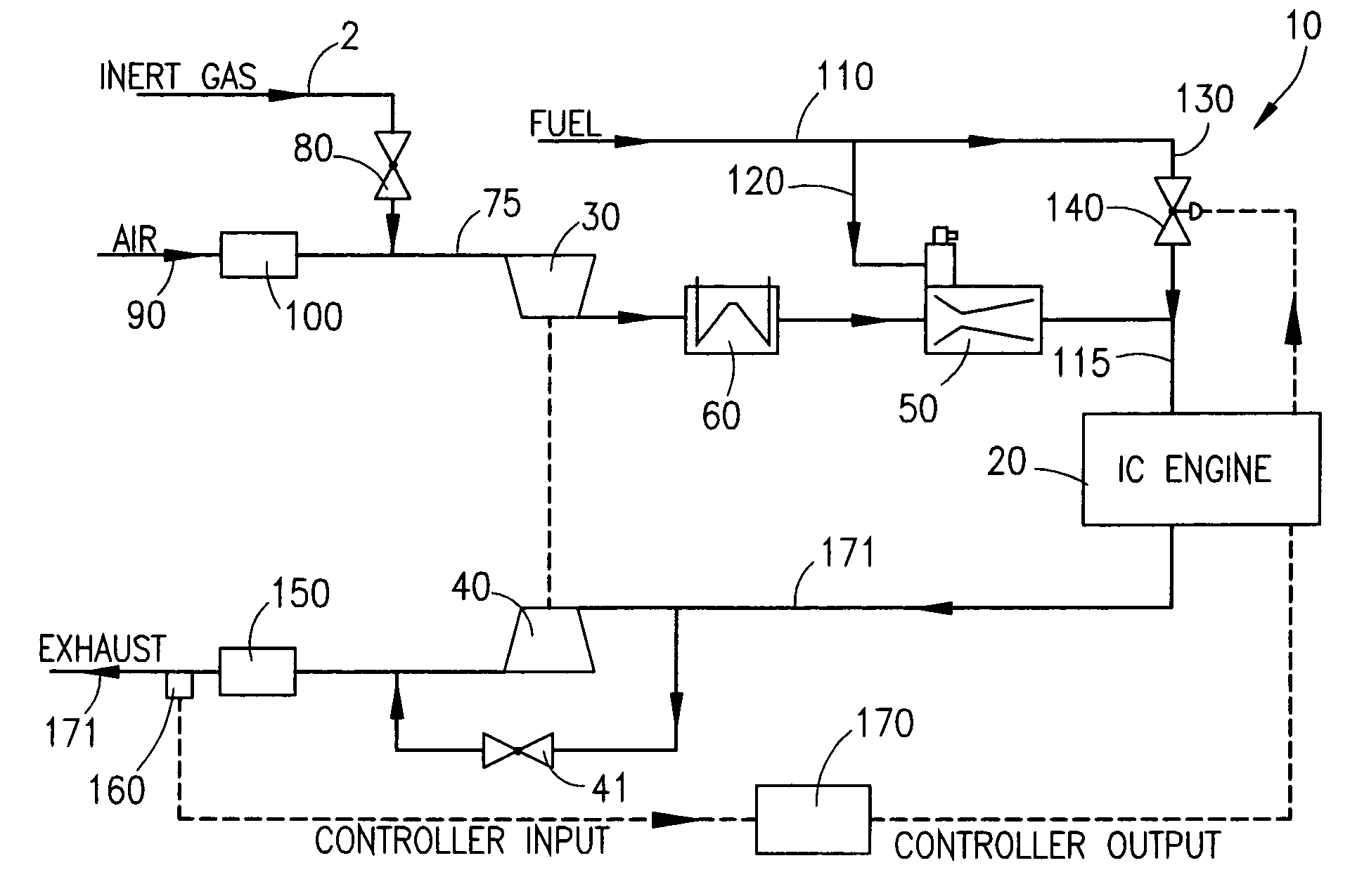
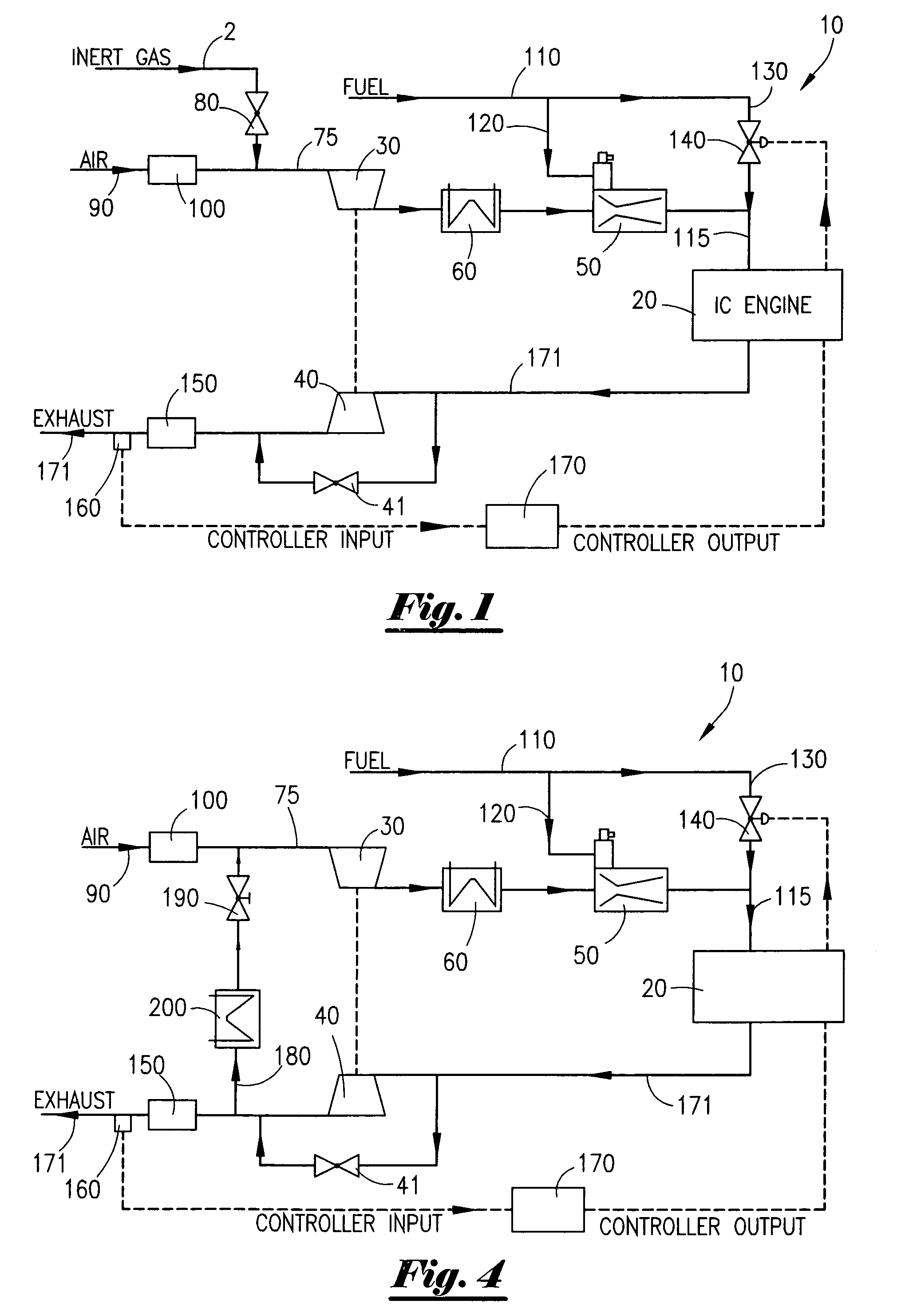
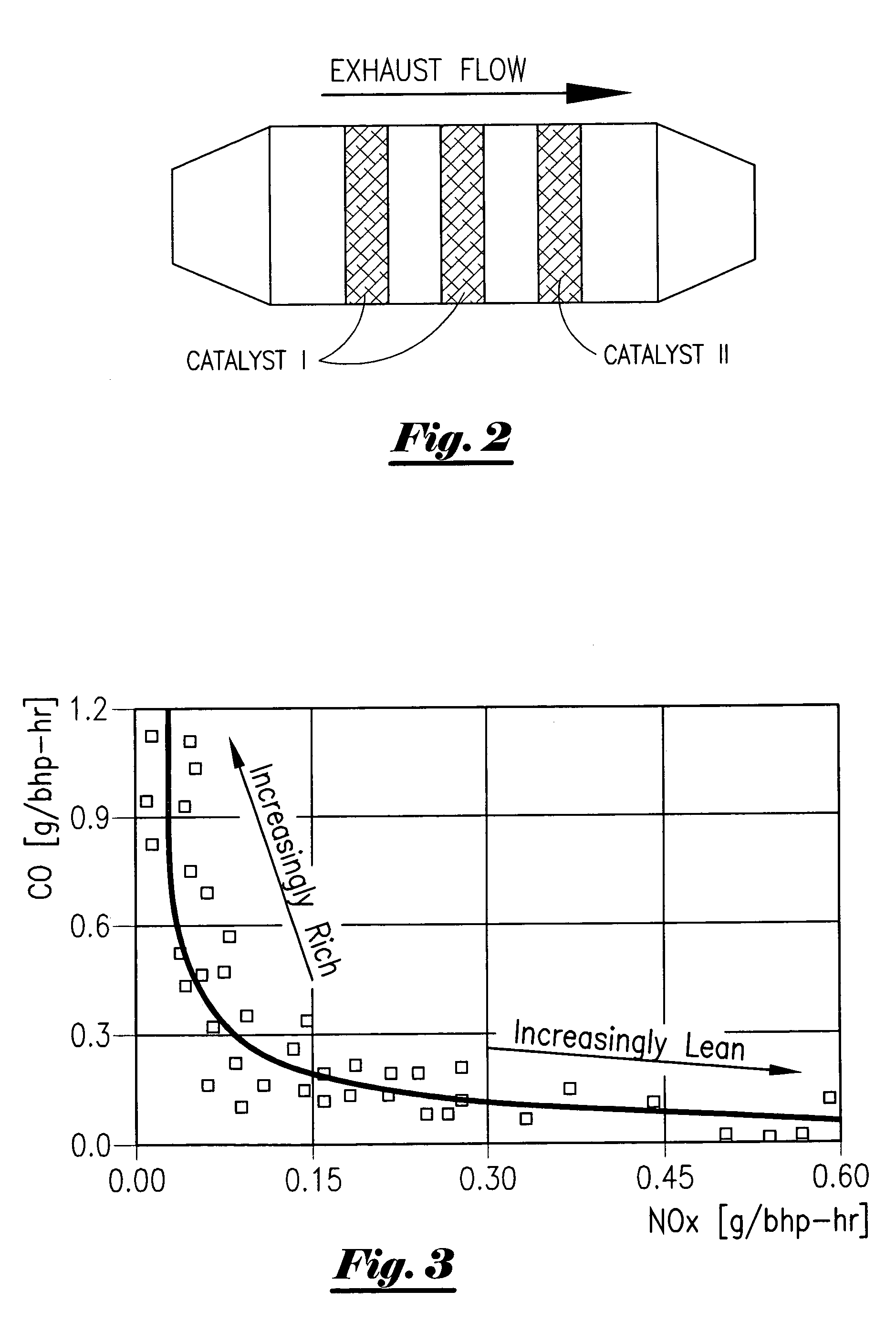
- An IC engine system operates at high compression ratios with a stoichiometric air/fuel ratio, introducing an inert gas to prevent engine knock, and uses a controller to maintain near-stoichiometric conditions, combined with a non-selective catalytic reduction system and wideband oxygen sensors for efficient emission control.

Composition fuel of volatilized gaseous fossil fuel and water electrolysis gas, combustion method using same, and internal combustion engine using same
PatentWO2017018574A1
Innovation
- A fuel composition mixing vaporized fossil fuel with water electrolysis gas, which is generated through an efficient electrolysis process, is used in an internal combustion engine, providing a premixed gaseous fuel that enhances combustion speed and reduces emissions.


Environmental Regulations Impact on Engine Technologies
Environmental regulations have fundamentally reshaped the landscape of engine technology development, particularly in the context of high-performance engines utilizing solidified gas technologies. The regulatory framework has evolved from basic emission standards to comprehensive environmental protection mandates that directly influence engineering decisions and technological pathways.
The implementation of increasingly stringent emission standards, such as Euro 6/VI in Europe and Tier 4 regulations in North America, has created a paradigm shift in engine design priorities. These regulations specifically target nitrogen oxides, particulate matter, and carbon dioxide emissions, forcing manufacturers to balance performance optimization with environmental compliance. The introduction of Real Driving Emissions testing has further intensified the challenge, requiring engines to maintain low emissions across diverse operating conditions rather than just laboratory settings.
Solidified gas engine technologies face unique regulatory pressures due to their novel combustion characteristics. Traditional emission control strategies may not directly apply, necessitating innovative approaches to meet regulatory requirements. The regulatory uncertainty surrounding emerging technologies creates additional complexity, as manufacturers must anticipate future regulatory directions while developing current solutions.
The global nature of automotive markets has led to regulatory harmonization efforts, yet regional differences persist. California's Advanced Clean Cars Program and China's National VI standards represent examples of regional leadership in environmental regulation, often setting benchmarks that influence global technology development. These regulatory variations require flexible technological solutions that can adapt to different compliance requirements.
Carbon neutrality commitments by various governments have introduced lifecycle emission considerations into regulatory frameworks. This shift extends beyond tailpipe emissions to include fuel production, distribution, and end-of-life impacts, fundamentally altering the evaluation criteria for solidified gas technologies. The regulatory emphasis on total environmental impact rather than solely operational emissions has created new opportunities for innovative fuel technologies.
The regulatory landscape continues to evolve with increasing focus on real-world performance verification and long-term durability requirements. These developments directly influence the commercial viability of solidified gas engine technologies, as compliance costs and certification timelines significantly impact market entry strategies and technology adoption rates.
The implementation of increasingly stringent emission standards, such as Euro 6/VI in Europe and Tier 4 regulations in North America, has created a paradigm shift in engine design priorities. These regulations specifically target nitrogen oxides, particulate matter, and carbon dioxide emissions, forcing manufacturers to balance performance optimization with environmental compliance. The introduction of Real Driving Emissions testing has further intensified the challenge, requiring engines to maintain low emissions across diverse operating conditions rather than just laboratory settings.
Solidified gas engine technologies face unique regulatory pressures due to their novel combustion characteristics. Traditional emission control strategies may not directly apply, necessitating innovative approaches to meet regulatory requirements. The regulatory uncertainty surrounding emerging technologies creates additional complexity, as manufacturers must anticipate future regulatory directions while developing current solutions.
The global nature of automotive markets has led to regulatory harmonization efforts, yet regional differences persist. California's Advanced Clean Cars Program and China's National VI standards represent examples of regional leadership in environmental regulation, often setting benchmarks that influence global technology development. These regulatory variations require flexible technological solutions that can adapt to different compliance requirements.
Carbon neutrality commitments by various governments have introduced lifecycle emission considerations into regulatory frameworks. This shift extends beyond tailpipe emissions to include fuel production, distribution, and end-of-life impacts, fundamentally altering the evaluation criteria for solidified gas technologies. The regulatory emphasis on total environmental impact rather than solely operational emissions has created new opportunities for innovative fuel technologies.
The regulatory landscape continues to evolve with increasing focus on real-world performance verification and long-term durability requirements. These developments directly influence the commercial viability of solidified gas engine technologies, as compliance costs and certification timelines significantly impact market entry strategies and technology adoption rates.
Economic Feasibility of Solidified Gas Engine Adoption
The economic feasibility of solidified gas engine adoption hinges on multiple financial factors that must be carefully evaluated against traditional fuel systems. Initial capital expenditure represents the most significant barrier, as solidified gas engines require specialized manufacturing processes and materials capable of handling unique combustion characteristics. Production costs are estimated to be 15-25% higher than conventional engines due to advanced injection systems, modified combustion chambers, and enhanced thermal management components.
Infrastructure development costs present another substantial consideration. Solidified gas fuel requires dedicated storage facilities with controlled temperature and humidity conditions, specialized transportation networks, and modified refueling stations. The estimated infrastructure investment ranges from $2-5 million per major distribution hub, creating significant upfront costs for widespread adoption. However, economies of scale could reduce per-unit infrastructure costs as deployment expands.
Operational cost analysis reveals mixed economic outcomes. Solidified gas fuel production costs currently exceed conventional gasoline by approximately 20-30%, primarily due to energy-intensive solidification processes and specialized packaging requirements. Maintenance costs may increase by 10-15% due to more complex fuel handling systems and potential component wear from altered combustion dynamics. However, improved thermal efficiency could offset fuel cost premiums through reduced consumption rates.
Long-term economic projections suggest favorable returns under specific conditions. Break-even analysis indicates that high-performance applications with premium fuel tolerance could achieve cost parity within 5-7 years, assuming moderate production scaling. Fleet operators prioritizing emissions compliance may realize earlier economic benefits through avoided regulatory penalties and carbon credit opportunities.
Government incentives and regulatory frameworks significantly influence adoption economics. Tax credits, emissions trading benefits, and potential carbon pricing mechanisms could improve the economic proposition by $0.15-0.30 per gallon equivalent. Market penetration models suggest that achieving 15-20% market share would trigger sufficient economies of scale to make solidified gas engines economically competitive across broader applications.
Infrastructure development costs present another substantial consideration. Solidified gas fuel requires dedicated storage facilities with controlled temperature and humidity conditions, specialized transportation networks, and modified refueling stations. The estimated infrastructure investment ranges from $2-5 million per major distribution hub, creating significant upfront costs for widespread adoption. However, economies of scale could reduce per-unit infrastructure costs as deployment expands.
Operational cost analysis reveals mixed economic outcomes. Solidified gas fuel production costs currently exceed conventional gasoline by approximately 20-30%, primarily due to energy-intensive solidification processes and specialized packaging requirements. Maintenance costs may increase by 10-15% due to more complex fuel handling systems and potential component wear from altered combustion dynamics. However, improved thermal efficiency could offset fuel cost premiums through reduced consumption rates.
Long-term economic projections suggest favorable returns under specific conditions. Break-even analysis indicates that high-performance applications with premium fuel tolerance could achieve cost parity within 5-7 years, assuming moderate production scaling. Fleet operators prioritizing emissions compliance may realize earlier economic benefits through avoided regulatory penalties and carbon credit opportunities.
Government incentives and regulatory frameworks significantly influence adoption economics. Tax credits, emissions trading benefits, and potential carbon pricing mechanisms could improve the economic proposition by $0.15-0.30 per gallon equivalent. Market penetration models suggest that achieving 15-20% market share would trigger sufficient economies of scale to make solidified gas engines economically competitive across broader applications.
Unlock deeper insights with PatSnap Eureka Quick Research — get a full tech report to explore trends and direct your research. Try now!
Generate Your Research Report Instantly with AI Agent
Supercharge your innovation with PatSnap Eureka AI Agent Platform!