

Stack Pressure Data Correlation for Advanced Predictive Maintenance
MAY 15, 20269 MIN READ
Generate Your Research Report Instantly with AI Agent
PatSnap Eureka helps you evaluate technical feasibility & market potential.
Stack Pressure Monitoring Technology Background and Objectives
Stack pressure monitoring technology has emerged as a critical component in industrial process control and equipment health management systems. This technology encompasses the systematic measurement, analysis, and interpretation of pressure variations within stack systems, including exhaust stacks, process towers, and ventilation systems across various industrial sectors. The evolution of this field has been driven by increasing demands for operational efficiency, environmental compliance, and equipment longevity.
The historical development of stack pressure monitoring can be traced back to basic mechanical pressure gauges used in early industrial applications. Over the past three decades, the technology has undergone significant transformation, progressing from analog measurement systems to sophisticated digital monitoring networks. The integration of advanced sensors, wireless communication protocols, and data analytics platforms has revolutionized how pressure data is collected, processed, and utilized for decision-making processes.
Modern stack pressure monitoring systems have evolved to incorporate real-time data acquisition capabilities, enabling continuous surveillance of pressure fluctuations and anomalies. The advent of Internet of Things (IoT) technologies and edge computing has further enhanced the precision and responsiveness of these monitoring systems. Contemporary solutions now feature multi-parameter sensing capabilities, combining pressure measurements with temperature, flow rate, and chemical composition data to provide comprehensive system insights.
The primary objective of advanced stack pressure monitoring technology is to establish robust predictive maintenance frameworks that can anticipate equipment failures before they occur. This proactive approach aims to minimize unplanned downtime, reduce maintenance costs, and extend equipment operational lifespan. By leveraging sophisticated data correlation algorithms, these systems seek to identify subtle patterns and trends that precede critical system failures.
Another fundamental goal involves enhancing operational safety and environmental compliance through continuous monitoring and early warning systems. The technology strives to detect pressure anomalies that could indicate potential safety hazards or environmental violations, enabling immediate corrective actions. Additionally, the integration of machine learning algorithms aims to improve prediction accuracy and reduce false alarm rates, thereby optimizing maintenance scheduling and resource allocation.
The historical development of stack pressure monitoring can be traced back to basic mechanical pressure gauges used in early industrial applications. Over the past three decades, the technology has undergone significant transformation, progressing from analog measurement systems to sophisticated digital monitoring networks. The integration of advanced sensors, wireless communication protocols, and data analytics platforms has revolutionized how pressure data is collected, processed, and utilized for decision-making processes.
Modern stack pressure monitoring systems have evolved to incorporate real-time data acquisition capabilities, enabling continuous surveillance of pressure fluctuations and anomalies. The advent of Internet of Things (IoT) technologies and edge computing has further enhanced the precision and responsiveness of these monitoring systems. Contemporary solutions now feature multi-parameter sensing capabilities, combining pressure measurements with temperature, flow rate, and chemical composition data to provide comprehensive system insights.
The primary objective of advanced stack pressure monitoring technology is to establish robust predictive maintenance frameworks that can anticipate equipment failures before they occur. This proactive approach aims to minimize unplanned downtime, reduce maintenance costs, and extend equipment operational lifespan. By leveraging sophisticated data correlation algorithms, these systems seek to identify subtle patterns and trends that precede critical system failures.
Another fundamental goal involves enhancing operational safety and environmental compliance through continuous monitoring and early warning systems. The technology strives to detect pressure anomalies that could indicate potential safety hazards or environmental violations, enabling immediate corrective actions. Additionally, the integration of machine learning algorithms aims to improve prediction accuracy and reduce false alarm rates, thereby optimizing maintenance scheduling and resource allocation.
Market Demand for Predictive Maintenance Solutions
The global predictive maintenance market has experienced substantial growth driven by increasing industrial automation and the need for operational efficiency across manufacturing sectors. Industrial facilities worldwide are recognizing the critical importance of minimizing unplanned downtime, which can result in significant financial losses and safety risks. This growing awareness has created a robust demand for advanced predictive maintenance solutions that can anticipate equipment failures before they occur.
Manufacturing industries, particularly those involving high-pressure systems such as petrochemicals, power generation, and steel production, represent the primary market segments driving demand for stack pressure data correlation technologies. These sectors operate complex industrial stacks and pressure vessels where failure prediction is essential for maintaining operational continuity and ensuring worker safety. The increasing complexity of modern industrial processes has amplified the need for sophisticated monitoring systems capable of analyzing multiple data streams simultaneously.
The automotive and aerospace industries have emerged as significant adopters of predictive maintenance solutions, particularly for applications involving pressure-sensitive manufacturing processes. These sectors require precise monitoring of stack pressure variations to maintain product quality and prevent costly production interruptions. The demand is further intensified by stringent regulatory requirements and quality standards that mandate continuous monitoring of critical process parameters.
Energy sector applications, including oil refineries and chemical processing plants, demonstrate particularly strong demand for stack pressure correlation technologies. These facilities operate under extreme conditions where pressure fluctuations can indicate impending equipment failures or process anomalies. The ability to correlate pressure data with other operational parameters provides valuable insights for maintenance planning and risk mitigation strategies.
The market demand is also being shaped by the increasing adoption of Industrial Internet of Things technologies and digital transformation initiatives across various industries. Organizations are seeking integrated solutions that can seamlessly connect with existing enterprise systems and provide actionable insights through advanced analytics platforms. This trend has created opportunities for predictive maintenance solutions that offer comprehensive data correlation capabilities.
Small and medium-sized enterprises are beginning to recognize the value proposition of predictive maintenance technologies, expanding the addressable market beyond large industrial corporations. Cloud-based solutions and software-as-a-service models have made these technologies more accessible to organizations with limited capital expenditure budgets, driving broader market adoption across diverse industry verticals.
Manufacturing industries, particularly those involving high-pressure systems such as petrochemicals, power generation, and steel production, represent the primary market segments driving demand for stack pressure data correlation technologies. These sectors operate complex industrial stacks and pressure vessels where failure prediction is essential for maintaining operational continuity and ensuring worker safety. The increasing complexity of modern industrial processes has amplified the need for sophisticated monitoring systems capable of analyzing multiple data streams simultaneously.
The automotive and aerospace industries have emerged as significant adopters of predictive maintenance solutions, particularly for applications involving pressure-sensitive manufacturing processes. These sectors require precise monitoring of stack pressure variations to maintain product quality and prevent costly production interruptions. The demand is further intensified by stringent regulatory requirements and quality standards that mandate continuous monitoring of critical process parameters.
Energy sector applications, including oil refineries and chemical processing plants, demonstrate particularly strong demand for stack pressure correlation technologies. These facilities operate under extreme conditions where pressure fluctuations can indicate impending equipment failures or process anomalies. The ability to correlate pressure data with other operational parameters provides valuable insights for maintenance planning and risk mitigation strategies.
The market demand is also being shaped by the increasing adoption of Industrial Internet of Things technologies and digital transformation initiatives across various industries. Organizations are seeking integrated solutions that can seamlessly connect with existing enterprise systems and provide actionable insights through advanced analytics platforms. This trend has created opportunities for predictive maintenance solutions that offer comprehensive data correlation capabilities.
Small and medium-sized enterprises are beginning to recognize the value proposition of predictive maintenance technologies, expanding the addressable market beyond large industrial corporations. Cloud-based solutions and software-as-a-service models have made these technologies more accessible to organizations with limited capital expenditure budgets, driving broader market adoption across diverse industry verticals.
Current State of Stack Pressure Data Analytics
Stack pressure data analytics has emerged as a critical component in industrial monitoring systems, particularly within fuel cell, battery, and chemical processing applications. Current analytical approaches primarily rely on traditional statistical methods and basic machine learning algorithms to process pressure sensor data streams. Most existing systems employ threshold-based monitoring techniques that trigger alerts when pressure values exceed predetermined limits, representing a reactive rather than predictive maintenance strategy.
The predominant analytical frameworks utilize time-series analysis methods, including moving averages, exponential smoothing, and basic trend detection algorithms. These approaches focus on identifying immediate pressure anomalies but lack the sophistication to correlate multiple pressure points across different stack layers or operational conditions. Current implementations typically process data in isolated silos, analyzing individual sensor outputs without considering the complex interdependencies that exist within multi-layered stack systems.
Advanced analytics platforms in the market demonstrate varying levels of maturity, with most solutions offering basic data visualization dashboards and simple statistical reporting capabilities. Leading industrial IoT platforms integrate pressure data with other operational parameters, yet the correlation algorithms remain relatively primitive. These systems often struggle with high-frequency data processing and real-time analysis requirements, particularly when dealing with large-scale stack configurations containing hundreds of pressure monitoring points.
Machine learning applications in stack pressure analytics currently focus on supervised learning models, primarily using historical failure data to train classification algorithms. However, the scarcity of comprehensive failure datasets limits the effectiveness of these approaches. Most implementations rely on simple regression models or decision trees, with limited adoption of more sophisticated techniques such as neural networks or ensemble methods for pressure pattern recognition.
Data quality and standardization present significant challenges in current analytical implementations. Sensor calibration inconsistencies, data sampling rate variations, and communication protocol differences create substantial obstacles for effective correlation analysis. Many existing systems lack robust data preprocessing capabilities, resulting in analytical models that are sensitive to noise and measurement uncertainties inherent in industrial pressure monitoring environments.
The integration of edge computing capabilities represents an emerging trend, enabling real-time pressure data processing closer to the source. However, current edge analytics solutions remain limited in their computational complexity, typically performing basic filtering and aggregation functions rather than sophisticated correlation analysis. This limitation constrains the ability to implement advanced predictive algorithms at the edge level, necessitating cloud-based processing for complex analytical tasks.
The predominant analytical frameworks utilize time-series analysis methods, including moving averages, exponential smoothing, and basic trend detection algorithms. These approaches focus on identifying immediate pressure anomalies but lack the sophistication to correlate multiple pressure points across different stack layers or operational conditions. Current implementations typically process data in isolated silos, analyzing individual sensor outputs without considering the complex interdependencies that exist within multi-layered stack systems.
Advanced analytics platforms in the market demonstrate varying levels of maturity, with most solutions offering basic data visualization dashboards and simple statistical reporting capabilities. Leading industrial IoT platforms integrate pressure data with other operational parameters, yet the correlation algorithms remain relatively primitive. These systems often struggle with high-frequency data processing and real-time analysis requirements, particularly when dealing with large-scale stack configurations containing hundreds of pressure monitoring points.
Machine learning applications in stack pressure analytics currently focus on supervised learning models, primarily using historical failure data to train classification algorithms. However, the scarcity of comprehensive failure datasets limits the effectiveness of these approaches. Most implementations rely on simple regression models or decision trees, with limited adoption of more sophisticated techniques such as neural networks or ensemble methods for pressure pattern recognition.
Data quality and standardization present significant challenges in current analytical implementations. Sensor calibration inconsistencies, data sampling rate variations, and communication protocol differences create substantial obstacles for effective correlation analysis. Many existing systems lack robust data preprocessing capabilities, resulting in analytical models that are sensitive to noise and measurement uncertainties inherent in industrial pressure monitoring environments.
The integration of edge computing capabilities represents an emerging trend, enabling real-time pressure data processing closer to the source. However, current edge analytics solutions remain limited in their computational complexity, typically performing basic filtering and aggregation functions rather than sophisticated correlation analysis. This limitation constrains the ability to implement advanced predictive algorithms at the edge level, necessitating cloud-based processing for complex analytical tasks.
Existing Stack Pressure Correlation Solutions
01 Real-time pressure monitoring and data acquisition systems
Advanced sensor networks and data acquisition systems are employed to continuously monitor stack pressure parameters in real-time. These systems collect comprehensive pressure data from multiple points within the stack infrastructure, enabling precise tracking of pressure variations and trends. The monitoring systems utilize sophisticated algorithms to process and analyze the collected data for early detection of anomalies.- Pressure sensor data acquisition and monitoring systems: Systems and methods for collecting and monitoring pressure data from various sensors installed in stack systems. These technologies focus on real-time data acquisition, signal processing, and continuous monitoring of pressure variations to establish baseline operational parameters and detect anomalies in stack performance.
- Data correlation algorithms for pressure pattern analysis: Advanced algorithms and computational methods for analyzing correlations between different pressure measurements and operational parameters. These techniques involve statistical analysis, pattern recognition, and machine learning approaches to identify relationships between pressure variations and system performance indicators.
- Predictive modeling for maintenance scheduling: Predictive maintenance frameworks that utilize pressure data correlations to forecast potential equipment failures and optimize maintenance schedules. These systems employ mathematical models, trend analysis, and forecasting algorithms to predict when maintenance interventions are required based on pressure data patterns.
- Anomaly detection and fault diagnosis systems: Automated systems for detecting abnormal pressure conditions and diagnosing potential faults in stack operations. These technologies use threshold-based detection, machine learning classifiers, and expert systems to identify deviations from normal operating conditions and classify different types of potential failures.
- Integration platforms for maintenance decision support: Comprehensive platforms that integrate pressure data correlation results with maintenance management systems to support decision-making processes. These solutions provide user interfaces, reporting capabilities, and integration with existing enterprise systems to facilitate maintenance planning and execution based on predictive insights.
02 Machine learning algorithms for predictive analytics
Artificial intelligence and machine learning techniques are implemented to analyze historical pressure data patterns and predict potential equipment failures. These algorithms can identify subtle correlations between pressure variations and system degradation, enabling proactive maintenance scheduling. The predictive models continuously learn from new data to improve accuracy and reduce false alarms.Expand Specific Solutions03 Correlation analysis between multiple operational parameters
Advanced analytical methods establish relationships between stack pressure data and other operational variables such as temperature, flow rates, and vibration patterns. This multi-parameter correlation analysis provides a comprehensive understanding of system behavior and helps identify root causes of potential failures. The integrated approach enhances the reliability of predictive maintenance decisions.Expand Specific Solutions04 Automated maintenance scheduling and optimization
Intelligent systems automatically generate maintenance schedules based on predictive analysis results and operational requirements. These systems optimize maintenance intervals by balancing equipment reliability, operational efficiency, and cost considerations. The automated approach ensures timely interventions while minimizing unnecessary maintenance activities and operational disruptions.Expand Specific Solutions05 Integration with industrial control and monitoring systems
Seamless integration capabilities allow predictive maintenance systems to interface with existing industrial control networks and enterprise management systems. This integration enables centralized monitoring, data sharing across multiple platforms, and coordinated response to maintenance alerts. The unified approach facilitates better decision-making and resource allocation for maintenance operations.Expand Specific Solutions
Key Players in Industrial IoT and Predictive Analytics
The stack pressure data correlation for advanced predictive maintenance field represents an emerging technology sector within the broader industrial IoT and predictive analytics market. The industry is currently in a growth phase, driven by increasing demand for operational efficiency and asset optimization across critical infrastructure sectors. Market adoption is accelerating as organizations recognize the value of data-driven maintenance strategies to reduce downtime and extend equipment lifecycles.
Technology maturity varies significantly among market participants. Established industrial giants like Siemens AG, Hitachi Ltd., and Caterpillar Inc. leverage their extensive domain expertise and existing sensor networks to integrate advanced correlation algorithms into their predictive maintenance platforms. Energy sector leaders including Saudi Arabian Oil Co., State Grid Corp. of China, and Schlumberger Technologies Inc. are implementing sophisticated stack pressure monitoring systems to optimize their high-value assets. Meanwhile, specialized technology providers like Sentient Science Corp. focus on developing physics-based digital twin solutions that correlate multiple data streams for enhanced predictive capabilities, representing the cutting-edge of this technological convergence.
Technology maturity varies significantly among market participants. Established industrial giants like Siemens AG, Hitachi Ltd., and Caterpillar Inc. leverage their extensive domain expertise and existing sensor networks to integrate advanced correlation algorithms into their predictive maintenance platforms. Energy sector leaders including Saudi Arabian Oil Co., State Grid Corp. of China, and Schlumberger Technologies Inc. are implementing sophisticated stack pressure monitoring systems to optimize their high-value assets. Meanwhile, specialized technology providers like Sentient Science Corp. focus on developing physics-based digital twin solutions that correlate multiple data streams for enhanced predictive capabilities, representing the cutting-edge of this technological convergence.
Hitachi Ltd.
Technical Solution: Hitachi's Lumada platform provides advanced predictive maintenance capabilities specifically designed for stack pressure monitoring in industrial environments. Their solution employs AI-driven analytics to correlate pressure data patterns with equipment health indicators, utilizing proprietary algorithms that can detect subtle pressure variations indicative of impending failures. The system integrates multiple data sources including temperature, vibration, and flow rate alongside pressure measurements to create comprehensive equipment health profiles. Hitachi's approach emphasizes real-time processing capabilities and automated alert systems that trigger maintenance actions based on predictive models trained on historical pressure correlation data.
Strengths: Strong AI analytics capabilities, multi-parameter correlation analysis, real-time processing. Weaknesses: Limited customization options, requires extensive historical data for optimal performance.
Siemens AG
Technical Solution: Siemens has developed comprehensive predictive maintenance solutions that integrate stack pressure data correlation through their MindSphere IoT platform and SIMATIC systems. Their approach combines real-time sensor data collection with advanced analytics algorithms to monitor pressure variations across industrial stacks and correlate these patterns with equipment degradation. The system utilizes machine learning models to identify anomalous pressure signatures that precede equipment failures, enabling proactive maintenance scheduling. Their solution incorporates digital twin technology to simulate stack behavior under various operating conditions and predict optimal maintenance windows based on pressure trend analysis.
Strengths: Comprehensive IoT integration, proven industrial track record, advanced digital twin capabilities. Weaknesses: High implementation costs, complex system integration requirements.
Core Innovations in Pressure Data Analytics
Method for continuous interpretation of monitoring data
PatentInactiveUS20080065332A1
Innovation
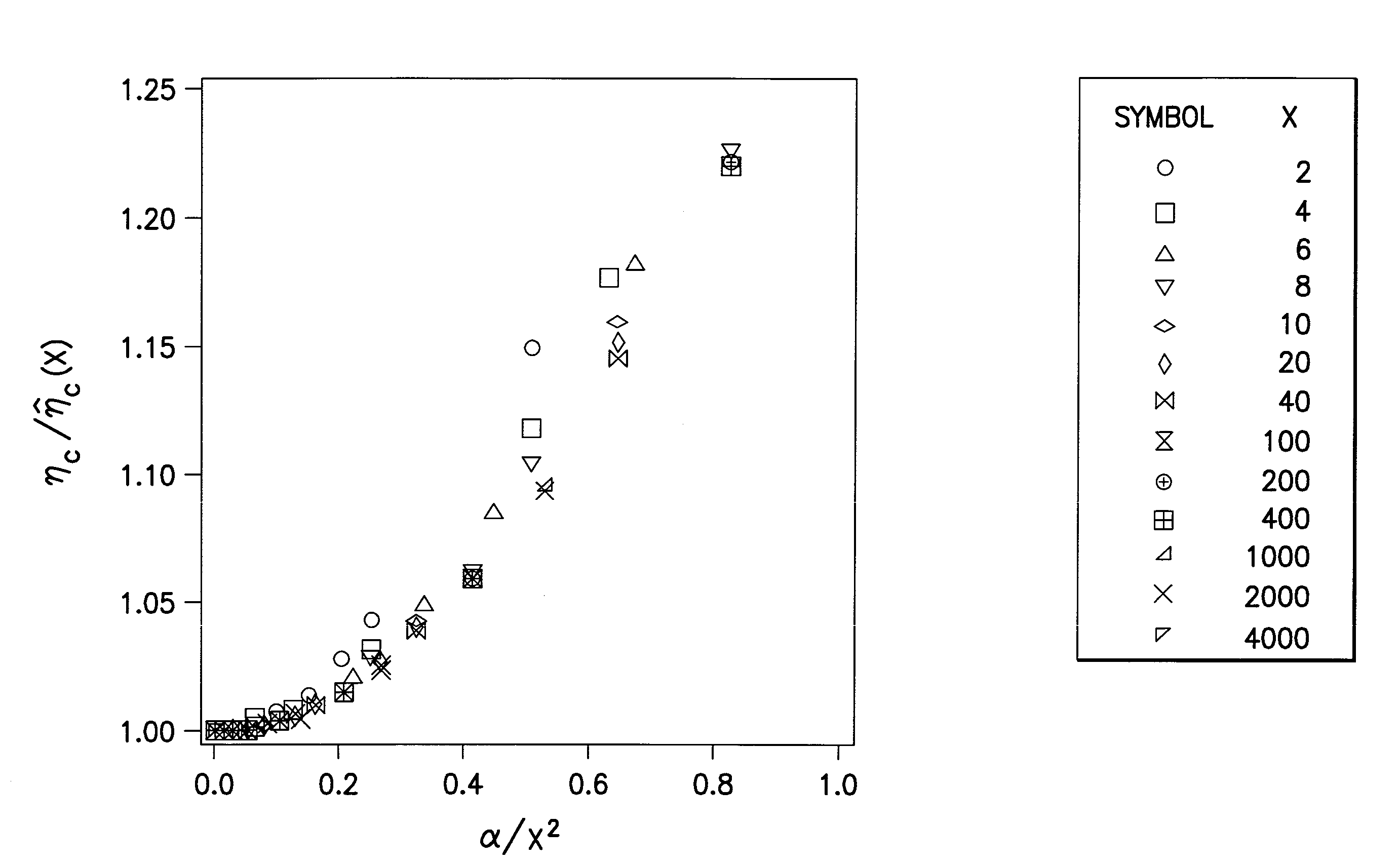
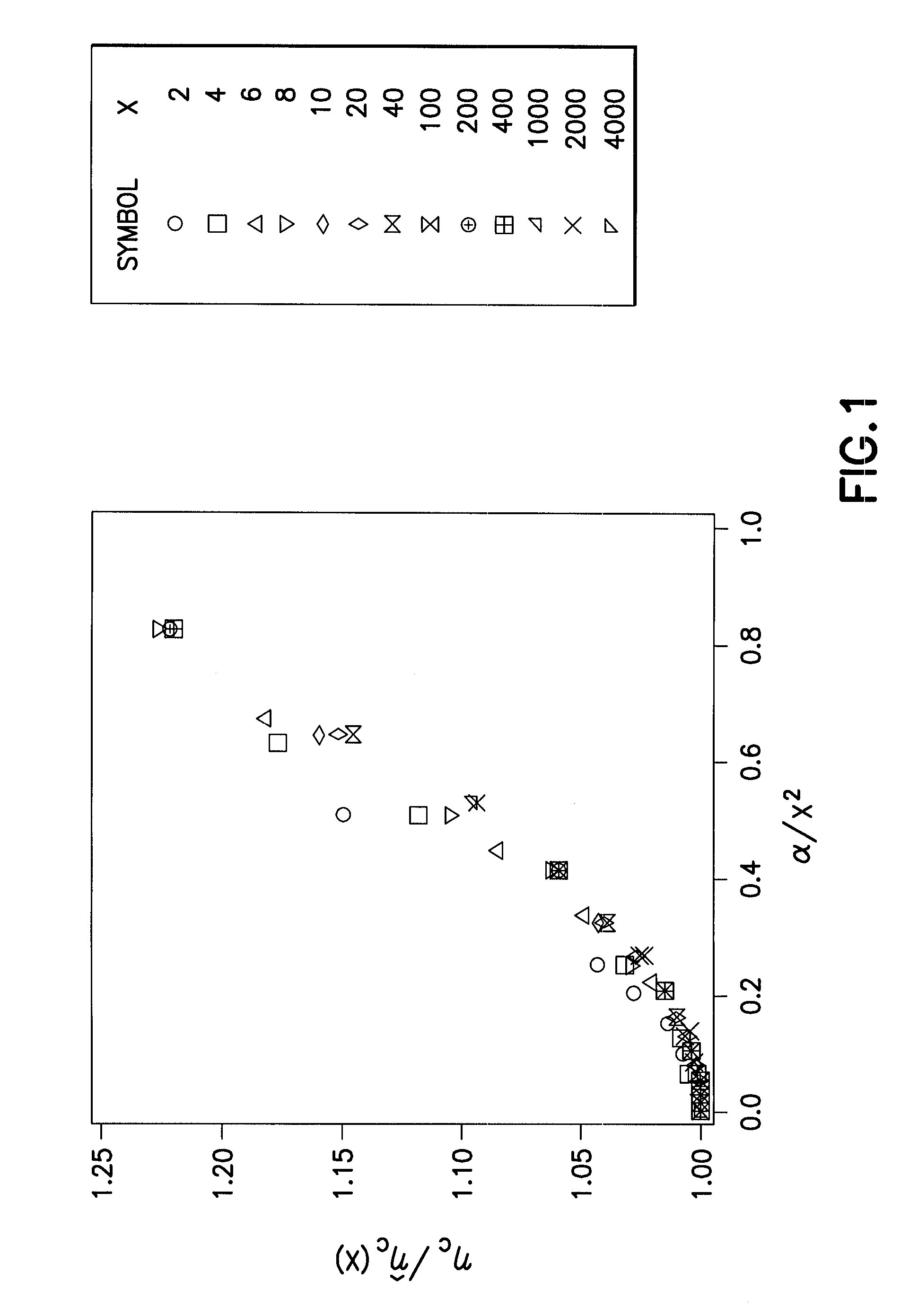
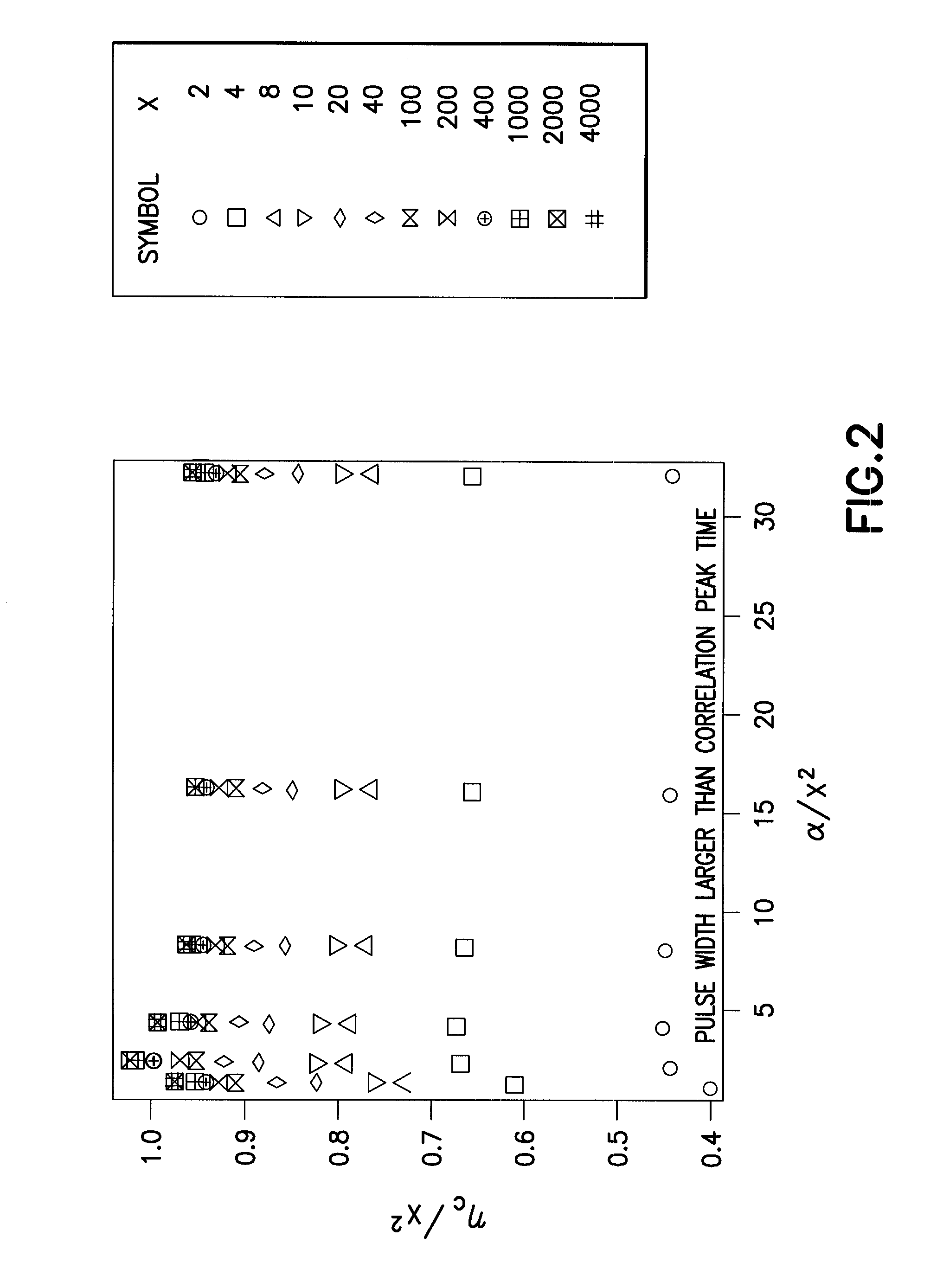
- A method for cross-correlating pressure pulses between wells, which involves obtaining source and observer data, developing a correlation function, and analyzing it to monitor permeability, is introduced. This method is robust and can be performed dynamically, insensitive to nonperiodicity and pulse strength, allowing for continuous permeability monitoring without the need for ideal pulsing conditions.

Predictive maintenance system for spatially correlated industrial equipment
PatentActiveUS11501132B2
Innovation
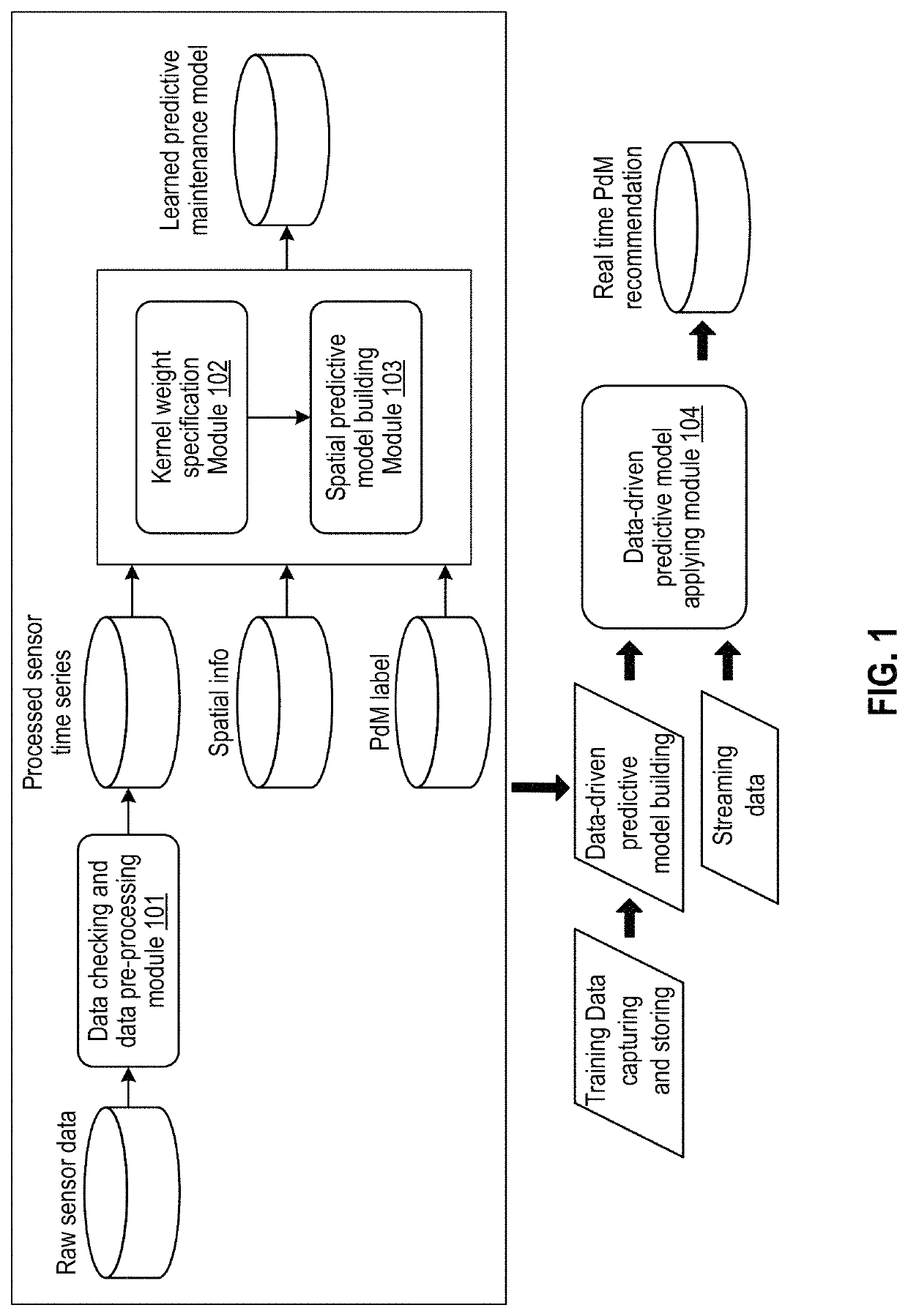
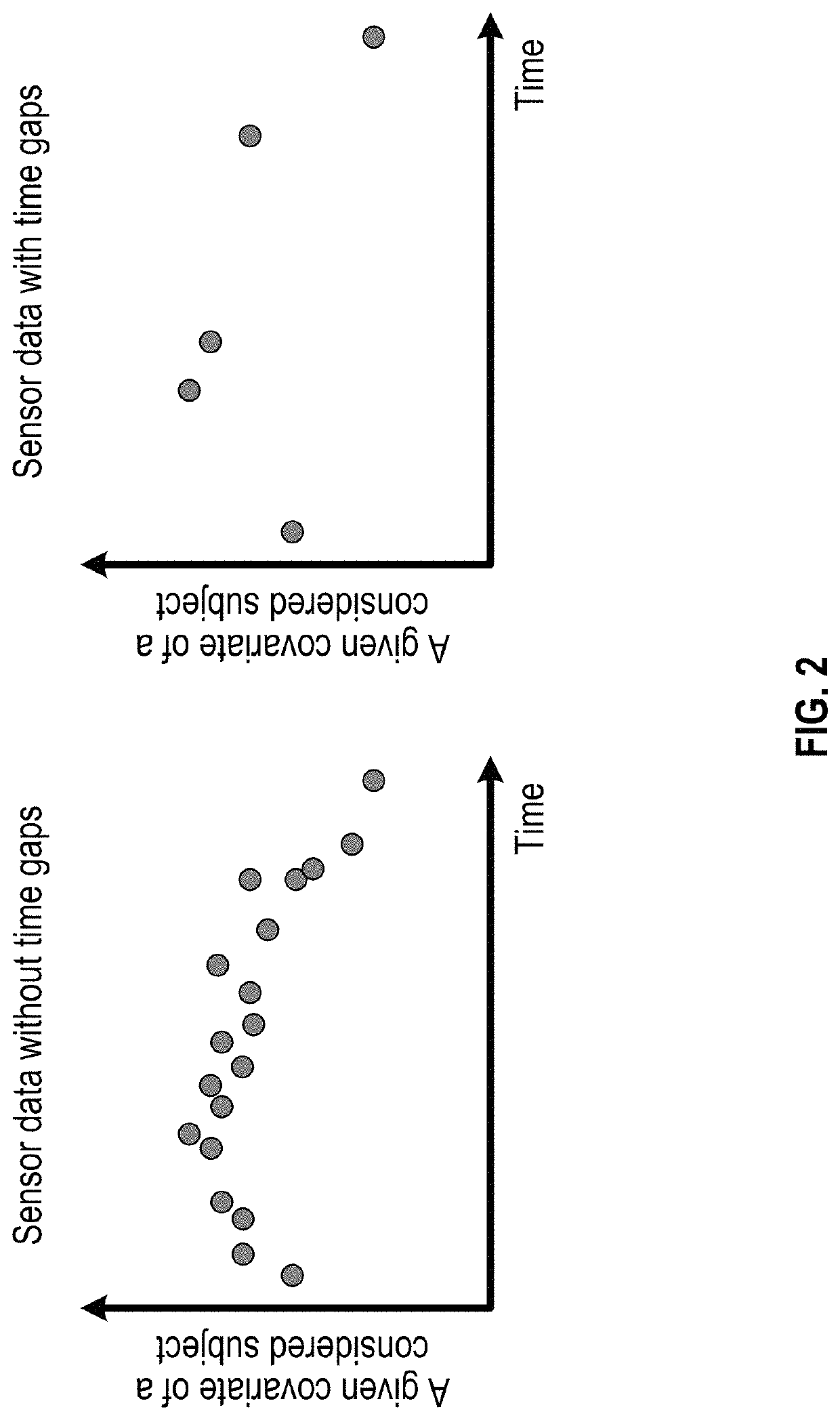
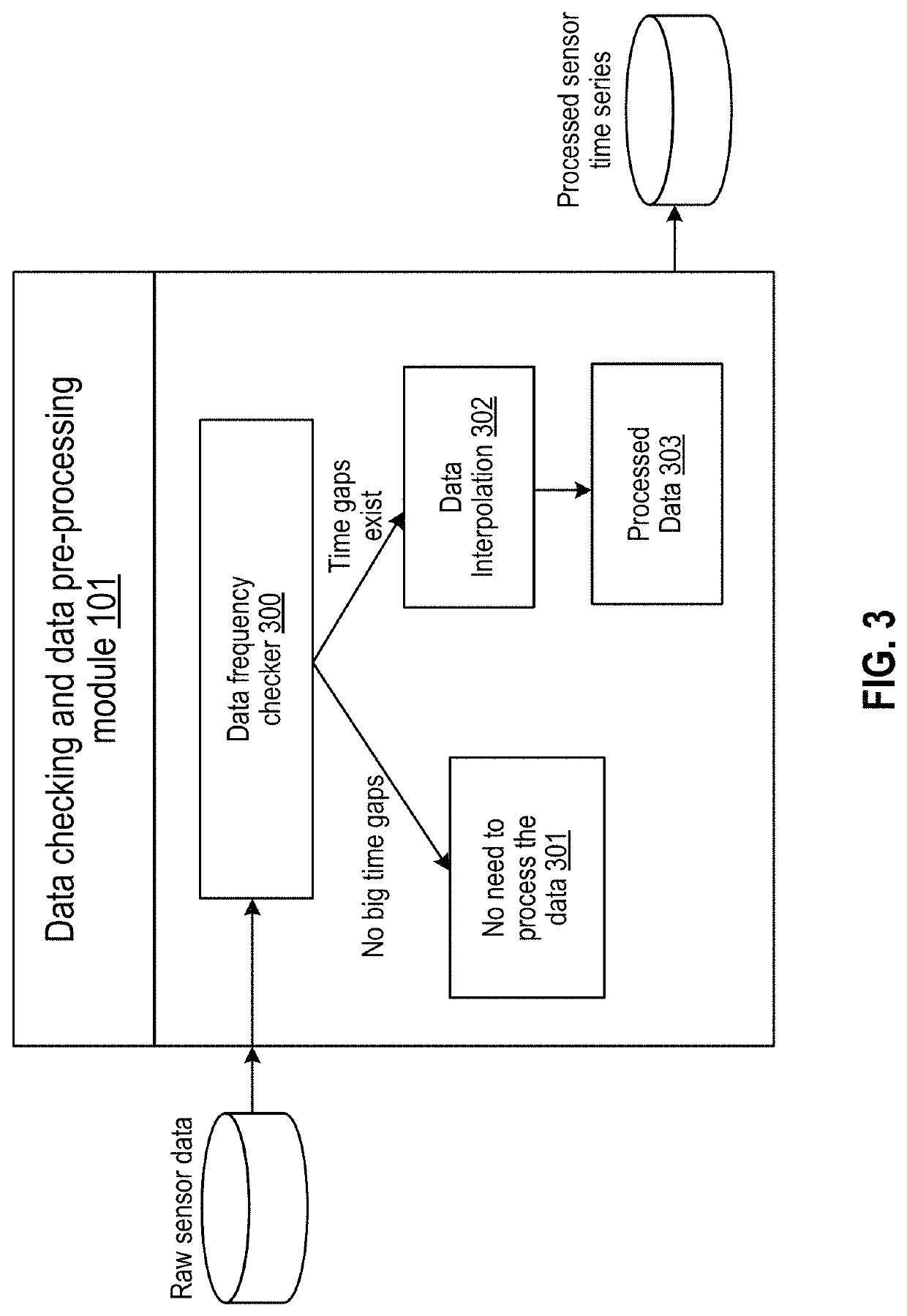
- A Weighted Functional Neural Network (WFNN) is introduced, which incorporates spatial dependency and non-stationarity through a kernel weight function based on an ensemble similarity metric, automatically optimizing parameters to handle complex correlations and provide flexible predictive maintenance for spatially correlated equipment.

Industrial Safety Standards and Compliance Requirements
Stack pressure data correlation systems for advanced predictive maintenance must operate within a comprehensive framework of industrial safety standards and compliance requirements. These regulatory frameworks ensure that monitoring systems not only provide accurate predictive insights but also maintain the highest levels of operational safety and environmental protection.
The International Electrotechnical Commission (IEC) 61508 standard serves as the foundational framework for functional safety in industrial automation systems. This standard mandates Safety Integrity Level (SIL) ratings for pressure monitoring systems, requiring SIL 2 or SIL 3 certification for critical stack applications. Compliance necessitates rigorous validation of data correlation algorithms, redundant sensor configurations, and fail-safe mechanisms that prevent false alarms or missed critical events.
Environmental protection agencies worldwide impose strict emission monitoring requirements that directly impact stack pressure correlation systems. The United States Environmental Protection Agency (EPA) Part 75 regulations mandate continuous emission monitoring systems (CEMS) with specific accuracy requirements for pressure measurements. European Union Industrial Emissions Directive (IED) establishes similar requirements, demanding real-time data validation and reporting capabilities with 95% data availability standards.
Occupational safety standards, particularly OSHA 29 CFR 1910.119 Process Safety Management regulations, require comprehensive hazard analysis and risk assessment for pressure monitoring systems. These standards mandate that predictive maintenance systems incorporate safety-critical alarms, emergency shutdown capabilities, and personnel protection protocols. The systems must demonstrate quantifiable risk reduction through documented safety case methodologies.
Cybersecurity compliance has become increasingly critical with standards like IEC 62443 governing industrial automation security. Stack pressure correlation systems must implement secure data transmission protocols, encrypted communication channels, and robust access control mechanisms. These requirements ensure that predictive maintenance data remains protected from cyber threats while maintaining system integrity.
Quality management standards ISO 9001 and industry-specific certifications such as API 670 for machinery protection systems establish requirements for system validation, calibration procedures, and documentation protocols. Compliance demands traceable measurement standards, regular system audits, and continuous improvement processes that enhance predictive maintenance effectiveness while ensuring regulatory adherence.
The International Electrotechnical Commission (IEC) 61508 standard serves as the foundational framework for functional safety in industrial automation systems. This standard mandates Safety Integrity Level (SIL) ratings for pressure monitoring systems, requiring SIL 2 or SIL 3 certification for critical stack applications. Compliance necessitates rigorous validation of data correlation algorithms, redundant sensor configurations, and fail-safe mechanisms that prevent false alarms or missed critical events.
Environmental protection agencies worldwide impose strict emission monitoring requirements that directly impact stack pressure correlation systems. The United States Environmental Protection Agency (EPA) Part 75 regulations mandate continuous emission monitoring systems (CEMS) with specific accuracy requirements for pressure measurements. European Union Industrial Emissions Directive (IED) establishes similar requirements, demanding real-time data validation and reporting capabilities with 95% data availability standards.
Occupational safety standards, particularly OSHA 29 CFR 1910.119 Process Safety Management regulations, require comprehensive hazard analysis and risk assessment for pressure monitoring systems. These standards mandate that predictive maintenance systems incorporate safety-critical alarms, emergency shutdown capabilities, and personnel protection protocols. The systems must demonstrate quantifiable risk reduction through documented safety case methodologies.
Cybersecurity compliance has become increasingly critical with standards like IEC 62443 governing industrial automation security. Stack pressure correlation systems must implement secure data transmission protocols, encrypted communication channels, and robust access control mechanisms. These requirements ensure that predictive maintenance data remains protected from cyber threats while maintaining system integrity.
Quality management standards ISO 9001 and industry-specific certifications such as API 670 for machinery protection systems establish requirements for system validation, calibration procedures, and documentation protocols. Compliance demands traceable measurement standards, regular system audits, and continuous improvement processes that enhance predictive maintenance effectiveness while ensuring regulatory adherence.
Data Privacy and Security in Industrial IoT Systems
Data privacy and security represent critical challenges in industrial IoT systems implementing stack pressure data correlation for predictive maintenance. The interconnected nature of these systems creates multiple attack vectors where sensitive operational data can be compromised, potentially exposing proprietary manufacturing processes, equipment performance metrics, and strategic maintenance schedules to unauthorized parties.
Industrial IoT networks collecting stack pressure data face unique vulnerabilities due to their distributed architecture. Legacy industrial equipment often lacks built-in security features, creating weak points in the overall system security posture. The continuous transmission of pressure sensor data across wireless networks increases exposure to interception attacks, while centralized data storage systems become attractive targets for cybercriminals seeking valuable industrial intelligence.
Authentication and access control mechanisms must address the complexity of multi-vendor IoT ecosystems. Traditional security protocols may not adequately protect against sophisticated attacks targeting industrial control systems. The challenge intensifies when considering the need for real-time data processing, as security measures cannot introduce latency that compromises predictive maintenance effectiveness.
Data encryption presents both opportunities and constraints in industrial environments. End-to-end encryption of pressure sensor data ensures confidentiality during transmission and storage, but computational overhead may impact system performance. Edge computing solutions offer promising approaches by processing sensitive data locally, reducing exposure during network transmission while maintaining analytical capabilities.
Regulatory compliance adds another layer of complexity, particularly in industries subject to strict data protection requirements. Organizations must balance operational transparency needed for effective predictive maintenance with privacy obligations, especially when sharing data with third-party maintenance providers or cloud-based analytics platforms.
The integration of blockchain technology and zero-trust security architectures shows potential for enhancing data integrity and access control in industrial IoT systems. These approaches can provide immutable audit trails for maintenance data while ensuring that only authorized personnel and systems can access critical pressure monitoring information, thereby strengthening overall cybersecurity posture.
Industrial IoT networks collecting stack pressure data face unique vulnerabilities due to their distributed architecture. Legacy industrial equipment often lacks built-in security features, creating weak points in the overall system security posture. The continuous transmission of pressure sensor data across wireless networks increases exposure to interception attacks, while centralized data storage systems become attractive targets for cybercriminals seeking valuable industrial intelligence.
Authentication and access control mechanisms must address the complexity of multi-vendor IoT ecosystems. Traditional security protocols may not adequately protect against sophisticated attacks targeting industrial control systems. The challenge intensifies when considering the need for real-time data processing, as security measures cannot introduce latency that compromises predictive maintenance effectiveness.
Data encryption presents both opportunities and constraints in industrial environments. End-to-end encryption of pressure sensor data ensures confidentiality during transmission and storage, but computational overhead may impact system performance. Edge computing solutions offer promising approaches by processing sensitive data locally, reducing exposure during network transmission while maintaining analytical capabilities.
Regulatory compliance adds another layer of complexity, particularly in industries subject to strict data protection requirements. Organizations must balance operational transparency needed for effective predictive maintenance with privacy obligations, especially when sharing data with third-party maintenance providers or cloud-based analytics platforms.
The integration of blockchain technology and zero-trust security architectures shows potential for enhancing data integrity and access control in industrial IoT systems. These approaches can provide immutable audit trails for maintenance data while ensuring that only authorized personnel and systems can access critical pressure monitoring information, thereby strengthening overall cybersecurity posture.
Unlock deeper insights with PatSnap Eureka Quick Research — get a full tech report to explore trends and direct your research. Try now!
Generate Your Research Report Instantly with AI Agent
Supercharge your innovation with PatSnap Eureka AI Agent Platform!