Stack Pressure Impacts on System Regulation During Peak Flows
MAY 15, 20269 MIN READ
Generate Your Research Report Instantly with AI Agent
PatSnap Eureka helps you evaluate technical feasibility & market potential.
Stack Pressure System Background and Regulation Goals
Stack pressure systems represent a critical component in industrial fluid dynamics and process control, where the management of pressure differentials across vertical structures becomes essential for maintaining operational efficiency. These systems are predominantly found in chemical processing plants, power generation facilities, oil refineries, and manufacturing operations where multi-level equipment configurations create complex pressure dynamics. The fundamental principle involves the regulation of pressure variations that occur naturally due to gravitational effects and fluid column heights in vertical process equipment.
The evolution of stack pressure management has been driven by increasing demands for process optimization and safety requirements in industrial applications. Early implementations focused primarily on basic pressure relief mechanisms, but modern systems have evolved to incorporate sophisticated monitoring and active regulation capabilities. This progression reflects the industry's recognition that uncontrolled stack pressure variations can significantly impact overall system performance, particularly during high-demand operational periods.
Peak flow conditions present unique challenges for stack pressure regulation systems. During these periods, the increased fluid velocities and volume throughput create dynamic pressure fluctuations that can overwhelm traditional passive regulation mechanisms. The interaction between stack effects and peak flow dynamics often results in pressure instabilities that propagate throughout interconnected process systems, potentially causing equipment damage, process inefficiencies, or safety hazards.
The primary technical objectives for advanced stack pressure regulation systems center on maintaining pressure stability across varying operational conditions while ensuring rapid response capabilities during transient events. Modern regulation goals emphasize predictive control strategies that can anticipate pressure variations before they impact system performance. These systems aim to achieve pressure regulation accuracy within ±2% of setpoint values, even during peak flow conditions that may exceed normal operating parameters by 150-200%.
Contemporary stack pressure regulation technologies integrate real-time monitoring systems with adaptive control algorithms to address the complex dynamics encountered during peak flows. The regulatory framework seeks to balance system responsiveness with stability, ensuring that corrective actions do not introduce additional oscillations or instabilities into the process environment.
The evolution of stack pressure management has been driven by increasing demands for process optimization and safety requirements in industrial applications. Early implementations focused primarily on basic pressure relief mechanisms, but modern systems have evolved to incorporate sophisticated monitoring and active regulation capabilities. This progression reflects the industry's recognition that uncontrolled stack pressure variations can significantly impact overall system performance, particularly during high-demand operational periods.
Peak flow conditions present unique challenges for stack pressure regulation systems. During these periods, the increased fluid velocities and volume throughput create dynamic pressure fluctuations that can overwhelm traditional passive regulation mechanisms. The interaction between stack effects and peak flow dynamics often results in pressure instabilities that propagate throughout interconnected process systems, potentially causing equipment damage, process inefficiencies, or safety hazards.
The primary technical objectives for advanced stack pressure regulation systems center on maintaining pressure stability across varying operational conditions while ensuring rapid response capabilities during transient events. Modern regulation goals emphasize predictive control strategies that can anticipate pressure variations before they impact system performance. These systems aim to achieve pressure regulation accuracy within ±2% of setpoint values, even during peak flow conditions that may exceed normal operating parameters by 150-200%.
Contemporary stack pressure regulation technologies integrate real-time monitoring systems with adaptive control algorithms to address the complex dynamics encountered during peak flows. The regulatory framework seeks to balance system responsiveness with stability, ensuring that corrective actions do not introduce additional oscillations or instabilities into the process environment.
Peak Flow Market Demand Analysis
The global market for peak flow management systems is experiencing unprecedented growth driven by increasing urbanization, climate change impacts, and aging infrastructure worldwide. Industrial facilities, municipal water systems, and energy generation plants are facing mounting pressure to optimize their operations during peak demand periods while maintaining system stability and regulatory compliance.
Water utilities represent the largest market segment, with municipalities investing heavily in advanced flow regulation technologies to handle storm water surges and prevent system overloads. The growing frequency of extreme weather events has accelerated demand for sophisticated pressure management solutions that can automatically adjust to varying flow conditions without compromising service delivery.
The industrial sector demonstrates strong demand particularly in chemical processing, oil and gas, and power generation industries where stack pressure variations during peak flows can significantly impact operational efficiency and safety. Manufacturing facilities are increasingly seeking integrated solutions that combine real-time monitoring with predictive control capabilities to minimize production disruptions.
Energy sector demand is driven by the transition toward renewable energy sources and the need for more flexible grid management systems. Power plants require advanced stack pressure regulation during peak electricity demand periods to maintain optimal combustion efficiency and emissions control while meeting stringent environmental regulations.
Emerging markets in Asia-Pacific and Latin America show the highest growth potential as rapid industrialization and urban development create substantial infrastructure investment opportunities. These regions are experiencing increased adoption of smart city initiatives that prioritize efficient resource management and environmental sustainability.
The market is also witnessing growing demand for retrofitting existing systems with modern pressure regulation technologies. Legacy infrastructure in developed markets requires upgrades to meet current performance standards and environmental regulations, creating a substantial replacement market opportunity.
Regulatory pressures regarding emissions control and operational safety are driving consistent demand across all sectors. Organizations face increasing penalties for non-compliance, making investment in reliable peak flow management systems a business necessity rather than an optional upgrade.
Water utilities represent the largest market segment, with municipalities investing heavily in advanced flow regulation technologies to handle storm water surges and prevent system overloads. The growing frequency of extreme weather events has accelerated demand for sophisticated pressure management solutions that can automatically adjust to varying flow conditions without compromising service delivery.
The industrial sector demonstrates strong demand particularly in chemical processing, oil and gas, and power generation industries where stack pressure variations during peak flows can significantly impact operational efficiency and safety. Manufacturing facilities are increasingly seeking integrated solutions that combine real-time monitoring with predictive control capabilities to minimize production disruptions.
Energy sector demand is driven by the transition toward renewable energy sources and the need for more flexible grid management systems. Power plants require advanced stack pressure regulation during peak electricity demand periods to maintain optimal combustion efficiency and emissions control while meeting stringent environmental regulations.
Emerging markets in Asia-Pacific and Latin America show the highest growth potential as rapid industrialization and urban development create substantial infrastructure investment opportunities. These regions are experiencing increased adoption of smart city initiatives that prioritize efficient resource management and environmental sustainability.
The market is also witnessing growing demand for retrofitting existing systems with modern pressure regulation technologies. Legacy infrastructure in developed markets requires upgrades to meet current performance standards and environmental regulations, creating a substantial replacement market opportunity.
Regulatory pressures regarding emissions control and operational safety are driving consistent demand across all sectors. Organizations face increasing penalties for non-compliance, making investment in reliable peak flow management systems a business necessity rather than an optional upgrade.
Current Stack Pressure Challenges During High Flow Conditions
Stack pressure challenges during high flow conditions represent one of the most critical operational constraints in modern industrial systems, particularly affecting chemical processing plants, power generation facilities, and wastewater treatment operations. These challenges manifest when downstream equipment or environmental conditions create excessive backpressure that propagates upstream through the system, fundamentally altering the intended flow dynamics and pressure distribution.
The primary challenge emerges from the non-linear relationship between flow rates and pressure drops across system components. During peak flow scenarios, conventional pressure relief systems often become inadequate as they were typically designed for steady-state conditions. This inadequacy leads to pressure accumulation in stack systems, where multiple flow streams converge, creating complex pressure interaction patterns that are difficult to predict and control.
Thermal expansion effects compound these pressure challenges significantly during high flow operations. Increased throughput generates elevated temperatures, causing pipe expansion and reducing effective cross-sectional areas. This phenomenon creates additional flow restrictions precisely when maximum capacity is needed, establishing a self-reinforcing cycle of pressure buildup that can rapidly escalate beyond safe operating limits.
Dynamic pressure fluctuations present another substantial challenge, as high flow conditions often introduce turbulent flow regimes that generate pressure oscillations throughout the stack system. These oscillations can exceed the response time of traditional control systems, leading to delayed or inappropriate regulatory responses that may exacerbate rather than mitigate pressure issues.
Equipment sizing limitations become particularly problematic during peak flows, as many existing installations were designed with conservative flow estimates that underestimated actual operational demands. Stack components such as headers, manifolds, and pressure relief devices frequently become bottlenecks, creating localized high-pressure zones that affect upstream and downstream equipment performance.
Control system integration challenges arise when multiple pressure regulation devices attempt to respond simultaneously to rapidly changing conditions. Competing control loops can create unstable system behavior, where one controller's corrective action triggers responses from other controllers, leading to oscillatory behavior that prevents effective pressure management during critical high flow periods.
The primary challenge emerges from the non-linear relationship between flow rates and pressure drops across system components. During peak flow scenarios, conventional pressure relief systems often become inadequate as they were typically designed for steady-state conditions. This inadequacy leads to pressure accumulation in stack systems, where multiple flow streams converge, creating complex pressure interaction patterns that are difficult to predict and control.
Thermal expansion effects compound these pressure challenges significantly during high flow operations. Increased throughput generates elevated temperatures, causing pipe expansion and reducing effective cross-sectional areas. This phenomenon creates additional flow restrictions precisely when maximum capacity is needed, establishing a self-reinforcing cycle of pressure buildup that can rapidly escalate beyond safe operating limits.
Dynamic pressure fluctuations present another substantial challenge, as high flow conditions often introduce turbulent flow regimes that generate pressure oscillations throughout the stack system. These oscillations can exceed the response time of traditional control systems, leading to delayed or inappropriate regulatory responses that may exacerbate rather than mitigate pressure issues.
Equipment sizing limitations become particularly problematic during peak flows, as many existing installations were designed with conservative flow estimates that underestimated actual operational demands. Stack components such as headers, manifolds, and pressure relief devices frequently become bottlenecks, creating localized high-pressure zones that affect upstream and downstream equipment performance.
Control system integration challenges arise when multiple pressure regulation devices attempt to respond simultaneously to rapidly changing conditions. Competing control loops can create unstable system behavior, where one controller's corrective action triggers responses from other controllers, leading to oscillatory behavior that prevents effective pressure management during critical high flow periods.
Existing Stack Pressure Regulation Solutions
01 Pressure control mechanisms and regulation systems
Stack pressure systems utilize various control mechanisms to regulate and maintain optimal pressure levels within the system. These mechanisms include automated control valves, pressure sensors, and feedback loops that continuously monitor and adjust pressure parameters to ensure stable operation and prevent system failures.- Pressure control systems and methods: Systems and methods for controlling pressure in stack configurations through various control mechanisms. These approaches involve automated pressure regulation techniques that maintain optimal pressure levels within the stack system. The control systems can include feedback mechanisms and real-time monitoring to ensure stable pressure conditions throughout the operation.
- Stack pressure monitoring and sensing technologies: Advanced sensing and monitoring technologies designed to detect and measure pressure variations within stack systems. These technologies enable continuous monitoring of pressure parameters and provide data for system optimization. The monitoring systems can include various sensor types and data acquisition methods for comprehensive pressure analysis.
- Pressure regulation valve systems: Specialized valve systems designed for regulating pressure in stack configurations. These valve systems provide precise control over pressure distribution and can automatically adjust to maintain desired pressure levels. The valve mechanisms can include various actuator types and control interfaces for optimal pressure management.
- Stack pressure optimization algorithms: Computational algorithms and control strategies for optimizing pressure distribution in stack systems. These algorithms can process real-time data to make intelligent decisions about pressure adjustments and system performance. The optimization methods can include predictive control and adaptive algorithms for enhanced system efficiency.
- Integrated pressure management systems: Comprehensive integrated systems that combine multiple pressure regulation components and technologies. These systems provide holistic pressure management solutions with coordinated control of various subsystems. The integrated approach enables better overall system performance and reliability through synchronized pressure regulation across the entire stack configuration.
02 Stack configuration and structural design optimization
The physical configuration and structural design of stack systems play a crucial role in pressure regulation. This includes optimized stack geometry, internal flow channels, and structural components that facilitate proper pressure distribution and minimize pressure drops across the system while maintaining mechanical integrity.Expand Specific Solutions03 Flow management and distribution systems
Effective flow management systems are essential for stack pressure regulation, incorporating flow distributors, manifolds, and channel designs that ensure uniform flow distribution. These systems help maintain consistent pressure profiles across the stack and prevent localized pressure variations that could affect performance.Expand Specific Solutions04 Monitoring and diagnostic systems
Advanced monitoring and diagnostic systems provide real-time assessment of stack pressure conditions through integrated sensors, data acquisition systems, and analytical algorithms. These systems enable predictive maintenance, fault detection, and optimization of pressure regulation parameters for enhanced system reliability.Expand Specific Solutions05 Safety and protection mechanisms
Safety systems and protection mechanisms are implemented to prevent overpressure conditions and ensure safe operation of stack systems. These include pressure relief valves, emergency shutdown systems, and protective barriers that activate during abnormal pressure conditions to protect equipment and personnel.Expand Specific Solutions
Key Players in Flow Control and Pressure Management Systems
The stack pressure impacts on system regulation during peak flows represents a mature industrial challenge within the fluid dynamics and process control sector. This market, valued in the billions globally, spans multiple industries including oil and gas, automotive, and industrial automation. The competitive landscape is dominated by established technology giants such as Siemens AG, Robert Bosch GmbH, and Toyota Motor Corp., who leverage decades of engineering expertise in pressure management systems. Companies like Hydac Fluidtechnik GmbH and ZF Friedrichshafen AG demonstrate specialized hydraulic solutions, while automotive leaders including DENSO Corp., Mercedes-Benz Group AG, and Nissan Motor Co. focus on vehicle-specific applications. The technology maturity varies across segments, with traditional mechanical solutions being well-established, while smart sensing and predictive control systems represent emerging growth areas. Industrial players like Hitachi Ltd., Eaton Corp., and Deere & Co. continue advancing automation technologies, while energy sector participants including Petróleo Brasileiro SA and China Yangtze Power Co. drive innovations in large-scale flow management systems.
Siemens AG
Technical Solution: Siemens has developed advanced pressure regulation systems that utilize digital twin technology and AI-powered predictive analytics to manage stack pressure during peak flow conditions. Their solution integrates real-time monitoring sensors with automated control valves that can respond within milliseconds to pressure fluctuations. The system employs machine learning algorithms to predict peak flow events and pre-adjust system parameters accordingly. Their SITRANS pressure transmitters provide accuracy up to ±0.04% and can handle pressure ranges from vacuum to 6000 bar, enabling precise monitoring during critical flow periods. The technology includes fail-safe mechanisms and redundant control loops to ensure system stability even under extreme operating conditions.
Strengths: High precision monitoring, proven industrial reliability, comprehensive digital integration capabilities. Weaknesses: Higher initial investment costs, complex system integration requirements for legacy infrastructure.
Robert Bosch GmbH
Technical Solution: Bosch has developed hydraulic pressure regulation systems specifically designed for automotive and industrial applications experiencing variable flow conditions. Their solution features adaptive pressure control valves with electronic feedback systems that automatically adjust to maintain optimal pressure levels during peak flows. The technology incorporates proportional pressure relief valves with response times under 10ms and flow capacities up to 400 L/min. Their system uses advanced materials and coatings to withstand pressure spikes up to 350 bar while maintaining consistent performance. The solution includes integrated diagnostics that monitor system health and predict maintenance needs, reducing downtime during critical operations.
Strengths: Fast response times, robust automotive-grade reliability, integrated diagnostic capabilities. Weaknesses: Limited to medium pressure applications, requires specialized maintenance expertise.
Core Innovations in Peak Flow Pressure Management
Multiple pressure regime control to minimize RH excursions during transients
PatentInactiveUS7517600B2
Innovation
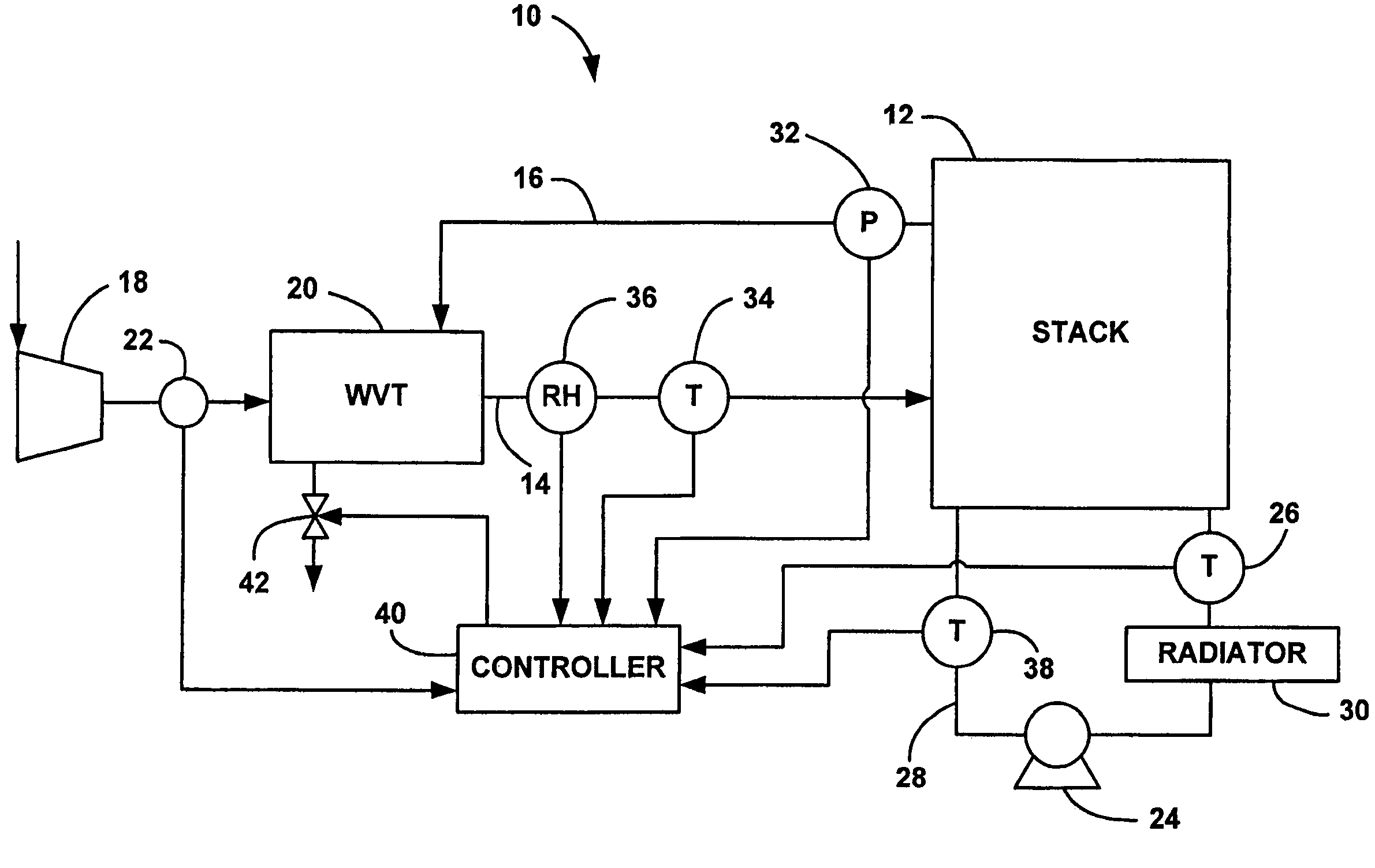
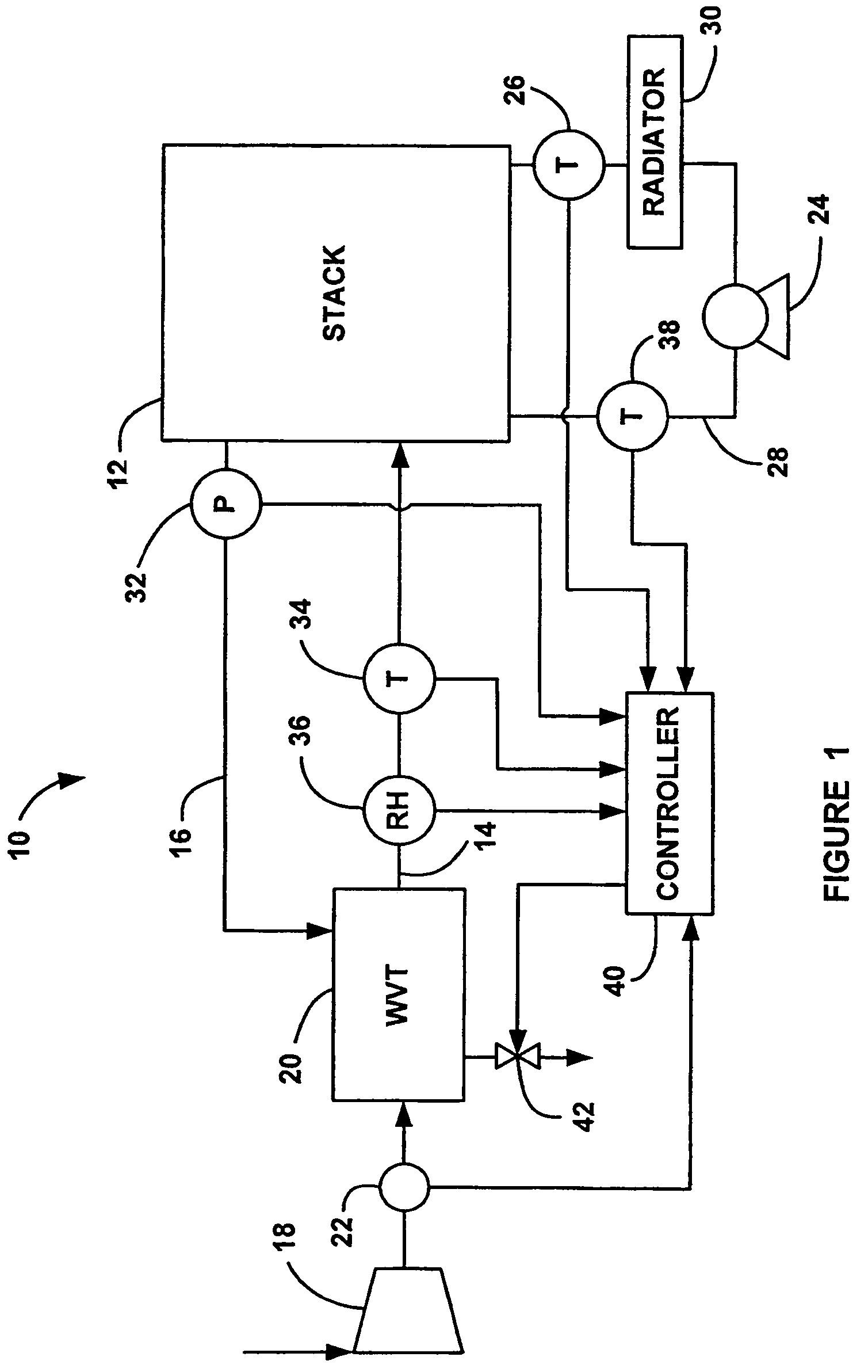
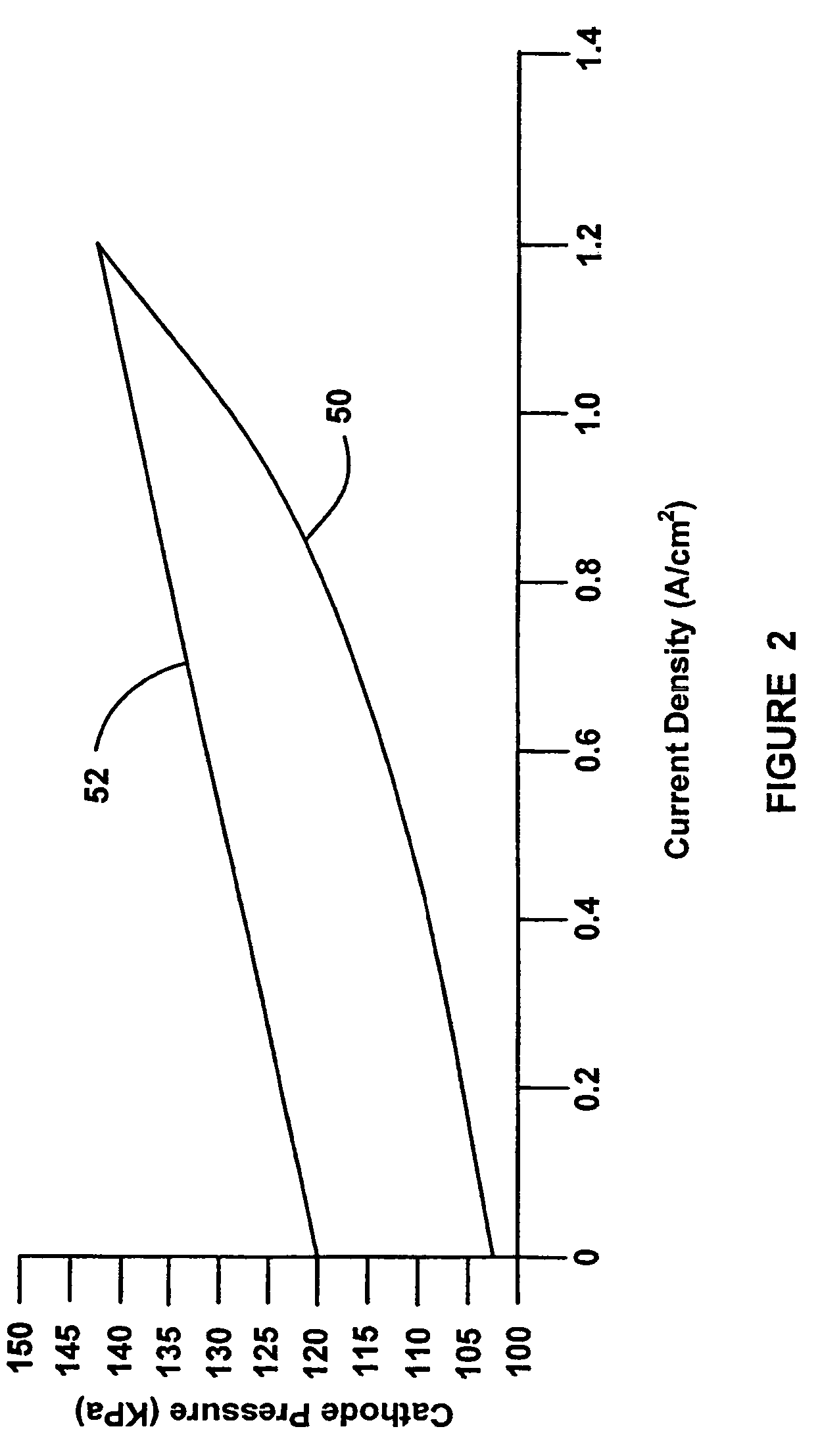
- A control system that adjusts the cathode pressure operating range based on stack current density, using a narrower range during power transients and a wider range during low current density and steady-state conditions to manage relative humidity and reduce compressor parasitics.

Automatic feeder control system to account for input variations
PatentInactiveEP2119651A3
Innovation
- A method and system that monitor stack pressure using sensors and adjust the mail feeding behavior by varying the angular displacement of a guide mechanism and the speed of gripper belts to maintain consistent mail item spacing and reduce pressure buildup.


Safety Standards for High Pressure Flow Systems
Safety standards for high pressure flow systems represent a critical framework designed to mitigate risks associated with stack pressure variations during peak flow conditions. These standards encompass comprehensive guidelines that address pressure vessel design, material specifications, and operational parameters to ensure system integrity under extreme conditions. The regulatory landscape includes international standards such as ASME Boiler and Pressure Vessel Code, API standards for process piping, and ISO 4126 series for pressure relief devices, all of which establish minimum safety requirements for high-pressure applications.
Pressure relief and protection systems form the cornerstone of safety protocols in high-pressure environments. These systems must incorporate multiple layers of protection, including primary relief valves, secondary safety devices, and emergency shutdown mechanisms. Standards mandate specific sizing calculations for relief devices based on maximum credible pressure scenarios, with particular attention to transient conditions that occur during peak flows. The design philosophy emphasizes fail-safe operation, where system components default to safe states upon detection of abnormal pressure conditions.
Material selection and structural integrity requirements are stringently defined within safety standards to withstand the mechanical stresses imposed by fluctuating stack pressures. Standards specify minimum wall thickness calculations, fatigue analysis requirements, and non-destructive testing protocols to verify structural adequacy. Special consideration is given to pressure cycling effects, where repeated loading and unloading during peak flow events can lead to material degradation over time.
Operational safety protocols establish mandatory procedures for system monitoring, maintenance, and emergency response during high-pressure operations. These protocols include real-time pressure monitoring requirements, operator training standards, and documented emergency procedures. Standards emphasize the importance of pressure trend analysis and predictive maintenance strategies to identify potential failure modes before they compromise system safety.
Compliance verification and certification processes ensure that high-pressure flow systems meet established safety criteria through rigorous testing and documentation. This includes hydrostatic testing at pressures exceeding normal operating conditions, third-party inspections, and ongoing compliance monitoring throughout the system lifecycle. Regular safety audits and performance assessments are mandated to maintain certification status and ensure continued safe operation under varying flow conditions.
Pressure relief and protection systems form the cornerstone of safety protocols in high-pressure environments. These systems must incorporate multiple layers of protection, including primary relief valves, secondary safety devices, and emergency shutdown mechanisms. Standards mandate specific sizing calculations for relief devices based on maximum credible pressure scenarios, with particular attention to transient conditions that occur during peak flows. The design philosophy emphasizes fail-safe operation, where system components default to safe states upon detection of abnormal pressure conditions.
Material selection and structural integrity requirements are stringently defined within safety standards to withstand the mechanical stresses imposed by fluctuating stack pressures. Standards specify minimum wall thickness calculations, fatigue analysis requirements, and non-destructive testing protocols to verify structural adequacy. Special consideration is given to pressure cycling effects, where repeated loading and unloading during peak flow events can lead to material degradation over time.
Operational safety protocols establish mandatory procedures for system monitoring, maintenance, and emergency response during high-pressure operations. These protocols include real-time pressure monitoring requirements, operator training standards, and documented emergency procedures. Standards emphasize the importance of pressure trend analysis and predictive maintenance strategies to identify potential failure modes before they compromise system safety.
Compliance verification and certification processes ensure that high-pressure flow systems meet established safety criteria through rigorous testing and documentation. This includes hydrostatic testing at pressures exceeding normal operating conditions, third-party inspections, and ongoing compliance monitoring throughout the system lifecycle. Regular safety audits and performance assessments are mandated to maintain certification status and ensure continued safe operation under varying flow conditions.
Environmental Impact of Stack Pressure Variations
Stack pressure variations during peak flow conditions generate significant environmental consequences that extend beyond immediate system performance concerns. These pressure fluctuations create cascading effects throughout the surrounding ecosystem, particularly affecting air quality, noise pollution, and energy consumption patterns. The environmental implications become more pronounced during high-demand periods when systems operate at maximum capacity.
Air quality degradation represents one of the most critical environmental impacts of stack pressure variations. During peak flows, irregular pressure patterns can lead to incomplete combustion processes and altered emission characteristics. These variations result in increased particulate matter release, elevated nitrogen oxide concentrations, and fluctuating carbon monoxide levels. The intermittent nature of pressure changes creates unpredictable emission patterns that challenge traditional air quality monitoring and control systems.
Noise pollution emerges as another significant environmental concern associated with stack pressure fluctuations. Pressure variations generate acoustic disturbances through mechanical vibrations, turbulent flow patterns, and system cycling behaviors. These noise emissions often exceed baseline levels during peak operation periods, creating adverse impacts on surrounding communities and wildlife habitats. The frequency and intensity of noise pollution correlate directly with the magnitude of pressure variations experienced during high-flow conditions.
Energy consumption patterns undergo substantial changes due to stack pressure variations, creating broader environmental implications through increased carbon footprint. Systems experiencing pressure fluctuations require additional energy input to maintain operational stability and performance targets. This increased energy demand translates to higher fossil fuel consumption and elevated greenhouse gas emissions, particularly during peak flow periods when energy efficiency typically decreases.
Thermal pollution represents an often-overlooked environmental consequence of stack pressure variations. Irregular pressure patterns affect heat transfer efficiency and thermal management systems, leading to elevated discharge temperatures and altered thermal profiles in surrounding environments. These temperature variations can disrupt local ecosystems, affect water body temperatures, and influence microclimatic conditions in industrial areas.
The cumulative environmental impact of stack pressure variations extends to resource utilization efficiency and waste generation patterns. Pressure instabilities often necessitate increased maintenance activities, replacement of system components, and implementation of corrective measures that generate additional environmental burdens through material consumption and waste production.
Air quality degradation represents one of the most critical environmental impacts of stack pressure variations. During peak flows, irregular pressure patterns can lead to incomplete combustion processes and altered emission characteristics. These variations result in increased particulate matter release, elevated nitrogen oxide concentrations, and fluctuating carbon monoxide levels. The intermittent nature of pressure changes creates unpredictable emission patterns that challenge traditional air quality monitoring and control systems.
Noise pollution emerges as another significant environmental concern associated with stack pressure fluctuations. Pressure variations generate acoustic disturbances through mechanical vibrations, turbulent flow patterns, and system cycling behaviors. These noise emissions often exceed baseline levels during peak operation periods, creating adverse impacts on surrounding communities and wildlife habitats. The frequency and intensity of noise pollution correlate directly with the magnitude of pressure variations experienced during high-flow conditions.
Energy consumption patterns undergo substantial changes due to stack pressure variations, creating broader environmental implications through increased carbon footprint. Systems experiencing pressure fluctuations require additional energy input to maintain operational stability and performance targets. This increased energy demand translates to higher fossil fuel consumption and elevated greenhouse gas emissions, particularly during peak flow periods when energy efficiency typically decreases.
Thermal pollution represents an often-overlooked environmental consequence of stack pressure variations. Irregular pressure patterns affect heat transfer efficiency and thermal management systems, leading to elevated discharge temperatures and altered thermal profiles in surrounding environments. These temperature variations can disrupt local ecosystems, affect water body temperatures, and influence microclimatic conditions in industrial areas.
The cumulative environmental impact of stack pressure variations extends to resource utilization efficiency and waste generation patterns. Pressure instabilities often necessitate increased maintenance activities, replacement of system components, and implementation of corrective measures that generate additional environmental burdens through material consumption and waste production.
Unlock deeper insights with PatSnap Eureka Quick Research — get a full tech report to explore trends and direct your research. Try now!
Generate Your Research Report Instantly with AI Agent
Supercharge your innovation with PatSnap Eureka AI Agent Platform!