

Steering Wheel Customization: Exploring High‑Tech Options
JUL 18, 20259 MIN READ
Generate Your Research Report Instantly with AI Agent
PatSnap Eureka helps you evaluate technical feasibility & market potential.
Steering Wheel Tech Evolution and Objectives
The steering wheel has undergone significant evolution since its inception in the late 19th century. Initially a simple mechanical device for directional control, it has transformed into a sophisticated interface integrating multiple functions and technologies. The progression of steering wheel technology closely mirrors advancements in automotive engineering and human-machine interaction.
In the early stages, steering wheels were purely mechanical, directly connected to the vehicle's steering mechanism. As automobiles became more complex, power steering was introduced in the 1950s, reducing the physical effort required to maneuver vehicles. This marked the beginning of the steering wheel's technological enhancement beyond its basic function.
The late 20th century saw the integration of additional controls into the steering wheel, such as audio system controls and cruise control buttons. This trend towards multifunctionality aimed to improve driver convenience and safety by reducing the need to remove hands from the wheel.
The 21st century has ushered in a new era of steering wheel technology, driven by the increasing computerization of vehicles and the rise of advanced driver assistance systems (ADAS). Modern steering wheels now often incorporate touchscreens, haptic feedback systems, and even biometric sensors. These innovations aim to provide more intuitive control interfaces and enhance the overall driving experience.
The current technological objectives for steering wheel customization focus on several key areas. Firstly, there is a push towards greater personalization, allowing drivers to customize the wheel's functions and appearance to suit their preferences. This includes adjustable layouts for controls and the ability to save multiple user profiles.
Secondly, there is an emphasis on improving safety through advanced sensing technologies. This includes the development of steering wheels that can detect driver fatigue or distraction, potentially integrating with vehicle safety systems to prevent accidents.
Another significant objective is the seamless integration of autonomous driving capabilities. As vehicles become increasingly capable of self-driving, steering wheel designs are being reimagined to accommodate both manual and autonomous modes. This includes concepts for retractable or transformable steering wheels that can adapt to different driving scenarios.
Lastly, there is a growing focus on sustainability and eco-friendly materials in steering wheel design. Manufacturers are exploring the use of recycled or bio-based materials that maintain the necessary durability and tactile qualities while reducing environmental impact.
These technological objectives reflect the broader trends in the automotive industry towards increased connectivity, safety, autonomy, and sustainability. As steering wheel customization continues to evolve, it is likely to play a crucial role in shaping the future of human-vehicle interaction.
In the early stages, steering wheels were purely mechanical, directly connected to the vehicle's steering mechanism. As automobiles became more complex, power steering was introduced in the 1950s, reducing the physical effort required to maneuver vehicles. This marked the beginning of the steering wheel's technological enhancement beyond its basic function.
The late 20th century saw the integration of additional controls into the steering wheel, such as audio system controls and cruise control buttons. This trend towards multifunctionality aimed to improve driver convenience and safety by reducing the need to remove hands from the wheel.
The 21st century has ushered in a new era of steering wheel technology, driven by the increasing computerization of vehicles and the rise of advanced driver assistance systems (ADAS). Modern steering wheels now often incorporate touchscreens, haptic feedback systems, and even biometric sensors. These innovations aim to provide more intuitive control interfaces and enhance the overall driving experience.
The current technological objectives for steering wheel customization focus on several key areas. Firstly, there is a push towards greater personalization, allowing drivers to customize the wheel's functions and appearance to suit their preferences. This includes adjustable layouts for controls and the ability to save multiple user profiles.
Secondly, there is an emphasis on improving safety through advanced sensing technologies. This includes the development of steering wheels that can detect driver fatigue or distraction, potentially integrating with vehicle safety systems to prevent accidents.
Another significant objective is the seamless integration of autonomous driving capabilities. As vehicles become increasingly capable of self-driving, steering wheel designs are being reimagined to accommodate both manual and autonomous modes. This includes concepts for retractable or transformable steering wheels that can adapt to different driving scenarios.
Lastly, there is a growing focus on sustainability and eco-friendly materials in steering wheel design. Manufacturers are exploring the use of recycled or bio-based materials that maintain the necessary durability and tactile qualities while reducing environmental impact.
These technological objectives reflect the broader trends in the automotive industry towards increased connectivity, safety, autonomy, and sustainability. As steering wheel customization continues to evolve, it is likely to play a crucial role in shaping the future of human-vehicle interaction.
Market Demand for Advanced Steering Wheels
The market demand for advanced steering wheels has been steadily increasing in recent years, driven by the convergence of automotive technology, consumer preferences, and safety regulations. As vehicles become more sophisticated, steering wheels are evolving from simple control devices to complex, multifunctional interfaces that enhance both driving experience and vehicle operation.
One of the primary drivers of this demand is the growing consumer appetite for connected and smart vehicles. Modern drivers expect their vehicles to seamlessly integrate with their digital lives, and the steering wheel has become a focal point for this integration. Advanced steering wheels now often incorporate touchscreens, voice control systems, and haptic feedback mechanisms, allowing drivers to access navigation, entertainment, and vehicle information without taking their hands off the wheel.
Safety considerations are another significant factor fueling the demand for high-tech steering wheels. With the rise of advanced driver assistance systems (ADAS) and the progression towards autonomous driving, steering wheels are being redesigned to incorporate sensors and indicators that provide crucial information about the vehicle's surroundings and operational status. Features such as lane departure warnings, collision alerts, and driver fatigue detection are increasingly being integrated into steering wheel designs.
The automotive industry's push towards electrification has also influenced steering wheel design and functionality. Electric vehicles often require less mechanical linkage between the steering wheel and the wheels, allowing for more flexible designs and the incorporation of additional technology. This has opened up new possibilities for customization and feature integration in steering wheels.
Market research indicates that the global automotive steering wheel market is expected to grow significantly in the coming years. Factors such as increasing vehicle production, rising demand for luxury vehicles, and the integration of advanced technologies are all contributing to this growth. Additionally, the aftermarket for customized steering wheels is expanding, catering to enthusiasts who seek personalized driving experiences.
However, the demand for advanced steering wheels is not uniform across all market segments. Luxury and high-end vehicle manufacturers are leading the adoption of cutting-edge steering wheel technologies, while mass-market vehicles are gradually incorporating these features as they become more cost-effective. This segmentation presents opportunities for tiered product offerings and targeted innovation strategies.
As the automotive industry continues to evolve, the steering wheel remains a critical interface between driver and vehicle. The market demand for advanced, customizable steering wheels reflects broader trends in automotive technology and consumer expectations, positioning this component as a key area for innovation and differentiation in the competitive automotive landscape.
One of the primary drivers of this demand is the growing consumer appetite for connected and smart vehicles. Modern drivers expect their vehicles to seamlessly integrate with their digital lives, and the steering wheel has become a focal point for this integration. Advanced steering wheels now often incorporate touchscreens, voice control systems, and haptic feedback mechanisms, allowing drivers to access navigation, entertainment, and vehicle information without taking their hands off the wheel.
Safety considerations are another significant factor fueling the demand for high-tech steering wheels. With the rise of advanced driver assistance systems (ADAS) and the progression towards autonomous driving, steering wheels are being redesigned to incorporate sensors and indicators that provide crucial information about the vehicle's surroundings and operational status. Features such as lane departure warnings, collision alerts, and driver fatigue detection are increasingly being integrated into steering wheel designs.
The automotive industry's push towards electrification has also influenced steering wheel design and functionality. Electric vehicles often require less mechanical linkage between the steering wheel and the wheels, allowing for more flexible designs and the incorporation of additional technology. This has opened up new possibilities for customization and feature integration in steering wheels.
Market research indicates that the global automotive steering wheel market is expected to grow significantly in the coming years. Factors such as increasing vehicle production, rising demand for luxury vehicles, and the integration of advanced technologies are all contributing to this growth. Additionally, the aftermarket for customized steering wheels is expanding, catering to enthusiasts who seek personalized driving experiences.
However, the demand for advanced steering wheels is not uniform across all market segments. Luxury and high-end vehicle manufacturers are leading the adoption of cutting-edge steering wheel technologies, while mass-market vehicles are gradually incorporating these features as they become more cost-effective. This segmentation presents opportunities for tiered product offerings and targeted innovation strategies.
As the automotive industry continues to evolve, the steering wheel remains a critical interface between driver and vehicle. The market demand for advanced, customizable steering wheels reflects broader trends in automotive technology and consumer expectations, positioning this component as a key area for innovation and differentiation in the competitive automotive landscape.
Current Challenges in Steering Wheel Customization
The customization of steering wheels in modern vehicles faces several significant challenges, primarily driven by the increasing integration of advanced technologies and the evolving expectations of consumers. One of the foremost challenges is the integration of multiple functionalities into a limited space without compromising ergonomics or safety. As steering wheels become more technologically advanced, incorporating features such as touch-sensitive controls, haptic feedback, and LED displays, designers and engineers must balance functionality with user-friendliness and safety considerations.
Another critical challenge lies in the realm of materials science. The steering wheel, being a crucial interface between driver and vehicle, must maintain its structural integrity and tactile qualities while accommodating new technologies. This necessitates the development of advanced materials that can withstand constant use, varying environmental conditions, and potential impacts, all while housing sensitive electronic components.
The customization process itself presents logistical and manufacturing challenges. As consumers demand more personalized options, from aesthetic choices like color and texture to functional preferences in button layout and feedback intensity, manufacturers must develop flexible production processes. This shift towards mass customization requires significant changes in supply chain management and production line flexibility, potentially increasing costs and complexity.
Regulatory compliance poses another significant hurdle. Steering wheels are subject to stringent safety standards, and any customization must adhere to these regulations. This is particularly challenging when integrating new technologies, as safety standards may not have kept pace with technological advancements, creating a complex regulatory landscape for manufacturers to navigate.
Compatibility with emerging vehicle technologies, such as autonomous driving systems, presents an additional layer of complexity. Steering wheel designs must now consider scenarios where the driver may need to quickly take control from an autonomous system, requiring intuitive interfaces that can seamlessly transition between different modes of operation.
Lastly, the challenge of cost management looms large. High-tech customization options can significantly increase the overall cost of vehicle production. Manufacturers must find ways to offer advanced customization features while keeping vehicles affordable for the mass market. This balancing act between innovation and cost-effectiveness remains a persistent challenge in steering wheel customization.
Another critical challenge lies in the realm of materials science. The steering wheel, being a crucial interface between driver and vehicle, must maintain its structural integrity and tactile qualities while accommodating new technologies. This necessitates the development of advanced materials that can withstand constant use, varying environmental conditions, and potential impacts, all while housing sensitive electronic components.
The customization process itself presents logistical and manufacturing challenges. As consumers demand more personalized options, from aesthetic choices like color and texture to functional preferences in button layout and feedback intensity, manufacturers must develop flexible production processes. This shift towards mass customization requires significant changes in supply chain management and production line flexibility, potentially increasing costs and complexity.
Regulatory compliance poses another significant hurdle. Steering wheels are subject to stringent safety standards, and any customization must adhere to these regulations. This is particularly challenging when integrating new technologies, as safety standards may not have kept pace with technological advancements, creating a complex regulatory landscape for manufacturers to navigate.
Compatibility with emerging vehicle technologies, such as autonomous driving systems, presents an additional layer of complexity. Steering wheel designs must now consider scenarios where the driver may need to quickly take control from an autonomous system, requiring intuitive interfaces that can seamlessly transition between different modes of operation.
Lastly, the challenge of cost management looms large. High-tech customization options can significantly increase the overall cost of vehicle production. Manufacturers must find ways to offer advanced customization features while keeping vehicles affordable for the mass market. This balancing act between innovation and cost-effectiveness remains a persistent challenge in steering wheel customization.
Existing High-Tech Steering Wheel Solutions
01 Customizable steering wheel covers
Steering wheel covers that can be customized to fit various steering wheel sizes and shapes. These covers can be made from different materials and may include features like ergonomic grips, heating elements, or decorative designs to enhance comfort and aesthetics.- Customizable steering wheel covers: Steering wheel covers that can be customized to fit various steering wheel sizes and shapes. These covers may include adjustable features, interchangeable components, or modular designs to accommodate different steering wheel configurations and user preferences.
- Integrated controls and displays: Incorporation of customizable controls and displays directly into the steering wheel. This may include touchscreens, programmable buttons, or reconfigurable displays that allow drivers to personalize their interface with vehicle functions and information systems.
- Adjustable steering wheel geometry: Mechanisms that allow for customization of the steering wheel's shape, size, or position. This may include telescoping, tilting, or shape-changing features that can be adjusted to suit individual driver preferences or ergonomic requirements.
- Personalized grip materials and textures: Customizable steering wheel grips that allow drivers to select different materials, textures, or patterns for enhanced comfort and control. This may include interchangeable grip sections or adjustable surface characteristics to suit individual preferences.
- Smart steering wheel customization: Integration of sensors and intelligent systems that automatically adjust steering wheel characteristics based on driver identification, preferences, or driving conditions. This may include memory functions, biometric recognition, or adaptive feedback systems for a personalized driving experience.
02 Adjustable steering wheel components
Steering wheels with adjustable components such as telescoping columns, tilt mechanisms, or modular parts that can be easily replaced or modified. This allows for personalization of the steering wheel's position, size, and functionality to suit individual driver preferences.Expand Specific Solutions03 Integrated control systems
Customizable steering wheels with integrated control systems, including touchscreens, buttons, or gesture recognition technology. These systems allow drivers to personalize their interface for controlling various vehicle functions directly from the steering wheel.Expand Specific Solutions04 Biometric authentication and personalization
Steering wheels equipped with biometric sensors for driver authentication and automatic personalization. These systems can adjust steering wheel settings, vehicle preferences, and security features based on the identified driver's profile.Expand Specific Solutions05 Modular steering wheel design
Steering wheels with modular components that can be easily swapped or upgraded. This design allows for customization of grip materials, control layouts, and even the overall shape of the steering wheel to suit different driving styles or vehicle types.Expand Specific Solutions
Key Players in Automotive HMI Industry
The steering wheel customization market is in a growth phase, driven by increasing demand for personalized and high-tech automotive interiors. The market size is expanding, with major automotive manufacturers and suppliers investing in advanced steering wheel technologies. Companies like BMW, Mercedes-Benz, and Porsche are leading the way in integrating sophisticated features such as touch-sensitive controls, LED displays, and biometric sensors into steering wheels. The technology is maturing rapidly, with firms like Autoliv and Joyson Safety Systems developing innovative safety features. Emerging players from China, including Geely and SAIC Motor, are also entering the market, potentially disrupting traditional supply chains and accelerating technological advancements in this sector.
Bayerische Motoren Werke AG
Technical Solution: BMW has developed an advanced steering wheel customization system that integrates haptic feedback and gesture control. The system uses a combination of capacitive touch sensors and micro-actuators embedded in the steering wheel rim to provide tactile responses to driver inputs[1]. Additionally, BMW has implemented a gesture recognition camera in the instrument cluster, allowing drivers to control infotainment and vehicle functions with hand movements near the steering wheel[2]. The company has also introduced a variable-contour steering wheel that can change shape to suit different driving modes or driver preferences, using shape-memory alloys to alter the wheel's grip and thickness[3].
Strengths: Highly intuitive user interface, enhanced driver engagement, and adaptability to different driving scenarios. Weaknesses: Potential for driver distraction and higher production costs compared to traditional steering wheels.
GM Global Technology Operations LLC
Technical Solution: GM has developed a multi-modal steering wheel interface that combines touch-sensitive controls, voice recognition, and augmented reality (AR) displays. The system utilizes a thin-film transparent OLED display integrated into the steering wheel rim, providing contextual information and controls without obstructing the driver's view[4]. GM's technology also incorporates advanced haptic feedback systems that can simulate different textures and resistances, enhancing the driver's tactile experience[5]. Furthermore, the company has patented a steering wheel that can retract into the dashboard during autonomous driving modes, transforming into a multipurpose control interface for other vehicle functions[6].
Strengths: Seamless integration of multiple input modalities, adaptability to both manual and autonomous driving scenarios. Weaknesses: Complex system architecture may lead to higher maintenance costs and potential reliability issues.
Innovative Steering Wheel Customization Patents
Steering wheel for a motor vehicle
PatentInactiveEP1807297A2
Innovation
- A steering wheel design where the cross-sectional contour of the rim changes along its circumference, allowing for a spatial orientation adjustment to match the driver's natural hand position, with features like adjustable sections and ergonomic spoke designs to enhance grip and comfort.
Steering wheel
PatentWO2024046626A1
Innovation
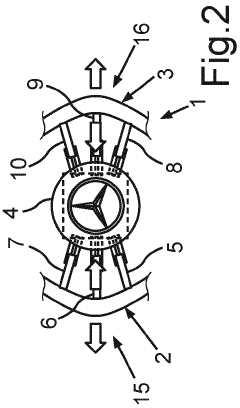
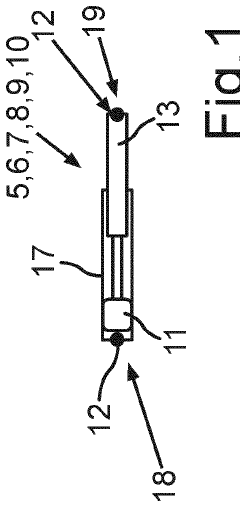
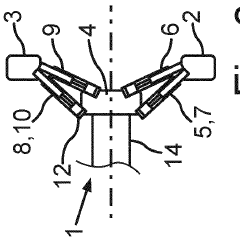
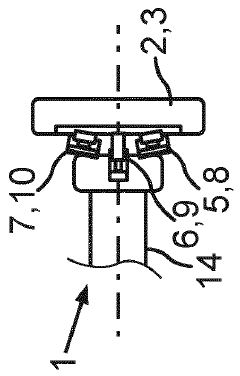
- A steering wheel design featuring at least three telescopic adjustment elements connected to each handle via 3D bearings, allowing for independent adjustment in all spatial dimensions, with optional electromotive, pneumatic, or hydraulic drives for precise length adjustment, and a worm drive for precise control, enabling various positioning options including radial, vertical, and tilting movements.
Safety Regulations for Smart Steering Wheels
Safety regulations for smart steering wheels are a critical aspect of the evolving automotive industry, particularly as steering wheel customization and high-tech options become more prevalent. These regulations aim to ensure that innovative steering wheel designs maintain or enhance vehicle safety standards while accommodating new technologies and features.
One of the primary concerns addressed by safety regulations is the integration of airbag systems with smart steering wheels. Manufacturers must demonstrate that the incorporation of touchscreens, haptic feedback systems, or other interactive elements does not compromise the deployment or effectiveness of steering wheel-mounted airbags. This often requires extensive crash testing and simulation to verify that the airbag can still provide adequate protection in various collision scenarios.
Regulations also focus on the ergonomics and usability of smart steering wheels. As these devices become more complex, there is a risk of driver distraction or confusion. Safety standards typically mandate that core driving functions, such as turn signals and horn activation, remain easily accessible and intuitive to use. Additionally, any touchscreen interfaces or gesture controls must be designed to minimize eyes-off-road time and cognitive load on the driver.
Electromagnetic compatibility (EMC) is another crucial area covered by safety regulations. Smart steering wheels often incorporate various electronic components and wireless technologies. Regulations require that these systems do not interfere with other vehicle electronics or external devices, such as pacemakers or hearing aids. Manufacturers must conduct rigorous EMC testing to ensure compliance with these standards.
Durability and reliability standards are also key components of safety regulations for smart steering wheels. These devices must withstand the rigors of daily use, extreme temperatures, and potential impacts without failure. Regulations often specify minimum performance criteria for button presses, touchscreen responsiveness, and overall structural integrity over the expected lifespan of the vehicle.
Data security and privacy considerations are increasingly important aspects of safety regulations for smart steering wheels. As these devices collect and process more driver data, regulations mandate robust cybersecurity measures to prevent unauthorized access or manipulation of steering wheel systems. This includes protection against hacking attempts that could compromise vehicle control or driver safety.
Lastly, safety regulations address the need for fail-safe mechanisms and redundancy in smart steering wheel systems. In the event of a system failure or malfunction, regulations require that core steering functionality remains operational, ensuring that the driver can maintain control of the vehicle. This often involves the implementation of backup systems or degraded operation modes that prioritize essential functions.
One of the primary concerns addressed by safety regulations is the integration of airbag systems with smart steering wheels. Manufacturers must demonstrate that the incorporation of touchscreens, haptic feedback systems, or other interactive elements does not compromise the deployment or effectiveness of steering wheel-mounted airbags. This often requires extensive crash testing and simulation to verify that the airbag can still provide adequate protection in various collision scenarios.
Regulations also focus on the ergonomics and usability of smart steering wheels. As these devices become more complex, there is a risk of driver distraction or confusion. Safety standards typically mandate that core driving functions, such as turn signals and horn activation, remain easily accessible and intuitive to use. Additionally, any touchscreen interfaces or gesture controls must be designed to minimize eyes-off-road time and cognitive load on the driver.
Electromagnetic compatibility (EMC) is another crucial area covered by safety regulations. Smart steering wheels often incorporate various electronic components and wireless technologies. Regulations require that these systems do not interfere with other vehicle electronics or external devices, such as pacemakers or hearing aids. Manufacturers must conduct rigorous EMC testing to ensure compliance with these standards.
Durability and reliability standards are also key components of safety regulations for smart steering wheels. These devices must withstand the rigors of daily use, extreme temperatures, and potential impacts without failure. Regulations often specify minimum performance criteria for button presses, touchscreen responsiveness, and overall structural integrity over the expected lifespan of the vehicle.
Data security and privacy considerations are increasingly important aspects of safety regulations for smart steering wheels. As these devices collect and process more driver data, regulations mandate robust cybersecurity measures to prevent unauthorized access or manipulation of steering wheel systems. This includes protection against hacking attempts that could compromise vehicle control or driver safety.
Lastly, safety regulations address the need for fail-safe mechanisms and redundancy in smart steering wheel systems. In the event of a system failure or malfunction, regulations require that core steering functionality remains operational, ensuring that the driver can maintain control of the vehicle. This often involves the implementation of backup systems or degraded operation modes that prioritize essential functions.
User Experience and Ergonomic Considerations
The user experience and ergonomic considerations in steering wheel customization are crucial factors that significantly impact driver comfort, safety, and overall satisfaction. As vehicles become more technologically advanced, the steering wheel has evolved from a simple control device to a complex interface that integrates multiple functions and features. This transformation necessitates a careful balance between functionality and usability to ensure that drivers can operate their vehicles efficiently and safely.
Ergonomic design principles play a vital role in steering wheel customization. The shape, size, and material of the steering wheel must be optimized to reduce driver fatigue and enhance grip. Customizable steering wheels often feature adjustable thickness and contours to accommodate different hand sizes and driving styles. Advanced materials such as soft-touch polymers and leather wraps are employed to improve tactile feedback and comfort during extended driving periods.
The integration of controls on the steering wheel has become a standard feature in modern vehicles. However, the placement and design of these controls require careful consideration to prevent driver distraction and ensure ease of use. Customizable steering wheels may offer programmable buttons that allow drivers to assign specific functions based on their preferences. This personalization enhances the user experience by providing quick access to frequently used features without taking hands off the wheel.
Haptic feedback is an emerging technology in steering wheel design that can significantly enhance the user experience. By providing tactile sensations through the steering wheel, drivers can receive important information or alerts without relying solely on visual or auditory cues. This feature can be customized to deliver different types of feedback for various driving conditions or notifications, further improving the driver's situational awareness and safety.
The incorporation of display screens within the steering wheel is another area of innovation that impacts user experience. These displays can provide critical information directly in the driver's line of sight, reducing the need to look away from the road. Customizable options for these displays may include the ability to select which information is shown, adjust display brightness, or even change the layout to suit individual preferences.
Voice control integration with steering wheel buttons allows for hands-free operation of various vehicle systems. This feature enhances both safety and convenience by enabling drivers to maintain focus on the road while accessing navigation, communication, and entertainment functions. Customization options in this area may include the ability to set up personalized voice commands or adjust the sensitivity of voice recognition systems.
As steering wheel customization continues to advance, the challenge lies in balancing technological innovation with simplicity and intuitiveness. Designers must consider the cognitive load placed on drivers and ensure that new features enhance rather than complicate the driving experience. User testing and feedback loops are essential in refining these high-tech options to meet the diverse needs and preferences of drivers while maintaining the primary function of safe vehicle control.
Ergonomic design principles play a vital role in steering wheel customization. The shape, size, and material of the steering wheel must be optimized to reduce driver fatigue and enhance grip. Customizable steering wheels often feature adjustable thickness and contours to accommodate different hand sizes and driving styles. Advanced materials such as soft-touch polymers and leather wraps are employed to improve tactile feedback and comfort during extended driving periods.
The integration of controls on the steering wheel has become a standard feature in modern vehicles. However, the placement and design of these controls require careful consideration to prevent driver distraction and ensure ease of use. Customizable steering wheels may offer programmable buttons that allow drivers to assign specific functions based on their preferences. This personalization enhances the user experience by providing quick access to frequently used features without taking hands off the wheel.
Haptic feedback is an emerging technology in steering wheel design that can significantly enhance the user experience. By providing tactile sensations through the steering wheel, drivers can receive important information or alerts without relying solely on visual or auditory cues. This feature can be customized to deliver different types of feedback for various driving conditions or notifications, further improving the driver's situational awareness and safety.
The incorporation of display screens within the steering wheel is another area of innovation that impacts user experience. These displays can provide critical information directly in the driver's line of sight, reducing the need to look away from the road. Customizable options for these displays may include the ability to select which information is shown, adjust display brightness, or even change the layout to suit individual preferences.
Voice control integration with steering wheel buttons allows for hands-free operation of various vehicle systems. This feature enhances both safety and convenience by enabling drivers to maintain focus on the road while accessing navigation, communication, and entertainment functions. Customization options in this area may include the ability to set up personalized voice commands or adjust the sensitivity of voice recognition systems.
As steering wheel customization continues to advance, the challenge lies in balancing technological innovation with simplicity and intuitiveness. Designers must consider the cognitive load placed on drivers and ensure that new features enhance rather than complicate the driving experience. User testing and feedback loops are essential in refining these high-tech options to meet the diverse needs and preferences of drivers while maintaining the primary function of safe vehicle control.
Unlock deeper insights with PatSnap Eureka Quick Research — get a full tech report to explore trends and direct your research. Try now!
Generate Your Research Report Instantly with AI Agent
Supercharge your innovation with PatSnap Eureka AI Agent Platform!