Superconducting Magnetic Systems vs. Batteries: Longevity Comparison
MAR 7, 20269 MIN READ
Generate Your Research Report Instantly with AI Agent
Patsnap Eureka helps you evaluate technical feasibility & market potential.
Superconducting Magnetic Energy Storage Background and Objectives
Superconducting Magnetic Energy Storage (SMES) technology emerged from the fundamental discovery of superconductivity in 1911 by Heike Kamerlingh Onnes, evolving through decades of materials science breakthroughs and cryogenic engineering advances. The technology leverages the unique property of superconducting materials to conduct electrical current with zero resistance, enabling the storage of electrical energy in magnetic fields created by circulating currents in superconducting coils.
The historical development trajectory of SMES spans from early laboratory demonstrations in the 1970s to commercial applications in the 21st century. Initial research focused on high-temperature superconductor discoveries in the 1980s, which significantly reduced cooling requirements and operational costs. Subsequent developments in cryogenic systems, power electronics, and superconducting wire manufacturing have progressively enhanced system efficiency and reliability.
Contemporary SMES systems represent a paradigm shift in energy storage philosophy, offering instantaneous power delivery and absorption capabilities that distinguish them from electrochemical storage solutions. Unlike conventional batteries that rely on chemical reactions with inherent degradation mechanisms, SMES systems store energy electromagnetically, theoretically enabling unlimited charge-discharge cycles without capacity loss.
The primary technical objectives driving SMES development center on achieving superior longevity characteristics compared to traditional battery systems. Key performance targets include operational lifespans exceeding 30 years with minimal maintenance requirements, cycle life capabilities surpassing one million charge-discharge cycles, and maintaining consistent energy storage capacity throughout the operational period.
Efficiency optimization remains a critical objective, with current systems targeting round-trip efficiencies above 95% while minimizing standby losses through advanced cryogenic management. The technology aims to provide rapid response times measured in milliseconds, enabling applications in power quality management, grid stabilization, and renewable energy integration where instantaneous power compensation is essential.
Economic viability objectives focus on reducing total cost of ownership through extended operational lifespans and minimal maintenance requirements. While initial capital investments remain substantial, the longevity advantages of SMES systems present compelling value propositions for applications requiring frequent cycling and long-term reliability, positioning the technology as a strategic alternative to conventional battery storage solutions in specific high-performance applications.
The historical development trajectory of SMES spans from early laboratory demonstrations in the 1970s to commercial applications in the 21st century. Initial research focused on high-temperature superconductor discoveries in the 1980s, which significantly reduced cooling requirements and operational costs. Subsequent developments in cryogenic systems, power electronics, and superconducting wire manufacturing have progressively enhanced system efficiency and reliability.
Contemporary SMES systems represent a paradigm shift in energy storage philosophy, offering instantaneous power delivery and absorption capabilities that distinguish them from electrochemical storage solutions. Unlike conventional batteries that rely on chemical reactions with inherent degradation mechanisms, SMES systems store energy electromagnetically, theoretically enabling unlimited charge-discharge cycles without capacity loss.
The primary technical objectives driving SMES development center on achieving superior longevity characteristics compared to traditional battery systems. Key performance targets include operational lifespans exceeding 30 years with minimal maintenance requirements, cycle life capabilities surpassing one million charge-discharge cycles, and maintaining consistent energy storage capacity throughout the operational period.
Efficiency optimization remains a critical objective, with current systems targeting round-trip efficiencies above 95% while minimizing standby losses through advanced cryogenic management. The technology aims to provide rapid response times measured in milliseconds, enabling applications in power quality management, grid stabilization, and renewable energy integration where instantaneous power compensation is essential.
Economic viability objectives focus on reducing total cost of ownership through extended operational lifespans and minimal maintenance requirements. While initial capital investments remain substantial, the longevity advantages of SMES systems present compelling value propositions for applications requiring frequent cycling and long-term reliability, positioning the technology as a strategic alternative to conventional battery storage solutions in specific high-performance applications.
Market Demand Analysis for Long-Duration Energy Storage
The global energy storage market is experiencing unprecedented growth driven by the accelerating transition to renewable energy sources and the critical need for grid stability solutions. Wind and solar power generation's inherent intermittency creates substantial demand for long-duration energy storage systems that can store excess energy during peak production periods and discharge it when renewable sources are unavailable. This fundamental challenge has positioned energy storage as a cornerstone technology for achieving carbon neutrality goals worldwide.
Traditional lithium-ion battery systems currently dominate the short-duration storage market, but their economic viability diminishes significantly for applications requiring storage durations exceeding four to six hours. The cost structure of battery systems, heavily influenced by energy capacity requirements, makes them less competitive for long-duration applications where the cost per kilowatt-hour becomes prohibitive. This economic limitation has created a substantial market opportunity for alternative technologies capable of providing cost-effective storage solutions for eight hours to several days.
Superconducting magnetic energy storage systems present a compelling value proposition for specific market segments, particularly applications requiring rapid response times and high power density. The technology's ability to provide instantaneous power delivery with minimal energy loss makes it attractive for grid frequency regulation, power quality management, and industrial applications requiring uninterruptible power supply. The longevity advantage of superconducting systems, with operational lifespans potentially exceeding several decades compared to battery systems requiring replacement every ten to fifteen years, creates significant total cost of ownership benefits.
Market demand is particularly strong in developed economies with aging electrical infrastructure and stringent grid reliability requirements. Utilities are increasingly seeking storage solutions that can provide multiple grid services simultaneously, including peak shaving, load leveling, and ancillary services. The ability of superconducting systems to cycle indefinitely without capacity degradation addresses a critical limitation of battery technologies, where repeated charge-discharge cycles gradually reduce storage capacity and efficiency.
Industrial sectors with high power quality requirements, including semiconductor manufacturing, data centers, and critical infrastructure facilities, represent emerging market segments for long-duration storage solutions. These applications often prioritize reliability and longevity over initial capital costs, making superconducting systems economically attractive despite higher upfront investments. The growing digitalization of industrial processes and increasing sensitivity to power disruptions continue to expand this market segment.
Regulatory frameworks supporting renewable energy integration and grid modernization initiatives are creating additional market drivers. Government policies promoting energy storage deployment through tax incentives, grants, and mandates are accelerating market adoption across multiple regions, establishing favorable conditions for advanced storage technologies to compete with conventional solutions.
Traditional lithium-ion battery systems currently dominate the short-duration storage market, but their economic viability diminishes significantly for applications requiring storage durations exceeding four to six hours. The cost structure of battery systems, heavily influenced by energy capacity requirements, makes them less competitive for long-duration applications where the cost per kilowatt-hour becomes prohibitive. This economic limitation has created a substantial market opportunity for alternative technologies capable of providing cost-effective storage solutions for eight hours to several days.
Superconducting magnetic energy storage systems present a compelling value proposition for specific market segments, particularly applications requiring rapid response times and high power density. The technology's ability to provide instantaneous power delivery with minimal energy loss makes it attractive for grid frequency regulation, power quality management, and industrial applications requiring uninterruptible power supply. The longevity advantage of superconducting systems, with operational lifespans potentially exceeding several decades compared to battery systems requiring replacement every ten to fifteen years, creates significant total cost of ownership benefits.
Market demand is particularly strong in developed economies with aging electrical infrastructure and stringent grid reliability requirements. Utilities are increasingly seeking storage solutions that can provide multiple grid services simultaneously, including peak shaving, load leveling, and ancillary services. The ability of superconducting systems to cycle indefinitely without capacity degradation addresses a critical limitation of battery technologies, where repeated charge-discharge cycles gradually reduce storage capacity and efficiency.
Industrial sectors with high power quality requirements, including semiconductor manufacturing, data centers, and critical infrastructure facilities, represent emerging market segments for long-duration storage solutions. These applications often prioritize reliability and longevity over initial capital costs, making superconducting systems economically attractive despite higher upfront investments. The growing digitalization of industrial processes and increasing sensitivity to power disruptions continue to expand this market segment.
Regulatory frameworks supporting renewable energy integration and grid modernization initiatives are creating additional market drivers. Government policies promoting energy storage deployment through tax incentives, grants, and mandates are accelerating market adoption across multiple regions, establishing favorable conditions for advanced storage technologies to compete with conventional solutions.
Current Status of SMES vs Battery Longevity Technologies
Superconducting Magnetic Energy Storage (SMES) systems currently demonstrate exceptional longevity characteristics compared to conventional battery technologies. SMES systems can theoretically operate for over 30 years with minimal degradation, as they store energy in magnetic fields rather than through chemical processes. The absence of chemical reactions eliminates the primary aging mechanisms that plague battery systems, resulting in virtually unlimited charge-discharge cycles without capacity loss.
Contemporary lithium-ion batteries, the current industry standard, typically achieve 3,000 to 8,000 cycles before reaching 80% of their original capacity. Advanced lithium iron phosphate (LiFePO4) batteries extend this to approximately 10,000 cycles under optimal conditions. However, even the most sophisticated battery chemistries face fundamental limitations due to electrode degradation, electrolyte decomposition, and solid electrolyte interface formation during cycling.
SMES technology faces distinct challenges that impact practical longevity. Cryogenic cooling requirements for maintaining superconducting states introduce mechanical stress and thermal cycling effects on system components. High-temperature superconductor (HTS) based SMES systems operating at liquid nitrogen temperatures (77K) show improved practical longevity compared to low-temperature superconductor systems requiring liquid helium cooling.
Current SMES installations demonstrate remarkable stability over extended periods. The Bonneville Power Administration's SMES unit has operated for over two decades with consistent performance metrics. Similarly, utility-scale SMES systems in Japan and Europe report minimal performance degradation after 15+ years of operation, validating theoretical longevity projections.
Battery longevity technologies have advanced significantly through improved electrode materials, electrolyte formulations, and battery management systems. Solid-state batteries represent the next frontier, potentially achieving 15,000+ cycles through elimination of liquid electrolytes. However, these technologies remain in development phases and have not yet achieved commercial viability at scale.
The longevity comparison reveals SMES systems' superior theoretical and demonstrated lifespan, though practical implementation costs and complexity currently limit widespread adoption compared to rapidly improving battery technologies.
Contemporary lithium-ion batteries, the current industry standard, typically achieve 3,000 to 8,000 cycles before reaching 80% of their original capacity. Advanced lithium iron phosphate (LiFePO4) batteries extend this to approximately 10,000 cycles under optimal conditions. However, even the most sophisticated battery chemistries face fundamental limitations due to electrode degradation, electrolyte decomposition, and solid electrolyte interface formation during cycling.
SMES technology faces distinct challenges that impact practical longevity. Cryogenic cooling requirements for maintaining superconducting states introduce mechanical stress and thermal cycling effects on system components. High-temperature superconductor (HTS) based SMES systems operating at liquid nitrogen temperatures (77K) show improved practical longevity compared to low-temperature superconductor systems requiring liquid helium cooling.
Current SMES installations demonstrate remarkable stability over extended periods. The Bonneville Power Administration's SMES unit has operated for over two decades with consistent performance metrics. Similarly, utility-scale SMES systems in Japan and Europe report minimal performance degradation after 15+ years of operation, validating theoretical longevity projections.
Battery longevity technologies have advanced significantly through improved electrode materials, electrolyte formulations, and battery management systems. Solid-state batteries represent the next frontier, potentially achieving 15,000+ cycles through elimination of liquid electrolytes. However, these technologies remain in development phases and have not yet achieved commercial viability at scale.
The longevity comparison reveals SMES systems' superior theoretical and demonstrated lifespan, though practical implementation costs and complexity currently limit widespread adoption compared to rapidly improving battery technologies.
Current Longevity Solutions in Magnetic and Chemical Storage
01 Superconducting energy storage systems for battery applications
Superconducting magnetic energy storage (SMES) systems can be integrated with battery systems to enhance overall energy storage performance and longevity. These systems utilize superconducting coils to store energy in magnetic fields, providing rapid charge and discharge capabilities that complement battery characteristics. The integration helps reduce stress on batteries during peak demand periods, thereby extending their operational lifespan. The superconducting components can handle high power transients while batteries provide sustained energy delivery.- Superconducting energy storage systems for battery applications: Superconducting magnetic energy storage (SMES) systems can be integrated with battery systems to enhance overall energy storage performance and longevity. These systems utilize superconducting coils to store energy in magnetic fields, providing rapid charge and discharge capabilities that complement battery characteristics. The integration helps reduce stress on batteries during peak demand periods, thereby extending their operational lifespan. The superconducting components can handle high power transients while batteries provide sustained energy delivery.
- Thermal management systems for superconducting magnets and batteries: Effective thermal management is critical for maintaining both superconducting magnetic systems at cryogenic temperatures and preventing battery degradation due to heat. Advanced cooling systems and thermal insulation technologies are employed to maintain optimal operating temperatures for superconducting materials while managing heat generation in battery packs. Proper thermal control prevents premature aging of batteries and maintains the superconducting state, ensuring system reliability and extended service life.
- Power conditioning and control systems for hybrid superconducting-battery systems: Sophisticated power electronics and control algorithms are essential for managing energy flow between superconducting magnetic storage systems and battery arrays. These systems optimize charge and discharge cycles, balance load distribution, and protect both components from electrical stress. Advanced monitoring and control strategies ensure efficient energy transfer while minimizing losses and preventing conditions that could reduce battery longevity. The integration of intelligent control systems enables seamless operation and maximizes the lifespan of both technologies.
- Materials and design for enhanced durability in superconducting systems: Advanced superconducting materials and structural designs contribute to the longevity of magnetic energy storage systems. High-temperature superconductors and improved coil designs reduce mechanical stress and thermal cycling effects that can degrade performance over time. Protective coatings and encapsulation methods shield superconducting components from environmental factors. These material innovations and design improvements directly impact the reliability and maintenance requirements of systems that work in conjunction with battery storage.
- Battery management systems optimized for superconducting hybrid applications: Specialized battery management systems are designed to work with superconducting magnetic storage to maximize battery lifespan. These systems monitor cell health, manage state of charge, and implement charging strategies that account for the unique characteristics of hybrid energy storage. Predictive algorithms assess battery degradation and adjust operational parameters to extend service life. The integration considers the complementary nature of superconducting and electrochemical storage, optimizing each technology's strengths while minimizing weaknesses that affect longevity.
02 Thermal management systems for superconducting magnets and batteries
Advanced cooling and thermal management technologies are critical for maintaining optimal operating temperatures in both superconducting magnetic systems and battery packs. Effective thermal control prevents degradation of superconducting materials and battery cells, significantly improving system longevity. These systems employ cryogenic cooling for superconductors and active thermal regulation for batteries, ensuring stable performance across varying operational conditions. Integrated thermal management solutions can monitor and adjust temperatures to prevent hotspots and maintain efficiency.Expand Specific Solutions03 Power conditioning and control systems for hybrid energy storage
Sophisticated power electronics and control algorithms manage the interaction between superconducting magnetic storage and battery systems to optimize performance and extend service life. These systems regulate charge and discharge cycles, balance power distribution, and protect both components from electrical stress. Advanced monitoring capabilities track system health parameters and adjust operational parameters in real-time to maximize longevity. The control systems can predict and prevent conditions that would accelerate degradation of either storage technology.Expand Specific Solutions04 Materials and construction methods for durable superconducting systems
Novel superconducting materials and fabrication techniques enhance the durability and operational lifetime of magnetic energy storage systems. These innovations include improved wire compositions, enhanced insulation materials, and robust structural designs that withstand repeated thermal and electromagnetic cycling. Advanced manufacturing processes ensure consistent quality and reliability of superconducting components. The materials are selected to minimize degradation over extended operational periods while maintaining superconducting properties.Expand Specific Solutions05 Battery management systems integrated with superconducting storage
Integrated battery management systems work in conjunction with superconducting magnetic storage to monitor cell health, optimize charging strategies, and extend battery lifespan. These systems employ sophisticated algorithms to balance load distribution between superconducting and electrochemical storage, reducing wear on battery cells. Real-time diagnostics identify potential failure modes early, enabling preventive maintenance. The management systems coordinate energy flow to minimize cycling stress and maintain batteries within optimal operating windows.Expand Specific Solutions
Major Players in SMES and Advanced Battery Industries
The superconducting magnetic systems versus batteries longevity comparison represents an emerging competitive landscape at the intersection of advanced energy storage and magnetic levitation technologies. The industry is in its early development stage, with significant market potential driven by applications in transportation, energy storage, and industrial systems. Market size remains nascent but shows substantial growth prospects as infrastructure demands increase globally. Technology maturity varies significantly across key players, with established industrial giants like Hitachi Ltd., General Electric Company, and Siemens AG leveraging decades of electromagnetic systems expertise, while companies such as BYD Co. Ltd., Samsung SDI Co. Ltd., and LG Chem Ltd. dominate battery technology advancement. Research institutions including Korea Advanced Institute of Science & Technology and The Regents of the University of California are pushing fundamental breakthroughs in superconducting materials. Emerging specialists like Renaissance Fusion SASU and Highview Enterprises Ltd. are developing novel applications combining both technologies, indicating a convergent technological evolution that may redefine energy storage paradigms.
Hitachi Ltd.
Technical Solution: Hitachi has developed superconducting magnetic bearing systems and SMES technologies that leverage high-temperature superconductors for long-term energy storage and mechanical applications. Their superconducting systems are designed for continuous operation spanning 30+ years with minimal performance degradation when maintained under proper cryogenic conditions. Hitachi's approach focuses on reducing cooling requirements through improved superconducting materials and system design optimization. The company's superconducting magnetic systems demonstrate superior longevity compared to conventional battery storage, with the ability to maintain performance characteristics over decades of operation.
Strengths: Extended operational lifespan, minimal performance degradation, proven industrial applications, advanced cryogenic technology. Weaknesses: Complex cooling infrastructure, high initial investment, specialized technical expertise required for maintenance.
General Electric Company
Technical Solution: GE has pioneered superconducting magnetic systems for various applications including MRI machines and power generation equipment. Their superconducting technology focuses on niobium-titanium and niobium-tin conductors that can operate for decades without performance loss when properly maintained. GE's superconducting systems demonstrate operational lifespans of 25-40 years compared to lithium-ion batteries which typically require replacement every 8-15 years. The company has integrated advanced cryogenic systems and monitoring technologies to ensure consistent performance and longevity of their superconducting magnetic systems.
Strengths: Proven long-term reliability, extensive operational experience, robust cryogenic infrastructure. Weaknesses: High energy consumption for cooling, significant upfront investment, specialized maintenance requirements.
Core Technologies in Superconducting Materials and Cycles
A method of storing energy and a cryogenic energy storage system
PatentActiveEP1989400A1
Innovation
- A cryogenic energy storage system using a cryogenic working fluid, such as liquid air, that stores energy by pumping, heating, and expanding the cryogen to drive a turbine for electricity generation or propulsion, leveraging waste heat and ambient temperature for enhanced efficiency.
Design for Hybrid Super-Capacitor / Battery Systems in Pulsed Power Applications
PatentActiveUS20140339902A1
Innovation
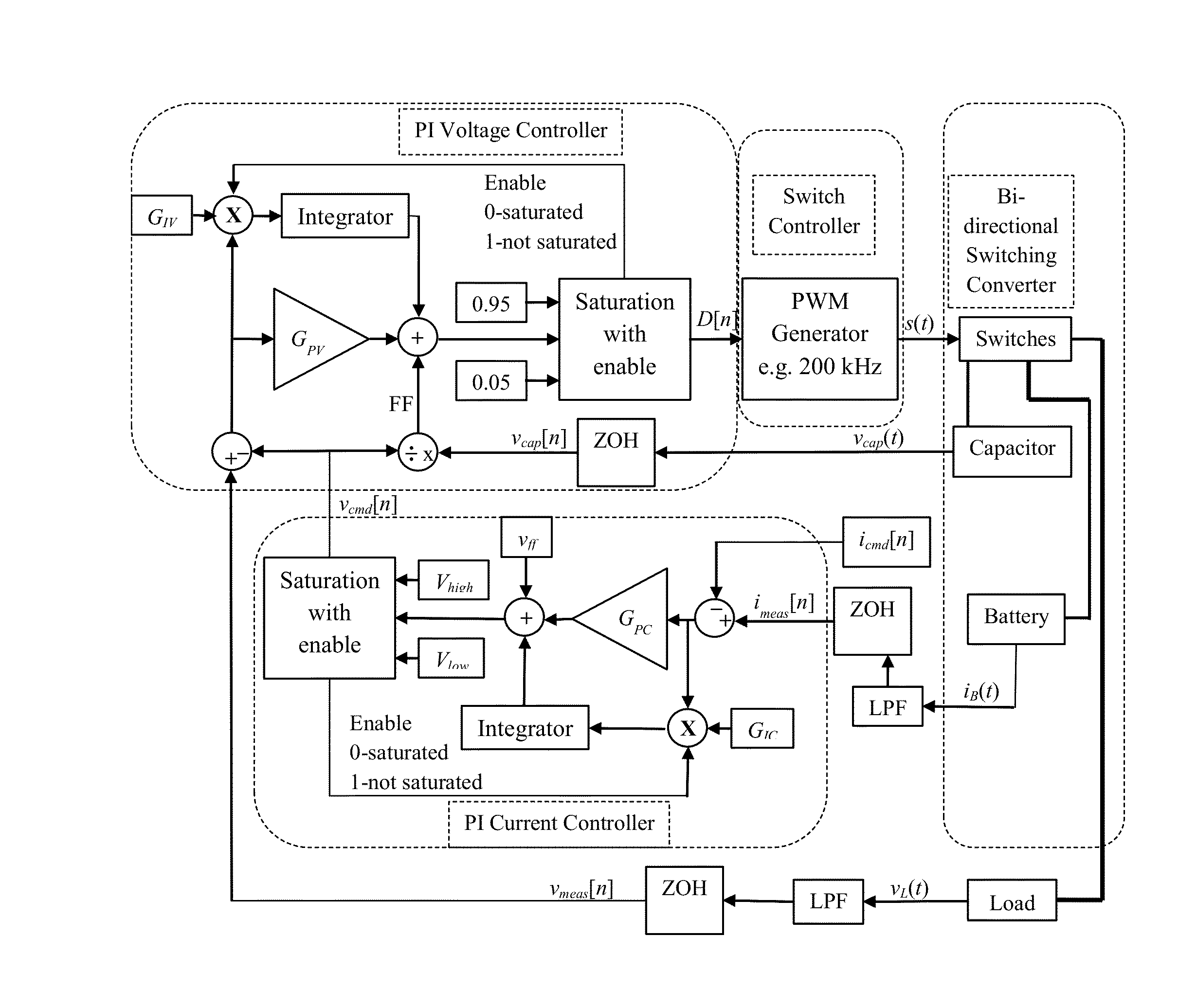
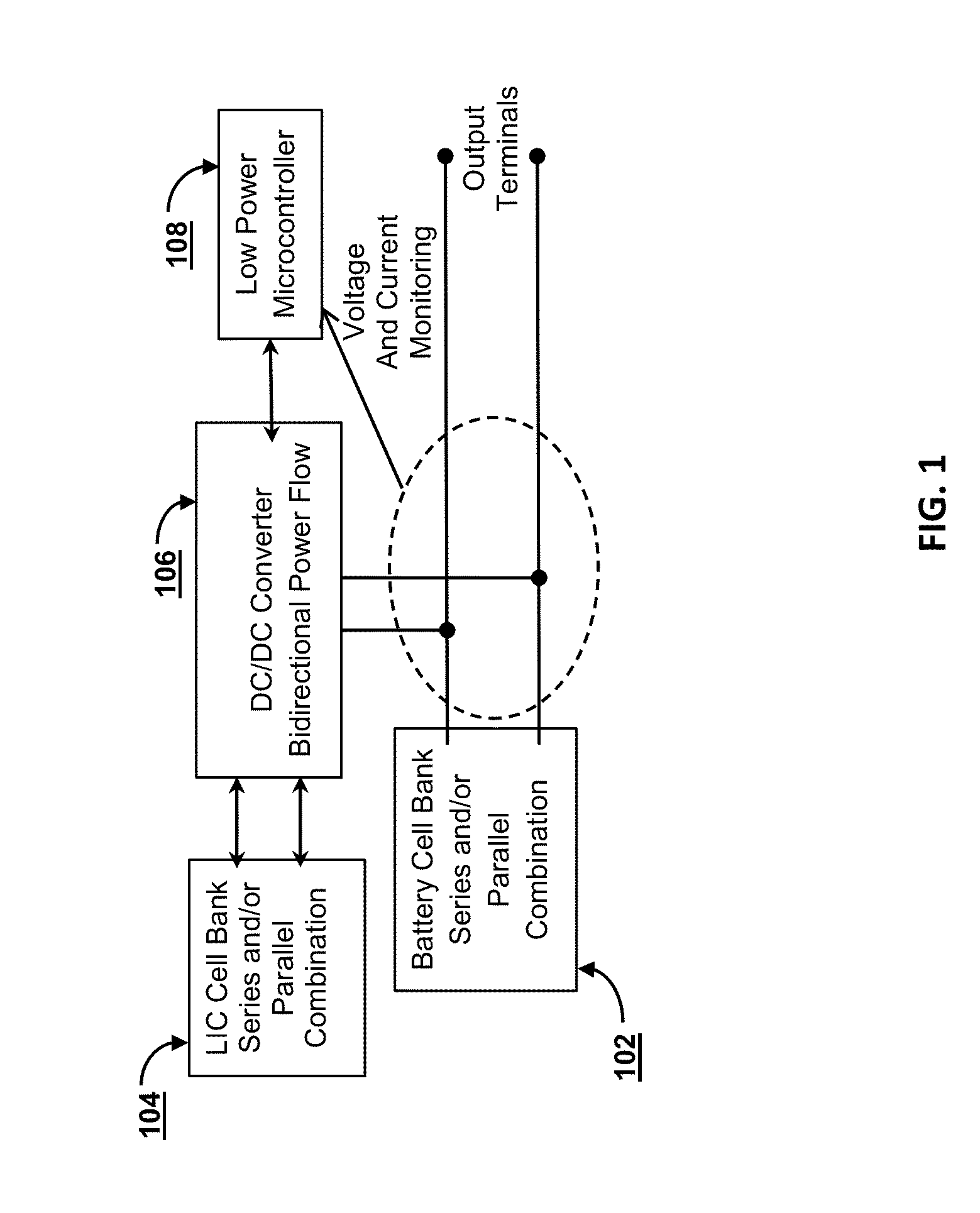
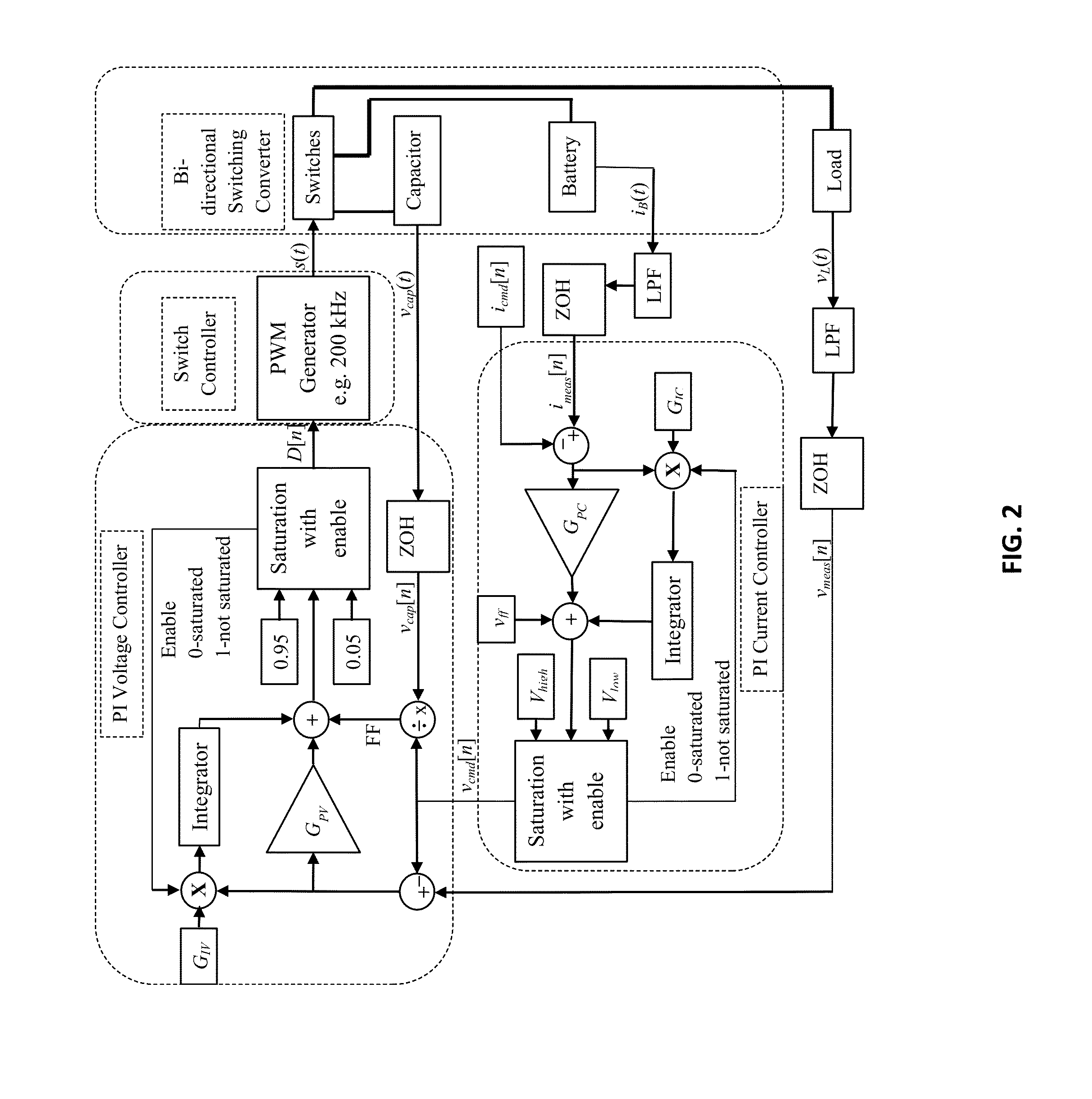
- A hybrid super-capacitor/battery system incorporating a super-capacitor unit and a battery unit, connected via a DC/DC converter and a power control system with inner voltage and outer current control loops, along with a switch controller using pulse width modulation, to manage energy flow and optimize performance by leveraging the strengths of both technologies.

Environmental Impact Assessment of Storage Technologies
The environmental implications of energy storage technologies represent a critical consideration in the transition toward sustainable energy systems. Superconducting magnetic energy storage (SMES) and battery technologies present distinctly different environmental profiles throughout their operational lifecycles, with implications extending from raw material extraction to end-of-life disposal.
SMES systems demonstrate superior environmental performance during operational phases due to their minimal material degradation and absence of chemical reactions. These systems utilize superconducting coils and cryogenic cooling systems that maintain their structural integrity over extended periods, eliminating the need for periodic material replacement. The primary environmental concern centers on energy consumption for cryogenic cooling, typically requiring 10-15% of stored energy for maintaining superconducting temperatures.
Battery technologies, particularly lithium-ion systems, present more complex environmental challenges. The extraction of lithium, cobalt, and rare earth elements involves intensive mining operations with significant ecological disruption. Manufacturing processes generate substantial carbon emissions, with typical lithium-ion batteries producing 150-200 kg CO2 equivalent per kWh of capacity during production phases.
Operational environmental impacts reveal stark contrasts between technologies. SMES systems maintain consistent performance without material degradation, resulting in stable environmental footprints over decades. Battery systems experience gradual capacity degradation, requiring replacement every 8-15 years depending on application and chemistry, multiplying their cumulative environmental impact through repeated manufacturing cycles.
End-of-life considerations further differentiate these technologies. SMES components, primarily consisting of superconducting materials and structural elements, offer high recyclability rates exceeding 90%. The superconducting materials retain their properties and can be reprocessed for new applications. Battery recycling remains challenging, with current lithium-ion recycling rates below 50% globally, leading to significant waste streams and potential soil and water contamination from improperly disposed units.
Carbon footprint analysis over extended operational periods favors SMES systems despite higher initial manufacturing emissions. While SMES installation may generate 50-70 kg CO2 equivalent per kWh initially, their 30-year operational lifespan without replacement significantly reduces lifetime emissions compared to battery systems requiring multiple replacement cycles.
SMES systems demonstrate superior environmental performance during operational phases due to their minimal material degradation and absence of chemical reactions. These systems utilize superconducting coils and cryogenic cooling systems that maintain their structural integrity over extended periods, eliminating the need for periodic material replacement. The primary environmental concern centers on energy consumption for cryogenic cooling, typically requiring 10-15% of stored energy for maintaining superconducting temperatures.
Battery technologies, particularly lithium-ion systems, present more complex environmental challenges. The extraction of lithium, cobalt, and rare earth elements involves intensive mining operations with significant ecological disruption. Manufacturing processes generate substantial carbon emissions, with typical lithium-ion batteries producing 150-200 kg CO2 equivalent per kWh of capacity during production phases.
Operational environmental impacts reveal stark contrasts between technologies. SMES systems maintain consistent performance without material degradation, resulting in stable environmental footprints over decades. Battery systems experience gradual capacity degradation, requiring replacement every 8-15 years depending on application and chemistry, multiplying their cumulative environmental impact through repeated manufacturing cycles.
End-of-life considerations further differentiate these technologies. SMES components, primarily consisting of superconducting materials and structural elements, offer high recyclability rates exceeding 90%. The superconducting materials retain their properties and can be reprocessed for new applications. Battery recycling remains challenging, with current lithium-ion recycling rates below 50% globally, leading to significant waste streams and potential soil and water contamination from improperly disposed units.
Carbon footprint analysis over extended operational periods favors SMES systems despite higher initial manufacturing emissions. While SMES installation may generate 50-70 kg CO2 equivalent per kWh initially, their 30-year operational lifespan without replacement significantly reduces lifetime emissions compared to battery systems requiring multiple replacement cycles.
Economic Lifecycle Cost Analysis Framework
The economic lifecycle cost analysis framework for comparing superconducting magnetic systems and batteries requires a comprehensive evaluation methodology that encompasses both direct and indirect cost components over the entire operational lifespan. This framework establishes standardized metrics for total cost of ownership calculations, enabling accurate financial comparisons between these fundamentally different energy storage technologies.
Initial capital expenditure analysis forms the foundation of this framework, incorporating equipment procurement costs, installation expenses, and infrastructure requirements. Superconducting magnetic systems typically demand substantial upfront investments for cryogenic cooling systems, specialized containment vessels, and high-grade superconducting materials. Battery systems require consideration of cell manufacturing costs, battery management systems, and thermal regulation infrastructure.
Operational expenditure modeling captures recurring costs throughout the system lifecycle, including energy consumption for cooling systems in superconducting applications, maintenance schedules, and performance degradation impacts. The framework incorporates time-value-of-money calculations using appropriate discount rates to ensure fair comparison of costs occurring at different lifecycle stages.
Replacement and refurbishment cost projections represent critical framework components, particularly given the distinct degradation patterns of each technology. Battery systems experience gradual capacity fade requiring periodic cell replacement, while superconducting systems may require less frequent but more substantial component overhauls. The framework accounts for technology improvement curves that may reduce future replacement costs.
End-of-life value recovery calculations complete the economic assessment, incorporating material recovery potential, disposal costs, and residual asset values. Superconducting systems often contain valuable rare earth materials with significant recovery potential, while battery recycling economics depend on material composition and recycling infrastructure maturity.
Risk-adjusted cost modeling incorporates uncertainty factors such as technology obsolescence, performance variability, and market price fluctuations. Monte Carlo simulation techniques enable probabilistic cost analysis, providing confidence intervals for lifecycle cost projections rather than single-point estimates.
The framework establishes standardized performance normalization metrics, ensuring cost comparisons account for functional differences between technologies. This includes energy density considerations, response time capabilities, and operational flexibility factors that impact overall system value proposition beyond pure cost metrics.
Initial capital expenditure analysis forms the foundation of this framework, incorporating equipment procurement costs, installation expenses, and infrastructure requirements. Superconducting magnetic systems typically demand substantial upfront investments for cryogenic cooling systems, specialized containment vessels, and high-grade superconducting materials. Battery systems require consideration of cell manufacturing costs, battery management systems, and thermal regulation infrastructure.
Operational expenditure modeling captures recurring costs throughout the system lifecycle, including energy consumption for cooling systems in superconducting applications, maintenance schedules, and performance degradation impacts. The framework incorporates time-value-of-money calculations using appropriate discount rates to ensure fair comparison of costs occurring at different lifecycle stages.
Replacement and refurbishment cost projections represent critical framework components, particularly given the distinct degradation patterns of each technology. Battery systems experience gradual capacity fade requiring periodic cell replacement, while superconducting systems may require less frequent but more substantial component overhauls. The framework accounts for technology improvement curves that may reduce future replacement costs.
End-of-life value recovery calculations complete the economic assessment, incorporating material recovery potential, disposal costs, and residual asset values. Superconducting systems often contain valuable rare earth materials with significant recovery potential, while battery recycling economics depend on material composition and recycling infrastructure maturity.
Risk-adjusted cost modeling incorporates uncertainty factors such as technology obsolescence, performance variability, and market price fluctuations. Monte Carlo simulation techniques enable probabilistic cost analysis, providing confidence intervals for lifecycle cost projections rather than single-point estimates.
The framework establishes standardized performance normalization metrics, ensuring cost comparisons account for functional differences between technologies. This includes energy density considerations, response time capabilities, and operational flexibility factors that impact overall system value proposition beyond pure cost metrics.
Unlock deeper insights with Patsnap Eureka Quick Research — get a full tech report to explore trends and direct your research. Try now!
Generate Your Research Report Instantly with AI Agent
Supercharge your innovation with Patsnap Eureka AI Agent Platform!