

Surface Microtexturing for Cell Adhesion and Tissue Engineering
OCT 13, 20259 MIN READ
Generate Your Research Report Instantly with AI Agent
PatSnap Eureka helps you evaluate technical feasibility & market potential.
Surface Microtexturing Background and Objectives
Surface microtexturing has emerged as a pivotal technology in biomedical engineering over the past three decades, evolving from rudimentary surface modification techniques to sophisticated micro and nanoscale patterning methodologies. This technological progression has been driven by the fundamental understanding that cell behavior—including adhesion, proliferation, migration, and differentiation—is significantly influenced by the topographical features of their substrate environment.
The field began gaining momentum in the 1990s when researchers first demonstrated that microscale surface modifications could direct cell alignment and growth. By the early 2000s, advances in microfabrication techniques borrowed from the semiconductor industry enabled more precise control over surface features, leading to the development of biomimetic surfaces that replicate natural extracellular matrix structures.
Current technological trends indicate a convergence of multiple disciplines, including materials science, cell biology, and micro/nanofabrication, to create increasingly sophisticated surface textures. The integration of smart materials and stimuli-responsive surfaces represents the cutting edge of this field, allowing for dynamic control over cell-material interactions.
The primary objective of surface microtexturing research is to develop biocompatible interfaces that can precisely control cellular responses for tissue engineering applications. This includes creating surfaces that can selectively promote adhesion of specific cell types while inhibiting others, guiding tissue formation in predetermined patterns, and enhancing the integration of implantable medical devices with host tissues.
Secondary objectives encompass the development of standardized fabrication protocols that are scalable for industrial production, ensuring reproducibility across different manufacturing batches. Additionally, researchers aim to establish comprehensive design principles that correlate specific surface parameters (feature size, spacing, geometry, and stiffness) with predictable cellular responses.
Long-term goals include the creation of "instructive" surfaces capable of programming complex cellular behaviors without the need for biochemical factors, potentially revolutionizing regenerative medicine approaches. Furthermore, the field seeks to develop surfaces that can adapt to changing physiological conditions, providing temporal control over tissue development processes.
The technological trajectory suggests that future advancements will likely focus on multi-scale texturing approaches that combine micro and nanoscale features to more accurately mimic the hierarchical organization of natural tissues. Integration with other emerging technologies, such as 3D bioprinting and organ-on-chip platforms, is expected to further expand the applications of surface microtexturing in personalized medicine and drug development.
The field began gaining momentum in the 1990s when researchers first demonstrated that microscale surface modifications could direct cell alignment and growth. By the early 2000s, advances in microfabrication techniques borrowed from the semiconductor industry enabled more precise control over surface features, leading to the development of biomimetic surfaces that replicate natural extracellular matrix structures.
Current technological trends indicate a convergence of multiple disciplines, including materials science, cell biology, and micro/nanofabrication, to create increasingly sophisticated surface textures. The integration of smart materials and stimuli-responsive surfaces represents the cutting edge of this field, allowing for dynamic control over cell-material interactions.
The primary objective of surface microtexturing research is to develop biocompatible interfaces that can precisely control cellular responses for tissue engineering applications. This includes creating surfaces that can selectively promote adhesion of specific cell types while inhibiting others, guiding tissue formation in predetermined patterns, and enhancing the integration of implantable medical devices with host tissues.
Secondary objectives encompass the development of standardized fabrication protocols that are scalable for industrial production, ensuring reproducibility across different manufacturing batches. Additionally, researchers aim to establish comprehensive design principles that correlate specific surface parameters (feature size, spacing, geometry, and stiffness) with predictable cellular responses.
Long-term goals include the creation of "instructive" surfaces capable of programming complex cellular behaviors without the need for biochemical factors, potentially revolutionizing regenerative medicine approaches. Furthermore, the field seeks to develop surfaces that can adapt to changing physiological conditions, providing temporal control over tissue development processes.
The technological trajectory suggests that future advancements will likely focus on multi-scale texturing approaches that combine micro and nanoscale features to more accurately mimic the hierarchical organization of natural tissues. Integration with other emerging technologies, such as 3D bioprinting and organ-on-chip platforms, is expected to further expand the applications of surface microtexturing in personalized medicine and drug development.
Market Analysis for Tissue Engineering Applications
The global tissue engineering market is experiencing robust growth, valued at approximately $12.8 billion in 2023 and projected to reach $31.2 billion by 2028, representing a compound annual growth rate (CAGR) of 19.5%. Surface microtexturing technologies specifically are becoming increasingly vital within this expanding market, as they directly influence cell adhesion, proliferation, and tissue formation outcomes.
North America currently dominates the tissue engineering market with about 42% market share, followed by Europe (28%) and Asia-Pacific (22%), with the latter showing the fastest growth trajectory. This regional distribution reflects both research capabilities and healthcare expenditure patterns across global markets.
Within the tissue engineering sector, orthopedic and musculoskeletal applications represent the largest segment (34% of market share), followed by cardiovascular (22%), skin/integumentary (18%), and neurological applications (12%). Surface microtexturing technologies have particularly strong demand in orthopedic implants, where cell adhesion properties directly impact osseointegration and implant success rates.
Key market drivers accelerating adoption of advanced surface microtexturing include the aging global population, rising prevalence of chronic diseases requiring tissue replacement, and increasing surgical procedure volumes. Additionally, growing patient preference for minimally invasive procedures and personalized medicine approaches are creating demand for sophisticated tissue engineering solutions with optimized surface properties.
Healthcare providers are increasingly recognizing the clinical and economic benefits of enhanced surface microtexturing, as improved cell adhesion correlates with reduced implant failure rates, fewer revision surgeries, and shorter hospital stays. These outcomes translate to significant cost savings within healthcare systems, estimated at $15,000-25,000 per avoided revision surgery.
Regulatory pathways are evolving to accommodate innovative surface technologies, with the FDA's Center for Devices and Radiological Health (CDRH) developing specific guidance for surface modification technologies. The European Medical Device Regulation (MDR) similarly includes provisions addressing surface characteristics of implantable devices, reflecting regulatory recognition of surface engineering's importance.
Market challenges include high development and manufacturing costs for precision surface engineering, complex regulatory approval processes, and the need for extensive clinical validation. Despite these barriers, venture capital investment in surface technology startups reached $780 million in 2022, indicating strong financial market confidence in the sector's growth potential.
North America currently dominates the tissue engineering market with about 42% market share, followed by Europe (28%) and Asia-Pacific (22%), with the latter showing the fastest growth trajectory. This regional distribution reflects both research capabilities and healthcare expenditure patterns across global markets.
Within the tissue engineering sector, orthopedic and musculoskeletal applications represent the largest segment (34% of market share), followed by cardiovascular (22%), skin/integumentary (18%), and neurological applications (12%). Surface microtexturing technologies have particularly strong demand in orthopedic implants, where cell adhesion properties directly impact osseointegration and implant success rates.
Key market drivers accelerating adoption of advanced surface microtexturing include the aging global population, rising prevalence of chronic diseases requiring tissue replacement, and increasing surgical procedure volumes. Additionally, growing patient preference for minimally invasive procedures and personalized medicine approaches are creating demand for sophisticated tissue engineering solutions with optimized surface properties.
Healthcare providers are increasingly recognizing the clinical and economic benefits of enhanced surface microtexturing, as improved cell adhesion correlates with reduced implant failure rates, fewer revision surgeries, and shorter hospital stays. These outcomes translate to significant cost savings within healthcare systems, estimated at $15,000-25,000 per avoided revision surgery.
Regulatory pathways are evolving to accommodate innovative surface technologies, with the FDA's Center for Devices and Radiological Health (CDRH) developing specific guidance for surface modification technologies. The European Medical Device Regulation (MDR) similarly includes provisions addressing surface characteristics of implantable devices, reflecting regulatory recognition of surface engineering's importance.
Market challenges include high development and manufacturing costs for precision surface engineering, complex regulatory approval processes, and the need for extensive clinical validation. Despite these barriers, venture capital investment in surface technology startups reached $780 million in 2022, indicating strong financial market confidence in the sector's growth potential.
Current Challenges in Cell Adhesion Technologies
Despite significant advancements in cell adhesion technologies for tissue engineering applications, several critical challenges persist that impede optimal performance and widespread clinical adoption. The primary challenge remains achieving precise control over cell-substrate interactions at the micro and nanoscale levels. Current surface microtexturing techniques often struggle to consistently reproduce the complex topographical features necessary for guiding specific cell behaviors such as adhesion, migration, and differentiation.
Material biocompatibility presents another significant hurdle, as many advanced microtexturing processes utilize chemicals or treatments that may leave residues detrimental to cell viability. The balance between creating surfaces that promote strong initial cell attachment while allowing subsequent cellular processes like migration remains difficult to achieve with current technologies.
Scalability represents a major bottleneck in transitioning from laboratory research to clinical applications. Many promising microtexturing techniques demonstrate excellent results in small-scale experimental settings but face significant challenges when scaled to dimensions required for practical tissue engineering applications. This scaling issue is particularly problematic for technologies requiring high-precision features over large surface areas.
The durability of microtextured surfaces under physiological conditions poses another substantial challenge. Surface modifications often degrade over time when exposed to biological fluids, enzymatic activity, and mechanical stresses, compromising their long-term effectiveness in implantable devices or tissue constructs.
Standardization across the field remains inadequate, with researchers employing diverse methodologies for surface characterization and cell response evaluation. This lack of standardized protocols makes comparative analysis between different studies challenging and hinders the establishment of clear design principles for optimizing cell adhesion.
The translation gap between in vitro success and in vivo performance continues to be problematic. Surface microtexturing that demonstrates promising results in controlled laboratory environments frequently fails to replicate these outcomes in the complex in vivo environment, where factors such as protein adsorption, immune responses, and dynamic mechanical forces significantly alter cell-surface interactions.
Cost-effectiveness remains a significant barrier, particularly for advanced microtexturing techniques requiring specialized equipment and expertise. The economic viability of implementing these technologies at scale for clinical applications is questionable without substantial improvements in manufacturing efficiency.
Material biocompatibility presents another significant hurdle, as many advanced microtexturing processes utilize chemicals or treatments that may leave residues detrimental to cell viability. The balance between creating surfaces that promote strong initial cell attachment while allowing subsequent cellular processes like migration remains difficult to achieve with current technologies.
Scalability represents a major bottleneck in transitioning from laboratory research to clinical applications. Many promising microtexturing techniques demonstrate excellent results in small-scale experimental settings but face significant challenges when scaled to dimensions required for practical tissue engineering applications. This scaling issue is particularly problematic for technologies requiring high-precision features over large surface areas.
The durability of microtextured surfaces under physiological conditions poses another substantial challenge. Surface modifications often degrade over time when exposed to biological fluids, enzymatic activity, and mechanical stresses, compromising their long-term effectiveness in implantable devices or tissue constructs.
Standardization across the field remains inadequate, with researchers employing diverse methodologies for surface characterization and cell response evaluation. This lack of standardized protocols makes comparative analysis between different studies challenging and hinders the establishment of clear design principles for optimizing cell adhesion.
The translation gap between in vitro success and in vivo performance continues to be problematic. Surface microtexturing that demonstrates promising results in controlled laboratory environments frequently fails to replicate these outcomes in the complex in vivo environment, where factors such as protein adsorption, immune responses, and dynamic mechanical forces significantly alter cell-surface interactions.
Cost-effectiveness remains a significant barrier, particularly for advanced microtexturing techniques requiring specialized equipment and expertise. The economic viability of implementing these technologies at scale for clinical applications is questionable without substantial improvements in manufacturing efficiency.
Current Microtexturing Methods for Biocompatible Surfaces
01 Microtextured surfaces for enhanced cell adhesion
Microtextured surfaces with specific patterns and dimensions can significantly enhance cell adhesion properties. These engineered surface topographies create optimal conditions for cells to attach, spread, and proliferate. The microtexturing can include various patterns such as grooves, pillars, or pits at the micro or nano scale that mimic natural extracellular matrix structures, providing physical cues that guide cell behavior and improve adhesion strength.- Microtextured surfaces for controlling cell adhesion: Microtextured surfaces with specific patterns and dimensions can be engineered to control cell adhesion properties. These surfaces contain microscale features such as grooves, pillars, or wells that influence how cells attach, spread, and proliferate. By manipulating the surface topography at the micro level, researchers can enhance or inhibit cell adhesion depending on the application requirements. This approach is particularly useful in tissue engineering and implantable medical devices where controlled cell attachment is crucial.
- Biomaterial surface modifications for improved cell interactions: Surface modifications of biomaterials can significantly improve cell adhesion and biocompatibility. These modifications include chemical treatments, coating with bioactive molecules, and physical alterations to create specific microtextures. By modifying the surface properties of biomaterials, researchers can enhance cell attachment, proliferation, and differentiation. These techniques are essential for developing effective tissue engineering scaffolds, implants, and other biomedical devices that require strong integration with biological tissues.
- Nanopatterned surfaces for selective cell adhesion: Nanopatterned surfaces with precisely controlled features at the nanoscale can be used to achieve selective cell adhesion. These surfaces can be designed to promote the adhesion of specific cell types while preventing others, which is valuable for applications requiring cell type selectivity. The nanoscale topography influences cell behavior by affecting protein adsorption, focal adhesion formation, and cytoskeletal arrangement. This technology enables the development of advanced cell culture platforms, diagnostic devices, and targeted therapeutic approaches.
- Polymer-based microtextured substrates for cell culture: Polymer-based materials with microtextured surfaces provide versatile substrates for cell culture applications. These materials can be fabricated with various surface patterns and chemical properties to optimize cell adhesion and growth. The polymer composition and surface texture can be tailored to mimic the natural extracellular matrix, providing appropriate mechanical cues and binding sites for cells. These substrates are particularly useful for in vitro cell studies, tissue engineering, and the development of cell-based therapies.
- Microtextured implant surfaces for enhanced tissue integration: Microtextured surfaces on implantable medical devices can significantly enhance tissue integration and reduce rejection. By incorporating specific surface patterns at the microscale, implants can promote controlled cell adhesion, proliferation, and differentiation at the implant-tissue interface. These textured surfaces can also improve mechanical interlocking between the implant and surrounding tissue, increasing stability and longevity. This approach is particularly valuable for orthopedic implants, dental implants, and cardiovascular devices where strong tissue integration is essential for long-term success.
02 Biomaterial surface modifications for cell culture applications
Surface modifications of biomaterials can be tailored specifically for cell culture applications. These modifications involve altering the physical and chemical properties of surfaces to create environments conducive to cell attachment and growth. Techniques include plasma treatment, chemical etching, or coating with bioactive molecules that enhance cell adhesion. These modified surfaces are particularly valuable in tissue engineering, regenerative medicine, and laboratory cell culture systems.Expand Specific Solutions03 Polymer-based microtextured substrates for controlled cell behavior
Polymer-based materials can be microtextured to create substrates that control cell behavior including adhesion, orientation, and differentiation. These polymeric surfaces can be fabricated with precise topographical features using techniques such as soft lithography, microcontact printing, or laser ablation. The resulting surfaces provide mechanical cues that influence cytoskeletal organization and focal adhesion formation, leading to enhanced cell attachment and directed cell growth.Expand Specific Solutions04 Nanopatterned surfaces for selective cell adhesion
Nanopatterned surfaces can be designed to promote selective cell adhesion by controlling the spatial distribution of adhesion sites at the nanoscale. These surfaces feature precisely arranged nanoscale features that can mimic the natural extracellular matrix architecture. By manipulating parameters such as feature size, spacing, and geometry, these surfaces can enhance the adhesion of specific cell types while minimizing the attachment of others, which is particularly useful in applications requiring cell type selectivity.Expand Specific Solutions05 Bioactive coatings combined with surface microtexturing
Combining bioactive coatings with surface microtexturing creates synergistic effects for enhanced cell adhesion. The microtextured topography provides physical cues while the bioactive coating delivers chemical signals that together optimize cell attachment and function. These hybrid approaches often incorporate proteins, peptides, or growth factors onto microtextured surfaces to mimic both the physical and biochemical aspects of the natural cell microenvironment, resulting in improved cell adhesion, proliferation, and tissue integration.Expand Specific Solutions
Leading Research Groups and Companies in Microtexturing
Surface microtexturing for cell adhesion and tissue engineering is currently in a growth phase, with the market expanding due to increasing applications in regenerative medicine and biomedical implants. The global tissue engineering market is projected to reach significant scale as research advances toward clinical applications. Technologically, the field shows moderate maturity with established techniques but considerable room for innovation. Leading academic institutions like MIT, Northwestern University, and University of Washington are driving fundamental research, while companies such as Ethicon (Johnson & Johnson), Boston Scientific, and LifeNet Health are commercializing applications. Research laboratories including Naval Research Laboratory and The Charles Stark Draper Laboratory provide specialized expertise in surface engineering techniques, creating a competitive landscape balanced between academic innovation and commercial development.
The Regents of the University of California
Technical Solution: The University of California system has developed comprehensive surface microtexturing technologies for tissue engineering applications. Their approach focuses on biomimetic surface designs that replicate the natural microenvironment of cells. UC researchers have pioneered laser-based microfabrication techniques to create precise surface patterns that control cell alignment, migration, and differentiation[1]. Their technology includes the development of anisotropic surface textures that guide directional cell growth, particularly important for engineering tissues with aligned structures such as muscle, nerve, and vascular tissues. UC has also developed innovative methods for creating hierarchical surface structures that combine micro and nanoscale features to optimize cell-material interactions[2]. Their research extends to the development of gradient surface textures that can direct cell migration and create organized tissue structures. Additionally, UC researchers have integrated their microtextured surfaces with bioactive molecules to enhance specific cellular responses, creating multifunctional platforms for tissue engineering[3]. They have demonstrated particular success in applications for bone, cartilage, and neural tissue engineering.
Strengths: Comprehensive approach combining physical surface modification with biochemical functionalization; strong focus on translational research with clinical applications; extensive expertise in multiple fabrication techniques allowing for versatile surface designs. Weaknesses: Some approaches require complex manufacturing processes that may limit commercial scalability; challenges in maintaining surface properties during sterilization and long-term implantation; potential variability in cell response across different patient populations.
Brown University
Technical Solution: Brown University has developed innovative surface microtexturing approaches for tissue engineering applications with a particular focus on mechanobiology and cell-material interactions. Their technology platform centers on creating precisely controlled topographical features that can direct cell behavior through mechanical cues. Brown researchers have pioneered the use of nanoimprint lithography and colloidal lithography to create surfaces with highly uniform and reproducible features at the nanoscale[1]. Their approach includes the development of dynamic, responsive surface textures that can change their properties in response to external stimuli, allowing for temporal control over cell adhesion and behavior. Brown University has made significant advances in understanding how surface topography influences stem cell differentiation, developing surfaces that can direct stem cells toward specific lineages without chemical induction factors[2]. Their research extends to the creation of anisotropic surface patterns that guide cell alignment and migration, particularly valuable for engineering tissues with directional structures such as muscle and neural tissues. Additionally, Brown has developed computational models that predict cell response to specific surface features, enabling rational design of surface textures for targeted tissue engineering applications[3]. Their technology has shown particular promise for orthopedic and neural tissue engineering applications.
Strengths: Strong fundamental research on cell-material interaction mechanisms; innovative approaches to dynamic and responsive surfaces; integration of computational modeling with experimental design for predictive surface development. Weaknesses: Some techniques require specialized equipment and expertise; focus on fundamental mechanisms may result in longer translation timelines to clinical applications; challenges in scaling up precision manufacturing for larger implants.
Key Patents in Surface Topography Control
Cell adhesion on surfaces of varying topographies
PatentInactiveUS20080241926A1
Innovation
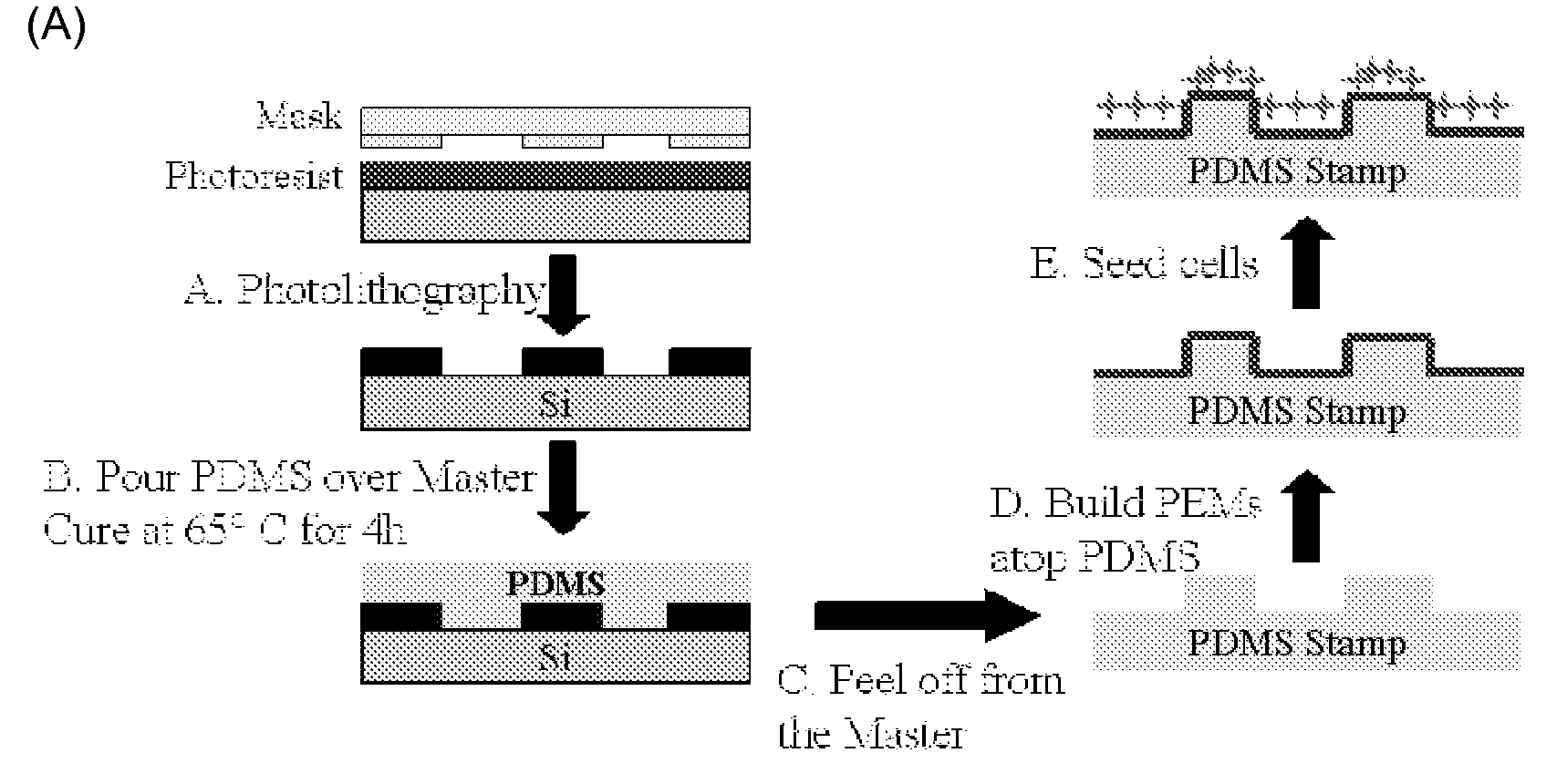
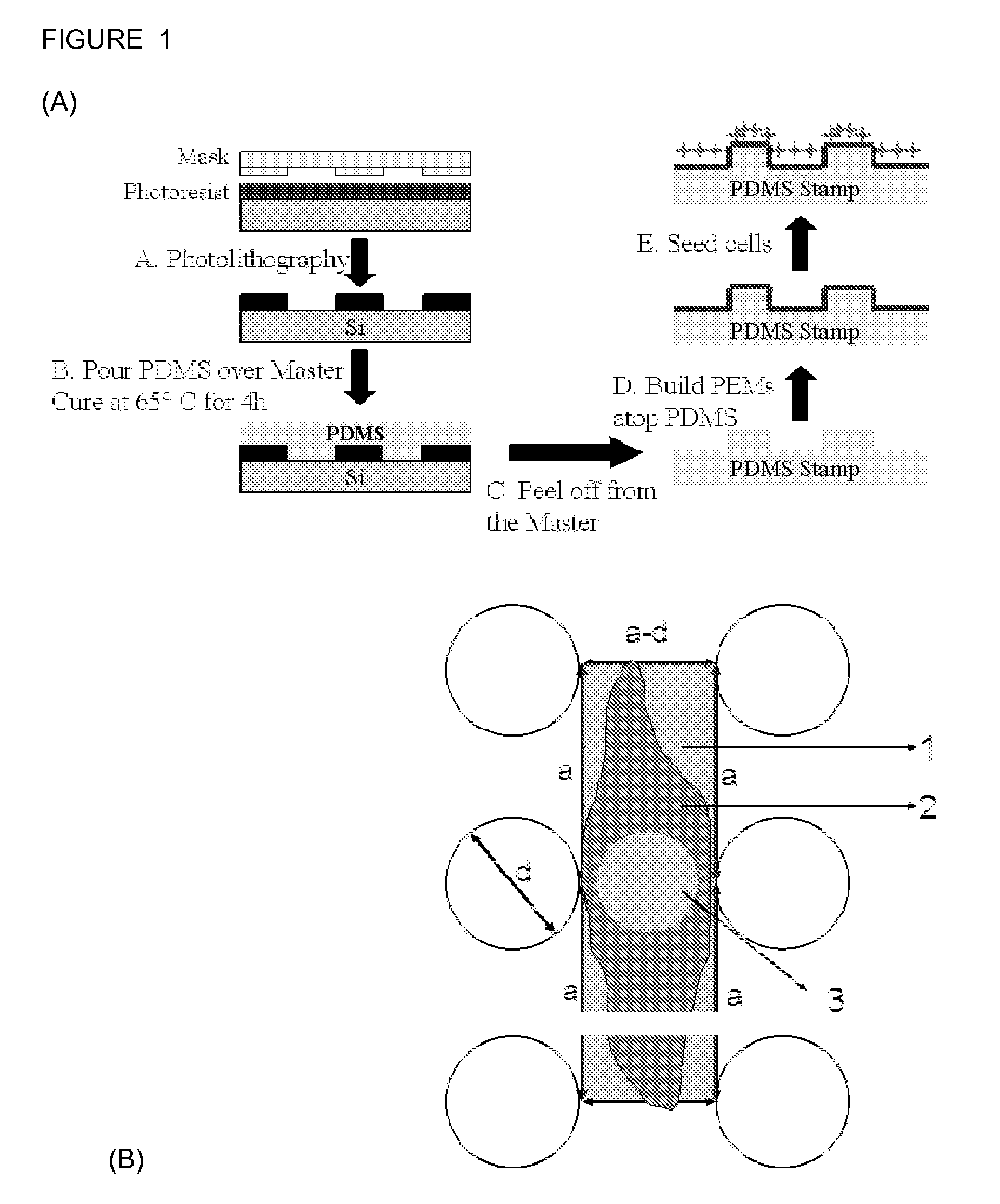
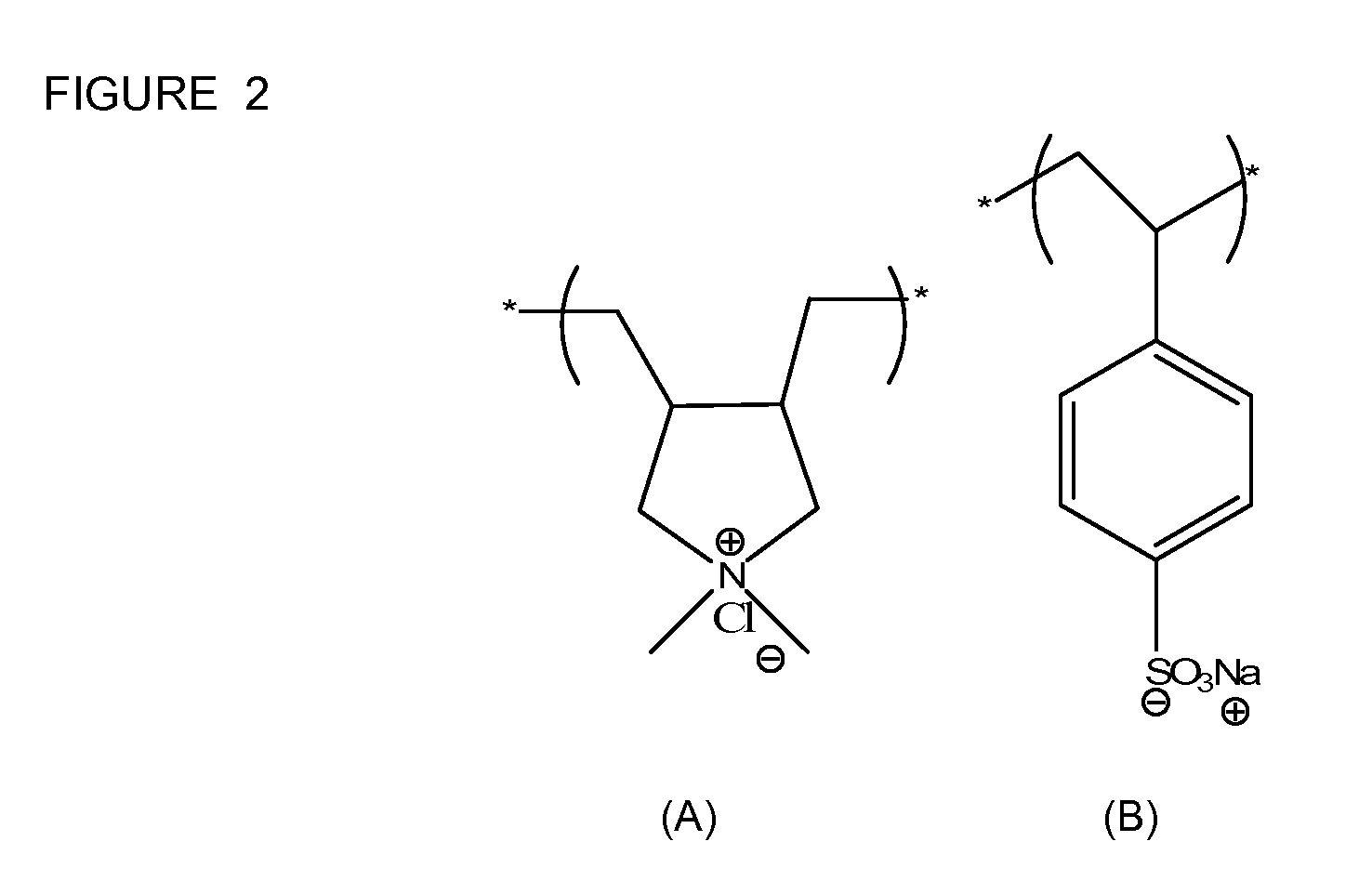
- Coating PDMS surfaces with a polyelectrolyte multilayer (PEM) film, specifically using alternating layers of polycations and polyanions like PDAC and SPS, to increase wettability and create cytophilic regions while introducing topographical features to differentiate cytophilic and cytophobic areas.

Self-assembling peptide amphiphiles for tissue engineering
PatentInactiveUS20080248569A1
Innovation
- The development of crosslinked peptide amphiphile structures with diacetylene moieties that self-assemble into robust nanofibers, allowing for the creation of two and three-dimensional microtexture structures through irradiation, which can be used to control cell behavior and tissue genesis by providing precise biochemical and physical stimuli.


Regulatory Framework for Medical Surface Technologies
The regulatory landscape governing medical surface technologies is complex and multifaceted, requiring careful navigation by manufacturers and researchers in the field of surface microtexturing for cell adhesion and tissue engineering. At the international level, the International Organization for Standardization (ISO) has established several standards relevant to medical devices with modified surfaces, including ISO 10993 for biocompatibility assessment and ISO 13485 for quality management systems.
In the United States, the Food and Drug Administration (FDA) regulates surface-modified medical devices through various pathways depending on risk classification. Devices incorporating microtextured surfaces for tissue engineering applications typically fall under Class II or III, requiring either 510(k) clearance or Premarket Approval (PMA). The FDA's guidance document "Considering Whether an FDA-Regulated Product Involves the Application of Nanotechnology" provides specific considerations for surface technologies at the micro and nano scales.
The European Union has implemented the Medical Device Regulation (MDR 2017/745), which introduced more stringent requirements for surface-modified implantable devices. Under this framework, manufacturers must provide comprehensive technical documentation demonstrating safety and performance, with particular emphasis on surface characterization and biological evaluation. The classification rules in Annex VIII of the MDR specifically address implantable devices with modified surfaces.
Regulatory bodies increasingly require manufacturers to demonstrate long-term safety profiles of microtextured surfaces, particularly regarding potential particle shedding, surface degradation, and host tissue response. The European Medicines Agency (EMA) and FDA have both issued guidance on combination products where drug components may interact with engineered surfaces.
Japan's Pharmaceuticals and Medical Devices Agency (PMDA) has established specific pathways for innovative medical technologies, including those utilizing surface engineering for tissue integration. Their "Sakigake" designation provides expedited review for breakthrough technologies, potentially benefiting novel surface microtexturing approaches.
Emerging regulatory trends include increased scrutiny of manufacturing processes for surface modification, with emphasis on process validation and quality control measures. Regulatory bodies are also developing frameworks for personalized medicine applications, where patient-specific surface texturing may be employed to enhance tissue integration or cellular response.
Compliance with these regulatory frameworks requires comprehensive documentation of surface characterization methods, including topographical analysis, chemical composition assessment, and mechanical property evaluation. Manufacturers must also implement robust risk management systems specifically addressing potential hazards associated with engineered surface features.
In the United States, the Food and Drug Administration (FDA) regulates surface-modified medical devices through various pathways depending on risk classification. Devices incorporating microtextured surfaces for tissue engineering applications typically fall under Class II or III, requiring either 510(k) clearance or Premarket Approval (PMA). The FDA's guidance document "Considering Whether an FDA-Regulated Product Involves the Application of Nanotechnology" provides specific considerations for surface technologies at the micro and nano scales.
The European Union has implemented the Medical Device Regulation (MDR 2017/745), which introduced more stringent requirements for surface-modified implantable devices. Under this framework, manufacturers must provide comprehensive technical documentation demonstrating safety and performance, with particular emphasis on surface characterization and biological evaluation. The classification rules in Annex VIII of the MDR specifically address implantable devices with modified surfaces.
Regulatory bodies increasingly require manufacturers to demonstrate long-term safety profiles of microtextured surfaces, particularly regarding potential particle shedding, surface degradation, and host tissue response. The European Medicines Agency (EMA) and FDA have both issued guidance on combination products where drug components may interact with engineered surfaces.
Japan's Pharmaceuticals and Medical Devices Agency (PMDA) has established specific pathways for innovative medical technologies, including those utilizing surface engineering for tissue integration. Their "Sakigake" designation provides expedited review for breakthrough technologies, potentially benefiting novel surface microtexturing approaches.
Emerging regulatory trends include increased scrutiny of manufacturing processes for surface modification, with emphasis on process validation and quality control measures. Regulatory bodies are also developing frameworks for personalized medicine applications, where patient-specific surface texturing may be employed to enhance tissue integration or cellular response.
Compliance with these regulatory frameworks requires comprehensive documentation of surface characterization methods, including topographical analysis, chemical composition assessment, and mechanical property evaluation. Manufacturers must also implement robust risk management systems specifically addressing potential hazards associated with engineered surface features.
Scalability and Manufacturing Considerations
The scalability of surface microtexturing technologies represents a critical factor in their transition from laboratory research to industrial applications in tissue engineering. Current manufacturing methods for creating microtextured surfaces include photolithography, laser ablation, and micro-contact printing, each with distinct advantages and limitations regarding mass production capabilities. Photolithography offers high precision but faces challenges in cost-effectiveness when scaling to large production volumes. Laser ablation provides flexibility in pattern creation but may struggle with throughput rates necessary for commercial viability.
Recent advancements in roll-to-roll manufacturing techniques have shown promising results for continuous production of microtextured surfaces on flexible substrates. This approach significantly reduces per-unit costs and increases production capacity, potentially enabling widespread adoption in clinical settings. However, maintaining nanoscale precision across large surface areas remains technically challenging, with issues of pattern fidelity and reproducibility requiring further optimization.
Material considerations also impact manufacturing scalability. While PDMS (polydimethylsiloxane) remains popular in research settings due to its biocompatibility and ease of processing, its relatively high cost and processing time limitations make it suboptimal for mass production. Alternative polymers such as cyclic olefin copolymers (COC) and polyethylene terephthalate (PET) are emerging as cost-effective substitutes that maintain necessary biocompatibility while offering improved manufacturing characteristics.
Quality control represents another significant challenge in scaling microtexturing technologies. Automated inspection systems utilizing machine vision and artificial intelligence are being developed to ensure pattern consistency across large production batches. These systems can detect microscopic defects that might affect cell adhesion properties, though their implementation adds complexity and cost to manufacturing processes.
Regulatory considerations further complicate scalability efforts. Medical-grade microtextured surfaces must meet stringent quality standards, requiring validated manufacturing processes with demonstrable consistency. Documentation requirements and compliance testing add significant overhead to production costs, potentially limiting commercial viability for smaller manufacturers without substantial capital resources.
Cost-benefit analysis suggests that economies of scale could eventually make microtextured surfaces economically viable for widespread clinical application. Current production costs range from $50-200 per square centimeter for high-precision surfaces, but industry projections indicate potential reduction to $5-15 per square centimeter with optimized manufacturing processes and increased production volumes, representing a critical threshold for market adoption in tissue engineering applications.
Recent advancements in roll-to-roll manufacturing techniques have shown promising results for continuous production of microtextured surfaces on flexible substrates. This approach significantly reduces per-unit costs and increases production capacity, potentially enabling widespread adoption in clinical settings. However, maintaining nanoscale precision across large surface areas remains technically challenging, with issues of pattern fidelity and reproducibility requiring further optimization.
Material considerations also impact manufacturing scalability. While PDMS (polydimethylsiloxane) remains popular in research settings due to its biocompatibility and ease of processing, its relatively high cost and processing time limitations make it suboptimal for mass production. Alternative polymers such as cyclic olefin copolymers (COC) and polyethylene terephthalate (PET) are emerging as cost-effective substitutes that maintain necessary biocompatibility while offering improved manufacturing characteristics.
Quality control represents another significant challenge in scaling microtexturing technologies. Automated inspection systems utilizing machine vision and artificial intelligence are being developed to ensure pattern consistency across large production batches. These systems can detect microscopic defects that might affect cell adhesion properties, though their implementation adds complexity and cost to manufacturing processes.
Regulatory considerations further complicate scalability efforts. Medical-grade microtextured surfaces must meet stringent quality standards, requiring validated manufacturing processes with demonstrable consistency. Documentation requirements and compliance testing add significant overhead to production costs, potentially limiting commercial viability for smaller manufacturers without substantial capital resources.
Cost-benefit analysis suggests that economies of scale could eventually make microtextured surfaces economically viable for widespread clinical application. Current production costs range from $50-200 per square centimeter for high-precision surfaces, but industry projections indicate potential reduction to $5-15 per square centimeter with optimized manufacturing processes and increased production volumes, representing a critical threshold for market adoption in tissue engineering applications.
Unlock deeper insights with PatSnap Eureka Quick Research — get a full tech report to explore trends and direct your research. Try now!
Generate Your Research Report Instantly with AI Agent
Supercharge your innovation with PatSnap Eureka AI Agent Platform!