Using AI To Optimize Turbofan Engine Flight Performance
APR 9, 20269 MIN READ
Generate Your Research Report Instantly with AI Agent
Patsnap Eureka helps you evaluate technical feasibility & market potential.
AI-Driven Turbofan Engine Optimization Background and Goals
The aviation industry has undergone significant transformation since the introduction of turbofan engines in the 1960s, with continuous improvements in fuel efficiency, noise reduction, and overall performance. Modern turbofan engines represent sophisticated engineering marvels that power commercial aviation, yet they operate in increasingly complex environments with stringent regulatory requirements and growing environmental concerns.
Traditional turbofan engine optimization has relied heavily on physics-based models, empirical data analysis, and extensive ground testing. However, these conventional approaches face limitations in real-time adaptation to varying flight conditions, weather patterns, and operational constraints. The complexity of modern flight operations, combined with the need for enhanced fuel efficiency and reduced emissions, has created a compelling case for advanced optimization methodologies.
Artificial intelligence emerges as a transformative technology capable of processing vast amounts of operational data, identifying complex patterns, and making real-time optimization decisions that surpass human analytical capabilities. The integration of AI into turbofan engine management represents a paradigm shift from reactive maintenance and static operational parameters to predictive, adaptive, and continuously optimized performance systems.
The primary objective of AI-driven turbofan engine optimization centers on maximizing operational efficiency while maintaining safety standards and extending engine lifecycle. This encompasses real-time performance monitoring, predictive maintenance scheduling, fuel consumption optimization, and adaptive control system adjustments based on current flight conditions and historical performance data.
Secondary goals include reducing environmental impact through optimized combustion processes, minimizing operational costs through improved maintenance scheduling, and enhancing overall flight safety through advanced anomaly detection and predictive failure analysis. The technology aims to create intelligent engine management systems that can autonomously adjust operational parameters to achieve optimal performance across diverse flight scenarios.
The ultimate vision involves developing fully autonomous engine optimization systems that continuously learn from operational data, adapt to changing conditions, and provide unprecedented levels of efficiency and reliability. This technological advancement promises to revolutionize aviation operations by delivering significant cost savings, environmental benefits, and enhanced passenger safety through intelligent, data-driven engine management solutions.
Traditional turbofan engine optimization has relied heavily on physics-based models, empirical data analysis, and extensive ground testing. However, these conventional approaches face limitations in real-time adaptation to varying flight conditions, weather patterns, and operational constraints. The complexity of modern flight operations, combined with the need for enhanced fuel efficiency and reduced emissions, has created a compelling case for advanced optimization methodologies.
Artificial intelligence emerges as a transformative technology capable of processing vast amounts of operational data, identifying complex patterns, and making real-time optimization decisions that surpass human analytical capabilities. The integration of AI into turbofan engine management represents a paradigm shift from reactive maintenance and static operational parameters to predictive, adaptive, and continuously optimized performance systems.
The primary objective of AI-driven turbofan engine optimization centers on maximizing operational efficiency while maintaining safety standards and extending engine lifecycle. This encompasses real-time performance monitoring, predictive maintenance scheduling, fuel consumption optimization, and adaptive control system adjustments based on current flight conditions and historical performance data.
Secondary goals include reducing environmental impact through optimized combustion processes, minimizing operational costs through improved maintenance scheduling, and enhancing overall flight safety through advanced anomaly detection and predictive failure analysis. The technology aims to create intelligent engine management systems that can autonomously adjust operational parameters to achieve optimal performance across diverse flight scenarios.
The ultimate vision involves developing fully autonomous engine optimization systems that continuously learn from operational data, adapt to changing conditions, and provide unprecedented levels of efficiency and reliability. This technological advancement promises to revolutionize aviation operations by delivering significant cost savings, environmental benefits, and enhanced passenger safety through intelligent, data-driven engine management solutions.
Market Demand for AI-Enhanced Aviation Engine Performance
The aviation industry is experiencing unprecedented pressure to enhance operational efficiency while reducing environmental impact, creating substantial market demand for AI-enhanced turbofan engine performance optimization. Airlines worldwide face mounting challenges from volatile fuel costs, stringent emissions regulations, and increasing passenger demand for sustainable travel options. These factors collectively drive the urgent need for advanced technologies that can maximize engine efficiency and minimize fuel consumption.
Commercial aviation operators represent the primary market segment demanding AI-driven engine optimization solutions. Major airlines are actively seeking technologies that can reduce fuel consumption, extend engine lifespan, and minimize maintenance costs. The potential for significant operational cost savings through optimized flight performance creates strong economic incentives for adoption of AI-enhanced engine management systems.
Cargo carriers and freight operators constitute another critical market segment with distinct performance requirements. These operators prioritize payload efficiency and route optimization, making AI-powered engine performance enhancement particularly valuable for maximizing cargo capacity while maintaining fuel efficiency. The growing e-commerce sector and global supply chain demands further amplify this market segment's need for advanced engine optimization technologies.
Military and defense applications present specialized market opportunities for AI-enhanced turbofan performance systems. Defense contractors and military aviation programs require advanced engine optimization capabilities that can adapt to diverse mission profiles, extreme operating conditions, and tactical requirements. The emphasis on operational readiness and mission success creates demand for sophisticated AI systems capable of real-time performance optimization.
Regional airlines and emerging aviation markets represent rapidly growing demand segments for cost-effective AI engine optimization solutions. These operators often operate with tighter profit margins and require technologies that can deliver immediate operational benefits. The expansion of regional air connectivity and the emergence of new aviation markets in developing regions create additional demand for accessible AI-enhanced engine performance technologies.
The maintenance, repair, and overhaul sector demonstrates increasing demand for AI-powered predictive maintenance and performance optimization capabilities. Service providers seek advanced analytics and optimization tools that can extend engine service intervals, predict component failures, and optimize maintenance scheduling. This market segment values AI solutions that can reduce unscheduled maintenance events and improve overall fleet availability.
Commercial aviation operators represent the primary market segment demanding AI-driven engine optimization solutions. Major airlines are actively seeking technologies that can reduce fuel consumption, extend engine lifespan, and minimize maintenance costs. The potential for significant operational cost savings through optimized flight performance creates strong economic incentives for adoption of AI-enhanced engine management systems.
Cargo carriers and freight operators constitute another critical market segment with distinct performance requirements. These operators prioritize payload efficiency and route optimization, making AI-powered engine performance enhancement particularly valuable for maximizing cargo capacity while maintaining fuel efficiency. The growing e-commerce sector and global supply chain demands further amplify this market segment's need for advanced engine optimization technologies.
Military and defense applications present specialized market opportunities for AI-enhanced turbofan performance systems. Defense contractors and military aviation programs require advanced engine optimization capabilities that can adapt to diverse mission profiles, extreme operating conditions, and tactical requirements. The emphasis on operational readiness and mission success creates demand for sophisticated AI systems capable of real-time performance optimization.
Regional airlines and emerging aviation markets represent rapidly growing demand segments for cost-effective AI engine optimization solutions. These operators often operate with tighter profit margins and require technologies that can deliver immediate operational benefits. The expansion of regional air connectivity and the emergence of new aviation markets in developing regions create additional demand for accessible AI-enhanced engine performance technologies.
The maintenance, repair, and overhaul sector demonstrates increasing demand for AI-powered predictive maintenance and performance optimization capabilities. Service providers seek advanced analytics and optimization tools that can extend engine service intervals, predict component failures, and optimize maintenance scheduling. This market segment values AI solutions that can reduce unscheduled maintenance events and improve overall fleet availability.
Current AI Implementation Status in Turbofan Engine Systems
The integration of artificial intelligence technologies into turbofan engine systems has reached a significant milestone in recent years, with major aerospace manufacturers and airlines implementing various AI-driven solutions across different operational phases. Current implementations primarily focus on predictive maintenance, real-time performance monitoring, and flight optimization algorithms that enhance fuel efficiency and operational safety.
Predictive maintenance represents the most mature application of AI in turbofan engines today. Leading engine manufacturers like General Electric, Rolls-Royce, and Pratt & Whitney have deployed machine learning algorithms that analyze sensor data from thousands of engines to predict component failures before they occur. These systems process vast amounts of data including temperature readings, vibration patterns, pressure measurements, and oil analysis results to identify anomalies and schedule maintenance interventions proactively.
Real-time performance monitoring systems utilize AI algorithms to continuously assess engine health during flight operations. These implementations leverage neural networks and deep learning models to analyze streaming data from engine sensors, comparing current performance metrics against historical baselines and optimal operating parameters. Airlines such as Delta, Lufthansa, and United have integrated these systems into their fleet management operations, enabling immediate detection of performance degradation and optimization of flight parameters.
Flight performance optimization through AI has gained substantial traction in commercial aviation. Current implementations include adaptive control systems that adjust engine parameters based on real-time flight conditions, weather patterns, and fuel consumption targets. These systems employ reinforcement learning algorithms to continuously improve decision-making processes, resulting in measurable improvements in fuel efficiency ranging from 2-5% across different flight profiles.
However, current AI implementations face several technical limitations. Most existing systems operate as advisory tools rather than autonomous control mechanisms due to regulatory constraints and safety considerations. The integration of AI algorithms with legacy engine control systems presents compatibility challenges, often requiring significant modifications to existing hardware and software architectures.
Data quality and standardization remain critical challenges in current implementations. While modern engines generate enormous amounts of operational data, inconsistencies in data formats, sensor calibration, and measurement protocols across different engine models and manufacturers limit the effectiveness of AI algorithms. Additionally, the computational requirements for real-time AI processing in flight environments necessitate specialized hardware solutions that can withstand extreme operating conditions.
The regulatory landscape significantly influences current AI implementation strategies. Aviation authorities require extensive validation and certification processes for AI systems that directly impact flight safety, leading to conservative deployment approaches that prioritize proven technologies over cutting-edge innovations. This regulatory framework has resulted in a phased implementation strategy where AI capabilities are gradually introduced and validated through extensive testing protocols.
Predictive maintenance represents the most mature application of AI in turbofan engines today. Leading engine manufacturers like General Electric, Rolls-Royce, and Pratt & Whitney have deployed machine learning algorithms that analyze sensor data from thousands of engines to predict component failures before they occur. These systems process vast amounts of data including temperature readings, vibration patterns, pressure measurements, and oil analysis results to identify anomalies and schedule maintenance interventions proactively.
Real-time performance monitoring systems utilize AI algorithms to continuously assess engine health during flight operations. These implementations leverage neural networks and deep learning models to analyze streaming data from engine sensors, comparing current performance metrics against historical baselines and optimal operating parameters. Airlines such as Delta, Lufthansa, and United have integrated these systems into their fleet management operations, enabling immediate detection of performance degradation and optimization of flight parameters.
Flight performance optimization through AI has gained substantial traction in commercial aviation. Current implementations include adaptive control systems that adjust engine parameters based on real-time flight conditions, weather patterns, and fuel consumption targets. These systems employ reinforcement learning algorithms to continuously improve decision-making processes, resulting in measurable improvements in fuel efficiency ranging from 2-5% across different flight profiles.
However, current AI implementations face several technical limitations. Most existing systems operate as advisory tools rather than autonomous control mechanisms due to regulatory constraints and safety considerations. The integration of AI algorithms with legacy engine control systems presents compatibility challenges, often requiring significant modifications to existing hardware and software architectures.
Data quality and standardization remain critical challenges in current implementations. While modern engines generate enormous amounts of operational data, inconsistencies in data formats, sensor calibration, and measurement protocols across different engine models and manufacturers limit the effectiveness of AI algorithms. Additionally, the computational requirements for real-time AI processing in flight environments necessitate specialized hardware solutions that can withstand extreme operating conditions.
The regulatory landscape significantly influences current AI implementation strategies. Aviation authorities require extensive validation and certification processes for AI systems that directly impact flight safety, leading to conservative deployment approaches that prioritize proven technologies over cutting-edge innovations. This regulatory framework has resulted in a phased implementation strategy where AI capabilities are gradually introduced and validated through extensive testing protocols.
Existing AI Solutions for Turbofan Performance Optimization
01 AI-based flight path optimization and route planning
Artificial intelligence systems can be utilized to optimize flight paths and routes by analyzing real-time data including weather conditions, air traffic, and fuel consumption patterns. Machine learning algorithms process historical flight data to predict optimal trajectories that minimize flight time and fuel usage while maintaining safety standards. These systems can dynamically adjust routes during flight based on changing conditions to improve overall flight performance and efficiency.- AI-based flight path optimization and trajectory planning: Artificial intelligence algorithms can be employed to optimize flight paths and trajectories in real-time, taking into account various factors such as weather conditions, air traffic, fuel efficiency, and safety constraints. Machine learning models can analyze historical flight data and current conditions to predict optimal routes, reduce flight time, and improve overall operational efficiency. These systems can adapt dynamically to changing conditions during flight operations.
- Machine learning for predictive maintenance and performance monitoring: Advanced machine learning techniques can be utilized to monitor aircraft systems and predict potential failures or performance degradation before they occur. By analyzing sensor data, operational parameters, and historical maintenance records, these systems can identify patterns and anomalies that indicate the need for maintenance. This predictive approach helps reduce unscheduled downtime, improve safety, and optimize maintenance schedules while enhancing overall flight performance.
- AI-powered autonomous flight control systems: Autonomous flight control systems leveraging artificial intelligence can enhance aircraft performance by automating various aspects of flight operations. These systems can handle tasks such as takeoff, landing, navigation, and collision avoidance with minimal human intervention. Neural networks and deep learning algorithms enable the aircraft to make real-time decisions based on environmental conditions and operational requirements, improving safety and efficiency.
- AI-enhanced fuel efficiency and energy management: Artificial intelligence systems can optimize fuel consumption and energy management during flight operations by continuously analyzing flight parameters, atmospheric conditions, and aircraft performance characteristics. These systems can recommend or automatically implement adjustments to speed, altitude, and engine settings to minimize fuel usage while maintaining performance standards. Advanced algorithms can also predict optimal fuel loading and consumption patterns for different flight scenarios.
- AI-based flight safety and risk assessment systems: Intelligent safety systems utilizing artificial intelligence can continuously assess flight risks and provide real-time safety recommendations to pilots and ground control. These systems analyze multiple data sources including weather patterns, aircraft status, air traffic, and terrain information to identify potential hazards and suggest corrective actions. Machine learning models can learn from past incidents and near-misses to improve risk prediction accuracy and enhance overall flight safety performance.
02 Predictive maintenance and aircraft health monitoring using AI
Advanced artificial intelligence techniques enable predictive maintenance systems that monitor aircraft components and systems in real-time to forecast potential failures before they occur. These systems analyze sensor data, flight parameters, and historical maintenance records to identify patterns indicating component degradation. By predicting maintenance needs, aircraft availability is improved and unexpected failures are reduced, leading to enhanced flight performance and operational reliability.Expand Specific Solutions03 AI-powered flight control and autopilot systems
Intelligent flight control systems incorporate artificial intelligence to enhance autopilot capabilities and aircraft handling characteristics. These systems use neural networks and adaptive algorithms to respond to flight conditions more effectively than traditional control systems. The technology enables smoother flight operations, improved stability in turbulent conditions, and reduced pilot workload, contributing to better overall flight performance and passenger comfort.Expand Specific Solutions04 Performance analysis and flight data processing with machine learning
Machine learning algorithms are employed to analyze vast amounts of flight data to identify performance trends and optimization opportunities. These systems process parameters such as speed, altitude, fuel consumption, and engine performance to generate insights for improving flight operations. The analysis helps airlines and operators make data-driven decisions regarding fleet management, pilot training, and operational procedures to enhance overall flight performance metrics.Expand Specific Solutions05 AI-assisted pilot decision support and situational awareness
Artificial intelligence systems provide pilots with enhanced decision support tools that improve situational awareness during all phases of flight. These systems integrate multiple data sources including weather radar, terrain databases, and traffic information to present actionable intelligence to flight crews. By processing complex information and highlighting critical factors, these tools help pilots make better decisions quickly, improving flight safety and performance in challenging situations.Expand Specific Solutions
Key Players in AI-Powered Aviation Engine Industry
The AI optimization of turbofan engine flight performance represents a rapidly evolving technological frontier currently in its growth phase, with significant market expansion driven by increasing demand for fuel efficiency and emission reduction in aviation. The market demonstrates substantial potential as airlines seek operational cost savings and environmental compliance. Technology maturity varies significantly across players, with established aerospace giants like Boeing, Rolls-Royce, RTX Corp., and MTU Aero Engines leading commercial implementation through decades of engine expertise. Chinese institutions including Beihang University, Harbin Institute of Technology, and AECC Commercial Aircraft Engine demonstrate strong research capabilities, while companies like GE Vernova and Pratt & Whitney Canada advance practical AI integration. The competitive landscape shows traditional engine manufacturers partnering with AI specialists to accelerate development, creating a dynamic ecosystem where academic research institutions collaborate closely with industry leaders to bridge the gap between theoretical AI capabilities and practical turbofan optimization applications.
The Boeing Co.
Technical Solution: Boeing integrates AI optimization into their aircraft systems through advanced flight management and engine control algorithms that work in conjunction with turbofan engines to maximize overall aircraft performance. Their AI solutions include intelligent flight path optimization that considers engine efficiency curves, weather patterns, and air traffic conditions to determine optimal thrust settings and flight profiles. The company's machine learning systems analyze historical flight data and real-time operational parameters to provide recommendations for fuel-efficient engine operation, including optimal climb rates, cruise altitudes, and descent profiles. Boeing's AI platform integrates with engine manufacturers' systems to enable coordinated optimization between aircraft systems and engine performance, utilizing predictive analytics to anticipate optimal engine settings based on flight phase transitions and environmental conditions. Their solutions also include AI-powered maintenance planning that coordinates aircraft and engine maintenance schedules to minimize operational disruptions while maintaining peak performance standards.
Strengths: Integrated aircraft-engine optimization, comprehensive flight data analytics, strong OEM partnerships. Weaknesses: Dependent on engine manufacturer collaboration, limited direct engine control authority, complex system integration challenges.
Rolls-Royce Plc
Technical Solution: Rolls-Royce implements AI optimization through their IntelligentEngine vision, combining advanced analytics with machine learning to enhance turbofan performance across their Trent engine family. Their AI systems utilize digital twin technology to create virtual engine models that continuously learn from real-world operational data, enabling predictive optimization of fuel efficiency, thrust output, and component longevity. The company's AI platform processes data from over 13,000 sensors per engine to optimize combustion parameters, airflow dynamics, and thermal management in real-time. Their machine learning algorithms analyze flight patterns, weather conditions, and aircraft loading to provide intelligent recommendations for thrust settings and fuel management, achieving fuel savings of 2-4% through optimized flight operations. Rolls-Royce's AI solutions also include predictive maintenance capabilities that forecast component failures and optimize maintenance intervals, reducing unscheduled downtime while maintaining peak engine performance throughout the operational envelope.
Strengths: Comprehensive IntelligentEngine platform, extensive sensor integration, strong predictive maintenance capabilities. Weaknesses: High system complexity, significant data processing requirements, dependency on cloud connectivity.
Core AI Algorithms for Real-Time Engine Parameter Control
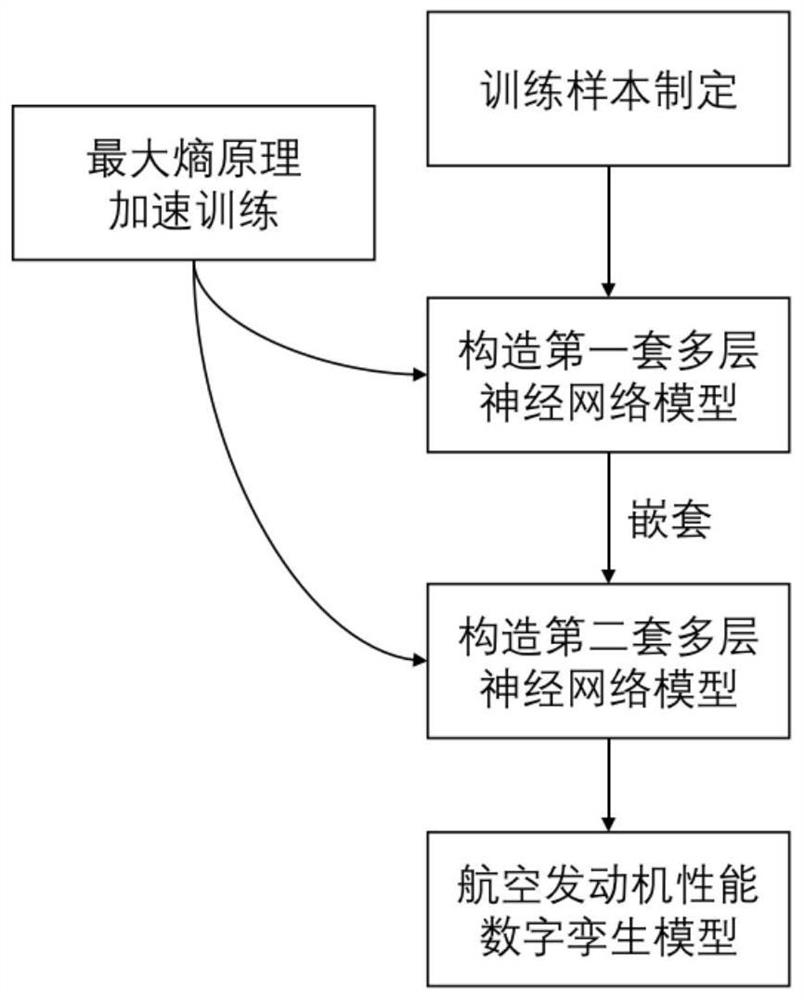
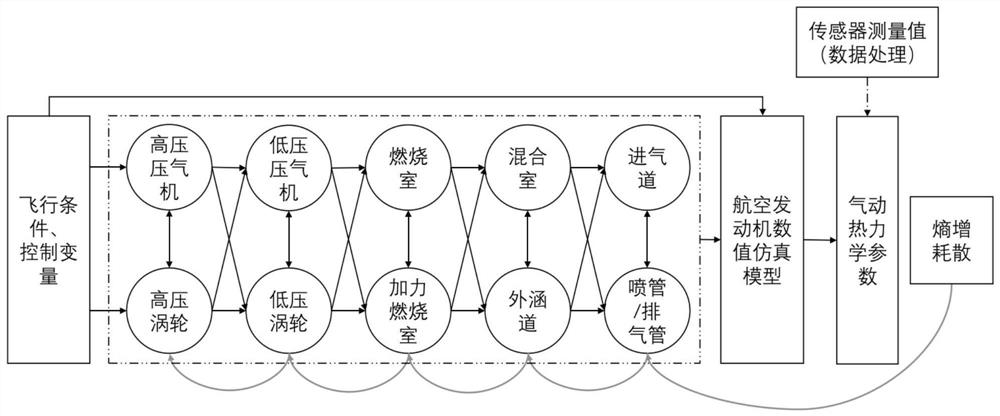
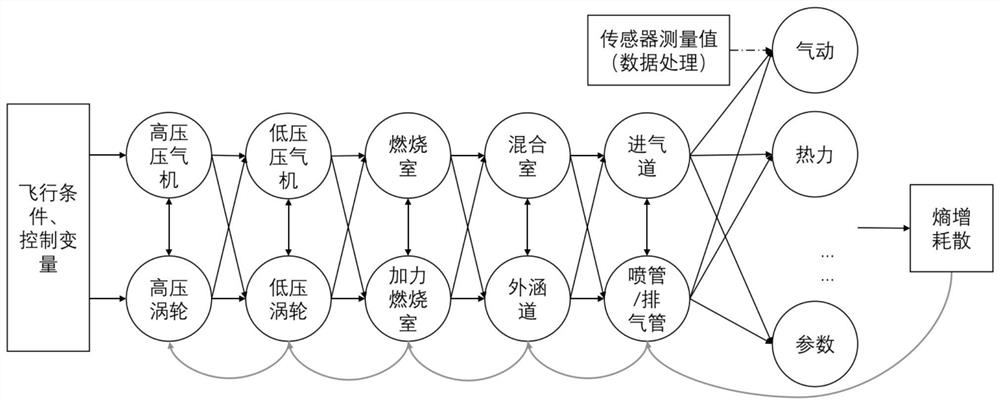
Aero-engine top speed performance digital twinning method based on artificial intelligence
PatentActiveCN111967202A
Innovation
- Using an artificial intelligence-based method, by constructing two sets of deep neural network models with similar structures, using the flight parameters, control law variables and state parameters of the aeroengine, combined with the aerodynamic and thermodynamic parameters measured by the sensor, the maximum entropy principle algorithm is used to accelerate training and establish Real-time performance tracking and top-speed performance digital twin models of aeroengines.

Aviation Safety Regulations for AI Engine Systems
The integration of artificial intelligence into turbofan engine optimization systems presents unprecedented challenges for aviation safety regulatory frameworks. Current regulatory structures, primarily established by the Federal Aviation Administration (FAA), European Union Aviation Safety Agency (EASA), and International Civil Aviation Organization (ICAO), were designed for traditional deterministic systems and require substantial adaptation to address AI-driven engine management technologies.
Existing certification processes rely heavily on predictable, rule-based systems where failure modes can be comprehensively analyzed and documented. AI systems, particularly those employing machine learning algorithms for real-time engine performance optimization, introduce elements of non-determinism that challenge conventional safety assessment methodologies. The regulatory gap becomes particularly evident when considering the dynamic nature of AI decision-making processes that continuously adapt based on operational data.
The FAA's recent Advisory Circular AC 20-216A provides initial guidance for machine learning applications in aviation, establishing requirements for AI system verification and validation. However, these guidelines remain broad and lack specific provisions for engine-critical applications where AI systems directly influence thrust management, fuel optimization, and performance parameters during flight operations.
EASA has initiated the Artificial Intelligence Roadmap 2.0, which outlines a risk-based approach to AI certification in aviation systems. This framework emphasizes the need for explainable AI algorithms, particularly crucial for engine optimization systems where pilots and maintenance personnel must understand AI-driven recommendations and decisions. The roadmap establishes different assurance levels based on the criticality of AI functions within the overall system architecture.
Key regulatory challenges include establishing acceptable means of compliance for AI training data quality, algorithm transparency requirements, and continuous learning system oversight. Traditional certification assumes static system behavior, while AI-optimized engines may exhibit evolving performance characteristics as algorithms adapt to operational patterns and environmental conditions.
International harmonization efforts are underway to develop consistent standards across regulatory jurisdictions. The Global Aviation AI Working Group, comprising representatives from major aviation authorities, is developing unified certification criteria specifically addressing AI applications in safety-critical systems, including engine management and optimization platforms.
Existing certification processes rely heavily on predictable, rule-based systems where failure modes can be comprehensively analyzed and documented. AI systems, particularly those employing machine learning algorithms for real-time engine performance optimization, introduce elements of non-determinism that challenge conventional safety assessment methodologies. The regulatory gap becomes particularly evident when considering the dynamic nature of AI decision-making processes that continuously adapt based on operational data.
The FAA's recent Advisory Circular AC 20-216A provides initial guidance for machine learning applications in aviation, establishing requirements for AI system verification and validation. However, these guidelines remain broad and lack specific provisions for engine-critical applications where AI systems directly influence thrust management, fuel optimization, and performance parameters during flight operations.
EASA has initiated the Artificial Intelligence Roadmap 2.0, which outlines a risk-based approach to AI certification in aviation systems. This framework emphasizes the need for explainable AI algorithms, particularly crucial for engine optimization systems where pilots and maintenance personnel must understand AI-driven recommendations and decisions. The roadmap establishes different assurance levels based on the criticality of AI functions within the overall system architecture.
Key regulatory challenges include establishing acceptable means of compliance for AI training data quality, algorithm transparency requirements, and continuous learning system oversight. Traditional certification assumes static system behavior, while AI-optimized engines may exhibit evolving performance characteristics as algorithms adapt to operational patterns and environmental conditions.
International harmonization efforts are underway to develop consistent standards across regulatory jurisdictions. The Global Aviation AI Working Group, comprising representatives from major aviation authorities, is developing unified certification criteria specifically addressing AI applications in safety-critical systems, including engine management and optimization platforms.
Environmental Impact of AI-Optimized Engine Efficiency
The integration of artificial intelligence in turbofan engine optimization presents significant environmental benefits through enhanced fuel efficiency and reduced emissions. AI-driven optimization systems can achieve fuel consumption reductions of 3-8% compared to conventional engine management approaches, directly translating to proportional decreases in carbon dioxide emissions. This improvement stems from AI's ability to continuously analyze flight conditions, atmospheric parameters, and engine performance data to maintain optimal combustion efficiency throughout flight operations.
Advanced machine learning algorithms enable real-time adjustment of engine parameters such as fuel flow rates, air-fuel ratios, and turbine inlet temperatures. These dynamic optimizations ensure engines operate within their most efficient performance envelopes, minimizing fuel burn while maintaining required thrust levels. The environmental impact extends beyond CO2 reduction, as optimized combustion processes also decrease nitrogen oxide emissions by 5-12% through precise control of combustion chamber temperatures and pressure ratios.
AI optimization contributes to sustainable aviation goals by extending engine component lifecycles through predictive maintenance and operational parameter management. By preventing engine degradation and maintaining peak performance characteristics, AI systems reduce the frequency of engine overhauls and component replacements, thereby decreasing the environmental footprint associated with manufacturing and disposal processes.
The cumulative environmental benefits become substantial when applied across commercial aviation fleets. Industry projections indicate that widespread adoption of AI-optimized engine systems could reduce global aviation emissions by 2-4% annually, supporting international climate commitments and regulatory compliance requirements. Additionally, improved engine efficiency reduces particulate matter emissions and contrail formation, contributing to better air quality and reduced atmospheric warming effects.
Long-term environmental advantages include the potential for AI systems to enable the integration of sustainable aviation fuels by optimizing combustion parameters for alternative fuel compositions. This adaptability positions AI-optimized engines as crucial enablers for the aviation industry's transition toward carbon-neutral operations while maintaining operational efficiency and safety standards.
Advanced machine learning algorithms enable real-time adjustment of engine parameters such as fuel flow rates, air-fuel ratios, and turbine inlet temperatures. These dynamic optimizations ensure engines operate within their most efficient performance envelopes, minimizing fuel burn while maintaining required thrust levels. The environmental impact extends beyond CO2 reduction, as optimized combustion processes also decrease nitrogen oxide emissions by 5-12% through precise control of combustion chamber temperatures and pressure ratios.
AI optimization contributes to sustainable aviation goals by extending engine component lifecycles through predictive maintenance and operational parameter management. By preventing engine degradation and maintaining peak performance characteristics, AI systems reduce the frequency of engine overhauls and component replacements, thereby decreasing the environmental footprint associated with manufacturing and disposal processes.
The cumulative environmental benefits become substantial when applied across commercial aviation fleets. Industry projections indicate that widespread adoption of AI-optimized engine systems could reduce global aviation emissions by 2-4% annually, supporting international climate commitments and regulatory compliance requirements. Additionally, improved engine efficiency reduces particulate matter emissions and contrail formation, contributing to better air quality and reduced atmospheric warming effects.
Long-term environmental advantages include the potential for AI systems to enable the integration of sustainable aviation fuels by optimizing combustion parameters for alternative fuel compositions. This adaptability positions AI-optimized engines as crucial enablers for the aviation industry's transition toward carbon-neutral operations while maintaining operational efficiency and safety standards.
Unlock deeper insights with Patsnap Eureka Quick Research — get a full tech report to explore trends and direct your research. Try now!
Generate Your Research Report Instantly with AI Agent
Supercharge your innovation with Patsnap Eureka AI Agent Platform!