

Validate Hydroxylamine Formulations for Residue Removal
NOV 18, 20266 MIN READ
Generate Your Research Report Instantly with AI Agent
Patsnap Eureka helps you evaluate technical feasibility & market potential.
Hydroxylamine Residue Removal Background & Targets
Hydroxylamine-based formulations have emerged as critical cleaning agents in semiconductor manufacturing, particularly for post-etch residue removal processes. As integrated circuit feature sizes continue to shrink below 7nm technology nodes, the complexity of residue removal has intensified significantly. Traditional cleaning chemistries often struggle to effectively remove polymeric residues, metal oxides, and organic contaminants without damaging underlying low-k dielectric materials or causing pattern collapse in high-aspect-ratio structures. This technological gap has driven extensive research into hydroxylamine compounds, which offer unique redox properties and selective etching capabilities that can address these challenges.
The semiconductor industry's transition toward advanced packaging technologies, three-dimensional architectures, and new materials systems has created unprecedented demands for residue removal solutions. Hydroxylamine formulations demonstrate particular promise due to their ability to reduce metal oxides while maintaining compatibility with sensitive materials. However, significant variations exist among different hydroxylamine derivatives, concentrations, and additive combinations, necessitating systematic validation to optimize performance across
The semiconductor industry's transition toward advanced packaging technologies, three-dimensional architectures, and new materials systems has created unprecedented demands for residue removal solutions. Hydroxylamine formulations demonstrate particular promise due to their ability to reduce metal oxides while maintaining compatibility with sensitive materials. However, significant variations exist among different hydroxylamine derivatives, concentrations, and additive combinations, necessitating systematic validation to optimize performance across
Market Demand for Hydroxylamine Cleaning Solutions
The semiconductor manufacturing industry continues to drive substantial demand for advanced cleaning solutions, with hydroxylamine-based formulations emerging as critical materials for residue removal applications. This demand stems primarily from the ongoing miniaturization of integrated circuits and the transition to advanced technology nodes below 7nm, where traditional cleaning chemistries prove insufficient for removing post-etch and post-ash residues without damaging delicate device structures.
Major semiconductor fabrication facilities worldwide are actively seeking validated hydroxylamine formulations that can effectively address increasingly complex residue challenges. These residues typically include polymer deposits, metal contaminants, and organic materials that accumulate during plasma etching and photoresist stripping processes. The market requirement extends beyond simple cleaning efficacy to encompass stringent material compatibility, minimal surface roughening, and zero defect tolerance on advanced substrates.
The demand landscape is particularly pronounced in regions with concentrated semiconductor manufacturing activities, including Taiwan, South Korea, and specific areas within the United States and China. Leading foundries and memory manufacturers are investing heavily in process development to qualify next-generation cleaning solutions that can support their technology roadmaps. This creates substantial opportunities for hydroxylamine formulation suppliers who can demonstrate validated performance data and consistent supply chain reliability.
Market drivers also include the proliferation of advanced packaging technologies such as through-silicon vias and hybrid bonding, which introduce new cleaning requirements at the wafer bonding interface. These applications demand hydroxylamine solutions with precisely controlled pH levels, optimized additive packages, and proven compatibility with diverse material stacks including copper, low-k dielectrics, and barrier metals.
Furthermore, environmental regulations and sustainability initiatives are reshaping market preferences toward hydroxylamine formulations that offer reduced environmental impact compared to traditional sulfuric acid-hydrogen peroxide mixtures. Customers increasingly prioritize solutions that minimize hazardous waste generation while maintaining superior cleaning performance, creating differentiation opportunities for formulations with optimized chemical consumption and waste treatment characteristics.
Technical Challenges in Post-Etch Residue Removal
Post-etch residue removal represents one of the most critical challenges in advanced semiconductor manufacturing, particularly as device geometries continue to shrink below 7nm nodes. The etching process inevitably generates complex residues comprising polymer byproducts, metal oxides, fluorinated compounds, and organic contaminants that adhere tenaciously to feature sidewalls and bottom surfaces. These residues, if not completely removed, can compromise device performance, reduce yield, and cause reliability failures in subsequent processing steps.
The primary technical challenge lies in achieving selective removal of diverse residue types without damaging underlying materials or altering critical dimensions. High aspect ratio structures, now exceeding 50:1 in advanced DRAM and 3D NAND applications, create mass transport limitations that prevent cleaning chemistries from effectively penetrating deep trenches and vias. This geometric constraint becomes increasingly severe as feature sizes decrease while depth requirements increase, creating dead zones where residues remain inaccessible to conventional cleaning solutions.
Material compatibility presents another significant obstacle. Modern semiconductor devices incorporate an expanding palette of materials including low-k dielectrics, high-k metal gates, copper interconnects, and various barrier layers. Each material exhibits different sensitivities to cleaning chemistries, requiring formulations that can remove residues without causing corrosion, surface roughening, or material loss. The challenge intensifies when multiple sensitive materials are exposed simultaneously during the cleaning process, demanding exceptional selectivity from the cleaning chemistry.
Process window optimization remains constrained by competing requirements. Aggressive cleaning conditions that ensure complete residue removal often risk damaging sensitive materials or structures, while gentler conditions may leave residual contamination. Temperature, concentration, exposure time, and mechanical agitation must be carefully balanced to achieve acceptable cleaning performance across varying pattern densities and feature types on the same wafer.
Environmental and safety considerations add further complexity. Traditional cleaning chemistries often contain hazardous components requiring extensive waste treatment and disposal protocols. Regulatory pressures drive the industry toward greener alternatives, yet these must maintain equivalent or superior cleaning performance. Hydroxylamine-based formulations have emerged as promising candidates, offering effective residue removal with improved environmental profiles, though validation of their performance across diverse applications remains an ongoing technical challenge requiring systematic investigation and optimization.
Mainstream Formulations for Post-Etch Residue Removal
01 Hydroxylamine-based cleaning solutions for semiconductor residue removal
Hydroxylamine compositions and formulations, including low-hydroxylamine dry etching cleaning solutions and stable semiconductor cleaning solutions, are utilized to remove residues such as etching residues from semiconductor substrates effectively.- Formulation of hydroxylamine-based cleaning and stripper compositions for semiconductor residue removal: Hydroxylamine compounds and related formulations are utilized in cleaning solutions and photoresist strippers to remove etching, plasma, and photoresist residues from semiconductor substrates while addressing issues such as stability and cleaning performance.
- Methods for decomposition and purification of residual hydroxylamine: Techniques and chemical processes are employed to remove, purify, or decompose residual hydroxylamine and its derivatives from solutions, such as using hydrogen peroxide treatment or ion exclusion processes.
- Chemical processes for the synthesis and stabilization of hydroxylamine formulations: Methods for preparing, stabilizing, and crystallizing hydroxylamine solutions and salts are developed to maintain solution stability, prevent unwanted degradation, and reduce excess acid or iron impurities.
- Mechanical residue removal systems and apparatuses for substrates and processed materials: Specialized mechanical devices, tools, and systems are designed for removing residual layers, etching residues, or processing deposits from substrate edges, display modules, and general chemical product processing equipment.
- Use of hydroxylamine derivatives as additives and stabilizers in industrial formulations: Hydroxylamine derivatives are incorporated into aqueous polymer dispersions, such as polychloroprene, to act as stabilizers and yield residual monomer-free formulations for adhesives and sealants.
02 Stripper compositions for removing photoresist residues
Specialized stripper and cleaning compositions containing organic amines or specialty components are formulated to strip photoresist layers and remove post-etch or post-ash photoresist residues from semiconductor and display substrates.Expand Specific Solutions03 Plasma and dry etching residue removal processes
Methods and specialized processes are implemented for removing plasma etching residues, substrate edge residues, and hardmask or mandrel-related residues generated during advanced microelectronics fabrication.Expand Specific Solutions04 Decomposition and treatment of residual hydroxylamine
Chemical treatment methods, such as hydrogen peroxide oxidation or biological autotrophic nitrogen removal processes, are used to safely decompose or remove residual hydroxylamine and its derivatives from industrial effluents and solutions.Expand Specific Solutions05 Purification, stabilization, and metal removal from hydroxylamine solutions
Processes including ion exclusion, dialysis, stabilization with additive compounds, and iron removal are employed to yield ultrapure, stable hydroxylamine formulations free of unwanted chemical impurities or excess acids.Expand Specific Solutions
Key Players in Semiconductor Wet Cleaning Chemicals
The landscape for validating hydroxylamine formulations in residue removal is currently in a growth phase, driven by expanding high-precision manufacturing and stringent quality control demands. The market size is steadily scaling alongside semiconductor fabrication and pharmaceutical cleaning needs. The underlying technology shows moderate-to-high maturity, transitioning from academic validation to specialized industrial deployment. Global chemical leaders like BASF SE demonstrate advanced technology readiness and commercial maturity in high-purity chemical formulations, while specialized chemical manufacturers like Zhejiang Sainon Chemical Co., Ltd. contribute niche synthesis capabilities. Concurrently, academic institutions such as Shanghai University support foundational research and analytical validation, bridging the gap between novel chemistry formulation testing and large-scale industrial standardization.
Shanghai University
Technical Solution: Shanghai University has conducted targeted research into validating hydroxylamine-based formulations for residue stripping and surface cleaning in fine chemical synthesis and semiconductor micro-fabrication workflows. Their approach focuses on optimizing solution chemistry by combining hydroxylamine salts with organic co-solvents and specialized complexing agents to effectively degrade and solubilize persistent organic residues, polyimide films, and transition metal contaminants. The methodology emphasizes kinetic validation, thermal stability analysis, and surface morphology characterization to ensure chemical compatibility with sensitive substrates during critical post-cleaning stages[3][4].
Offers scalable formulation methodologies and rigorous analytical validation for high-precision residue removal; limited by lower industrial-scale commercial production capacity and deployment compared to global chemical manufacturers.
Zhejiang Sainon Chemical Co., Ltd.
Technical Solution: Zhejiang Sainon Chemical Co., Ltd. develops and validates specialized hydroxylamine-derivative cleaning formulations tailored for industrial equipment decontamination, organic residue stripping, and chemical process maintenance. Their technical solution integrates high-concentration hydroxylamine compounds with synergistic alkaline builders and corrosion control additives to rapidly digest, reduce, and clear complex chemical residues, resin fouling, and oxidized by-products from processing vessels and reaction systems without causing structural degradation[5].
Provides cost-effective, high-volume industrial formulation capacity with excellent organic residue digestion capabilities; requires careful environmental effluent treatment due to chemical concentration levels.
Core Patents and Literature in Hydroxylamine Cleaning
Cleaning compositions containing hydroxylamine derivatives and processes using same for residue removal
PatentInactiveUS7144848B2
Innovation
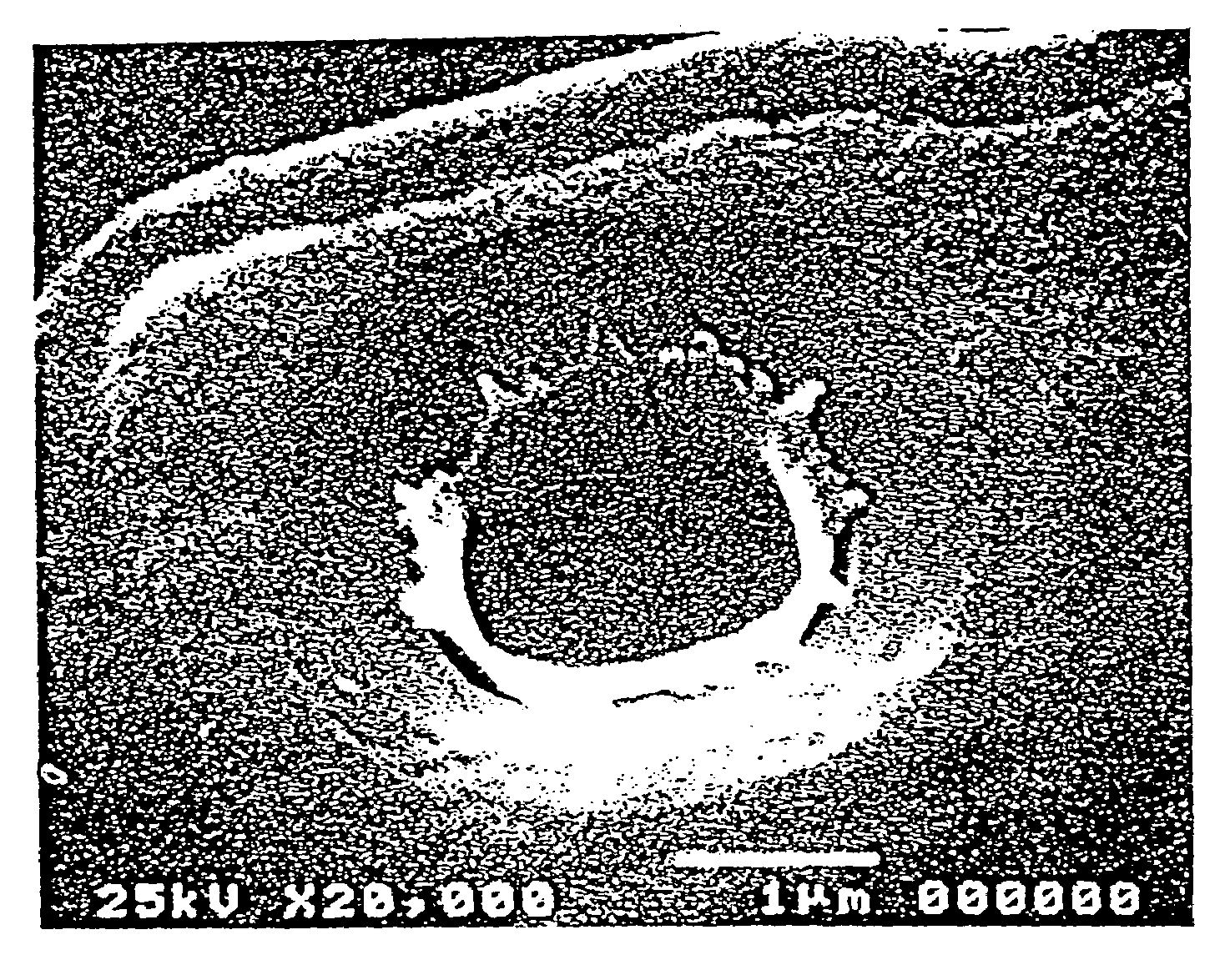
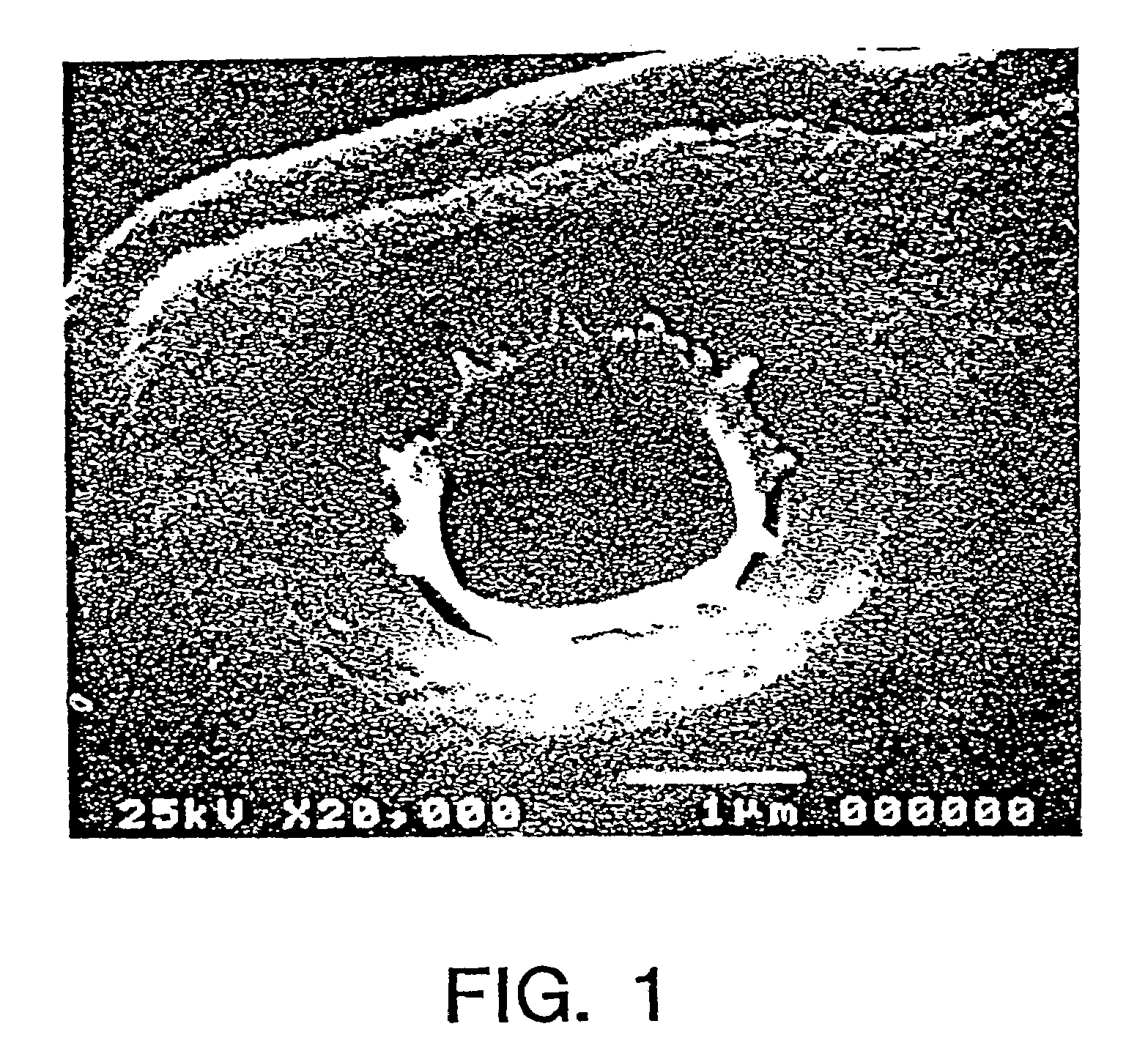
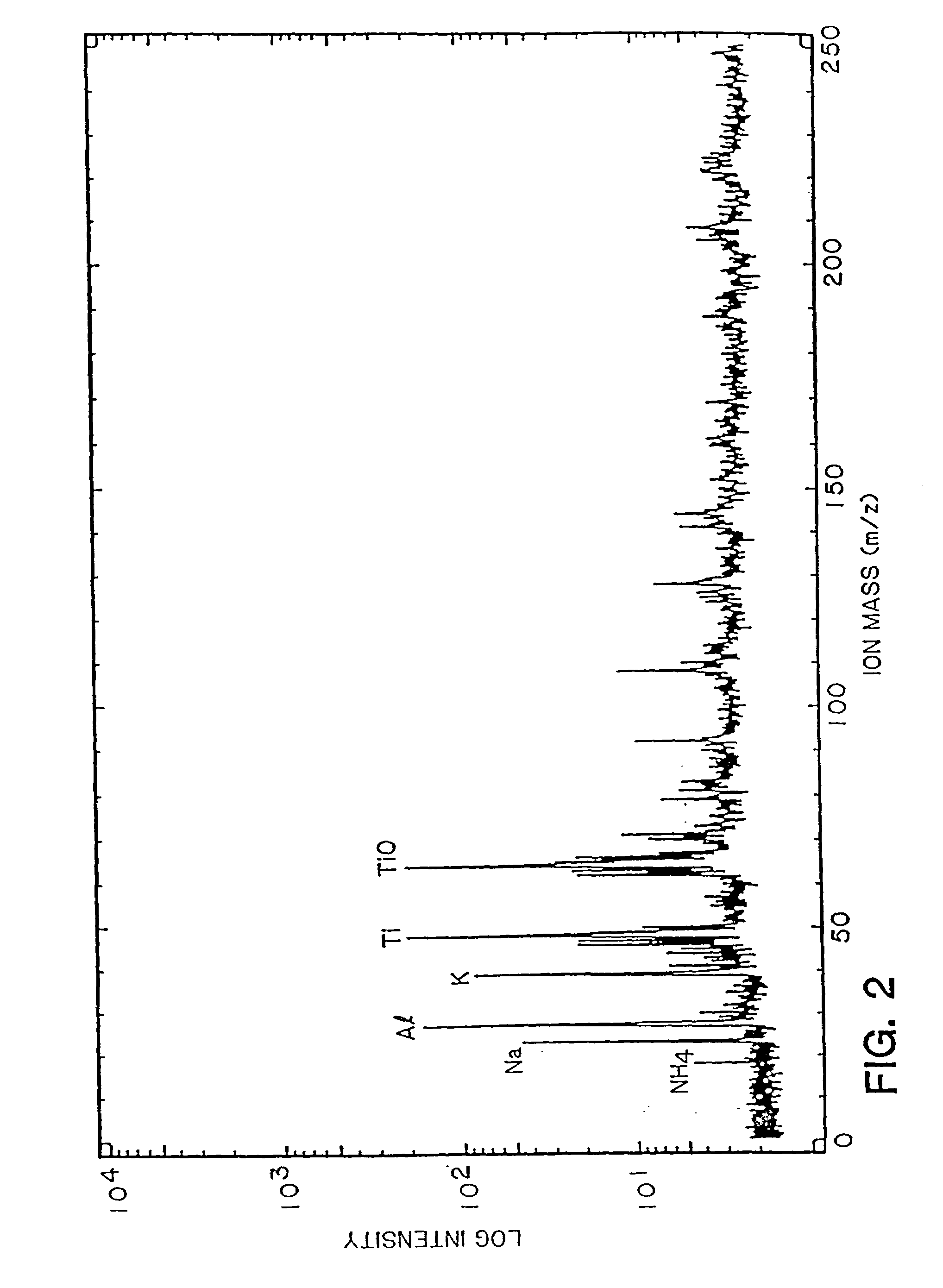
- A resist and etching residue removing composition comprising a nucleophilic amine compound with oxidation and reduction potentials, an organic solvent miscible with the amine, water, and optional corrosion inhibitors, which effectively removes organometallic and metal oxide residues without damaging the substrate.

Purification of hydroxylamine
PatentInactiveUS5872295A
Innovation
- The method involves passing an aqueous hydroxylamine solution through a strong acid cation exchange resin bed pretreated with dilute hydrochloric acid, followed by a strong base anion exchange resin bed pretreated with non-metal amino or hydroxide base solutions, ensuring the removal of cations and anions, and using multiple resin beds to achieve high purity with reduced regeneration frequency.
Environmental and Chemical Safety Regulatory Compliance
The validation of hydroxylamine-based formulations for semiconductor residue removal requires strict adherence to global chemical safety frameworks. Advanced microelectronics manufacturing relies heavily on these proprietary chemical blends to strip post-etch organic residues and metallic contaminants without damaging delicate copper interconnects or low-k dielectric layers. Because hydroxylamine is an unstable and energetic material, handling it at industrial scales triggers high-level regulatory scrutiny. Chemical management protocols must rigorously align with global frameworks like REACH and OSHA standards to guarantee safe transportation, storage, and handling throughout the fabrication lifecycle.
Thermal stability and explosive risk mitigation represent the most critical compliance parameters for these chemical formulations. Hydroxylamine is prone to exothermic decomposition when exposed to elevated temperatures, metal impurities, or improper pH levels. Consequently, environmental health and safety (EHS) regulations demand comprehensive risk assessments supported by Differential Scanning Calorimetry and Accelerating Rate Calorimetry data. Formulators must incorporate specialized stabilization additives and prove that the solution remains within safe operating temperature windows during high-volume manufacturing wet-cleaning processes.
Toxicological control and worker exposure mitigation form another vital pillar of environmental and regulatory compliance. Hydroxylamine poses significant health hazards, including skin sensitization, systemic toxicity, and potential aquatic eco-toxicity if improperly discharged. Facilities must implement closed-loop chemical distribution systems, continuous ambient monitoring, and strict effluent treatment protocols to meet local wastewater discharge limits. Providing updated Safety Data Sheets with precise exposure limits and standardized risk management measures is essential for maintaining operational compliance across different international jurisdictions.
Waste stream management presents complex regulatory challenges due to the chemical composition of spent post-etch residue removers. The combination of hydroxylamine, chelating agents, polar solvents, and dissolved heavy metals classifies spent baths as hazardous waste under environmental protection laws. Semiconductor manufacturers must validate compliant waste treatment methodologies, such as onsite neutralization or offsite incineration by certified handlers. Adhering to strict tracking systems and green chemistry principles ensures that residue removal processes minimize environmental impact while fulfilling zero-landfill and sustainability mandates.
Supply Chain Resilience and Raw Material Risks
The
Unlock deeper insights with Patsnap Eureka Quick Research — get a full tech report to explore trends and direct your research. Try now!
Generate Your Research Report Instantly with AI Agent
Supercharge your innovation with Patsnap Eureka AI Agent Platform!