
Validate Pump Performance Against API 676 Requirements
OCT 9, 20269 MIN READ
Generate Your Research Report Instantly with AI Agent
Patsnap Eureka helps you evaluate technical feasibility & market potential.
API 676 Pump Standards Background and Objectives
API 676 represents a critical industry standard developed and maintained by the American Petroleum Institute, specifically addressing positive displacement pumps used in petroleum, petrochemical, and natural gas industries. This standard establishes comprehensive requirements for rotary pump design, materials, testing, and performance validation to ensure operational reliability in demanding industrial applications. The evolution of API 676 reflects decades of accumulated industry experience, with the standard undergoing multiple revisions since its initial publication to incorporate technological advancements and lessons learned from field operations.
The primary objective of API 676 is to provide a unified framework that ensures positive displacement pumps meet stringent performance, safety, and reliability criteria before deployment in critical process applications. This standardization addresses the inherent challenges associated with pumping hazardous, high-temperature, or viscous fluids where equipment failure could result in significant safety incidents, environmental damage, or production losses. The standard encompasses mechanical design requirements, material specifications, performance testing protocols, and documentation standards that manufacturers must satisfy.
Validating pump performance against API 676 requirements serves multiple strategic purposes for industrial operators and equipment manufacturers. For end users, compliance verification ensures that purchased equipment will perform reliably under specified operating conditions, reducing unplanned downtime and maintenance costs. For manufacturers, demonstrating API 676 conformance provides competitive differentiation and market access, particularly for projects requiring adherence to international engineering standards. The validation process encompasses hydraulic performance testing, mechanical integrity verification, and documentation review to confirm alignment with standard specifications.
The technical scope of API 676 extends beyond basic performance metrics to address critical operational parameters including flow rate stability, pressure pulsation limits, temperature rise constraints, and vibration thresholds. These requirements reflect the demanding operational environments where positive displacement pumps typically operate, including high-pressure injection services, viscous fluid transfer, and metering applications requiring precise flow control. Understanding these background requirements and objectives establishes the foundation for developing comprehensive validation methodologies that ensure equipment reliability throughout its operational lifecycle.
The primary objective of API 676 is to provide a unified framework that ensures positive displacement pumps meet stringent performance, safety, and reliability criteria before deployment in critical process applications. This standardization addresses the inherent challenges associated with pumping hazardous, high-temperature, or viscous fluids where equipment failure could result in significant safety incidents, environmental damage, or production losses. The standard encompasses mechanical design requirements, material specifications, performance testing protocols, and documentation standards that manufacturers must satisfy.
Validating pump performance against API 676 requirements serves multiple strategic purposes for industrial operators and equipment manufacturers. For end users, compliance verification ensures that purchased equipment will perform reliably under specified operating conditions, reducing unplanned downtime and maintenance costs. For manufacturers, demonstrating API 676 conformance provides competitive differentiation and market access, particularly for projects requiring adherence to international engineering standards. The validation process encompasses hydraulic performance testing, mechanical integrity verification, and documentation review to confirm alignment with standard specifications.
The technical scope of API 676 extends beyond basic performance metrics to address critical operational parameters including flow rate stability, pressure pulsation limits, temperature rise constraints, and vibration thresholds. These requirements reflect the demanding operational environments where positive displacement pumps typically operate, including high-pressure injection services, viscous fluid transfer, and metering applications requiring precise flow control. Understanding these background requirements and objectives establishes the foundation for developing comprehensive validation methodologies that ensure equipment reliability throughout its operational lifecycle.
Market Demand for API 676 Compliant Pumps
The global demand for API 676 compliant rotary positive displacement pumps has experienced substantial growth driven by stringent safety and reliability requirements across critical industrial sectors. Refineries, petrochemical plants, and chemical processing facilities increasingly mandate compliance with API 676 standards to ensure operational integrity and minimize unplanned downtime. This standard addresses specific performance criteria including mechanical seal systems, bearing arrangements, vibration limits, and material specifications that are essential for handling hazardous and high-value fluids.
The oil and gas sector represents the primary demand driver, where API 676 compliant pumps are essential for transferring crude oil, refined products, and various petrochemical intermediates. Expansion of refining capacity in emerging markets, coupled with modernization initiatives in established facilities, continues to fuel procurement of certified equipment. Additionally, the chemical manufacturing industry demonstrates growing adoption as process safety management regulations become more stringent globally.
Market dynamics reveal a clear preference shift toward pre-validated equipment that demonstrates documented compliance with API 676 requirements. End users increasingly require manufacturers to provide comprehensive performance validation documentation, including factory acceptance test reports, material certifications, and third-party verification records. This trend reflects the industry's focus on risk mitigation and total cost of ownership optimization rather than initial capital expenditure alone.
Regional demand patterns show concentrated growth in Asia-Pacific markets, particularly in China, India, and Southeast Asian nations where industrial infrastructure development accelerates. Middle Eastern markets maintain steady demand driven by ongoing petrochemical complex expansions. North American and European markets emphasize replacement and upgrade cycles, with focus on energy efficiency improvements and emissions reduction alongside API 676 compliance.
The market also witnesses increasing demand for digital integration capabilities, where API 676 compliant pumps incorporate condition monitoring systems and predictive maintenance features. This convergence of mechanical compliance and digital enablement creates additional value propositions for end users seeking operational excellence. Supply chain considerations and local content requirements in various jurisdictions further influence procurement patterns and vendor selection criteria for API 676 certified equipment.
The oil and gas sector represents the primary demand driver, where API 676 compliant pumps are essential for transferring crude oil, refined products, and various petrochemical intermediates. Expansion of refining capacity in emerging markets, coupled with modernization initiatives in established facilities, continues to fuel procurement of certified equipment. Additionally, the chemical manufacturing industry demonstrates growing adoption as process safety management regulations become more stringent globally.
Market dynamics reveal a clear preference shift toward pre-validated equipment that demonstrates documented compliance with API 676 requirements. End users increasingly require manufacturers to provide comprehensive performance validation documentation, including factory acceptance test reports, material certifications, and third-party verification records. This trend reflects the industry's focus on risk mitigation and total cost of ownership optimization rather than initial capital expenditure alone.
Regional demand patterns show concentrated growth in Asia-Pacific markets, particularly in China, India, and Southeast Asian nations where industrial infrastructure development accelerates. Middle Eastern markets maintain steady demand driven by ongoing petrochemical complex expansions. North American and European markets emphasize replacement and upgrade cycles, with focus on energy efficiency improvements and emissions reduction alongside API 676 compliance.
The market also witnesses increasing demand for digital integration capabilities, where API 676 compliant pumps incorporate condition monitoring systems and predictive maintenance features. This convergence of mechanical compliance and digital enablement creates additional value propositions for end users seeking operational excellence. Supply chain considerations and local content requirements in various jurisdictions further influence procurement patterns and vendor selection criteria for API 676 certified equipment.
Current Validation Challenges and Technical Barriers
Validating pump performance against API 676 requirements presents multiple technical and operational challenges that complicate the certification process. The primary barrier stems from the stringent testing protocols mandated by the standard, which require precise measurement of hydraulic performance, mechanical reliability, and operational stability under various operating conditions. Many facilities lack the sophisticated instrumentation necessary to capture real-time data with the accuracy demanded by API 676, particularly for parameters such as vibration amplitude, bearing temperature, and seal leakage rates.
The complexity of test rig configuration represents another significant challenge. API 676 specifies detailed requirements for test loop design, including piping arrangements, flow measurement devices, and pressure monitoring systems. Establishing a test environment that accurately replicates field conditions while maintaining measurement precision requires substantial capital investment and technical expertise. Small and medium-sized manufacturers often struggle to justify the cost of dedicated API 676-compliant test facilities.
Data acquisition and analysis pose additional barriers. The standard requires comprehensive documentation of performance curves, efficiency calculations, and transient behavior during startup and shutdown sequences. Traditional manual data collection methods prove inadequate for capturing the volume and frequency of measurements needed. Furthermore, interpreting test results against acceptance criteria demands deep understanding of hydraulic principles and statistical analysis techniques, skills that may not be readily available in all organizations.
Repeatability and reproducibility of test results remain persistent concerns. Variations in fluid properties, ambient conditions, and instrumentation calibration can introduce measurement uncertainties that exceed acceptable tolerances. Establishing traceability to recognized calibration standards and implementing robust quality control procedures requires systematic approaches that many organizations find challenging to maintain consistently.
The evolving nature of API 676 itself creates compliance difficulties. As the standard undergoes periodic revisions to incorporate new technologies and industry best practices, validation procedures must adapt accordingly. Organizations face the challenge of updating test methodologies, retraining personnel, and potentially upgrading equipment to remain compliant with the latest edition, creating ongoing resource demands that strain operational budgets and technical capabilities.
The complexity of test rig configuration represents another significant challenge. API 676 specifies detailed requirements for test loop design, including piping arrangements, flow measurement devices, and pressure monitoring systems. Establishing a test environment that accurately replicates field conditions while maintaining measurement precision requires substantial capital investment and technical expertise. Small and medium-sized manufacturers often struggle to justify the cost of dedicated API 676-compliant test facilities.
Data acquisition and analysis pose additional barriers. The standard requires comprehensive documentation of performance curves, efficiency calculations, and transient behavior during startup and shutdown sequences. Traditional manual data collection methods prove inadequate for capturing the volume and frequency of measurements needed. Furthermore, interpreting test results against acceptance criteria demands deep understanding of hydraulic principles and statistical analysis techniques, skills that may not be readily available in all organizations.
Repeatability and reproducibility of test results remain persistent concerns. Variations in fluid properties, ambient conditions, and instrumentation calibration can introduce measurement uncertainties that exceed acceptable tolerances. Establishing traceability to recognized calibration standards and implementing robust quality control procedures requires systematic approaches that many organizations find challenging to maintain consistently.
The evolving nature of API 676 itself creates compliance difficulties. As the standard undergoes periodic revisions to incorporate new technologies and industry best practices, validation procedures must adapt accordingly. Organizations face the challenge of updating test methodologies, retraining personnel, and potentially upgrading equipment to remain compliant with the latest edition, creating ongoing resource demands that strain operational budgets and technical capabilities.
Mainstream Validation Methods and Testing Protocols
01 Pump Performance Testing and Evaluation Systems
Apparatuses, systems, and methods are utilized to test, evaluate, and measure the performance of various types of pumps under operational or multi-station conditions. These systems allow for comprehensive measurement of fluid dynamics, filter interaction, flow-induced vibration, and mechanical efficiency.- Apparatus and systems for pump performance testing: Test systems and apparatuses are designed to evaluate and measure various operational parameters of pumps under different conditions. These systems often incorporate dedicated monitoring equipment, multi-station configurations, or specialized positioning mechanisms to accurately assess hydraulic and mechanical performance.
- Methods for monitoring and analyzing pump performance: Analytical and diagnostic methods are utilized to track real-time operational performance, calculate efficiency, and detect degradation or failures in pumps. Techniques include thermodynamic flowmeter analysis, compression path evaluation, and continuous data logging to monitor system integrity and operating states.
- Optimization and enhancing control of pump operations: Operational control strategies and optimization methods are employed to improve fluid flow, manage transient dynamics, and adjust performance derating. By fine-tuning operation support algorithms, drive systems, and proportional controls, pumps can operate efficiently across varying load requirements.
- Structural design improvements for enhanced hydraulic performance: Innovative mechanical structures and components, such as modified impellers, optimized blade angle distributions, and upgraded rotor technology, are engineered to enhance pump efficiency. These design modifications reduce flow-induced vibration, minimize cavitation erosion, and increase resistance to wear and leakage.
- Predictive modeling and machine evaluation of pump performance: Data-driven models, automated algorithms, and advanced analytical tools are developed to forecast pump behavior based on physical design parameters. These modeling frameworks enable performance predictions for specialized gear pumps and complex downhole tools before or during operation.
02 Pump Performance Monitoring and Degradation Detection
Monitoring systems and diagnostic techniques are employed to track real-time operational status, log performance data, and detect efficiency loss or mechanical deterioration in pumps over time. Methods include thermodynamic analysis, real-time performance tracking, and automated derating control.Expand Specific Solutions03 Structural Design Improvements for Pump Performance Enhancement
Enhancements to physical pump components, such as impellers, rotors, and positioning mechanisms, are implemented to boost hydraulic output, reduce noise, and prevent cavitation erosion. Optimized blade geometries and durable materials prolong service life and increase working efficiency.Expand Specific Solutions04 Performance Prediction, Modeling, and Optimization Methods
Advanced mathematical models, computational algorithms, and optimization frameworks are designed to predict pump behavior, simulate transient processes, and optimize performance under varying operational speeds and downhole environments.Expand Specific Solutions05 System-Level Control and Performance Enhancement in Specialized Pump Applications
Control strategies and specialized operational apparatuses enhance performance in specific context applications, such as heat pumps, boiler circulating systems, subsea extraction, and high-pressure LNG fuel delivery.Expand Specific Solutions
Major Pump Manufacturers and Testing Providers
The competitive landscape for validating pump performance against API 676 requirements reflects a mature industrial sector with established global players spanning energy, manufacturing, and specialized pump technology providers. The market encompasses diverse segments including oil and gas, power generation, mining, and industrial processing, with significant scale driven by infrastructure and energy transition demands. Technology maturity is high, with companies like Schlumberger, Caterpillar, General Electric, and Sulzer Management demonstrating advanced capabilities in pump systems engineering and performance validation. Specialized manufacturers such as GPM Inc. and KSB Shanghai Pump Co. offer targeted solutions for demanding applications, while energy operators including Saudi Arabian Oil Co., CGN Power, and Yangjiang Nuclear Power represent critical end-users requiring rigorous API 676 compliance. The presence of automation specialists like ifm electronic and CiDRA Corporate Services indicates growing integration of digital monitoring and optimization technologies into traditional pump validation processes.
Caterpillar, Inc.
Technical Solution: Caterpillar has developed pump performance validation capabilities primarily focused on their industrial and marine pump applications, incorporating API 676 compliance requirements into their quality assurance processes. Their validation system includes factory acceptance testing (FAT) protocols that verify pump performance against specified operating conditions outlined in API 676 standards. The testing infrastructure features dynamometer-based test stands that measure input power with precision torque meters and speed sensors, enabling accurate efficiency calculations. Caterpillar's validation process includes comprehensive instrumentation of test pumps with pressure transducers at suction and discharge flanges, temperature sensors at critical locations, and vibration monitoring equipment positioned according to API 676 guidelines. Their testing procedures verify performance across the specified operating range, typically from minimum continuous flow to maximum allowable flow, documenting head-capacity relationships and comparing results to design curves with acceptable tolerance bands defined in API 676. The validation framework also includes endurance testing for critical applications, running pumps continuously while monitoring performance stability and mechanical integrity.
Strengths: Robust testing infrastructure for heavy-duty industrial pumps; strong reputation for reliability in demanding applications; integrated approach linking pump validation with overall system performance. Weaknesses: Primary focus on Caterpillar pump products; limited third-party validation services; testing facilities concentrated in specific geographic locations.
Schlumberger Technology BV
Technical Solution: Schlumberger has implemented digital pump performance validation solutions that integrate with API 676 compliance requirements for oilfield applications. Their approach combines physical testing with digital twin technology, creating virtual models that simulate pump behavior under various operating conditions specified in API 676. The system employs IoT-enabled sensors that continuously monitor pump parameters including differential pressure, flow rates, temperature, bearing vibration, and seal chamber pressure. Data acquisition systems capture performance curves at multiple operating points, automatically comparing results against API 676 acceptance criteria. Their validation platform includes automated report generation that documents test procedures, measured data, calculated efficiencies, and compliance statements required for API 676 certification. The solution also incorporates predictive analytics to identify potential deviations from specified performance before they impact operations.
Strengths: Integration of digital technologies with traditional testing methods; global service network for on-site validation; strong expertise in oil and gas pump applications. Weaknesses: Solutions primarily optimized for oilfield environments; may require customization for other industrial applications.
Critical Testing Technologies for API 676 Compliance
Pump performance analyzer for a centrifugal pump
PatentActiveIN1640MUM2012A
Innovation
- A pump performance analyzer equipped with pressure transducers, flow rate indicators, cavitation alerts, power alerts, and wear-out indicators that provide user-friendly data for optimizing performance and diagnosing issues without requiring extensive knowledge of centrifugal pump operations, using pressure and flow rate measurements to compute key parameters like NPSHA and efficiency.


System and method for power pump performance monitoring and analysis
PatentInactiveUS7623986B2
Innovation
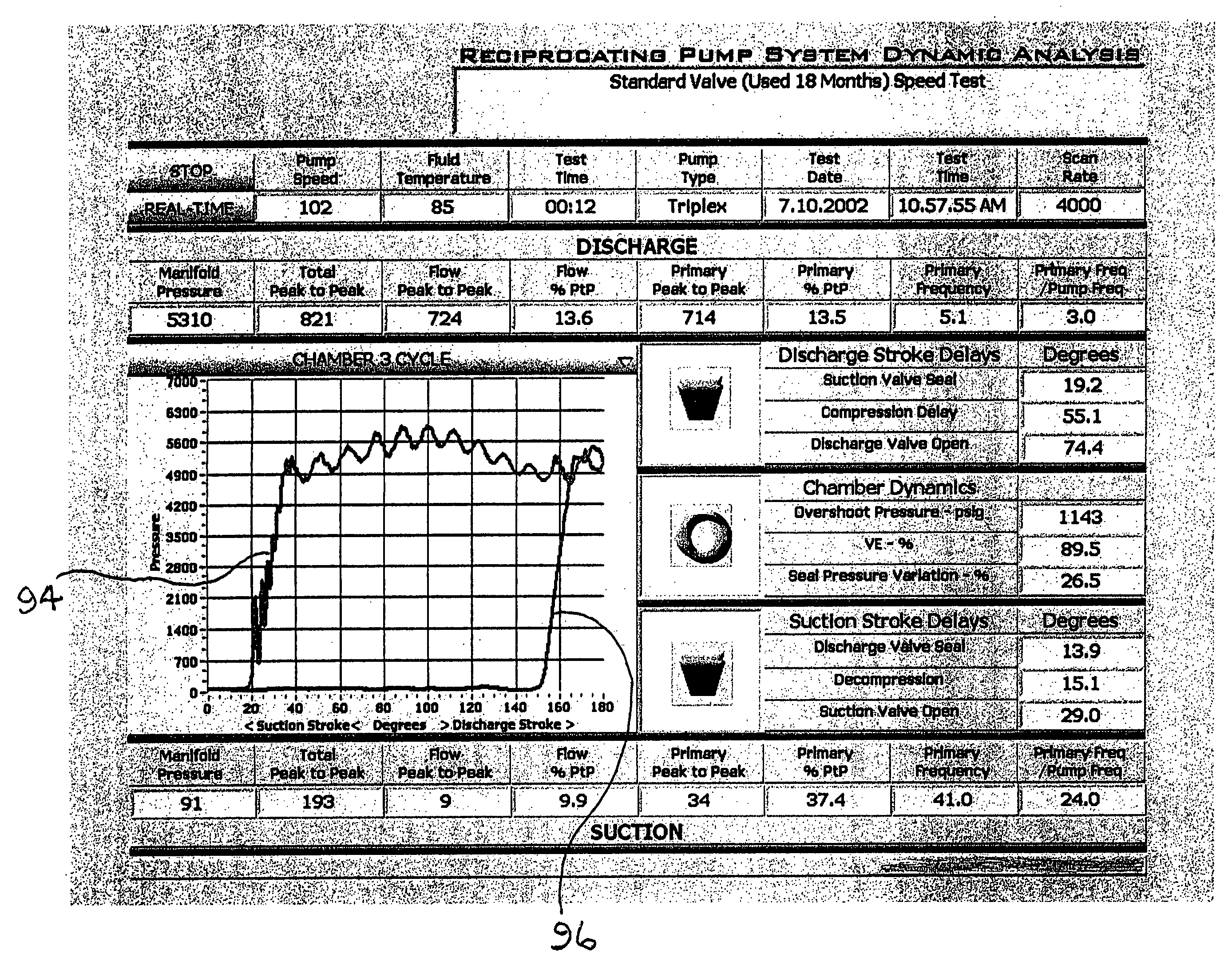
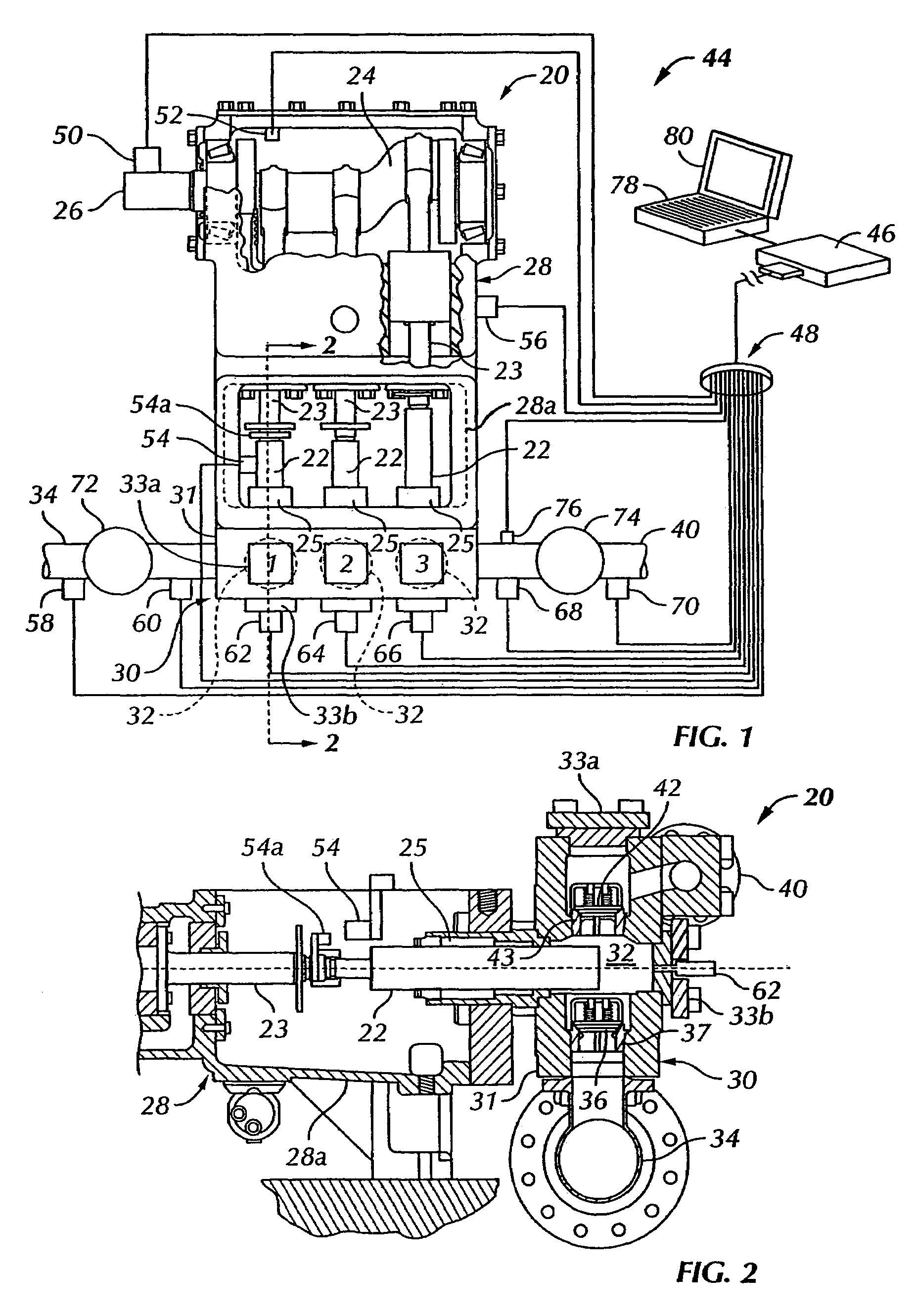
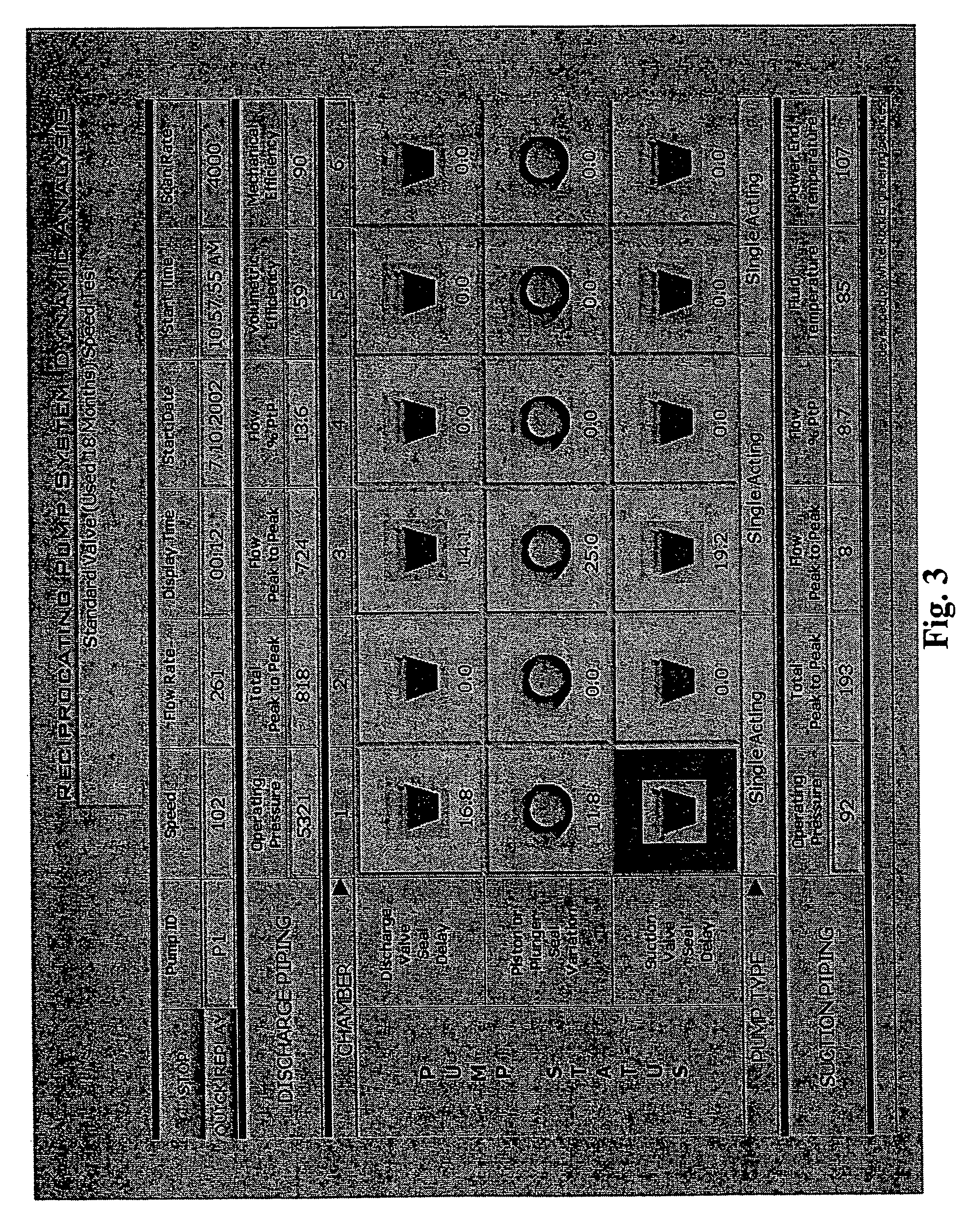
- A system comprising sensors connected to a digital signal processor for measuring and analyzing performance parameters, including fluid pressures, temperature, vibration, and piston/plunger position, providing graphical displays to assess pump efficiency and component health.

Regulatory Compliance Framework
The regulatory compliance framework for validating pump performance against API 676 requirements establishes a comprehensive governance structure that ensures rotary positive displacement pumps meet industry-recognized standards for safety, reliability, and operational excellence. API Standard 676, developed by the American Petroleum Institute, serves as the cornerstone specification for rotary pump procurement and performance verification in petroleum, chemical, and gas industry services. This framework mandates systematic validation protocols that encompass design verification, manufacturing quality control, and performance testing procedures.
Compliance validation begins with establishing traceability between pump specifications and API 676 clauses, requiring manufacturers to demonstrate conformance through documented evidence including design calculations, material certifications, and test reports. The framework necessitates third-party verification for critical parameters such as mechanical seal systems, bearing arrangements, and auxiliary systems. Independent inspection bodies must verify that testing facilities possess calibrated instrumentation meeting accuracy requirements specified in API 676 Section 6, ensuring measurement uncertainties remain within acceptable tolerances.
Documentation requirements form a critical component of the compliance framework, mandating comprehensive record-keeping throughout the validation lifecycle. Manufacturers must maintain detailed test procedures, witnessed test results, non-conformance reports, and corrective action documentation. These records must be retained for specified periods and made available for regulatory audits or customer reviews. The framework also requires formal deviation management processes when pumps cannot meet specific API 676 requirements, necessitating engineering justifications and customer approvals.
Quality management system integration represents another essential element, requiring alignment with ISO 9001 standards and API Q1 specifications. The compliance framework demands that validation activities occur within a controlled quality environment featuring documented procedures, qualified personnel, and continuous improvement mechanisms. Regular internal audits and management reviews ensure ongoing adherence to API 676 requirements and identify opportunities for process enhancement. This systematic approach provides stakeholders with confidence that pump performance validation meets internationally recognized standards while supporting operational safety and asset integrity objectives.
Compliance validation begins with establishing traceability between pump specifications and API 676 clauses, requiring manufacturers to demonstrate conformance through documented evidence including design calculations, material certifications, and test reports. The framework necessitates third-party verification for critical parameters such as mechanical seal systems, bearing arrangements, and auxiliary systems. Independent inspection bodies must verify that testing facilities possess calibrated instrumentation meeting accuracy requirements specified in API 676 Section 6, ensuring measurement uncertainties remain within acceptable tolerances.
Documentation requirements form a critical component of the compliance framework, mandating comprehensive record-keeping throughout the validation lifecycle. Manufacturers must maintain detailed test procedures, witnessed test results, non-conformance reports, and corrective action documentation. These records must be retained for specified periods and made available for regulatory audits or customer reviews. The framework also requires formal deviation management processes when pumps cannot meet specific API 676 requirements, necessitating engineering justifications and customer approvals.
Quality management system integration represents another essential element, requiring alignment with ISO 9001 standards and API Q1 specifications. The compliance framework demands that validation activities occur within a controlled quality environment featuring documented procedures, qualified personnel, and continuous improvement mechanisms. Regular internal audits and management reviews ensure ongoing adherence to API 676 requirements and identify opportunities for process enhancement. This systematic approach provides stakeholders with confidence that pump performance validation meets internationally recognized standards while supporting operational safety and asset integrity objectives.
Quality Assurance Systems
Quality assurance systems form the foundational framework for validating pump performance against API 676 requirements, establishing systematic protocols that ensure compliance throughout the manufacturing and testing lifecycle. These systems integrate documentation control, inspection procedures, and verification methodologies that collectively guarantee pumps meet the stringent standards defined by API 676 for rotary positive displacement pumps. The implementation of robust quality assurance frameworks enables manufacturers to demonstrate conformance through traceable evidence and repeatable processes.
Comprehensive quality management systems must incorporate design review procedures that verify pump specifications align with API 676 parameters before production commences. This includes establishing design validation protocols that assess hydraulic performance characteristics, mechanical integrity requirements, and material specifications against standard benchmarks. Documentation systems should maintain complete traceability from initial design calculations through final performance testing, creating an auditable trail that regulatory bodies and end-users can review.
Manufacturing quality control procedures constitute critical components of the assurance system, encompassing in-process inspections, dimensional verification, and material certification tracking. These procedures must address critical tolerances specified in API 676, including clearance measurements, surface finish requirements, and assembly specifications. Statistical process control methods should be employed to monitor manufacturing consistency and identify potential deviations before they impact pump performance.
Testing protocols represent the culminating validation phase within quality assurance systems, requiring calibrated instrumentation and standardized test procedures that replicate operational conditions. Performance testing must measure flow rates, discharge pressures, power consumption, and efficiency metrics against API 676 acceptance criteria. Witness testing provisions allow customers or third-party inspectors to verify compliance directly, reinforcing confidence in the validation process.
Non-conformance management systems provide structured approaches for addressing deviations from API 676 requirements, establishing corrective action procedures and root cause analysis methodologies. These systems ensure that any performance discrepancies are systematically investigated, resolved, and prevented from recurring. Continuous improvement mechanisms embedded within quality assurance frameworks enable organizations to enhance validation processes based on operational feedback and evolving industry best practices.
Comprehensive quality management systems must incorporate design review procedures that verify pump specifications align with API 676 parameters before production commences. This includes establishing design validation protocols that assess hydraulic performance characteristics, mechanical integrity requirements, and material specifications against standard benchmarks. Documentation systems should maintain complete traceability from initial design calculations through final performance testing, creating an auditable trail that regulatory bodies and end-users can review.
Manufacturing quality control procedures constitute critical components of the assurance system, encompassing in-process inspections, dimensional verification, and material certification tracking. These procedures must address critical tolerances specified in API 676, including clearance measurements, surface finish requirements, and assembly specifications. Statistical process control methods should be employed to monitor manufacturing consistency and identify potential deviations before they impact pump performance.
Testing protocols represent the culminating validation phase within quality assurance systems, requiring calibrated instrumentation and standardized test procedures that replicate operational conditions. Performance testing must measure flow rates, discharge pressures, power consumption, and efficiency metrics against API 676 acceptance criteria. Witness testing provisions allow customers or third-party inspectors to verify compliance directly, reinforcing confidence in the validation process.
Non-conformance management systems provide structured approaches for addressing deviations from API 676 requirements, establishing corrective action procedures and root cause analysis methodologies. These systems ensure that any performance discrepancies are systematically investigated, resolved, and prevented from recurring. Continuous improvement mechanisms embedded within quality assurance frameworks enable organizations to enhance validation processes based on operational feedback and evolving industry best practices.
Unlock deeper insights with Patsnap Eureka Quick Research — get a full tech report to explore trends and direct your research. Try now!
Generate Your Research Report Instantly with AI Agent
Supercharge your innovation with Patsnap Eureka AI Agent Platform!