Vertical Wind Turbine Location Selection Based on Wind Patterns
MAR 30, 20269 MIN READ
Generate Your Research Report Instantly with AI Agent
PatSnap Eureka helps you evaluate technical feasibility & market potential.
Vertical Wind Turbine Development Background and Objectives
Vertical wind turbines (VWTs) have emerged as a promising alternative to traditional horizontal axis wind turbines, driven by their unique design advantages and operational characteristics. Unlike conventional horizontal turbines that require wind direction alignment, VWTs can capture wind from any direction, making them particularly suitable for complex wind environments and urban applications. The development of VWT technology has been motivated by the need to harness wind energy in locations where traditional turbines face limitations due to turbulent wind patterns, space constraints, or aesthetic considerations.
The historical evolution of vertical wind turbine technology traces back to the early 20th century, with significant developments occurring in the 1970s during the global energy crisis. Early designs like the Darrieus turbine demonstrated the potential of vertical axis configurations, though initial implementations faced challenges related to efficiency and structural integrity. Recent decades have witnessed substantial improvements in materials science, aerodynamic design, and manufacturing processes, leading to more viable VWT solutions.
Current technological objectives focus on optimizing VWT performance through advanced location selection methodologies that leverage comprehensive wind pattern analysis. The primary goal is to develop sophisticated algorithms and modeling techniques that can accurately predict wind behavior at potential installation sites, considering factors such as terrain topology, urban infrastructure, and seasonal wind variations. This approach aims to maximize energy capture efficiency while minimizing installation and maintenance costs.
The integration of meteorological data analysis, computational fluid dynamics, and machine learning techniques represents a significant advancement in VWT deployment strategies. Modern objectives emphasize creating predictive models that can identify optimal installation locations by analyzing historical wind data, real-time atmospheric conditions, and site-specific environmental factors. These technological goals align with broader renewable energy targets, seeking to expand wind energy accessibility to previously unsuitable locations.
Contemporary development efforts concentrate on enhancing the precision of wind pattern recognition systems and developing adaptive turbine designs that can respond dynamically to changing wind conditions. The ultimate objective is to establish VWT installations that achieve competitive energy output while offering greater flexibility in site selection compared to traditional wind energy solutions.
The historical evolution of vertical wind turbine technology traces back to the early 20th century, with significant developments occurring in the 1970s during the global energy crisis. Early designs like the Darrieus turbine demonstrated the potential of vertical axis configurations, though initial implementations faced challenges related to efficiency and structural integrity. Recent decades have witnessed substantial improvements in materials science, aerodynamic design, and manufacturing processes, leading to more viable VWT solutions.
Current technological objectives focus on optimizing VWT performance through advanced location selection methodologies that leverage comprehensive wind pattern analysis. The primary goal is to develop sophisticated algorithms and modeling techniques that can accurately predict wind behavior at potential installation sites, considering factors such as terrain topology, urban infrastructure, and seasonal wind variations. This approach aims to maximize energy capture efficiency while minimizing installation and maintenance costs.
The integration of meteorological data analysis, computational fluid dynamics, and machine learning techniques represents a significant advancement in VWT deployment strategies. Modern objectives emphasize creating predictive models that can identify optimal installation locations by analyzing historical wind data, real-time atmospheric conditions, and site-specific environmental factors. These technological goals align with broader renewable energy targets, seeking to expand wind energy accessibility to previously unsuitable locations.
Contemporary development efforts concentrate on enhancing the precision of wind pattern recognition systems and developing adaptive turbine designs that can respond dynamically to changing wind conditions. The ultimate objective is to establish VWT installations that achieve competitive energy output while offering greater flexibility in site selection compared to traditional wind energy solutions.
Market Analysis for Vertical Wind Energy Systems
The vertical wind energy systems market has experienced significant growth momentum driven by increasing demand for distributed renewable energy solutions and urban wind power applications. Unlike traditional horizontal axis wind turbines, vertical axis wind turbines (VAWTs) offer unique advantages in complex wind environments, making them particularly suitable for urban and suburban installations where wind patterns are turbulent and multidirectional.
Market demand for vertical wind energy systems is primarily concentrated in three key segments: urban renewable energy projects, distributed generation applications, and off-grid power solutions. Urban environments present substantial opportunities as cities worldwide implement renewable energy mandates and seek to reduce carbon footprints. The technology's ability to operate effectively in turbulent wind conditions makes it ideal for rooftop installations, commercial buildings, and integrated urban infrastructure projects.
The residential and commercial building sectors represent emerging market opportunities, particularly in regions with favorable renewable energy policies and incentive programs. Small-scale vertical wind systems are gaining traction among property owners seeking energy independence and reduced utility costs. Additionally, remote and off-grid applications, including telecommunications towers, rural communities, and industrial facilities, constitute a growing market segment where vertical wind turbines can provide reliable power generation.
Geographic market distribution shows strong growth potential in North America, Europe, and Asia-Pacific regions. European markets lead in adoption due to supportive regulatory frameworks and aggressive renewable energy targets. North American markets are expanding rapidly, driven by state-level renewable portfolio standards and federal tax incentives. Asia-Pacific regions, particularly China and Japan, represent significant growth opportunities due to urbanization trends and government commitments to clean energy transition.
Market challenges include higher initial capital costs compared to solar alternatives and competition from established horizontal wind turbine technologies. However, technological improvements in turbine design, materials, and control systems are gradually addressing cost competitiveness issues. The integration of advanced wind pattern analysis and optimal site selection methodologies is expected to enhance system performance and accelerate market adoption across diverse geographic and climatic conditions.
Market demand for vertical wind energy systems is primarily concentrated in three key segments: urban renewable energy projects, distributed generation applications, and off-grid power solutions. Urban environments present substantial opportunities as cities worldwide implement renewable energy mandates and seek to reduce carbon footprints. The technology's ability to operate effectively in turbulent wind conditions makes it ideal for rooftop installations, commercial buildings, and integrated urban infrastructure projects.
The residential and commercial building sectors represent emerging market opportunities, particularly in regions with favorable renewable energy policies and incentive programs. Small-scale vertical wind systems are gaining traction among property owners seeking energy independence and reduced utility costs. Additionally, remote and off-grid applications, including telecommunications towers, rural communities, and industrial facilities, constitute a growing market segment where vertical wind turbines can provide reliable power generation.
Geographic market distribution shows strong growth potential in North America, Europe, and Asia-Pacific regions. European markets lead in adoption due to supportive regulatory frameworks and aggressive renewable energy targets. North American markets are expanding rapidly, driven by state-level renewable portfolio standards and federal tax incentives. Asia-Pacific regions, particularly China and Japan, represent significant growth opportunities due to urbanization trends and government commitments to clean energy transition.
Market challenges include higher initial capital costs compared to solar alternatives and competition from established horizontal wind turbine technologies. However, technological improvements in turbine design, materials, and control systems are gradually addressing cost competitiveness issues. The integration of advanced wind pattern analysis and optimal site selection methodologies is expected to enhance system performance and accelerate market adoption across diverse geographic and climatic conditions.
Current Challenges in Wind Pattern-Based Turbine Siting
Wind pattern analysis for vertical wind turbine siting faces significant computational complexity challenges due to the multidimensional nature of atmospheric data. Traditional meteorological models struggle to capture the intricate interactions between terrain features, seasonal variations, and microclimatic conditions that directly impact turbine performance. The temporal resolution required for accurate wind pattern characterization often exceeds the capabilities of conventional forecasting systems, creating gaps in long-term site assessment reliability.
Data acquisition remains a critical bottleneck in wind pattern-based turbine location selection. Ground-based measurement stations provide limited spatial coverage, while satellite-derived wind data often lacks the granular resolution necessary for precise vertical turbine positioning. The integration of multiple data sources introduces inconsistencies in measurement standards and temporal synchronization, complicating the development of unified analytical frameworks for site evaluation.
Terrain-induced wind flow modifications present substantial modeling challenges for vertical turbine deployment. Complex topographical features create turbulent flow patterns, wind shear effects, and localized acceleration zones that are difficult to predict using standard atmospheric models. Urban environments introduce additional complications through building-induced wind corridors and heat island effects, requiring sophisticated computational fluid dynamics approaches that are resource-intensive and time-consuming.
The inherent variability of wind patterns across different temporal scales poses significant challenges for long-term site viability assessment. Seasonal wind pattern shifts, climate change impacts, and extreme weather events can dramatically alter the wind resource characteristics at potential turbine locations. Current prediction models often fail to adequately account for these dynamic factors, leading to suboptimal site selection decisions and reduced energy generation efficiency.
Vertical wind turbines exhibit unique aerodynamic characteristics that complicate traditional wind resource assessment methodologies. Unlike horizontal axis turbines, vertical turbines respond differently to wind direction changes and turbulence intensity, requiring specialized evaluation criteria that are not well-established in current industry practices. The lack of standardized assessment protocols specifically designed for vertical turbine wind pattern analysis creates uncertainty in site selection processes and performance predictions.
Data acquisition remains a critical bottleneck in wind pattern-based turbine location selection. Ground-based measurement stations provide limited spatial coverage, while satellite-derived wind data often lacks the granular resolution necessary for precise vertical turbine positioning. The integration of multiple data sources introduces inconsistencies in measurement standards and temporal synchronization, complicating the development of unified analytical frameworks for site evaluation.
Terrain-induced wind flow modifications present substantial modeling challenges for vertical turbine deployment. Complex topographical features create turbulent flow patterns, wind shear effects, and localized acceleration zones that are difficult to predict using standard atmospheric models. Urban environments introduce additional complications through building-induced wind corridors and heat island effects, requiring sophisticated computational fluid dynamics approaches that are resource-intensive and time-consuming.
The inherent variability of wind patterns across different temporal scales poses significant challenges for long-term site viability assessment. Seasonal wind pattern shifts, climate change impacts, and extreme weather events can dramatically alter the wind resource characteristics at potential turbine locations. Current prediction models often fail to adequately account for these dynamic factors, leading to suboptimal site selection decisions and reduced energy generation efficiency.
Vertical wind turbines exhibit unique aerodynamic characteristics that complicate traditional wind resource assessment methodologies. Unlike horizontal axis turbines, vertical turbines respond differently to wind direction changes and turbulence intensity, requiring specialized evaluation criteria that are not well-established in current industry practices. The lack of standardized assessment protocols specifically designed for vertical turbine wind pattern analysis creates uncertainty in site selection processes and performance predictions.
Existing Wind Pattern Analysis Solutions for Site Selection
01 Wind resource assessment and measurement systems for site selection
Vertical wind turbine location selection requires comprehensive wind resource assessment through measurement systems and data collection methods. This involves analyzing wind speed, direction, and consistency at potential sites using meteorological towers, remote sensing equipment, and historical wind data. Advanced monitoring systems can evaluate wind patterns at different heights and seasons to determine optimal placement locations. Geographic information systems and computational models help predict long-term wind availability and energy production potential for specific sites.- Wind resource assessment and measurement systems for site selection: Vertical wind turbine location selection requires comprehensive wind resource assessment through measurement systems and data collection methods. This involves analyzing wind speed, direction, and consistency at potential sites using meteorological towers, remote sensing equipment, and historical wind data. Advanced monitoring systems can evaluate wind patterns at different heights and seasons to determine optimal placement locations. Geographic information systems and computational models are employed to predict long-term wind availability and energy production potential.
- Urban and built environment integration considerations: Site selection for vertical wind turbines in urban and built environments requires special consideration of building structures, rooftops, and architectural integration. Factors include structural load capacity, vibration effects, noise propagation, and aesthetic integration with existing infrastructure. Analysis of wind flow patterns around buildings and structures helps identify locations with enhanced wind acceleration effects. Safety clearances, maintenance accessibility, and local building codes must be evaluated during the selection process.
- Terrain and topographical analysis methods: Optimal location selection involves detailed terrain and topographical analysis to identify sites with favorable wind characteristics. This includes evaluation of elevation changes, surface roughness, obstacles, and natural wind corridors. Computational fluid dynamics modeling can simulate wind behavior over complex terrain to predict turbine performance. Geographic features such as hills, valleys, and coastal areas are analyzed for their impact on wind acceleration and turbulence levels.
- Grid connectivity and electrical infrastructure assessment: Location selection must consider proximity to electrical grid infrastructure and transmission capabilities. Assessment includes evaluating existing power lines, substations, and grid capacity to accommodate generated power. Economic analysis of connection costs, transmission losses, and grid integration requirements influences site selection decisions. Regulatory requirements and utility interconnection standards must be satisfied at the selected location.
- Environmental and regulatory compliance factors: Site selection requires comprehensive environmental impact assessment including effects on wildlife, particularly birds and bats, as well as noise pollution and visual impact considerations. Regulatory compliance involves zoning restrictions, setback requirements, and environmental protection regulations. Community acceptance, land use permissions, and local ordinances significantly influence location feasibility. Long-term environmental monitoring and mitigation strategies must be incorporated into the site selection process.
02 Urban and built environment integration considerations
Site selection for vertical wind turbines in urban and built environments requires special consideration of building structures, rooftops, and architectural integration. Factors include structural load capacity, vibration effects, noise propagation, and aesthetic integration with existing infrastructure. The placement must account for turbulence created by buildings, optimal mounting heights, and accessibility for maintenance. Urban wind acceleration effects around tall structures can be leveraged to enhance turbine performance when properly positioned.Expand Specific Solutions03 Terrain and topographical analysis methods
Optimal location selection involves detailed terrain and topographical analysis to identify sites with favorable wind acceleration characteristics. This includes evaluating elevation changes, surface roughness, obstacles, and natural wind corridors. Computational fluid dynamics modeling can simulate wind flow patterns over complex terrain to predict turbine performance. Site selection methodologies incorporate digital elevation models and geographical mapping to identify locations where terrain features naturally concentrate or accelerate wind flow.Expand Specific Solutions04 Environmental and regulatory compliance factors
Location selection must address environmental impact assessments, wildlife protection, and regulatory compliance requirements. This includes evaluating effects on bird migration patterns, noise pollution limits, visual impact on landscapes, and proximity to residential areas. Zoning regulations, setback requirements, and grid connection feasibility are critical factors. Environmental studies assess potential ecological disruption and ensure compliance with local, regional, and national renewable energy regulations and permitting processes.Expand Specific Solutions05 Multi-turbine array layout and spacing optimization
When deploying multiple vertical wind turbines, site selection involves optimizing array layouts and inter-turbine spacing to minimize wake effects and maximize overall energy capture. This requires analyzing wind rose patterns, prevailing wind directions, and turbulence interactions between adjacent turbines. Optimization algorithms determine ideal spacing distances and geometric arrangements to reduce power losses from wake interference. Site planning considers scalability, phased installation possibilities, and collective performance of turbine clusters rather than individual units.Expand Specific Solutions
Major Players in Vertical Wind Turbine Industry
The vertical wind turbine location selection market represents an emerging segment within the broader wind energy industry, currently in its early development stage as the sector transitions from traditional horizontal-axis to more innovative vertical-axis solutions. The market remains relatively niche compared to conventional wind technologies, with significant growth potential driven by urbanization and distributed energy needs. Technology maturity varies considerably across market players, with established giants like Vestas Wind Systems, Siemens Gamesa, and GE Infrastructure Technology leading in conventional turbine expertise while adapting to vertical configurations. Chinese companies including Beijing Goldwind, Ming Yang Smart Energy, and Envision Energy are rapidly advancing their technological capabilities, particularly in smart turbine integration and location optimization algorithms. Research institutions like Zhejiang University, California Institute of Technology, and Shanghai University of Electric Power are contributing fundamental research in wind pattern analysis and site selection methodologies, while technology companies such as IBM are developing AI-driven optimization solutions for turbine placement.
Vestas Wind Systems A/S
Technical Solution: Vestas has developed comprehensive wind resource assessment technologies that integrate advanced meteorological modeling with site-specific wind pattern analysis for vertical wind turbine placement. Their WindPRO software platform combines mesoscale atmospheric modeling with computational fluid dynamics (CFD) to analyze complex wind flow patterns around vertical structures and urban environments. The company utilizes LiDAR technology and multi-height wind measurement systems to capture detailed vertical wind profiles, enabling optimal positioning of vertical axis wind turbines (VAWTs). Their approach incorporates turbulence intensity mapping and wake effect modeling specifically designed for vertical turbine configurations, considering factors such as building-induced wind acceleration and channeling effects in urban canyons.
Strengths: Global leader in wind energy with extensive experience in wind resource assessment and advanced modeling capabilities. Weaknesses: Primary focus on horizontal axis turbines may limit specialized vertical turbine expertise.
Beijing Goldwind Science & Creation Windpower Equip Co., Ltd.
Technical Solution: Goldwind has developed integrated wind farm planning solutions that incorporate machine learning algorithms for analyzing wind pattern data specifically for vertical wind turbine deployment. Their technology platform combines satellite-based wind mapping with ground-based measurement networks to identify optimal locations for VAWTs in complex terrain and urban environments. The company's approach utilizes artificial intelligence to process historical wind data, topographical information, and meteorological patterns to predict long-term wind behavior at potential vertical turbine sites. Their system considers unique characteristics of vertical turbines such as omnidirectional wind capture capability and reduced sensitivity to wind direction changes, enabling more flexible site selection compared to traditional horizontal turbines.
Strengths: Strong presence in Asian markets with expertise in complex terrain wind assessment and AI-driven site selection. Weaknesses: Limited global experience compared to European competitors and newer to vertical turbine technologies.
Advanced Wind Modeling Technologies for Vertical Turbines
Method for enhancement of a wind plant layout with multiple wind turbines
PatentActiveUS7941304B2
Innovation
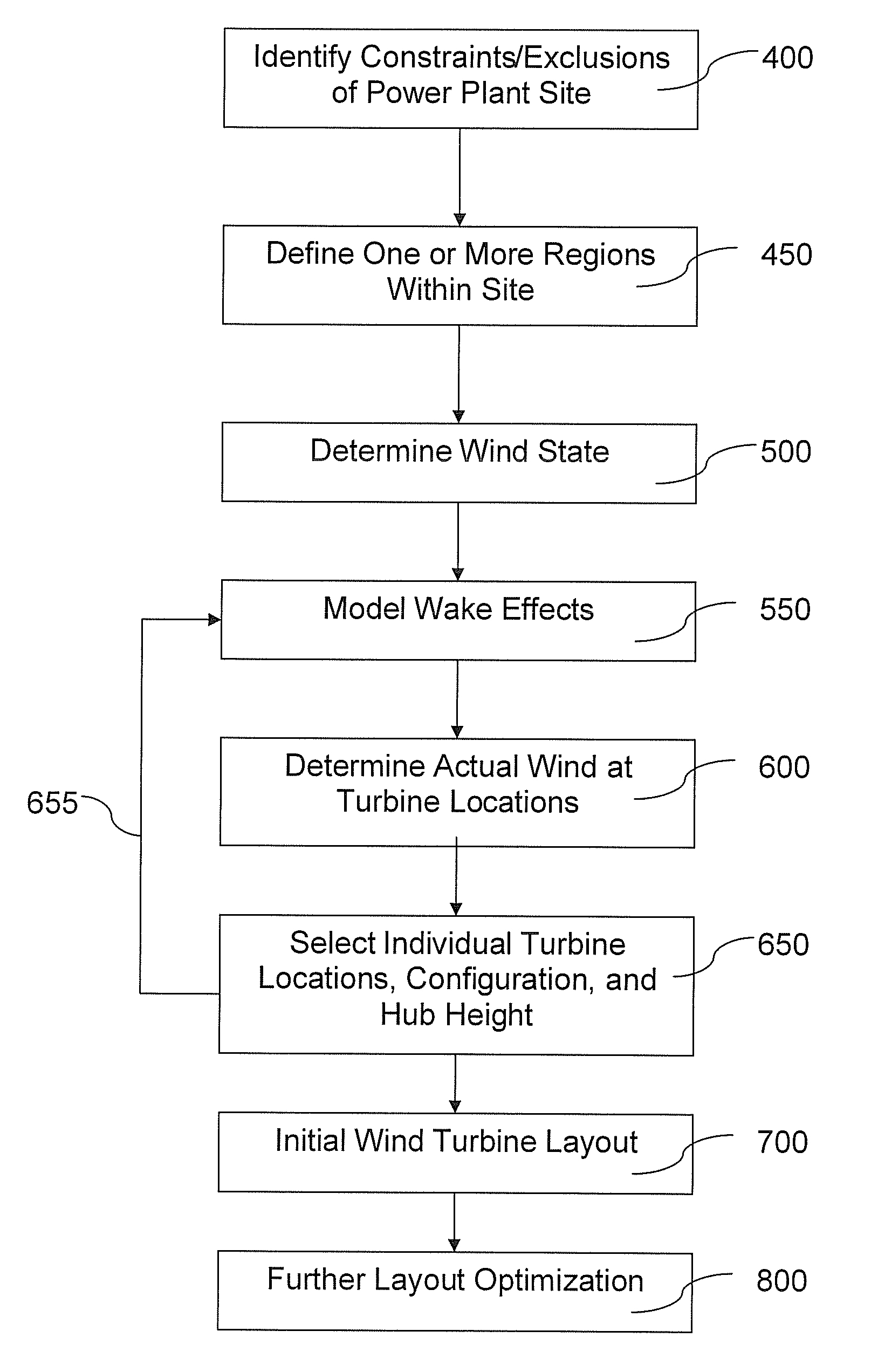
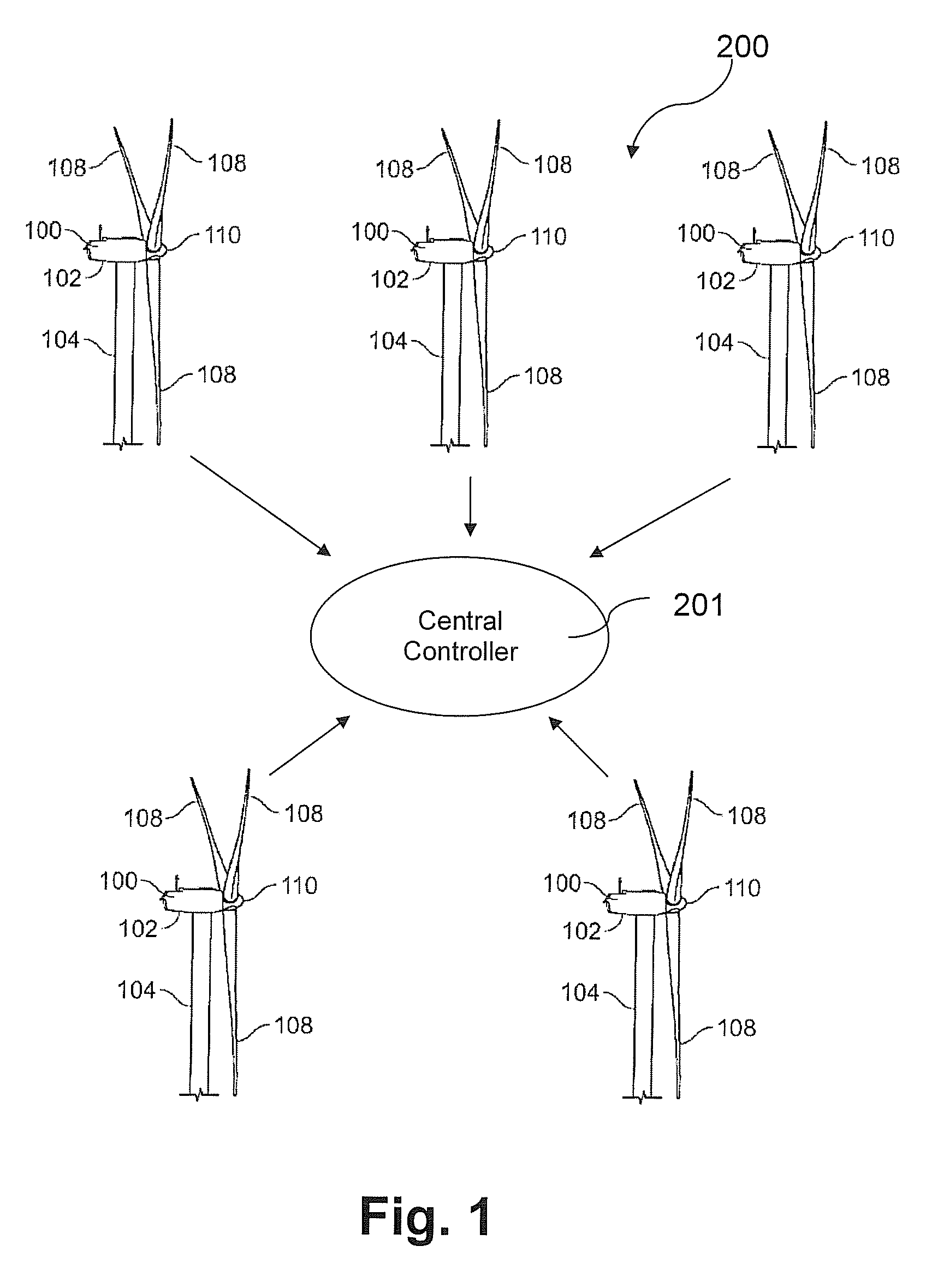
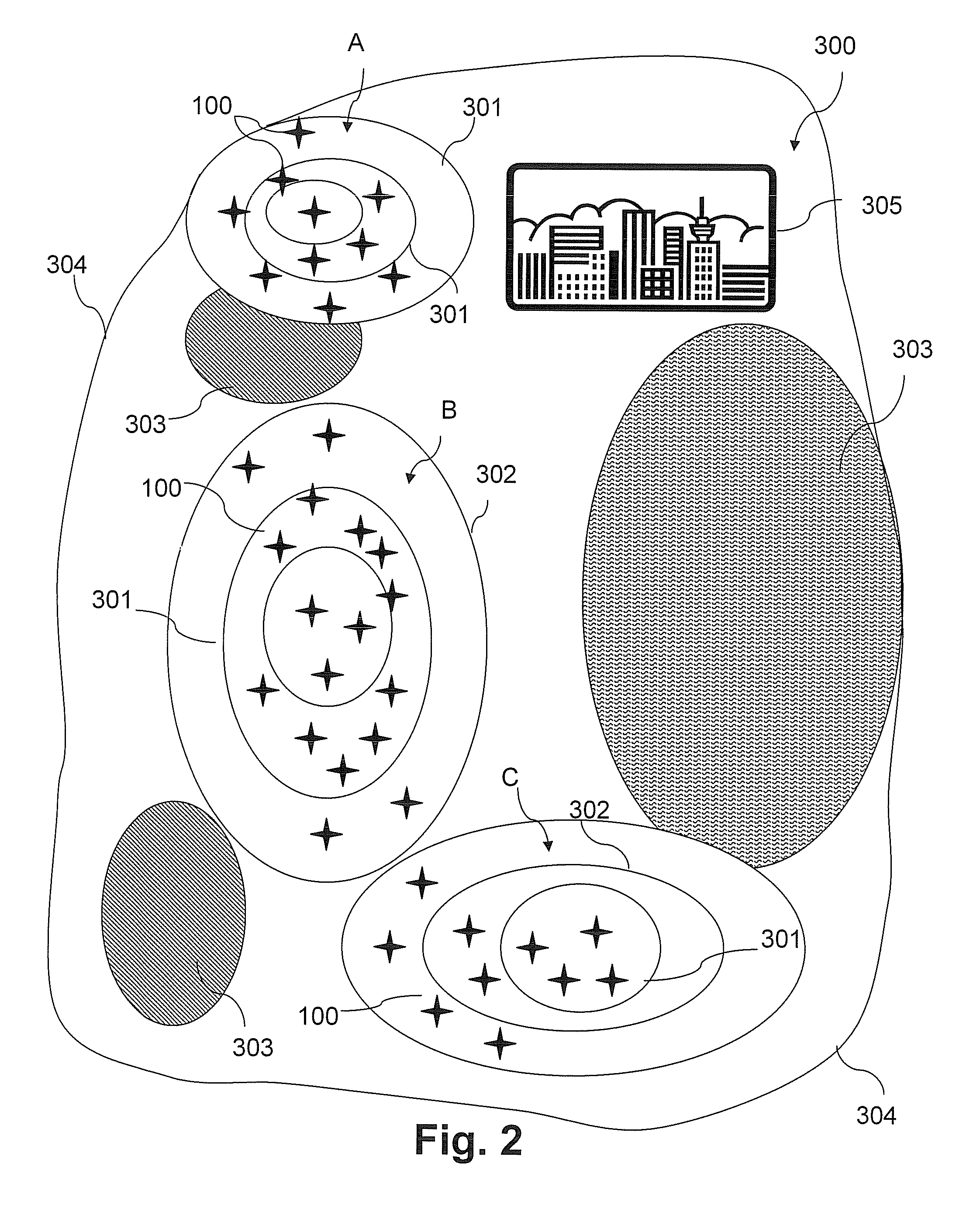
- A method that assesses wind conditions at each turbine location, accounting for wake effects from other turbines, to determine optimal hub heights and configurations that minimize wake loss and enhance power output, allowing for tailored turbine characteristics based on actual wind conditions.

Wind turbine layout method and device
PatentInactiveUS20230335989A1
Innovation
- A method and device that utilize mesoscale wind atlas data and terrain information, combined with taboo search optimization, to determine optimal wind turbine arrangements that maximize annual power generation while excluding unsuitable areas with wind speed and slope limitations, and validate the arrangement using handheld surveying devices with wireless signal reception.


Environmental Impact Assessment for Wind Farm Development
Environmental impact assessment represents a critical component in the development of vertical wind turbine installations, requiring comprehensive evaluation of ecological, atmospheric, and socioeconomic consequences. The strategic placement of vertical axis wind turbines based on wind patterns must consider multiple environmental factors that extend beyond mere energy generation efficiency. These assessments ensure sustainable development practices while minimizing adverse effects on local ecosystems and communities.
The ecological impact evaluation focuses on wildlife interactions, particularly avian and bat populations that may be affected by turbine operations. Vertical wind turbines, due to their unique rotational characteristics and lower height profiles compared to horizontal axis systems, present different risk profiles for flying species. Migration corridors, nesting sites, and feeding areas require detailed mapping to avoid critical habitat disruption. Additionally, ground-level fauna considerations include noise impact zones and potential habitat fragmentation effects.
Atmospheric and meteorological impacts encompass wake effects, local wind pattern alterations, and microclimate modifications. Vertical turbines create distinct wake signatures that can influence downstream wind resources and local weather patterns. The assessment must evaluate cumulative effects when multiple turbines are deployed in arrays, considering how altered wind flows might affect regional precipitation patterns, temperature distributions, and air quality dynamics.
Soil and geological assessments address foundation requirements, erosion potential, and land use compatibility. Vertical wind turbines typically require different foundation designs compared to conventional systems, potentially affecting soil stability and drainage patterns. Construction phase impacts include temporary habitat disruption, access road development, and material transportation effects on local infrastructure.
Hydrological impact evaluation examines effects on surface water flow, groundwater systems, and watershed dynamics. Changes in local wind patterns can influence evaporation rates, precipitation distribution, and runoff characteristics. Coastal installations require additional consideration of marine ecosystem impacts, including effects on fish populations and marine mammal behavior patterns.
Community and cultural impact assessments address visual aesthetics, noise pollution, and electromagnetic interference concerns. Vertical turbines present unique visual profiles that may affect landscape character and property values differently than traditional horizontal systems. Cultural heritage sites, archaeological resources, and traditional land use practices require protection through careful site selection and operational planning.
The ecological impact evaluation focuses on wildlife interactions, particularly avian and bat populations that may be affected by turbine operations. Vertical wind turbines, due to their unique rotational characteristics and lower height profiles compared to horizontal axis systems, present different risk profiles for flying species. Migration corridors, nesting sites, and feeding areas require detailed mapping to avoid critical habitat disruption. Additionally, ground-level fauna considerations include noise impact zones and potential habitat fragmentation effects.
Atmospheric and meteorological impacts encompass wake effects, local wind pattern alterations, and microclimate modifications. Vertical turbines create distinct wake signatures that can influence downstream wind resources and local weather patterns. The assessment must evaluate cumulative effects when multiple turbines are deployed in arrays, considering how altered wind flows might affect regional precipitation patterns, temperature distributions, and air quality dynamics.
Soil and geological assessments address foundation requirements, erosion potential, and land use compatibility. Vertical wind turbines typically require different foundation designs compared to conventional systems, potentially affecting soil stability and drainage patterns. Construction phase impacts include temporary habitat disruption, access road development, and material transportation effects on local infrastructure.
Hydrological impact evaluation examines effects on surface water flow, groundwater systems, and watershed dynamics. Changes in local wind patterns can influence evaporation rates, precipitation distribution, and runoff characteristics. Coastal installations require additional consideration of marine ecosystem impacts, including effects on fish populations and marine mammal behavior patterns.
Community and cultural impact assessments address visual aesthetics, noise pollution, and electromagnetic interference concerns. Vertical turbines present unique visual profiles that may affect landscape character and property values differently than traditional horizontal systems. Cultural heritage sites, archaeological resources, and traditional land use practices require protection through careful site selection and operational planning.
Grid Integration Standards for Distributed Wind Systems
Grid integration standards for distributed wind systems represent a critical framework that governs how vertical wind turbines connect to and interact with electrical distribution networks. These standards encompass technical specifications, safety protocols, and operational requirements that ensure reliable and efficient power delivery from distributed wind installations to the broader electrical grid infrastructure.
The IEEE 1547 series serves as the foundational standard for distributed energy resource interconnection, establishing voltage and frequency ride-through requirements, power quality specifications, and anti-islanding protection protocols. For vertical wind turbines, these standards mandate specific inverter capabilities, including reactive power control and voltage regulation functions that maintain grid stability during variable wind conditions.
Power quality requirements under grid integration standards address harmonic distortion limits, voltage flicker constraints, and power factor specifications. Vertical wind turbines must comply with total harmonic distortion thresholds typically below 5% and maintain power factors within 0.95 leading to 0.95 lagging ranges. These requirements ensure that distributed wind installations do not adversely affect power quality for other grid-connected customers.
Interconnection procedures defined by standards organizations require comprehensive testing and certification processes for vertical wind turbine systems. These procedures include witness testing of protective relay functions, verification of communication protocols for grid monitoring, and validation of automatic disconnect capabilities during grid disturbances or maintenance operations.
Communication and control standards, particularly IEC 61850 and DNP3 protocols, enable real-time monitoring and control of distributed wind systems. These standards facilitate remote operation capabilities, allowing grid operators to manage distributed wind resources as part of broader demand response and grid optimization strategies.
Emerging standards development focuses on advanced grid services, including frequency response capabilities and voltage support functions. Future standards will likely incorporate requirements for energy storage integration, microgrid operation capabilities, and enhanced cybersecurity measures to protect distributed wind systems from potential cyber threats while maintaining reliable grid integration performance.
The IEEE 1547 series serves as the foundational standard for distributed energy resource interconnection, establishing voltage and frequency ride-through requirements, power quality specifications, and anti-islanding protection protocols. For vertical wind turbines, these standards mandate specific inverter capabilities, including reactive power control and voltage regulation functions that maintain grid stability during variable wind conditions.
Power quality requirements under grid integration standards address harmonic distortion limits, voltage flicker constraints, and power factor specifications. Vertical wind turbines must comply with total harmonic distortion thresholds typically below 5% and maintain power factors within 0.95 leading to 0.95 lagging ranges. These requirements ensure that distributed wind installations do not adversely affect power quality for other grid-connected customers.
Interconnection procedures defined by standards organizations require comprehensive testing and certification processes for vertical wind turbine systems. These procedures include witness testing of protective relay functions, verification of communication protocols for grid monitoring, and validation of automatic disconnect capabilities during grid disturbances or maintenance operations.
Communication and control standards, particularly IEC 61850 and DNP3 protocols, enable real-time monitoring and control of distributed wind systems. These standards facilitate remote operation capabilities, allowing grid operators to manage distributed wind resources as part of broader demand response and grid optimization strategies.
Emerging standards development focuses on advanced grid services, including frequency response capabilities and voltage support functions. Future standards will likely incorporate requirements for energy storage integration, microgrid operation capabilities, and enhanced cybersecurity measures to protect distributed wind systems from potential cyber threats while maintaining reliable grid integration performance.
Unlock deeper insights with PatSnap Eureka Quick Research — get a full tech report to explore trends and direct your research. Try now!
Generate Your Research Report Instantly with AI Agent
Supercharge your innovation with PatSnap Eureka AI Agent Platform!