Virtual Modeling for Embedded Bridge Design Improvements
APR 16, 202610 MIN READ
Generate Your Research Report Instantly with AI Agent
Patsnap Eureka helps you evaluate technical feasibility & market potential.
Virtual Bridge Modeling Background and Design Goals
Bridge infrastructure represents one of the most critical components of modern transportation networks, with over 600,000 bridges currently in service across the United States alone. Traditional bridge design methodologies have relied heavily on empirical approaches, standardized load calculations, and physical testing protocols that often fail to capture the complex interactions between structural elements and environmental factors. The increasing age of existing bridge infrastructure, combined with growing traffic demands and climate-related challenges, has created an urgent need for more sophisticated design and analysis tools.
The evolution of computational modeling technologies has opened unprecedented opportunities for revolutionizing bridge design processes. Virtual modeling techniques have emerged as powerful tools capable of simulating complex structural behaviors, material interactions, and environmental impacts with remarkable accuracy. These digital approaches enable engineers to explore design alternatives, optimize structural performance, and predict long-term behavior patterns that would be impossible or prohibitively expensive to evaluate through traditional methods.
Embedded bridge design presents unique challenges that distinguish it from conventional bridge construction. These structures must integrate seamlessly with surrounding infrastructure while accommodating complex load distributions, soil-structure interactions, and multi-directional force transfers. The embedded nature of these bridges creates intricate boundary conditions that significantly influence structural performance, making accurate modeling essential for successful design outcomes.
Current industry trends indicate a growing recognition of virtual modeling's potential to address these challenges. Advanced finite element analysis, computational fluid dynamics, and multi-physics simulation platforms are increasingly being adopted to enhance design accuracy and reduce project risks. The integration of Building Information Modeling with structural analysis tools has further expanded the capabilities of virtual design environments.
The primary objective of implementing virtual modeling for embedded bridge design improvements centers on developing comprehensive digital frameworks that can accurately predict structural behavior under various loading conditions and environmental scenarios. This includes creating detailed models that capture soil-structure interactions, thermal effects, dynamic responses, and long-term performance characteristics. The goal extends beyond simple structural analysis to encompass optimization of material usage, construction sequencing, and lifecycle performance.
Secondary objectives focus on establishing standardized modeling protocols that can be consistently applied across different project types and scales. This involves developing validated modeling approaches that bridge the gap between theoretical capabilities and practical engineering applications, ensuring that virtual modeling tools become integral components of routine design processes rather than specialized research tools.
The evolution of computational modeling technologies has opened unprecedented opportunities for revolutionizing bridge design processes. Virtual modeling techniques have emerged as powerful tools capable of simulating complex structural behaviors, material interactions, and environmental impacts with remarkable accuracy. These digital approaches enable engineers to explore design alternatives, optimize structural performance, and predict long-term behavior patterns that would be impossible or prohibitively expensive to evaluate through traditional methods.
Embedded bridge design presents unique challenges that distinguish it from conventional bridge construction. These structures must integrate seamlessly with surrounding infrastructure while accommodating complex load distributions, soil-structure interactions, and multi-directional force transfers. The embedded nature of these bridges creates intricate boundary conditions that significantly influence structural performance, making accurate modeling essential for successful design outcomes.
Current industry trends indicate a growing recognition of virtual modeling's potential to address these challenges. Advanced finite element analysis, computational fluid dynamics, and multi-physics simulation platforms are increasingly being adopted to enhance design accuracy and reduce project risks. The integration of Building Information Modeling with structural analysis tools has further expanded the capabilities of virtual design environments.
The primary objective of implementing virtual modeling for embedded bridge design improvements centers on developing comprehensive digital frameworks that can accurately predict structural behavior under various loading conditions and environmental scenarios. This includes creating detailed models that capture soil-structure interactions, thermal effects, dynamic responses, and long-term performance characteristics. The goal extends beyond simple structural analysis to encompass optimization of material usage, construction sequencing, and lifecycle performance.
Secondary objectives focus on establishing standardized modeling protocols that can be consistently applied across different project types and scales. This involves developing validated modeling approaches that bridge the gap between theoretical capabilities and practical engineering applications, ensuring that virtual modeling tools become integral components of routine design processes rather than specialized research tools.
Market Demand for Advanced Embedded Bridge Solutions
The global infrastructure sector is experiencing unprecedented demand for advanced embedded bridge solutions, driven by aging infrastructure, urbanization pressures, and evolving safety standards. Traditional bridge design and monitoring approaches are increasingly inadequate for addressing the complex challenges posed by modern transportation networks, creating substantial market opportunities for innovative virtual modeling technologies.
Infrastructure investment trends indicate significant government commitments worldwide to bridge modernization and replacement programs. The deteriorating condition of existing bridge networks, particularly in developed economies, necessitates sophisticated design tools that can optimize structural performance while minimizing lifecycle costs. Virtual modeling technologies offer compelling value propositions by enabling comprehensive structural analysis, predictive maintenance capabilities, and enhanced safety assessments during the design phase.
The embedded systems market within bridge infrastructure is expanding rapidly, fueled by the integration of Internet of Things sensors, real-time monitoring systems, and smart infrastructure initiatives. These embedded solutions require sophisticated design methodologies that can accommodate complex sensor networks, data processing capabilities, and communication systems while maintaining structural integrity and operational reliability.
Transportation authorities and engineering firms are increasingly seeking advanced design tools that can simulate real-world conditions, predict structural behavior under various load scenarios, and optimize embedded system placement. The demand extends beyond traditional structural analysis to encompass comprehensive system integration, including power management, data transmission, and environmental resilience considerations.
Regulatory frameworks are evolving to mandate enhanced monitoring and safety systems in critical infrastructure, creating additional market drivers for embedded bridge solutions. These requirements necessitate design tools capable of ensuring compliance while optimizing system performance and cost-effectiveness.
The market opportunity encompasses multiple stakeholder segments, including government transportation departments, private engineering consultancies, construction companies, and technology integrators. Each segment presents distinct requirements for virtual modeling capabilities, ranging from preliminary design optimization to detailed system integration planning.
Emerging smart city initiatives and sustainable infrastructure mandates are further amplifying demand for advanced embedded bridge solutions. These trends require design methodologies that can integrate renewable energy systems, environmental monitoring capabilities, and adaptive structural responses, all of which benefit significantly from comprehensive virtual modeling approaches during the design phase.
Infrastructure investment trends indicate significant government commitments worldwide to bridge modernization and replacement programs. The deteriorating condition of existing bridge networks, particularly in developed economies, necessitates sophisticated design tools that can optimize structural performance while minimizing lifecycle costs. Virtual modeling technologies offer compelling value propositions by enabling comprehensive structural analysis, predictive maintenance capabilities, and enhanced safety assessments during the design phase.
The embedded systems market within bridge infrastructure is expanding rapidly, fueled by the integration of Internet of Things sensors, real-time monitoring systems, and smart infrastructure initiatives. These embedded solutions require sophisticated design methodologies that can accommodate complex sensor networks, data processing capabilities, and communication systems while maintaining structural integrity and operational reliability.
Transportation authorities and engineering firms are increasingly seeking advanced design tools that can simulate real-world conditions, predict structural behavior under various load scenarios, and optimize embedded system placement. The demand extends beyond traditional structural analysis to encompass comprehensive system integration, including power management, data transmission, and environmental resilience considerations.
Regulatory frameworks are evolving to mandate enhanced monitoring and safety systems in critical infrastructure, creating additional market drivers for embedded bridge solutions. These requirements necessitate design tools capable of ensuring compliance while optimizing system performance and cost-effectiveness.
The market opportunity encompasses multiple stakeholder segments, including government transportation departments, private engineering consultancies, construction companies, and technology integrators. Each segment presents distinct requirements for virtual modeling capabilities, ranging from preliminary design optimization to detailed system integration planning.
Emerging smart city initiatives and sustainable infrastructure mandates are further amplifying demand for advanced embedded bridge solutions. These trends require design methodologies that can integrate renewable energy systems, environmental monitoring capabilities, and adaptive structural responses, all of which benefit significantly from comprehensive virtual modeling approaches during the design phase.
Current State of Virtual Modeling in Bridge Engineering
Virtual modeling has become an integral component of modern bridge engineering, fundamentally transforming how engineers approach design, analysis, and construction processes. The current landscape encompasses sophisticated computational tools that enable comprehensive simulation of structural behavior, environmental interactions, and construction sequences before physical implementation begins.
Building Information Modeling (BIM) platforms currently dominate the virtual modeling ecosystem for bridge projects. Software solutions such as Autodesk Revit, Bentley MicroStation, and Tekla Structures provide three-dimensional modeling capabilities that integrate geometric design with material properties, construction scheduling, and cost estimation. These platforms facilitate collaborative workflows among multidisciplinary teams, enabling real-time coordination between structural engineers, architects, and construction managers.
Finite Element Analysis (FEA) represents another cornerstone of contemporary virtual bridge modeling. Advanced software packages including ANSYS, Abaqus, and SAP2000 enable detailed structural analysis under various loading conditions, including seismic events, wind loads, and traffic patterns. These tools incorporate nonlinear material behavior, dynamic response analysis, and fatigue assessment capabilities that significantly enhance design accuracy and safety margins.
Parametric modeling technologies have gained substantial traction in bridge engineering applications. Tools like Grasshopper for Rhino and Dynamo for Revit allow engineers to create algorithm-driven design processes that automatically generate and optimize bridge geometries based on specified constraints and performance criteria. This approach enables rapid exploration of design alternatives and facilitates optimization for multiple objectives simultaneously.
Digital twin technology is emerging as a transformative approach in bridge engineering, creating dynamic virtual replicas that continuously update based on real-world sensor data. Current implementations integrate Internet of Things (IoT) sensors with cloud-based analytics platforms to monitor structural health, predict maintenance requirements, and optimize operational performance throughout the bridge lifecycle.
Despite these advances, several limitations persist in current virtual modeling practices. Computational complexity remains a significant constraint, particularly for large-scale bridge projects requiring detailed analysis of complex geometries and material interactions. Integration challenges between different software platforms often create workflow inefficiencies and data consistency issues. Additionally, the accuracy of virtual models depends heavily on the quality of input parameters and assumptions, which may not fully capture real-world variability and uncertainties.
The adoption rate of advanced virtual modeling techniques varies significantly across different regions and project scales. While major infrastructure projects increasingly leverage sophisticated modeling capabilities, smaller bridge projects often rely on traditional design approaches due to cost considerations and technical expertise requirements.
Building Information Modeling (BIM) platforms currently dominate the virtual modeling ecosystem for bridge projects. Software solutions such as Autodesk Revit, Bentley MicroStation, and Tekla Structures provide three-dimensional modeling capabilities that integrate geometric design with material properties, construction scheduling, and cost estimation. These platforms facilitate collaborative workflows among multidisciplinary teams, enabling real-time coordination between structural engineers, architects, and construction managers.
Finite Element Analysis (FEA) represents another cornerstone of contemporary virtual bridge modeling. Advanced software packages including ANSYS, Abaqus, and SAP2000 enable detailed structural analysis under various loading conditions, including seismic events, wind loads, and traffic patterns. These tools incorporate nonlinear material behavior, dynamic response analysis, and fatigue assessment capabilities that significantly enhance design accuracy and safety margins.
Parametric modeling technologies have gained substantial traction in bridge engineering applications. Tools like Grasshopper for Rhino and Dynamo for Revit allow engineers to create algorithm-driven design processes that automatically generate and optimize bridge geometries based on specified constraints and performance criteria. This approach enables rapid exploration of design alternatives and facilitates optimization for multiple objectives simultaneously.
Digital twin technology is emerging as a transformative approach in bridge engineering, creating dynamic virtual replicas that continuously update based on real-world sensor data. Current implementations integrate Internet of Things (IoT) sensors with cloud-based analytics platforms to monitor structural health, predict maintenance requirements, and optimize operational performance throughout the bridge lifecycle.
Despite these advances, several limitations persist in current virtual modeling practices. Computational complexity remains a significant constraint, particularly for large-scale bridge projects requiring detailed analysis of complex geometries and material interactions. Integration challenges between different software platforms often create workflow inefficiencies and data consistency issues. Additionally, the accuracy of virtual models depends heavily on the quality of input parameters and assumptions, which may not fully capture real-world variability and uncertainties.
The adoption rate of advanced virtual modeling techniques varies significantly across different regions and project scales. While major infrastructure projects increasingly leverage sophisticated modeling capabilities, smaller bridge projects often rely on traditional design approaches due to cost considerations and technical expertise requirements.
Existing Virtual Modeling Solutions for Bridge Design
01 3D virtual model generation and rendering techniques
Methods and systems for generating three-dimensional virtual models from various input data sources, including point clouds, images, and sensor data. These techniques involve processing raw data to create accurate digital representations of physical objects or environments, utilizing algorithms for mesh generation, texture mapping, and realistic rendering to produce high-quality virtual models suitable for various applications.- 3D virtual model generation and rendering techniques: Methods and systems for generating three-dimensional virtual models from various input data sources, including point clouds, images, and sensor data. These techniques involve processing raw data to create accurate digital representations of physical objects or environments, utilizing algorithms for mesh generation, texture mapping, and realistic rendering to produce high-quality virtual models suitable for various applications.
- Virtual try-on and fitting systems: Technologies that enable users to virtually try on products such as clothing, accessories, or cosmetics using digital avatars or augmented reality. These systems capture user body measurements or facial features and overlay virtual products onto the user's image or avatar, allowing for realistic visualization of how products would appear before purchase. The technology enhances online shopping experiences by reducing uncertainty and return rates.
- Interactive virtual environment and simulation: Systems for creating interactive virtual environments where users can navigate, manipulate objects, and interact with virtual elements in real-time. These environments support various applications including training simulations, virtual showrooms, and immersive experiences. The technology incorporates user input processing, physics simulation, and dynamic content generation to provide responsive and engaging virtual spaces.
- Avatar creation and customization: Methods for creating personalized digital avatars that represent users in virtual spaces. These systems allow users to customize various attributes including physical appearance, clothing, and accessories. The technology may involve scanning real-world features, providing customization interfaces, and generating realistic or stylized representations that can be used across multiple platforms and applications.
- Virtual model animation and motion capture: Techniques for animating virtual models and capturing real-world movements to apply to digital characters. These methods include motion capture systems that track human movements, procedural animation algorithms, and tools for creating realistic character animations. The technology enables lifelike movements in virtual models for applications in entertainment, training, and communication.
02 Virtual try-on and fitting systems
Technologies that enable users to virtually try on products such as clothing, accessories, or cosmetics using digital avatars or augmented reality. These systems capture user body measurements or facial features and overlay virtual products onto the user's image or avatar, allowing for realistic visualization of how products would appear before purchase. The technology enhances online shopping experiences by reducing uncertainty and return rates.Expand Specific Solutions03 Interactive virtual environment manipulation
Systems and methods for creating interactive virtual environments where users can manipulate and interact with virtual objects in real-time. These technologies support user input through various interfaces including gesture recognition, voice commands, and haptic feedback devices. Applications include virtual showrooms, training simulations, and collaborative design platforms where multiple users can interact with the same virtual space simultaneously.Expand Specific Solutions04 Avatar creation and customization
Techniques for creating personalized digital avatars that represent users in virtual environments. These methods involve capturing physical characteristics through scanning or photographic input and allowing extensive customization of appearance, clothing, and accessories. The avatars can be used across multiple platforms and applications, maintaining consistency while adapting to different virtual contexts and enabling realistic social interactions in digital spaces.Expand Specific Solutions05 Virtual model optimization and compression
Methods for optimizing virtual models to reduce computational requirements and storage space while maintaining visual quality. These techniques include polygon reduction, level-of-detail management, and efficient data compression algorithms. The optimization enables smooth rendering on various devices with different processing capabilities, facilitates faster transmission over networks, and improves overall performance in real-time applications such as gaming and virtual reality experiences.Expand Specific Solutions
Key Players in Virtual Bridge Modeling Industry
The virtual modeling for embedded bridge design improvements field represents a rapidly evolving sector within the broader infrastructure technology landscape, currently in its growth phase with significant market expansion driven by increasing infrastructure investments globally. The market demonstrates substantial potential, particularly in Asia-Pacific regions where major infrastructure development is ongoing. Technology maturity varies considerably across different players, with established engineering firms like China Railway Design Group Co., Ltd. and China RAILWAY MAJOR BRIDGE Engineering Group Co., Ltd. leading in traditional bridge engineering expertise, while technology companies such as ZTE Corp., Huawei Technologies Canada Co. Ltd., and NEC Laboratories America, Inc. are advancing digital modeling capabilities. Academic institutions including Harbin Institute of Technology, Southeast University, and Zhejiang University are contributing fundamental research in computational modeling and simulation technologies. The competitive landscape shows a convergence between traditional construction expertise and emerging digital technologies, with companies like Guangzhou Sun Engineering Consulting Co. Ltd. integrating BIM technology and intelligent monitoring systems, indicating the industry's transition toward more sophisticated virtual modeling solutions for enhanced bridge design optimization.
China Railway Design Group Co., Ltd.
Technical Solution: Develops comprehensive virtual modeling platforms for embedded bridge design using advanced BIM (Building Information Modeling) technology integrated with structural analysis software. Their solution incorporates real-time finite element analysis, parametric design optimization, and multi-physics simulation capabilities to evaluate bridge performance under various loading conditions. The platform enables engineers to create detailed 3D models of embedded bridge structures, simulate construction sequences, and optimize design parameters before physical construction begins.
Strengths: Extensive experience in railway bridge design and strong integration with construction workflows. Weaknesses: Limited focus on real-time embedded systems optimization and computational efficiency constraints.
China Academy of Railway Sciences Group Co. Ltd.
Technical Solution: Implements AI-driven virtual modeling systems that combine machine learning algorithms with traditional structural engineering principles for embedded bridge design. Their approach utilizes digital twin technology to create dynamic virtual representations of bridge structures, enabling predictive maintenance and performance optimization. The system incorporates sensor data integration, structural health monitoring algorithms, and automated design verification processes to enhance bridge safety and longevity through continuous virtual-physical synchronization.
Strengths: Strong research capabilities and comprehensive testing facilities for validation. Weaknesses: Complex implementation requirements and high computational resource demands for real-time applications.
Core Innovations in Embedded Bridge Virtual Modeling
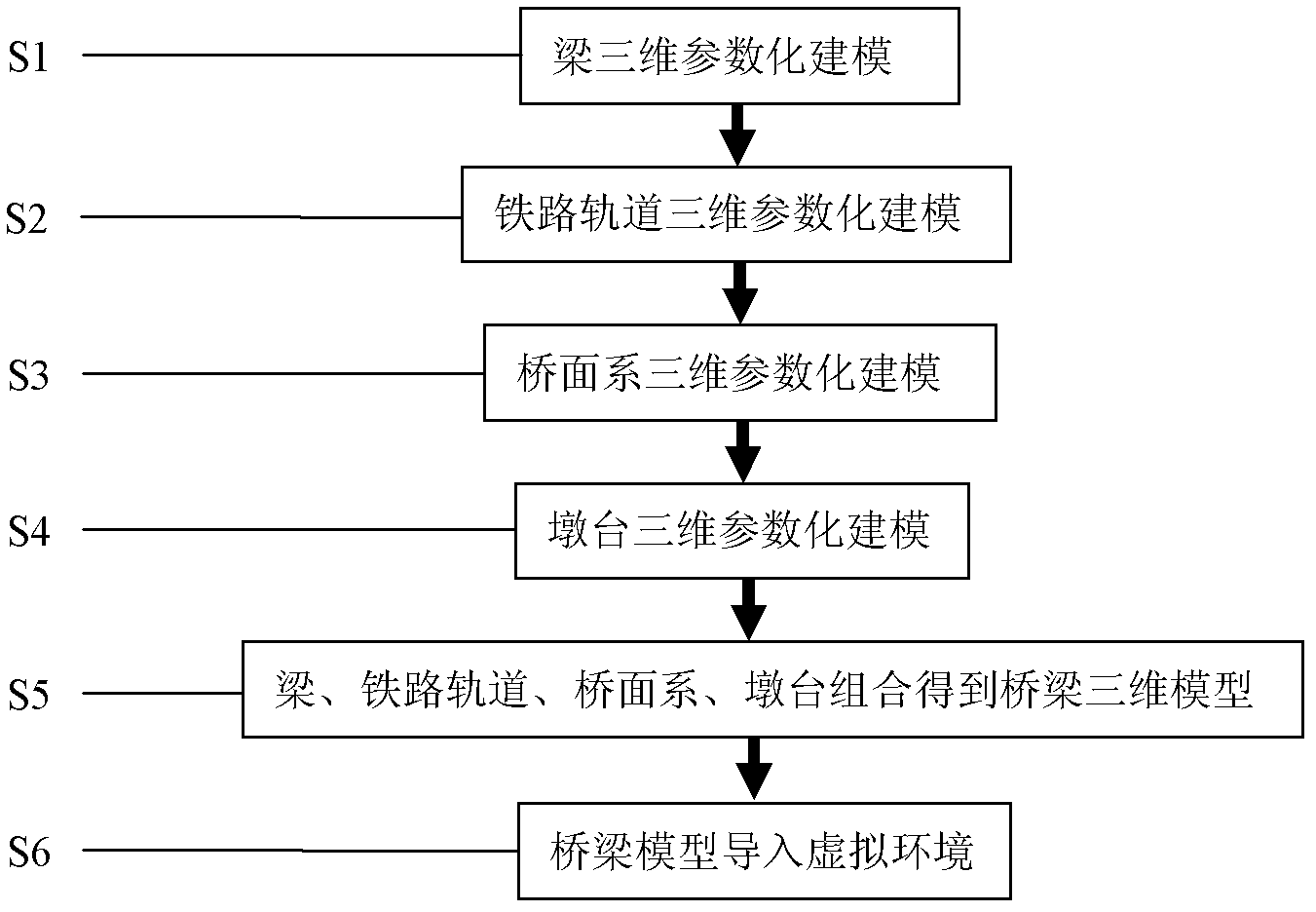
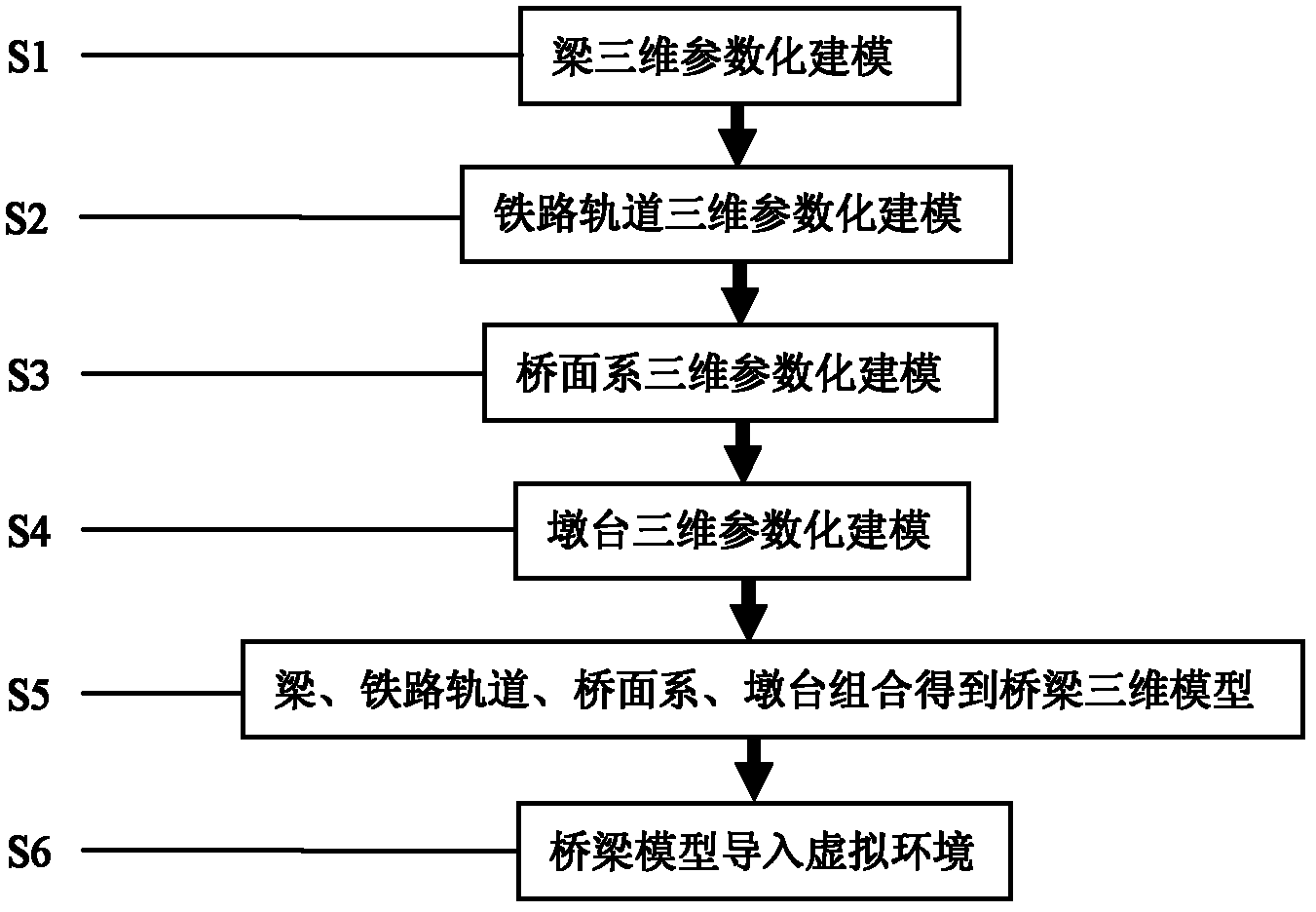
Method for 3D parameterization modeling of high-speed railroad bridge under virtual reality environment
PatentActiveCN102385658A
Innovation
- Using a virtual reality environment, through 3D parametric modeling of beams, railway tracks, bridge deck systems, and piers, combined with component characteristics and interaction rules, a fast and accurate 3D bridge model can be established, and a convenient model can be provided Editing and modification methods.
Fabricated bridge virtual intelligent pre-assembly method and system based on LiDAR
PatentPendingCN119337488A
Innovation
- The LIDAR -based assembly bridge virtual intelligent pre -assembly method is used, and the three -dimensional lidar scanning obtains the component point cloud data and the BIM model point cloud data to prepare the standard. The semantic segmentation and feature points are used to build error control relationships to achieve virtual pre -assembly.


Infrastructure Standards and Bridge Design Regulations
Infrastructure standards and bridge design regulations form the foundational framework governing virtual modeling applications in embedded bridge design improvements. These regulatory structures establish mandatory compliance requirements that directly influence how virtual modeling technologies can be implemented and validated within bridge engineering projects.
The American Association of State Highway and Transportation Officials (AASHTO) Load and Resistance Factor Design (LRFD) Bridge Design Specifications serve as the primary regulatory foundation in North America, defining load combinations, material properties, and safety factors that must be incorporated into virtual models. Similarly, Eurocode standards, particularly EN 1991 through EN 1994, establish comprehensive design criteria across European markets, requiring virtual modeling systems to accurately represent structural behaviors under prescribed loading conditions.
Federal Highway Administration (FHWA) guidelines specifically address the integration of advanced computational methods in bridge design, establishing validation protocols for virtual modeling outputs. These regulations mandate that virtual models demonstrate correlation with established analytical methods and physical testing results before approval for design applications. The National Bridge Inspection Standards (NBIS) further define requirements for condition assessment methodologies that virtual modeling systems must support.
International Organization for Standardization (ISO) standards, particularly ISO 19650 series for Building Information Modeling (BIM), establish data management and interoperability requirements that affect virtual modeling implementations. These standards define information exchange protocols, model validation procedures, and quality assurance frameworks essential for regulatory compliance.
State-level transportation departments maintain additional regulatory layers, often requiring specific approval processes for innovative design methodologies including virtual modeling applications. These regulations typically mandate peer review procedures, independent verification protocols, and documentation standards that virtual modeling systems must accommodate to achieve regulatory acceptance in embedded bridge design improvement projects.
The American Association of State Highway and Transportation Officials (AASHTO) Load and Resistance Factor Design (LRFD) Bridge Design Specifications serve as the primary regulatory foundation in North America, defining load combinations, material properties, and safety factors that must be incorporated into virtual models. Similarly, Eurocode standards, particularly EN 1991 through EN 1994, establish comprehensive design criteria across European markets, requiring virtual modeling systems to accurately represent structural behaviors under prescribed loading conditions.
Federal Highway Administration (FHWA) guidelines specifically address the integration of advanced computational methods in bridge design, establishing validation protocols for virtual modeling outputs. These regulations mandate that virtual models demonstrate correlation with established analytical methods and physical testing results before approval for design applications. The National Bridge Inspection Standards (NBIS) further define requirements for condition assessment methodologies that virtual modeling systems must support.
International Organization for Standardization (ISO) standards, particularly ISO 19650 series for Building Information Modeling (BIM), establish data management and interoperability requirements that affect virtual modeling implementations. These standards define information exchange protocols, model validation procedures, and quality assurance frameworks essential for regulatory compliance.
State-level transportation departments maintain additional regulatory layers, often requiring specific approval processes for innovative design methodologies including virtual modeling applications. These regulations typically mandate peer review procedures, independent verification protocols, and documentation standards that virtual modeling systems must accommodate to achieve regulatory acceptance in embedded bridge design improvement projects.
Sustainability Factors in Virtual Bridge Engineering
Sustainability has emerged as a fundamental consideration in virtual bridge engineering, fundamentally reshaping how embedded bridge designs are conceptualized and optimized through digital modeling platforms. The integration of environmental, economic, and social sustainability metrics into virtual modeling frameworks enables engineers to evaluate long-term performance implications beyond traditional structural parameters.
Environmental sustainability factors encompass lifecycle carbon footprint assessment, material resource optimization, and ecosystem impact minimization. Virtual modeling platforms now incorporate advanced algorithms that calculate embodied carbon in construction materials, predict operational energy consumption, and simulate environmental interactions over projected service lifespans. These tools enable designers to compare alternative material selections, construction methodologies, and maintenance strategies based on comprehensive environmental impact assessments.
Economic sustainability considerations within virtual bridge engineering focus on total cost of ownership optimization rather than initial construction cost minimization. Advanced modeling systems integrate predictive maintenance algorithms, lifecycle cost analysis modules, and risk assessment frameworks to evaluate long-term financial implications. These capabilities allow engineers to identify design configurations that minimize operational expenses, reduce maintenance frequency, and extend service life through optimized material selection and structural configuration.
Social sustainability factors address community impact, accessibility requirements, and resilience considerations. Virtual modeling platforms incorporate demographic analysis tools, traffic flow optimization algorithms, and disaster response simulation capabilities. These features enable designers to evaluate how bridge designs serve diverse community needs, accommodate future growth patterns, and maintain functionality under various stress scenarios including natural disasters and climate change impacts.
The convergence of these sustainability dimensions within virtual modeling environments creates opportunities for multi-objective optimization approaches. Contemporary platforms utilize machine learning algorithms to identify design solutions that simultaneously optimize environmental performance, economic efficiency, and social benefit metrics. This integrated approach represents a significant advancement over traditional design methodologies that typically prioritized structural performance and initial cost considerations.
Emerging sustainability assessment frameworks within virtual bridge engineering incorporate real-time data integration capabilities, enabling continuous performance monitoring and adaptive design optimization. These systems leverage IoT sensor networks, satellite imagery, and predictive analytics to refine sustainability models based on actual performance data, creating feedback loops that enhance future design decisions and validate virtual modeling accuracy.
Environmental sustainability factors encompass lifecycle carbon footprint assessment, material resource optimization, and ecosystem impact minimization. Virtual modeling platforms now incorporate advanced algorithms that calculate embodied carbon in construction materials, predict operational energy consumption, and simulate environmental interactions over projected service lifespans. These tools enable designers to compare alternative material selections, construction methodologies, and maintenance strategies based on comprehensive environmental impact assessments.
Economic sustainability considerations within virtual bridge engineering focus on total cost of ownership optimization rather than initial construction cost minimization. Advanced modeling systems integrate predictive maintenance algorithms, lifecycle cost analysis modules, and risk assessment frameworks to evaluate long-term financial implications. These capabilities allow engineers to identify design configurations that minimize operational expenses, reduce maintenance frequency, and extend service life through optimized material selection and structural configuration.
Social sustainability factors address community impact, accessibility requirements, and resilience considerations. Virtual modeling platforms incorporate demographic analysis tools, traffic flow optimization algorithms, and disaster response simulation capabilities. These features enable designers to evaluate how bridge designs serve diverse community needs, accommodate future growth patterns, and maintain functionality under various stress scenarios including natural disasters and climate change impacts.
The convergence of these sustainability dimensions within virtual modeling environments creates opportunities for multi-objective optimization approaches. Contemporary platforms utilize machine learning algorithms to identify design solutions that simultaneously optimize environmental performance, economic efficiency, and social benefit metrics. This integrated approach represents a significant advancement over traditional design methodologies that typically prioritized structural performance and initial cost considerations.
Emerging sustainability assessment frameworks within virtual bridge engineering incorporate real-time data integration capabilities, enabling continuous performance monitoring and adaptive design optimization. These systems leverage IoT sensor networks, satellite imagery, and predictive analytics to refine sustainability models based on actual performance data, creating feedback loops that enhance future design decisions and validate virtual modeling accuracy.
Unlock deeper insights with Patsnap Eureka Quick Research — get a full tech report to explore trends and direct your research. Try now!
Generate Your Research Report Instantly with AI Agent
Supercharge your innovation with Patsnap Eureka AI Agent Platform!