What Is the Nutritional Profile of Rice Bran Oil? Fatty Acid Composition and Health Claims
AUG 21, 20259 MIN READ
Generate Your Research Report Instantly with AI Agent
Patsnap Eureka helps you evaluate technical feasibility & market potential.
Rice Bran Oil Background and Research Objectives
Rice bran oil has emerged as a significant edible oil in the global market, derived from the outer layer of rice grains during the milling process. Historically, rice bran was primarily considered a by-product with limited commercial value, often used as animal feed. However, over the past three decades, technological advancements in extraction and refining processes have transformed rice bran into a valuable source of high-quality oil with distinctive nutritional properties.
The evolution of rice bran oil technology can be traced back to the 1980s when improved extraction methods began to address the challenges of rapid oil degradation due to lipase enzyme activity in rice bran. The development of stabilization techniques, including heat treatment and extrusion, marked a turning point in preserving the nutritional integrity of the oil during processing. These innovations have contributed to the steady growth of the rice bran oil industry, particularly in Asian countries where rice is a staple crop.
Current technological trends in rice bran oil production focus on enhancing extraction efficiency, improving refining processes to preserve bioactive compounds, and developing environmentally sustainable production methods. Supercritical fluid extraction, enzymatic extraction, and microwave-assisted extraction represent cutting-edge approaches that aim to maximize yield while maintaining the nutritional profile of the oil.
The primary objective of this technical research is to comprehensively analyze the nutritional composition of rice bran oil, with particular emphasis on its fatty acid profile and associated health claims. This investigation seeks to establish a scientific foundation for understanding the potential health benefits attributed to rice bran oil consumption, including its effects on cholesterol management, antioxidant activity, and anti-inflammatory properties.
Additionally, this research aims to evaluate the technological feasibility of enhancing specific bioactive components in rice bran oil through selective breeding of rice varieties and optimized processing techniques. By identifying the key compounds responsible for health benefits, such as oryzanol, tocotrienols, and specific fatty acids, we can develop targeted approaches to maximize these beneficial components in commercial rice bran oil products.
Furthermore, this study will explore the potential for rice bran oil to address specific nutritional challenges in various markets, considering regional dietary patterns and health concerns. The findings will inform strategic decisions regarding product development, market positioning, and regulatory approaches for health claims associated with rice bran oil products.
The evolution of rice bran oil technology can be traced back to the 1980s when improved extraction methods began to address the challenges of rapid oil degradation due to lipase enzyme activity in rice bran. The development of stabilization techniques, including heat treatment and extrusion, marked a turning point in preserving the nutritional integrity of the oil during processing. These innovations have contributed to the steady growth of the rice bran oil industry, particularly in Asian countries where rice is a staple crop.
Current technological trends in rice bran oil production focus on enhancing extraction efficiency, improving refining processes to preserve bioactive compounds, and developing environmentally sustainable production methods. Supercritical fluid extraction, enzymatic extraction, and microwave-assisted extraction represent cutting-edge approaches that aim to maximize yield while maintaining the nutritional profile of the oil.
The primary objective of this technical research is to comprehensively analyze the nutritional composition of rice bran oil, with particular emphasis on its fatty acid profile and associated health claims. This investigation seeks to establish a scientific foundation for understanding the potential health benefits attributed to rice bran oil consumption, including its effects on cholesterol management, antioxidant activity, and anti-inflammatory properties.
Additionally, this research aims to evaluate the technological feasibility of enhancing specific bioactive components in rice bran oil through selective breeding of rice varieties and optimized processing techniques. By identifying the key compounds responsible for health benefits, such as oryzanol, tocotrienols, and specific fatty acids, we can develop targeted approaches to maximize these beneficial components in commercial rice bran oil products.
Furthermore, this study will explore the potential for rice bran oil to address specific nutritional challenges in various markets, considering regional dietary patterns and health concerns. The findings will inform strategic decisions regarding product development, market positioning, and regulatory approaches for health claims associated with rice bran oil products.
Market Analysis of Rice Bran Oil Demand
The global rice bran oil market has been experiencing steady growth over the past decade, with a significant acceleration in recent years due to increasing consumer awareness about health benefits associated with its unique nutritional profile. The market size was valued at approximately 1.8 billion USD in 2022 and is projected to reach 2.5 billion USD by 2028, representing a compound annual growth rate of 5.7% during the forecast period.
Asia-Pacific dominates the rice bran oil market, accounting for over 60% of global consumption, with India and Japan being the largest consumers. This regional dominance is attributed to the abundant rice production in these countries and the traditional use of rice bran oil in local cuisines. However, North America and Europe are emerging as rapidly growing markets, driven by increasing health consciousness and the rising popularity of specialty cooking oils.
The demand for rice bran oil is primarily fueled by its superior nutritional profile compared to other vegetable oils. Its balanced fatty acid composition, featuring approximately 47% monounsaturated fats, 33% polyunsaturated fats, and only 20% saturated fats, appeals to health-conscious consumers seeking heart-healthy alternatives. Additionally, the presence of oryzanol, tocopherols, and tocotrienols has positioned rice bran oil as a premium functional food ingredient.
The food service industry represents the largest end-user segment, accounting for approximately 45% of total consumption. The oil's high smoke point (254°C) makes it ideal for high-temperature cooking methods like frying and stir-frying, driving its adoption in restaurants and commercial food preparation. The retail segment follows closely, with increasing shelf space dedicated to rice bran oil in supermarkets and specialty stores worldwide.
Consumer demand patterns reveal a growing preference for organic and cold-pressed rice bran oil variants, which command premium prices due to their perceived higher nutritional value. This trend is particularly pronounced in developed markets where consumers are willing to pay up to 30% more for these premium versions.
Supply chain challenges remain a significant factor affecting market dynamics. Rice bran, the raw material for the oil, is highly perishable due to lipase enzyme activity, necessitating immediate processing after rice milling. This requirement has limited production capabilities in regions without adequate processing infrastructure, creating opportunities for technological innovation in stabilization methods.
Future market growth is expected to be driven by increasing applications in the cosmetics and pharmaceutical industries, where rice bran oil's antioxidant properties and skin benefits are being leveraged for various products. Additionally, the rising prevalence of lifestyle diseases like obesity and cardiovascular conditions is likely to further boost demand as consumers seek healthier dietary options.
Asia-Pacific dominates the rice bran oil market, accounting for over 60% of global consumption, with India and Japan being the largest consumers. This regional dominance is attributed to the abundant rice production in these countries and the traditional use of rice bran oil in local cuisines. However, North America and Europe are emerging as rapidly growing markets, driven by increasing health consciousness and the rising popularity of specialty cooking oils.
The demand for rice bran oil is primarily fueled by its superior nutritional profile compared to other vegetable oils. Its balanced fatty acid composition, featuring approximately 47% monounsaturated fats, 33% polyunsaturated fats, and only 20% saturated fats, appeals to health-conscious consumers seeking heart-healthy alternatives. Additionally, the presence of oryzanol, tocopherols, and tocotrienols has positioned rice bran oil as a premium functional food ingredient.
The food service industry represents the largest end-user segment, accounting for approximately 45% of total consumption. The oil's high smoke point (254°C) makes it ideal for high-temperature cooking methods like frying and stir-frying, driving its adoption in restaurants and commercial food preparation. The retail segment follows closely, with increasing shelf space dedicated to rice bran oil in supermarkets and specialty stores worldwide.
Consumer demand patterns reveal a growing preference for organic and cold-pressed rice bran oil variants, which command premium prices due to their perceived higher nutritional value. This trend is particularly pronounced in developed markets where consumers are willing to pay up to 30% more for these premium versions.
Supply chain challenges remain a significant factor affecting market dynamics. Rice bran, the raw material for the oil, is highly perishable due to lipase enzyme activity, necessitating immediate processing after rice milling. This requirement has limited production capabilities in regions without adequate processing infrastructure, creating opportunities for technological innovation in stabilization methods.
Future market growth is expected to be driven by increasing applications in the cosmetics and pharmaceutical industries, where rice bran oil's antioxidant properties and skin benefits are being leveraged for various products. Additionally, the rising prevalence of lifestyle diseases like obesity and cardiovascular conditions is likely to further boost demand as consumers seek healthier dietary options.
Current Extraction Technologies and Challenges
Rice bran oil extraction technologies have evolved significantly over the past decades, with several methods currently employed in commercial production. The conventional solvent extraction method remains the most widely used technique, utilizing hexane as the primary solvent due to its efficiency and cost-effectiveness. This process typically achieves oil yields of 90-95%, making it attractive for large-scale production. However, hexane-based extraction presents significant environmental and safety concerns, including air pollution, fire hazards, and potential residual solvent contamination in the final product.
Mechanical pressing represents another traditional approach, employing hydraulic or screw presses to physically extract oil from rice bran. While this method produces cleaner oil without chemical residues, it typically achieves lower yields (60-70%) compared to solvent extraction, resulting in higher production costs and reduced economic viability for mass production.
Supercritical fluid extraction (SFE), particularly using carbon dioxide, has emerged as a promising green technology. Operating at critical pressure (7.38 MPa) and temperature (31.1°C), supercritical CO2 can selectively extract oil components without leaving harmful residues. This method preserves heat-sensitive bioactive compounds and produces higher quality oil, but requires significant capital investment and specialized equipment, limiting widespread adoption.
Enzymatic extraction has gained attention for its environmental friendliness and ability to enhance oil recovery. By employing cellulases, hemicellulases, and proteases to break down cell walls, this method facilitates oil release without harsh chemicals. Studies show enzymatic pretreatment can increase extraction yields by 10-15%, but longer processing times and enzyme costs remain challenging for commercial implementation.
Ultrasound-assisted extraction represents an emerging technology that employs acoustic cavitation to disrupt cell walls and accelerate mass transfer. This technique can reduce extraction time by 30-50% and increase yields by 5-10% when combined with conventional methods. Similarly, microwave-assisted extraction offers rapid heating and cell disruption, potentially reducing extraction time by up to 70% while maintaining oil quality.
Despite these technological advances, significant challenges persist in rice bran oil extraction. The rapid deterioration of rice bran due to lipase activity remains a critical issue, necessitating immediate stabilization post-milling. Current stabilization methods include heat treatment, chemical preservation, and refrigeration, each with associated costs and quality implications.
Scale-up challenges also exist for newer technologies like SFE and ultrasound-assisted extraction, particularly regarding equipment design, process optimization, and economic feasibility. Additionally, the industry faces increasing pressure to develop more sustainable extraction methods that reduce energy consumption, minimize waste generation, and eliminate harmful solvent use while maintaining competitive production costs.
Mechanical pressing represents another traditional approach, employing hydraulic or screw presses to physically extract oil from rice bran. While this method produces cleaner oil without chemical residues, it typically achieves lower yields (60-70%) compared to solvent extraction, resulting in higher production costs and reduced economic viability for mass production.
Supercritical fluid extraction (SFE), particularly using carbon dioxide, has emerged as a promising green technology. Operating at critical pressure (7.38 MPa) and temperature (31.1°C), supercritical CO2 can selectively extract oil components without leaving harmful residues. This method preserves heat-sensitive bioactive compounds and produces higher quality oil, but requires significant capital investment and specialized equipment, limiting widespread adoption.
Enzymatic extraction has gained attention for its environmental friendliness and ability to enhance oil recovery. By employing cellulases, hemicellulases, and proteases to break down cell walls, this method facilitates oil release without harsh chemicals. Studies show enzymatic pretreatment can increase extraction yields by 10-15%, but longer processing times and enzyme costs remain challenging for commercial implementation.
Ultrasound-assisted extraction represents an emerging technology that employs acoustic cavitation to disrupt cell walls and accelerate mass transfer. This technique can reduce extraction time by 30-50% and increase yields by 5-10% when combined with conventional methods. Similarly, microwave-assisted extraction offers rapid heating and cell disruption, potentially reducing extraction time by up to 70% while maintaining oil quality.
Despite these technological advances, significant challenges persist in rice bran oil extraction. The rapid deterioration of rice bran due to lipase activity remains a critical issue, necessitating immediate stabilization post-milling. Current stabilization methods include heat treatment, chemical preservation, and refrigeration, each with associated costs and quality implications.
Scale-up challenges also exist for newer technologies like SFE and ultrasound-assisted extraction, particularly regarding equipment design, process optimization, and economic feasibility. Additionally, the industry faces increasing pressure to develop more sustainable extraction methods that reduce energy consumption, minimize waste generation, and eliminate harmful solvent use while maintaining competitive production costs.
Fatty Acid Composition and Nutritional Properties
01 Fatty acid composition of rice bran oil
Rice bran oil contains a balanced fatty acid profile that includes both saturated and unsaturated fatty acids. It is particularly rich in oleic acid (omega-9), linoleic acid (omega-6), and palmitic acid. The oil typically contains approximately 38-48% oleic acid, 29-42% linoleic acid, and 12-25% palmitic acid, with smaller amounts of stearic acid and linolenic acid. This balanced fatty acid composition contributes to the oil's stability and nutritional benefits.- Fatty acid composition of rice bran oil: Rice bran oil has a unique fatty acid profile characterized by high levels of monounsaturated and polyunsaturated fatty acids. It typically contains oleic acid (38-42%), linoleic acid (32-38%), and palmitic acid (15-20%). The oil also contains smaller amounts of stearic acid, linolenic acid, and other minor fatty acids. This balanced fatty acid composition contributes to the oil's stability and nutritional benefits.
- Bioactive components in rice bran oil: Rice bran oil contains numerous bioactive compounds that contribute to its nutritional profile. These include gamma-oryzanol (1.5-2.9%), tocopherols and tocotrienols (vitamin E compounds, 0.1-0.14%), phytosterols (1-3%), and squalene. These components have antioxidant properties and provide various health benefits including cholesterol reduction, anti-inflammatory effects, and protection against oxidative stress.
- Nutritional benefits and health effects: The nutritional profile of rice bran oil offers numerous health benefits. Its balanced fatty acid composition and bioactive compounds help reduce LDL cholesterol while maintaining HDL cholesterol levels. The oil has been shown to have anti-inflammatory, anti-cancer, and anti-diabetic properties. It also provides cardiovascular benefits, helps in weight management, and supports immune function due to its rich antioxidant content.
- Extraction and processing methods affecting nutritional profile: Different extraction and processing methods significantly impact the nutritional profile of rice bran oil. Cold pressing preserves more bioactive compounds compared to solvent extraction. Refining processes can reduce beneficial components like oryzanol and tocopherols but improve stability. Modified extraction techniques using supercritical CO2 or enzyme-assisted methods can enhance the retention of nutritional components while maintaining quality and stability of the fatty acid profile.
- Applications based on nutritional composition: The unique nutritional profile and fatty acid composition of rice bran oil make it suitable for various applications. In food products, it serves as a healthy cooking oil with high smoke point and neutral flavor. In cosmetics and personal care, it functions as an emollient and antioxidant ingredient. The oil is also used in nutraceuticals and functional foods due to its health-promoting properties. Recent innovations include microencapsulation to preserve its nutritional benefits in various formulations.
02 Bioactive compounds in rice bran oil
Rice bran oil contains numerous bioactive compounds that contribute to its nutritional profile. These include oryzanol, tocopherols, tocotrienols, phytosterols, and ferulic acid esters. Gamma-oryzanol, a mixture of ferulic acid esters of triterpene alcohols and plant sterols, is particularly notable for its antioxidant properties. The oil also contains significant amounts of vitamin E in the form of tocopherols and tocotrienols, which provide additional antioxidant benefits and contribute to the oil's stability.Expand Specific Solutions03 Health benefits of rice bran oil
The nutritional profile of rice bran oil contributes to various health benefits. Its balanced fatty acid composition and bioactive compounds help in reducing cholesterol levels, particularly LDL cholesterol. The oil's antioxidant content helps combat oxidative stress and inflammation. Rice bran oil has been associated with improved heart health, enhanced immune function, and potential anti-cancer properties. Its high smoke point and stability also make it suitable for various cooking methods while preserving its nutritional benefits.Expand Specific Solutions04 Extraction and processing methods affecting nutritional profile
The extraction and processing methods used for rice bran oil significantly impact its nutritional profile and fatty acid composition. Cold-pressed and solvent extraction methods yield oils with different nutritional characteristics. Refining processes can affect the content of bioactive compounds, with some methods better preserving the natural antioxidants and phytonutrients. Modern extraction technologies focus on maintaining the oil's nutritional integrity while ensuring stability and shelf life.Expand Specific Solutions05 Applications based on nutritional profile
The unique nutritional profile and fatty acid composition of rice bran oil make it suitable for various applications. In the food industry, it is valued for its mild flavor, high smoke point, and nutritional benefits. In cosmetics and personal care products, its antioxidant properties and skin-nourishing fatty acids make it beneficial for skin and hair care formulations. The pharmaceutical industry utilizes its bioactive compounds for developing health supplements and functional foods targeting specific health conditions like hypercholesterolemia and oxidative stress-related disorders.Expand Specific Solutions
Major Producers and Industry Landscape
Rice bran oil's competitive landscape is evolving within a growing functional oils market, currently in its growth phase with increasing consumer demand for healthier cooking oils. The global rice bran oil market is expanding at a CAGR of approximately 5-6%, valued at over $1.5 billion, driven by rising health consciousness and nutritional awareness. Technologically, the field shows moderate maturity with established extraction methods, though innovation continues. Leading players include Tsuno Rice Fine Chemicals and Tsuno Food Industrial from Japan, who pioneered commercial production, alongside diversified corporations like Marico Ltd., Fuji Oil, and Wilmar (through Fengyi Biotechnology). Academic institutions such as Jiangnan University and Commonwealth Scientific & Industrial Research Organisation are advancing research on rice bran oil's health benefits, particularly regarding its unique gamma-oryzanol content and balanced fatty acid profile.
Commonwealth Scientific & Industrial Research Organisation
Technical Solution: CSIRO has developed comprehensive analytical techniques for characterizing the nutritional profile of rice bran oil (RBO). Their research has established that RBO contains approximately 47% monounsaturated fatty acids (primarily oleic acid), 33% polyunsaturated fatty acids (mainly linoleic acid), and 20% saturated fatty acids (primarily palmitic acid). CSIRO's work has particularly focused on the bioactive components of RBO, including oryzanol (1.5-2.9%), tocotrienols, tocopherols, phytosterols, and policosanols. They've developed extraction methods that preserve these components while maintaining oxidative stability. Their research has validated health claims related to cholesterol reduction, showing that the oryzanol component can lower LDL cholesterol by 7-10% when consumed regularly. CSIRO has also investigated the antioxidant properties of RBO, demonstrating its effectiveness in preventing oxidative damage in both food systems and potentially in human cells.
Strengths: Advanced analytical capabilities for complete fatty acid profiling and bioactive component quantification. Strong scientific validation of health claims through controlled studies. Weaknesses: Limited commercial application focus compared to industry players, with research primarily remaining in academic contexts rather than product development.
Jiangnan University
Technical Solution: Jiangnan University has pioneered research on the nutritional composition of rice bran oil with particular emphasis on its unique bioactive compounds. Their studies have characterized RBO as containing approximately 38-40% oleic acid, 30-35% linoleic acid, and 20-25% saturated fatty acids, with palmitic acid being predominant. Their innovative research has focused on the oryzanol fraction (1.5-2.5% of RBO), identifying and quantifying its individual components including cycloartenyl ferulate, 24-methylenecycloartanyl ferulate, and campesteryl ferulate. The university has developed novel extraction and purification methods that enhance the retention of these bioactive compounds. Their clinical research has demonstrated that RBO consumption can reduce total cholesterol by 5-10% and LDL cholesterol by 7-15%, while increasing HDL cholesterol by 4-8%. Additionally, they've investigated the antioxidant capacity of RBO, showing it has 2-3 times higher oxidative stability than many other vegetable oils due to its unique composition of natural antioxidants.
Strengths: Cutting-edge analytical techniques for detailed characterization of oryzanol components and their biological activities. Strong focus on structure-function relationships of bioactive compounds. Weaknesses: Research primarily focused on compositional analysis rather than practical applications in food systems or commercial product development.
Scientific Evidence Supporting Health Claims
Altering the fatty acid composition of rice
PatentInactiveEP2046108A1
Innovation
- Genetic modification of rice plants to alter the levels of oleic acid, palmitic acid, and linoleic acid in rice oil, rice bran, and rice seeds, resulting in a composition with greater than 48% oleic acid, less than 17% palmitic acid, and less than 30% linoleic acid, thereby improving nutritional value and stability.
Composition for amelioration of body lipid
PatentWO2007029631A1
Innovation
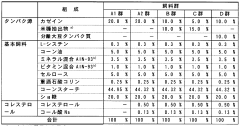
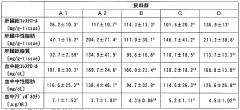
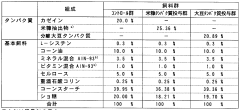
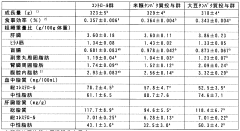
- A composition comprising rice bran protein extracted from defatted rice bran, which is rich in protein content, is developed to effectively reduce cholesterol and neutral fat in the blood and liver, offering a safer and more economical alternative with minimal allergenicity.
Regulatory Framework for Edible Oil Health Claims
The regulatory landscape governing health claims for edible oils, including rice bran oil, varies significantly across global jurisdictions. In the United States, the Food and Drug Administration (FDA) maintains strict oversight of health claims through the Nutrition Labeling and Education Act (NLEA). For rice bran oil specifically, manufacturers must adhere to the FDA's qualified health claims system, which requires substantial scientific evidence before making assertions about cardiovascular benefits related to its unsaturated fatty acid profile.
The European Food Safety Authority (EFSA) implements even more stringent requirements through Regulation (EC) No 1924/2006, mandating comprehensive scientific dossiers before approving any health claim. Currently, rice bran oil has limited approved health claims in the European market, despite its favorable gamma-oryzanol content and balanced fatty acid composition.
In Asia, regulatory frameworks show greater variation. Japan's FOSHU (Foods for Specified Health Uses) system has recognized certain benefits of rice bran oil, particularly regarding cholesterol management. Similarly, India's FSSAI has established specific standards for rice bran oil, acknowledging its nutritional properties while regulating permissible health claims.
The Codex Alimentarius Commission provides international standards that serve as reference points for many national regulatory bodies. Their guidelines on nutrition and health claims (CAC/GL 23-1997) establish principles for scientific substantiation that influence global approaches to edible oil regulation.
A significant regulatory challenge for rice bran oil producers lies in the varying evidence thresholds across jurisdictions. While some markets accept epidemiological studies and traditional usage history, others demand randomized controlled trials demonstrating clear cause-effect relationships between specific oil components and health outcomes.
Recent regulatory developments have shown increasing focus on the verification of fatty acid profiles claimed on product labels. Several markets now require regular analytical testing to confirm that marketed rice bran oil meets the compositional standards necessary to support any associated health claims, particularly regarding oleic, linoleic, and palmitic acid content.
The regulatory environment continues to evolve, with growing emphasis on bioactive compounds beyond traditional fatty acid profiles. Emerging regulations are beginning to address components like gamma-oryzanol, phytosterols, and tocotrienols found in rice bran oil, potentially opening pathways for more specific health claims in the future as scientific understanding advances.
The European Food Safety Authority (EFSA) implements even more stringent requirements through Regulation (EC) No 1924/2006, mandating comprehensive scientific dossiers before approving any health claim. Currently, rice bran oil has limited approved health claims in the European market, despite its favorable gamma-oryzanol content and balanced fatty acid composition.
In Asia, regulatory frameworks show greater variation. Japan's FOSHU (Foods for Specified Health Uses) system has recognized certain benefits of rice bran oil, particularly regarding cholesterol management. Similarly, India's FSSAI has established specific standards for rice bran oil, acknowledging its nutritional properties while regulating permissible health claims.
The Codex Alimentarius Commission provides international standards that serve as reference points for many national regulatory bodies. Their guidelines on nutrition and health claims (CAC/GL 23-1997) establish principles for scientific substantiation that influence global approaches to edible oil regulation.
A significant regulatory challenge for rice bran oil producers lies in the varying evidence thresholds across jurisdictions. While some markets accept epidemiological studies and traditional usage history, others demand randomized controlled trials demonstrating clear cause-effect relationships between specific oil components and health outcomes.
Recent regulatory developments have shown increasing focus on the verification of fatty acid profiles claimed on product labels. Several markets now require regular analytical testing to confirm that marketed rice bran oil meets the compositional standards necessary to support any associated health claims, particularly regarding oleic, linoleic, and palmitic acid content.
The regulatory environment continues to evolve, with growing emphasis on bioactive compounds beyond traditional fatty acid profiles. Emerging regulations are beginning to address components like gamma-oryzanol, phytosterols, and tocotrienols found in rice bran oil, potentially opening pathways for more specific health claims in the future as scientific understanding advances.
Comparative Analysis with Other Cooking Oils
Rice bran oil stands out in the cooking oil landscape with its unique nutritional profile that offers several advantages over conventional oils. When compared to widely used oils such as olive, canola, soybean, and coconut oils, rice bran oil demonstrates a balanced fatty acid composition with approximately 38% monounsaturated fats, 37% polyunsaturated fats, and 25% saturated fats. This composition places it in a favorable position relative to olive oil (which contains higher monounsaturated fats) and coconut oil (which has significantly higher saturated fat content).
The smoke point of rice bran oil (232°C) exceeds that of olive oil (207°C), making it more suitable for high-temperature cooking methods such as stir-frying and deep-frying. This characteristic rivals that of refined avocado oil (270°C) and surpasses most common cooking oils, providing greater versatility in culinary applications.
Rice bran oil contains notable bioactive compounds absent or present in lower concentrations in other cooking oils. Its oryzanol content (1.5-2.9%) significantly exceeds that found in any other vegetable oil. Similarly, its tocotrienol levels surpass those in olive and most seed oils, though palm oil contains comparable amounts. These compounds contribute to rice bran oil's superior oxidative stability compared to soybean, sunflower, and canola oils.
From a health perspective, clinical studies demonstrate that rice bran oil may reduce LDL cholesterol by 7-15%, comparable to olive oil's effects but potentially more effective than sunflower and soybean oils. Its antioxidant capacity, measured by ORAC values, exceeds that of canola and corn oils, though it falls short of extra virgin olive oil's antioxidant potential.
Cost analysis reveals rice bran oil occupies a mid-range price point, more affordable than specialty oils like avocado or extra virgin olive oil but typically priced higher than commodity oils such as soybean or canola. This positioning reflects its premium nutritional profile while maintaining reasonable accessibility for consumers.
Environmental impact assessments indicate rice bran oil has a potential sustainability advantage as it utilizes a by-product of rice processing. Its water footprint (approximately 2,000 liters/kg) compares favorably to olive oil (4,400 liters/kg) and palm oil (5,000 liters/kg), though production scale remains significantly smaller than major commodity oils.
In culinary applications, rice bran oil's mild flavor profile and high smoke point offer versatility similar to canola oil but with enhanced nutritional benefits, making it suitable for both Eastern and Western cuisines without overpowering food flavors.
The smoke point of rice bran oil (232°C) exceeds that of olive oil (207°C), making it more suitable for high-temperature cooking methods such as stir-frying and deep-frying. This characteristic rivals that of refined avocado oil (270°C) and surpasses most common cooking oils, providing greater versatility in culinary applications.
Rice bran oil contains notable bioactive compounds absent or present in lower concentrations in other cooking oils. Its oryzanol content (1.5-2.9%) significantly exceeds that found in any other vegetable oil. Similarly, its tocotrienol levels surpass those in olive and most seed oils, though palm oil contains comparable amounts. These compounds contribute to rice bran oil's superior oxidative stability compared to soybean, sunflower, and canola oils.
From a health perspective, clinical studies demonstrate that rice bran oil may reduce LDL cholesterol by 7-15%, comparable to olive oil's effects but potentially more effective than sunflower and soybean oils. Its antioxidant capacity, measured by ORAC values, exceeds that of canola and corn oils, though it falls short of extra virgin olive oil's antioxidant potential.
Cost analysis reveals rice bran oil occupies a mid-range price point, more affordable than specialty oils like avocado or extra virgin olive oil but typically priced higher than commodity oils such as soybean or canola. This positioning reflects its premium nutritional profile while maintaining reasonable accessibility for consumers.
Environmental impact assessments indicate rice bran oil has a potential sustainability advantage as it utilizes a by-product of rice processing. Its water footprint (approximately 2,000 liters/kg) compares favorably to olive oil (4,400 liters/kg) and palm oil (5,000 liters/kg), though production scale remains significantly smaller than major commodity oils.
In culinary applications, rice bran oil's mild flavor profile and high smoke point offer versatility similar to canola oil but with enhanced nutritional benefits, making it suitable for both Eastern and Western cuisines without overpowering food flavors.
Unlock deeper insights with Patsnap Eureka Quick Research — get a full tech report to explore trends and direct your research. Try now!
Generate Your Research Report Instantly with AI Agent
Supercharge your innovation with Patsnap Eureka AI Agent Platform!