

Which Core Drill Materials Offer Maximum Durability for Asphalt Applications?
JUN 30, 20269 MIN READ
Generate Your Research Report Instantly with AI Agent
Patsnap Eureka helps you evaluate technical feasibility & market potential.
Core Drill Material Evolution and Durability Goals
The evolution of core drill materials for asphalt applications has been driven by the persistent challenge of achieving optimal durability in demanding drilling environments. Asphalt's abrasive nature, combined with varying temperature conditions and the presence of aggregate materials, creates a complex operational environment that has historically led to rapid tool wear and frequent replacements. The primary goal in this field centers on developing materials that can withstand prolonged exposure to these harsh conditions while maintaining cutting efficiency and dimensional accuracy.
Traditional drilling approaches relied heavily on high-speed steel and carbide-tipped tools, which demonstrated limited lifespan when applied to asphalt surfaces. The inherent brittleness of these materials, coupled with thermal stress from friction-generated heat, resulted in frequent chipping and premature failure. This limitation sparked intensive research into alternative material compositions that could better accommodate the unique demands of asphalt drilling operations.
The technological objectives have evolved to encompass multiple performance criteria beyond basic durability. Modern material development focuses on achieving enhanced wear resistance while simultaneously optimizing heat dissipation properties and maintaining sharp cutting edges throughout extended operational periods. The goal extends to creating materials that can handle varying asphalt compositions, from standard hot-mix asphalt to polymer-modified variants with increased toughness.
Contemporary research emphasizes the development of advanced composite materials and specialized coatings that can significantly extend operational life. Diamond-embedded matrices and polycrystalline diamond compact technologies represent major advancement directions, offering superior hardness characteristics while addressing the thermal management challenges inherent in asphalt drilling. These innovations aim to reduce operational costs through extended tool life and improved drilling consistency.
The ultimate durability goal involves creating core drill materials capable of maintaining performance across diverse asphalt applications, from routine pavement sampling to heavy-duty construction projects. This includes developing materials that can adapt to different drilling speeds, feed rates, and cooling conditions while consistently delivering clean, precise core samples. The evolution continues toward smart materials that can self-regulate performance characteristics based on real-time drilling conditions, representing the next frontier in asphalt drilling technology advancement.
Traditional drilling approaches relied heavily on high-speed steel and carbide-tipped tools, which demonstrated limited lifespan when applied to asphalt surfaces. The inherent brittleness of these materials, coupled with thermal stress from friction-generated heat, resulted in frequent chipping and premature failure. This limitation sparked intensive research into alternative material compositions that could better accommodate the unique demands of asphalt drilling operations.
The technological objectives have evolved to encompass multiple performance criteria beyond basic durability. Modern material development focuses on achieving enhanced wear resistance while simultaneously optimizing heat dissipation properties and maintaining sharp cutting edges throughout extended operational periods. The goal extends to creating materials that can handle varying asphalt compositions, from standard hot-mix asphalt to polymer-modified variants with increased toughness.
Contemporary research emphasizes the development of advanced composite materials and specialized coatings that can significantly extend operational life. Diamond-embedded matrices and polycrystalline diamond compact technologies represent major advancement directions, offering superior hardness characteristics while addressing the thermal management challenges inherent in asphalt drilling. These innovations aim to reduce operational costs through extended tool life and improved drilling consistency.
The ultimate durability goal involves creating core drill materials capable of maintaining performance across diverse asphalt applications, from routine pavement sampling to heavy-duty construction projects. This includes developing materials that can adapt to different drilling speeds, feed rates, and cooling conditions while consistently delivering clean, precise core samples. The evolution continues toward smart materials that can self-regulate performance characteristics based on real-time drilling conditions, representing the next frontier in asphalt drilling technology advancement.
Market Demand for Durable Asphalt Drilling Solutions
The global asphalt drilling market has experienced substantial growth driven by expanding infrastructure development and increasing road maintenance requirements worldwide. Urban expansion and highway construction projects have created sustained demand for efficient core drilling operations, particularly in developed economies where aging infrastructure requires regular assessment and repair.
Construction contractors and infrastructure maintenance companies represent the primary customer base for durable asphalt drilling solutions. These organizations prioritize equipment reliability and operational efficiency to minimize project delays and reduce total cost of ownership. The growing emphasis on preventive maintenance strategies has further amplified demand for high-performance drilling materials that can withstand repetitive use across diverse asphalt compositions.
Municipal governments and transportation authorities constitute another significant market segment, as they require reliable drilling equipment for pavement evaluation and quality control testing. The increasing adoption of performance-based contracting models has intensified focus on drilling accuracy and consistency, driving demand for advanced drill bit materials that maintain cutting precision over extended operational periods.
The market demonstrates strong regional variations, with North America and Europe leading in terms of technology adoption and quality standards. Asia-Pacific markets show rapid growth potential due to massive infrastructure investments and urbanization trends. Emerging economies increasingly recognize the importance of durable drilling solutions as they develop more sophisticated road maintenance programs.
Industry trends indicate growing preference for diamond-enhanced and carbide-based drilling materials over traditional steel alternatives. End users increasingly evaluate total lifecycle costs rather than initial purchase prices, creating opportunities for premium materials that offer superior durability and performance consistency.
The rental equipment sector has emerged as a significant demand driver, as rental companies require drilling materials that can withstand intensive use across multiple projects and operators. This segment particularly values materials that maintain performance characteristics despite varying operational conditions and maintenance practices.
Environmental regulations and sustainability concerns are beginning to influence purchasing decisions, with customers showing interest in drilling materials that reduce waste generation and extend equipment lifecycles. The market increasingly favors solutions that combine durability with environmental responsibility.
Construction contractors and infrastructure maintenance companies represent the primary customer base for durable asphalt drilling solutions. These organizations prioritize equipment reliability and operational efficiency to minimize project delays and reduce total cost of ownership. The growing emphasis on preventive maintenance strategies has further amplified demand for high-performance drilling materials that can withstand repetitive use across diverse asphalt compositions.
Municipal governments and transportation authorities constitute another significant market segment, as they require reliable drilling equipment for pavement evaluation and quality control testing. The increasing adoption of performance-based contracting models has intensified focus on drilling accuracy and consistency, driving demand for advanced drill bit materials that maintain cutting precision over extended operational periods.
The market demonstrates strong regional variations, with North America and Europe leading in terms of technology adoption and quality standards. Asia-Pacific markets show rapid growth potential due to massive infrastructure investments and urbanization trends. Emerging economies increasingly recognize the importance of durable drilling solutions as they develop more sophisticated road maintenance programs.
Industry trends indicate growing preference for diamond-enhanced and carbide-based drilling materials over traditional steel alternatives. End users increasingly evaluate total lifecycle costs rather than initial purchase prices, creating opportunities for premium materials that offer superior durability and performance consistency.
The rental equipment sector has emerged as a significant demand driver, as rental companies require drilling materials that can withstand intensive use across multiple projects and operators. This segment particularly values materials that maintain performance characteristics despite varying operational conditions and maintenance practices.
Environmental regulations and sustainability concerns are beginning to influence purchasing decisions, with customers showing interest in drilling materials that reduce waste generation and extend equipment lifecycles. The market increasingly favors solutions that combine durability with environmental responsibility.
Current State of Core Drill Materials for Asphalt
The current landscape of core drill materials for asphalt applications is dominated by several key material categories, each offering distinct performance characteristics and durability profiles. Diamond-impregnated segments represent the premium tier of drilling materials, utilizing synthetic or natural diamonds embedded in metal matrices. These segments demonstrate exceptional hardness and wear resistance, making them particularly effective for dense asphalt mixtures and aggregate-rich compositions.
Carbide-tipped drill bits constitute another significant segment of the market, featuring tungsten carbide inserts brazed onto steel bodies. These materials offer a balanced approach between cost and performance, providing adequate durability for standard asphalt coring operations while maintaining reasonable replacement costs. The carbide composition typically ranges from 6% to 12% cobalt binder, with varying grain sizes optimized for different asphalt hardness levels.
Polycrystalline Diamond Compact (PDC) technology has emerged as a notable advancement in recent years, combining the cutting efficiency of diamond with improved impact resistance. PDC cutters feature a diamond layer bonded to a tungsten carbide substrate, offering superior thermal stability compared to traditional diamond segments. This technology shows particular promise for applications involving temperature-sensitive asphalt materials.
Steel-based drilling materials, while representing the most economical option, continue to serve specific market segments where cost considerations outweigh performance requirements. Modern steel formulations incorporate advanced metallurgy techniques, including specialized heat treatments and surface coatings, to enhance wear resistance and extend operational life.
The geographical distribution of core drill material technology reveals significant concentrations in industrial regions. European manufacturers lead in diamond segment technology, particularly in Germany and Italy, where precision manufacturing capabilities support high-quality diamond tool production. North American companies dominate the carbide-tipped segment market, leveraging established tungsten carbide supply chains and manufacturing expertise.
Current technical challenges center on optimizing material selection for varying asphalt compositions and environmental conditions. Temperature fluctuations significantly impact drilling performance, as thermal expansion and contraction affect both the drill material and asphalt substrate. Additionally, the increasing use of recycled materials in asphalt mixtures introduces variability in aggregate hardness and distribution, requiring adaptive drilling solutions.
Manufacturing constraints include the high cost of diamond materials and the complexity of achieving consistent diamond distribution within metal matrices. Quality control challenges persist in maintaining uniform cutting performance across production batches, particularly for diamond-impregnated segments where diamond concentration and bonding strength directly influence durability outcomes.
Carbide-tipped drill bits constitute another significant segment of the market, featuring tungsten carbide inserts brazed onto steel bodies. These materials offer a balanced approach between cost and performance, providing adequate durability for standard asphalt coring operations while maintaining reasonable replacement costs. The carbide composition typically ranges from 6% to 12% cobalt binder, with varying grain sizes optimized for different asphalt hardness levels.
Polycrystalline Diamond Compact (PDC) technology has emerged as a notable advancement in recent years, combining the cutting efficiency of diamond with improved impact resistance. PDC cutters feature a diamond layer bonded to a tungsten carbide substrate, offering superior thermal stability compared to traditional diamond segments. This technology shows particular promise for applications involving temperature-sensitive asphalt materials.
Steel-based drilling materials, while representing the most economical option, continue to serve specific market segments where cost considerations outweigh performance requirements. Modern steel formulations incorporate advanced metallurgy techniques, including specialized heat treatments and surface coatings, to enhance wear resistance and extend operational life.
The geographical distribution of core drill material technology reveals significant concentrations in industrial regions. European manufacturers lead in diamond segment technology, particularly in Germany and Italy, where precision manufacturing capabilities support high-quality diamond tool production. North American companies dominate the carbide-tipped segment market, leveraging established tungsten carbide supply chains and manufacturing expertise.
Current technical challenges center on optimizing material selection for varying asphalt compositions and environmental conditions. Temperature fluctuations significantly impact drilling performance, as thermal expansion and contraction affect both the drill material and asphalt substrate. Additionally, the increasing use of recycled materials in asphalt mixtures introduces variability in aggregate hardness and distribution, requiring adaptive drilling solutions.
Manufacturing constraints include the high cost of diamond materials and the complexity of achieving consistent diamond distribution within metal matrices. Quality control challenges persist in maintaining uniform cutting performance across production batches, particularly for diamond-impregnated segments where diamond concentration and bonding strength directly influence durability outcomes.
Existing Material Solutions for Asphalt Applications
01 Advanced material compositions for enhanced drill bit durability
Development of specialized material compositions including carbide matrices, diamond coatings, and ceramic reinforcements to improve the wear resistance and longevity of core drill bits. These compositions focus on optimizing hardness, toughness, and thermal stability to withstand harsh drilling conditions and extend operational life.- Advanced carbide and diamond coating technologies for enhanced wear resistance: Implementation of specialized coating materials and surface treatments to significantly improve the wear resistance and cutting performance of core drill bits. These technologies focus on creating harder, more durable surface layers that can withstand abrasive materials and extend operational life through advanced metallurgical processes and composite material applications.
- Optimized drill bit geometry and cutting edge design: Development of improved geometric configurations and cutting edge profiles that enhance drilling efficiency while reducing material stress and wear. These design innovations focus on optimizing cutting angles, flute patterns, and bit profiles to distribute forces more effectively and minimize premature failure during drilling operations.
- High-performance steel alloys and composite materials: Utilization of advanced steel compositions and composite material systems specifically engineered for core drilling applications. These materials incorporate specialized alloying elements and manufacturing processes to achieve superior hardness, toughness, and thermal resistance properties that extend tool life under demanding drilling conditions.
- Thermal management and cooling system integration: Implementation of advanced cooling technologies and thermal management systems to prevent overheating and thermal degradation of drill materials. These solutions include optimized coolant flow designs, heat dissipation features, and temperature-resistant material formulations that maintain performance under high-temperature drilling conditions.
- Manufacturing process optimization and quality control methods: Advanced manufacturing techniques and quality assurance protocols that ensure consistent material properties and dimensional accuracy in core drill production. These processes include precision machining methods, heat treatment optimization, and comprehensive testing procedures that guarantee reliable performance and extended service life.
02 Surface treatment and coating technologies
Implementation of various surface treatment methods and protective coatings to enhance the durability of core drilling materials. These treatments include physical vapor deposition, chemical vapor deposition, and specialized hardening processes that create protective layers to resist abrasion, corrosion, and thermal degradation during drilling operations.Expand Specific Solutions03 Structural design optimization for durability enhancement
Engineering approaches focused on optimizing the structural design and geometry of core drill components to improve their mechanical durability. This includes innovations in bit configuration, cutting edge geometry, and internal reinforcement structures that distribute stress more effectively and reduce failure points.Expand Specific Solutions04 Heat management and thermal resistance improvements
Technologies and methods for managing heat generation and improving thermal resistance in core drilling materials. These solutions address thermal stress, heat dissipation, and temperature-related material degradation through specialized cooling systems, heat-resistant alloys, and thermal barrier implementations.Expand Specific Solutions05 Manufacturing processes for enhanced material properties
Advanced manufacturing and processing techniques designed to improve the inherent durability characteristics of core drilling materials. These processes include powder metallurgy, sintering optimization, grain structure control, and quality enhancement methods that result in superior mechanical properties and extended service life.Expand Specific Solutions
Key Players in Core Drilling Equipment Industry
The core drill materials market for asphalt applications is in a mature development stage, characterized by established players and incremental technological improvements rather than disruptive innovations. The market demonstrates moderate growth driven by infrastructure development and maintenance needs globally. Technology maturity varies significantly across the competitive landscape, with major petrochemical companies like China Petroleum & Chemical Corp., Saudi Arabian Oil Co., and ExxonMobil Technology & Engineering Co. leveraging advanced materials science capabilities. Specialized manufacturers such as Zhuzhou Cemented Carbides Group Corp. Ltd. and Tokyo Tungsten Co. Ltd. focus on tungsten carbide and advanced alloy solutions, representing high technical maturity. Industrial players like Baker Hughes Co. and DEUTAG GmbH bring oilfield and asphalt production expertise respectively. Academic institutions including Tongji University, Sichuan University, and Xi'an University of Technology contribute research-driven innovations, while emerging companies like Surface Tech LLC and Adventus Material Strategies LLC explore next-generation material compositions, indicating ongoing technological evolution in this established market.
Baker Hughes Co.
Technical Solution: Offers comprehensive drilling solutions including advanced core drill materials for infrastructure applications. Their portfolio includes polycrystalline diamond compact (PDC) cutters and tungsten carbide inserts designed for asphalt coring operations. The company's materials engineering focuses on optimizing diamond table thickness, substrate composition, and thermal stability to maximize durability in abrasive environments. Their core drill technologies incorporate advanced cooling systems and debris removal mechanisms to enhance material performance and extend operational life in challenging asphalt applications.
Strengths: Extensive drilling expertise and comprehensive solution portfolio with strong technical support. Weaknesses: Primary focus on oil and gas applications may limit specialized asphalt-specific innovations.
DEUTAG GmbH & Co. KG
Technical Solution: Provides specialized drilling equipment and materials for construction and infrastructure projects, including core drilling in asphalt applications. Their core drill material solutions emphasize durability through advanced diamond impregnation techniques and optimized matrix compositions. The company develops custom drill bit designs incorporating high-grade synthetic diamonds and specialized metal bonds tailored for specific asphalt hardness and aggregate compositions. Their materials engineering focuses on balancing cutting aggressiveness with wear resistance to achieve optimal performance in diverse asphalt conditions.
Strengths: Specialized construction drilling expertise with customized material solutions for specific applications. Weaknesses: Smaller scale operations compared to major industrial material manufacturers.
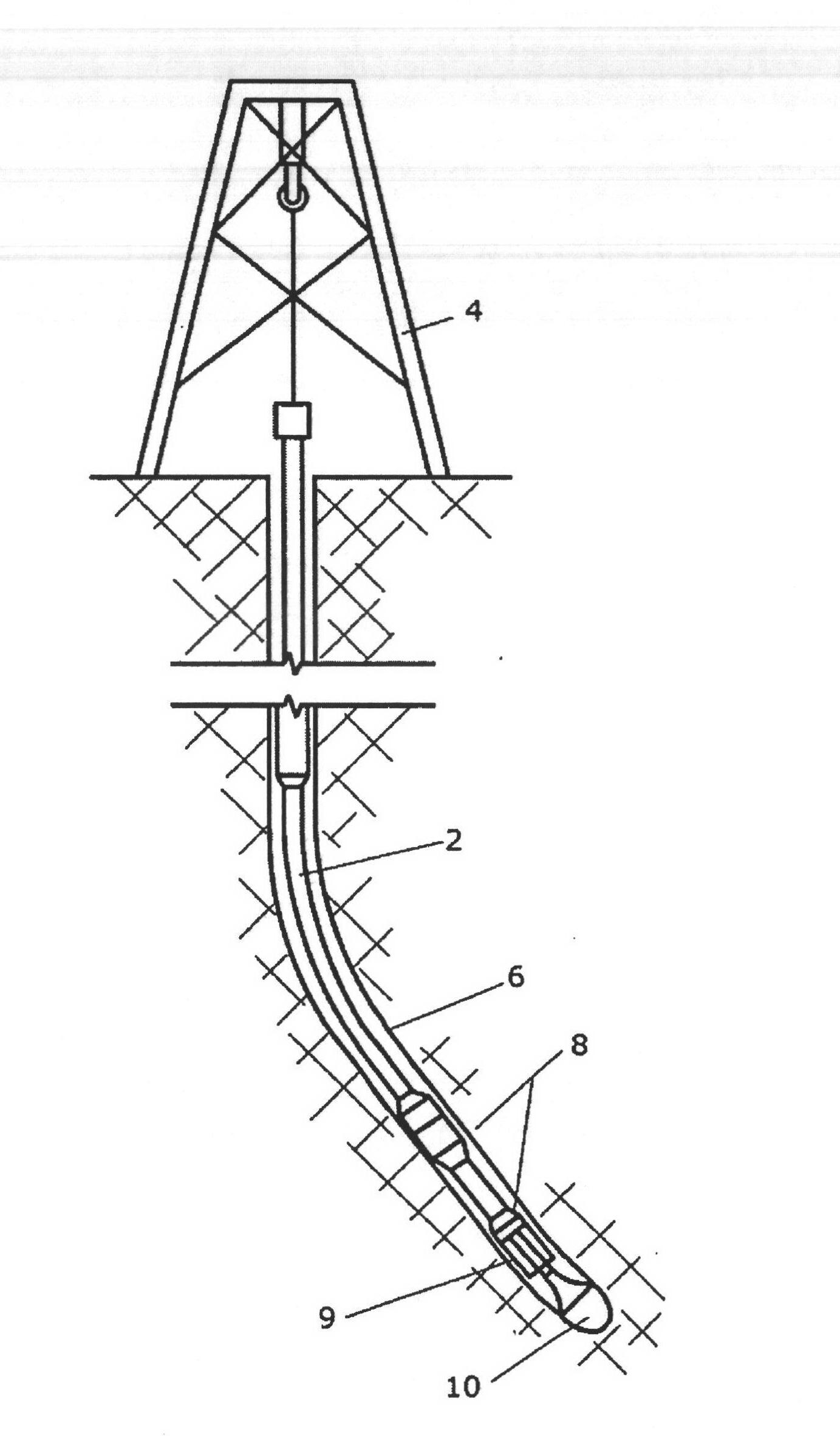
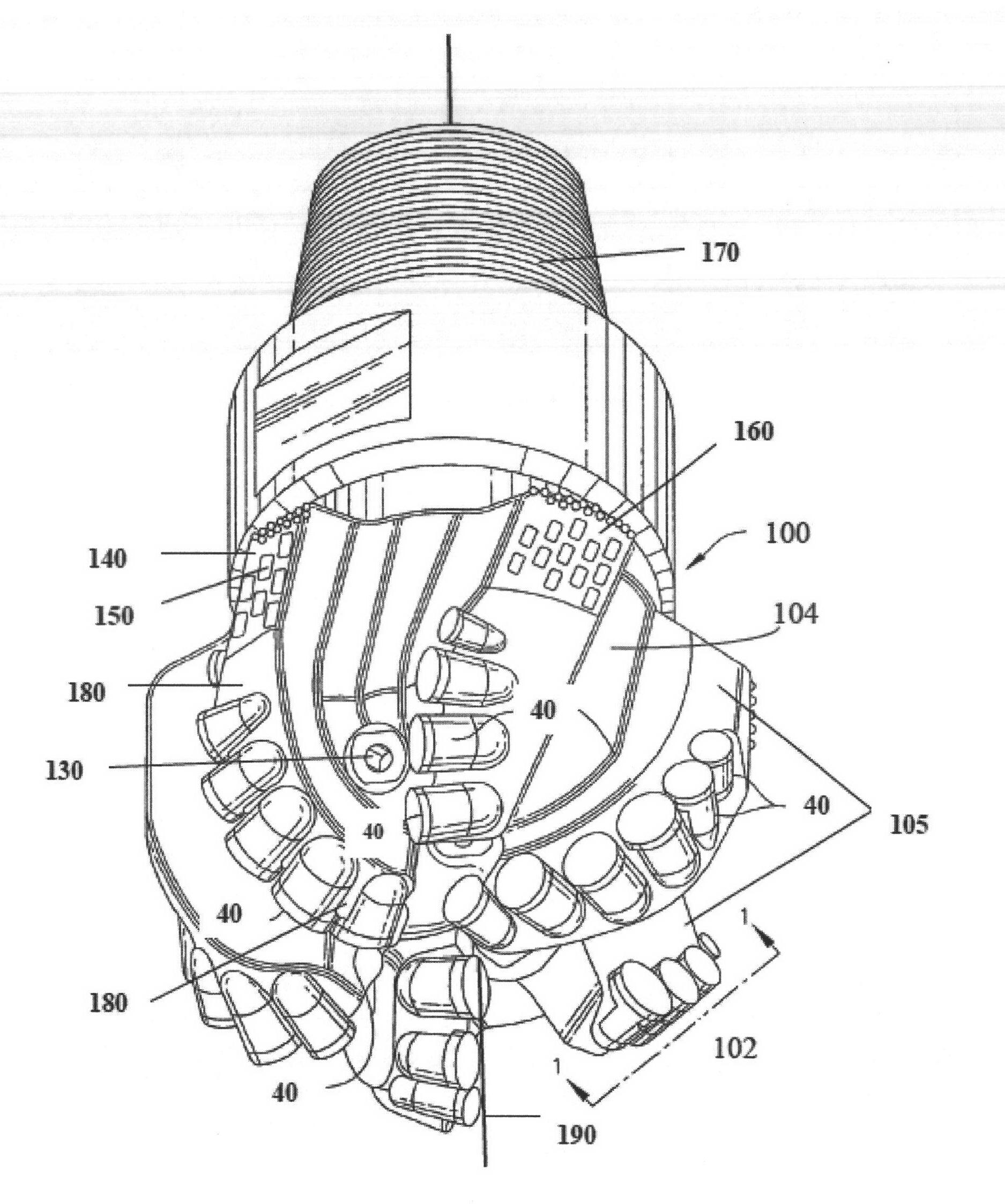
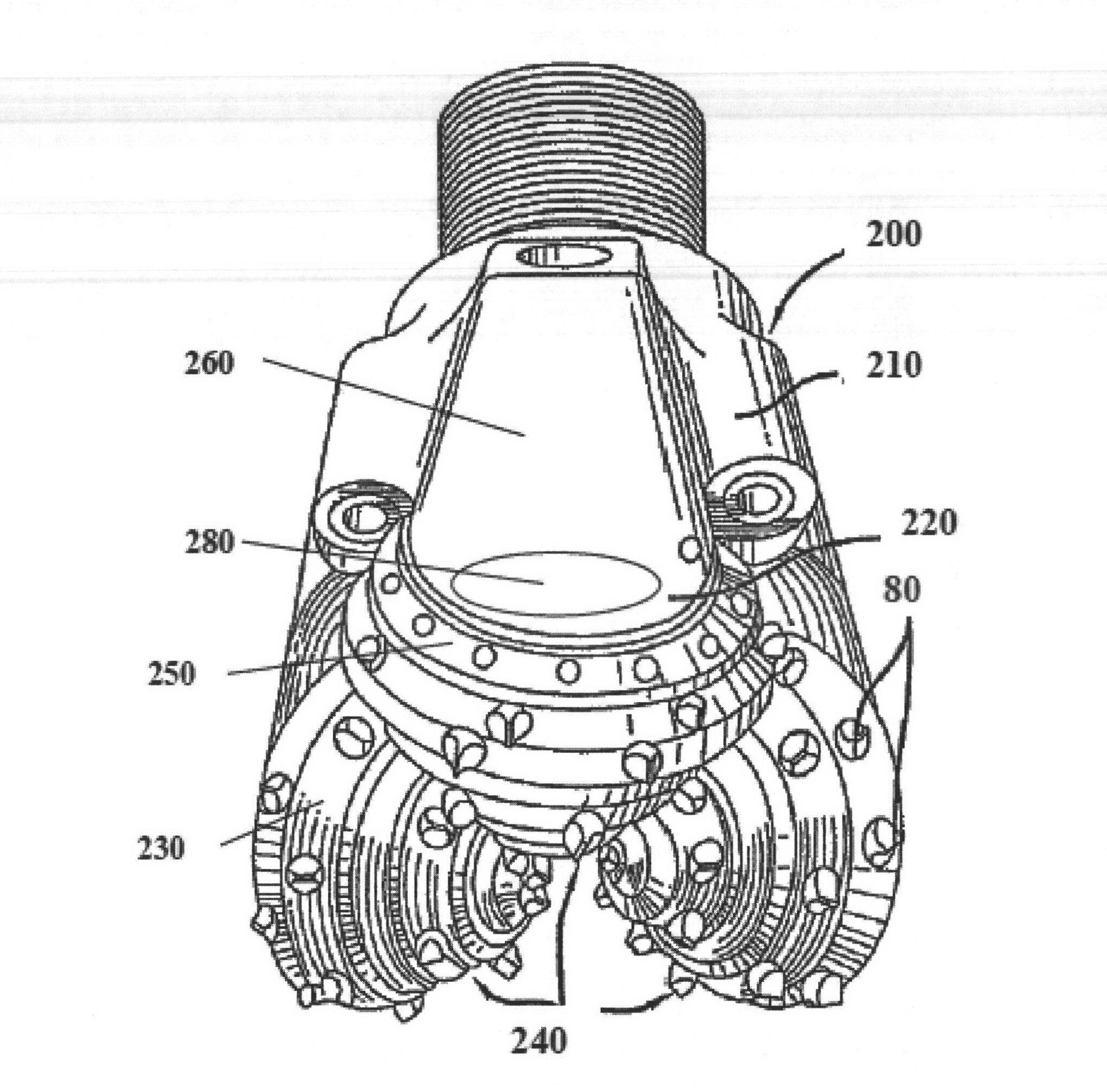
Core Innovations in Drill Material Composition
Diamond core drill bit
PatentInactiveUS5996571A
Innovation
- A diamond core drill bit with a cutting head comprising segments having varying concentrations of diamond particles, with higher concentrations in the inner and outer portions, improving cutting efficiency and longevity.


Wear-resistant material used in drilling application
PatentActiveCN102534343A
Innovation
- Hard-surface metal composition using tungsten carbide and nickel-based bonding materials. The tungsten carbide content exceeds 50% and at least 60% of the volume ratio is spherical. The binder consists of 80% nickel, 4.5-11% flux, 3-7% It is composed of copper and 1-5% Cr or Mo and is sprayed on the surface of the drill bit through thermal spraying methods such as laser cladding or plasma spray welding.

Environmental Impact of Core Drilling Operations
Core drilling operations in asphalt applications generate significant environmental impacts that require careful consideration and mitigation strategies. The selection of drill materials directly influences the magnitude of these environmental effects, making material choice a critical factor in sustainable construction practices.
Dust generation represents one of the primary environmental concerns during core drilling operations. Diamond-tipped drill bits, while offering superior durability, tend to produce finer particulate matter that can remain airborne for extended periods. These microscopic particles pose respiratory health risks to operators and nearby populations, particularly in urban environments where asphalt core drilling is frequently conducted. Carbide-tipped alternatives generate coarser debris but may require more frequent replacement, leading to increased material consumption and waste generation.
Water consumption and contamination present another significant environmental challenge. Wet drilling methods, commonly employed to reduce dust emissions and extend tool life, consume substantial quantities of water while generating contaminated slurry containing asphalt particles, metal fragments, and chemical additives. This contaminated water requires proper treatment before disposal, adding complexity and cost to drilling operations. The runoff can potentially contaminate soil and groundwater if not properly managed.
Noise pollution from core drilling operations affects both urban and suburban environments. High-durability materials like polycrystalline diamond compact bits operate at lower rotational speeds, reducing noise levels compared to conventional steel bits that require higher speeds and more frequent operation cycles. This reduction in operational time and noise intensity helps minimize disruption to surrounding communities and wildlife habitats.
Material lifecycle impacts extend beyond immediate operational effects. Durable drill materials reduce the frequency of tool replacement, thereby decreasing manufacturing demands, transportation emissions, and packaging waste. However, the production of advanced materials such as synthetic diamonds or specialized carbides involves energy-intensive processes with their own environmental footprints.
Chemical emissions during drilling operations include volatile organic compounds released from heated asphalt and potential metal particles from tool wear. Advanced ceramic and diamond composite materials exhibit lower wear rates, reducing metal contamination in the drilling environment while maintaining operational efficiency across extended service periods.
Dust generation represents one of the primary environmental concerns during core drilling operations. Diamond-tipped drill bits, while offering superior durability, tend to produce finer particulate matter that can remain airborne for extended periods. These microscopic particles pose respiratory health risks to operators and nearby populations, particularly in urban environments where asphalt core drilling is frequently conducted. Carbide-tipped alternatives generate coarser debris but may require more frequent replacement, leading to increased material consumption and waste generation.
Water consumption and contamination present another significant environmental challenge. Wet drilling methods, commonly employed to reduce dust emissions and extend tool life, consume substantial quantities of water while generating contaminated slurry containing asphalt particles, metal fragments, and chemical additives. This contaminated water requires proper treatment before disposal, adding complexity and cost to drilling operations. The runoff can potentially contaminate soil and groundwater if not properly managed.
Noise pollution from core drilling operations affects both urban and suburban environments. High-durability materials like polycrystalline diamond compact bits operate at lower rotational speeds, reducing noise levels compared to conventional steel bits that require higher speeds and more frequent operation cycles. This reduction in operational time and noise intensity helps minimize disruption to surrounding communities and wildlife habitats.
Material lifecycle impacts extend beyond immediate operational effects. Durable drill materials reduce the frequency of tool replacement, thereby decreasing manufacturing demands, transportation emissions, and packaging waste. However, the production of advanced materials such as synthetic diamonds or specialized carbides involves energy-intensive processes with their own environmental footprints.
Chemical emissions during drilling operations include volatile organic compounds released from heated asphalt and potential metal particles from tool wear. Advanced ceramic and diamond composite materials exhibit lower wear rates, reducing metal contamination in the drilling environment while maintaining operational efficiency across extended service periods.
Cost-Performance Analysis of Premium Drill Materials
The cost-performance analysis of premium drill materials for asphalt applications reveals significant variations in economic efficiency across different material categories. Diamond-impregnated core bits, while commanding premium prices ranging from $150 to $400 per unit, demonstrate exceptional value propositions through extended operational lifespans and superior cutting performance. These materials typically achieve 300-500% longer service life compared to conventional alternatives, effectively reducing the cost per linear foot of drilling.
Polycrystalline Diamond Compact (PDC) bits represent a balanced approach to cost-performance optimization, with initial investments of $80 to $200 per unit. The synthetic diamond construction provides consistent cutting efficiency while maintaining reasonable replacement costs. Performance metrics indicate PDC bits deliver approximately 200-300% improved durability over standard carbide options, making them particularly attractive for medium to high-volume drilling operations.
Tungsten carbide materials occupy the entry-level premium segment, priced between $40 to $100 per unit. While offering lower absolute performance compared to diamond-based alternatives, these materials provide substantial improvements over basic steel bits at moderate cost premiums. The cost-benefit ratio becomes particularly favorable in applications requiring moderate drilling volumes with acceptable replacement frequencies.
Total cost of ownership calculations must incorporate operational factors beyond initial material costs. Premium materials typically reduce downtime, minimize equipment wear, and decrease labor costs through improved drilling speeds. Diamond-impregnated bits, despite higher upfront investments, often achieve 40-60% lower total operational costs in high-volume applications due to reduced replacement frequency and enhanced productivity.
The economic threshold analysis indicates that premium materials become cost-effective when drilling volumes exceed 500 linear feet monthly. Below this threshold, standard materials may provide adequate cost-performance ratios. However, specialized applications requiring precise hole quality or challenging asphalt compositions consistently favor premium materials regardless of volume considerations, as the cost of rework and quality issues typically exceeds the material premium investment.
Polycrystalline Diamond Compact (PDC) bits represent a balanced approach to cost-performance optimization, with initial investments of $80 to $200 per unit. The synthetic diamond construction provides consistent cutting efficiency while maintaining reasonable replacement costs. Performance metrics indicate PDC bits deliver approximately 200-300% improved durability over standard carbide options, making them particularly attractive for medium to high-volume drilling operations.
Tungsten carbide materials occupy the entry-level premium segment, priced between $40 to $100 per unit. While offering lower absolute performance compared to diamond-based alternatives, these materials provide substantial improvements over basic steel bits at moderate cost premiums. The cost-benefit ratio becomes particularly favorable in applications requiring moderate drilling volumes with acceptable replacement frequencies.
Total cost of ownership calculations must incorporate operational factors beyond initial material costs. Premium materials typically reduce downtime, minimize equipment wear, and decrease labor costs through improved drilling speeds. Diamond-impregnated bits, despite higher upfront investments, often achieve 40-60% lower total operational costs in high-volume applications due to reduced replacement frequency and enhanced productivity.
The economic threshold analysis indicates that premium materials become cost-effective when drilling volumes exceed 500 linear feet monthly. Below this threshold, standard materials may provide adequate cost-performance ratios. However, specialized applications requiring precise hole quality or challenging asphalt compositions consistently favor premium materials regardless of volume considerations, as the cost of rework and quality issues typically exceeds the material premium investment.
Unlock deeper insights with Patsnap Eureka Quick Research — get a full tech report to explore trends and direct your research. Try now!
Generate Your Research Report Instantly with AI Agent
Supercharge your innovation with Patsnap Eureka AI Agent Platform!