

Wind Turbine Data Analytics for Performance Tracking
MAR 12, 20269 MIN READ
Generate Your Research Report Instantly with AI Agent
PatSnap Eureka helps you evaluate technical feasibility & market potential.
Wind Turbine Analytics Background and Objectives
Wind turbine data analytics has emerged as a critical technological domain driven by the global transition toward renewable energy sources and the increasing complexity of modern wind power installations. The evolution of wind energy technology from simple mechanical systems to sophisticated smart turbines equipped with hundreds of sensors has created unprecedented opportunities for performance optimization through advanced data analysis techniques.
The historical development of wind turbine monitoring began with basic mechanical indicators in the 1980s and has progressively evolved through several technological phases. Early systems focused primarily on safety shutdowns and basic operational parameters. The introduction of SCADA systems in the 1990s marked the first significant step toward systematic data collection, enabling remote monitoring of key performance indicators such as power output, wind speed, and rotor speed.
The advent of Internet of Things (IoT) technologies and edge computing in the 2010s revolutionized data collection capabilities, allowing for real-time monitoring of vibration patterns, temperature variations, oil quality, and structural stress parameters. This technological progression has culminated in today's intelligent wind farms that generate terabytes of operational data annually, creating both opportunities and challenges for effective performance tracking.
Current technological trends indicate a shift toward predictive analytics, machine learning integration, and digital twin implementations. The convergence of artificial intelligence with traditional monitoring systems has opened new possibilities for anomaly detection, failure prediction, and optimization strategies that were previously unattainable through conventional approaches.
The primary objective of wind turbine data analytics for performance tracking centers on maximizing energy production efficiency while minimizing operational costs and downtime. This encompasses several key technical goals including real-time performance monitoring, predictive maintenance scheduling, and optimization of turbine operations under varying environmental conditions.
Secondary objectives include extending turbine lifespan through condition-based maintenance strategies, reducing unplanned maintenance events, and improving overall fleet management capabilities. Advanced analytics systems aim to identify performance degradation patterns before they result in significant power losses or component failures, thereby enabling proactive intervention strategies.
The integration of weather forecasting data with operational analytics represents another crucial objective, allowing for predictive power generation planning and grid integration optimization. This holistic approach to performance tracking seeks to transform wind energy operations from reactive maintenance models to proactive, data-driven management systems that maximize return on investment while ensuring reliable renewable energy generation.
The historical development of wind turbine monitoring began with basic mechanical indicators in the 1980s and has progressively evolved through several technological phases. Early systems focused primarily on safety shutdowns and basic operational parameters. The introduction of SCADA systems in the 1990s marked the first significant step toward systematic data collection, enabling remote monitoring of key performance indicators such as power output, wind speed, and rotor speed.
The advent of Internet of Things (IoT) technologies and edge computing in the 2010s revolutionized data collection capabilities, allowing for real-time monitoring of vibration patterns, temperature variations, oil quality, and structural stress parameters. This technological progression has culminated in today's intelligent wind farms that generate terabytes of operational data annually, creating both opportunities and challenges for effective performance tracking.
Current technological trends indicate a shift toward predictive analytics, machine learning integration, and digital twin implementations. The convergence of artificial intelligence with traditional monitoring systems has opened new possibilities for anomaly detection, failure prediction, and optimization strategies that were previously unattainable through conventional approaches.
The primary objective of wind turbine data analytics for performance tracking centers on maximizing energy production efficiency while minimizing operational costs and downtime. This encompasses several key technical goals including real-time performance monitoring, predictive maintenance scheduling, and optimization of turbine operations under varying environmental conditions.
Secondary objectives include extending turbine lifespan through condition-based maintenance strategies, reducing unplanned maintenance events, and improving overall fleet management capabilities. Advanced analytics systems aim to identify performance degradation patterns before they result in significant power losses or component failures, thereby enabling proactive intervention strategies.
The integration of weather forecasting data with operational analytics represents another crucial objective, allowing for predictive power generation planning and grid integration optimization. This holistic approach to performance tracking seeks to transform wind energy operations from reactive maintenance models to proactive, data-driven management systems that maximize return on investment while ensuring reliable renewable energy generation.
Market Demand for Wind Energy Performance Solutions
The global wind energy sector has experienced unprecedented growth, driving substantial demand for sophisticated performance monitoring and analytics solutions. Wind farm operators face increasing pressure to maximize energy output while minimizing operational costs, creating a robust market for data-driven performance optimization technologies. The transition toward renewable energy sources, supported by government policies and environmental commitments, has positioned wind energy as a critical component of the global energy mix.
Market drivers for wind turbine data analytics solutions stem from the inherent complexity of wind farm operations and the substantial financial investments involved. Modern wind farms represent multi-million dollar assets requiring continuous monitoring to ensure optimal return on investment. Operators seek comprehensive analytics platforms that can predict maintenance needs, optimize turbine performance, and extend equipment lifespan through data-driven insights.
The demand landscape encompasses multiple stakeholder categories, each with distinct requirements. Wind farm developers prioritize solutions that demonstrate clear performance improvements and cost reductions. Utility companies focus on grid integration capabilities and predictive maintenance features that minimize unplanned downtime. Independent power producers emphasize comprehensive performance tracking systems that support regulatory compliance and investor reporting requirements.
Technological advancement in sensor technologies, IoT connectivity, and cloud computing platforms has created new opportunities for sophisticated analytics solutions. The proliferation of smart sensors and real-time data collection capabilities enables unprecedented visibility into turbine operations, generating massive datasets that require advanced analytical processing. This technological evolution has expanded market demand beyond basic monitoring to encompass predictive analytics, machine learning applications, and artificial intelligence-driven optimization.
Geographic market distribution reflects global wind energy deployment patterns, with significant demand concentration in established wind markets including Europe, North America, and Asia-Pacific regions. Emerging markets in Latin America, Africa, and Southeast Asia represent growing opportunities as wind energy adoption accelerates. Each regional market exhibits unique characteristics influenced by regulatory frameworks, grid infrastructure maturity, and local technical expertise availability.
The market demonstrates strong growth potential driven by the increasing complexity of wind farm operations and the critical importance of performance optimization in competitive energy markets. As wind energy continues expanding globally, demand for sophisticated data analytics solutions will intensify, creating substantial opportunities for technology providers capable of delivering comprehensive, scalable performance tracking platforms.
Market drivers for wind turbine data analytics solutions stem from the inherent complexity of wind farm operations and the substantial financial investments involved. Modern wind farms represent multi-million dollar assets requiring continuous monitoring to ensure optimal return on investment. Operators seek comprehensive analytics platforms that can predict maintenance needs, optimize turbine performance, and extend equipment lifespan through data-driven insights.
The demand landscape encompasses multiple stakeholder categories, each with distinct requirements. Wind farm developers prioritize solutions that demonstrate clear performance improvements and cost reductions. Utility companies focus on grid integration capabilities and predictive maintenance features that minimize unplanned downtime. Independent power producers emphasize comprehensive performance tracking systems that support regulatory compliance and investor reporting requirements.
Technological advancement in sensor technologies, IoT connectivity, and cloud computing platforms has created new opportunities for sophisticated analytics solutions. The proliferation of smart sensors and real-time data collection capabilities enables unprecedented visibility into turbine operations, generating massive datasets that require advanced analytical processing. This technological evolution has expanded market demand beyond basic monitoring to encompass predictive analytics, machine learning applications, and artificial intelligence-driven optimization.
Geographic market distribution reflects global wind energy deployment patterns, with significant demand concentration in established wind markets including Europe, North America, and Asia-Pacific regions. Emerging markets in Latin America, Africa, and Southeast Asia represent growing opportunities as wind energy adoption accelerates. Each regional market exhibits unique characteristics influenced by regulatory frameworks, grid infrastructure maturity, and local technical expertise availability.
The market demonstrates strong growth potential driven by the increasing complexity of wind farm operations and the critical importance of performance optimization in competitive energy markets. As wind energy continues expanding globally, demand for sophisticated data analytics solutions will intensify, creating substantial opportunities for technology providers capable of delivering comprehensive, scalable performance tracking platforms.
Current State of Wind Turbine Data Analytics Technologies
Wind turbine data analytics technologies have evolved significantly over the past decade, driven by the increasing deployment of IoT sensors and advanced computing capabilities. Modern wind farms are equipped with sophisticated monitoring systems that collect vast amounts of operational data, including turbine performance metrics, environmental conditions, and mechanical health indicators. The current technological landscape encompasses multiple layers of data collection, processing, and analysis frameworks designed to optimize energy production and minimize operational costs.
The foundation of contemporary wind turbine analytics relies heavily on SCADA (Supervisory Control and Data Acquisition) systems, which serve as the primary data collection infrastructure. These systems continuously monitor critical parameters such as wind speed, direction, power output, rotor speed, and nacelle position. Advanced sensor networks have expanded beyond traditional SCADA capabilities to include vibration sensors, temperature monitors, oil analysis systems, and strain gauges that provide comprehensive insights into turbine health and performance characteristics.
Machine learning and artificial intelligence technologies have become integral components of modern wind turbine analytics platforms. Predictive maintenance algorithms utilize historical performance data to identify potential equipment failures before they occur, significantly reducing unplanned downtime. These systems employ various analytical techniques including time series analysis, anomaly detection, and pattern recognition to establish baseline performance profiles and detect deviations that may indicate emerging issues.
Cloud-based analytics platforms have emerged as the dominant architecture for processing and storing wind turbine data. Major technology providers offer comprehensive solutions that integrate data ingestion, real-time processing, and advanced analytics capabilities. These platforms leverage distributed computing resources to handle the massive data volumes generated by modern wind farms, enabling sophisticated analysis techniques that were previously computationally prohibitive.
Current analytical approaches focus on several key performance indicators including capacity factor optimization, power curve analysis, and availability maximization. Advanced algorithms compare actual turbine performance against theoretical models, accounting for environmental variables and operational constraints. Wind resource assessment technologies have also advanced significantly, incorporating meteorological data, topographical analysis, and computational fluid dynamics to optimize turbine placement and operational strategies.
Despite these technological advances, several challenges persist in the current landscape. Data quality and standardization remain significant obstacles, as different turbine manufacturers employ proprietary data formats and communication protocols. Integration complexity increases when managing multi-vendor wind farms, requiring sophisticated data harmonization techniques to enable comprehensive fleet-wide analytics and performance optimization across diverse equipment portfolios.
The foundation of contemporary wind turbine analytics relies heavily on SCADA (Supervisory Control and Data Acquisition) systems, which serve as the primary data collection infrastructure. These systems continuously monitor critical parameters such as wind speed, direction, power output, rotor speed, and nacelle position. Advanced sensor networks have expanded beyond traditional SCADA capabilities to include vibration sensors, temperature monitors, oil analysis systems, and strain gauges that provide comprehensive insights into turbine health and performance characteristics.
Machine learning and artificial intelligence technologies have become integral components of modern wind turbine analytics platforms. Predictive maintenance algorithms utilize historical performance data to identify potential equipment failures before they occur, significantly reducing unplanned downtime. These systems employ various analytical techniques including time series analysis, anomaly detection, and pattern recognition to establish baseline performance profiles and detect deviations that may indicate emerging issues.
Cloud-based analytics platforms have emerged as the dominant architecture for processing and storing wind turbine data. Major technology providers offer comprehensive solutions that integrate data ingestion, real-time processing, and advanced analytics capabilities. These platforms leverage distributed computing resources to handle the massive data volumes generated by modern wind farms, enabling sophisticated analysis techniques that were previously computationally prohibitive.
Current analytical approaches focus on several key performance indicators including capacity factor optimization, power curve analysis, and availability maximization. Advanced algorithms compare actual turbine performance against theoretical models, accounting for environmental variables and operational constraints. Wind resource assessment technologies have also advanced significantly, incorporating meteorological data, topographical analysis, and computational fluid dynamics to optimize turbine placement and operational strategies.
Despite these technological advances, several challenges persist in the current landscape. Data quality and standardization remain significant obstacles, as different turbine manufacturers employ proprietary data formats and communication protocols. Integration complexity increases when managing multi-vendor wind farms, requiring sophisticated data harmonization techniques to enable comprehensive fleet-wide analytics and performance optimization across diverse equipment portfolios.
Existing Wind Performance Tracking Solutions
01 Real-time monitoring and predictive maintenance systems
Advanced data analytics systems are employed to monitor wind turbine operations in real-time, collecting sensor data to predict potential failures and maintenance needs. These systems utilize machine learning algorithms to analyze operational parameters such as vibration, temperature, and power output to identify anomalies before they lead to equipment failure. By implementing predictive maintenance strategies, turbine downtime can be minimized and operational efficiency maximized.- Real-time monitoring and predictive maintenance systems: Advanced data analytics systems are employed to monitor wind turbine operations in real-time, collecting sensor data to predict potential failures and maintenance needs. These systems utilize machine learning algorithms to analyze operational parameters such as vibration, temperature, and power output to identify anomalies before they lead to equipment failure. By implementing predictive maintenance strategies, turbine downtime can be minimized and operational efficiency maximized.
- Performance optimization through data-driven control strategies: Data analytics platforms are utilized to optimize wind turbine performance by analyzing historical and real-time operational data. These systems employ algorithms to adjust turbine parameters such as blade pitch angle, rotor speed, and yaw position to maximize energy capture under varying wind conditions. The analytics enable continuous performance improvement by identifying optimal operating conditions and implementing adaptive control strategies.
- Wind farm level analytics and energy production forecasting: Comprehensive analytics solutions are developed to assess performance across entire wind farms, integrating data from multiple turbines to provide holistic insights. These systems incorporate weather forecasting data, historical production patterns, and turbine-specific characteristics to predict energy output and optimize farm-level operations. The analytics enable better grid integration planning and improved revenue forecasting for wind energy operators.
- Condition monitoring and diagnostic systems: Specialized diagnostic systems are implemented to continuously assess the health and condition of critical wind turbine components including gearboxes, generators, and blade structures. These systems utilize advanced signal processing techniques and pattern recognition algorithms to detect early signs of wear, damage, or degradation. The condition monitoring capabilities enable targeted maintenance interventions and extend component lifespan through timely corrective actions.
- Big data infrastructure and cloud-based analytics platforms: Scalable data infrastructure solutions are deployed to handle the massive volumes of data generated by modern wind turbines and wind farms. These platforms leverage cloud computing technologies to provide centralized data storage, processing, and visualization capabilities. The infrastructure supports advanced analytics applications including machine learning model training, historical trend analysis, and multi-site performance benchmarking to drive continuous improvement in wind energy operations.
02 Performance optimization through data-driven control strategies
Data analytics platforms enable the optimization of wind turbine performance by analyzing historical and real-time operational data to adjust control parameters dynamically. These systems evaluate factors such as wind speed, direction, and turbine load to optimize blade pitch angles and rotor speed for maximum energy capture. Advanced algorithms process large datasets to identify optimal operating conditions and improve overall power generation efficiency.Expand Specific Solutions03 Integration of artificial intelligence and machine learning models
Artificial intelligence and machine learning techniques are integrated into wind turbine analytics systems to enhance performance prediction and fault detection capabilities. These models are trained on extensive datasets encompassing various operating conditions and failure modes to recognize patterns and correlations. The implementation of neural networks and deep learning algorithms enables more accurate forecasting of energy production and identification of subtle performance degradations.Expand Specific Solutions04 Cloud-based data management and analytics platforms
Cloud computing infrastructure is utilized to aggregate and process vast amounts of data from multiple wind turbines across different locations. These platforms provide centralized data storage, advanced analytics capabilities, and visualization tools for monitoring fleet-wide performance. The scalable nature of cloud-based systems allows for efficient handling of big data and enables remote access to analytics dashboards for operators and maintenance teams.Expand Specific Solutions05 Condition monitoring and diagnostic systems
Specialized condition monitoring systems are deployed to continuously assess the health status of critical wind turbine components such as gearboxes, bearings, and generators. These systems employ various sensing technologies and signal processing techniques to detect early signs of wear, misalignment, or other mechanical issues. Diagnostic algorithms analyze vibration signatures, acoustic emissions, and thermal patterns to provide detailed assessments of component condition and remaining useful life.Expand Specific Solutions
Key Players in Wind Turbine Analytics Industry
The wind turbine data analytics market is experiencing rapid growth as the industry transitions from early adoption to mainstream deployment. With global wind capacity expanding significantly, the market demonstrates substantial scale driven by increasing demand for operational efficiency and predictive maintenance solutions. The competitive landscape features established turbine manufacturers like Vestas Wind Systems, General Electric, Siemens Gamesa, and emerging Chinese players including Goldwind Science & Technology and Ming Yang Smart Energy Group, who are integrating advanced analytics into their offerings. Technology maturity varies across segments, with companies like Uptake Technologies and WindESCo pioneering specialized analytics platforms, while traditional manufacturers are rapidly developing in-house capabilities. The sector shows strong innovation momentum with players like fos4X and Utopus Insights advancing sensor technologies and AI-driven insights, indicating a maturing but still evolving technological ecosystem.
Vestas Wind Systems A/S
Technical Solution: Vestas has developed a comprehensive wind turbine data analytics platform that leverages advanced machine learning algorithms and IoT sensors to monitor turbine performance in real-time. Their system collects data from over 40,000 wind turbines globally, analyzing parameters such as wind speed, power output, vibration patterns, and temperature variations. The platform uses predictive analytics to identify potential component failures before they occur, enabling proactive maintenance scheduling. Vestas' data analytics solution integrates weather forecasting models with historical performance data to optimize turbine operations and maximize energy production efficiency across different wind conditions.
Strengths: Extensive global turbine fleet providing rich datasets, proven predictive maintenance capabilities. Weaknesses: High implementation costs, dependency on proprietary systems limiting third-party integration flexibility.
General Electric Renovables España SL
Technical Solution: GE Renewable Energy has implemented the Digital Wind Farm concept, utilizing advanced data analytics through their Predix platform to enhance wind turbine performance tracking. The system employs digital twin technology to create virtual replicas of wind turbines, enabling real-time monitoring and simulation of various operational scenarios. GE's analytics platform processes data from multiple sensors including accelerometers, temperature sensors, and power meters to track key performance indicators such as capacity factor, availability, and energy yield. The solution incorporates machine learning algorithms to detect anomalies in turbine behavior and optimize blade pitch angles and nacelle positioning for maximum energy capture under varying wind conditions.
Strengths: Robust digital twin technology, comprehensive sensor integration, strong industrial IoT expertise. Weaknesses: Complex system architecture requiring specialized technical expertise, potential vendor lock-in concerns.
Core Innovations in Turbine Data Processing
Computer system & method for predicting an abnormal event at a wind turbine in a cluster
PatentWO2018204524A1
Innovation
- A data-analytics platform identifies time-varying clusters of wind turbines based on environmental conditions and operating data, defining turbine-specific predictive models to anticipate abnormal events by analyzing historical and real-time data from similar turbines.


A method for monitoring and assessing power performance changes of a wind turbine
PatentActiveUS20180335019A1
Innovation
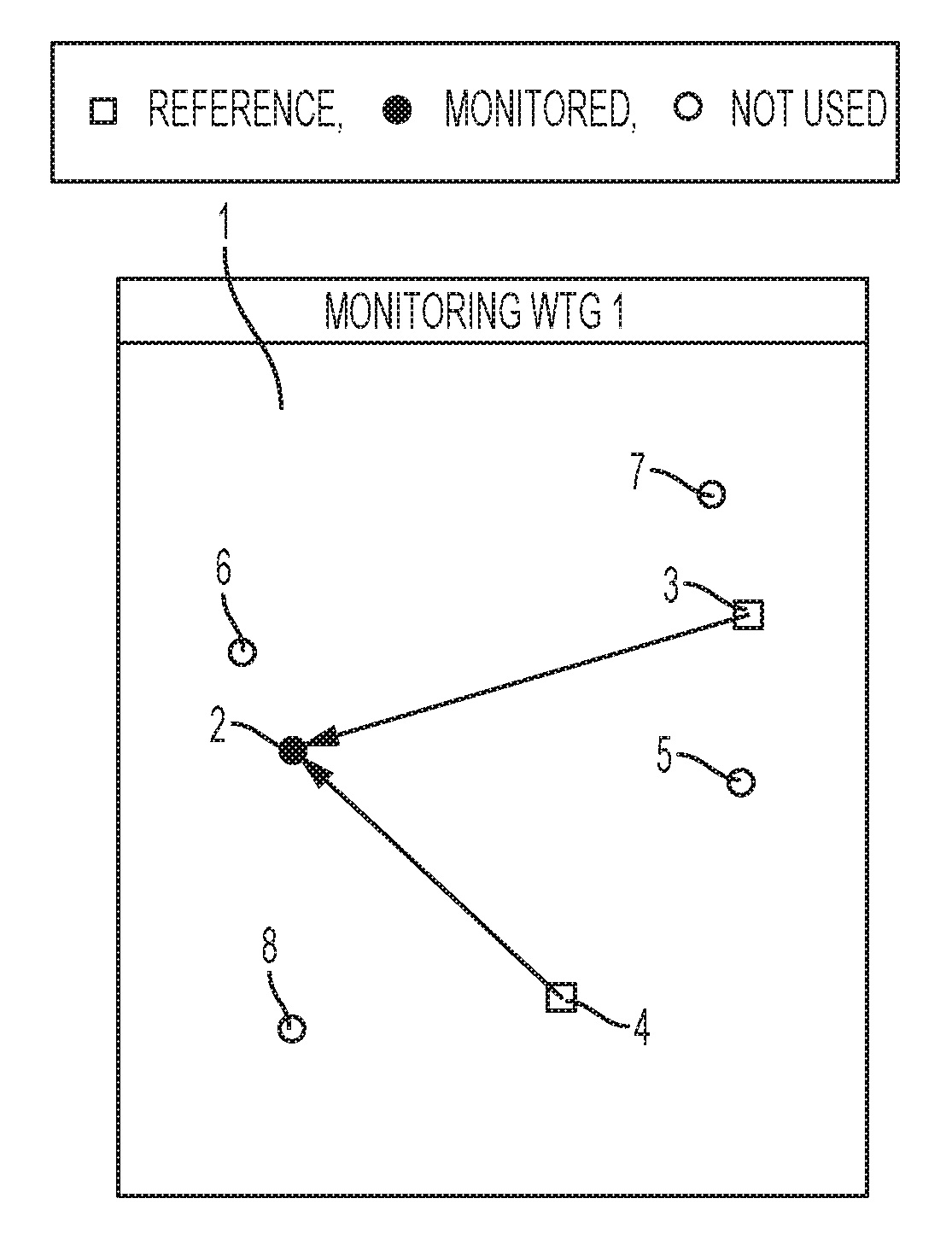
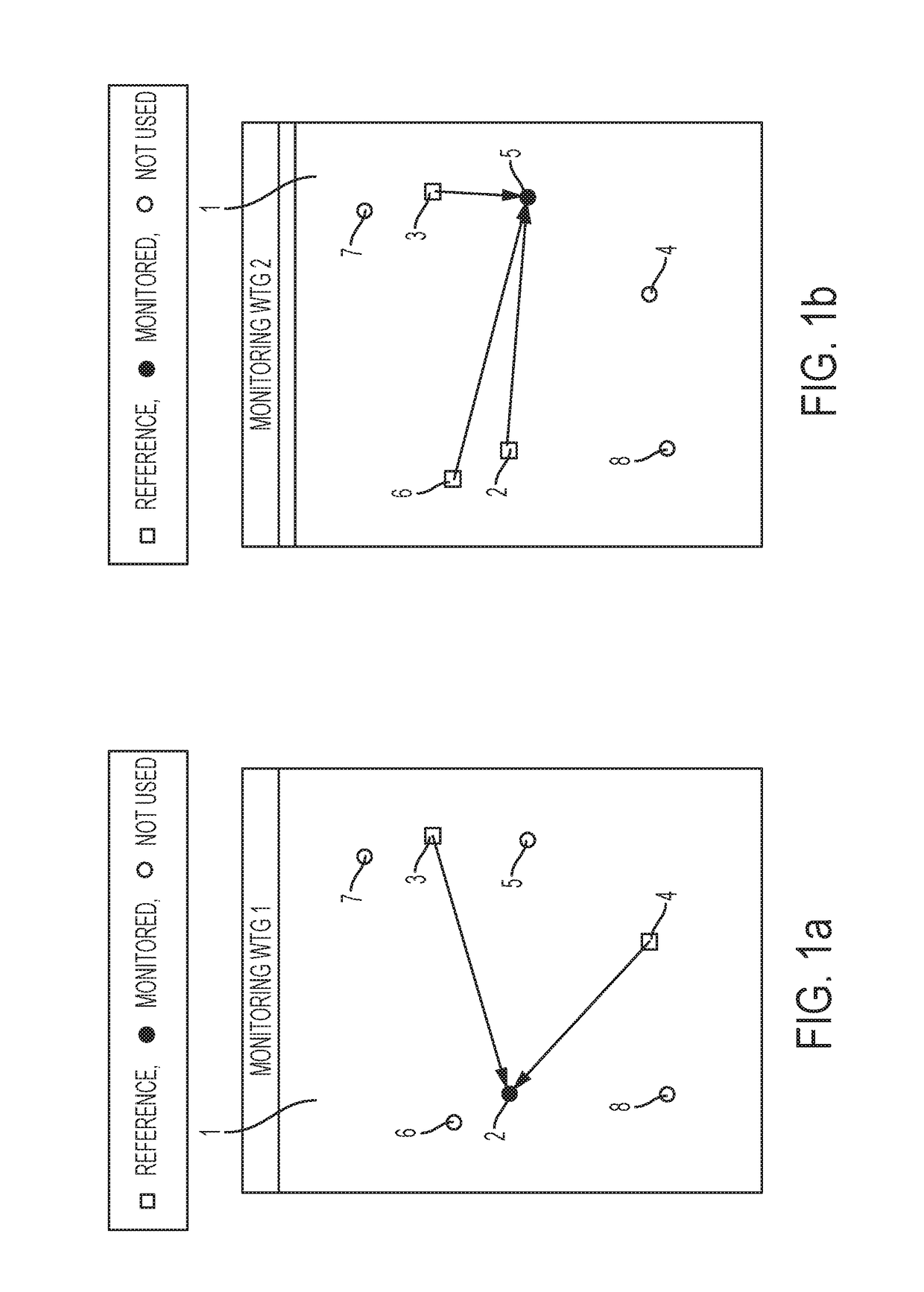
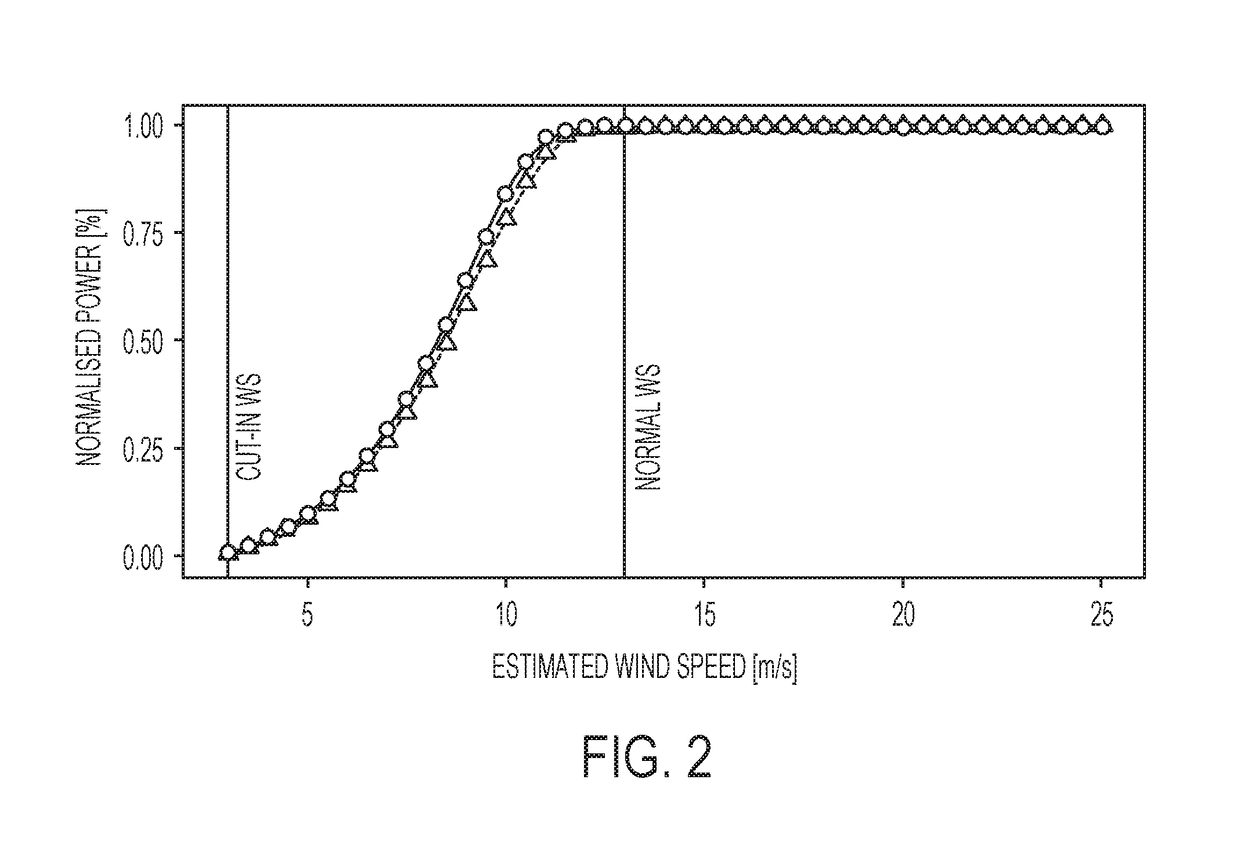
- A method involving defining a group of reference wind turbines, generating a transfer function based on locally measured wind speeds and power performance data during a training period, and comparing this data to predicted performance during test periods to assess power changes, allowing for reliable detection of degradation.

Environmental Impact Assessment of Wind Analytics
Wind turbine data analytics systems present both opportunities and challenges for environmental stewardship. The deployment of comprehensive monitoring networks generates substantial environmental benefits through optimized turbine performance, reduced maintenance interventions, and extended operational lifespans. These analytics platforms enable predictive maintenance strategies that minimize unnecessary site visits, thereby reducing carbon emissions from service vehicles and limiting habitat disruption in sensitive ecological areas.
The implementation of advanced sensor networks and data collection infrastructure requires careful consideration of electromagnetic interference effects on local wildlife, particularly migratory birds and bats. Radio frequency emissions from wireless communication systems must comply with strict environmental regulations to prevent disruption of natural navigation patterns. Additionally, the installation of meteorological towers and LIDAR systems for wind resource assessment necessitates comprehensive environmental impact studies to ensure minimal disturbance to existing ecosystems.
Data-driven performance optimization significantly reduces the environmental footprint of wind energy operations. Analytics platforms enable real-time adjustments to turbine operations based on weather patterns, wildlife activity, and environmental conditions. This capability allows for automated curtailment during critical migration periods or adverse weather events, demonstrating the technology's potential for harmonizing renewable energy production with environmental protection objectives.
The lifecycle environmental impact of analytics infrastructure includes considerations for electronic waste management and energy consumption of data processing centers. Cloud-based analytics platforms require substantial computational resources, necessitating evaluation of their carbon footprint relative to the environmental benefits achieved through improved turbine efficiency. Sustainable data center practices and renewable energy-powered computing infrastructure become essential components of environmentally responsible wind analytics deployment.
Regulatory compliance frameworks increasingly mandate comprehensive environmental monitoring as part of wind farm operations. Analytics systems must incorporate real-time environmental data collection capabilities, including noise level monitoring, wildlife interaction tracking, and vegetation impact assessment. These requirements drive the development of integrated environmental monitoring solutions that combine performance analytics with ecological impact assessment, ensuring long-term sustainability of wind energy projects while maintaining operational excellence.
The implementation of advanced sensor networks and data collection infrastructure requires careful consideration of electromagnetic interference effects on local wildlife, particularly migratory birds and bats. Radio frequency emissions from wireless communication systems must comply with strict environmental regulations to prevent disruption of natural navigation patterns. Additionally, the installation of meteorological towers and LIDAR systems for wind resource assessment necessitates comprehensive environmental impact studies to ensure minimal disturbance to existing ecosystems.
Data-driven performance optimization significantly reduces the environmental footprint of wind energy operations. Analytics platforms enable real-time adjustments to turbine operations based on weather patterns, wildlife activity, and environmental conditions. This capability allows for automated curtailment during critical migration periods or adverse weather events, demonstrating the technology's potential for harmonizing renewable energy production with environmental protection objectives.
The lifecycle environmental impact of analytics infrastructure includes considerations for electronic waste management and energy consumption of data processing centers. Cloud-based analytics platforms require substantial computational resources, necessitating evaluation of their carbon footprint relative to the environmental benefits achieved through improved turbine efficiency. Sustainable data center practices and renewable energy-powered computing infrastructure become essential components of environmentally responsible wind analytics deployment.
Regulatory compliance frameworks increasingly mandate comprehensive environmental monitoring as part of wind farm operations. Analytics systems must incorporate real-time environmental data collection capabilities, including noise level monitoring, wildlife interaction tracking, and vegetation impact assessment. These requirements drive the development of integrated environmental monitoring solutions that combine performance analytics with ecological impact assessment, ensuring long-term sustainability of wind energy projects while maintaining operational excellence.
Grid Integration Standards for Wind Data Systems
The integration of wind turbine data analytics systems with electrical grids requires adherence to comprehensive standards that ensure seamless data exchange, operational reliability, and system interoperability. These standards form the backbone of modern wind energy infrastructure, enabling effective performance tracking while maintaining grid stability and security.
IEC 61400-25 serves as the primary international standard governing wind power plant communications, establishing protocols for data modeling and information exchange between wind turbines and control systems. This standard defines specific data objects, logical nodes, and communication services that facilitate real-time performance monitoring and grid integration. The standard ensures that wind turbine data analytics platforms can communicate effectively with grid operators through standardized interfaces.
IEEE 2030 series standards provide the framework for smart grid interoperability, addressing the integration of renewable energy sources including wind power systems. These standards encompass cybersecurity requirements, data management protocols, and communication architectures that support advanced analytics applications. The standards ensure that wind turbine performance data can be securely transmitted and processed within broader grid management systems.
SCADA (Supervisory Control and Data Acquisition) protocols, particularly DNP3 and IEC 60870-5-104, govern the real-time data transmission between wind farms and grid control centers. These protocols define message formats, data point addressing, and communication timing requirements that enable continuous performance monitoring and grid integration. Modern implementations support high-frequency data sampling necessary for advanced analytics applications.
Cybersecurity standards, including IEC 62351 and NERC CIP regulations, establish security frameworks for protecting wind turbine data systems from cyber threats. These standards mandate encryption protocols, access control mechanisms, and network segmentation requirements that safeguard performance tracking data while maintaining system availability. Compliance ensures that analytics platforms can operate securely within critical infrastructure environments.
Data format standardization through protocols like IEC 61850 and OPC UA enables interoperability between different vendor systems and analytics platforms. These standards define common data models and semantic descriptions that facilitate automated data processing and cross-platform integration. The standardization supports scalable analytics deployments across diverse wind farm configurations and grid architectures.
IEC 61400-25 serves as the primary international standard governing wind power plant communications, establishing protocols for data modeling and information exchange between wind turbines and control systems. This standard defines specific data objects, logical nodes, and communication services that facilitate real-time performance monitoring and grid integration. The standard ensures that wind turbine data analytics platforms can communicate effectively with grid operators through standardized interfaces.
IEEE 2030 series standards provide the framework for smart grid interoperability, addressing the integration of renewable energy sources including wind power systems. These standards encompass cybersecurity requirements, data management protocols, and communication architectures that support advanced analytics applications. The standards ensure that wind turbine performance data can be securely transmitted and processed within broader grid management systems.
SCADA (Supervisory Control and Data Acquisition) protocols, particularly DNP3 and IEC 60870-5-104, govern the real-time data transmission between wind farms and grid control centers. These protocols define message formats, data point addressing, and communication timing requirements that enable continuous performance monitoring and grid integration. Modern implementations support high-frequency data sampling necessary for advanced analytics applications.
Cybersecurity standards, including IEC 62351 and NERC CIP regulations, establish security frameworks for protecting wind turbine data systems from cyber threats. These standards mandate encryption protocols, access control mechanisms, and network segmentation requirements that safeguard performance tracking data while maintaining system availability. Compliance ensures that analytics platforms can operate securely within critical infrastructure environments.
Data format standardization through protocols like IEC 61850 and OPC UA enables interoperability between different vendor systems and analytics platforms. These standards define common data models and semantic descriptions that facilitate automated data processing and cross-platform integration. The standardization supports scalable analytics deployments across diverse wind farm configurations and grid architectures.
Unlock deeper insights with PatSnap Eureka Quick Research — get a full tech report to explore trends and direct your research. Try now!
Generate Your Research Report Instantly with AI Agent
Supercharge your innovation with PatSnap Eureka AI Agent Platform!