
5G Network Feature Parameter Acquisition via Distributed Analysis
Find Innovative SolutionsGenerate Solutions
Solution Overview
Problem
Current 5G communications networks lack an effective method for data analytics using network data analytics (NWDA) network elements, which limits the comprehensiveness and accuracy of feature parameters obtained for data analysis.
Innovation Solution
A method and apparatus for obtaining feature parameters by a first network element, which involves obtaining feature set information from a data analytics network element, requesting and receiving feature parameters from other network elements, and combining these to provide a comprehensive feature parameter set to the data analytics network element, enabling more accurate data analysis.
Engineering Contradictions & Design Principles
Engineering Contradiction Analysis
1Device complexity
If a single network element obtains feature parameters locally, then the system complexity is reduced, but the comprehensiveness and accuracy of feature parameters deteriorates
Solution Approach 1:
The patent divides the feature parameter acquisition process into multiple segments: the first network element obtains first feature parameters from its local data, while the second network element obtains second feature parameters from its local data. Each network element independently collects features relevant to its data type, and then combines them through message exchange. This segmentation allows comprehensive feature collection without requiring one network element to handle all data types, thus maintaining system modularity while improving feature completeness.
Solution Approach 2:
The patent creates a universal feature parameter acquisition mechanism where multiple network elements can serve different data types while following the same protocol. The first and second network elements each have specialized knowledge for their respective data types, but both participate in a unified feature collection framework. This multi-functionality approach enables each network element to contribute its specialized features while the system as a whole achieves comprehensive feature coverage across different data types.
2Measurement precision
If feature parameters are obtained from multiple network elements, then the comprehensiveness of feature parameters is improved, but the system complexity increases
Solution Approach 1:
The patent implements a feedback mechanism where the first network element sends a message containing first feature parameters to the second network element, and the second network element responds with second feature parameters. This structured feedback loop ensures that each network element knows what information to provide and receives the necessary information from others, coordinating the complex multi-element interaction through clear feedback signals that reduce system complexity.
Solution Approach 2:
The message exchange protocol acts as an intermediary mechanism that facilitates cooperation between the first and second network elements. Rather than requiring direct complex interactions, the standardized message format mediates the information exchange, allowing network elements to obtain comprehensive features from multiple sources while keeping the interaction logic simple and manageable through a well-defined communication interface.
Data Source
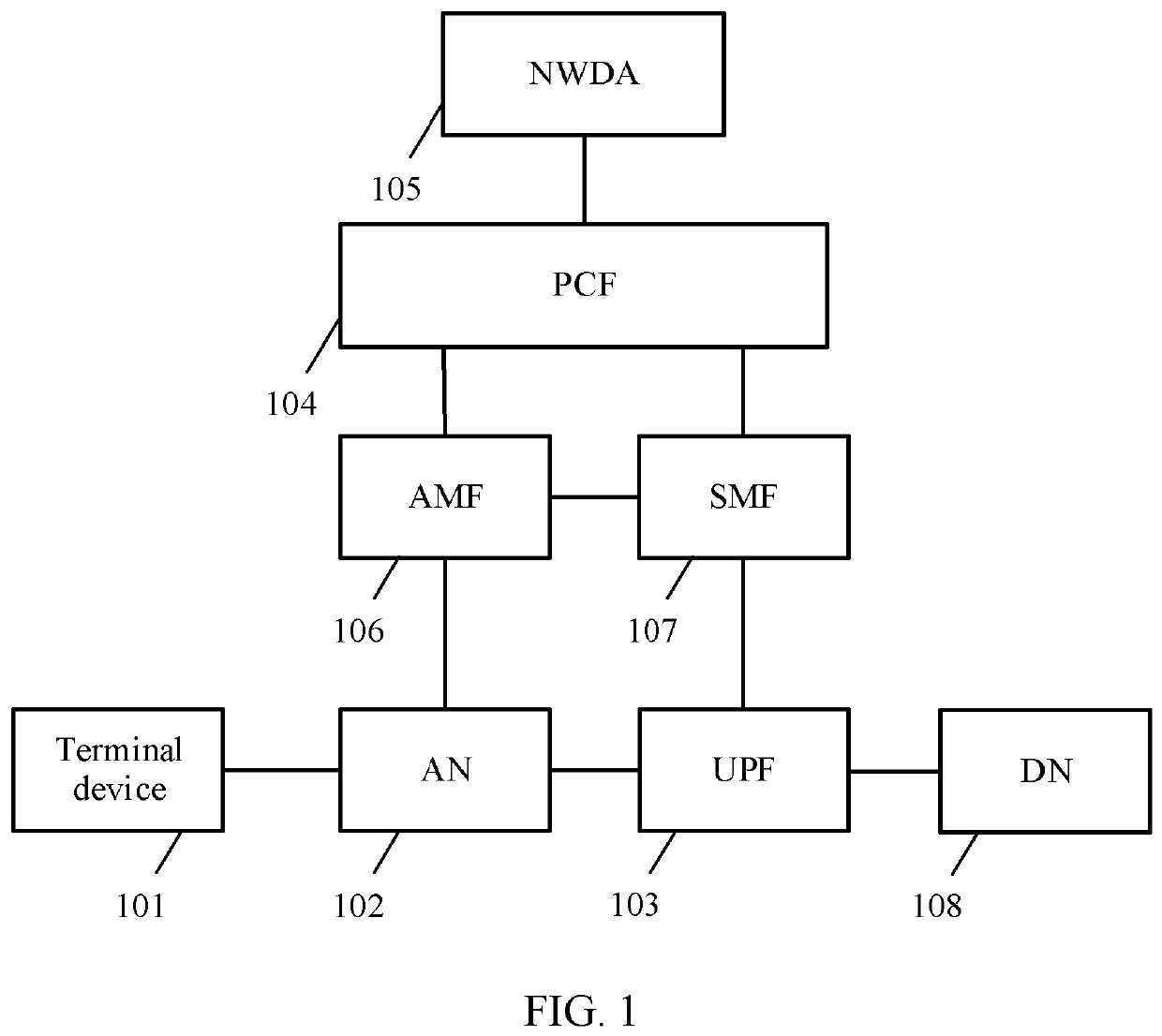 Figure 1
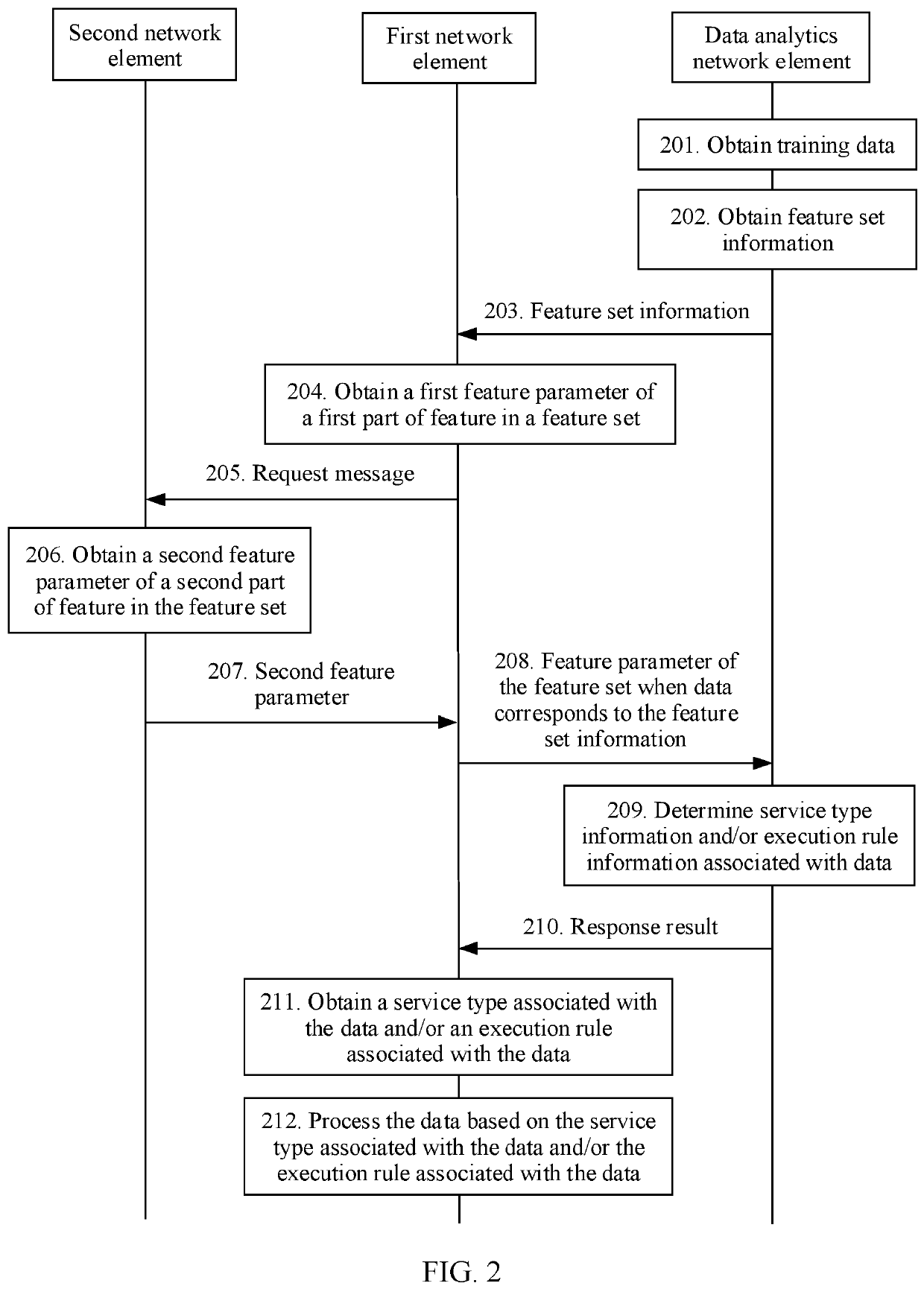 Figure 2
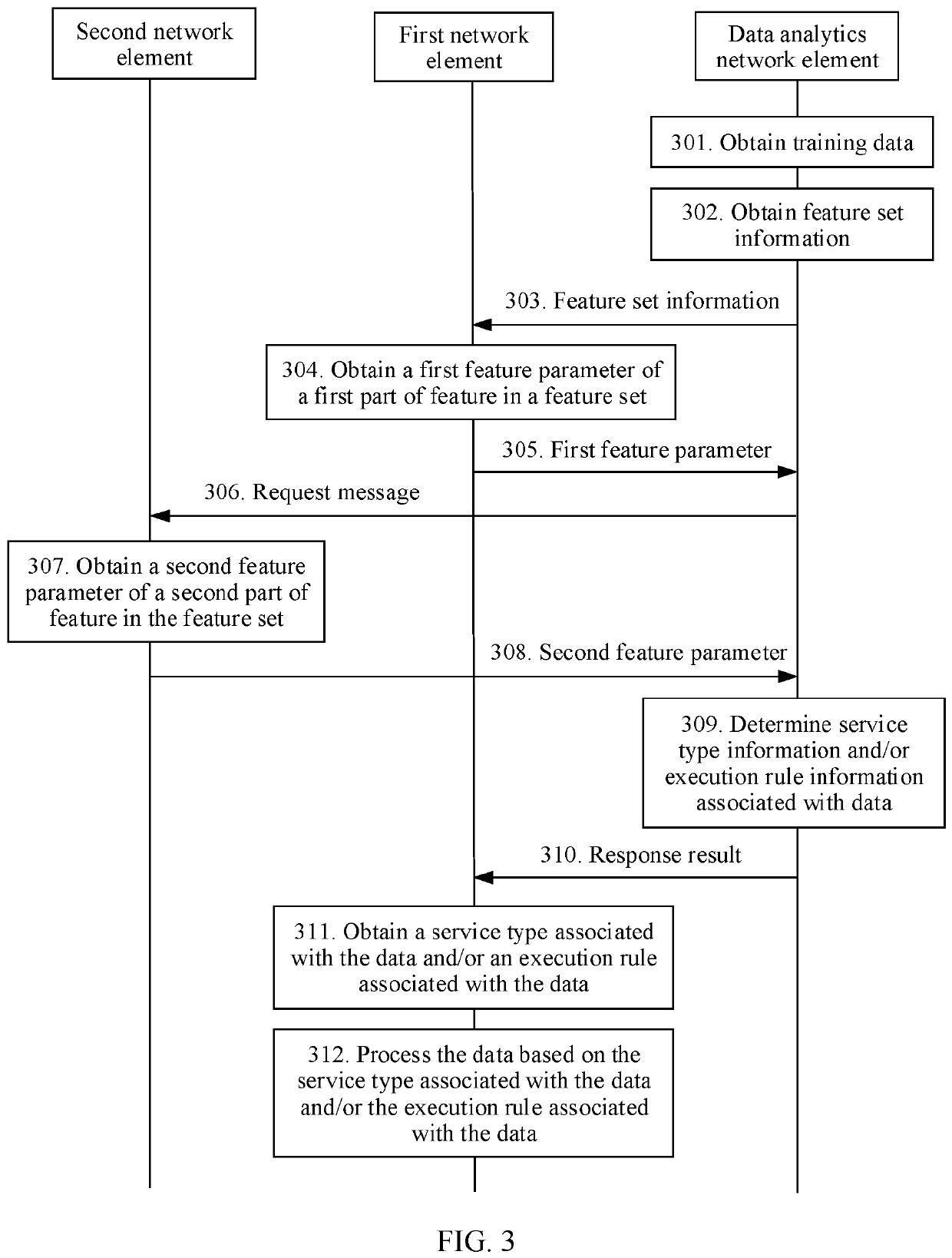 Figure 3
AI summary
Embodiments of this application relate to a feature parameter obtaining method and apparatus. The method includes: obtaining, by a first network element, feature set information from a data analytics network element, where a feature set corresponding to the feature set information includes a first part of feature and a second part of feature; obtaining, by the first network element, a first feature parameter of the first part of feature when data corresponds to the first part of feature; sending, by the first network element, a request message to at least one second network element, where the request message is used to request a second feature parameter of the second part of feature when the data corresponds to the second part of feature; receiving, by the first network element, the second feature parameter from the at least one second network element; and sending, by the first network element based on the first feature parameter and the second feature parameter, a third feature parameter of the feature set when the data corresponds to the feature set to the data analytics network element. Feature parameters fed back by using the feature parameter obtaining method of the embodiments of this application are more accurate.