
Aerogel Blanket Uniformity via Coagulation Flocculation
Solution Overview
Problem
Existing methods for producing nonwoven aerogel blankets often result in uneven distribution of aerogel particles and fibers, leading to poor insulation properties and increased dust production, due to the separation of materials during the wet laid process.
Innovation Solution
A method involving the destabilization of the aerogel slurry by coagulation and flocculation to form a distinct two-phase system, where aerogel particles and fibers are evenly distributed throughout the blanket, reducing dust production and enhancing insulation efficiency.
Engineering Contradictions & Design Principles
Engineering Contradiction Analysis
1Manufacturing precision
If conventional wet laid process is used to produce aerogel blankets, then production is simpler and faster, but aerogel particles and fibers separate during processing resulting in uneven distribution
Solution Approach 1:
A binder is introduced as an intermediary substance in the slurry mixture to hold aerogel particles and fibers together during processing. The binder prevents separation and ensures uniform distribution throughout the blanket, resolving the contradiction between simple processing and uniform distribution by adding a mediating component that facilitates both goals.
Solution Approach 2:
The slurry is stabilized by adjusting parameters such as pH, viscosity, or chemical composition to prevent particle-fiber separation. By changing the physical or chemical parameters of the slurry system, the mixture maintains homogeneity throughout the wet laid process, achieving uniform distribution without requiring overly complex processing equipment.
2Temperature
If aerogel content in blanket is increased to improve insulation, then thermal conductivity decreases, but dust production increases
Solution Approach 1:
The binder serves as a mediating substance that binds aerogel particles to the fiber matrix, allowing high aerogel content to be maintained while preventing particle detachment and dust formation. The binder enables the system to achieve low thermal conductivity through high aerogel content without suffering from increased dust production.
Solution Approach 2:
The blanket is designed as a composite material system combining aerogel particles, fibers, and binder in optimized proportions. This composite structure allows the aerogel to provide thermal insulation while the fiber-binder matrix confines the particles, preventing dust generation even at high aerogel concentrations.
3Temperature
If aerogel particles are made smaller to improve insulation uniformity, then thermal conductivity decreases, but particle handling and processing becomes more difficult
Solution Approach 1:
The binder acts as an intermediary that facilitates handling of fine aerogel particles during processing. By providing adhesion and cohesion, the binder allows small particles to be managed effectively in the slurry and during blanket formation, resolving the contradiction between improved insulation from small particles and ease of manufacturing.
Applied Scientific Principles
This section explains which scientific principles are used to turn an abstract innovation direction into a practical engineering solution.
Function Achieved in This Case
The method achieves a uniform composition and reduced thermal conductivity, with aerogel blankets exhibiting improved insulation, reduced dust production, and increased mechanical strength, suitable for high-temperature applications.
Implementation Method 1
Aerogels, and in particular silica aerogels, exhibit low density and low thermal conductivity making them useful as insulative materials
Implementation Method 2
A method involving the destabilization of the aerogel slurry by coagulation and flocculation to form a distinct two-phase system
Implementation Method 3
A method involving the destabilization of the aerogel slurry by coagulation and flocculation to form a distinct two-phase system
Data Source
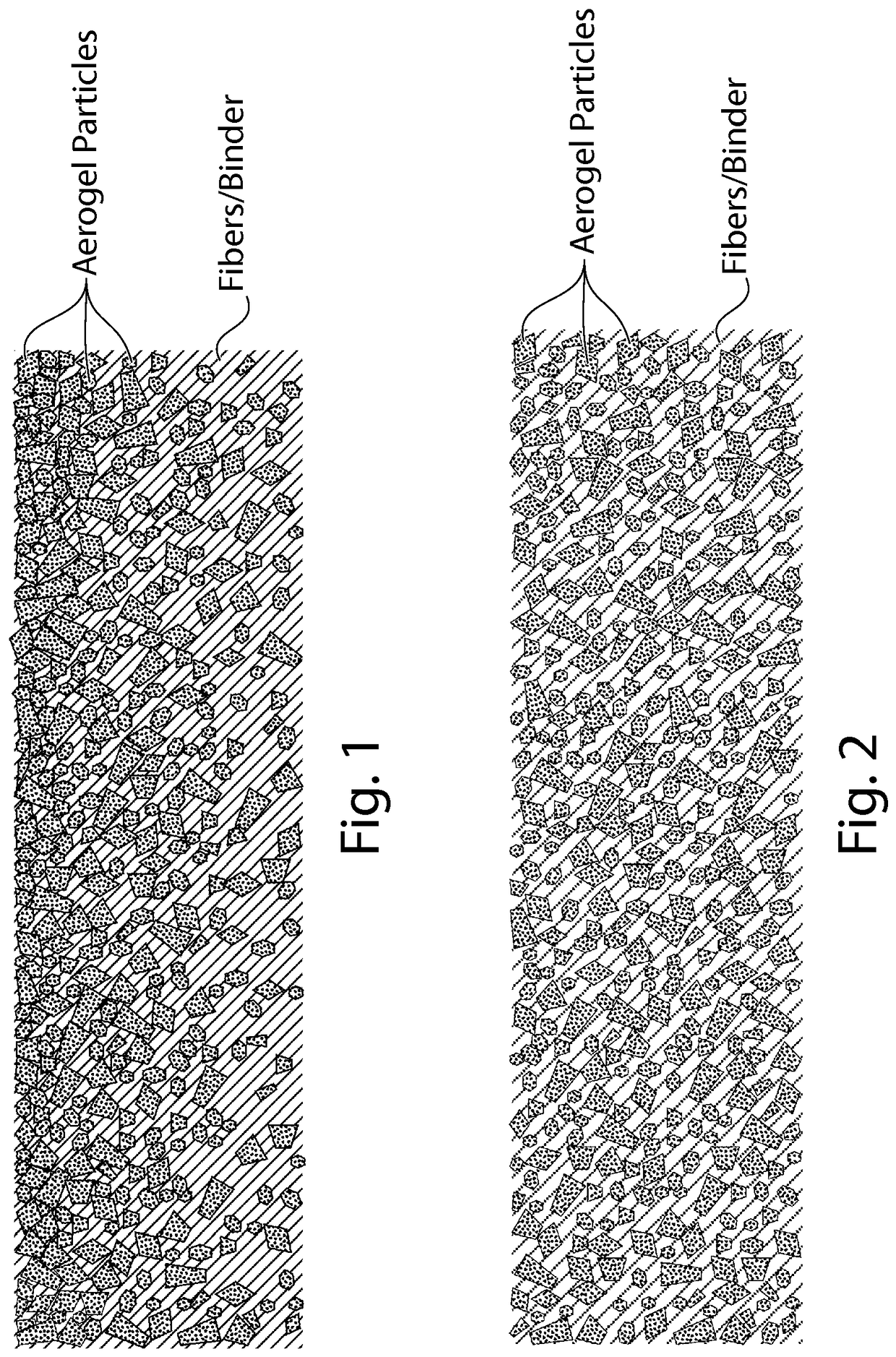 Figure 1~2
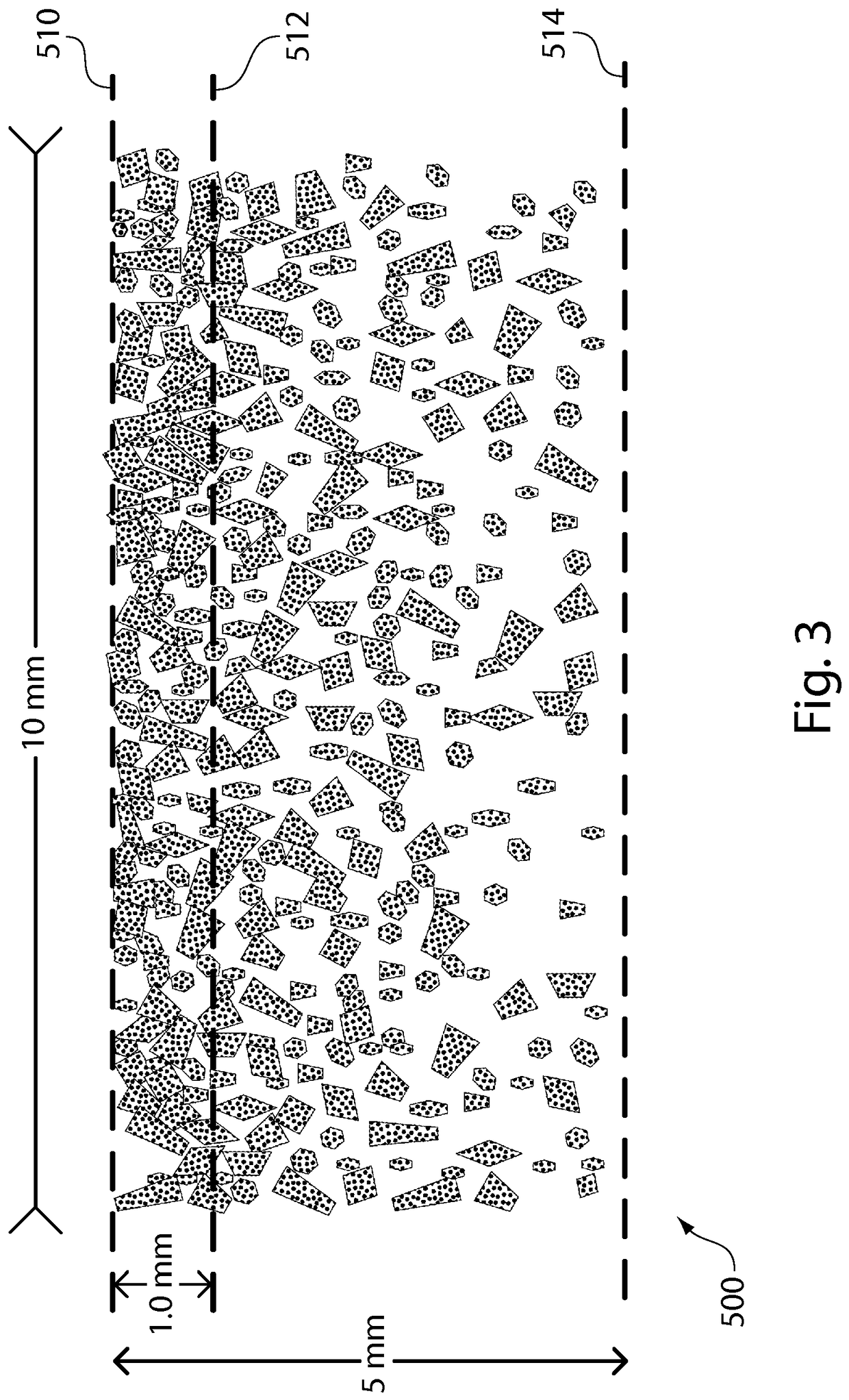 Figure 3
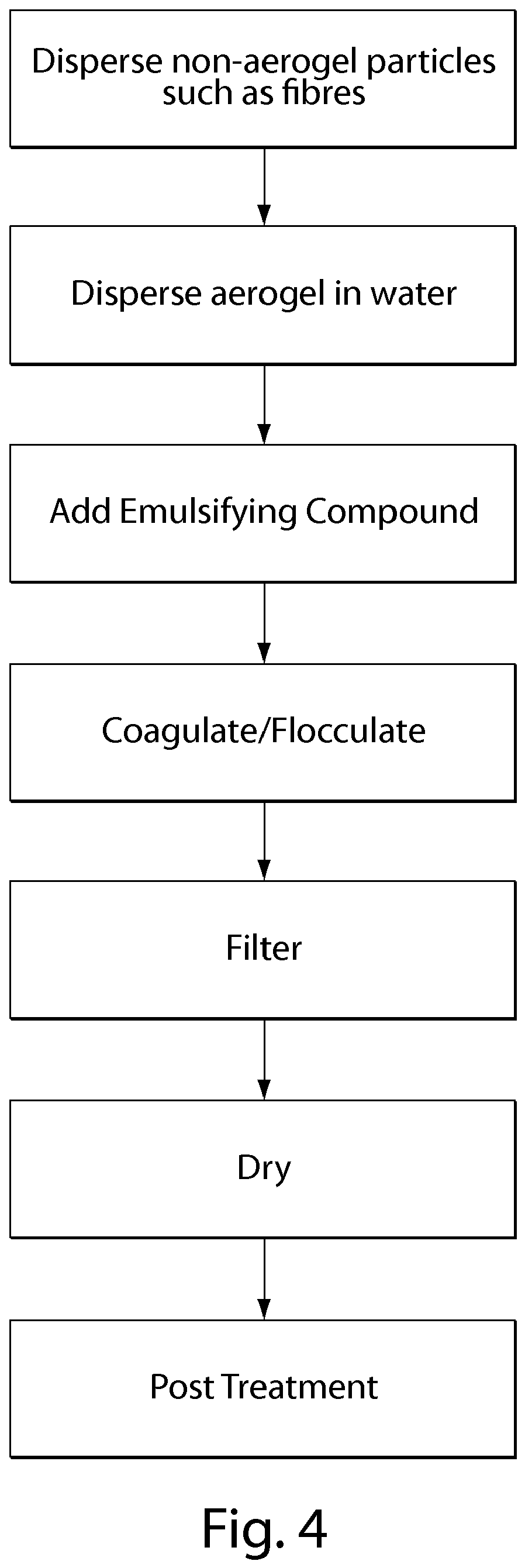 Figure 4
AI summary
A method of making a nonwoven wet laid aerogel blanket is provided. The aerogel blanket can exhibit improved thermal conductivity, lower corrosivity, lower dust production and a uniform structure. The blanket can be made from an aerogel floe that is formed from a slurry of aerogel particles.