
Alkaline Cleaning Liquid for Semiconductor Residue Removal
Find Innovative SolutionsGenerate Solutions
Solution Overview
Problem
Conventional cleaning liquids for semiconductor devices are inadequate in removing photoresist, antireflective films, and ashing residues without causing corrosion of metal wiring materials or damaging low-k interlayer dielectric films, and they often require extended processing times or result in environmental burdens due to non-biodegradable corrosion inhibitors.
Innovation Solution
A cleaning liquid with a pH of 10 to 14, comprising a reducing agent such as hydroxylamine or its derivatives, a surfactant like polyalkylene oxide alkyl ether, and an inorganic alkaline compound or quaternary ammonium hydroxide, which effectively removes residues without using heterocycle-containing metal corrosion inhibitors, thereby reducing environmental impact and preventing material corrosion.
Engineering Contradictions & Design Principles
Engineering Contradiction Analysis
1Reliability
If conventional cleaning liquids are used to remove photoresist and antireflective film, then cleaning effectiveness is improved, but corrosion of metal wiring materials and damage to low-k interlayer dielectric films occurs
Solution Approach 1:
The patent changes the chemical parameters of the cleaning liquid by specifying a pH range of 10-14 and using specific reducing agents (hydroxylamine or derivatives) and surfactants (polyalkylene oxide alkyl ethers) instead of conventional strong acids or oxidizing agents. This parameter change allows effective removal of photoresist and antireflective film while preventing corrosion of metal wiring materials and damage to low-k interlayer dielectric films.
Solution Approach 2:
The cleaning liquid uses a composite formulation combining reducing agents (hydroxylamine or derivatives), surfactants (polyalkylene oxide alkyl ethers), and inorganic alkaline compounds or quaternary ammonium hydroxides. This composite approach creates synergistic effects that enhance cleaning effectiveness while protecting sensitive semiconductor materials from corrosion and damage.
2Reliability
If cleaning time is extended to improve cleaning thoroughness, then removal of residues is improved, but manufacturing productivity deteriorates
Solution Approach 1:
The patent optimizes chemical parameters including pH (10-14), temperature (20-80°C), and concentrations of reducing agents and surfactants to achieve rapid cleaning. These parameter changes enable thorough removal of photoresist, antireflective film, and residues within 30 seconds to 5 minutes, significantly reducing cleaning time while maintaining high cleaning effectiveness.
3Reliability
If conventional corrosion inhibitors are used to protect metal materials, then corrosion resistance is improved, but environmental burden increases due to non-biodegradable heterocycle-containing compounds
Solution Approach 1:
The patent extracts and eliminates harmful heterocycle-containing corrosion inhibitors from the cleaning liquid formulation. Instead, it uses environmentally friendly alternatives such as inorganic alkaline compounds (sodium hydroxide, potassium hydroxide) and quaternary ammonium hydroxides that provide corrosion protection without the environmental burden of non-biodegradable compounds.
Solution Approach 2:
The patent employs biodegradable, environmentally friendly corrosion protection agents that can be easily degraded after use, replacing persistent heterocycle-containing inhibitors. These short-living, biodegradable compounds provide necessary corrosion resistance during cleaning but do not accumulate in the environment.
Applied Scientific Principles
This section explains which scientific principles are used to turn an abstract innovation direction into a practical engineering solution.
Function Achieved in This Case
The cleaning liquid efficiently removes photoresist, antireflective films, and ashing residues without corroding metal or dielectric materials, achieving high throughput and reduced environmental burden, even at lower temperatures and shorter processing times.
Implementation Method 1
a reducing agent; and a surfactant, wherein the cleaning liquid has a pH of 10 to 14
Implementation Method 2
a reducing agent; and a surfactant, wherein the cleaning liquid has a pH of 10 to 14
Implementation Method 3
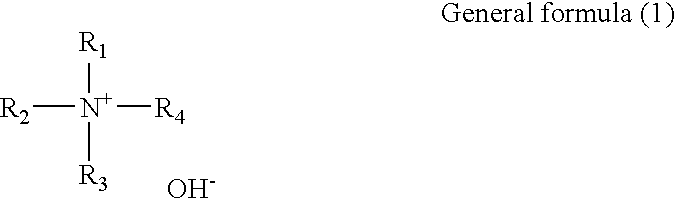
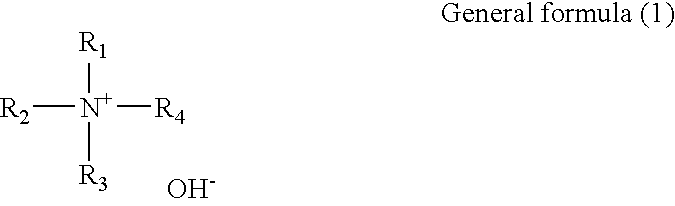
an inorganic alkaline compound or quaternary ammonium hydroxide
Data Source
AI summary
The invention provides a cleaning liquid for semiconductor devices which is capable of removing deposits on a surface of an object to be cleaned including a photoresist, an antireflective film, an etching residue and an ashing residue at a low temperature in a short period of time with reduced environmental burdens and without causing corrosion of an interlayer dielectric film, a metal, a metal nitride, and an alloy in the object to be cleaned. The cleaning liquid for semiconductor devices according to the invention contains a reducing agent and a surfactant and has a pH of 10 to 14.