
Axial Tensioning Back Support for Spinal Decompression
Find Innovative SolutionsGenerate Solutions
Solution Overview
Problem
Current back support devices fail to effectively reduce compressive forces and stresses on the spine, provide adequate comfort, and offer rehabilitative exercise options for lower back pain, with most relying on circumferential belts that do not adequately address spinal disc issues and lack portable, personal, and affordable axial tensioning solutions.
Innovation Solution
A multi-purpose back support system featuring a non-elastic belt with a trapeze assembly that applies downward vertical forces to the pelvic musculature, distributing these forces through a system of belts and straps to elongate the spine, combined with adjustable components for comfort and stability, including elastic inner belts and various attachment options for personalized fit and exercise.
Engineering Contradictions & Design Principles
Engineering Contradiction Analysis
1Force
If circumferential belt devices are used for back support, then the device provides basic spinal containment, but the compressive forces and stresses on the spine are not effectively reduced
Solution Approach 1:
Instead of using a circumferential belt that compresses the spine from all sides, the invention inverts the approach by applying a vertical traction force upward from the pelvis through the trapeze assembly. This upward force counteracts the natural compressive forces on the spine, effectively reducing the compressive load on spinal discs and vertebrae while maintaining spinal containment.
Solution Approach 2:
The invention transitions from a two-dimensional circumferential belt approach to a three-dimensional force application system. By adding the vertical dimension through the trapeze assembly extending from the pelvis upward, the system creates axial tensioning that reduces spinal compression in a direction perpendicular to the traditional belt plane.
2Force
If professional traction tables are used for extensive relief, then decompression of the back is achieved, but the patient is subjected to compression of the lungs
Solution Approach 1:
The device enables self-administered traction exercises where the user actively participates by engaging the trapeze assembly. The user can control the intensity and duration of the traction force, allowing them to perform decompression exercises without requiring professional equipment that may cause lung compression. The system serves the user's rehabilitation needs independently.
Solution Approach 2:
Instead of providing full-force professional traction that may compress the lungs, the invention allows users to apply partial traction forces through the trapeze assembly. The force application is controlled and adjustable, providing sufficient decompression for rehabilitation without excessive force that could harm the lungs.
3Productivity
If axial tensioning exercises are implemented, then circulation to discs and muscle stimulation are improved, but the device complexity increases
Solution Approach 1:
The trapeze assembly serves multiple functions: it provides spinal containment, applies axial tensioning force, enables circulation stimulation, and facilitates muscle engagement. By integrating these functions into a single portable device structure, the invention achieves comprehensive rehabilitation benefits without proportionally increasing device complexity.
Solution Approach 2:
The invention merges the back support function with the exercise function into a single integrated device. The trapeze assembly combines the supportive belt system with the tensioning mechanism, allowing users to simultaneously receive spinal support and perform active exercises that stimulate circulation and muscles.
4Reliability
If invasive surgical options are used for back injuries, then severe back injuries can be treated, but the results are often far less than expectations and the procedure is costly
Solution Approach 1:
The invention replaces invasive surgical mechanical systems with a non-invasive mechanical exercise device. Instead of using surgery to address back injuries, the device uses controlled mechanical traction and muscle engagement to promote natural healing and rehabilitation, avoiding the costs and complications of invasive procedures while providing effective treatment.
Applied Scientific Principles
This section explains which scientific principles are used to turn an abstract innovation direction into a practical engineering solution.
Function Achieved in This Case
The system effectively unloads compressive forces on the spine, relieves pain, stimulates blood circulation, and strengthens spinal muscles through axial tensioning, providing a portable and affordable solution for back rehabilitation and pain relief.
Implementation Method 1
application of axial tensioning to unload compressive forces on the spine
Implementation Method 2
distributing these forces through a system of belts and straps to elongate the spine
Implementation Method 3
elastic inner belts and various attachment options for personalized fit and exercise
Data Source


AI summary
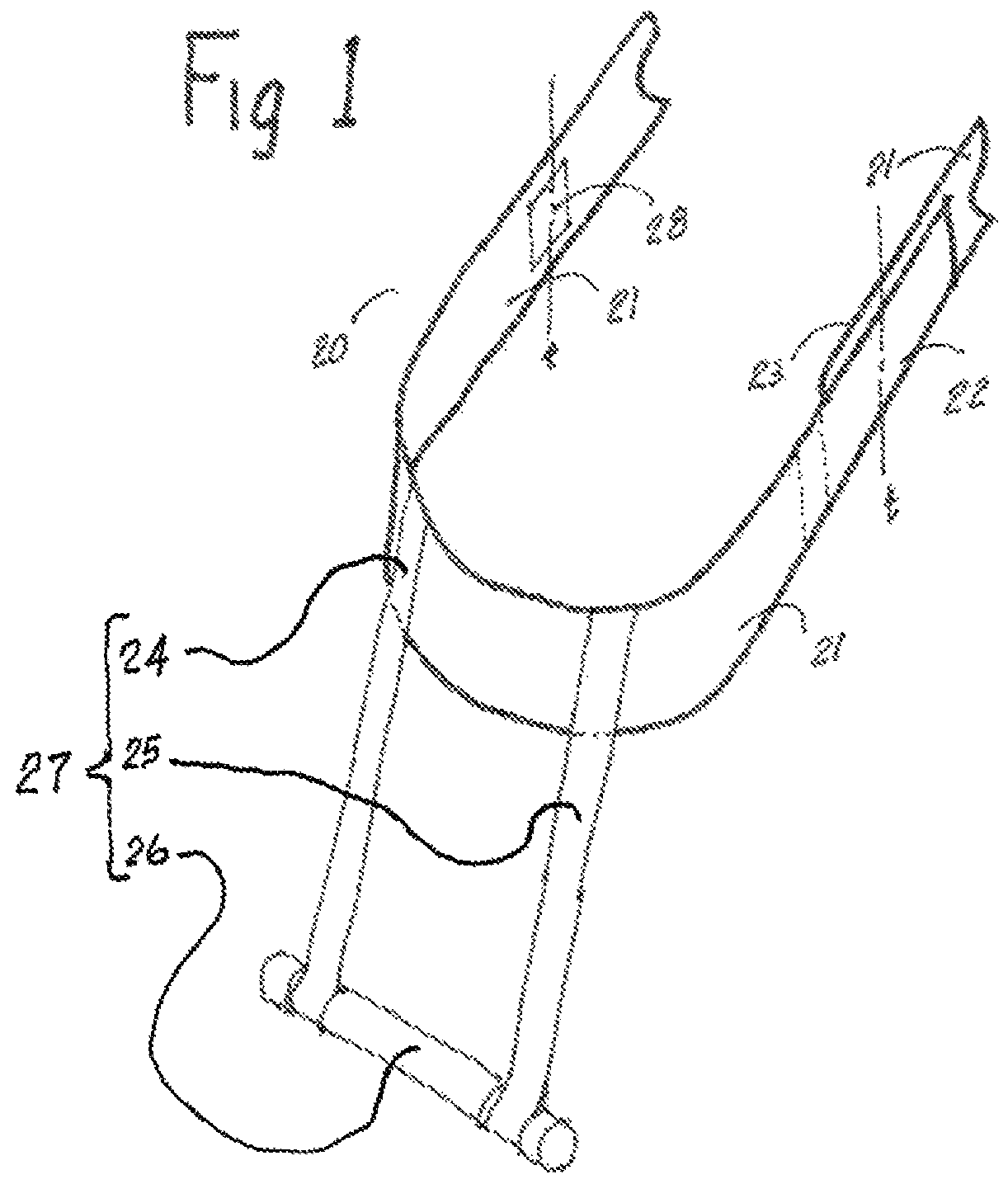
The invention is directed to the combination of orthopedic back support and physical exercise devices that provide comfort, support and stabilization of the spinal system. More particularly, it contributes to means for developing the musculature of the lower back, spinal cord and upper body by application of axial tensioning to unload compressive forces on the spine, thus allowing improved circulation to the discs and stimulation of the muscles. As a preventive exercise it helps avoid back problems, but when pain occurs, the invention helps relieve pain, improve comfort and provides rehabilitation of the back to a healthier state under self administration.