
CIR Tap Group Feedback for Low-Overhead UWB Communication
Find Innovative SolutionsGenerate Solutions
Solution Overview
Problem
The existing ultra-wideband (UWB) communication systems face high indication overheads in channel impulse response (CIR) tap feedback mechanisms, particularly in CIR window-based feedback mechanisms, as they require indicating each tap individually, leading to inefficient data transmission.
Innovation Solution
A method is introduced where channel impulse response taps are grouped and indicated collectively, reducing overheads by specifying groups rather than individual taps, using a flexible grouping strategy that includes multiple taps within each group, and employing a compact indication format to convey the group information.
Engineering Contradictions & Design Principles
Engineering Contradiction Analysis
1Loss of information
If each CIR tap is indicated individually in the CIR window-based feedback mechanism, then the sensing result feedback is complete and accurate, but the indication overheads become high
Solution Approach 1:
The patent merges multiple CIR taps into groups, where each group contains multiple taps. Instead of indicating each tap separately, the system indicates groups of taps collectively. This combining approach maintains the completeness of sensing result feedback while significantly reducing the number of indication signals required, thereby lowering indication overheads.
Solution Approach 2:
The patent segments the CIR window into multiple groups, where each group contains multiple CIR taps. This segmentation allows the system to manage and indicate taps in manageable units rather than individually. By dividing the full set of taps into groups, the system reduces the indication overhead while preserving the ability to selectively feedback specific sensing results.
2Loss of information
If all CIR taps in the CIR window are fed back, then the sensing information is complete, but the data transmission efficiency decreases due to redundant information
Solution Approach 1:
The patent extracts only the necessary sensing information by selectively indicating specific groups of CIR taps that contain relevant sensing results. Instead of feeding back all CIR taps, the system identifies and extracts only those groups that contribute to the sensing information, removing redundant data transmission while maintaining information completeness.
Solution Approach 2:
The patent applies partial action by indicating only the necessary groups of CIR taps rather than all taps in the CIR window. This partial indication approach transmits sufficient sensing information without the excess of transmitting all possible tap data, thereby improving data transmission efficiency while maintaining sensing information completeness.
Data Source
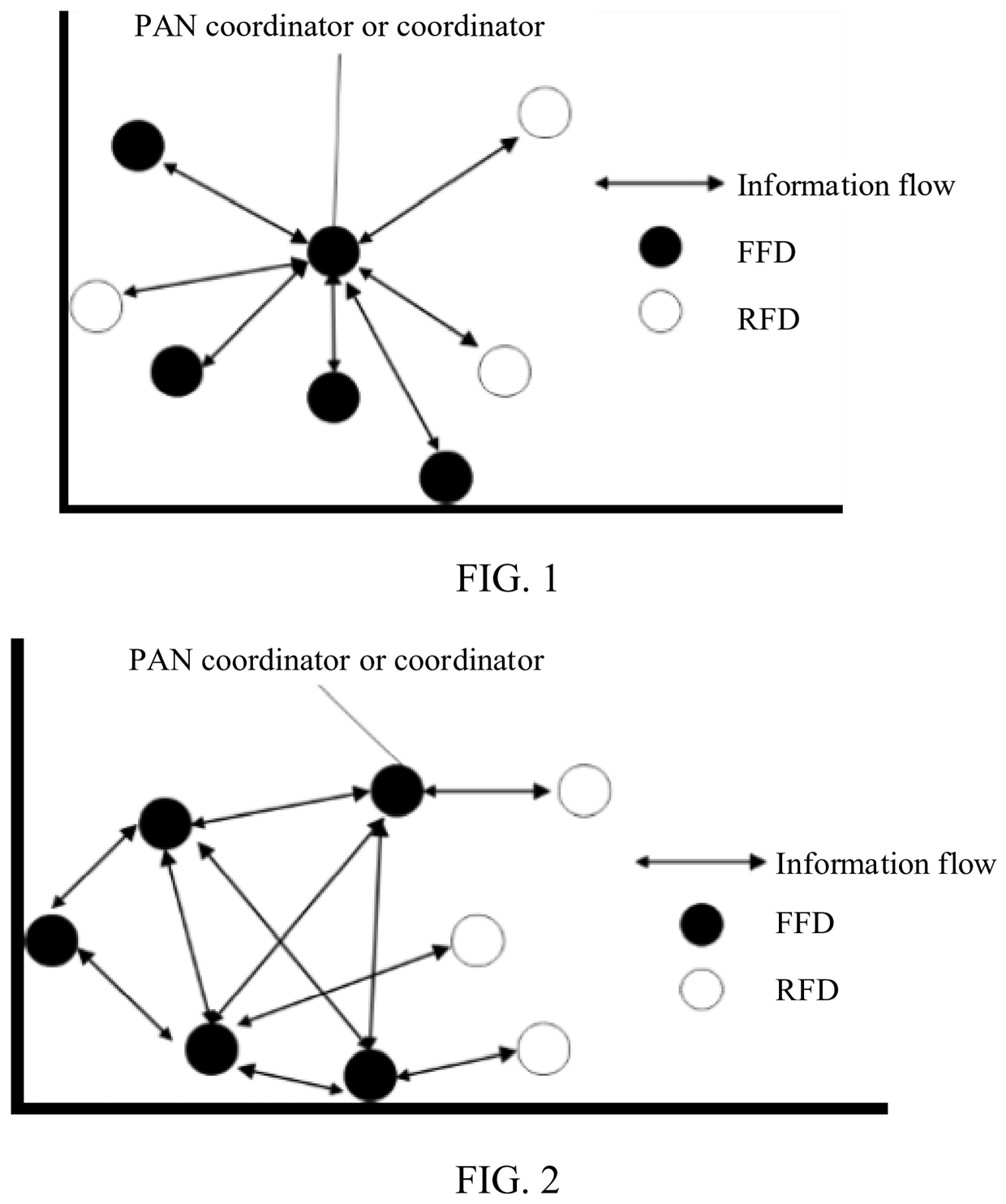 Figure 1~2
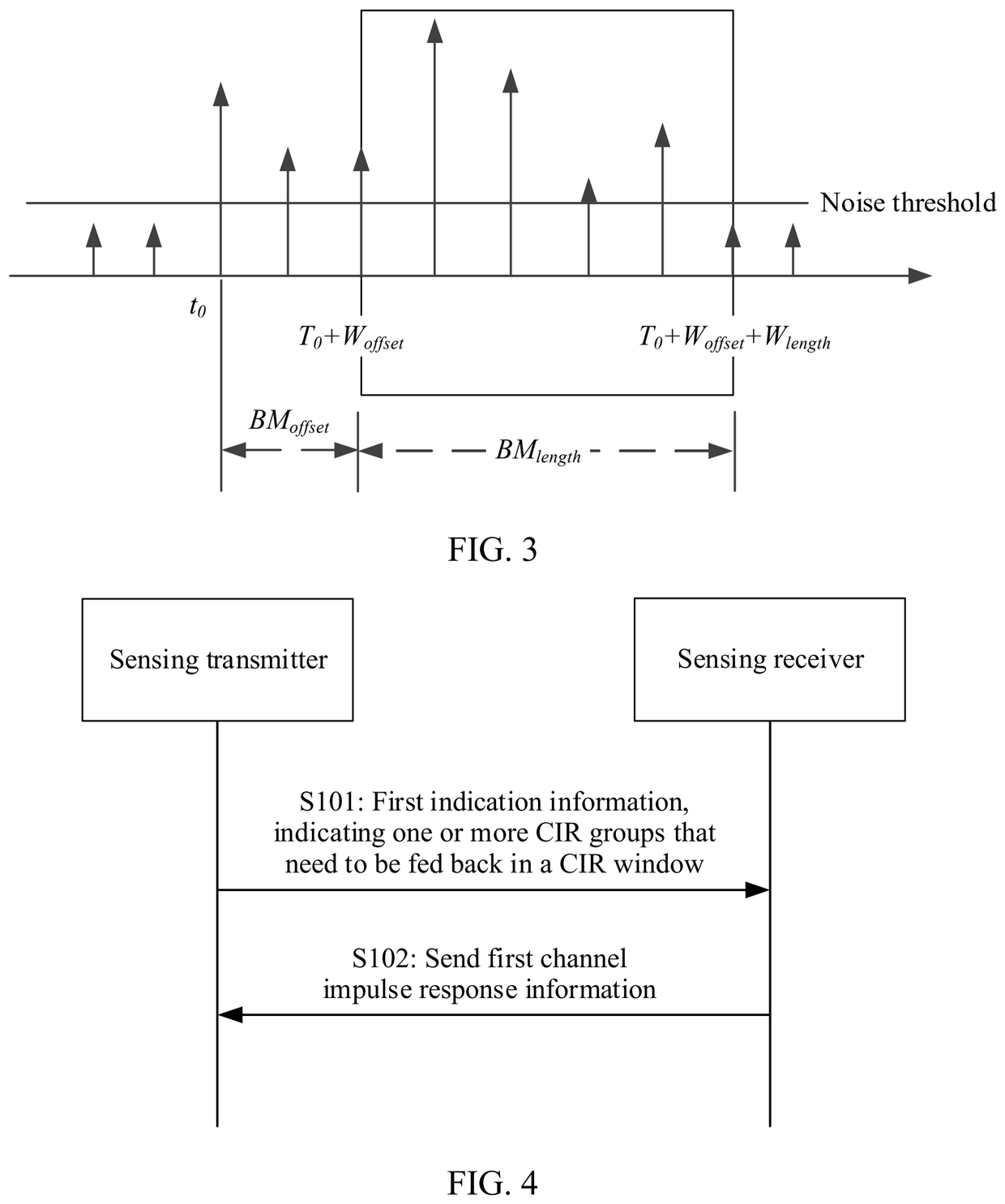 Figure 3~4
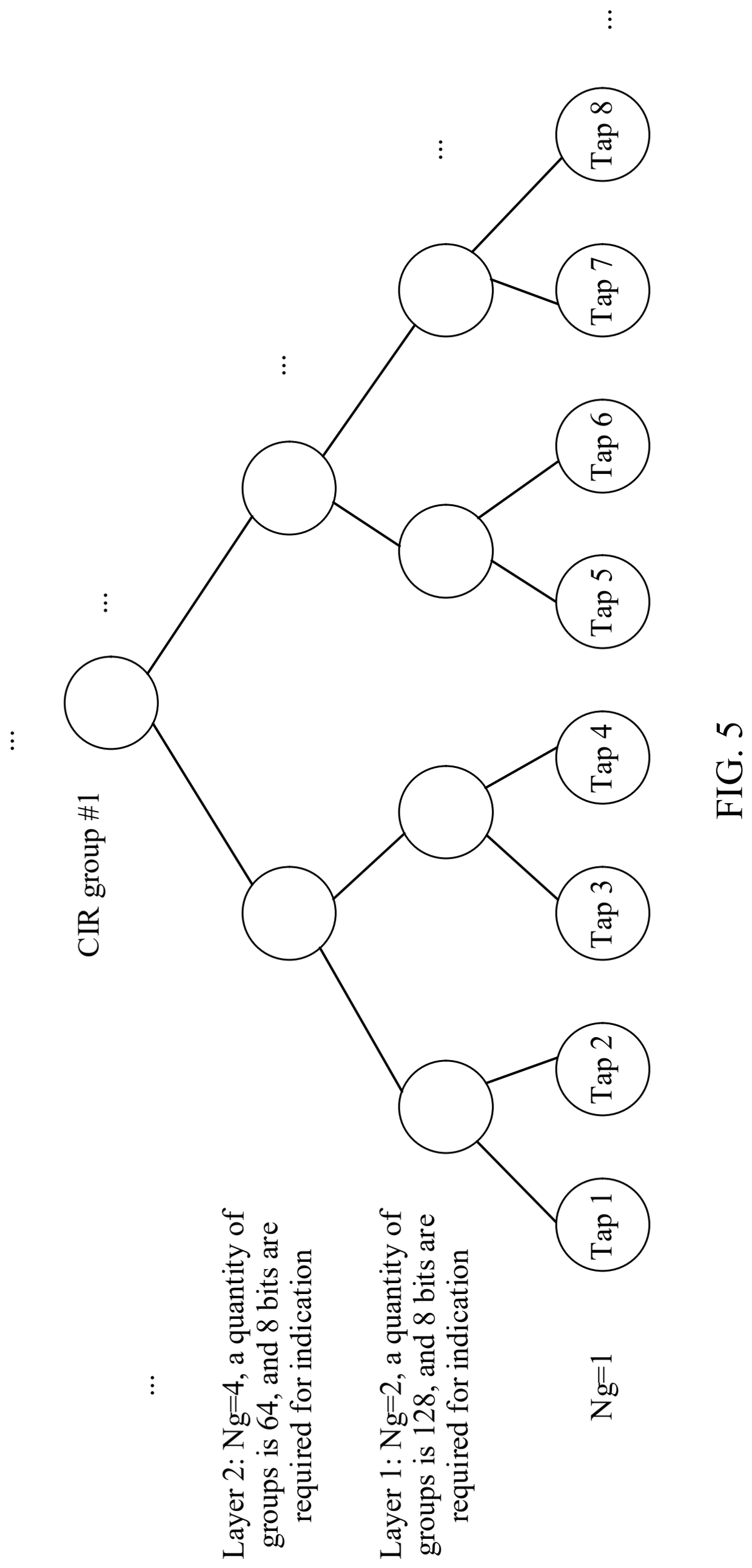 Figure 5
AI summary
A communication method and apparatus are provided, to reduce indication overheads of a channel impulse response tap feedback. The method includes: receiving first indication information, and sending first channel impulse response information based on the first indication information. The first indication information indicates one or more channel impulse response groups that need to be fed back in a channel impulse response window, and each channel impulse response group that needs to be fed back includes a (I)th channel impulse response tap and a (II)th channel impulse response tap that are in the channel impulse response window, and all channel impulse response taps between the (I)th channel impulse response tap and the (II)th channel impulse response tap. s1 and s2 are positive integers, and t1 and t2 are positive integers. The first channel impulse response information is the one or more channel impulse response groups that are indicated by the first indication information and that need to be fed back.