

Interleaved Multi-Band Antenna Array for Shared-Aperture Beam Scanning
Find Innovative SolutionsGenerate Solutions
Solution Overview
Problem
In applications where space is limited, such as commercial airplanes, providing multiple antennas to handle multiple frequency bands like Ku and Ka for satellite internet connectivity is challenging due to limited antenna installation space, leading to restricted throughput and operational locations.
Innovation Solution
An antenna system comprising interleaved arrays of electronically steerable antennas, where each antenna operates at different frequencies, sharing a common aperture, using surface-wave waveguides with interleaved impedance elements and tuning elements, and separate control lines to independently control the radiation patterns for beam scanning.
Engineering Contradictions & Design Principles
Engineering Contradiction Analysis
1Adaptability or versatility
If multiple separate antennas are used to handle multiple frequency bands, then frequency coverage and throughput are improved, but antenna installation space and device size increase
Solution Approach 1:
The patent combines multiple antennas operating at different frequency bands (Ku and Ka bands) into a single integrated antenna structure. The antenna system includes a first antenna for the first frequency band and a second antenna for the second frequency band, both sharing a common aperture and integrated feed network, thereby reducing the number of separate antenna installations required while maintaining multi-band functionality
Solution Approach 2:
The antenna system is designed to perform multiple functions simultaneously by supporting operation across multiple frequency bands through a single antenna structure. The integrated design allows the same antenna aperture to serve both Ku-band and Ka-band satellite communication needs, making the system universal for multi-frequency operations
2Adaptability or versatility
If multiple separate antennas are used to handle multiple frequency bands, then frequency coverage is improved, but device complexity increases
Solution Approach 1:
The patent merges multiple antenna systems into a single integrated structure with shared components including the aperture, feed network, and control systems. This integration reduces the overall device complexity by eliminating redundant components that would exist if separate antennas were used for each frequency band
Solution Approach 2:
The antenna system achieves multi-frequency coverage through a universal design that uses the same physical structure for both Ku-band and Ka-band operations, thereby reducing device complexity compared to having separate specialized antennas for each band
3Area of stationary object
If a single aperture is used for multiple frequencies, then antenna installation space is reduced, but interference between frequency bands may increase
Solution Approach 1:
The feed network is segmented into separate feed systems for the first frequency band and second frequency band, allowing independent control and signal routing. This segmentation prevents interference between frequency bands while sharing the common aperture, as each feed system can be optimized for its specific frequency range without affecting the other
Solution Approach 2:
The antenna system employs local quality optimization by providing frequency-specific feed networks and impedance matching structures for different regions of the aperture. Each frequency band has its own optimized feed elements and controlling parameters, allowing the system to maintain high performance for both bands while preventing mutual interference through localized signal management
Applied Scientific Principles
This section explains which scientific principles are used to turn an abstract innovation direction into a practical engineering solution.
Function Achieved in This Case
Enables simultaneous operation at multiple frequencies and independent beam scanning, reducing the size of the antenna array package while providing wide coverage and multi-functional capability from a single physical space, suitable for applications with limited space constraints.
Implementation Method 1
a feed arranged for launching a surface wave, and surface-wave waveguides connected to the feed
Data Source
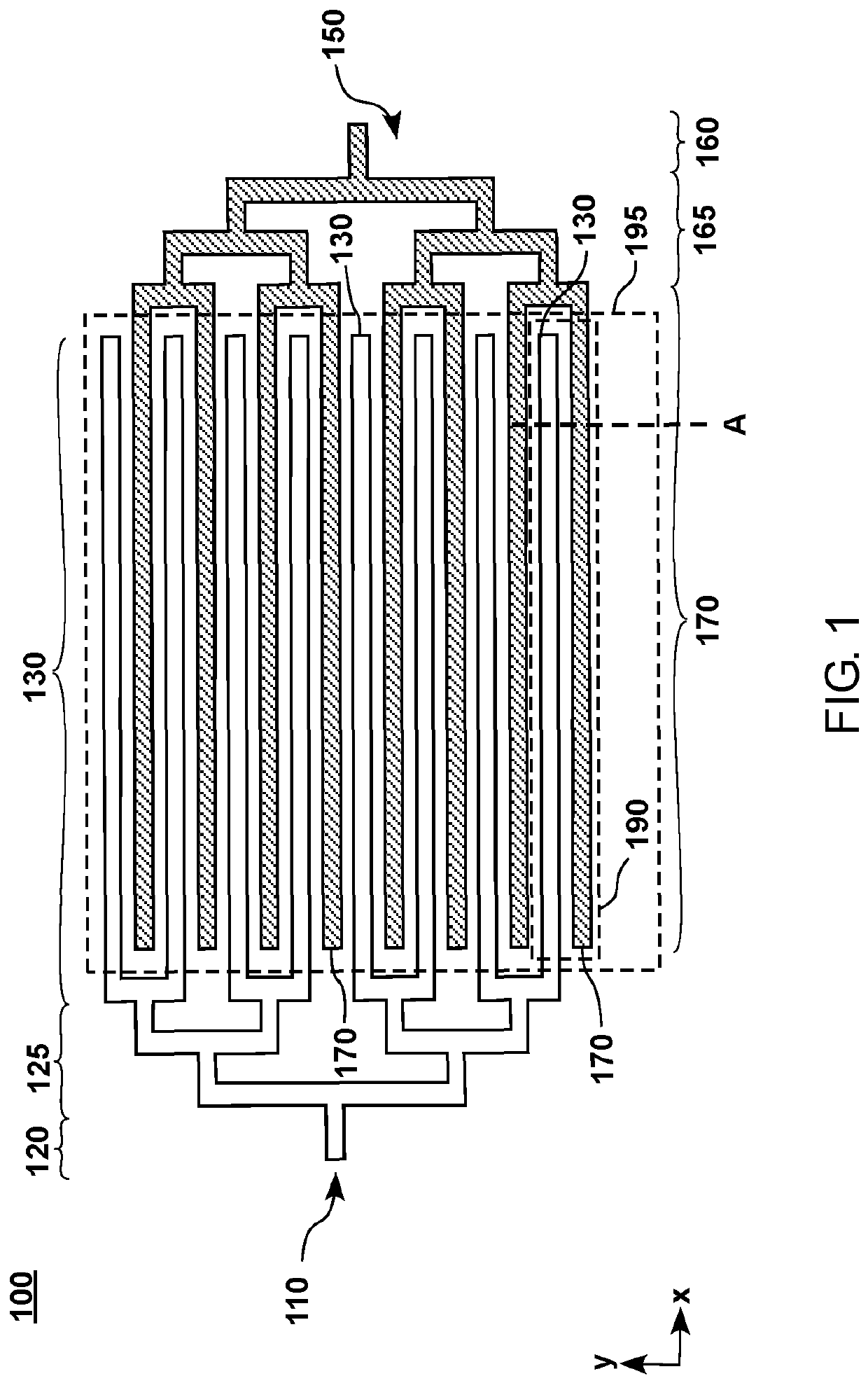 Figure 1
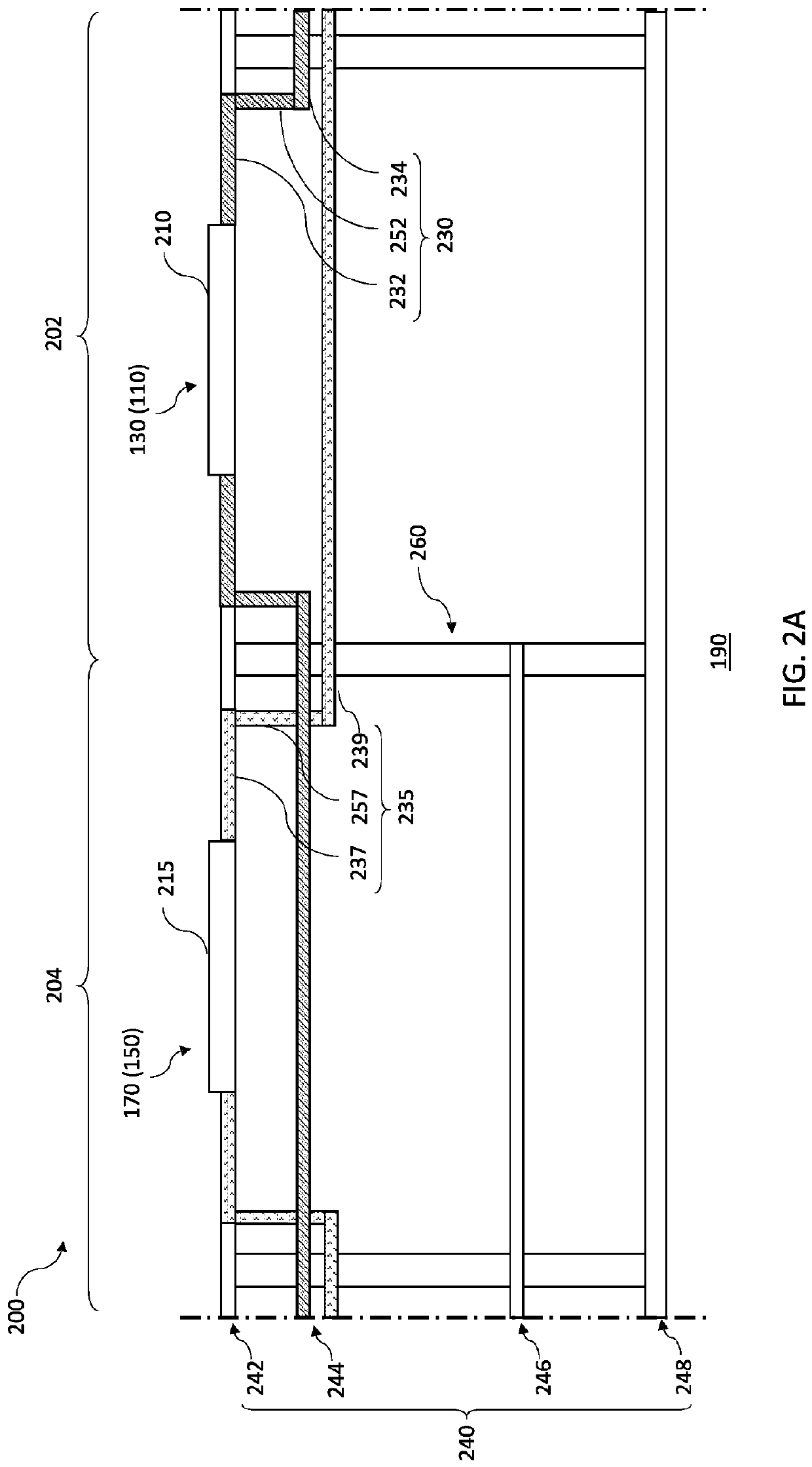 Figure 2A
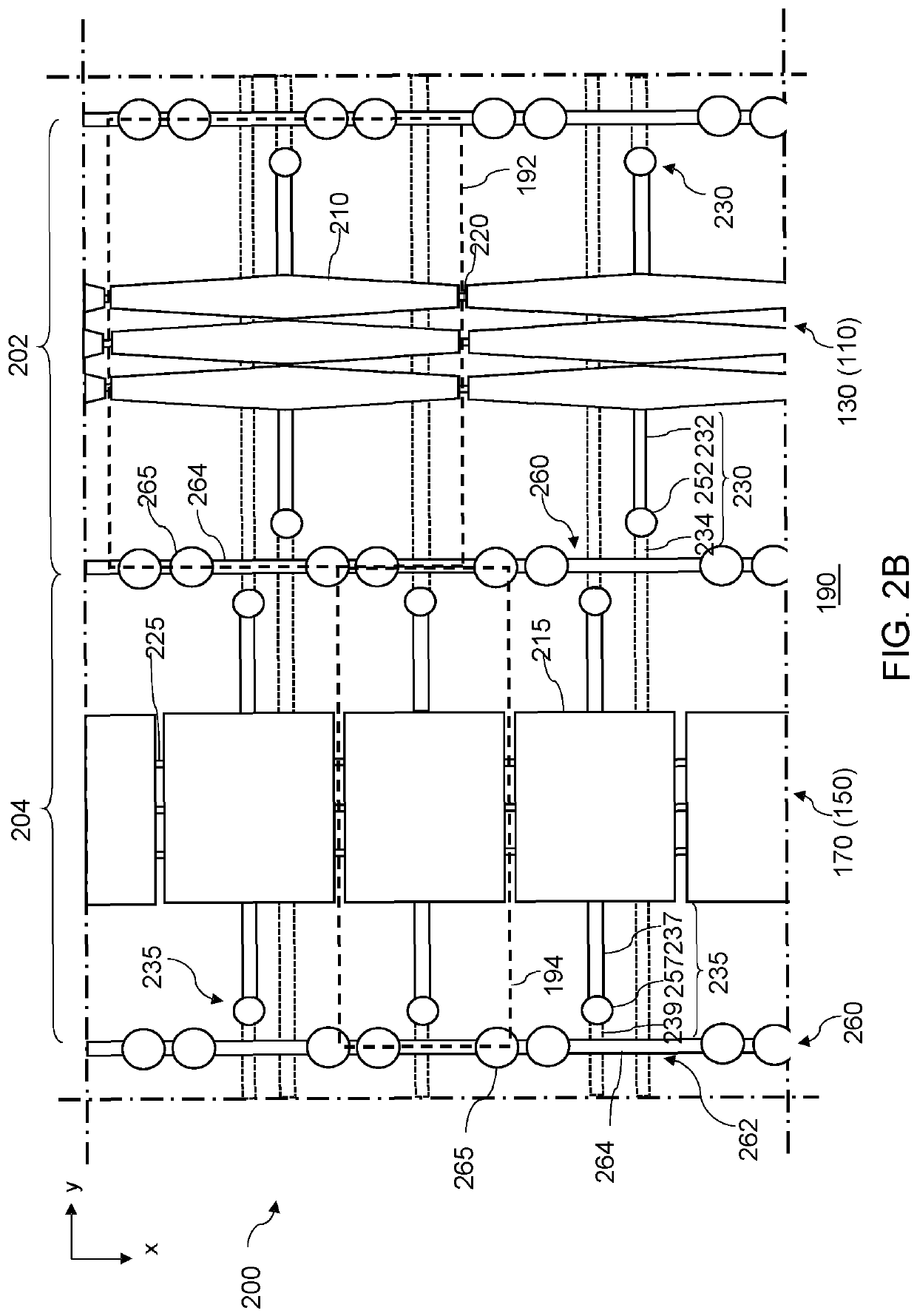 Figure 2B
AI summary
An interleaved array of electronically steerable antennas is capable of simultaneously operating and/or independently beam scanning at different frequencies from a single aperture. An antenna system may comprise a plurality of electronically steerable antennas configured to be operable at different frequencies, each of the antennas comprising a feed launching a surface wave and surface-wave waveguides connected to the feed. The surface-wave waveguides of the antennas operable at different frequencies may be interleaved with each other.