
Liquid Discharge Head Cleaner with Variable Contact Force
Find Innovative SolutionsGenerate Solutions
Solution Overview
Problem
Inkjet image forming apparatus cleaners are prone to damage and deterioration when contacting the ends of liquid discharge units during maintenance operations, leading to functional failures.
Innovation Solution
The implementation of a suction wiper with adjustable contact force and pressure profiles, which minimizes contact force at the intersecting ends of the liquid discharge heads, and avoids acute angles to prevent damage and maintain cleaning functionality.
Engineering Contradictions & Design Principles
Engineering Contradiction Analysis
1Reliability
If the cleaner contacts the liquid discharge unit to perform cleaning, then cleaning function is improved, but the cleaner may be damaged or deteriorated when contacting the end of the liquid discharge unit
Solution Approach 1:
The liquid discharge unit features rounded ends instead of sharp corners, creating a localized structural modification at the contact points. This local quality change (rounded geometry) specifically protects the cleaner from damage at the ends while maintaining the cleaning function along the main body of the liquid discharge unit.
2Productivity
If the cleaner contacts the liquid discharge unit with sufficient force to clean effectively, then cleaning performance is improved, but the cleaner experiences increased wear and damage at contact points
Solution Approach 1:
The liquid discharge unit is designed with rounded ends that act as a cushioning structure, preventing concentrated stress on the cleaner. This beforehand design feature distributes the contact force over a larger area, maintaining cleaning effectiveness while reducing peak stresses that would damage the cleaner.
Applied Scientific Principles
This section explains which scientific principles are used to turn an abstract innovation direction into a practical engineering solution.
Function Achieved in This Case
This approach effectively prevents damage and deterioration of the suction wiper, ensuring prolonged cleaning performance and maintaining the integrity of the liquid discharge device.
Implementation Method 1
the cleaner moves relative to the liquid discharge unit while contacting the liquid discharge unit and sucks or wipes liquid remaining in the liquid discharge unit to remove the liquid
Data Source
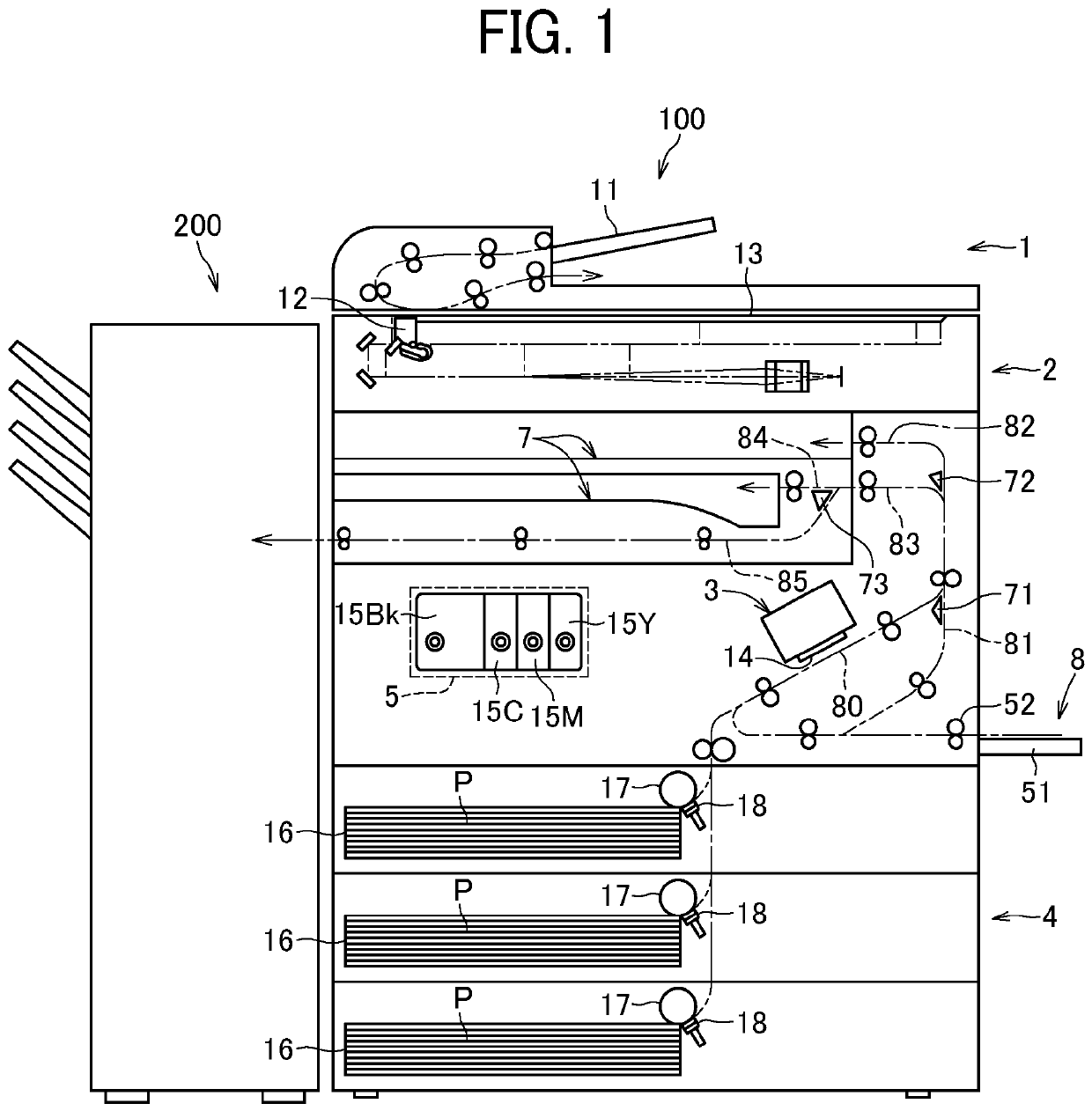 Figure 1
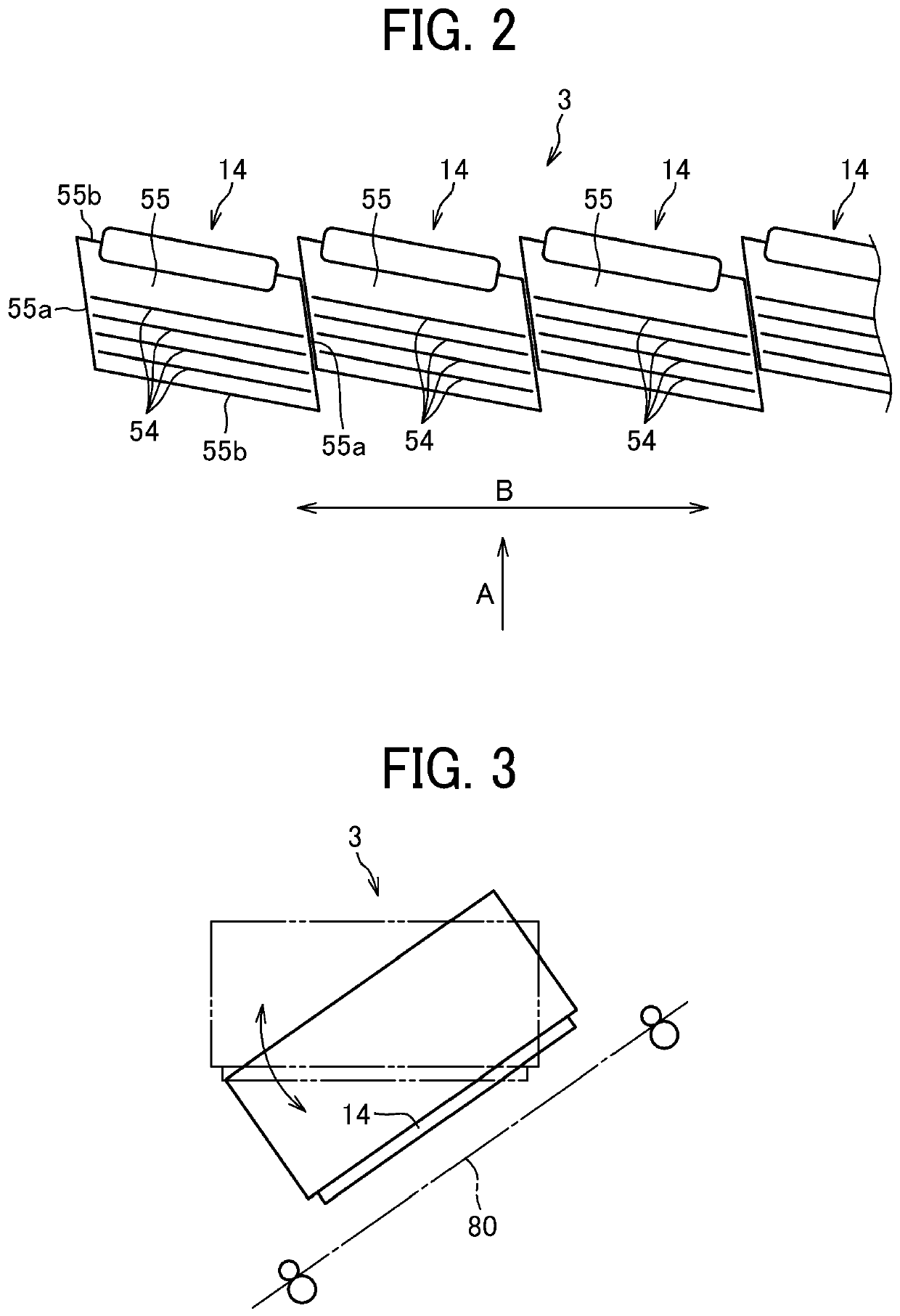 Figure 2~3
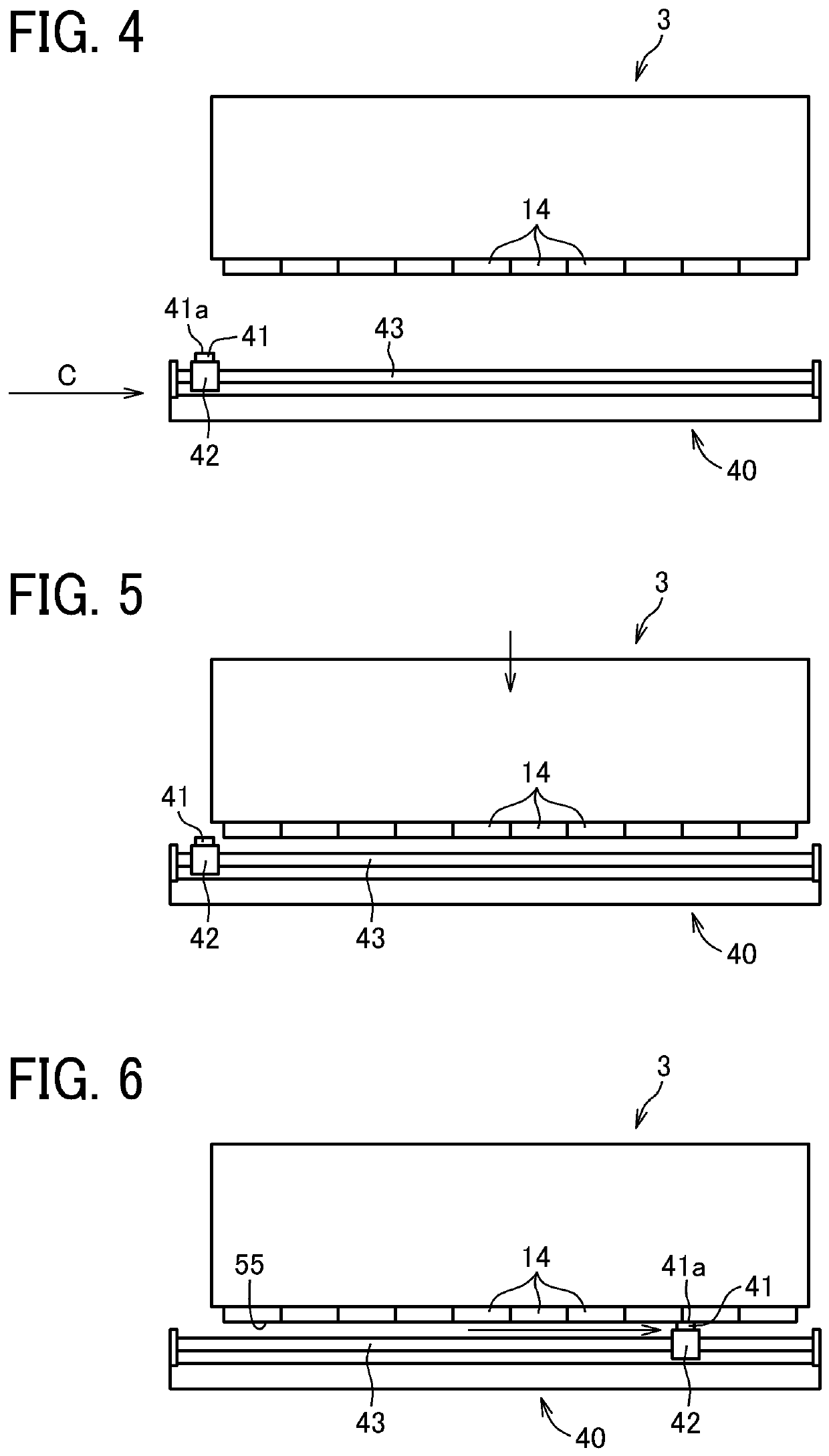 Figure 4~6
AI summary
A liquid discharge device (3) includes a liquid discharge unit (14) that discharges a liquid and a cleaner (41). The liquid discharge unit (14) has a first end (e1), a second end (e2), and a third end (e3) extending in a direction intersecting the first end (e1) and the second end (e2). The cleaner (41) moves relative to the liquid discharge unit (14) in a movement direction from the first end (e1) toward the second end (e2) while contacting the liquid discharge unit (14) with a contact force and a contact pressure. The contact force of the cleaner (41) contacting one of the first end (e1) and the second end (e2) is smaller than the contact force of the cleaner (41) contacting a portion of the liquid discharge unit (14) other than the first end (e1) and the second end (e2)