
Overlapping Seals for Collapsible Flexible Packages
Find Innovative SolutionsGenerate Solutions
Solution Overview
Problem
Existing methods for sealing collapsible flexible packages are slow and do not provide reliable seals, leading to inefficiencies in production lines where sealing is the bottleneck operation.
Innovation Solution
A method involving two separate sealing units that apply overlapping seals across the filling channel of the package, with specific operating parameters for temperature, pressure, and time to ensure a strong intermediate seal while maintaining adequate seals at the top and bottom portions, allowing for a gradual transition and increased production efficiency.
Engineering Contradictions & Design Principles
Engineering Contradiction Analysis
1Productivity
If a single sealing unit is used to seal the package, then the device complexity is low, but the sealing speed is slow and productivity is reduced
Solution Approach 1:
The sealing operation is divided into multiple independent sealing units (first sealing unit and second sealing unit), each applying heat and pressure to different portions of the package. This segmentation allows parallel processing of sealing operations, increasing overall sealing speed while maintaining manageable complexity through modular design
2Productivity
If the sealing time is reduced to increase productivity, then the sealing characteristic in top and bottom portions may be insufficient, but the intermediate portion can maintain adequate seal quality
Solution Approach 1:
Different sealing characteristics are applied to different portions of the package: the intermediate portion receives overlapping seals from both sealing units ensuring high reliability, while the top and bottom portions receive single seals with acceptable characteristics. This local differentiation allows reduced overall sealing time while maintaining critical seal quality where needed
3Reliability
If higher temperature and pressure are applied to improve seal reliability, then the sealing characteristic improves, but the risk of damaging the flexible package increases
Solution Approach 1:
The sealing units apply heat and pressure selectively to different portions of the package with varying intensities. The intermediate portion receives overlapping sealing action ensuring sufficient seal strength, while the top and bottom portions receive single sealing passes with parameters optimized for their specific requirements, avoiding excessive heat and pressure that could damage the flexible package material
Applied Scientific Principles
This section explains which scientific principles are used to turn an abstract innovation direction into a practical engineering solution.
Function Achieved in This Case
This approach significantly reduces downtime in production lines by enabling faster sealing operations, providing a stronger and more reliable seal without damaging the packages, thus enhancing production capacity without the need for additional lines.
Implementation Method 1
The jaws may be heated... The sheets are applied together and a seam is provided by utilizing continuously heated welding jaws
Implementation Method 2
the sealing may be performed by means of welding, whereby the package is placed between engagement surfaces of a pair of jaws which are arranged to engage with each other and thereby exert pressure on a portion of the package for providing a seal
Data Source
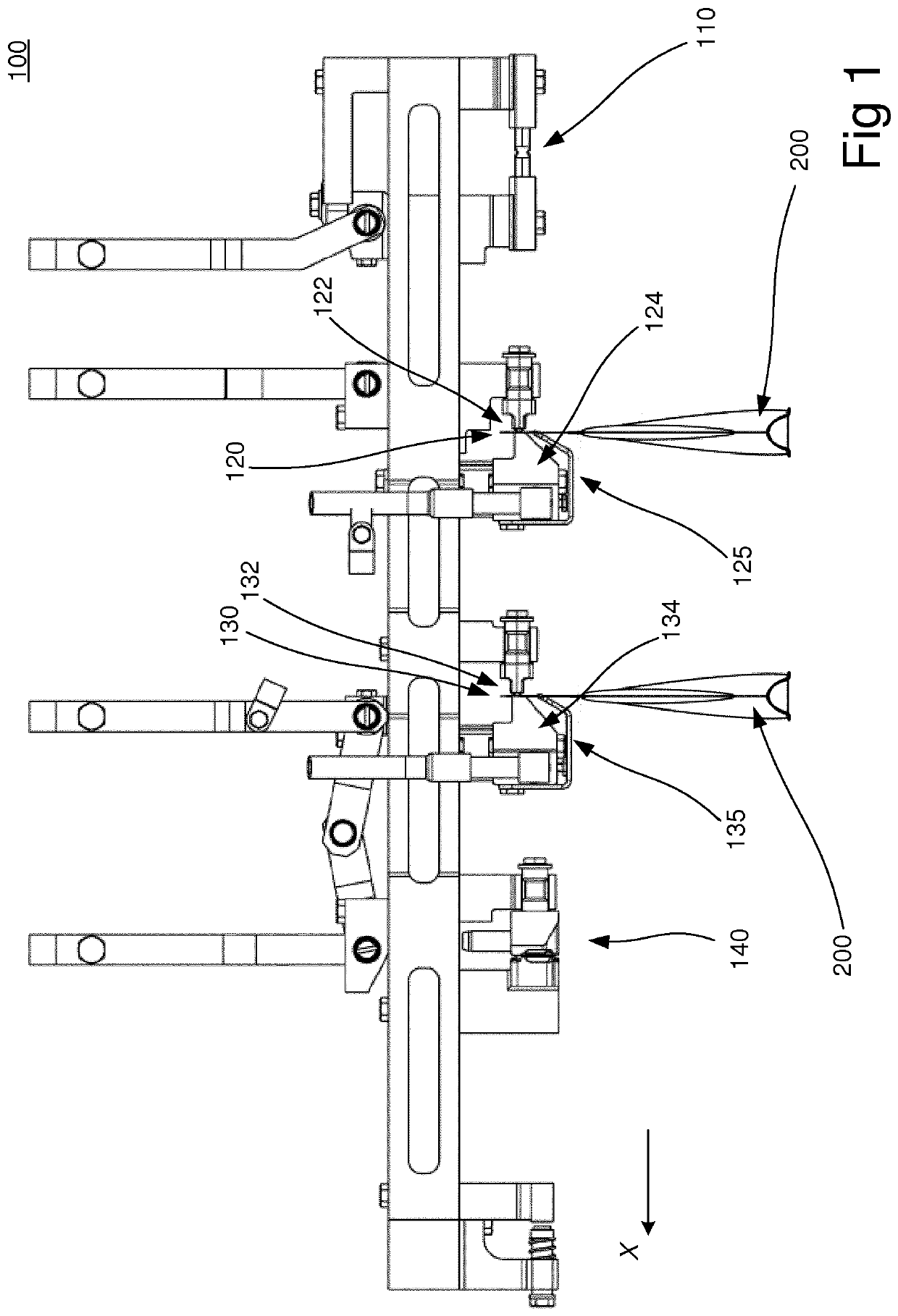 Figure 1
 Figure 2
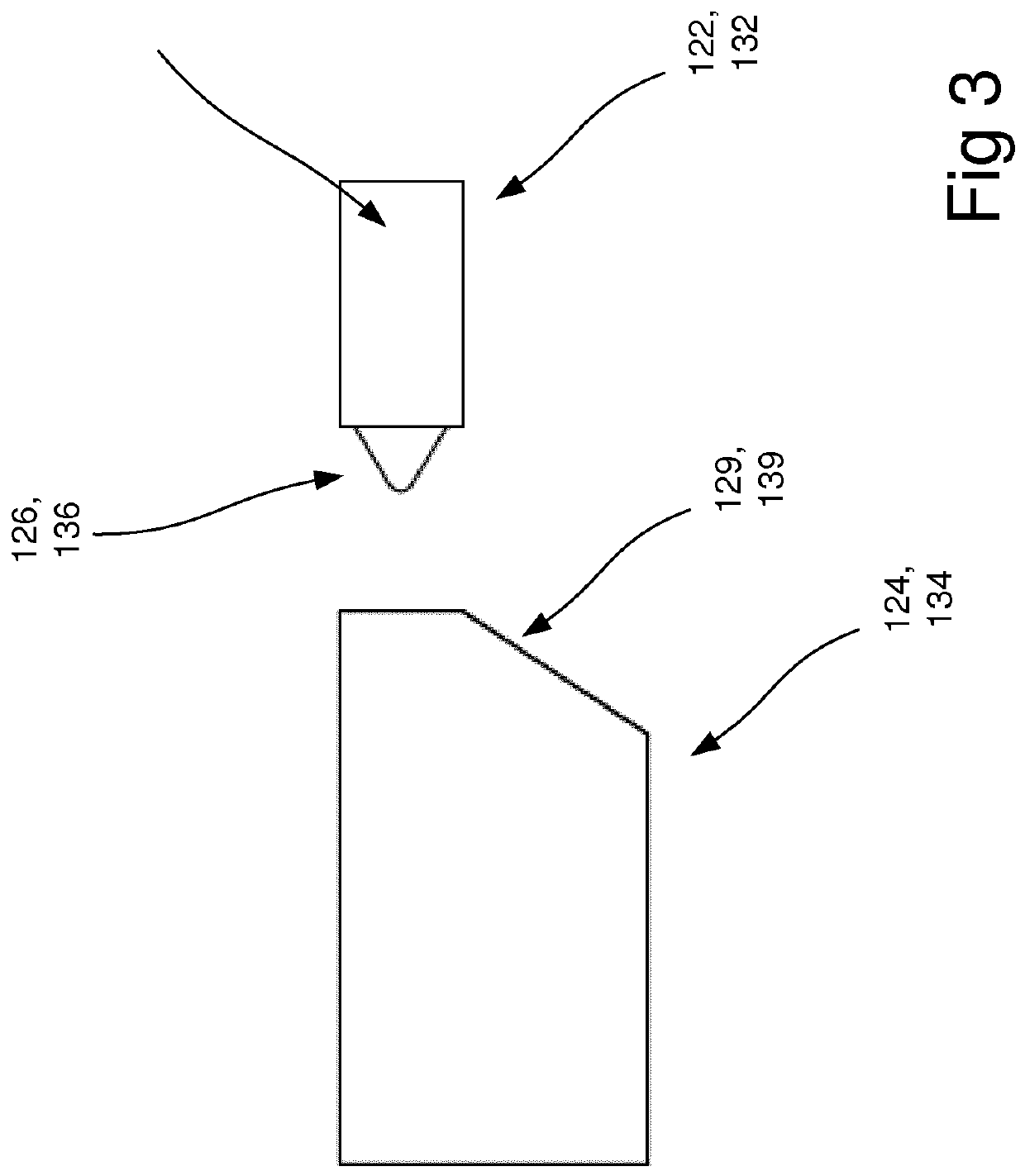 Figure 3
AI summary
In accordance with the present inventive concept, there is provided a method for sealing a flexible package of collapsible type. The method comprises providing a first seal extending transverse a filling channel of the flexible package and providing a second seal extending transverse a filling channel of the flexible package. Said second seal overlaps said first seal such that a combined seal is provided comprising a top portion formed solely by a first sealing unit, an intermediate portion formed by the first and a second sealing unit, and a bottom portion formed solely by the second sealing unit. The method further comprises setting operating parameters comprising a time parameter, a temperature parameter and a pressure parameter for providing said first seal and for providing said second seal such that a sealing characteristic below a threshold value is obtained in said top portion and said bottom portion and such that a sealing characteristic equal to or above the threshold value is obtained in said intermediate portion.