
Oxidic Matrix Light-Absorbing Layer for Dilute-Acid Etching
Find Innovative SolutionsGenerate Solutions
Solution Overview
Problem
Current light-absorbing layer systems for solar absorbers and liquid crystal displays face challenges in etching cermet layers, which are difficult to etch and can contaminate sputtering systems, and require harmful chemicals like hydrofluoric acid, while also having issues with toxicity and particle residues.
Innovation Solution
A light-absorbing layer system with an oxidic matrix based on zinc oxide, tin oxide, or indium oxide, incorporating a blackening component like molybdenum or tungsten as a substoichiometric oxide or oxynitride, allowing for etching with dilute acids without forming toxic substances or particles, and maintaining high absorption in the visible spectral range.
Engineering Contradictions & Design Principles
Engineering Contradiction Analysis
1Use of energy by moving object
If cermet layers are used for light absorption, then high absorption in solar spectral range is achieved, but etching difficulty increases and contamination of sputtering systems occurs
Solution Approach 1:
The patent uses a composite structure with a ceramic matrix (TiO2, SiO2) and embedded metallic particles (Al, Ni, Cu) to achieve high light absorption through plasmonic effects and multiple scattering, while the oxidic nature of the matrix enables easier etching compared to traditional cermet layers
Solution Approach 2:
The patent changes the chemical composition parameters by using specific metal oxides (TiO2, SiO2, Al2O3) as the matrix material instead of traditional ceramic binders, and controls the size and distribution of metallic particles (5-30 nm) to optimize both optical absorption and etchability
2Ease of manufacture
If hydrofluoric acid is used for etching oxidic layers, then etching effectiveness is improved, but toxicity and harmful effects increase
Solution Approach 1:
The patent employs dilute acid solutions (nitric acid, hydrochloric acid, or acetic acid) as disposable etching agents that can be easily neutralized and disposed of safely, replacing the need for persistent and highly toxic hydrofluoric acid while maintaining effective etching capability
Solution Approach 2:
The patent converts the typically problematic interaction between acid etchants and metallic particles in cermet layers into a benefit by selecting metal oxides (TiO2, SiO2, Al2O3) that are naturally etchable by dilute acids, making the entire layer system removable without requiring hazardous chemicals
3Productivity
If DC sputtering is used for layer production, then high quality layers are achieved economically, but electrically conductive target material is required
Solution Approach 1:
The patent creates a composite sputtering target combining conductive metallic particles (Al, Ni, Cu) with oxidic matrix materials (TiO2, SiO2, Al2O3), where the metallic particles provide the necessary electrical conductivity for DC sputtering while the oxidic matrix ensures etchability and optical performance
Solution Approach 2:
The patent designs a multi-functional target material that simultaneously provides electrical conductivity (through metallic particles), etchability (through oxidic matrix), and optical absorption (through plasmonic metallic particles and scattering ceramic matrix), enabling a single material to satisfy multiple conflicting requirements
Applied Scientific Principles
This section explains which scientific principles are used to turn an abstract innovation direction into a practical engineering solution.
Function Achieved in This Case
The solution enables efficient etching of the light-absorbing layer system using dilute acids, avoiding toxic compound formation and particle residues, while achieving high absorption and low reflection in the visible spectral range, and can be produced by DC or MF sputtering for economic and quality reasons.
Implementation Method 1
Atoms or compounds are released from a solid body, the sputtering target, by bombardment with high-energy ions (usually noble gas ions) and enter the gas phase. The atoms or molecules in the gas phase are finally deposited by condensation on a substrate located near the sputtering target and form a layer there.
Implementation Method 2
Through impact ionization of inert gas atoms, a low-pressure plasma is formed in the evacuated gas space, the positively charged components of which are accelerated by the applied direct voltage as a permanent particle stream towards the target and, upon impact, particles are knocked out of the target
Implementation Method 3
The atoms or molecules in the gas phase are finally deposited by condensation on a substrate located near the sputtering target and form a layer there.
Data Source
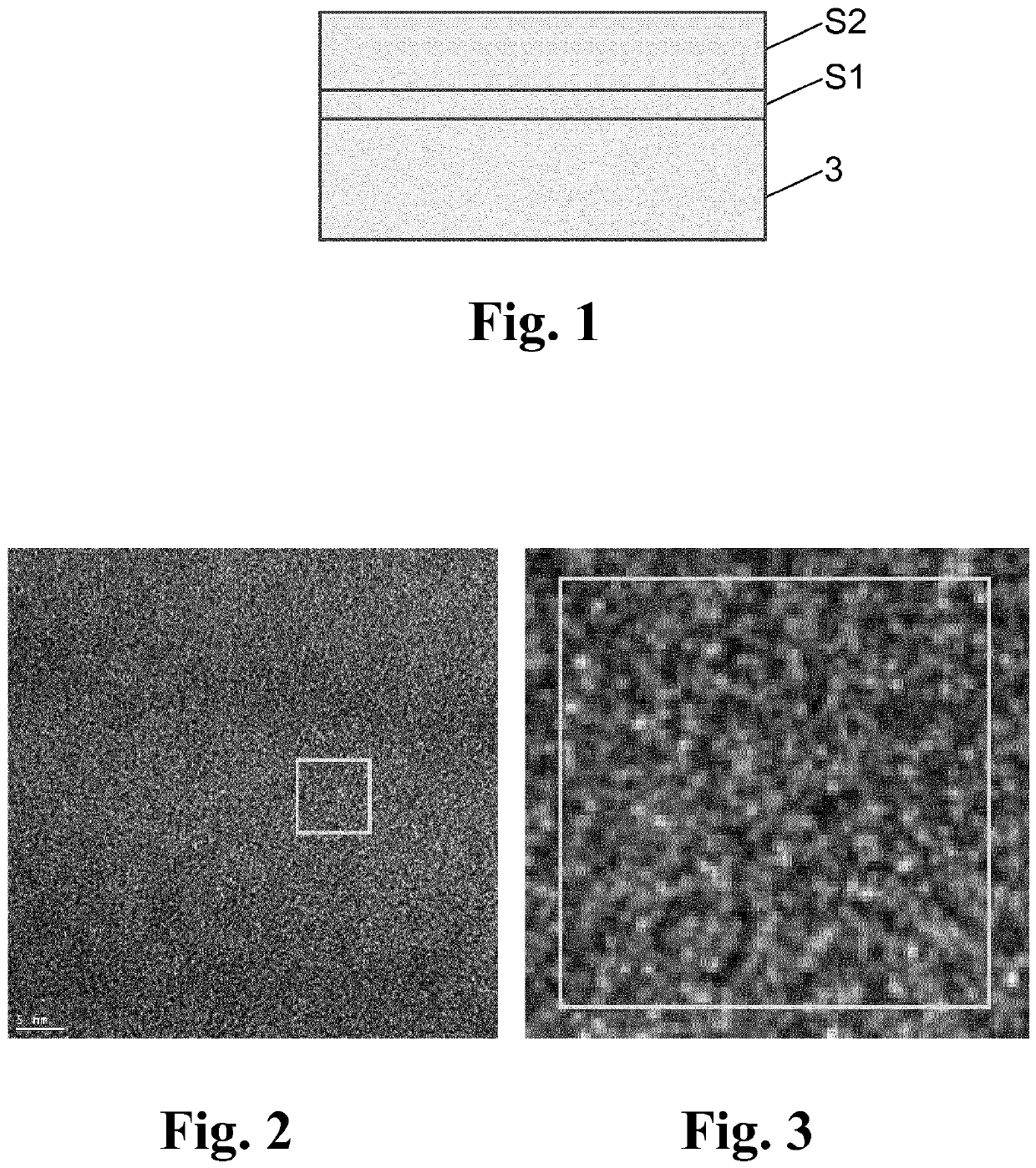 Figure 1~3
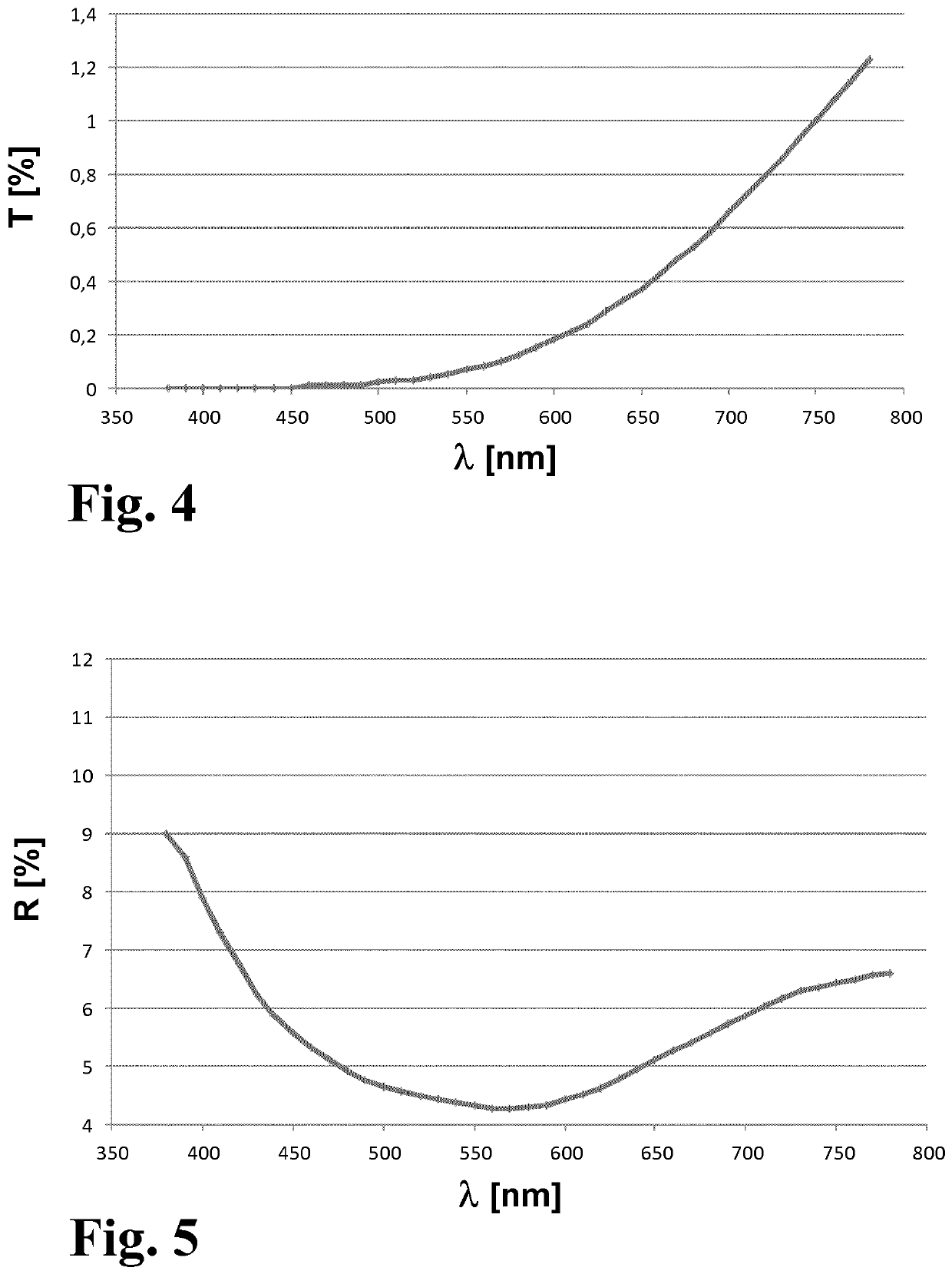 Figure 4~5
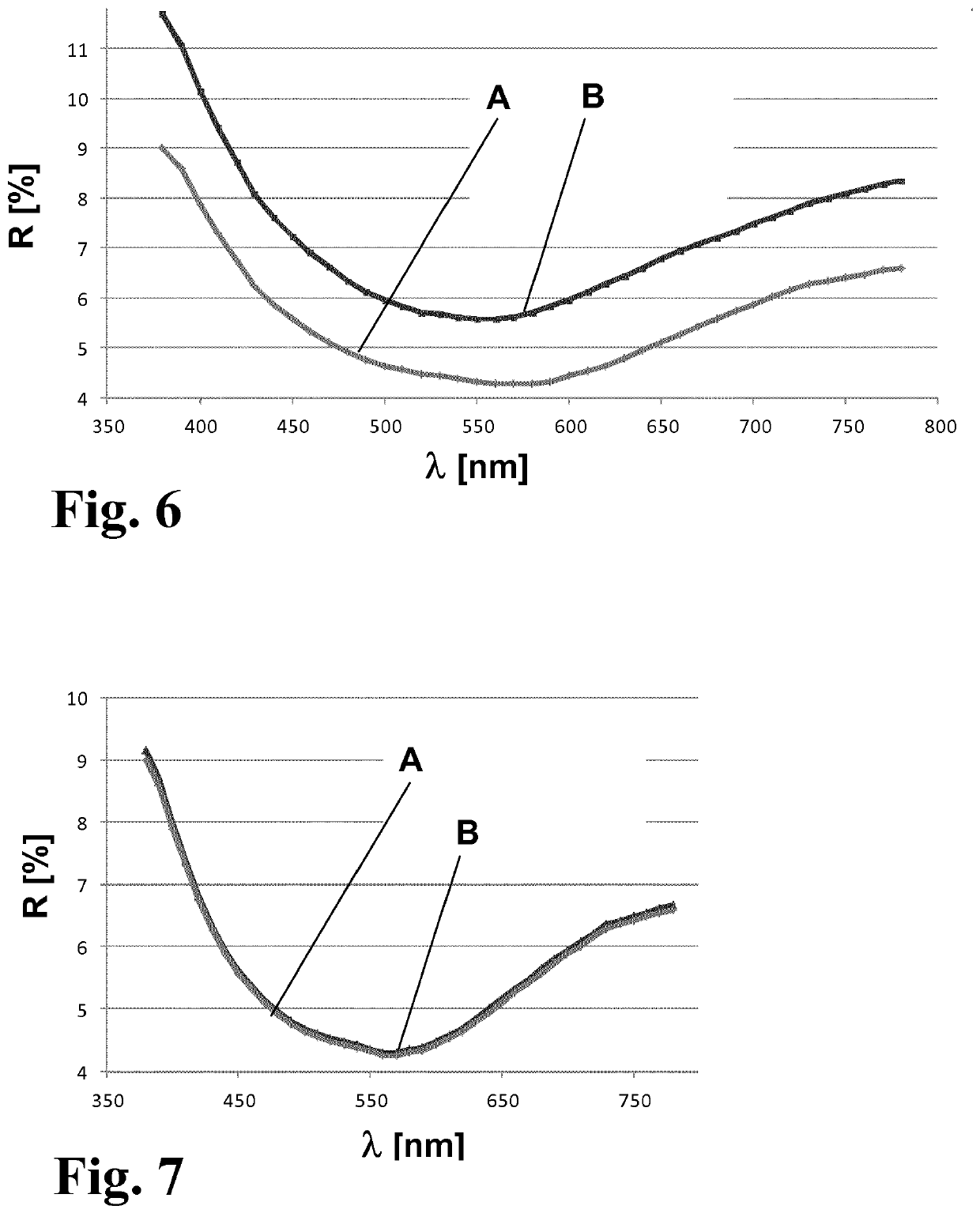 Figure 6~7
AI summary
Light-absorbing layer systems are used for various applications, such as for solar-thermal applications or so-called "black matrix" layers in conjunction with liquid crystal displays. The layer or layers should accordingly exhibit a high absorption and low reflection in the visible spectral range and they should be able to be etched without the formation of toxic substances and without particle residues while using simple dilute acids. In order to ensure this, it is proposed according to the invention that the absorber layer has an oxidic matrix, based on a base component K1 made of zinc oxide, tin oxide and/or indium oxide, and on an added component K3 which can replace the base component K1 up to a fraction of 75% by weight and which consists of niobium oxide, hafnium oxide, titanium oxide, tantalum oxide, vanadium oxide, yttrium oxide, zirconium oxide, aluminium oxide and mixtures thereof, where a blackening component K2 made of molybdenum, tungsten and alloys and mixtures thereof is distributed in the matrix and is present either as metal or as substoichiometric-oxidic compound of the metal in such a way that the layer material has a degree of reduction which is defined by an oxygen content of at most 65 % of the stoichiometrically maximum oxygen content, and where the fraction "x" of the blackening component K2 - calculated from the weight of its elemental fraction based on the weight of the layer material - is in the range between 20 and 50% by weight.