
Resin Coated Article Extinction Layer Color Stability
Find Innovative SolutionsGenerate Solutions
Solution Overview
Problem
Resin impregnated papers used in the woodworking industry face issues with unwanted color changes and patchy surface appearances due to phenolic resins, particularly when exposed to heat, which affect the aesthetic properties of laminated boards.
Innovation Solution
A coated article comprising three layers: a base layer, a resin-containing layer, and a reducing agent-containing layer, where the reducing agent is used to selectively eliminate the color of the resin, preventing darkening caused by heat or UV-light, thereby maintaining the aesthetic appearance of patterns.
Engineering Contradictions & Design Principles
Engineering Contradiction Analysis
1Strength
If phenolic resin is used for impregnation, then bonding strength and firm attachment are improved, but unwanted color change and darkening of the pattern occur
Solution Approach 1:
An extinction layer comprising a reducing agent is introduced as an intermediary between the pattern layer and the phenolic resin layer. This reducing agent prevents the oxidation and darkening of the pattern caused by the phenolic resin, thereby maintaining the aesthetic appearance while preserving the bonding strength of the phenolic resin.
Solution Approach 2:
The coated article is divided into multiple functional layers: a base layer, a pattern layer, an extinction layer comprising a reducing agent, and a phenolic resin layer. This segmentation allows each layer to perform its specific function independently, with the extinction layer specifically addressing the color change issue without compromising the bonding function of the phenolic resin layer.
2Object-affected harmful factors
If ammonium-based salt is added to reduce resol darkening, then color stability is improved, but brittleness and prolonged curing time occur
Solution Approach 1:
Instead of adding ammonium-based salts directly to the resin formulation, an extinction layer comprising a reducing agent is introduced as an intermediary. This approach reduces darkening without interfering with the curing process, thereby avoiding prolonged curing time and maintaining mechanical properties.
Solution Approach 2:
The reducing agent is segregated into a separate extinction layer rather than being mixed into the phenolic resin formulation. This segmentation prevents the reducing agent from interfering with the curing process while still providing protection against darkening, thus avoiding the drawbacks of extended curing time and brittleness.
3Object-affected harmful factors
If melamine formaldehyde resin is added to improve color stability, then aesthetic properties are improved, but brittleness and impact on mechanical properties occur
Solution Approach 1:
An extinction layer comprising a reducing agent is introduced as an intermediary to protect the pattern from darkening. This approach improves color stability without compromising the mechanical properties of the phenolic resin, as the reducing agent does not interfere with the resin's structural integrity or bonding strength.
Solution Approach 2:
The reducing agent is placed in a separate extinction layer rather than being incorporated into the phenolic resin formulation. This segmentation ensures that the mechanical properties of the phenolic resin are not compromised while still achieving color stability and preventing darkening of the pattern.
Applied Scientific Principles
This section explains which scientific principles are used to turn an abstract innovation direction into a practical engineering solution.
Function Achieved in This Case
The reducing agent effectively counteracts the darkening of the resin, ensuring a consistent and desired appearance of the pattern, even after exposure to heat, without impacting the printing process or mechanical properties.
Implementation Method 1
The core aspect of the invention is the finding that the reducing agent eliminates at least partially the color of the resin (either the color of the resin itself and/or dyes or pigments contained therein. Therewith the reducing agent is capable of counteracting the darkening of the resin regardless of its cause (e.g. UV-light or heat).
Data Source
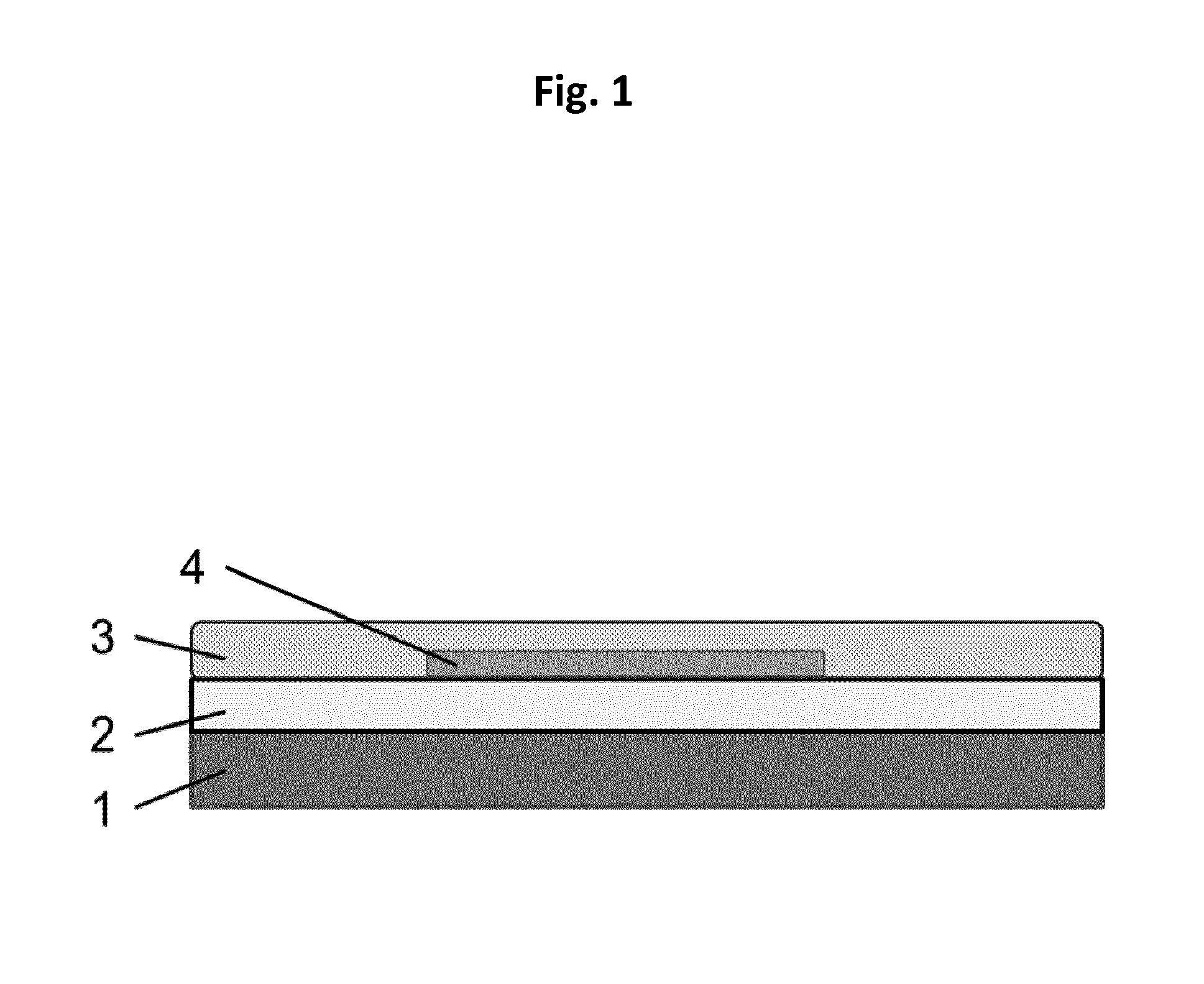 Figure 1
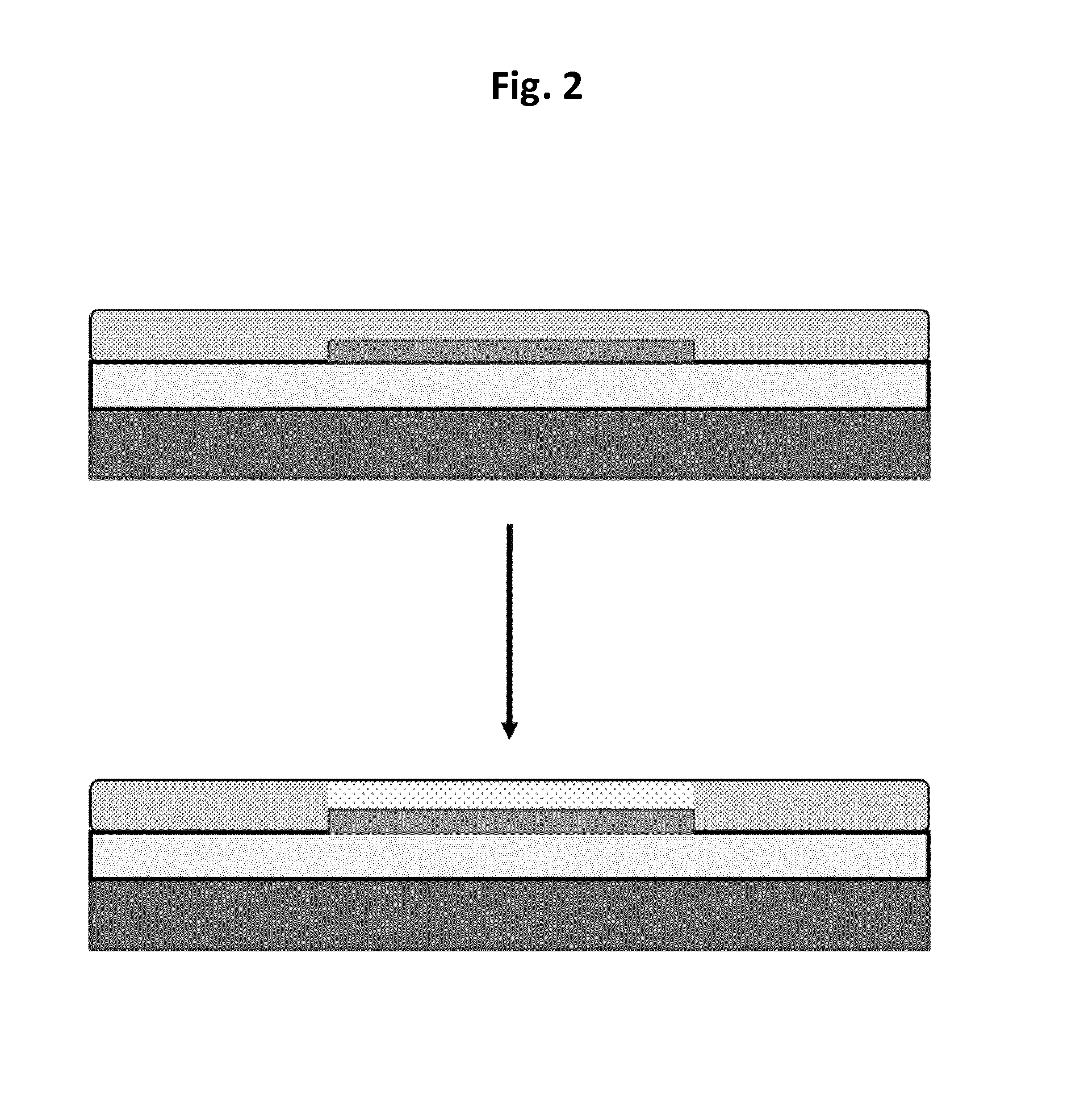 Figure 2
AI summary
The present invention relates to a coated article comprising a base layer, a coating layer comprising a resin composition, and an extinction layer comprising at least one reducing agent capable of at least partially discoloring the resin composition.