
Rib Type Optical Waveguide Polarization Independence
Find Innovative SolutionsGenerate Solutions
Solution Overview
Problem
In optical waveguide-based matrix switches, particularly in silica and silicon photonics, polarization dependence and wavelength dependence pose challenges, leading to scattering issues and difficulties in achieving polarization independence over a wide wavelength band, which complicates the design and manufacturing of optical multiplexers/demultiplexers.
Innovation Solution
A rib-type optical waveguide with specific narrow width stepped parts and a rib type MMI region is employed, where the widths and heights of these stepped parts are optimized to minimize effective refractive index differences between E x and E y modes, allowing for polarization-independent operation by adjusting the sectional shapes of the waveguide.
Engineering Contradictions & Design Principles
Engineering Contradiction Analysis
1Ease of manufacture
If a conventional optical waveguide with square core layer is used, then coupling efficiency with optical fiber is improved, but polarization dependence and wavelength dependence increase
Solution Approach 1:
The patent applies asymmetry by forming a rib-type optical waveguide where the core layer has different dimensions in the width direction (horizontal) versus the thickness direction (vertical). Specifically, the rib portion has a width W1 and height H1, creating an asymmetric cross-section that reduces polarization dependence and wavelength dependence while maintaining coupling efficiency with optical fibers.
2Loss of energy
If the rib portion of the optical waveguide is made larger, then confinement of signal light is improved, but scattering at intersections increases
Solution Approach 1:
The patent applies local quality by optimizing the rib portion dimensions (width W1 and height H1) to achieve appropriate confinement of signal light within the core layer while minimizing scattering at waveguide intersections. The specific dimensional relationship between W1 and H1 creates localized optical properties that balance confinement and scattering reduction.
3Reliability
If polarization independence is achieved through waveguide design, then reliability is improved, but manufacturing precision requirements increase
Solution Approach 1:
The patent applies parameter changes by establishing specific dimensional relationships for the rib portion (width W1 and height H1) that achieve polarization independence. By carefully controlling these geometric parameters and their ratios, the design achieves polarization-insensitive operation while providing clear fabrication guidelines that balance manufacturing precision requirements.
Applied Scientific Principles
This section explains which scientific principles are used to turn an abstract innovation direction into a practical engineering solution.
Function Achieved in This Case
This configuration reduces polarization dependence and wavelength dependence, enabling efficient signal propagation with minimal loss and maintaining optimal performance across a wide wavelength band, thus facilitating the design of practical optical multiplexers/demultiplexers.
Implementation Method 1
signal light is strongly confined into the core layer
Implementation Method 2
adjusting the sectional shapes of the waveguide to minimize effective refractive index differences between E x and E y modes
Data Source
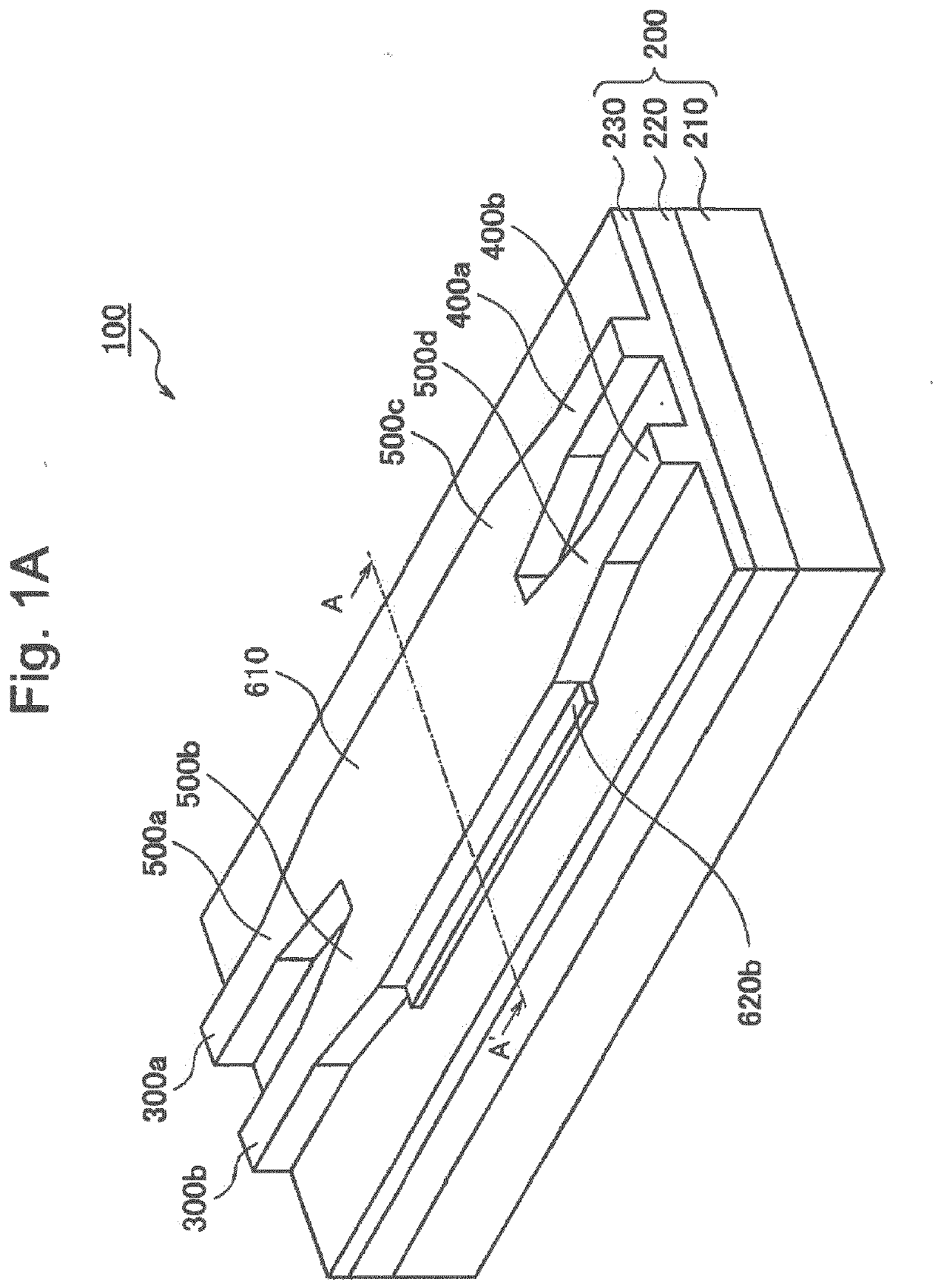 Figure 1A
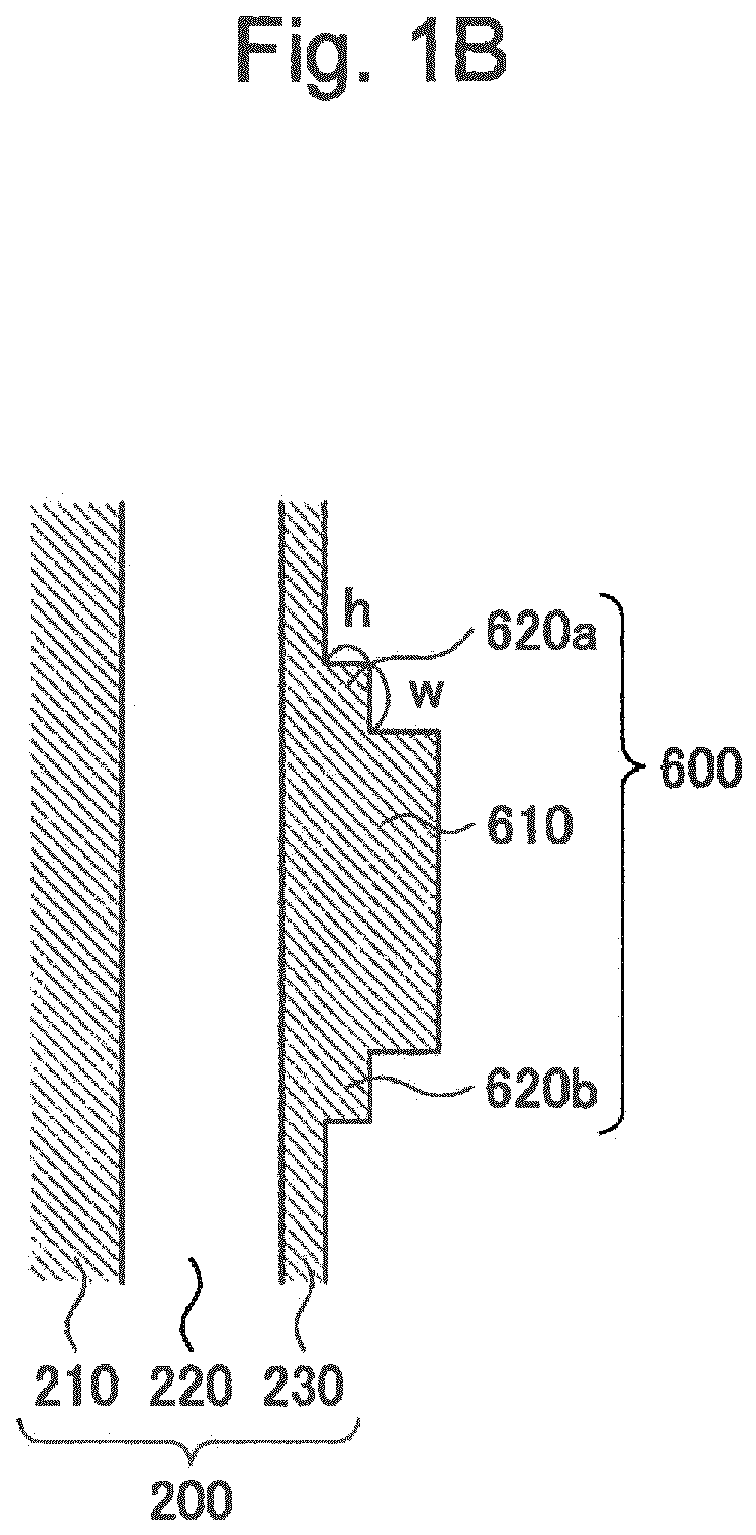 Figure 1B
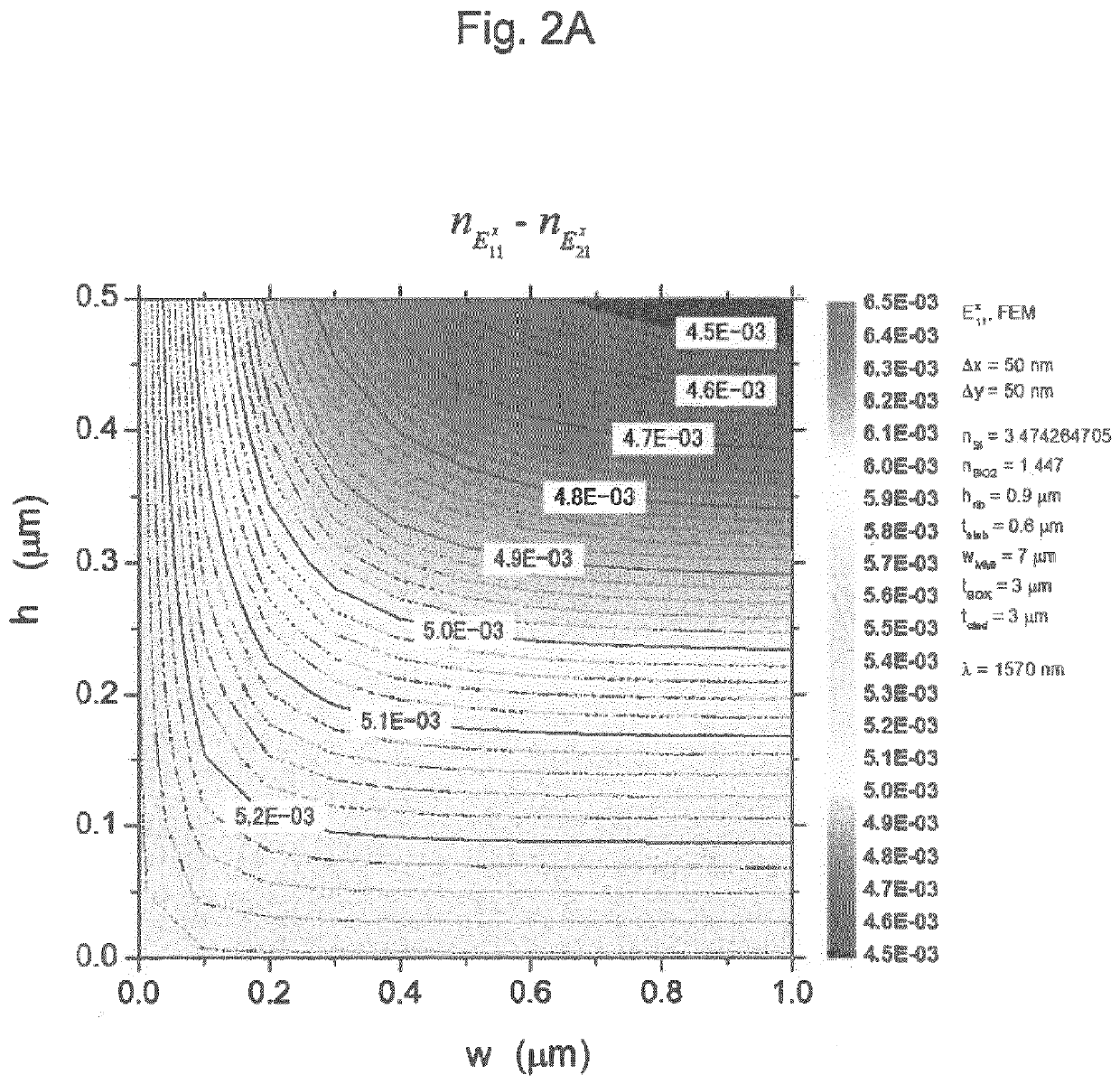 Figure 2A
AI summary
Provided are a practical rib type optical waveguide in which polarization dependence and wavelength dependence and the like are small and an optical multiplexer/demultiplexer using the same. An optical waveguide type optical multiplexer/demultiplexer of the present invention includes a substrate, M input optical waveguides and N output optical waveguides including a single mode rib type optical waveguide, multi-mode optical interference regions including a rib type optical waveguide, and reversible tapered regions that smoothly connect the input/output optical waveguides to the multi-mode optical interference regions and include MxN rib type optical waveguides, and both side surfaces of the multi-mode optical interference region are respectively formed in a stepped shape.