
Bacterial Ribosome Fraction Induces Pluripotent Cell Reprogramming
Find Innovative SolutionsGenerate Solutions
Solution Overview
Problem
Current methods for producing pluripotent cells face ethical concerns, rejection issues, and safety risks, particularly with embryonic stem cells and bacteria-based reprogramming techniques, and there is a need for a more standardized and safer approach to induce cell reprogramming without gene introduction or forced expression.
Innovation Solution
A method involving the use of ribosome fractions from bacteria such as lactobacillus and Bacillus natto, or their crude extraction components, to reprogram somatic or cancer cells into pluripotent cells without gene introduction, using a culture medium that may include methyl-β-cyclodextrin, to form cell-clusters with differentiation potential into various cell types.
Engineering Contradictions & Design Principles
Engineering Contradiction Analysis
1Adaptability or versatility
If embryonic stem cells are used for producing pluripotent cells, then the ability to differentiate into various cell types is achieved, but ethical problems and rejection reactions occur
Solution Approach 1:
The patent uses an intermediary substance (bacterium component or small molecule compound) to mediate the reprogramming process. Instead of directly using embryonic stem cells, the invention introduces an external agent that triggers the somatic cell to reprogram itself into a pluripotent state, thereby avoiding the ethical and immunological issues associated with embryonic stem cells while achieving the same differentiation capability
Solution Approach 2:
The invention creates a copy of the pluripotent state through chemical or bacterial induction rather than using actual embryonic stem cells. The somatic cell is transformed into an iPS cell that replicates the key characteristics of embryonic stem cells (pluripotency and self-renewal) without requiring embryonic tissue, thus copying the desired functionality while avoiding the harmful associations
2Adaptability or versatility
If Mycobacterium leprae is used for reprogramming, then pluripotent cells can be produced, but safety concerns arise due to leprosy causation
Solution Approach 1:
The patent extracts only the beneficial reprogramming component from the bacterium while discarding the harmful pathogenic elements. Instead of using the complete Mycobacterium leprae organism, the invention isolates and uses only the specific bacterial component or fraction that induces reprogramming, thereby separating the useful function from the harmful effects
Solution Approach 2:
The patent employs a disposable, non-viable bacterial component or small molecule compound for reprogramming. The active agent is used in a controlled manner and then discarded, eliminating the need for long-term presence of living pathogenic bacteria. This approach provides the reprogramming benefit while ensuring safety through the use of non-living or controlled substances
3Adaptability or versatility
If retrovirus vector is used for introducing Yamanaka factors, then iPS cells can be generated, but cancerization risk increases
Solution Approach 1:
The patent replaces the mechanical/genetic system of retroviral vector integration with a chemical or bacterial induction system. Instead of using viruses to deliver genetic material that integrates into the host genome (which can cause insertional mutagenesis and cancer), the invention uses small molecule compounds or bacterial components that trigger reprogramming through non-integrative mechanisms, thereby eliminating the cancerization risk while maintaining reprogramming efficiency
Solution Approach 2:
The patent introduces a small molecule compound or bacterial component as an intermediary that mediates the reprogramming process without requiring genetic integration. This intermediary substance temporarily triggers the expression of reprogramming factors or activates endogenous reprogramming pathways, achieving iPS cell generation without the permanent genetic modifications and cancer risks associated with retroviral integration
Data Source
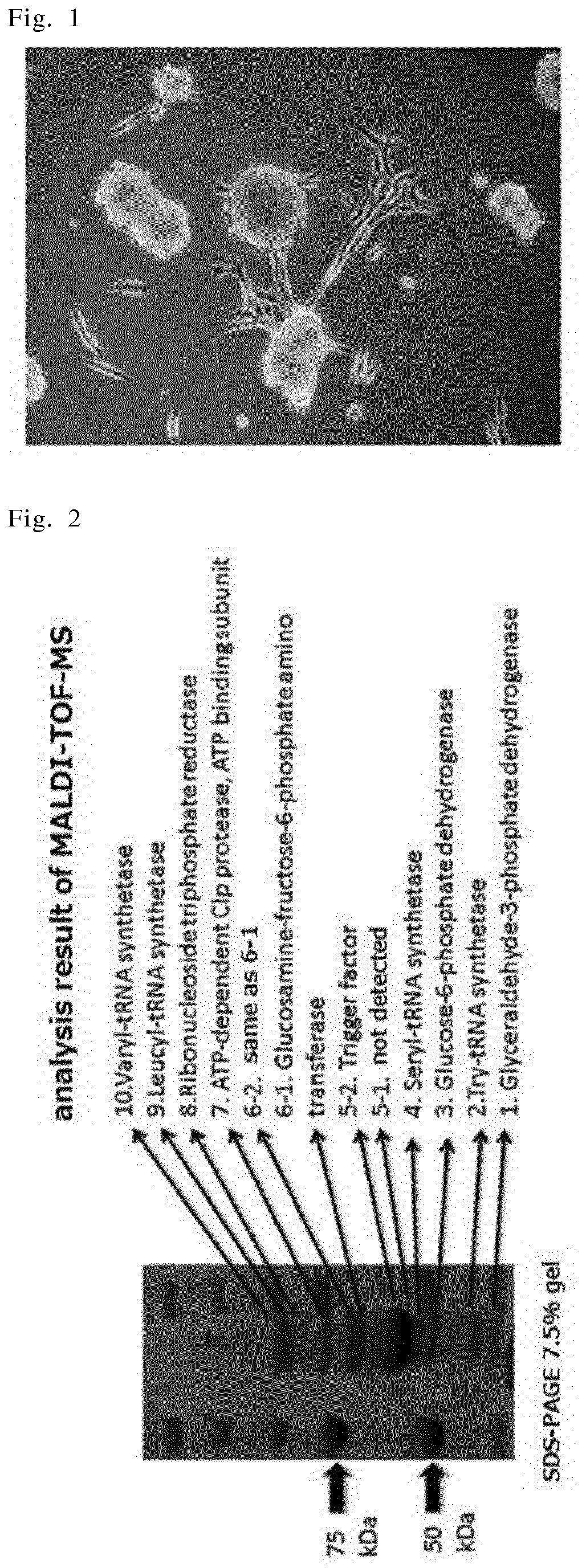 Figure 1~2
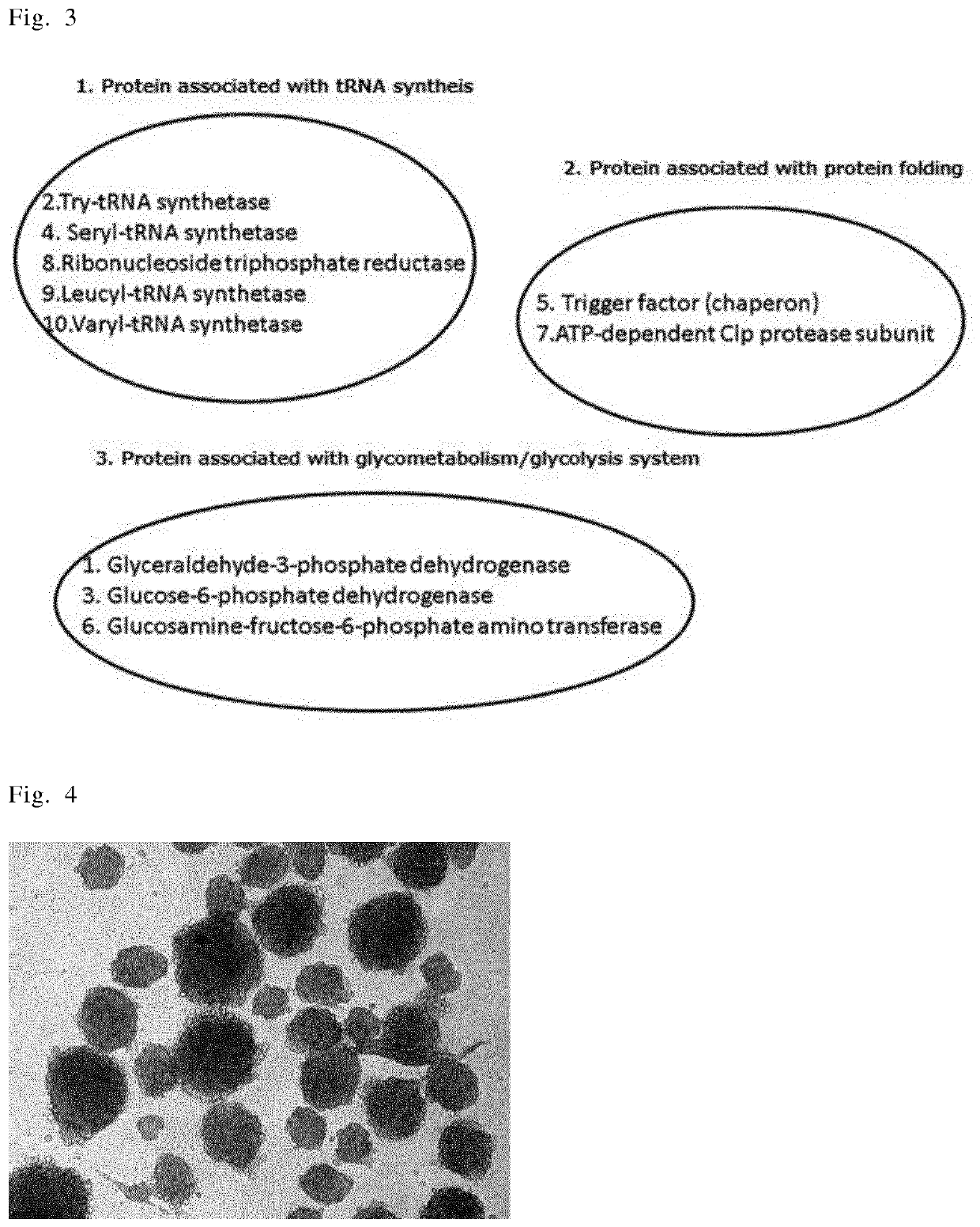 Figure 3~4
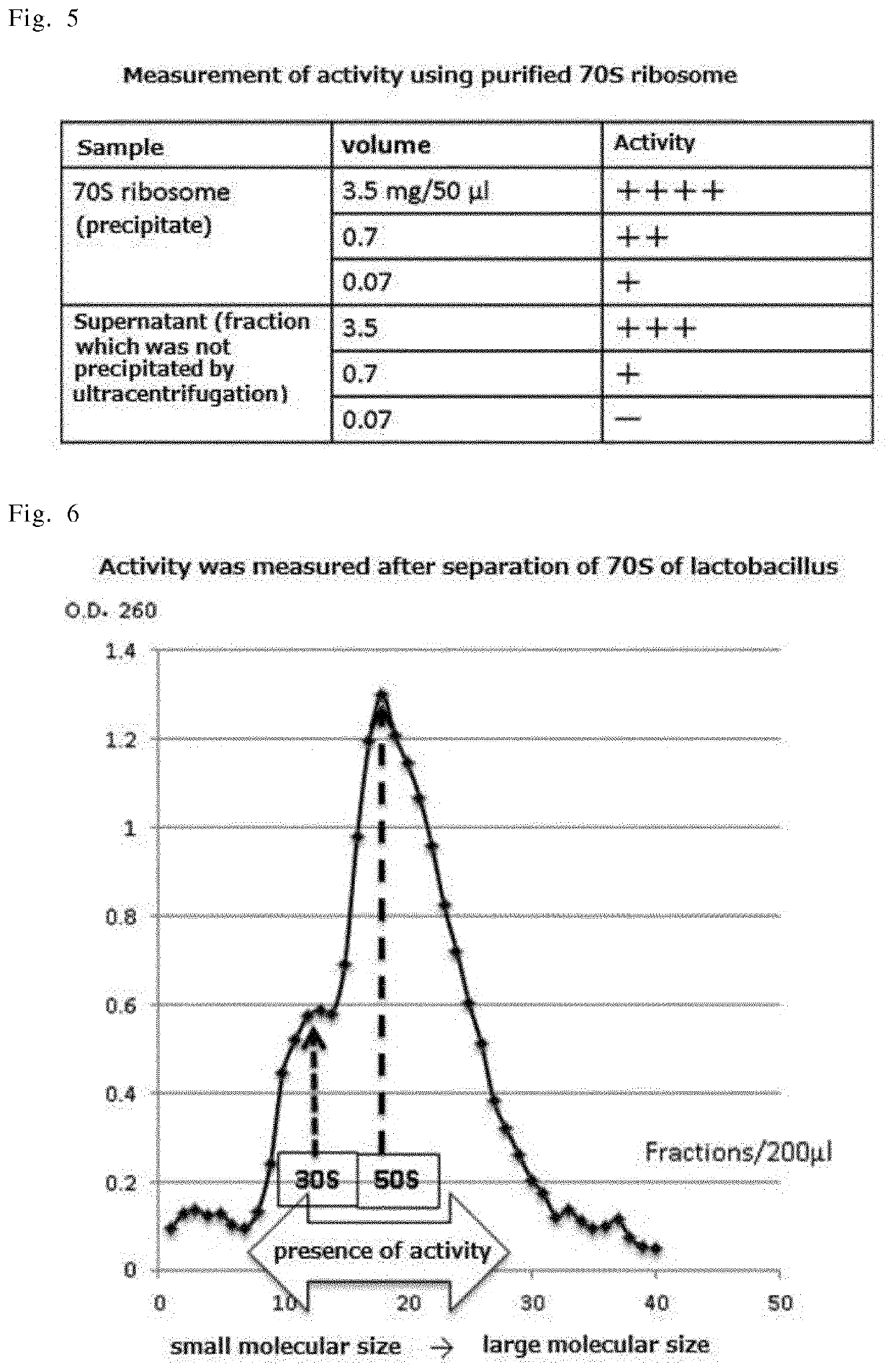 Figure 5~6
AI summary
The purpose of the present invention is to provide pluripotent cells that are highly safe in applications for regenerative medicine, and a method for producing the same. Another purpose of the present invention is in particular to provide pluripotent cells that pose fewer problems with respect to malignant transformation of cells and that arouse less concern about safety regarding the presence of bacteria inside cells, and a method for producing the same. The present invention provides a method for producing pluripotent cells from somatic cells. This method includes a step for inducing reprogramming of cells by bringing a ribosome fraction of biological origin into contact with somatic cells. The present invention also provides a composition for inducing cell reprogramming, the composition including a ribosome fraction of biological origin.