
Sulfamate Derivative Composition for CNS Disorders With Fewer Side Effects
Find Innovative SolutionsGenerate Solutions
Solution Overview
Problem
Current treatments for CNS disorders and pain, particularly epilepsy and neuropathic pain, are inadequate due to high side effects and resistance to existing antiepileptic drugs, and there is a need for improved medications with enhanced efficacy and reduced toxicity.
Innovation Solution
Development of sulfamate derivative compounds represented by Chemical Formula I, which exhibit highly enhanced anti-epileptic activity with significantly decreased side effects, offering a novel pharmaceutical composition for treating or preventing CNS disorders and pain.
Engineering Contradictions & Design Principles
Engineering Contradiction Analysis
1Reliability
If conventional antiepileptic drugs (phenytoin, carbamazepine, valproic acid, etc.) are used to treat CNS disorders, then they provide therapeutic effects, but they cause high side effects and resistance in 20-30% of patients
Solution Approach 1:
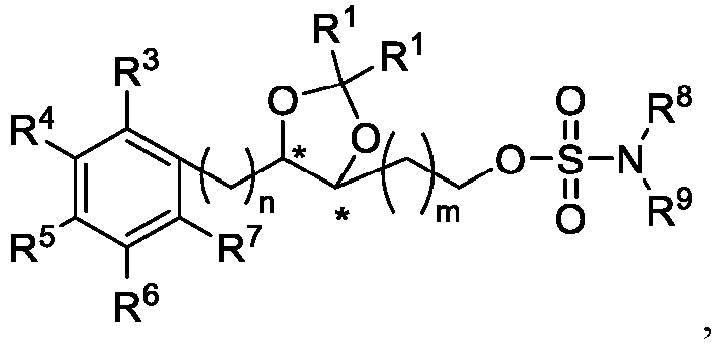
The patent applies parameter changes by modifying the chemical structure of sulfamate derivatives through varying substituents (R1, R2, R3, R4, R5, R6) and molecular parameters (a, b, c, d, e, f, g, h, i, j, k, l, m, n, o, p, q, r, s, t, u, v, w, x, y, z). This systematic variation of chemical parameters enables optimization of both therapeutic efficacy and reduction of side effects, resolving the contradiction between reliability and harmful factors.
Solution Approach 2:
The patent employs composite materials by creating complex sulfamate derivative molecules composed of multiple functional groups and substituents. These composite molecular structures combine different chemical moieties (aromatic rings, aliphatic chains, heterocyclic groups, electron-withdrawing/donating substituents) to achieve synergistic effects that improve therapeutic reliability while minimizing side effects.
2Object-affected harmful factors
If new antiepileptic drugs (felbamate, gabapentin, lamotrigine, etc.) are introduced to improve efficacy, then side-effect profiles are improved, but about 30% of patients remain untreated
Solution Approach 1:
The patent applies universality by designing sulfamate derivatives with multiple substituents that can interact with various neurotransmitter systems and receptors. The versatile molecular structure (with modifiable R groups and positional parameters) enables a single compound class to address multiple seizure types and CNS disorders, thereby expanding treatment coverage to the 30% of patients resistant to existing drugs while maintaining an improved side-effect profile.
3Object-affected harmful factors
If existing pain treatments are administered, then pain relief is achieved, but treatment effectiveness is limited and side effects are significant
Solution Approach 1:
The patent applies local quality by introducing specific substituents at particular positions (R1-R6 at different ring positions, various functional groups) to target specific pain pathways and receptors. Different substituent configurations provide localized pharmacological actions that enhance pain relief effectiveness while reducing systemic side effects, addressing the contradiction between treatment effectiveness and harmful factors.
Data Source
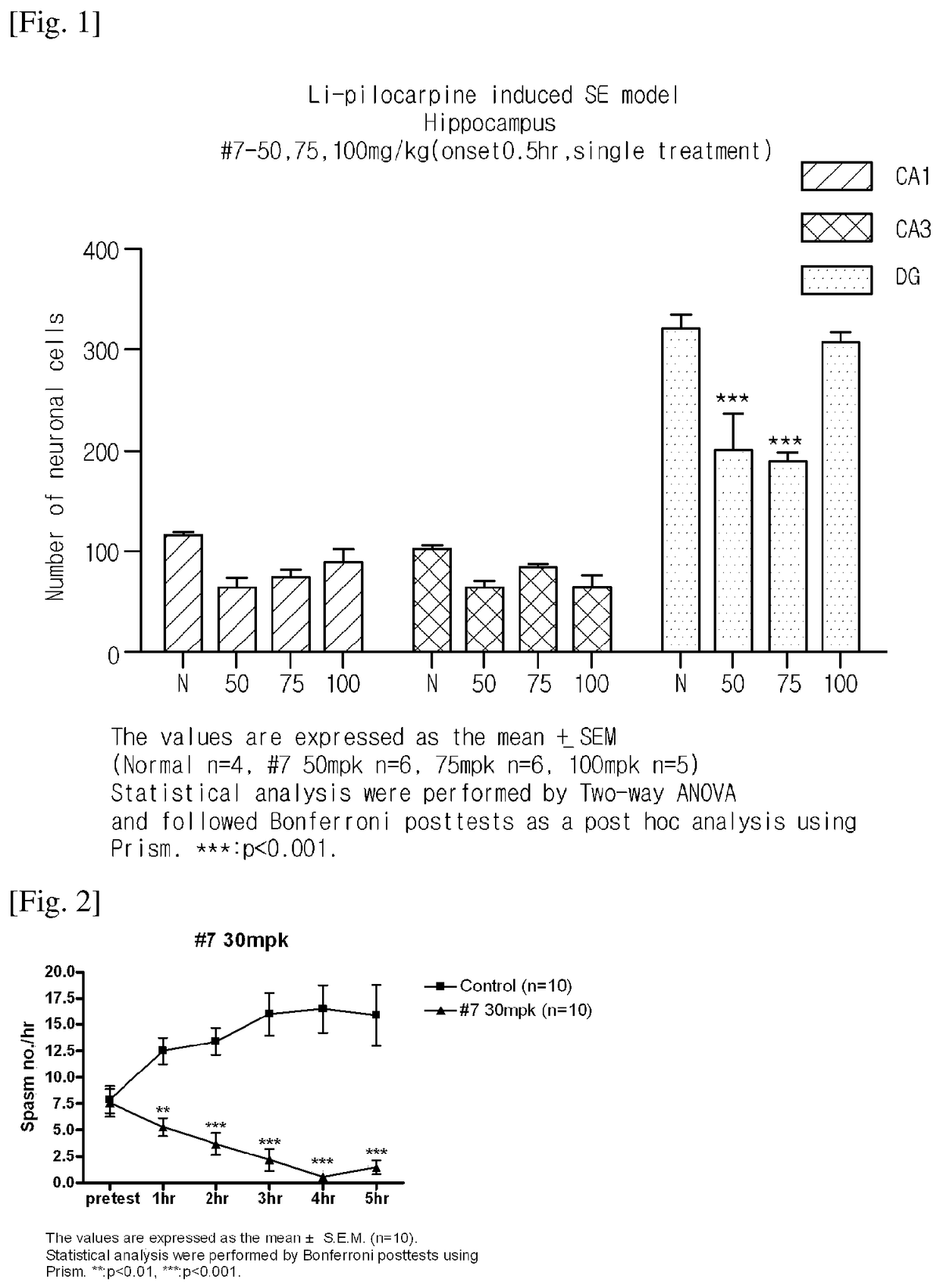 Figure 1~2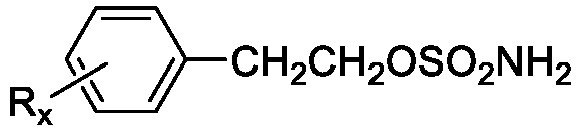
AI summary
The present invention relates to a pharmaceutical composition for treating or preventing CNS disorders containing a sulfamate derivative compound and/or pharmaceutically acceptable salt thereof as an active ingredient. Furthermore, the present invention relates to a method for treatment or prevention CNS disorders comprising administering a sulfamate derivative compound in a pharmaceutically effective amount to a subject in need of treatment or prevention of CNS disorders.