

Weld Data Grouping Using Pattern Recognition Without Profile IDs
Find Innovative SolutionsGenerate Solutions
Solution Overview
Problem
Existing welding and cutting data analysis systems face challenges in accurately identifying and grouping individual welds or cuts due to the reuse or undefined weld/cutting profile identification numbers, leading to incorrect data clustering and traceability issues.
Innovation Solution
A system and method that utilize both core and non-core welding/cutting data, such as pre-idle times and tool movements, to identify and group individual welds/cuts without relying on profile identification numbers, using cluster analysis and machine learning algorithms.
Engineering Contradictions & Design Principles
Engineering Contradiction Analysis
1Device complexity
If weld profile identification numbers are used to identify and group individual welds, then data clustering is simplified, but accuracy deteriorates due to reuse or undefined identification numbers
Solution Approach 1:
The patent introduces an intermediary classification system that uses weld location, part number, and process parameters as mediators between the raw weld data and the final grouped results. Instead of directly relying on potentially reused identification numbers, the system uses these intermediary characteristics to accurately classify and group welds, resolving the contradiction between simplified clustering and accurate identification.
Solution Approach 2:
The patent changes the parameters used for weld identification from static identification numbers to dynamic parameters including weld location coordinates, part numbers, and process parameters. This parameter transformation enables accurate weld grouping without relying on potentially reused identification numbers, thereby improving measurement precision while maintaining manageable system complexity.
2Measurement precision
If detailed welding data is collected and stored for each individual weld, then analysis accuracy is improved, but data storage requirements and system complexity increase
Solution Approach 1:
The patent extracts only the essential characteristics needed for weld classification and grouping (weld location, part number, process parameters) while storing detailed welding data selectively. This extraction approach maintains high analysis accuracy for grouped welds while reducing overall data storage requirements by not uniformly storing all possible data points for every weld.
Solution Approach 2:
The patent segments welding data into hierarchical levels: individual weld characteristics, grouped weld characteristics, and summary statistics. This segmentation allows the system to store detailed data only where necessary for accurate analysis while using aggregated data for broader trends, thereby reducing total storage volume while maintaining analysis precision.
3Productivity
If welds are grouped by similar parameters without individual identification, then productivity is improved through faster analysis, but traceability deteriorates
Solution Approach 1:
The patent implements a feedback mechanism where the classification and grouping results are continuously validated against the original weld characteristics. This feedback loop ensures that welds are accurately grouped while maintaining the ability to trace back individual welds to their specific groups, thereby preserving traceability information while enabling efficient bulk analysis.
Solution Approach 2:
The patent performs preliminary classification and grouping of welds before detailed analysis, organizing data into traceable groups based on location, part number, and process parameters. This preliminary action enables faster subsequent analysis while maintaining complete traceability, as each group is pre-tagged with identifying characteristics that link back to individual welds.
Data Source
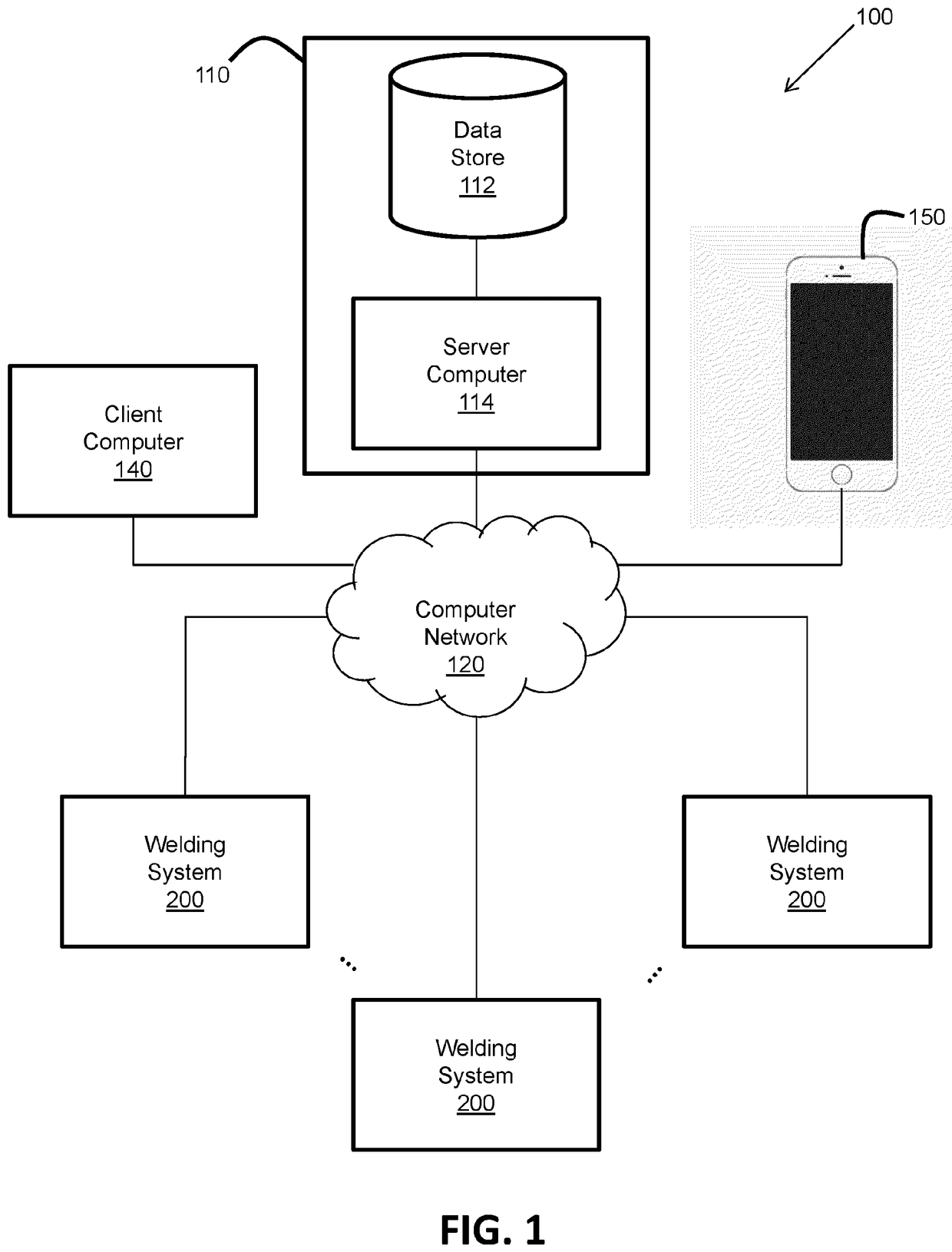 Figure 1
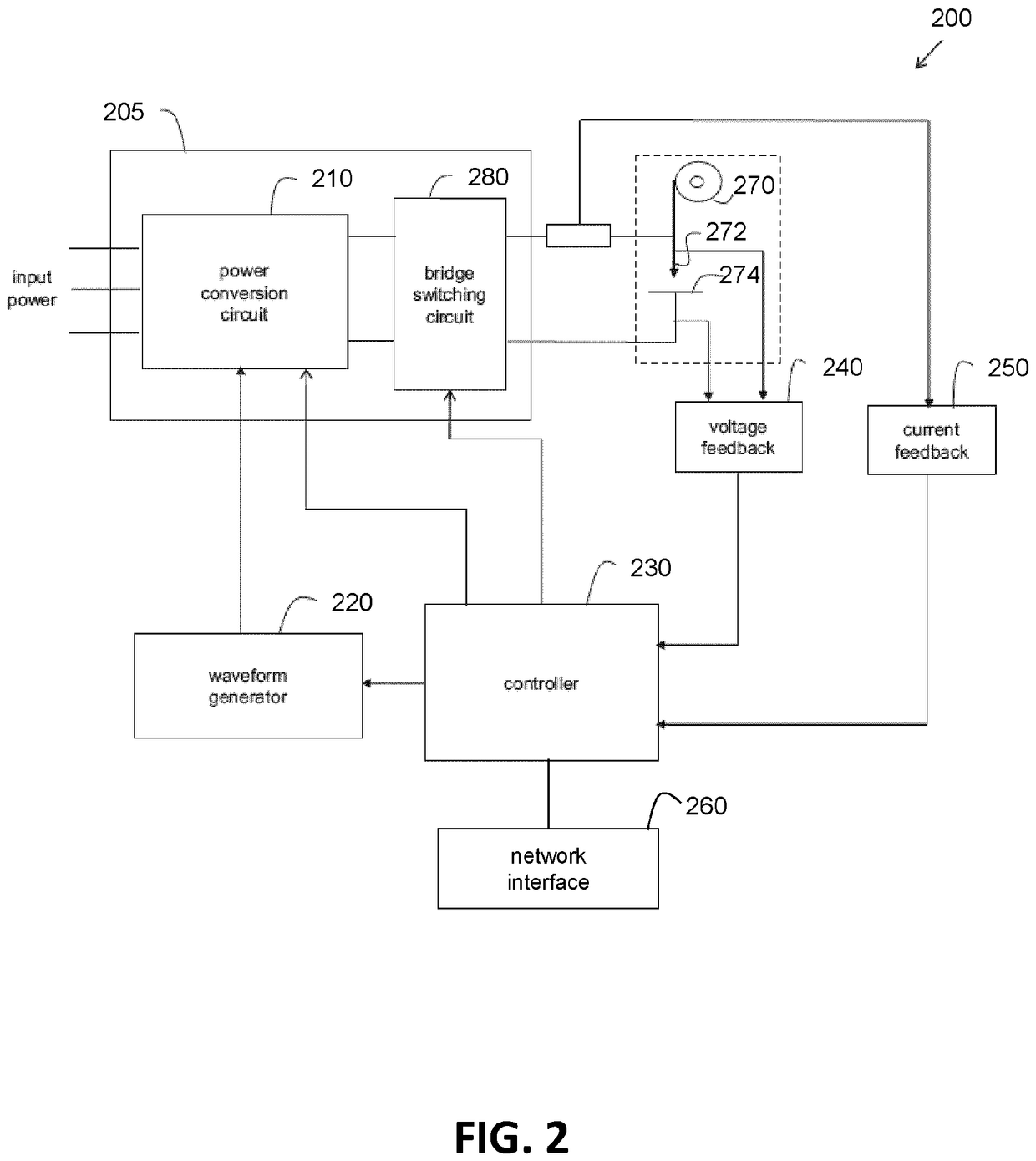 Figure 2
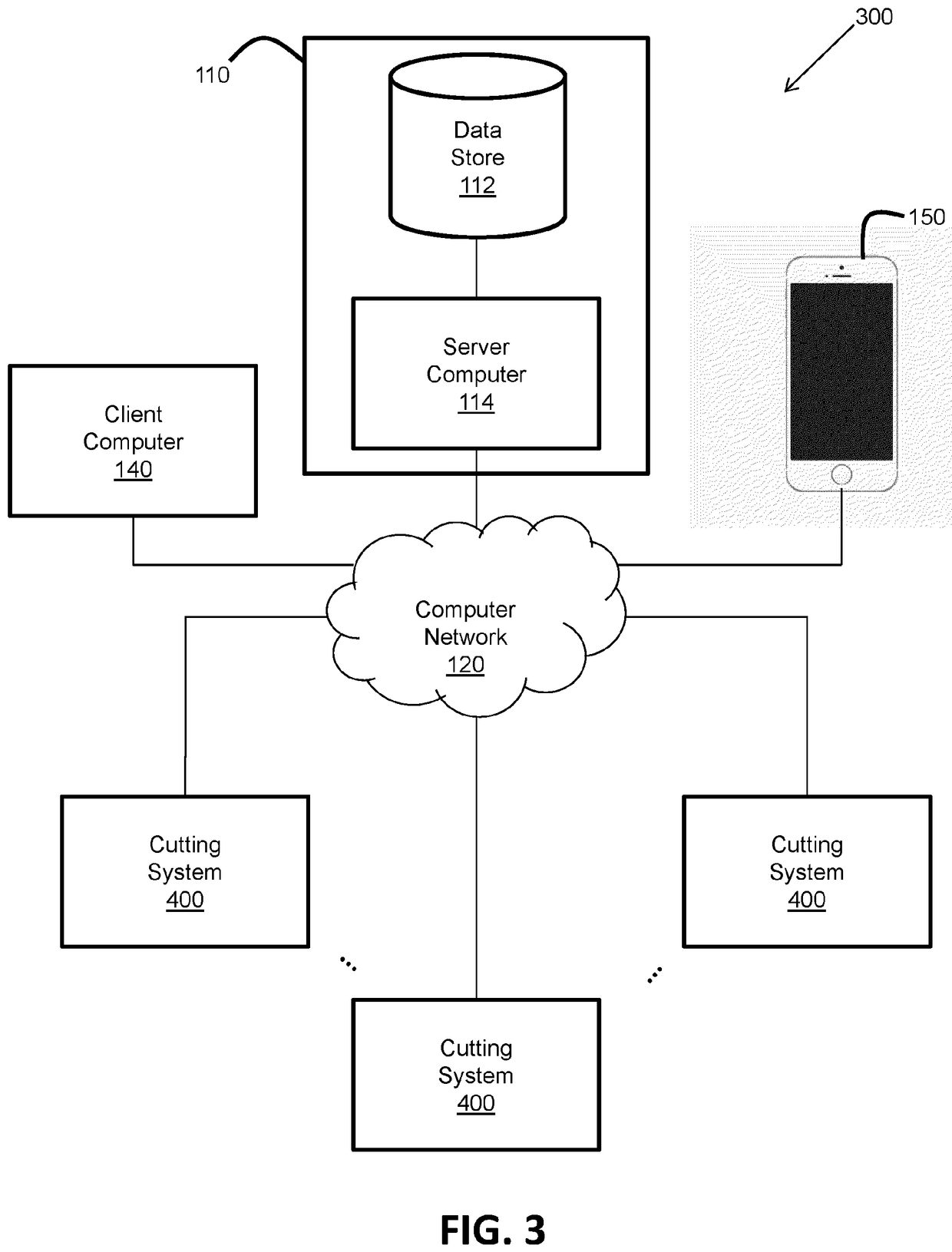 Figure 3
AI summary
Embodiments of systems and methods providing pattern recognition and data analysis in welding and cutting are disclosed. In one embodiment, a system includes a server computer and a data store connected to the server computer. The server computer receives welding data, including core welding data and non-core welding data, over a computer network from welding systems used to generate multiple welds to produce multiple instances of a same type of part. The server computer performs an analysis on the welding data to identify and group same individual welds of the multiple welds without relying on weld profile identification numbers as part of the analysis. A group of the same individual welds corresponds to a same weld location on the multiple instances of the same type of part. The data store receives the welding data from the server computer and digitally stores the welding data as identified and grouped.