

Spot Welded Joint Hardness Profiling to Prevent HAZ Tensile Fracture
Find Innovative SolutionsGenerate Solutions
Solution Overview
Problem
High-strength steel sheets with quenched structures used in vehicle frameworks are prone to breaking at the heat-affected zones (HAZ) when subjected to in-plane tensile stress due to softened regions, which compromises collision resistance and deformation resistance during vehicle collisions.
Innovation Solution
A spot welded joint design that controls hardness in specific regions around the nugget, including the HAZ softened portion, through tempering treatments to prevent breaking by maintaining a hardness difference of 80 HV or less within the controlled regions, ensuring the hardness is lower than the base metal's maximum hardness.
Engineering Contradictions & Design Principles
Engineering Contradiction Analysis
1Strength
If resistance spot welding is performed on high-strength steel sheets with quenched structure, then welding joint is formed, but HAZ softened portion is generated causing breaking under in-plane tensile stress
Solution Approach 1:
The invention applies tempering treatment to the HAZ softened portion to change its hardness parameter. By controlling the hardness of the HAZ softened portion to be within a specific range (250-450 HV) and limiting the hardness difference between HAZ and base metal to 80 HV or less, the invention prevents strain concentration and breaking while maintaining welding joint strength.
Solution Approach 2:
The invention applies differential hardness control to different regions: the HAZ softened portion is tempered to achieve moderate hardness (250-450 HV), while the base metal maintains its high strength properties. This local quality differentiation prevents strain concentration at the HAZ while preserving overall structural integrity.
2Strength
If high-strengthening of base metal is performed to improve collision resistance, then material strength increases, but HAZ softened portion becomes more prone to breaking
Solution Approach 1:
The invention changes the hardness parameter of the HAZ softened portion through tempering treatment, controlling it to be within 250-450 HV. This parameter control ensures that even when base metal has high strength (1100 MPa or higher), the HAZ softened portion will not become a weak point under in-plane tensile stress.
Solution Approach 2:
The invention converts the harmful effect of HAZ softened portion (which normally causes strain concentration and breaking) into a beneficial feature by controlling its hardness to be within a specific range. The tempered HAZ softened portion with controlled hardness difference (≤80 HV) actually improves overall joint reliability by preventing premature failure.
3Strength
If number of welding points is increased to improve deformation resistance, then collision energy absorption improves, but HAZ softened portions increase causing more breaking points
Solution Approach 1:
The invention applies tempering treatment to control the hardness parameter of HAZ softened portions at multiple welding points. By ensuring each HAZ softened portion has hardness within 250-450 HV and hardness difference from base metal is ≤80 HV, the invention enables increased number of welding points without proportionally increasing breaking risks.
Applied Scientific Principles
This section explains which scientific principles are used to turn an abstract innovation direction into a practical engineering solution.
Function Achieved in This Case
The solution effectively suppresses breaking from the HAZ softened portion, enhancing collision-resistant performance and maintaining structural integrity under in-plane tensile stress, thereby improving the vehicle's deformation resistance and energy absorption capabilities.
Implementation Method 1
When resistance spot welding is performed, a nugget that welds steel sheets is formed, and a heat affected zone (hereinafter referred to as HAZ) is generated in the periphery of the nugget
Implementation Method 2
the quenched structure of the base metal is tempered by heat from resistance spot welding
Data Source
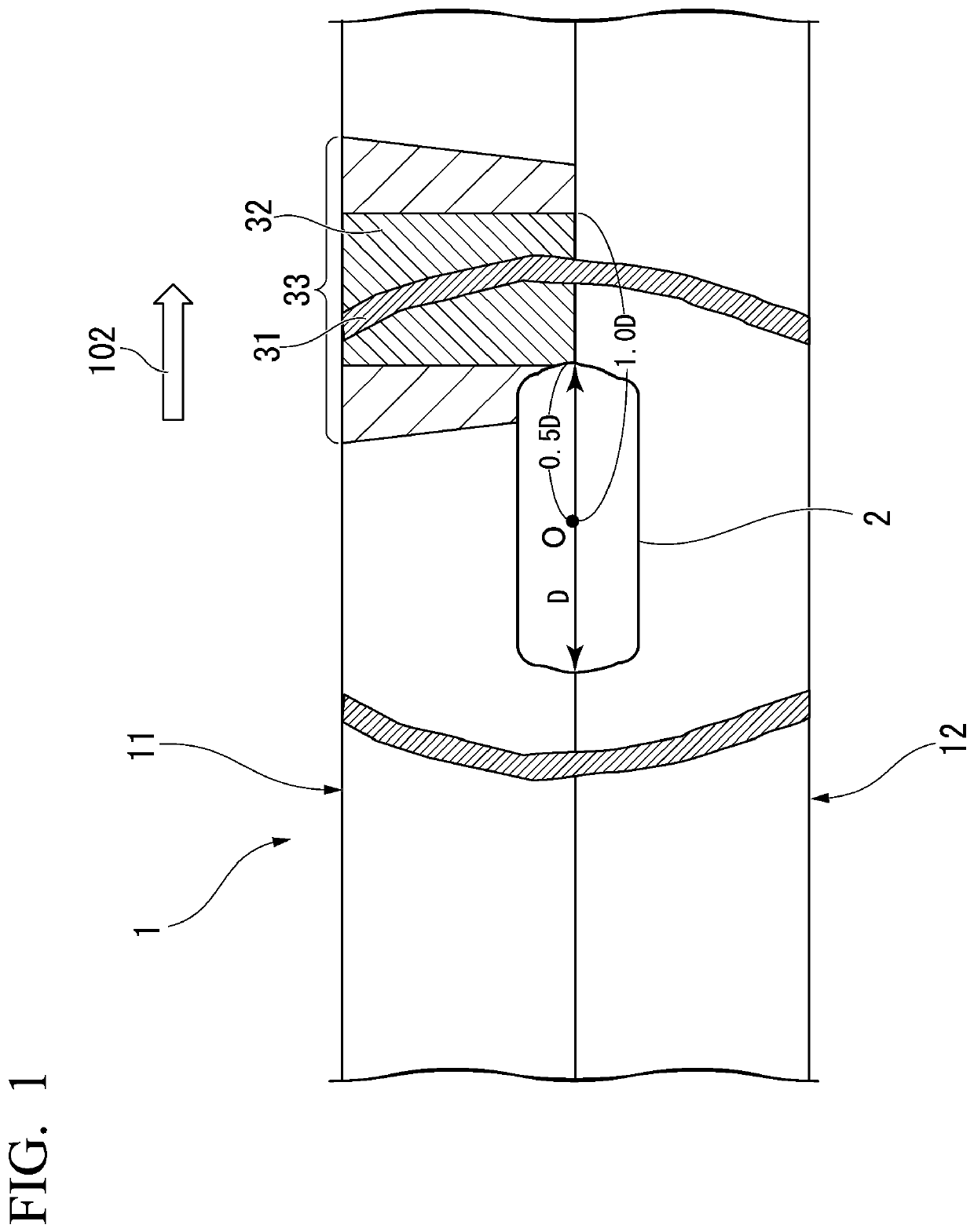 Figure 1
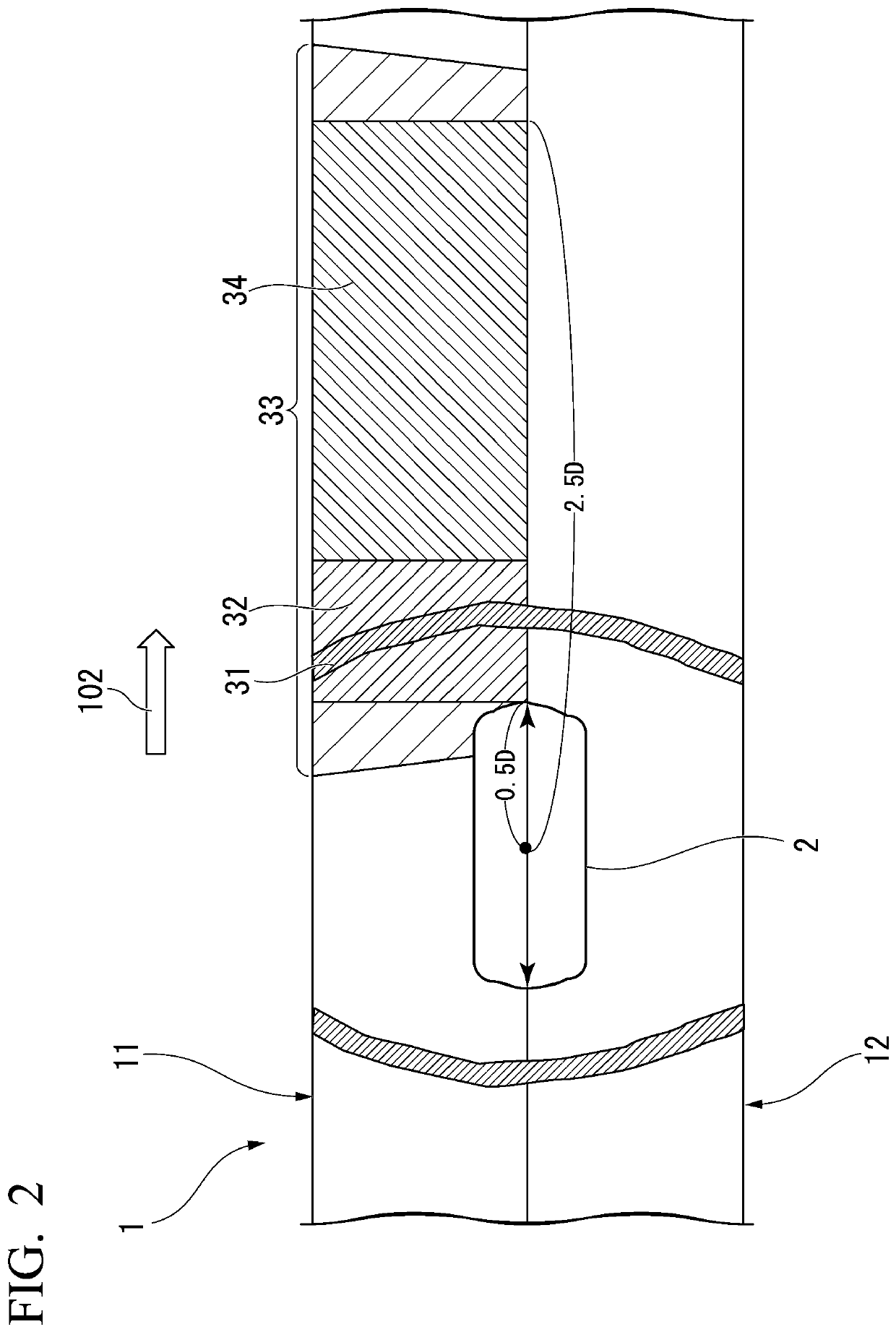 Figure 2
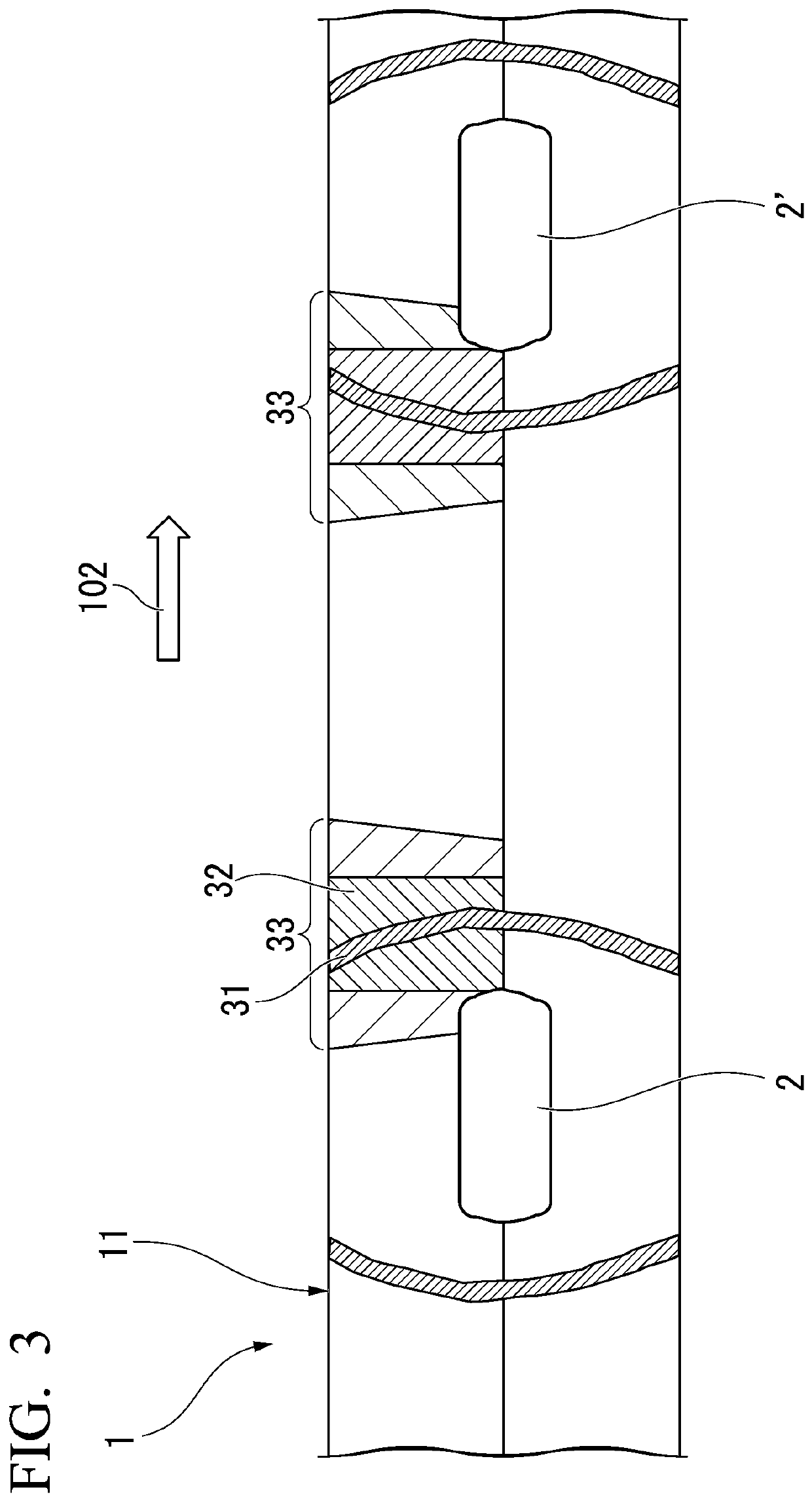 Figure 3
AI summary
This spot welded joint includes a first steel sheet having tensile strength of 1100 MPa or higher and hard martensitic structure as main structure, a second steel sheet stacked on the first steel sheet, a nugget having diameter D at an interface between the first and second steel sheets and formed between the first and second steel sheets, and a hardness control region occupying, in a cross section of the first steel sheet in sheet thickness direction that passes a nugget center, a region that is the first steel sheet in sheet thickness direction and is from 0.5 × D to 1.0 × D from the nugget center in sheet surface direction and in which difference between maximum value and minimum value in hardness in the region is 80 HV or less, and the maximum hardness value in the region is lower than the maximum hardness value of the first steel sheet.